

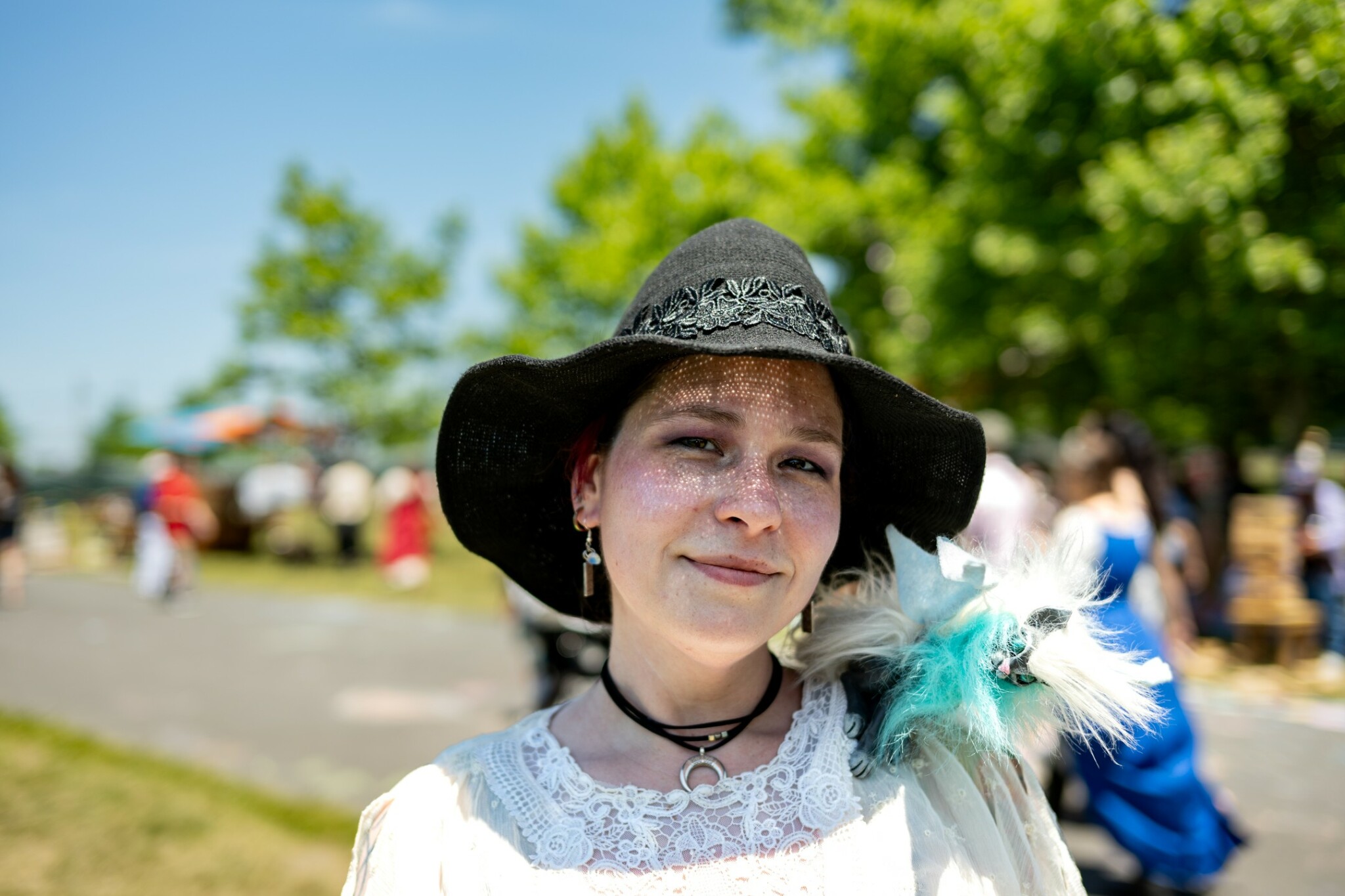

We’re excited to introduce you to the always interesting and insightful Arkady Thompson. We hope you’ll enjoy our conversation with Arkady below.
Arkady, appreciate you joining us today. How did you learn to do what you do? Knowing what you know now, what could you have done to speed up your learning process? What skills do you think were most essential? What obstacles stood in the way of learning more?
I have had my hands in art since I was little. My parents always supported my love of creating. It wasn’t until my undergrad at Hood College, that I fell in love with ceramics. I was completely taken in by the feel of the clay and the unpredictability of it. I fell in love with the challenge of putting something I created into the kiln and surrendering control to the “fire”. I had a wonderful professor, Michael Cohen Holdahl, who really let me explore the creative process and pushed me to push myself. She also taught me the importance of patience. Clay is very predictable when you know it well. She taught me how to get to know the clay in order to push the limits of what it could do.
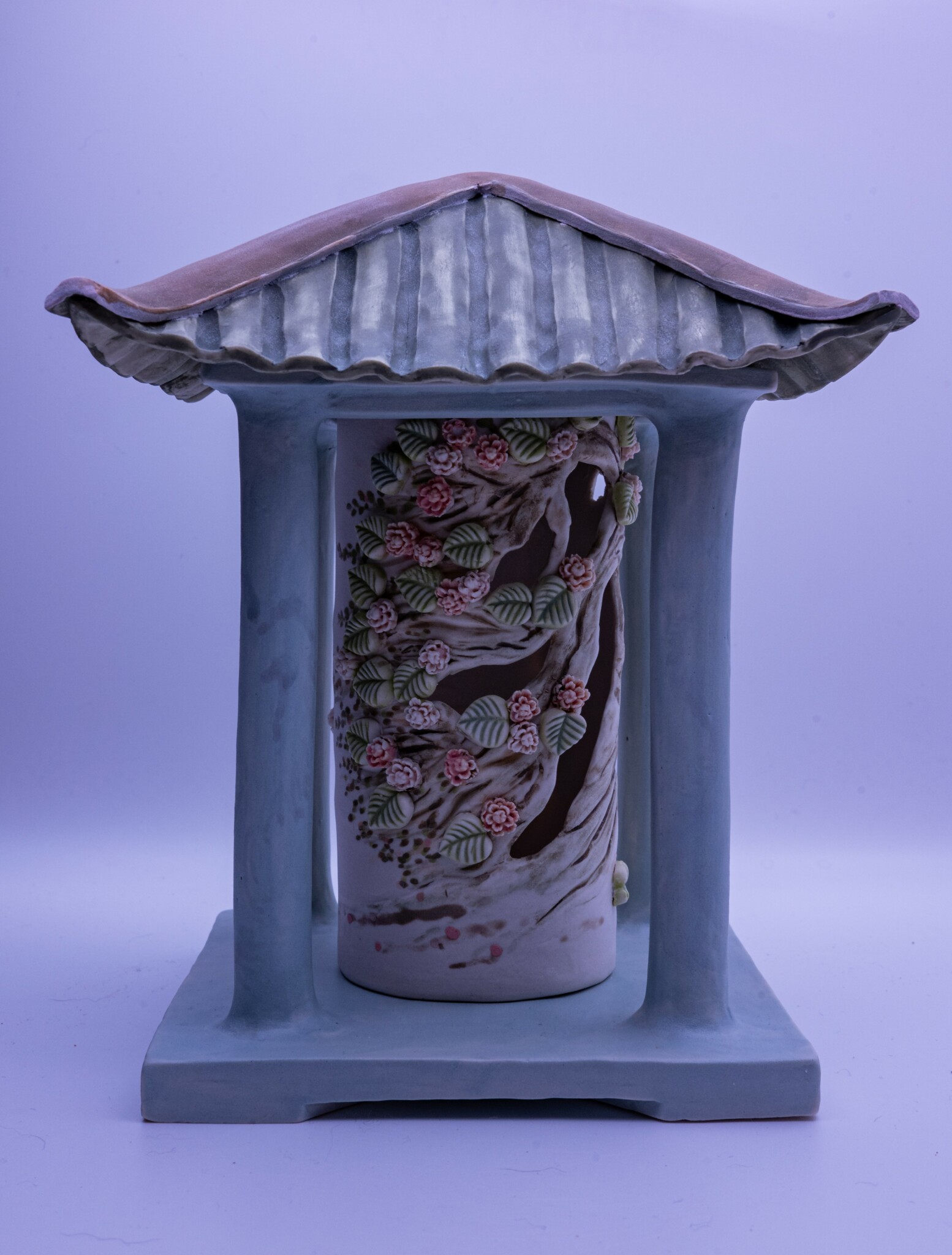
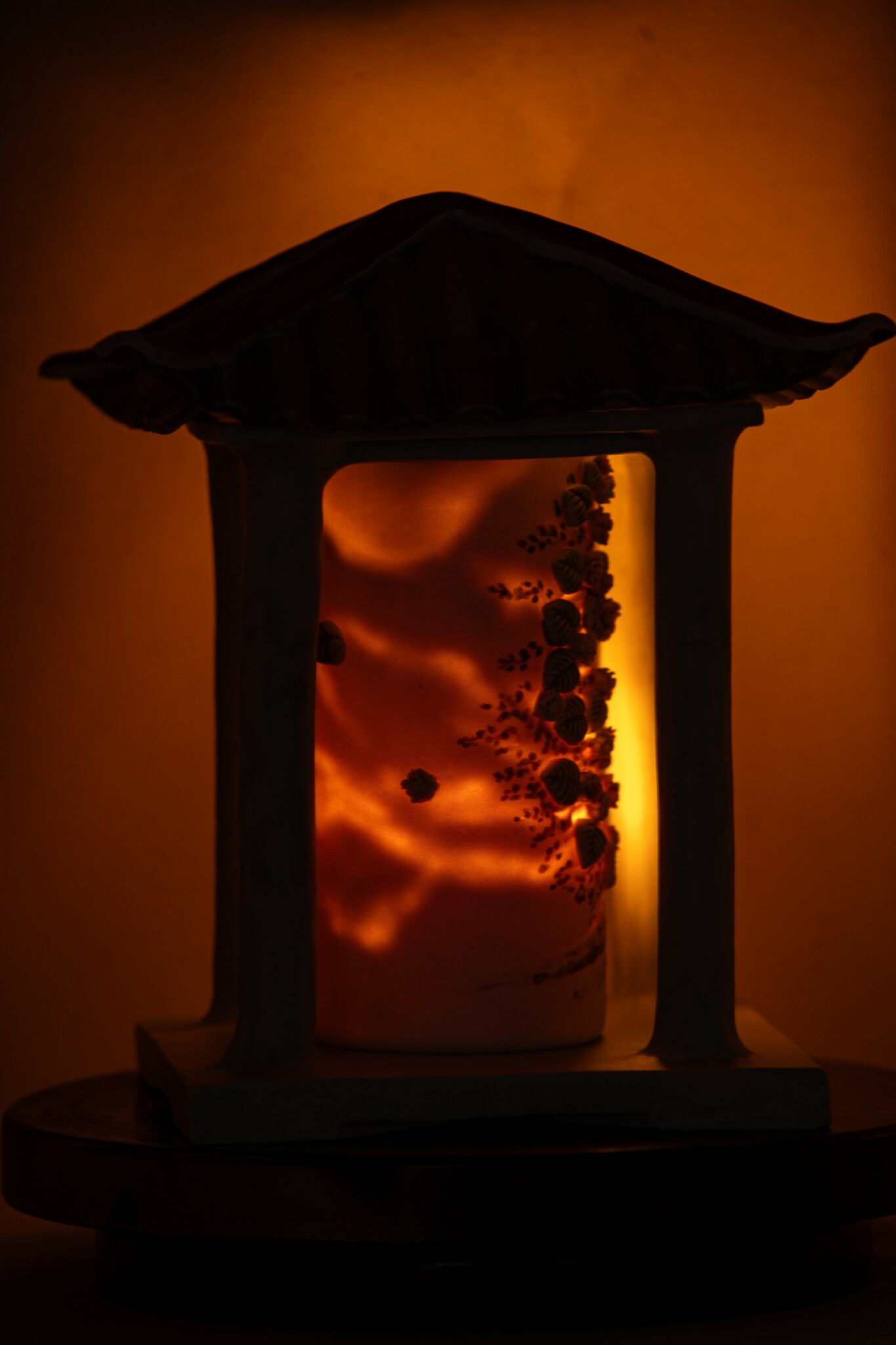
I tried being a production potter and found that it wasn’t for me. I wanted the excitement of always creating and experimenting and production pottery was not giving me that. It wasn’t until Covid hit that I really started to work in porcelain and was captivated by the way light could show through it. It was then that I started exploring lanterns and creating images through the play of clay and light. Porcelain is extremely temperamental and there is a lot of science and math that goes into my artwork. I had many pieces tear themselves apart in the final firing because the clay remembered its previous form too much. I learned a lot from trial and error and a lot of ceramic books and YouTube. I also figured out that higher quality materials and tools produces higher quality work.
The biggest skills I learned though, were perseverance and patience. While it is really important for me to know my clay and understand when I can push it and when I can’t, it was only through perseverance and patience that I was able to learn those things. In college I was never a patient learner and I feel that my impatience and ego got in the way of some great learning opportunities. But those that really believed in me, helped me learn at my own pace and come to my own conclusions. I really didn’t believe in myself. I got in my own way and didn’t think I was capable of becoming a professional artist. I didn’t think the world would want to see what I created.
I think the biggest obstacle I had was myself. While ceramics is an expensive endeavor and there are many things that can get in the way, I found myself getting in my own way more often than not. I tried to be something I wasn’t for far too long and didn’t let myself dream. I didn’t believe in myself so I didn’t pursue classes I wanted to take or reach out to artists I wanted to learn from. It was only through hard work and some wonderful people in my life, especially my husband, that I realized my own worth and gained the confidence to push myself and not be afraid of failure. It was through experimentation and failure that I learned so much of what I do today.
Awesome – so before we get into the rest of our questions, can you briefly introduce yourself to our readers.
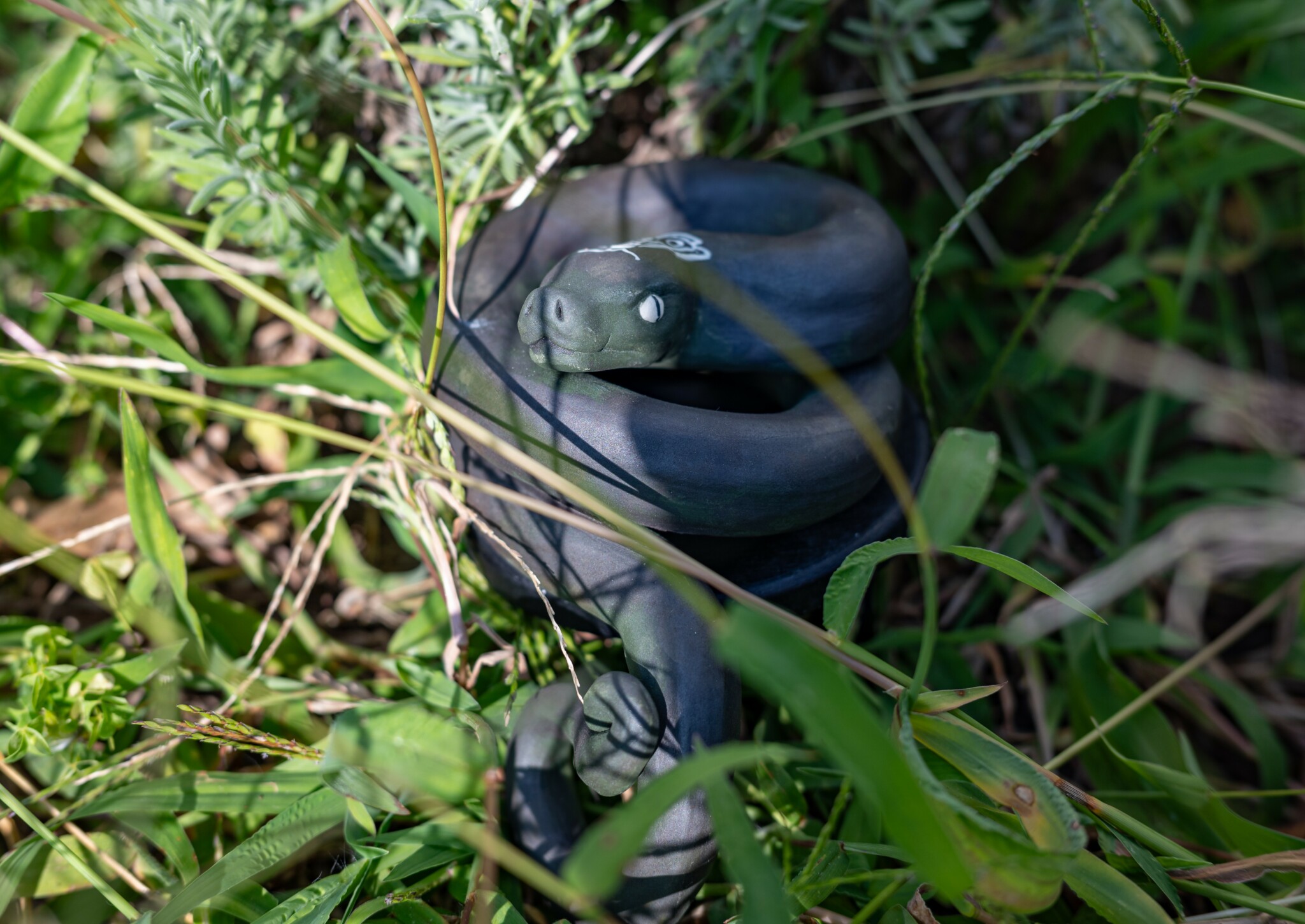
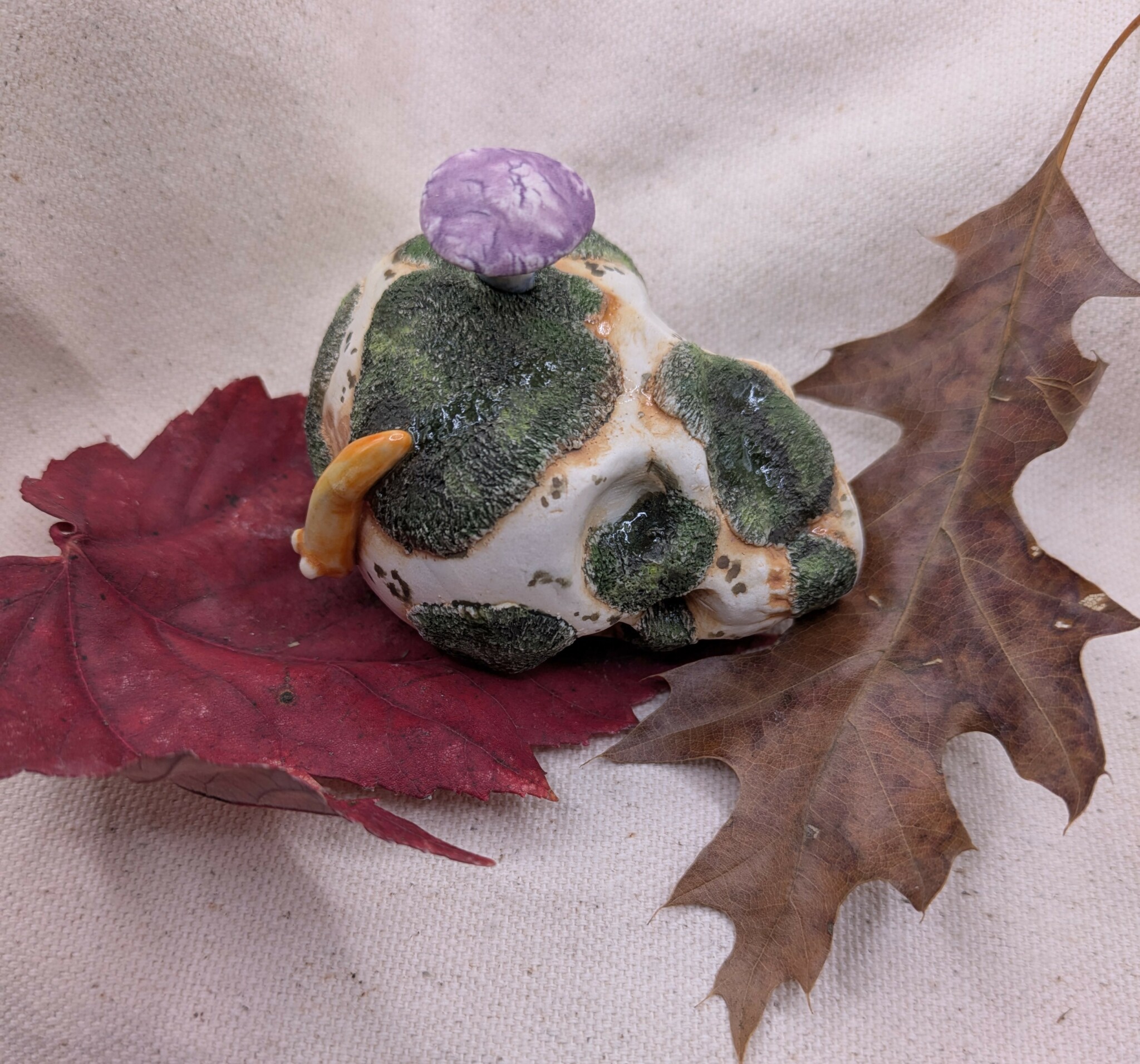
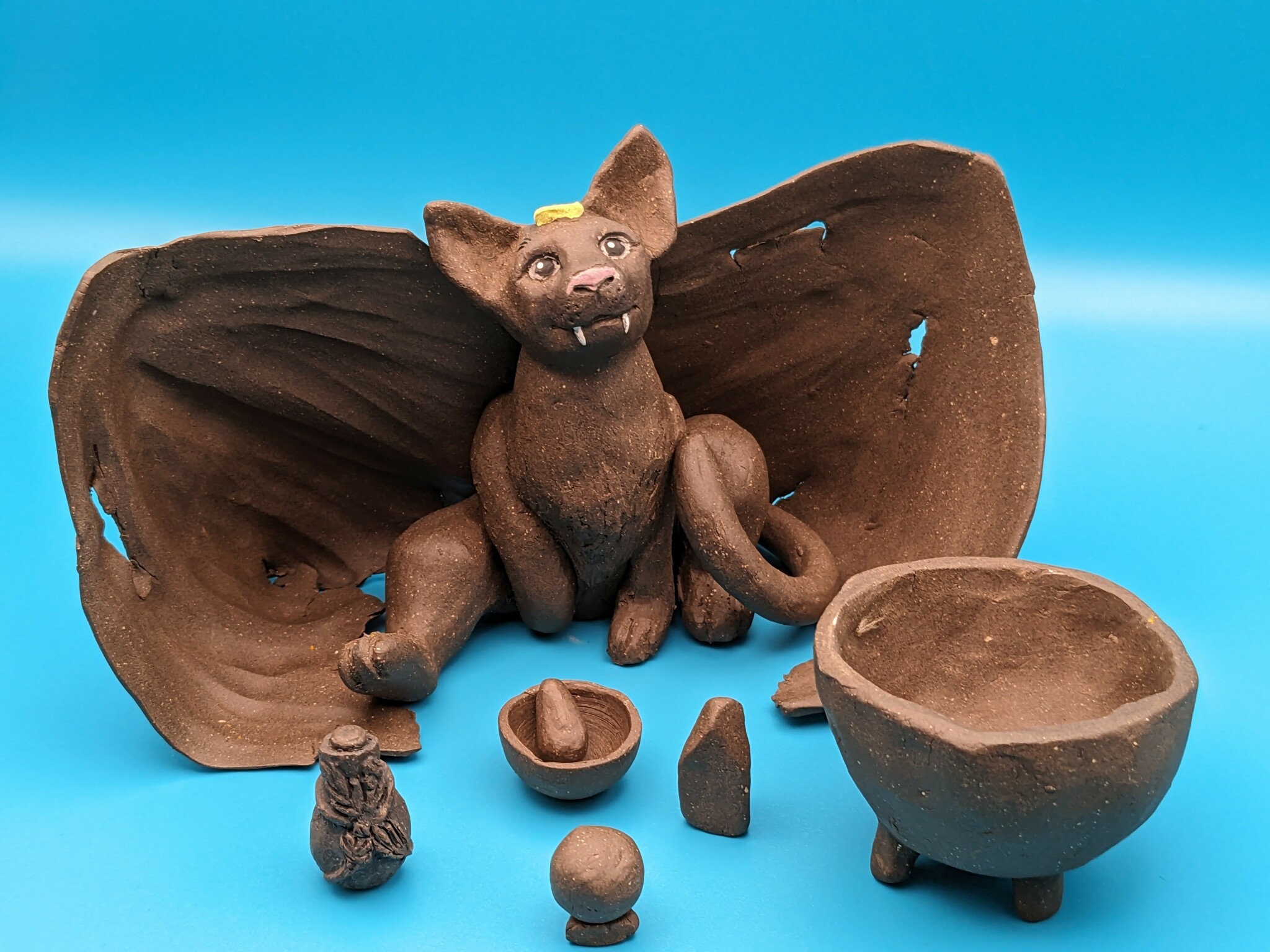
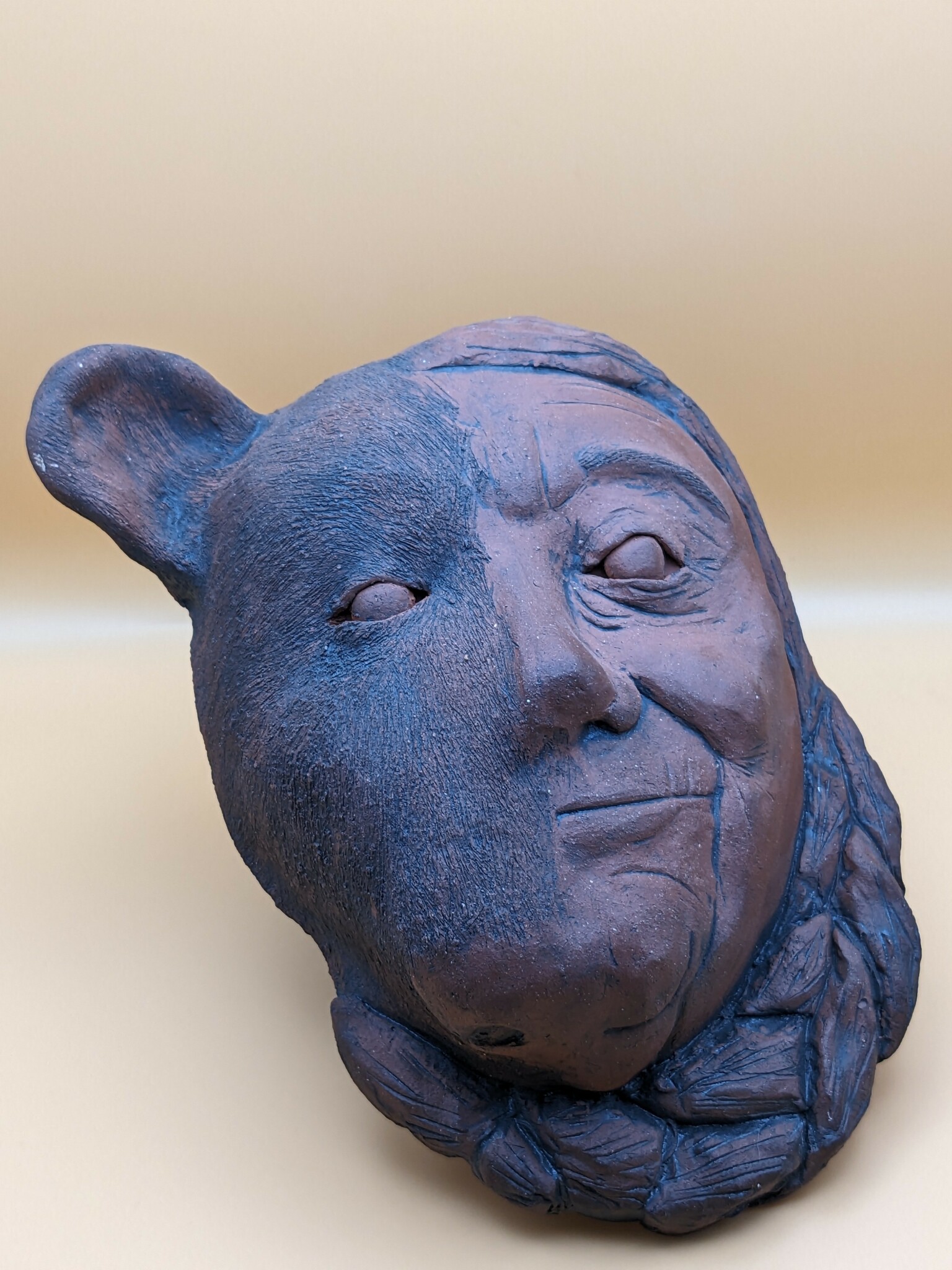
My name is Arkady Thompson and I am the ceramic artist behind Natural Inclinations Studio. I create handmade sculptures and lanterns out of clay, using little glaze and placing an emphasis on the natural beauty of the clay and the subject matter. My artwork is a culmination of many passions and interests and my own drive to innovate, experiment, and push the boundaries of not only the medium, but my skills as an artist. I find inspiration in landscapes, plant and animal life, the raw beauty that Mother Nature paints, as well as my other passion, archaeology. I enjoy mixing history, archaeology, legend and mythology into much of my nature inspired work. You can see that in the symbolism of the colors, the shapes of the work, and the tiny details that only research or an intimate knowledge of the subject can provide.
I am always asking myself, “I wonder what would happen if…” this is what lead to so many of my experiments and finding a connection with luminous porcelain. My fascination with creating a piece of work that can be enjoyed from all sides, really pushed me to work with the porcelain and develop my style of creating images on the inside of the work and the dramatic play between what is seen before and after the light is turned on.
I am extremely proud of my ability to bring personality to every piece. My sculptures all have names and their personalities are very apparent to those that connect with them. There is a little magic in those moments, when someone connects with my work. It brings me great joy and satisfaction seeing the spark those pieces evoke in their people.
I create pieces that evoke strong feelings and are meant to bring delight to the beholder. I want someone to have that connection to a specific piece because I truly believe that each piece I create has been created for someone.
For you, what’s the most rewarding aspect of being a creative?
My biggest reward is opening the kiln and finding something amazing. When I close that kiln, I have no control over what happens. I put all of my skill, emotion, mental fortitude, and joy into the creative process. I am constantly pushing myself and I never know what is going to happen. While I have an idea, based on past knowledge and an understanding of how the clay works, I am still humbled and overjoyed when I open that kiln and something magical comes out.
A second reward would be the connection someone has with a piece. It is like they have been searching for that one thing their whole lives and didn’t realize it. The connections are humbling and give me great satisfaction and absolute joy.
How can we best help foster a strong, supportive environment for artists and creatives?
The biggest thing I can say is, artwork is still work. We put a lot of time and effort into gaining a skill. Artists need to be viewed as skilled workers, just as much as a lawyer or a bookkeeper. If you took all forms of art out of the world for 24 hours, what would the world look like? Every part of our lives is immersed in an artist’s ideas. We need to be viewed as the hard working and highly skilled individuals that we are. I personally, am a mom of two and work a part time job as a bookkeeper. I create my artwork after my kids go to bed when everyone else is relaxing and winding down for the day. Artists work long hours and really deserve credit for that.
We wear not only the artist hat, we also have to be able to run a sustainable business so that we can continue to do what we love, in a world that doesn’t appreciate who we are and take what we do for granted. Its time to break the stereotypes and appreciate artists for the contributions we make to our society.
Contact Info:
- Website: https://www.naturalinclinations.com
- Instagram: @natural_inclinations
- Facebook: @natural_inclinations
- Linkedin: https://www.linkedin.com/in/arkady-thompson-00697547
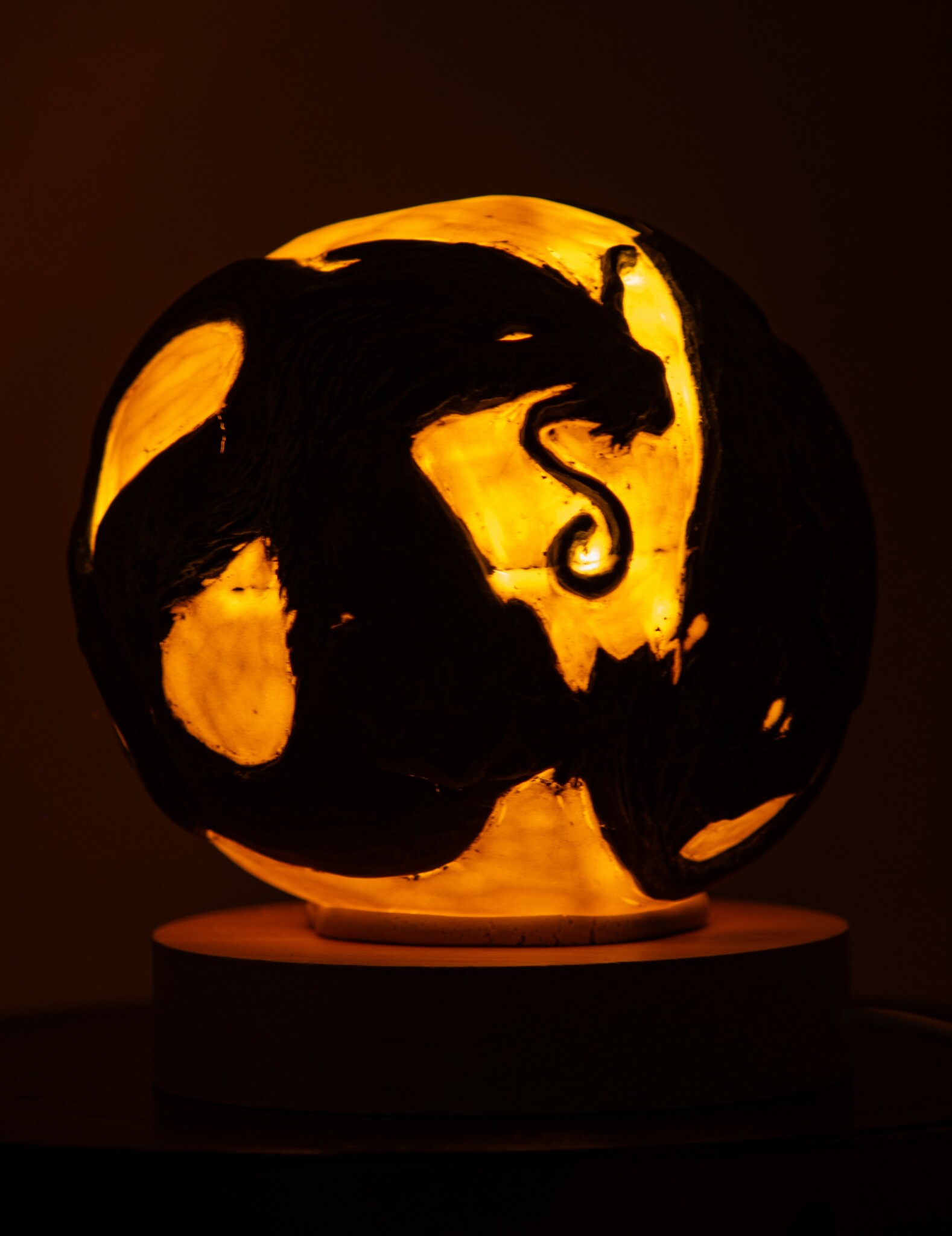
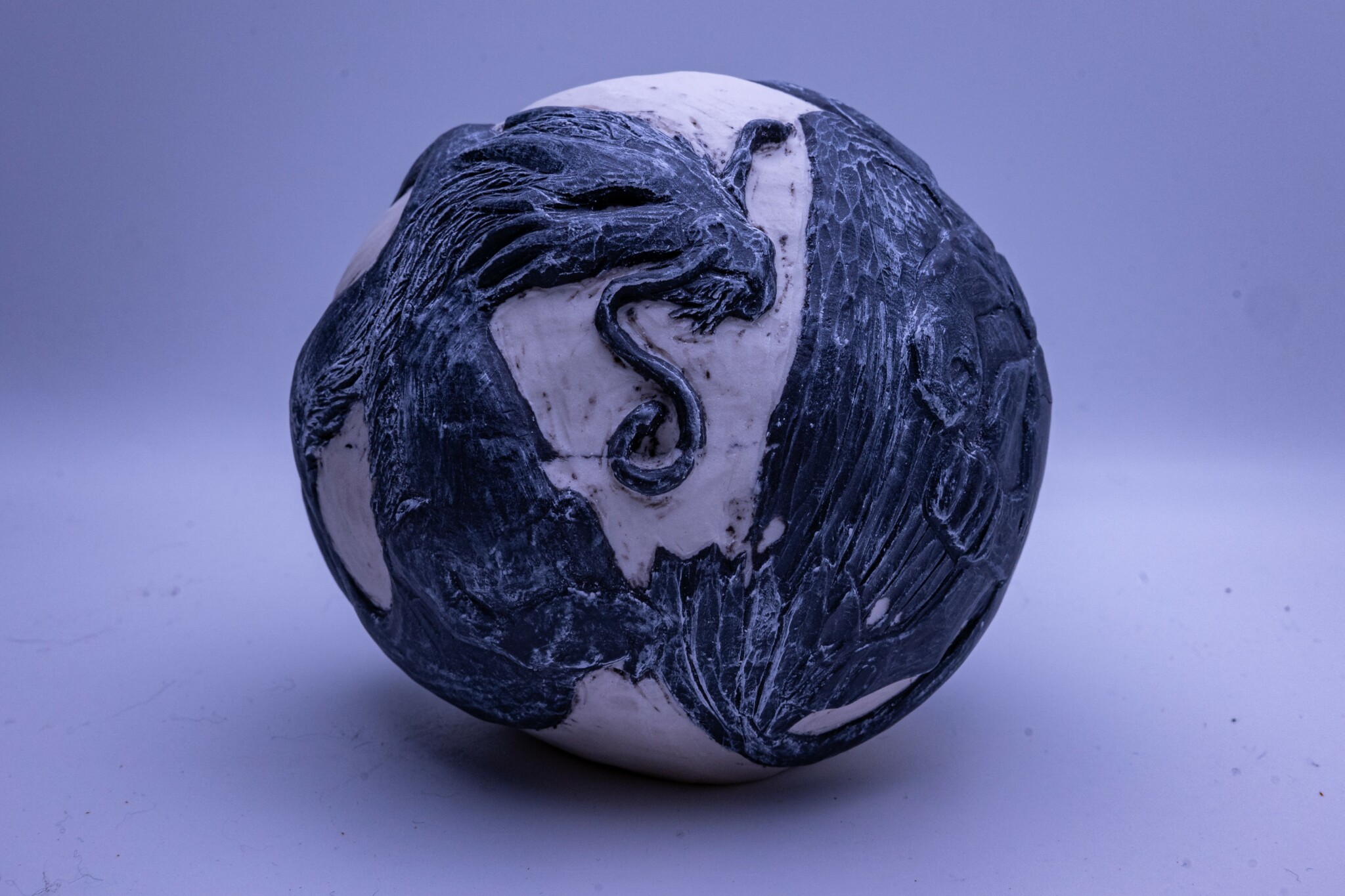
Image Credits
Dylan Thompson