
We’re excited to introduce you to the always interesting and insightful Daniela Acosta Parsons. We hope you’ll enjoy our conversation with Daniela below.
Daniela, thanks for joining us, excited to have you contributing your stories and insights. Are you happier as a creative? Do you sometimes think about what it would be like to just have a regular job? Can you talk to us about how you think through these emotions?
It’s a recurring thought. It’s no secret that the life of artists is precarious, and only a few manage to overcome an invisible barrier and live fully off their creations. Often, doubts about having enough time and money to dedicate to creation paralyze me in the moment of creating.
It has happened to me time and again that I think I couldn’t make it as an artist alone, and I try to get a different job. Sometimes these jobs have nothing to do with art, other times they are related to teaching, but they don’t leave time for creation. It’s been interesting because every time I tried, I was rejected, and I would tell myself, “I’ll decide to live only from art.” A few weeks later, an opportunity would arise for me, each time better. For example, in 2020, I wanted to work in a call center. They rejected me, and then I was invited to an international exhibition and selected for several national shows. In 2021, I wanted to be an art teacher at a school with a high demand for hours, and I was rejected. Right after that, I was selected to illustrate a beautiful book, won a residency, and had an exhibition at one of Colombia’s most important cultural institutions. I was also able to teach classes where I had the freedom to choose the number of students, topics, and exercises, unlike what a school curriculum imposes. Last year, I made the same promise to live off art, and this year I have three solo exhibitions and am working on a book. I’ve been invited to give workshops for children and adults, talks, conferences, and serve as a thesis and award jury.
I wouldn’t know if the universe collaborated with me. Sometimes it feels that way. Over time, all of this was based on disciplined, deep, and constant work. I kept working in art, creating, researching, working on social media, applying to open calls, and learning about the work of others, without certainty about the future. Things are going well, and although doubts constantly assail me, the work I have done has always rewarded me generously.
On the other hand, abandoning artistic creation would be very difficult for me, as making is what keeps me tied to the world, what allows me to understand reality and communicate with others. Through art, I can sublimate that which is impossible to live with because of its horror, its weight. I can build a language different from words that goes to the depths of the soul and allows me to breathe when there is no air. What I believed in was destroyed by traumatic experiences of sexual violence, and it was drawing that allowed me not to abandon the world. In that sense, even if I wanted to and managed to get a regular job in my life, the vitality of my soul depends on creation and the freedom I can access through drawing, painting, sculpture, and dialogue with others through my work.
Daniela, before we move on to more of these sorts of questions, can you take some time to bring our readers up to speed on you and what you do?
One day, I think I was 15, I was painting at home, and I thought, “How happy I would be if I painted every day,” and that’s when I made the decision. It was later that I understood the purpose, the drive that would push me and continues to push me.
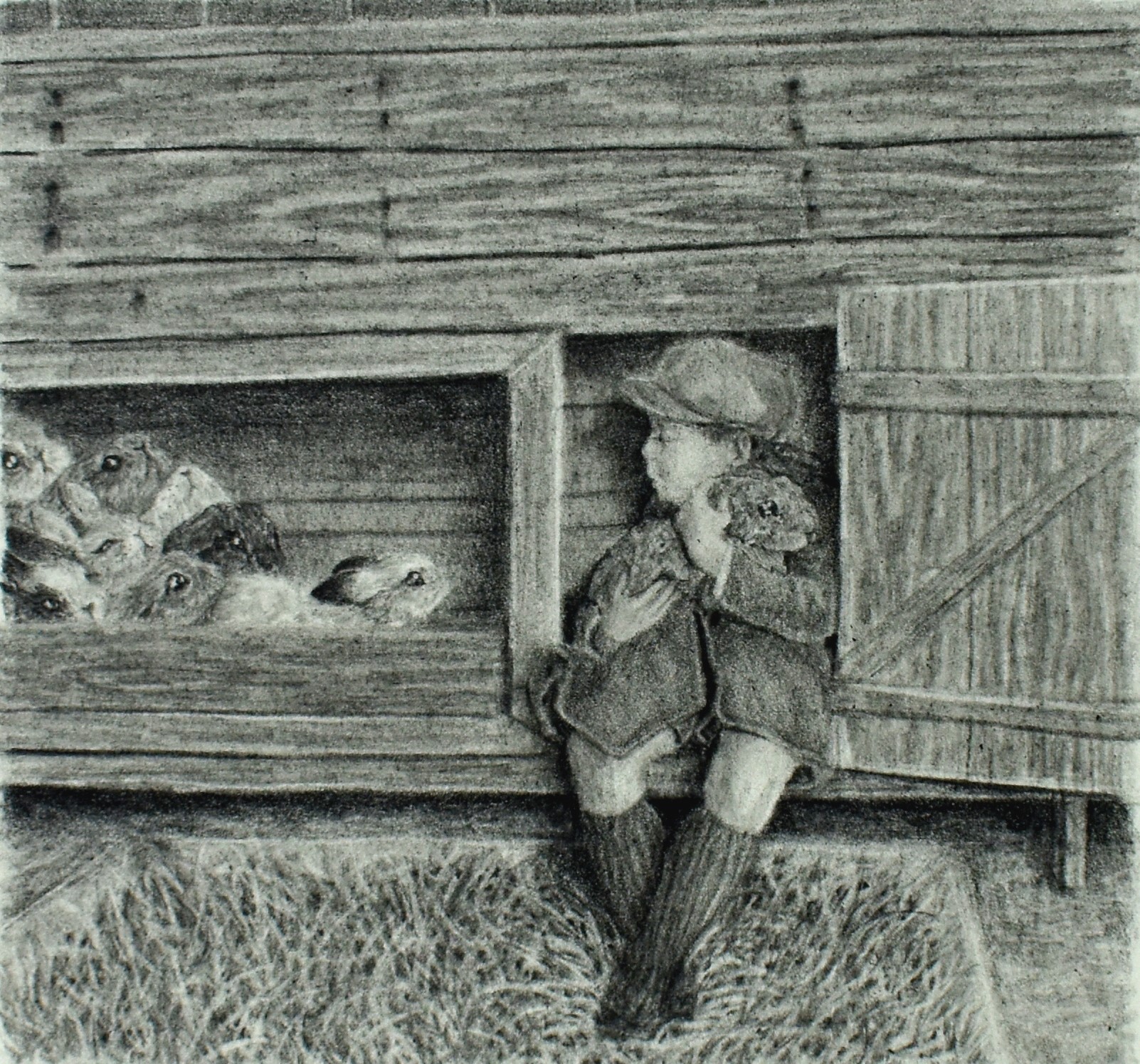
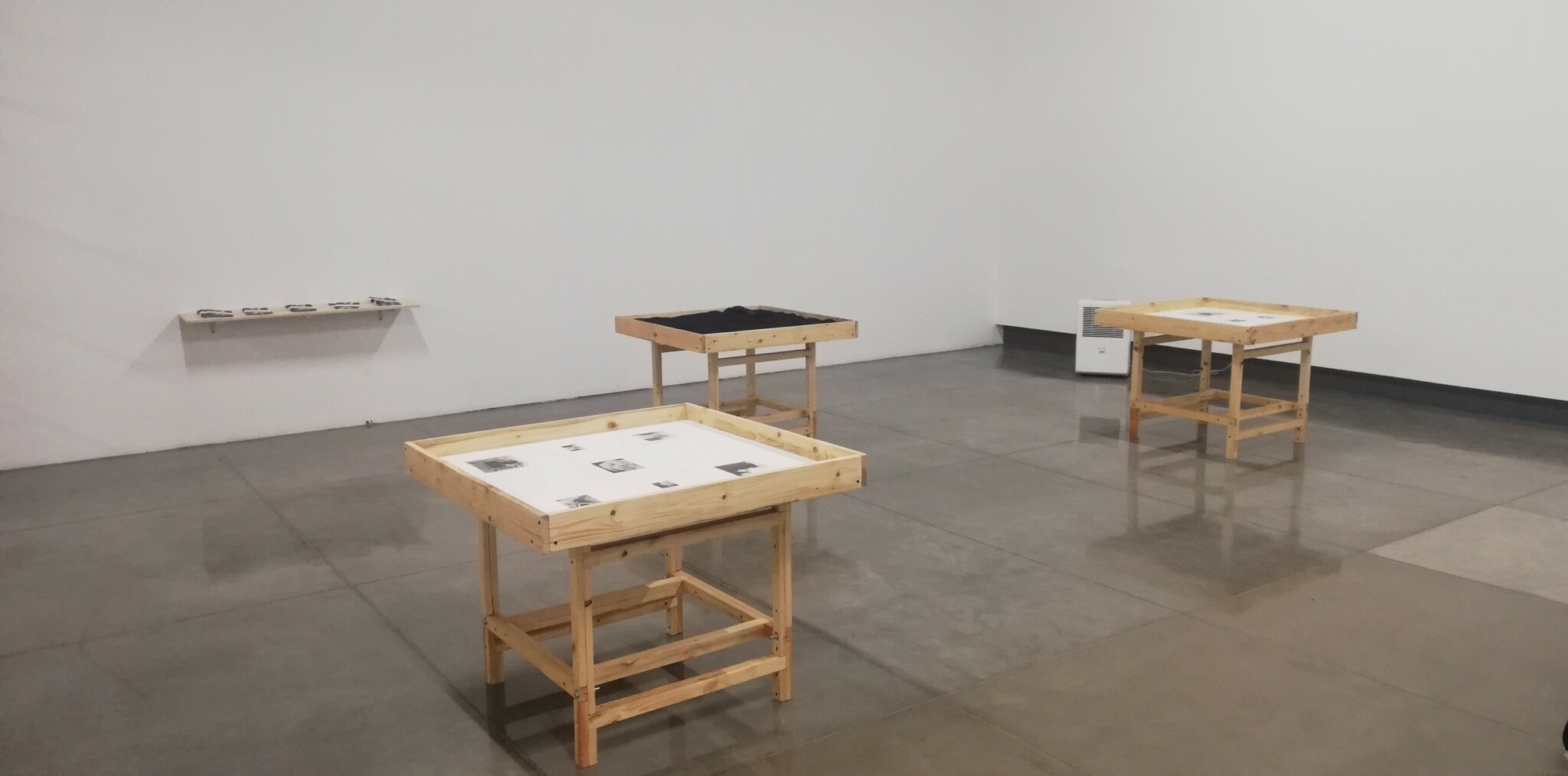
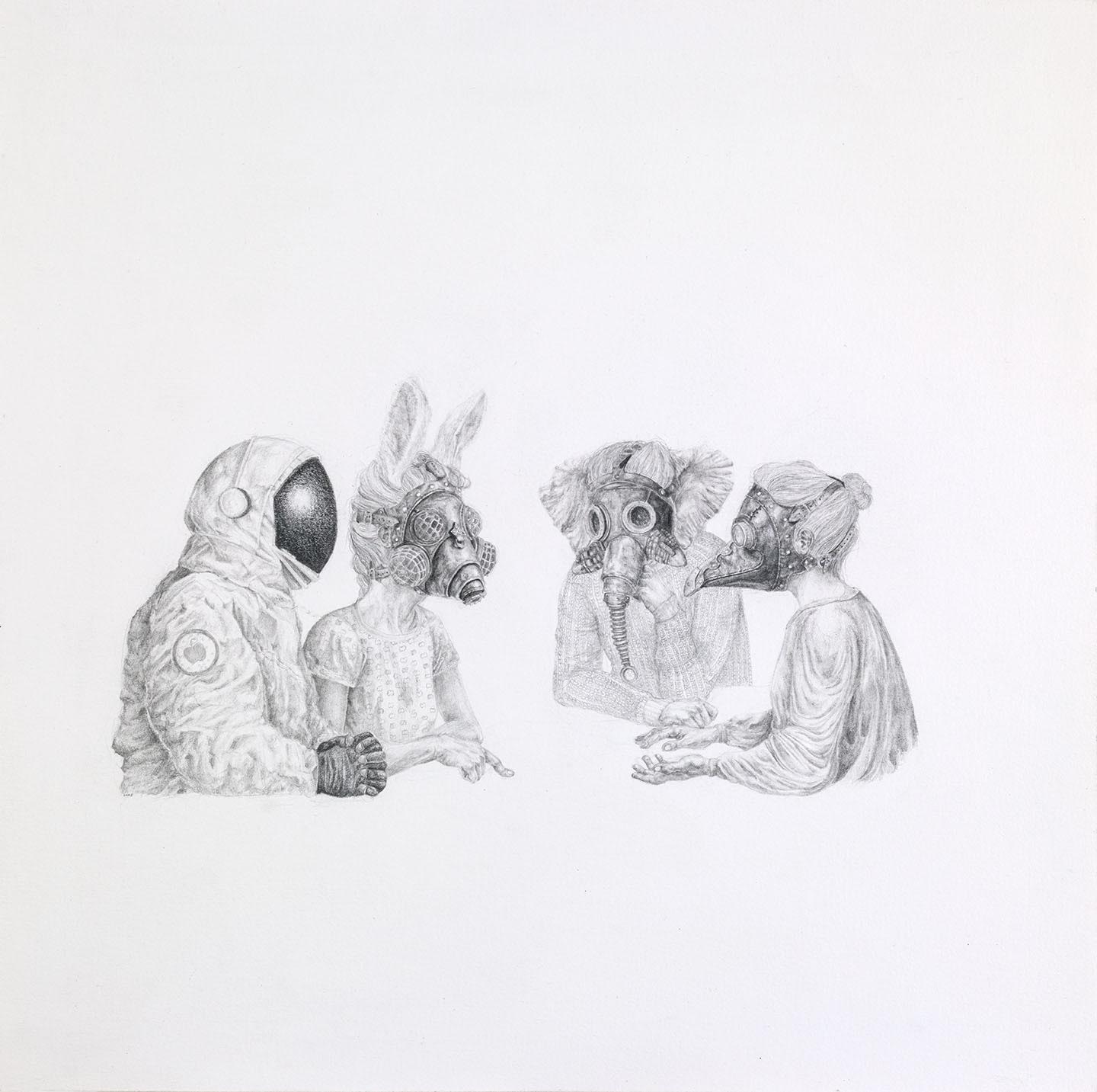
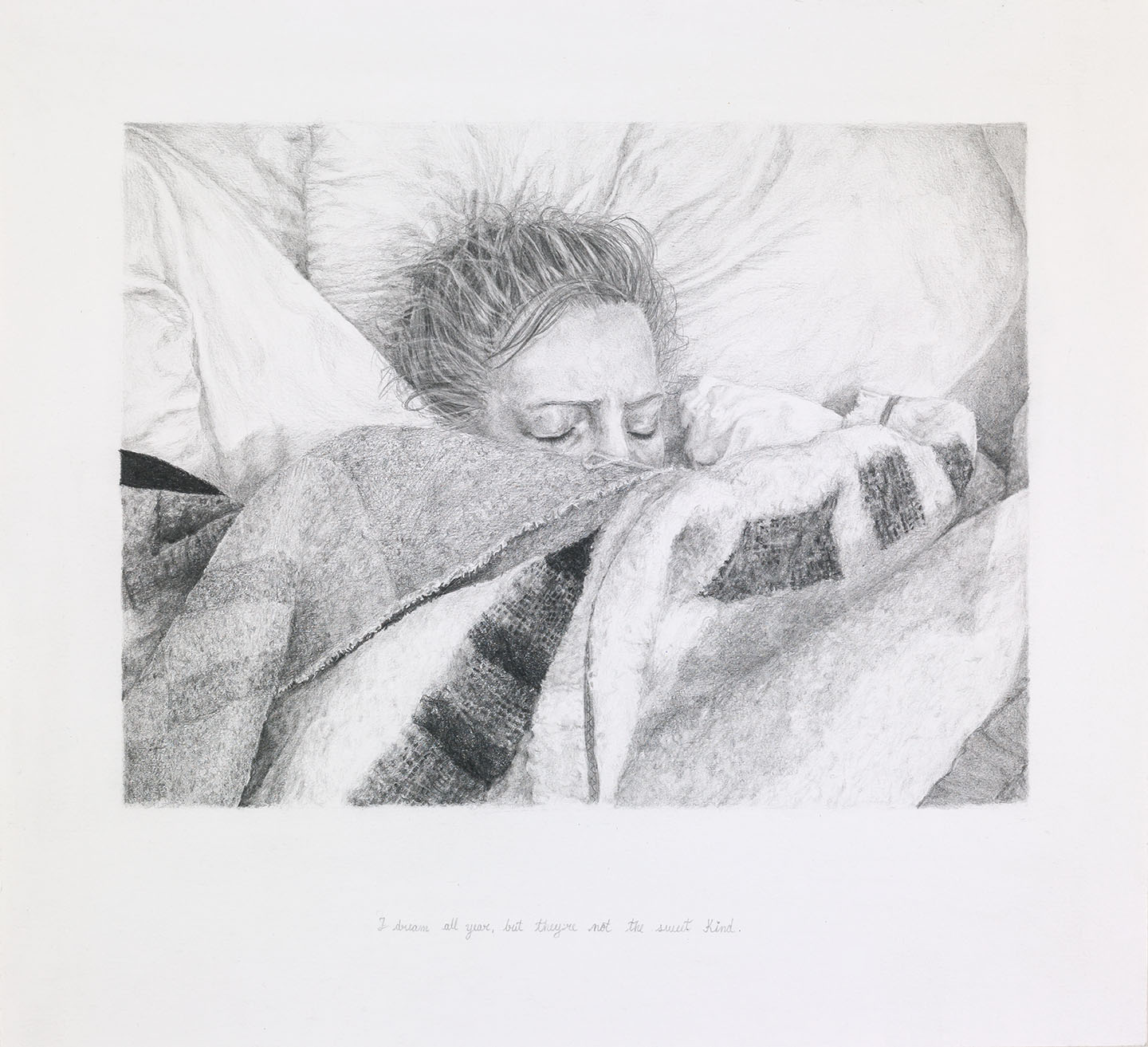
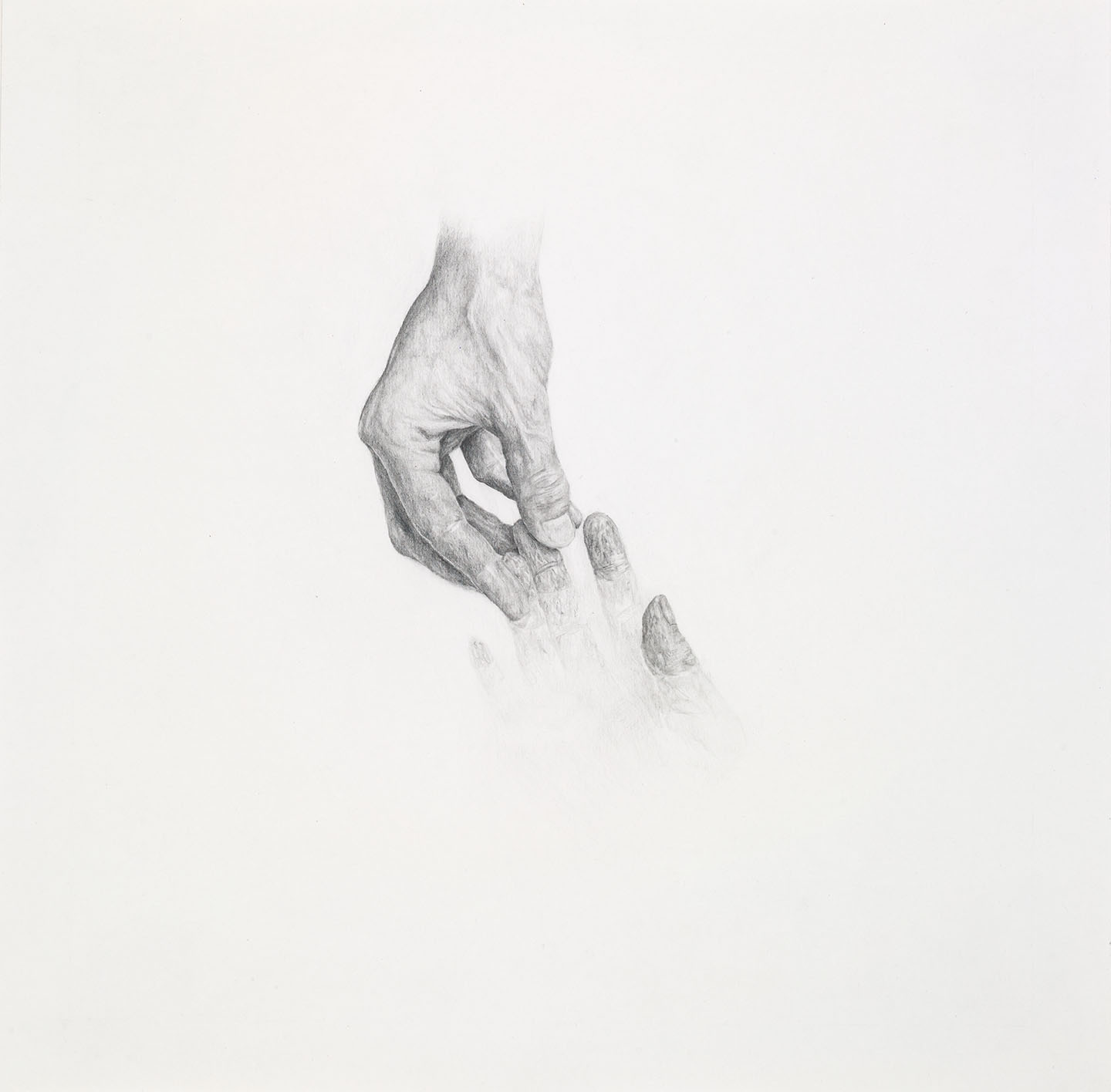
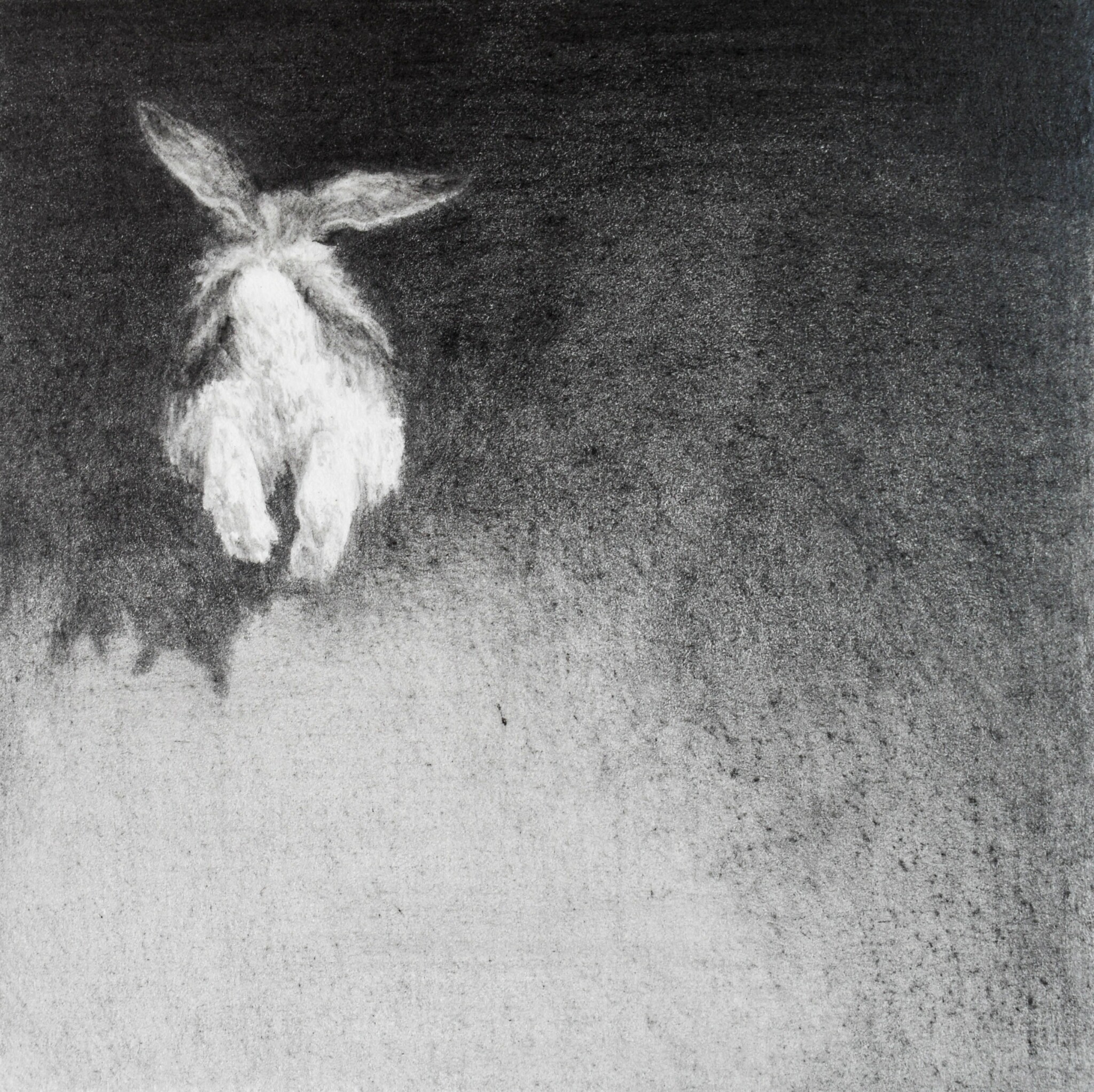
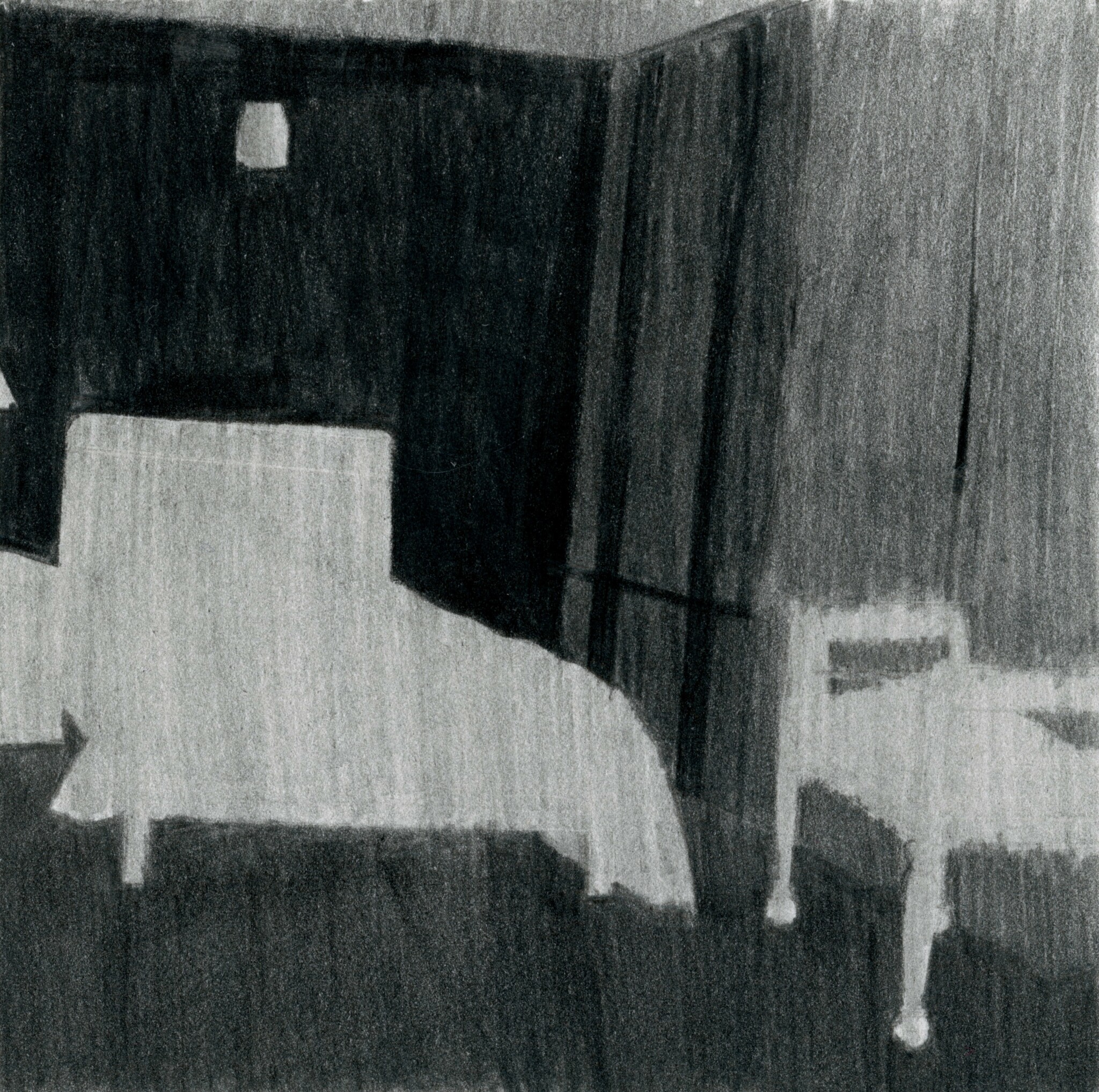
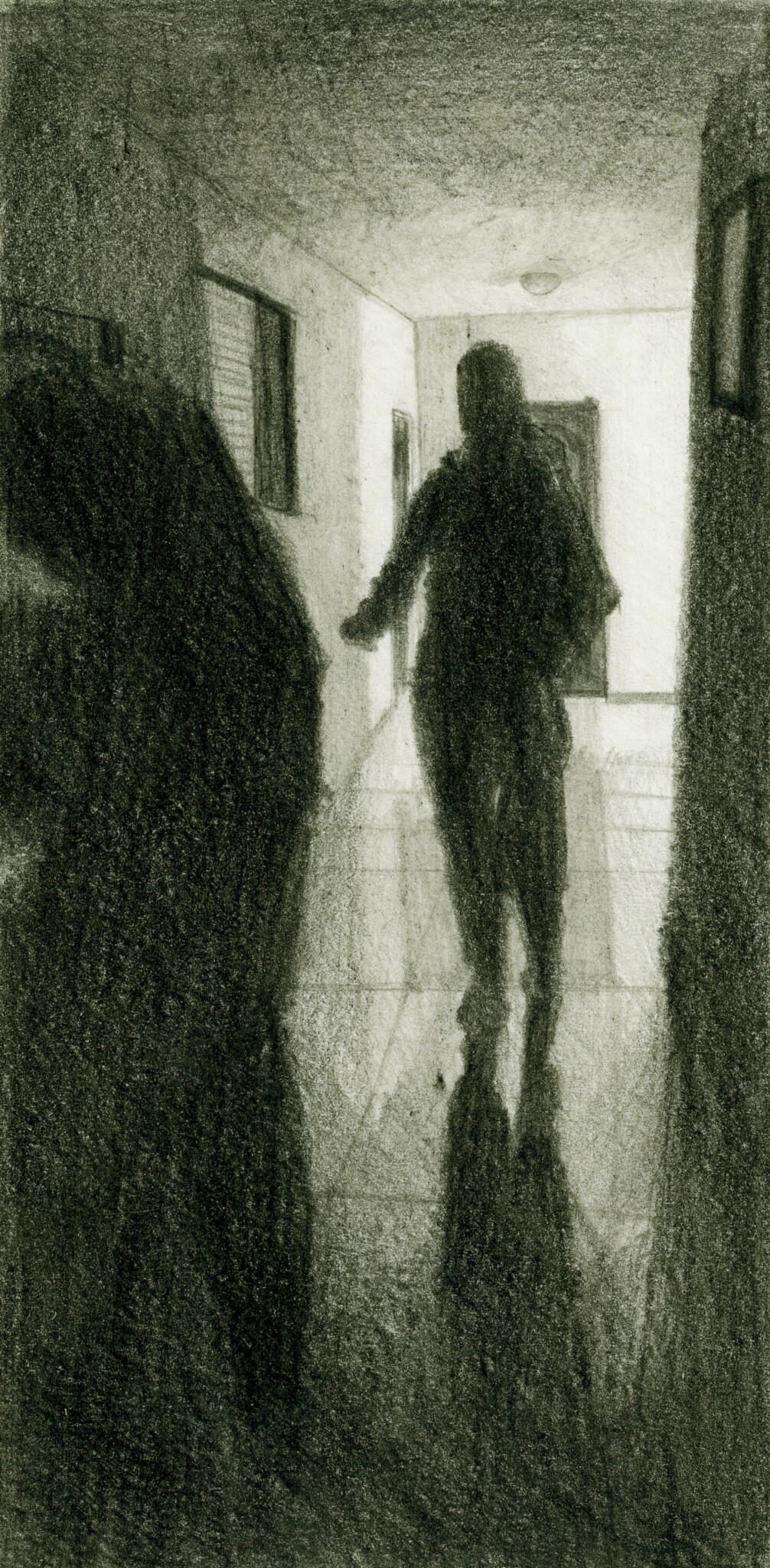
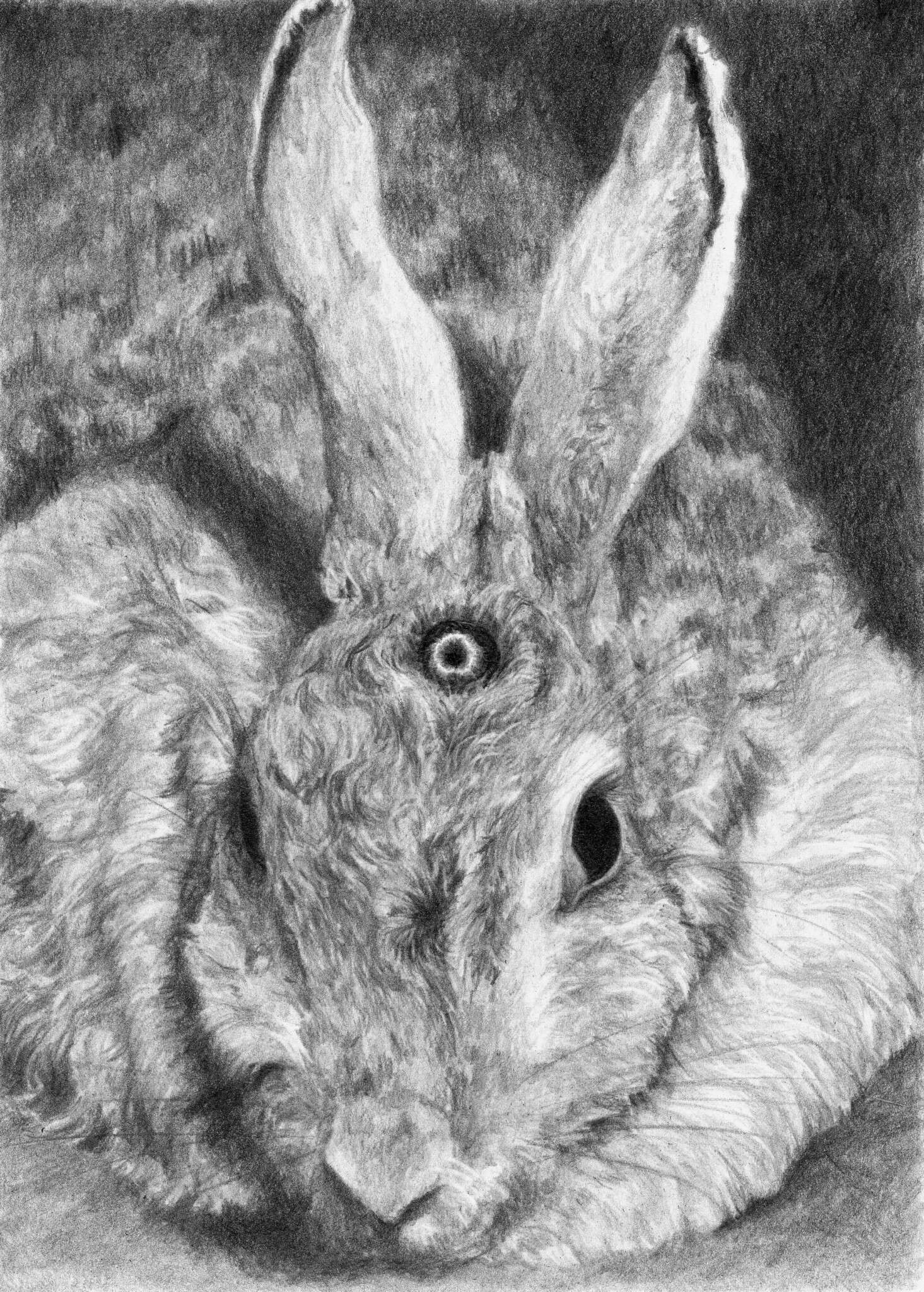
When I spoke about my traumatic experience, I was not truly heard or understood. Sometimes, that is more painful and cuts ties with the world more than the traumatic experience itself. However, I didn’t give up. Every series I’ve worked on has a question, an urgent need to communicate something. The media have changed depending on the needs of each moment. In The Elephant, the Bird, the Astronaut, and the Rabbit, I searched in the inner world and the desire to abandon the world. The communication was with myself. In The Cage and The Burrow, I did theoretical research on the possibilities of microhistory to communicate the consequences of daily life after a traumatic experience, and a picture book. At that moment, I was able to communicate with my parents. They, upon reading the picture book, understood. I saw it in their eyes. Then, in Like a Scream Underwater, it was about being admitted to a psychiatric clinic. There were drawings of scenes where no story could be discerned. My grandmother saw them and cried, saying, “Now I understand why my little one suffers.” We never spoke about it again, but a bridge was built between us that hadn’t existed before and that words had been unable to support in the past.
The art I make, the reflections I face, the mediation with the people who will see the work, open a space for dialogue where we can approach difficult and painful topics.
This leads to two things. First, I want to clarify that while sadness, death, and loneliness can be part of the human experience, trauma is not. That’s why I believe that if we engage in small dialogues, and these multiply and expand, we can approach those who suffer with more compassion. Those who suffer can build a language to be understood and, eventually, destroy the structures that made that deep pain possible in the first place.
Although I deal with topics that at first glance seem dark, heavy, and futile, I believe that my work is fundamentally about hope, about communication, and about seeking the other. If I truly believed there was no solution or understanding possible, I would no longer be here. But I strive, and many strive, to build that bridge, to heal the wounds, to prevent harm. I take pride in being part of this, in giving encouragement to myself and others, in being persistent in the hope of a world where we have the right to exist with dignity.
What do you think is the goal or mission that drives your creative journey?
There is. It is not mentioned explicitly, but all my work has a political goal behind it. That is to create spaces where we can practice dialogue as a skill, to better understand each other, understand others, and seek a world in which we can live with dignity. In this sense, there are three authors who guide me: Veena Das and her poisoned knowledge, Sandra Harding and the theory of situated knowledge, and Hannah Arendt with her proposal of political plurality.
Poisoned knowledge is about the idea that we can come to understand another person’s experience of pain if we allow ourselves to be touched a little by that suffering and sense it in the body on an individual and social level. We could take actions to embrace those who suffer and prevent the circumstances that caused the wound. Art can help close the cognitive gap that exists with those we don’t understand through an emotional bond.
Situated knowledge suggests that knowledge can be produced from different actors and places. If heterogeneous knowledge is taken into account, we could see reality in a more complex and rich way. Moreover, by proclaiming that from our position (women, children, mad people, third-worlders) we have the capacity to create art and science, we claim our place in the world. We claim our right to exist.
Political plurality describes the possibility that different members of society can meet in the public sphere, express themselves, and be considered when decisions about their community are made. In order to do this, dialogue is essential. If we think of it as a skill that can be acquired, art spaces, mediation, and workshops can be laboratories to talk about uncomfortable, feared, and silenced topics. If these places are replicated in each person’s actions, perhaps we can live in a more democratic society where all lives hold equal value.
When words run out, drawing comes and speaks with its soft but tenacious voice.
In the end, what I pursue is genuine communication. I want to be heard and also listen, connect with others, and not feel alone in the world. I know I’m not the only one.
What’s the most rewarding aspect of being a creative in your experience?
When I feel that I can connect with others, that my work connects with others, that others can connect with each other or with themselves through my work. Communication, the understanding of what is different from me, the ability to understand my ideas and those of others, and to be able to express ourselves allows us to have an influence on the world. What world do we want to create? What are the possible futures? What actions do we take on an individual and collective level to reach that utopia?
Contact Info:
- Website: https://danielaacostaparsons.com/
- Instagram: https://www.instagram.com/daniela.acosta.parsons/
- Facebook: https://www.facebook.com/profile.php?id=100063516604324
- Linkedin: https://www.linkedin.com/in/daniela-acosta-parsons-89a879145/