
We were lucky to catch up with Drew Cobert recently and have shared our conversation below.
Drew, thanks for joining us, excited to have you contributing your stories and insights. Can you talk to us about how you learned to do what you do?
When I first picked up a camera, I was quite intimidated by all of the buttons, settings, and unfamiliar terms. I quickly realized that the best way to learn wasn’t by overanalyzing- it was by doing. My number one piece of advice to anyone looking to get into photography is simple: forget the rules at first, just pick up the camera and start shooting.
Then, when you start wondering why your photos don’t look the way you want, that’s where the various resources of the World Wide Web become your best friend. Trust me, in the beginning, I had to search for anything and everything photography related. I’d type in things like ‘how to get photos from camera to laptop’ just to figure out how to import images or ‘how to get my photos to be in focus’ before learning about things like depth of field.
For me, the turning point came when I did a free Photoshop trial. I was completely consumed by tutorials on editing and how to bring my photos to life. That’s when I knew I was hooked on photography; it wasn’t just about taking pictures anymore, it was about shaping and perfecting them. Fast forward to now, I’ve committed to paying for the full Photoshop subscription, but I’m still constantly learning new things. The process never really stops, but that’s what makes photography so exciting.
All things considered; photography has been one of the most challenging yet fulfilling things I’ve ever done. Over the past seven years, I’ve learned so much; not just the technical skills, but also stepping outside my comfort zone has reshaped the way I experience the world. The beauty of photography lies in the process- there’s no shortcut to mastering photography. Sure, you can dive into the technical aspects like aperture, shutter speed, ISO or immerse yourself in color theory and composition. But the real key to growth is simple: buy a camera that excites you and use it as often as possible. Photography isn’t about rushing to perfection; it’s about embracing the journey, constantly refining your craft, and developing your unique style. Remember, photography is an art form, and it speaks differently to everyone. There’s no right way to do it—it’s about finding your own voice and appreciating everything the process teaches you along the way.
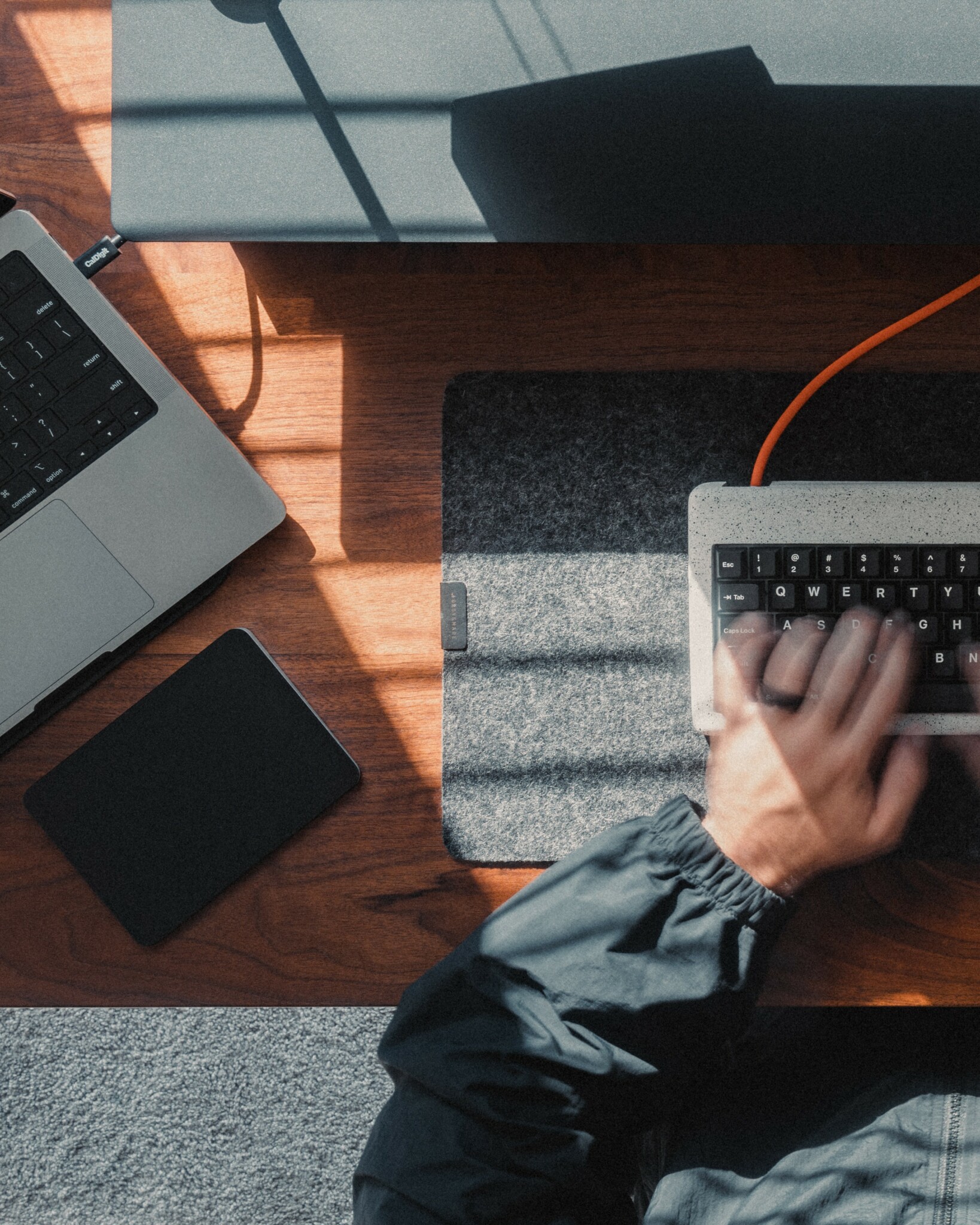
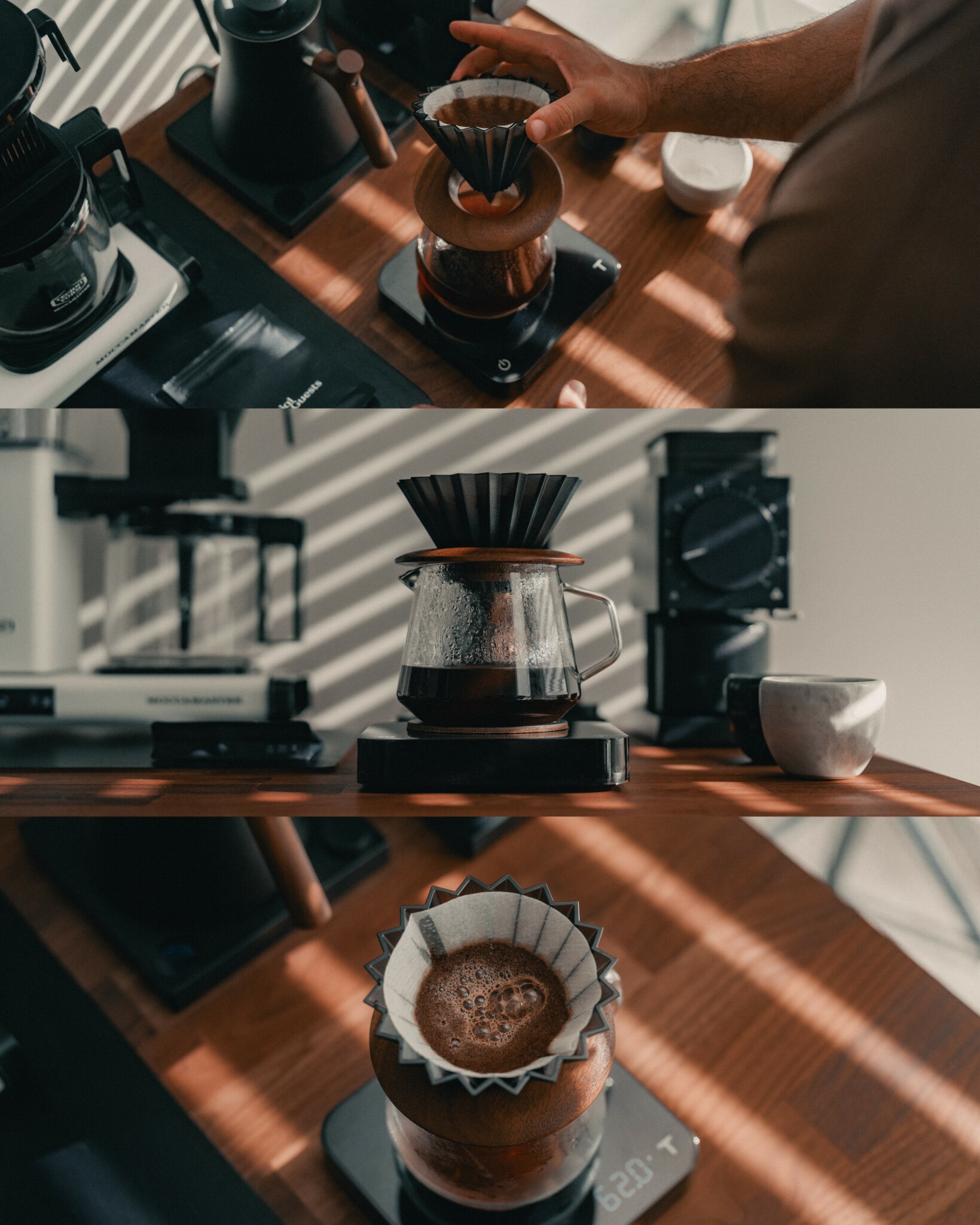
Despite simply enjoying the process, there are certainly some things that can help expedite things. For starters, I wish I hadn’t dismissed the importance of color, light, and composition for so long. While these ‘rules’ aren’t essential when you’re just getting started, gaining an appreciation for them has been key to my growth. For example, I used to limit my shoots to Saturday mornings, waiting for the lighting in my apartment to be just right. It wasn’t until years later that I learned how to use external light sources, which opened up so many more possibilities. These are foundational skills that can help you develop, but they shouldn’t hold you back from starting. You also don’t need to be some vast world traveler to improve your skills. Some of my best shots came from my home office. Focusing on simple things such as lighting and composition in that small space gave me a solid foundation that I can now apply to larger scenes. I mean, if you really think about it, what’s the difference between taking a picture of a coffee mug versus a large skyscraper? If you have good lighting and a solid composition, not much really.
Despite what felt like a seamless transition into becoming a photographer, there were certainly some obstacles along the way. Whether it was balancing a full graduate school course load, creative blocks, battling perfectionism, or simply learning the craft itself, one thing I would call out in particular is imposter syndrome. The reason I want to touch on this is because it’s something that still affects me to this day. There are times that I’ll go to hand out advice and I, myself, will question if I’m even qualified to provide it in the first place. Even now as I begin to take steps towards building my own creative agency, I still struggle with self-doubt. The thing is, I am a photographer. I was a photographer before I even owned my first DSLR. Anyone that takes pictures is a photographer. It’s up to you to focus on the very fact that you are a photographer, build your identity, learn from your failures, celebrate your achievements, and, most importantly, have some fun.
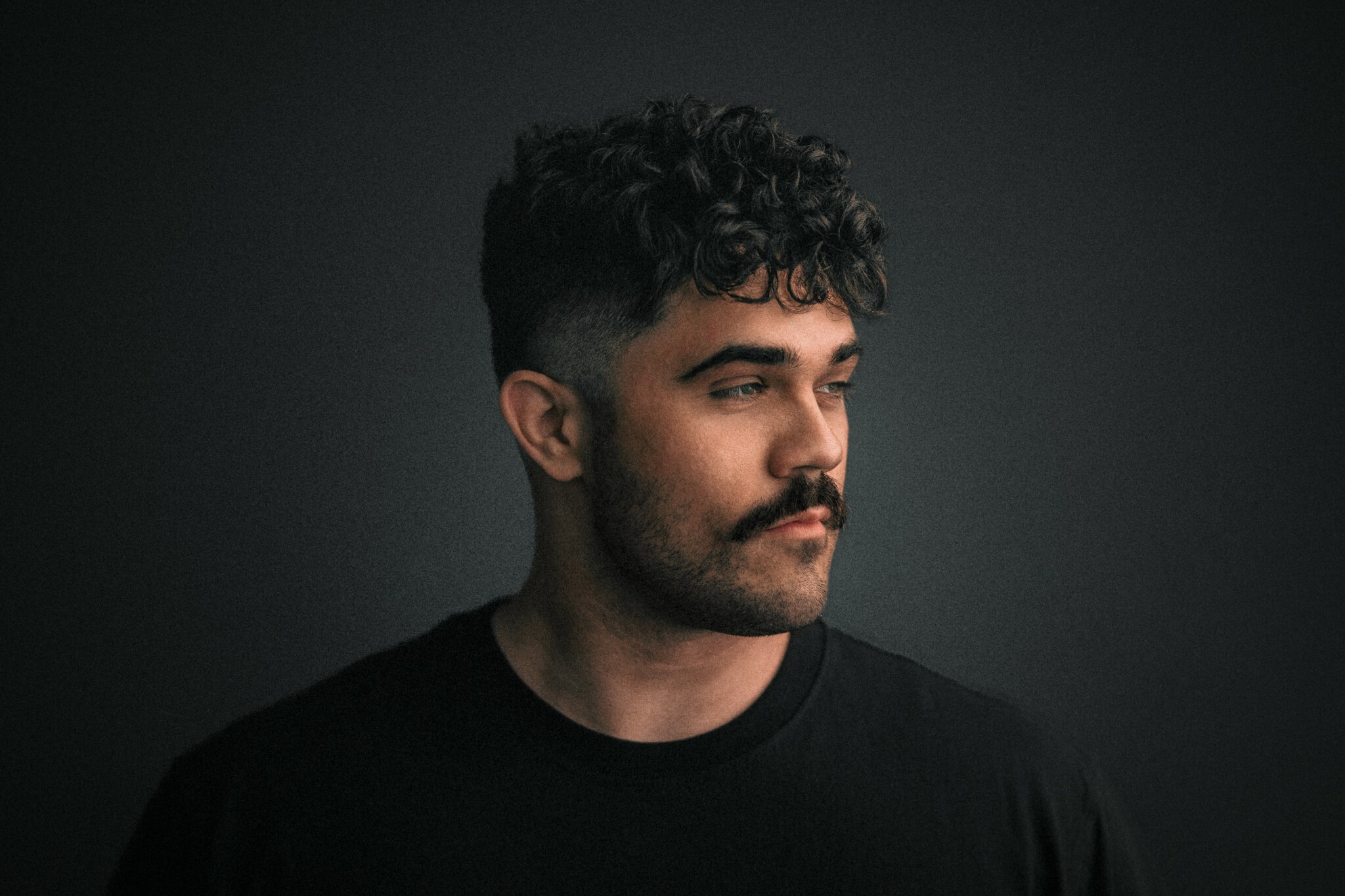
Awesome – so before we get into the rest of our questions, can you briefly introduce yourself to our readers.
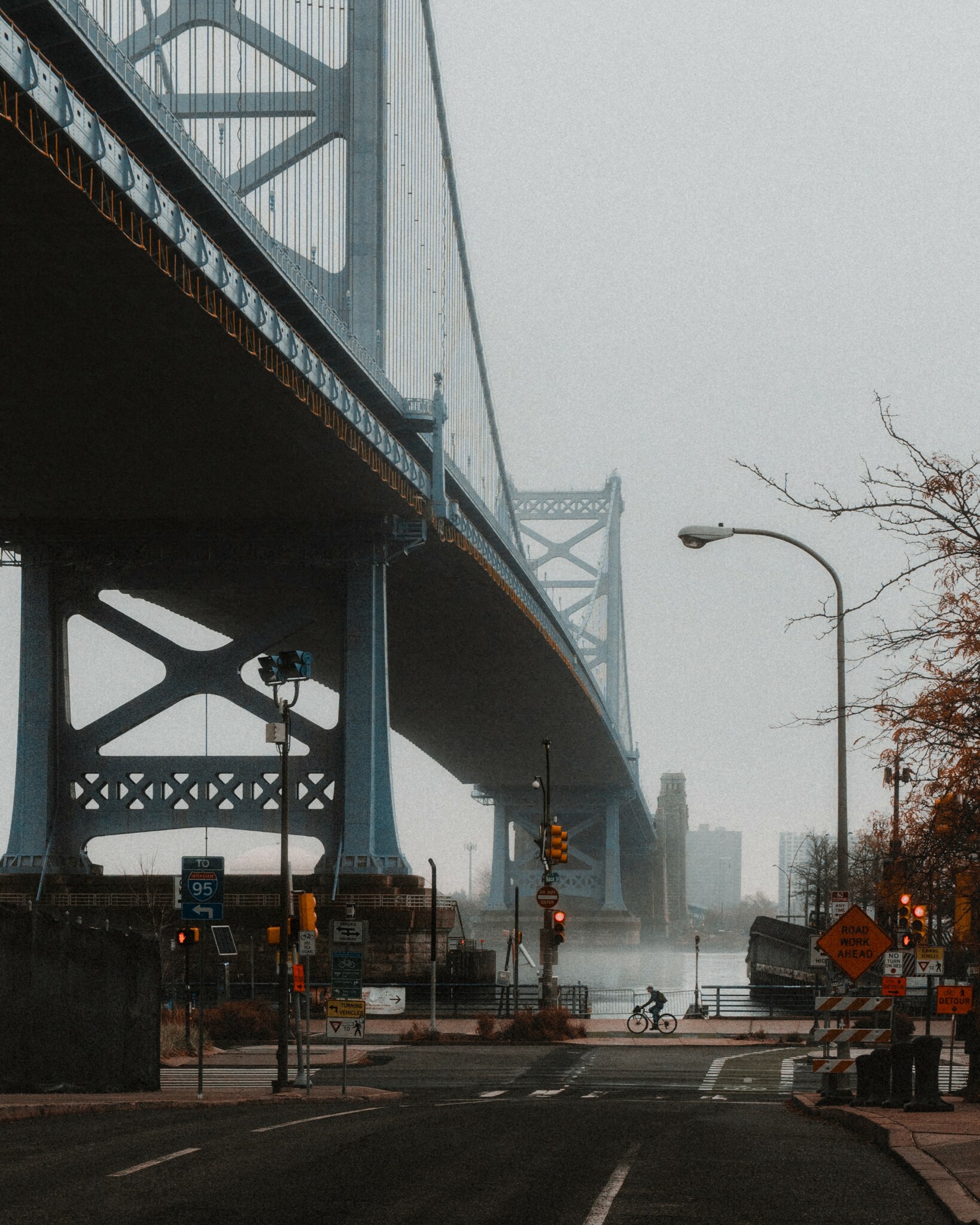
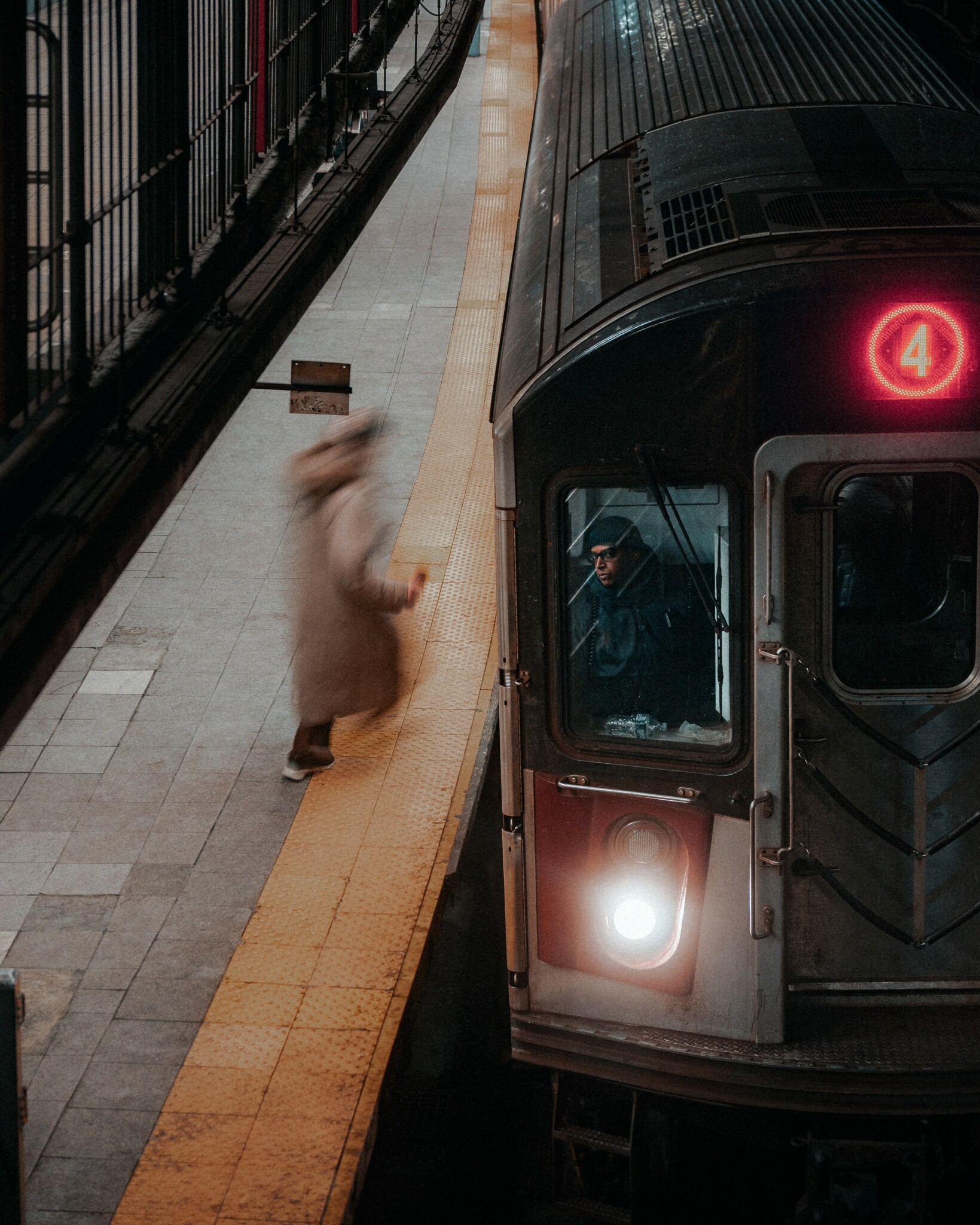
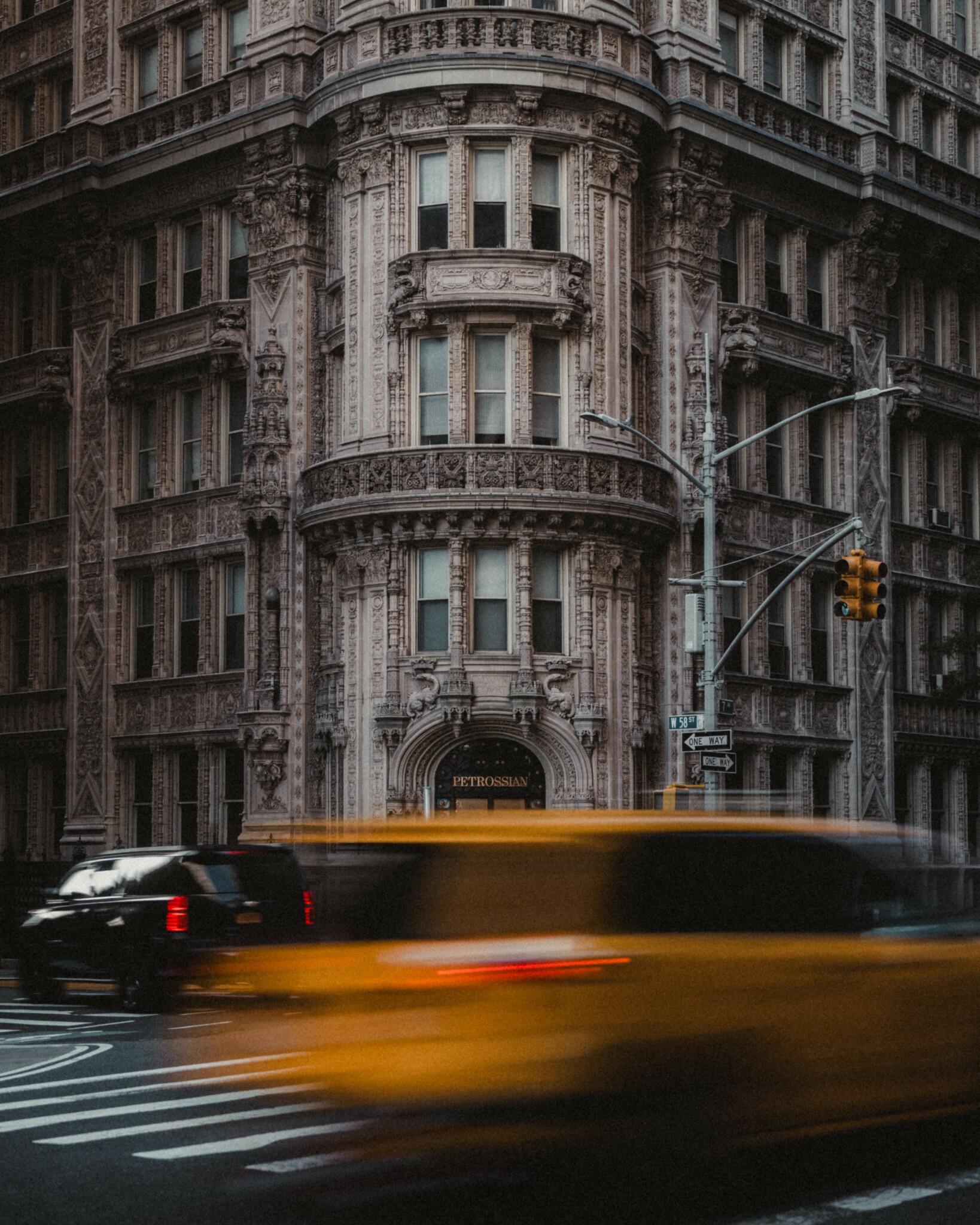
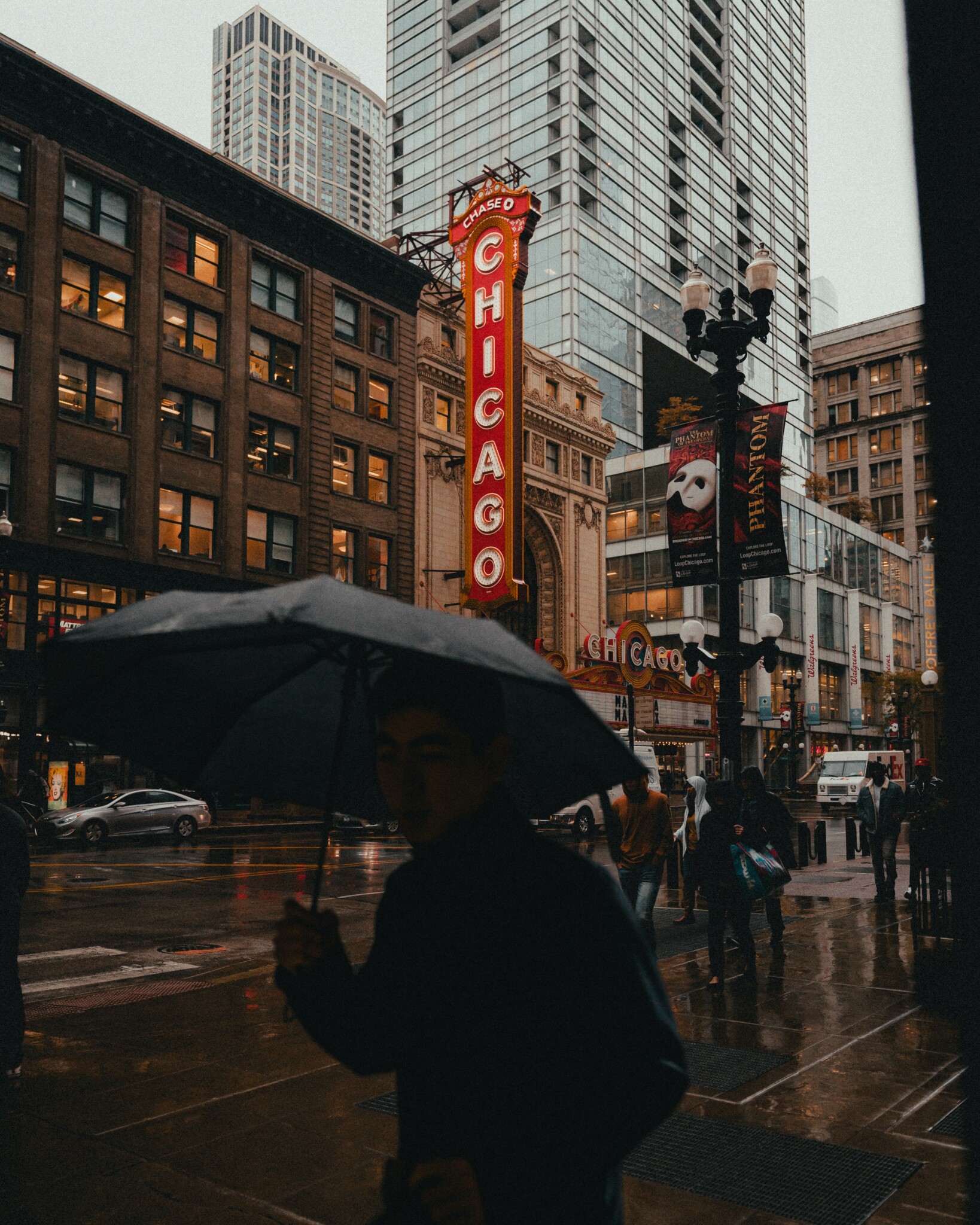
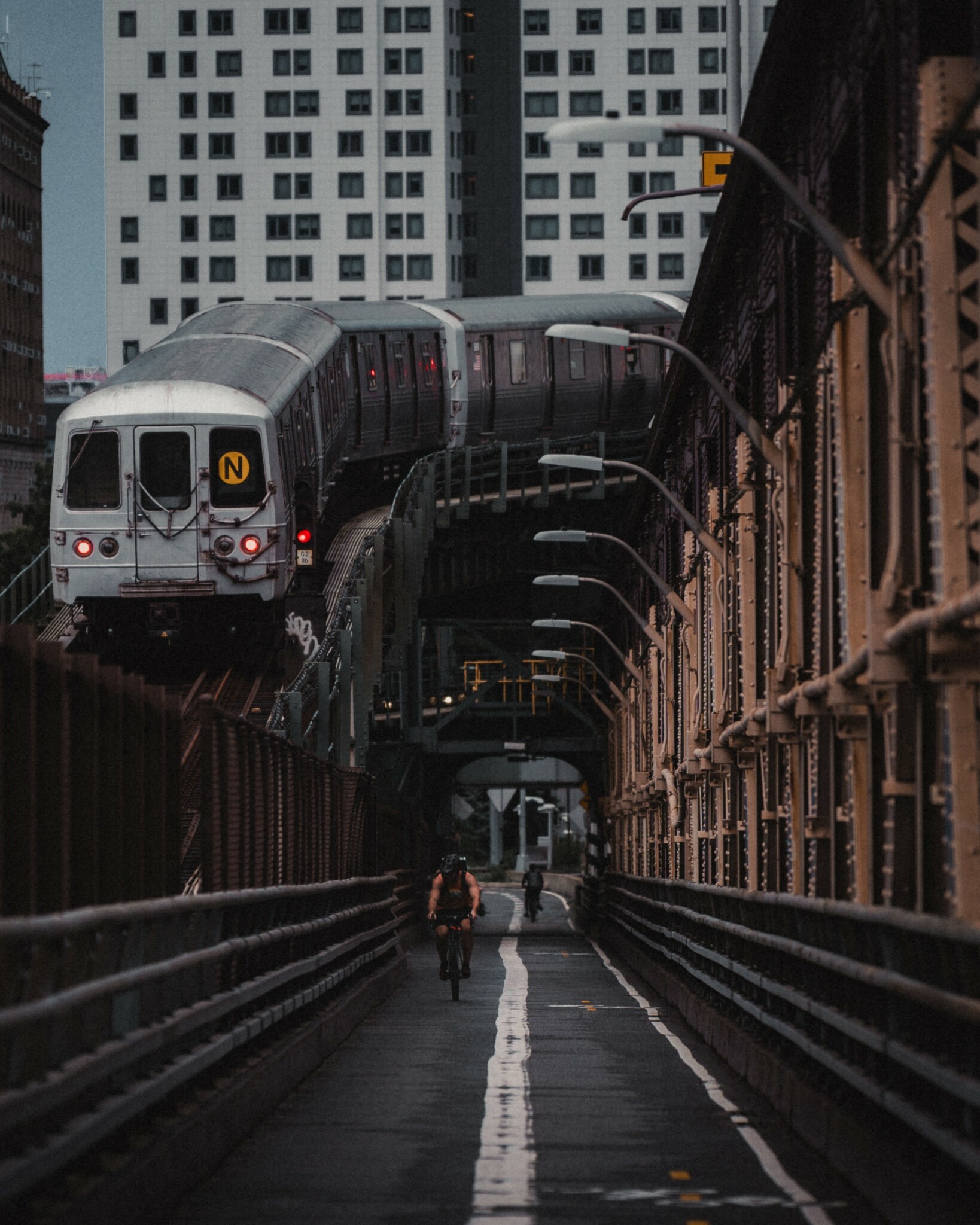
For the people that don’t know me, my name is Drew, I’m a photographer from Erie, Pennsylvania who now resides in the suburbs right outside of Philadelphia. I got into my craft about 7 years ago when I grew sick and tired of hearing my friend’s old Canon Rebel roll around in the trunk of my car. One day I decided to pick up that camera and started taking pictures to give myself a break from studying, which brings me here to today. When I’m not at work, I am likely out shooting cityscapes, street photography, or snapping pictures of various products and interiors. I often seek out locations and or scenery that displays types of contemporary, industrial, minimalist, urban, and brutalist imagery. I then process images from those locations with a dark and muted yet timeless film emulation. Basically, my main goal is to make stills from everyday life look and feel like a movie. I think what sets me apart from other photographers is my diverse portfolio, image curation skills, and aesthetic that I find a way to keep cohesive regardless of what I am shooting or the environment that I am shooting in. I think what I am most proud of is the photography community that I have helped create and have ultimately become a part of. That is, at the end of the day, there’s nothing more important than community no matter how good your work is.
We’d love to hear the story of how you built up your social media audience?
I’ve been on Instagram since 2012 and have seen it through its many transitional phases. My page started out as a personal page, which evolved into me sharing my photography work, which now involves me ultimately displaying my photography portfolio and various other things that revolve around my personality and interests. Over the course of that time, I have grown my following to around 43,000 people, which I am incredibly proud of. If you told me back in 2012 that I would grow a social media platform to that extent by simply sharing photos I would 100% not believe you. My advice for those that are just starting to build a social media presence is to simply just start. Jump in and start sharing videos, pictures, etc. of things that you enjoy. Most importantly, do it in a way that is authentic to yourself, do it consistently, and don’t compare yourself to others that have been doing it for almost a decade or more. And, even more importantly, don’t be afraid to put yourself out there, even if your work isn’t to the standard that you think it should be at. I can guarantee that your first photos and videos are not going to be your best work. I can also guarantee that you’re going to feel uncomfortable and vulnerable putting your art out there in the vast social media world waiting for someone else to have an opinion on it. One day, none of that will matter and you will be so happy that you just started doing it despite not being the slightest bit prepared; because trust me, nobody is.

What do you think is the goal or mission that drives your creative journey?
My goal is to simply create a memorable portfolio that I can proudly look back on while educating and inspiring some people along the way.
Contact Info:
- Instagram: https://www.instagram.com/drewcobert/?hl=en