

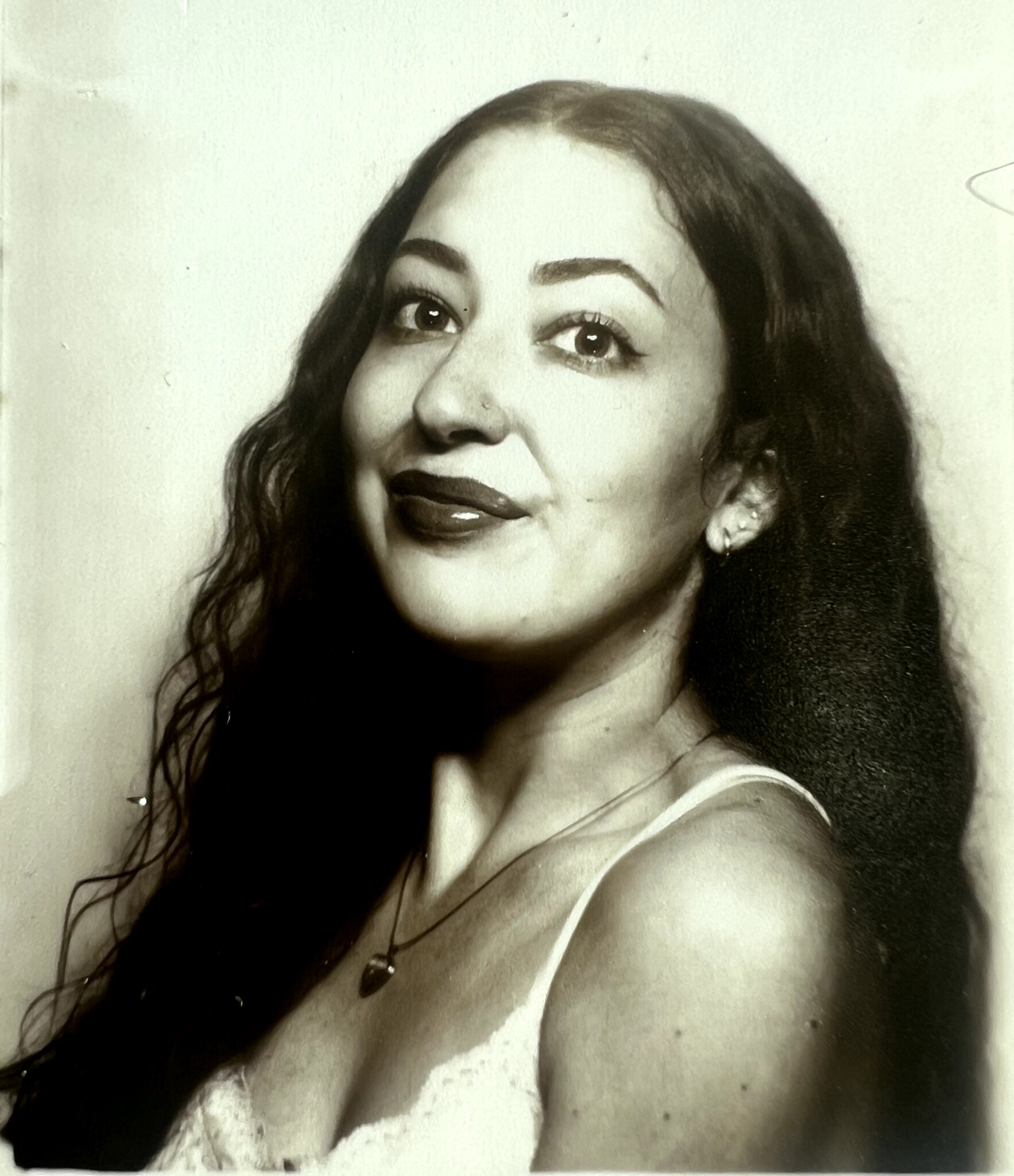

Alright – so today we’ve got the honor of introducing you to Gracie Herron. We think you’ll enjoy our conversation, we’ve shared it below.
Gracie, appreciate you joining us today. How did you learn to do what you do? Knowing what you know now, what could you have done to speed up your learning process? What skills do you think were most essential? What obstacles stood in the way of learning more?
I learned from trial and error, inspiration from others, and a lot of youtube videos haha. I did also take one photography class in college that formally taught me the fundamentals and motivated me to take photography seriously and view it as a potential career. Outside of that, I have learned from practice- doing test shoots, taking photos of everyday life, practicing different light setups and conditions, etc. Gathering inspiration from magazines, social media, and the world around me is also a great tool for learning- seeing how others set up lights, style a set, or combine a color scheme is all helpful information in defining your own unique photo style.
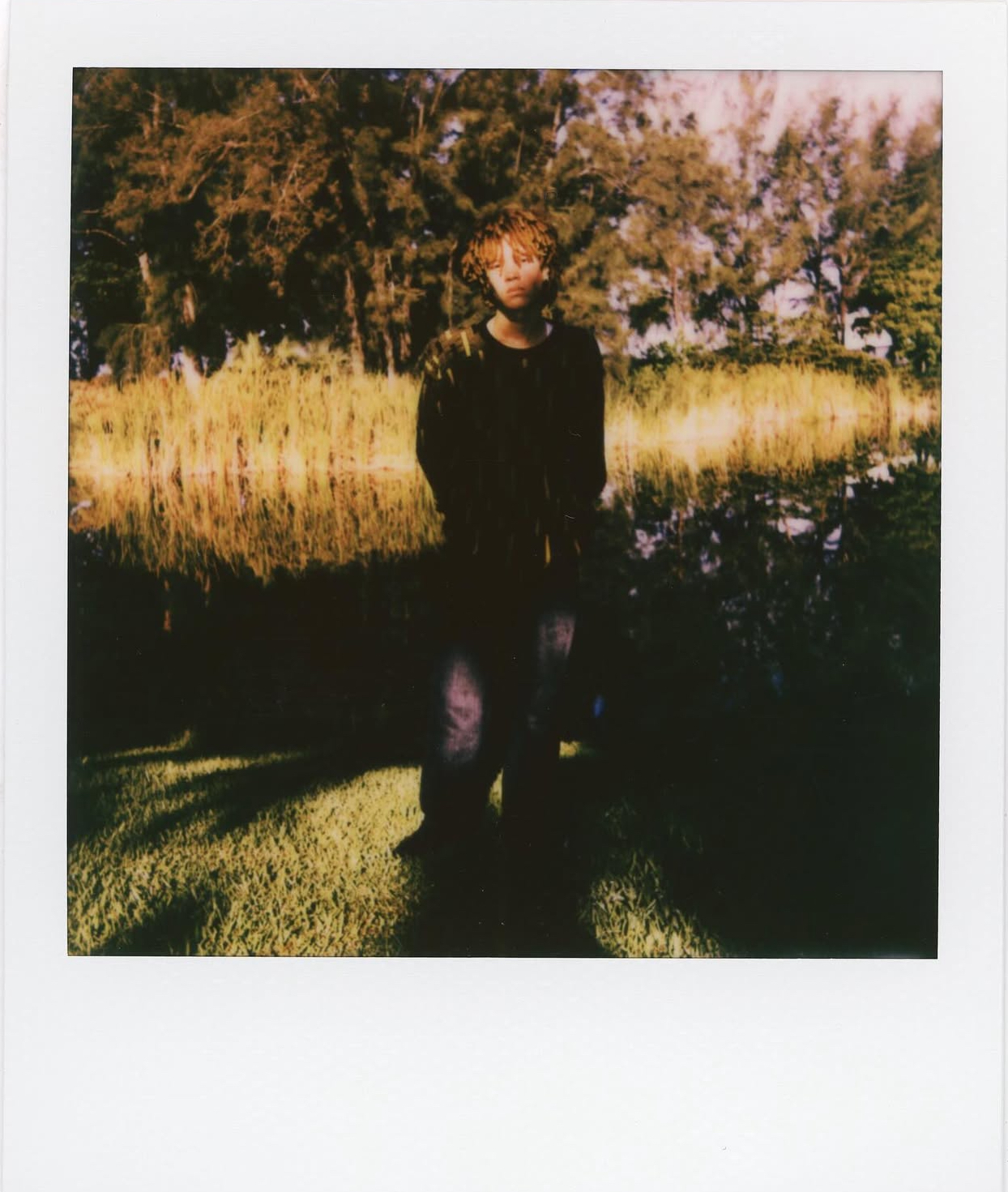
I think the most essential skill in learning is actually mental- accepting imperfection. Once you’re able to accept that something isn’t perfect and know that’s okay, you are able to then start the path to learning and adjust so you’re more prepared next time. Besides that, shooting film is an amazing practical skill for learning photography. It forces you to really know what you’re doing, since there’s no instant feedback to adjust or alter your settings or composition. It builds your knowledge and confidence, and changes the shooting dynamics in general.
I’d say the obstacles that stood in my way are the same as anyone who is trying to get into the fashion photography industry- information is not widely available. There are some great photographers that are sharing their own personal knowledge and experience, but fashion photography is largely a gate kept industry. You have to really search for a way in.
Awesome – so before we get into the rest of our questions, can you briefly introduce yourself to our readers.
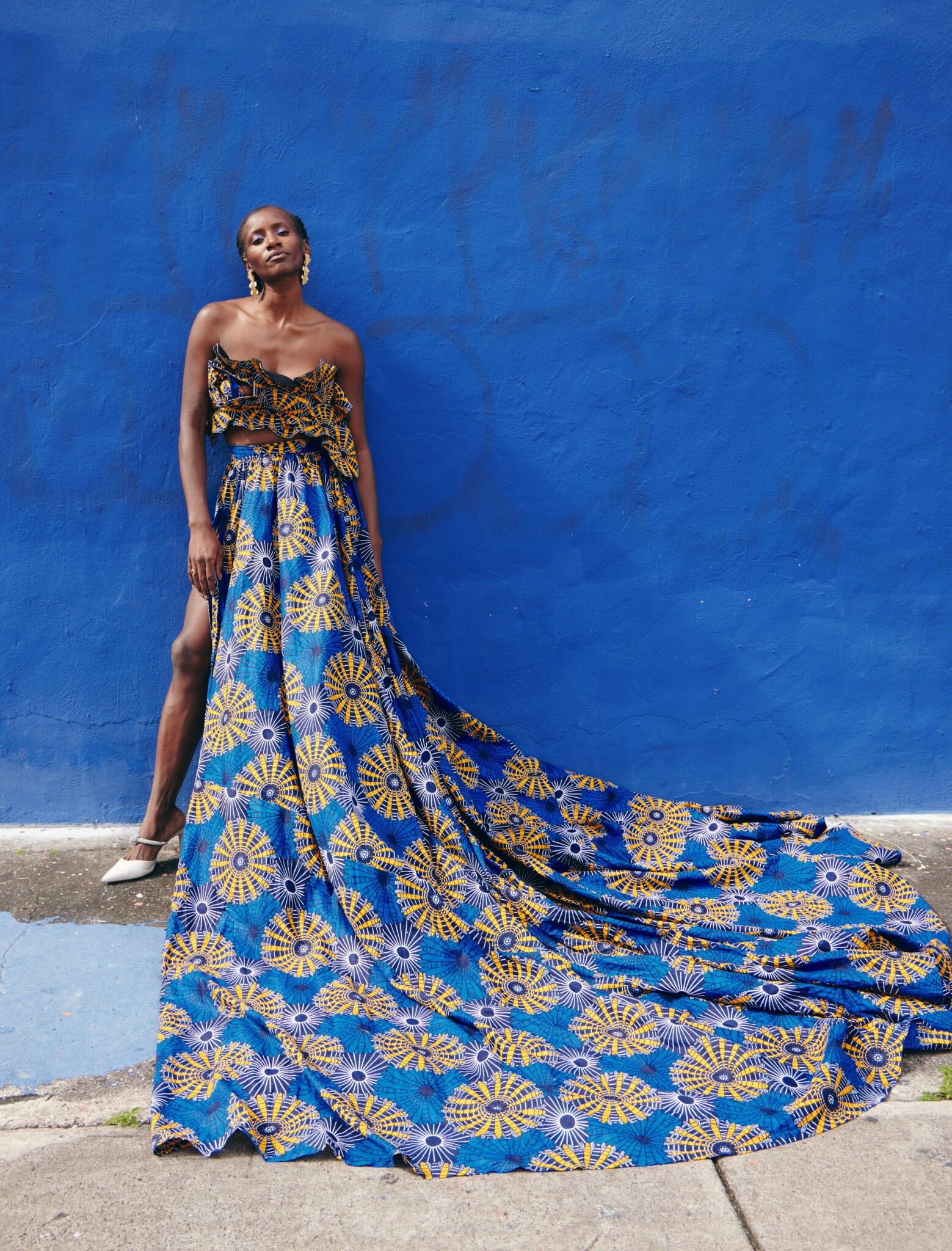
I am a photographer, with a focus on fashion photography. I’ve always been creative and interested in taking photos, but thought it could only ever be a hobby. It wasn’t until my third year of college that I took a photography class and met a guest speaker (fashion photographer) that really changed my outlook on photography as a pastime. It clicked something in me that made me realize photography & creativity in general didn’t have to be second, it could be a real profession. From then on I started focusing on building my portfolio, reaching out to potential clients, and learning as much as possible along the way.
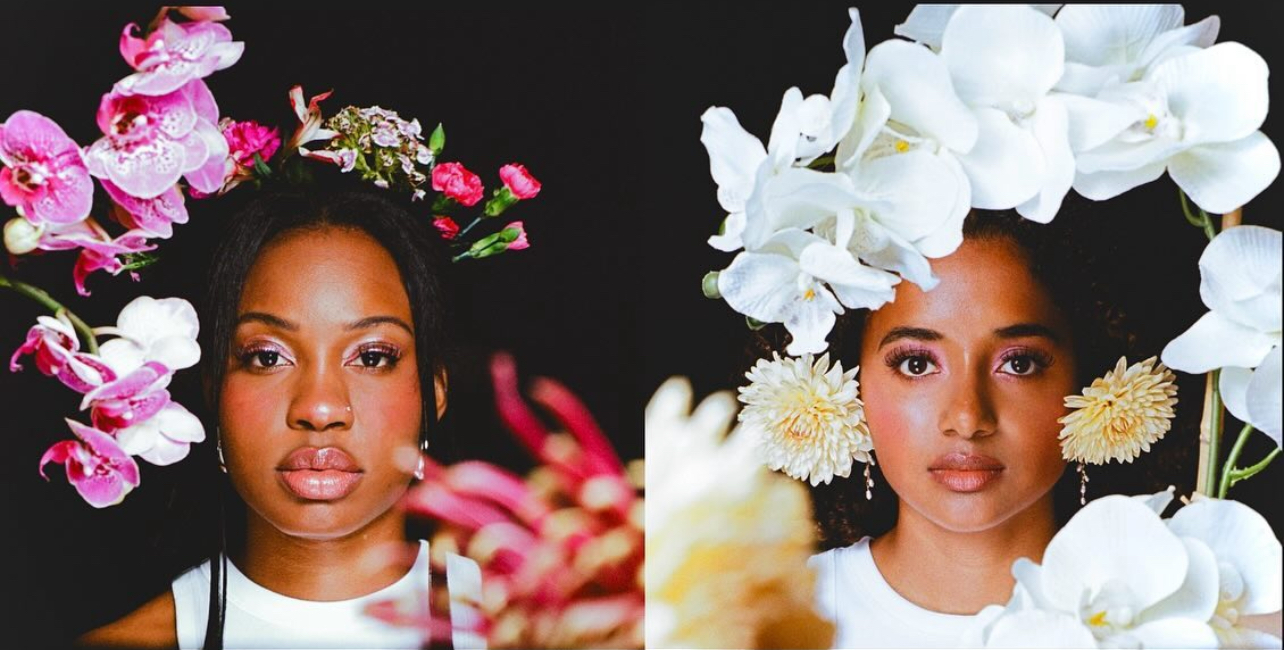
I provide photography and creative direction services for clients, in digital and 35mm or 120 film formats. My goal is to visually create the feeling behind the ideas my client or I have. I strive for my images to stand on their own as unique pieces of art, but the combination and common style throughout to be distinctly identifiable and alike. I’d say I am most proud of my growing use of film in my work, which now accounts for the majority of my photographs. It has allowed me to become a better and more knowledgeable photographer, and helped me connect more with my subjects while shooting.
How can we best help foster a strong, supportive environment for artists and creatives?
Society can support creatives by valuing art emotionally but also monetarily. Anyone can be a creative, but very few can be full time artists, and a big part of that is the missing monetary component. If an artist can’t support themselves financially, they have to put their creativity on the back burner. To prevent that, society can compensate fairly especially big companies with big budgets, source services from smaller names, hire real creatives over AI, respect intellectual property, etc. I’d love a world where the professional artist gets treated and compensated for their work as a professional athlete does.
What do you find most rewarding about being a creative?
The most rewarding aspect is the freedom. Knowing that you have control over your own life and the freedom to adjust it as you need is something you rarely get with a 9-5. Of course it has its tradeoffs, but I think the privilege of running your own schedule, working for yourself, and doing what you love is significant.
Contact Info:
- Website: https://www.gracieherron.com
- Instagram: @itsbygracie
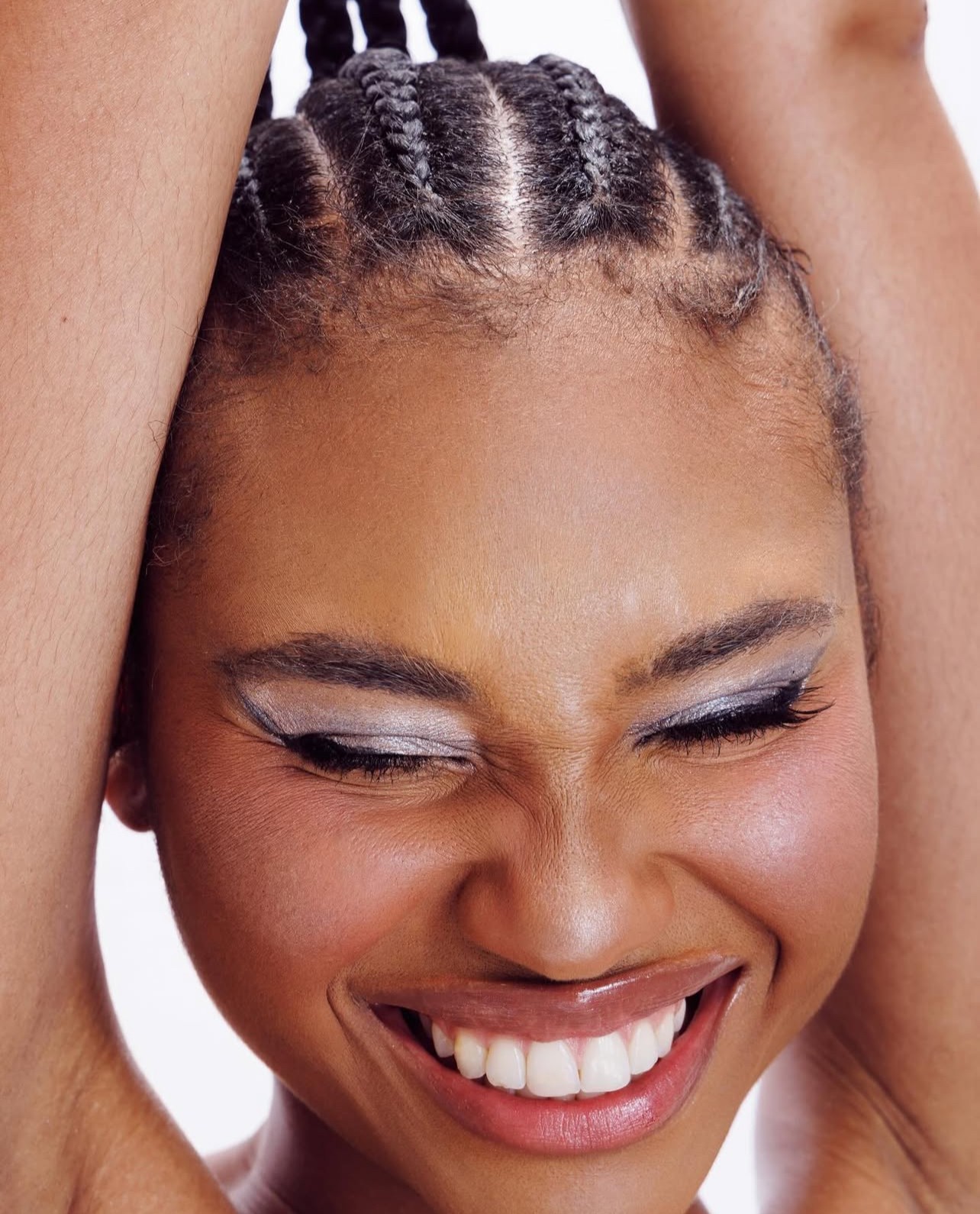
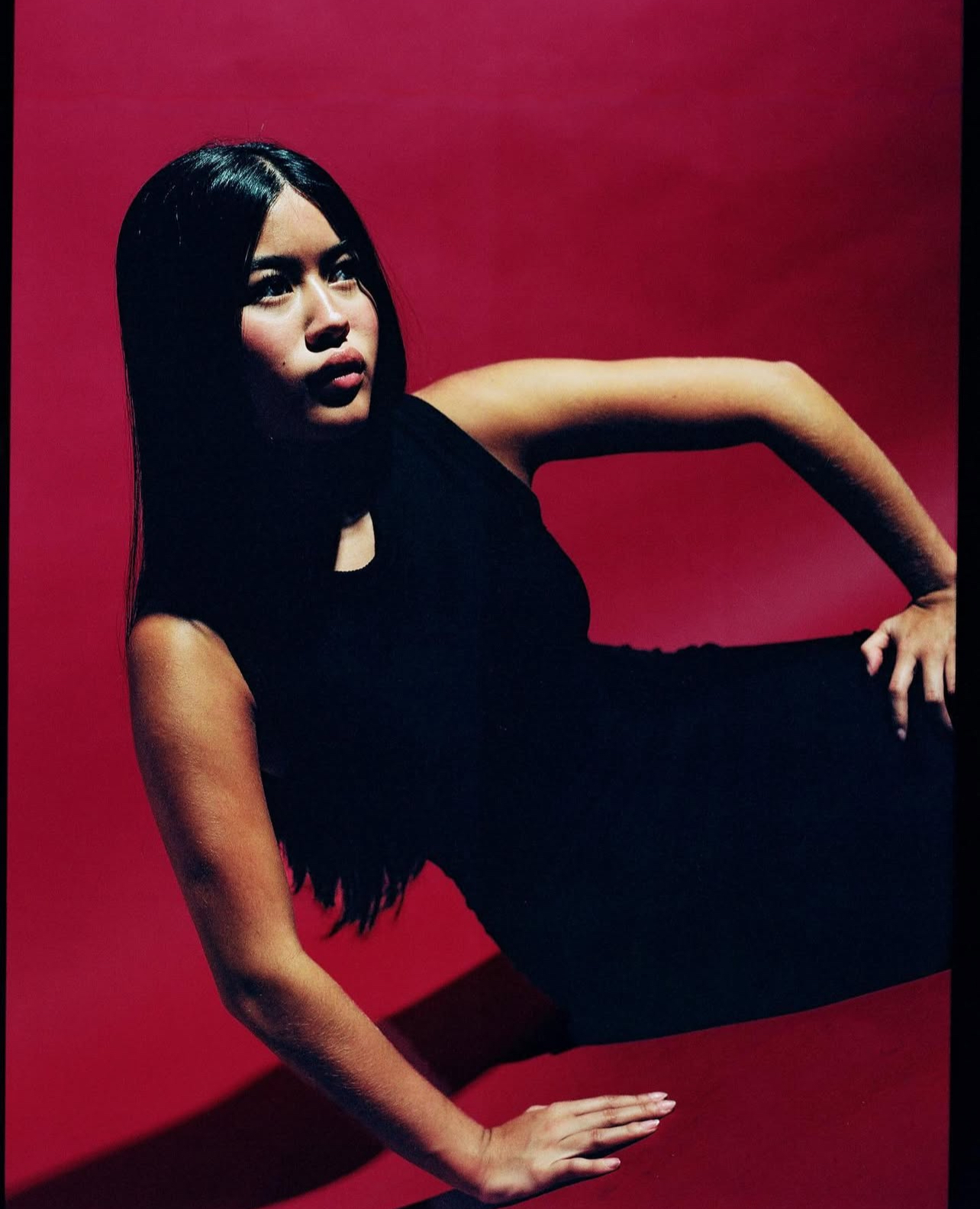
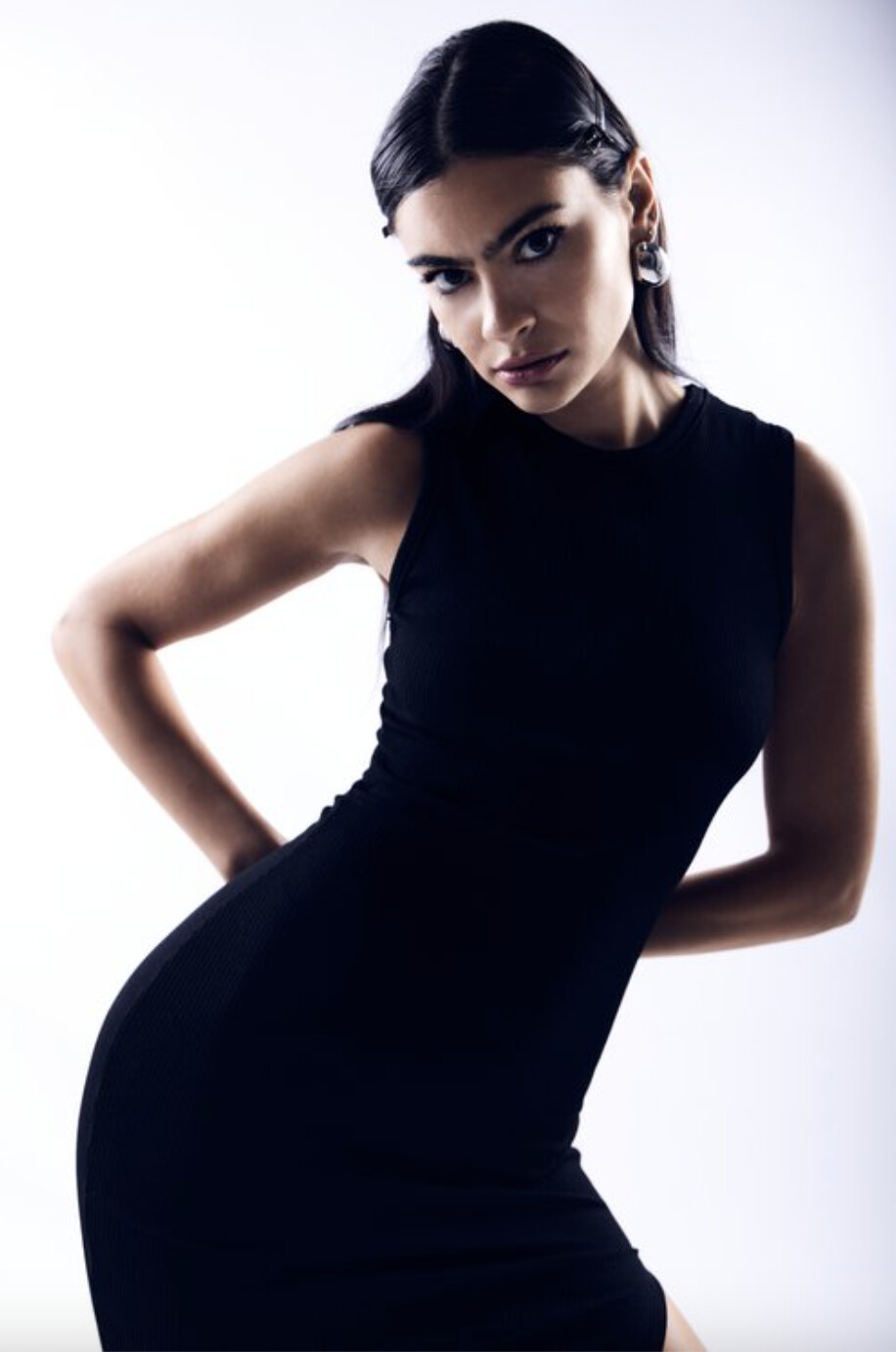
Image Credits
Gracie Herron