

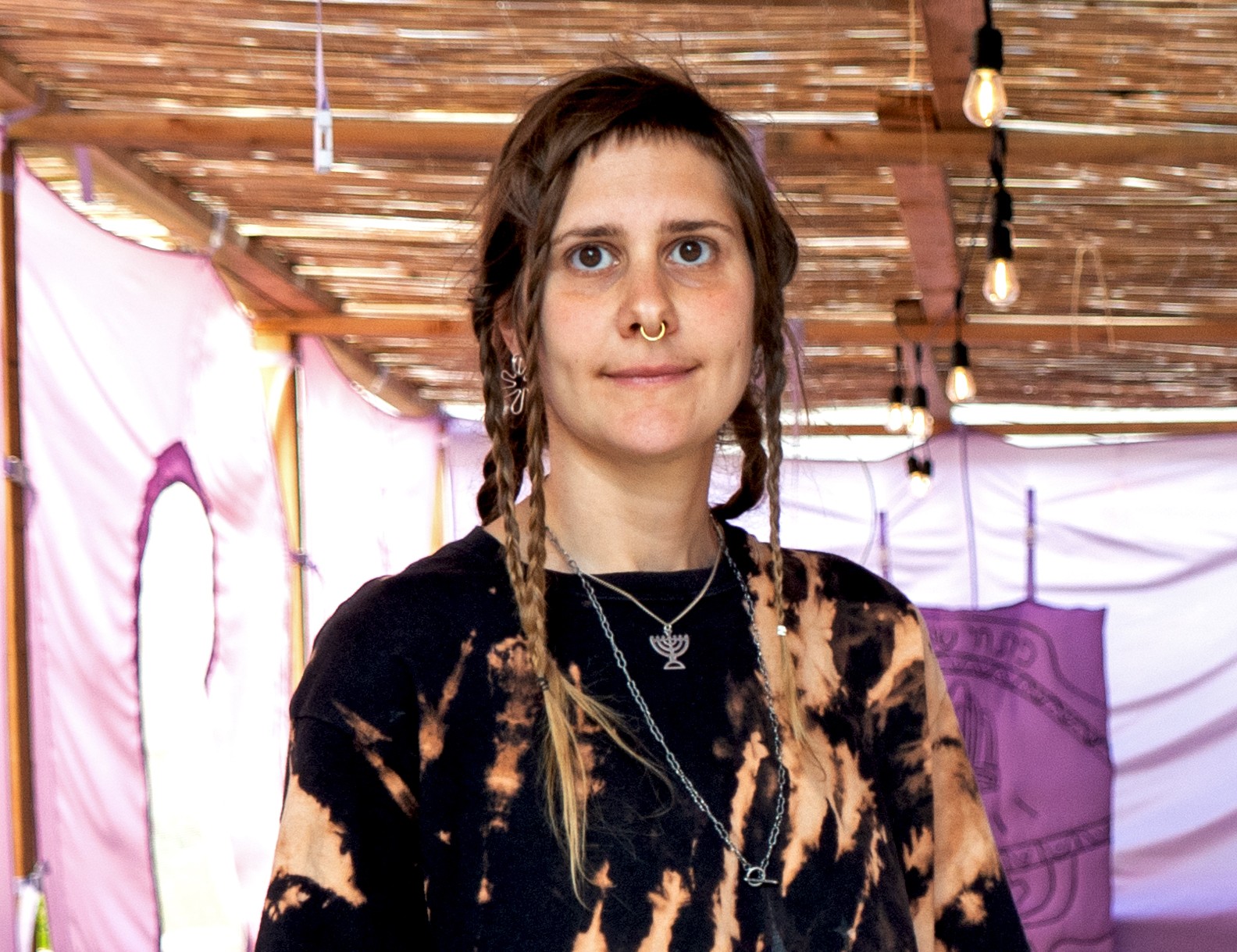

We’re excited to introduce you to the always interesting and insightful Hilla Shapira. We hope you’ll enjoy our conversation with Hilla below.
Hilla, thanks for joining us, excited to have you contributing your stories and insights. Can you talk to us about a project that’s meant a lot to you?
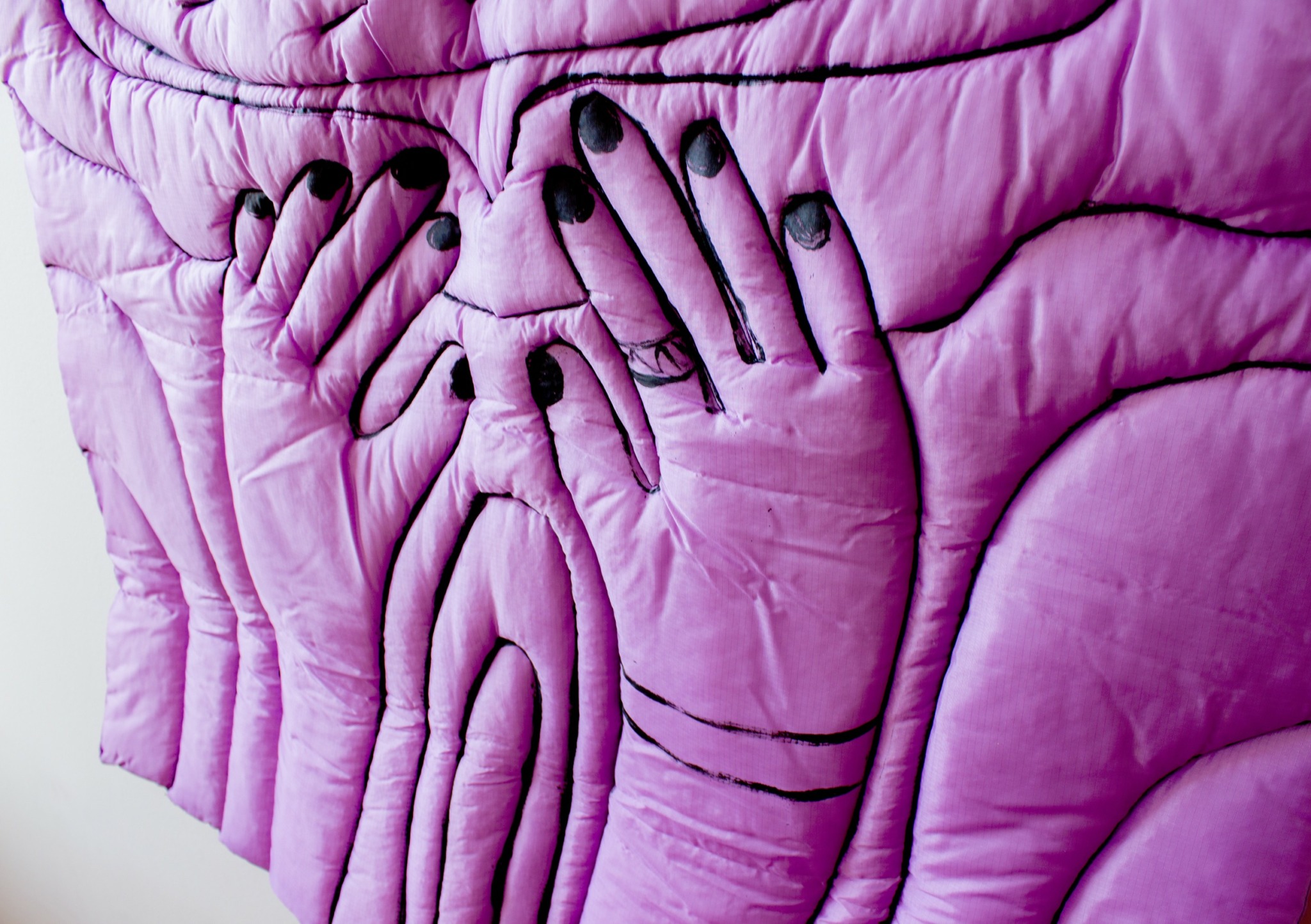
I am Hilla Shapira, an artist and designer who primarily works with textiles and soft materials. My work explores the relationships between everyday design and bodily rituals. By creating functional, mundane objects or their representations, I question design norms and examine the political dimensions of everyday items.
As an immigrant artist from Israel, queer, and from an Orthodox Jewish background, themes of land, identity, and conflict are integral to my practice. These intersections have shaped me both as a maker and as an individual. I embrace complexity, and my goal is to encourage viewers to ask questions rather than offering a specific conclusion.
In my previous work, you can see my exploration of contemporary Judaica, where I challenge traditional designs from a queer perspective. This raises questions about how the aesthetics of spiritual objects are determined. How can holiness be conveyed through material and form? What role does functionality play in this context?
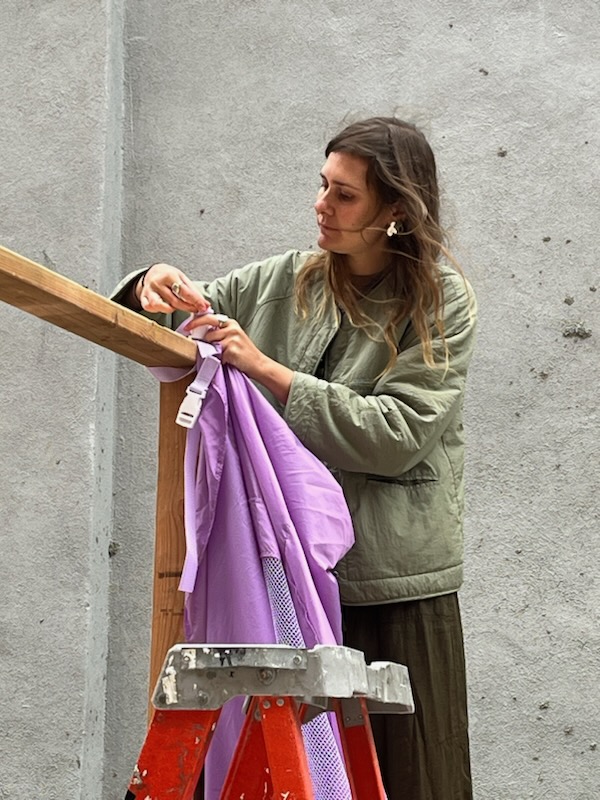
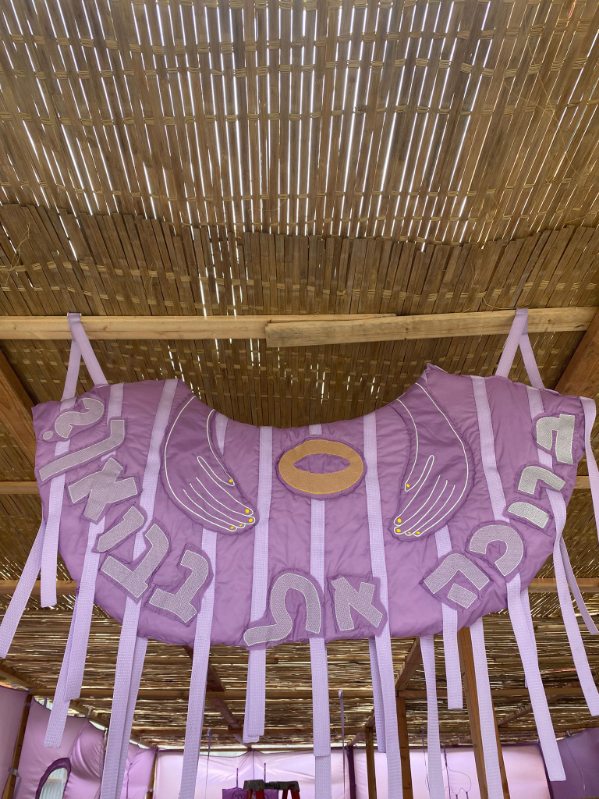
One example, Lavender Diaspora (2023), is a seven-day outdoor installation based on the fundamental rules of the traditional sukkah—an outdoor, temporary structure with three walls and a roof made of organic materials. The piece asks the question: “Where is home?” from both queer and Jewish perspectives. Jewish iconography and Hebrew scripture are transformed into soft objects, turning the sukkah into an ephemeral ritual space. I explore the parallel relationships between queerness, Jewish identity, and being from Israel. This is especially relevant in the context of Sukkot, a holiday in which the Jewish people celebrated in an in-between space—between Egypt and Israel. they were on the way somewhere but remained in a temporary, liminal state, embodying a kind of forever nomadism. (The project was supported by “The Neighborhood: An Urban Center for Jewish Life” )
Great, appreciate you sharing that with us. Before we ask you to share more of your insights, can you take a moment to introduce yourself and how you got to where you are today to our readers.
I am a fiber artist and designer originally from Tel Aviv, Israel. I have a Bachelor’s degree in Fashion Design from Bezalel Academy of Art and Design, Jerusalem, and a Master’s degree from Cranbrook Academy of Art, MI.
Textiles have been the primary material I work with since 2010. Sometimes I feel that the material has chosen me. I believe this is due to the intimate relationship we have with textiles as individuals, whether in wearable forms or other everyday objects. Through these materials, I see the potential to explore themes of relationships, culture, beliefs, and politics.
I currently live in New York City. After earning my Master’s degree from Cranbrook Academy of Art in Michigan, I moved to the city and have continued working as an independent artist and costume designer. In both fields, I aim to explore the potential of wearables and textiles while combining traditional techniques with new technologies.
Currently, I am working with the Brooklyn Ballet Dance Company, designing costumes for their spring 2025 show. Working with dancers requires a specific understanding of movement and the body. Over the years, I have learned about the potentials and limitations of textiles on stage. There are many components that need to be taken into consideration, such as scale, light, and space. In my artistic practice, the limitations are different: the audience is different, and the way the work is presented is different. I love working within these limitations because it allows me to rethink my work from different perspectives.
My studio work is not necessarily limited to wearable pieces. I also create installations, videos, soft sculptures, and wall pieces. Recently, I have been focusing on Jewish iconography and text. This ongoing project has been my focus in recent years. I aim to create a body of work that suggests inclusive religious discourse and offers a queer perspective on Judaism.
For you, what’s the most rewarding aspect of being a creative?
I believe that the ability to capture the world from an artistic perspective is a huge privilege. My point of view centers on the beauty of complexity—finding moments that represent the aesthetic of the mundane. It’s all about perspective: the way I choose to look at the world. Objects that are unintentionally organized can become potential sources of inspiration. It could be the way people are arranged in the subway, an abandoned construction site, or simply the color of the sky at a particular moment.
Because the creative muscle is always active, artists have the ability to recognize these special aesthetic moments, bring them into the studio, and share them through their work.
Are there any books, videos, essays or other resources that have significantly impacted your management and entrepreneurial thinking and philosophy?
The work of visual artist Nick Cave has significantly impacted the way I think about my artistic practice. Cave’s work blends elements of craft, African-American traditions, and contemporary art, inviting viewers to engage with the complexities of personal and collective identity. I admire his approach to craft, specifically wearables and textiles, while also engaging with other mediums.
His Soundsuits—intricate, wearable sculptures—combine a dialogue between fashion, performance art, and traditional craft. I think the way this project brings together all these elements has had a huge impact on how I view my own work, which doesn’t fall into just one category.
Contact Info:
- Website: https://www.hillashapira.com
- Instagram: hilla_shapira
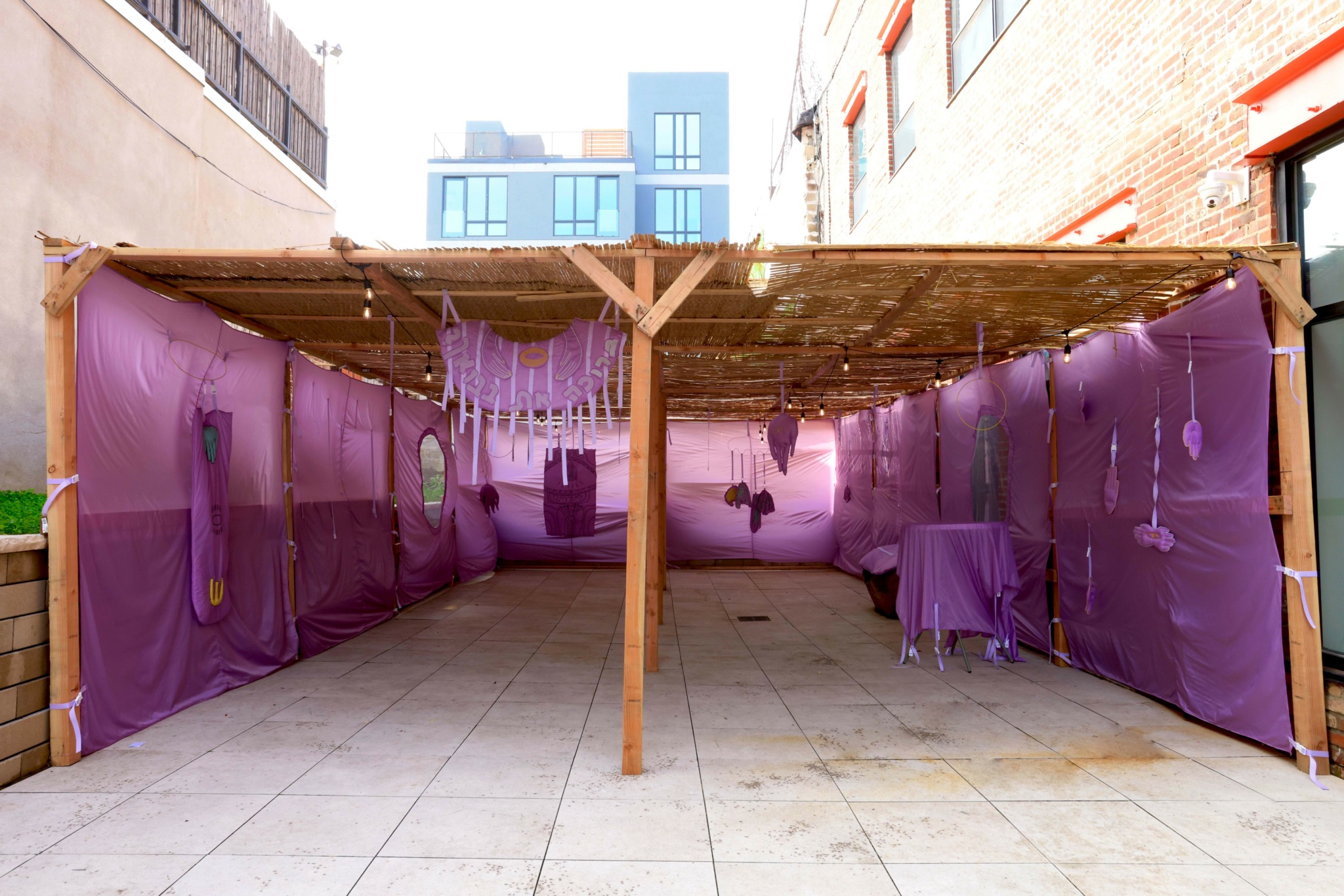
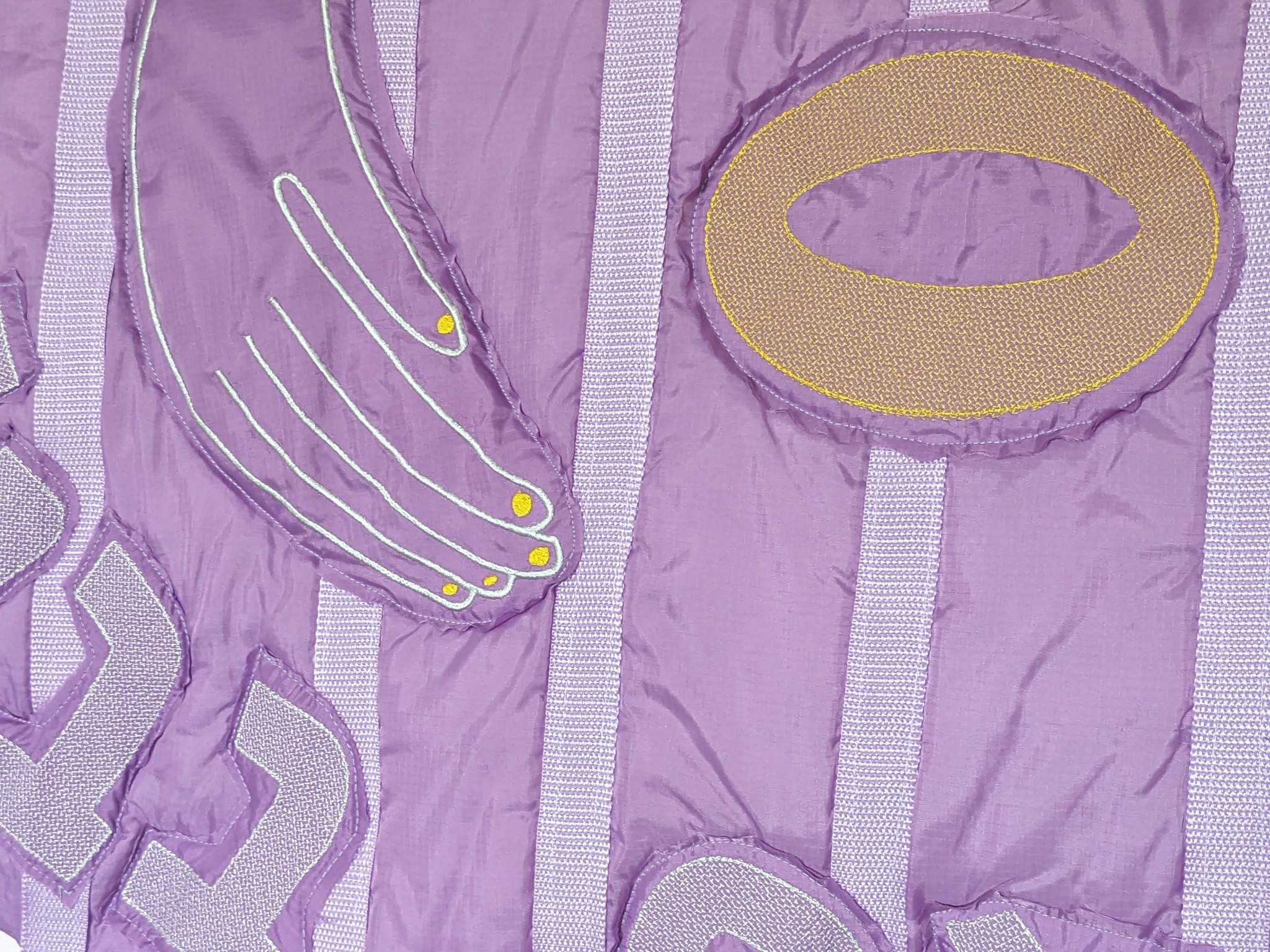

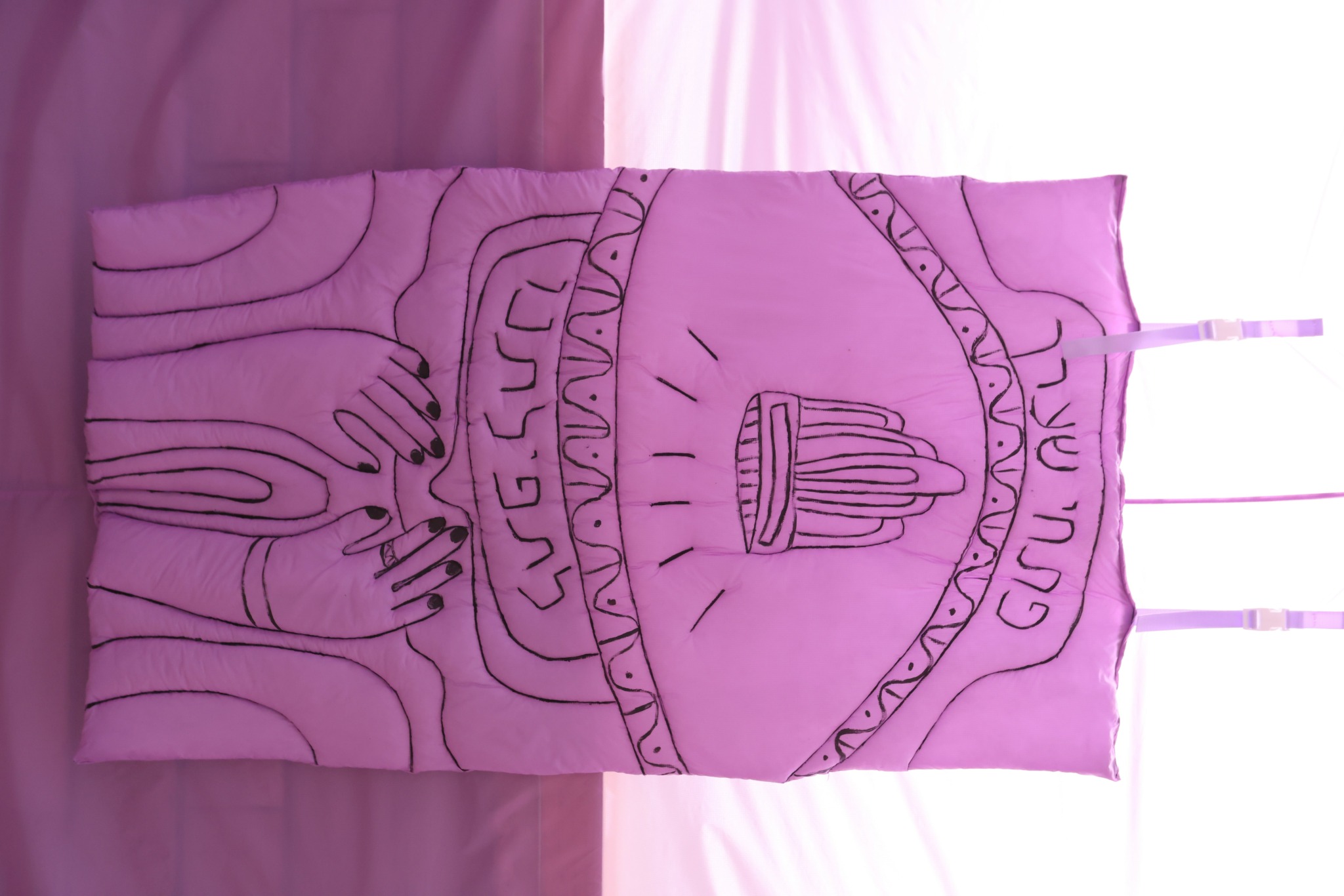
Image Credits
Profile picture: Jonathan H. Mishal
Other images: Ming Fan Chan
“Lavender Diaspora” project supported by “The Neighborhood: An Urban Center for Jewish Life”