

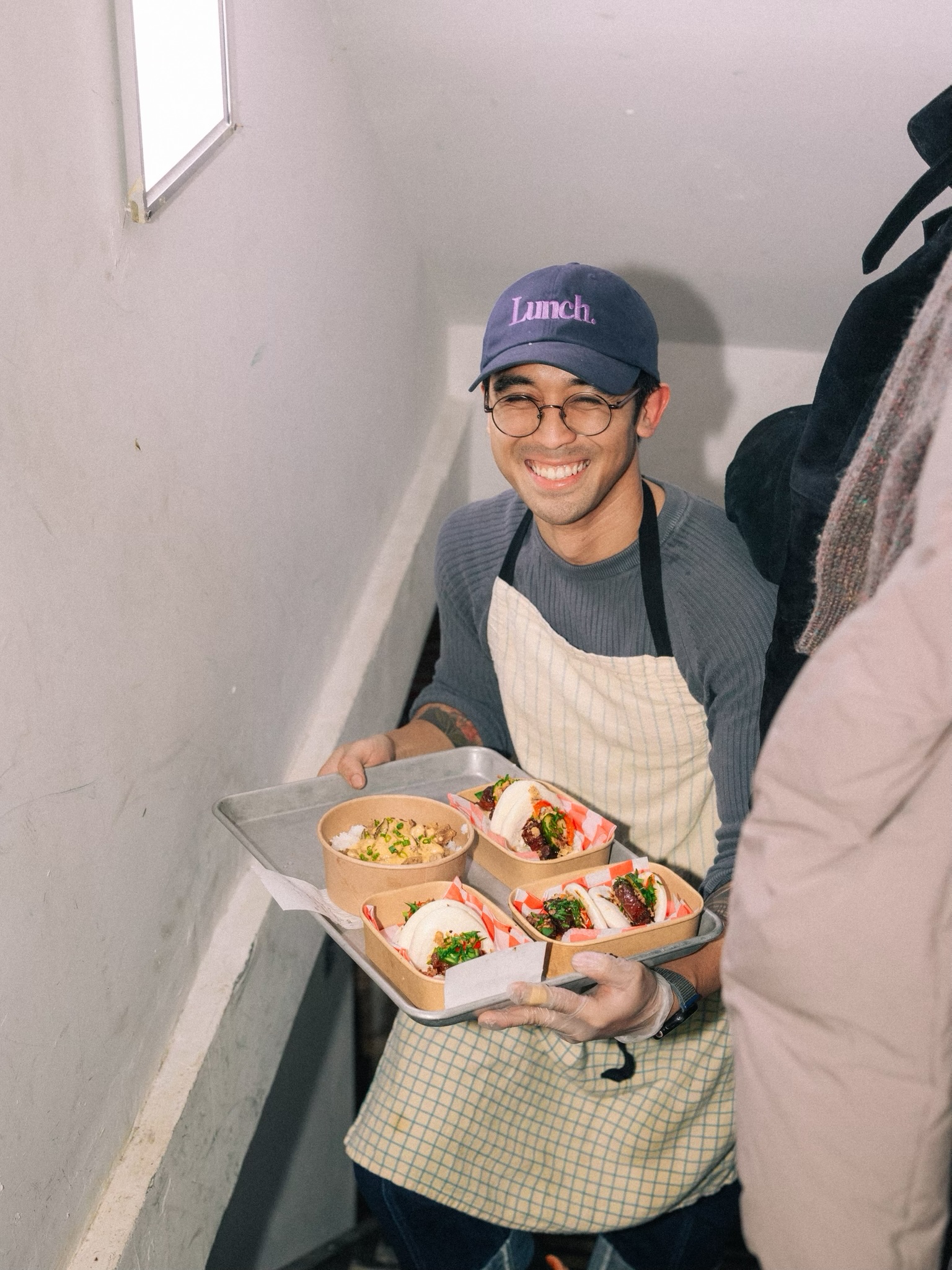

Alright – so today we’ve got the honor of introducing you to Bagus Ruswandi. We think you’ll enjoy our conversation, we’ve shared it below.
Bagus W,, thanks for taking the time to share your stories with us today One of the things we most admire about small businesses is their ability to diverge from the corporate/industry standard. Is there something that you or your brand do that differs from the industry standard? We’d love to hear about it as well as any stories you might have that illustrate how or why this difference matters.
For most of my career, success has meant putting clients on the right path—lining things up, pushing boundaries, and getting creative with goals. It was always about asking, “How far can we take this?” So when I decided to step into entrepreneurship, I had to ask myself: What’s the problem I actually care about?
Urban loneliness stood out to me immediately. New York is filled with people, yet it’s one of the loneliest places to be. And the thought that came to my mind was simple: Maybe we wouldn’t feel so divided if we could just get lunch together every day. That was my aha moment—the realization that food could be more than just nourishment or entertainment. It could be the starting point for connection.
At first, I looked to the pop-up scene, because, honestly, it’s one of the best things about this city. Pop-ups bring people together, showcase talent, and give home cooks a platform to reach new audiences. But every time I go to a pop-up, there was something I couldn’t shake—I loved cooking for people, but I wasn’t actually connecting with them. The format worked, but I felt like I was missing something deeper.
That’s when I realized I wanted to create something that went beyond serving food for a night and disappearing until the next event. I wanted something more personal, something that didn’t just introduce people to a great meal but gave them a reason to come back—to sit down, talk, and feel a little less alone. That’s how Studio Bumi was born—not as a pop-up, not as a catering business, but as a food experience studio designed to bring people together in a more intentional way.
As we grew from an Indonesian meal prep service in my apartment to hosting community lunches in Bushwick, I saw firsthand how meals could foster real connection. For me, food is only 50% of the equation. The other half is about the person making it—sharing their voice, their perspective, their story. And that’s why Studio Bumi isn’t just my project; it’s a space where we figure things out together.
Now, after a year of experimenting, iterating, and learning from people far more experienced than me, our mission is clear: we’re here to nurture friendships and combat loneliness in big cities through communal dining. That’s our core offering.
What sets us apart is how we design our dinners. Our experiences are mobile, adaptable, and intentionally crafted to be more than just a meal. The moment guests walk in, they know they’re part of something meaningful. We guide conversations in a way that ensures even the quietest voices are heard, and we introduce guests to bold, underrepresented flavors that push beyond the usual. And once the meal ends, we don’t just leave things there—we create ways for those connections to continue, turning introductions into friendships.
At the end of the day, what makes us different is that our goal is so specific: to be a friend in a city that can feel overwhelming and isolating, even if it’s just for three hours over dinner.
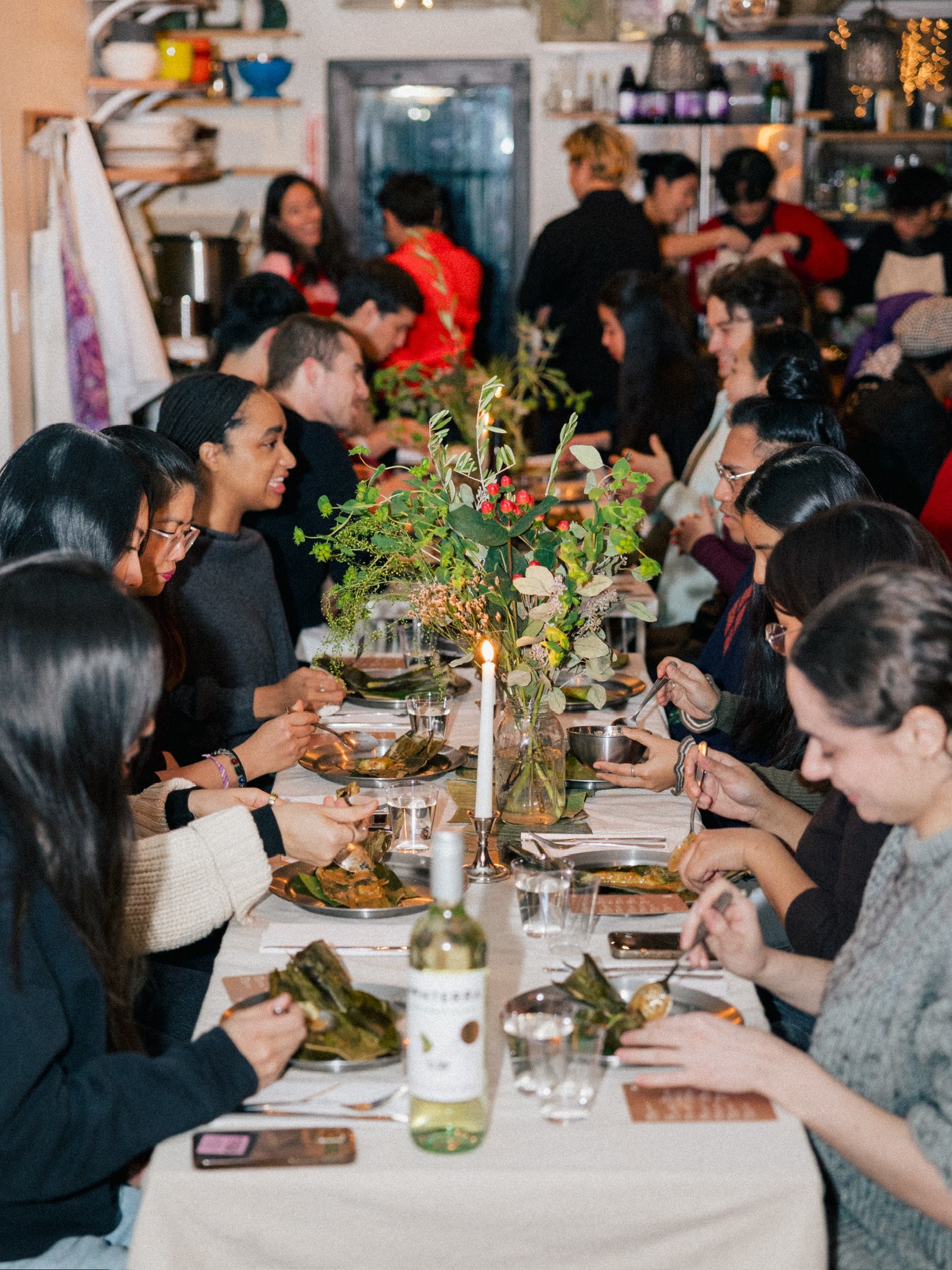
As always, we appreciate you sharing your insights and we’ve got a few more questions for you, but before we get to all of that can you take a minute to introduce yourself and give our readers some of your back background and context?
Hello, I’m Bagus! My journey into food and community-building wasn’t something I planned—it unfolded naturally. I started out as a corporate attorney—structured, stable—but I’ve always been drawn to something beyond just work. I love creating, bringing people together, and building connections in ways that feel intentional and meaningful.
A sudden layoff led me to cooking, not out of necessity, but as a way to reconnect. I began inviting friends over for meals, not to perfect recipes, but to share time and conversation. What started as a personal ritual quickly evolved—I started sharing menus online, experimenting with meal prep, and eventually moved into a commercial kitchen, realizing that food wasn’t just about what’s on the plate; it was about the experience of coming together.
Now, my work revolves around introducing people to bold, underrepresented cuisines—especially the flavors of my home, Indonesia—while creating spaces for meaningful conversations. The goal has never been just to serve food; it’s about fostering connection in a city that can often feel isolating. I want people to feel like they belong, whether through a shared meal, a new friendship, or simply by being part of something that lingers beyond a single evening.
But perhaps the most rewarding part of this journey is seeing others step into the Studio—not just chefs, but home cooks, friends, and storytellers who bring their own experiences to the table. Food is the medium, but the exchange—of culture, conversation, and stories that might otherwise go unheard—is what makes it truly special.
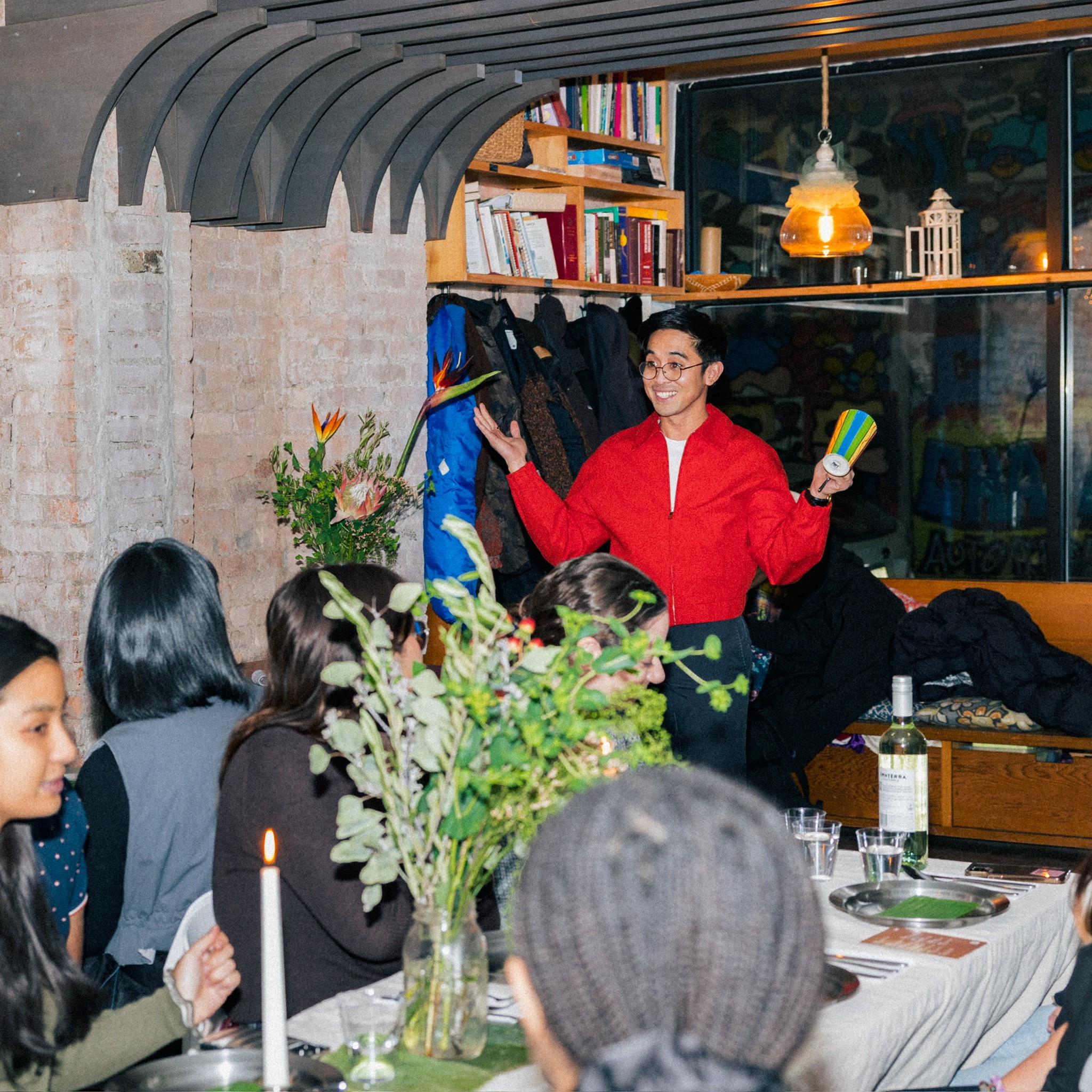
What’s a lesson you had to unlearn and what’s the backstory?
I had to unlearn that entrepreneurship wasn’t for me. That success meant following a structured path, playing it safe, and working hard—but never taking risks. I grew up believing that entrepreneurship was for other people, not us. My family found success by following the rules, becoming excellent at what they did, and earning security through that path. I was raised to be a good employee, not a risk-taker.
For as long as I can remember, I tied my self-worth to being useful. I wanted to be part of something bigger, to contribute, to make an impact. Maybe I loved the spotlight, or maybe I just loved being part of something that mattered. But more than anything, I believed that my role in the world was to support—to be the person who helped others succeed. And for a long time, that was enough.
I was born in Tangerang, a suburban city just outside of Jakarta. Both my parents studied law, moved to the capital from East Java, and built their careers in a field that values discipline and structure. Naturally, I followed that path. Even in law school, I threw myself into organizational work—first in marching band, then in student associations. I treated leadership like a full-time job, eventually becoming the National Secretary General of the Asian Law Students’ Association for Indonesia. I traveled, built structures, wrote operations manuals before I even knew what “operations” meant, and thrived in the role of making things happen. But when I graduated and entered the corporate world, I hit a wall.
I had spent years defining myself by my ability to organize, support, and lead teams. But when it came time to stand on my own, I struggled to define what my actual skills were. I had landed a coveted summer internship at one of the most prestigious law firms in Jakarta—an opportunity that should have solidified my path. Instead, I felt completely out of place. I had always been the “personality hire,” and now I feared that was all I had to offer. The first few years of my legal career were brutal. I constantly felt like I was catching up, like I wasn’t cut out for the path I had spent my life preparing for.
On the weekends, I sought out the kind of work that made me feel like myself again—nonprofit projects, community programs, anything that allowed me to create something meaningful. And then I met my ex, who came from an entrepreneurial background. Watching them navigate the challenges and creativity of building something from scratch, I realized—this was what I wanted to do. The long hours, the problem-solving, the endless decisions, and the fact that it could actually pay off? It clicked in a way law never did.
But breaking away from what I was raised to believe wasn’t easy. My mom used to say, *“We are not a family of entrepreneurs. We find success by being excellent at the system, not by trying to change it.”* And my dad, when I was struggling as a student council president in high school, told me, *“Maybe you’re just not meant to lead. You’re meant to support.”*
For a long time, I let those words define me. I told myself that supporters support—that should be enough. That should be more than enough.
So, I did what was expected. I pursued a high-paying career in law, continued my nonprofit work on the side, and in 2021, I moved to New York City for a master’s degree in technology law. It was an easy choice—I had always loved New York. But life had other plans. In the fall of 2023, I was laid off from my law firm job. And for the first time in my life, I had no plan. No clear next step. Just time—to sit with the uncertainty, to reflect, to ask myself what I really wanted.
And that’s when I realized: I had spent my whole life waiting for permission to take a different path. To take a risk. To do something for myself.
So, what I had to unlearn was the belief that my path was set in stone. That success could only look a certain way. That I was too late to start over. I’m not. I’m just beginning. And while I might not be where I once thought I’d be—or where my family expected me to be—I’m somewhere better. I don’t just want to make a living. I want to create a life.
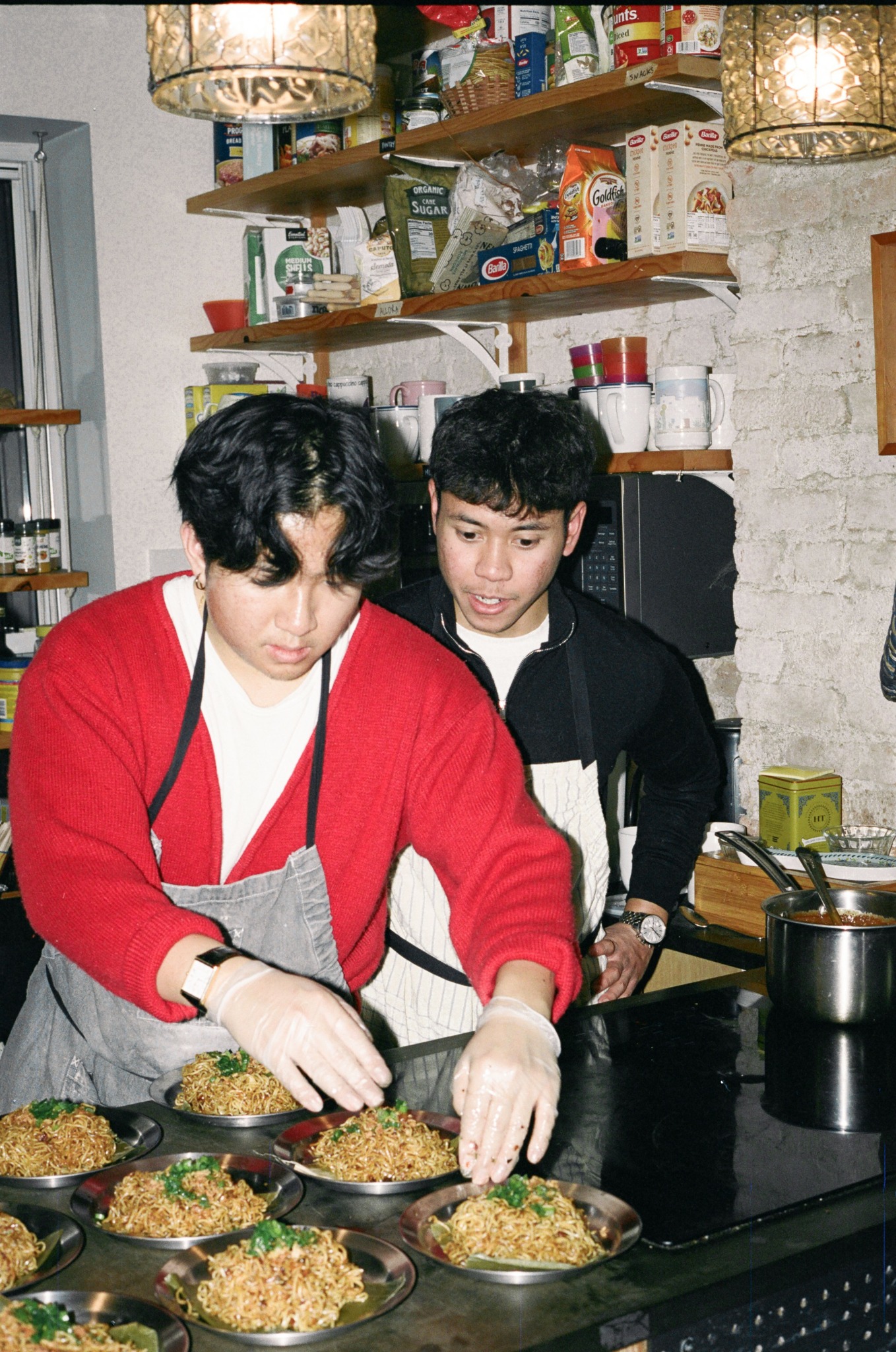
If you have multiple revenue streams in your business, would you mind opening up about what those streams are and how they fit together?
Yes. Studio Bumi started as an Indonesian meal prep company, first out of my apartment and then from a commercial kitchen so we could scale up. It was a way to introduce more people to home-cooked Indonesian flavors in a way that was convenient and accessible. But about three months into the business, I realized something was missing—I missed the act of serving, of being there with the people enjoying the food. That’s when we introduced communal dining, which quickly became our main offering.
While communal dining is now the core of Studio Bumi, our other revenue streams play an essential role in making it possible. Running these dinners independently is our most costly endeavor, so our weekly lunch service and early-stage catering help sustain the business while allowing us to expand our reach.
The way we think about our revenue model follows a natural flow: communal dining is the door—it’s where people first experience what we do, connecting over food and conversation. From there, when guests want more, we funnel them into our weekly lunch service or offer them the opportunity to have us cater their personal or corporate events. Through word of mouth and ongoing relationships, we’re then able to provide even more personalized food experiences.
Beyond that, our kitchen operations support is a long-term commitment to making resources accessible to more people. As part of my mission to continue fostering the friendships that begin at our tables, I often invite people for casual kitchen hangs, giving them a glimpse into our process and, if they’re interested, offering operational help. Everyone should have access to these resources—the same way I’ve been fortunate to receive help along my own journey.
So this is all to say that by layering these different offerings, we ensure that Studio Bumi isn’t just a one-time dining experience but an evolving, sustainable space for connection, learning, and community-building through food.
Contact Info:
- Website: https://www.studiobumi.space
- Instagram: https://www.instagram.com/studiobumi.nyc
- Linkedin: https://www.linkedin.com/company/studiobumi
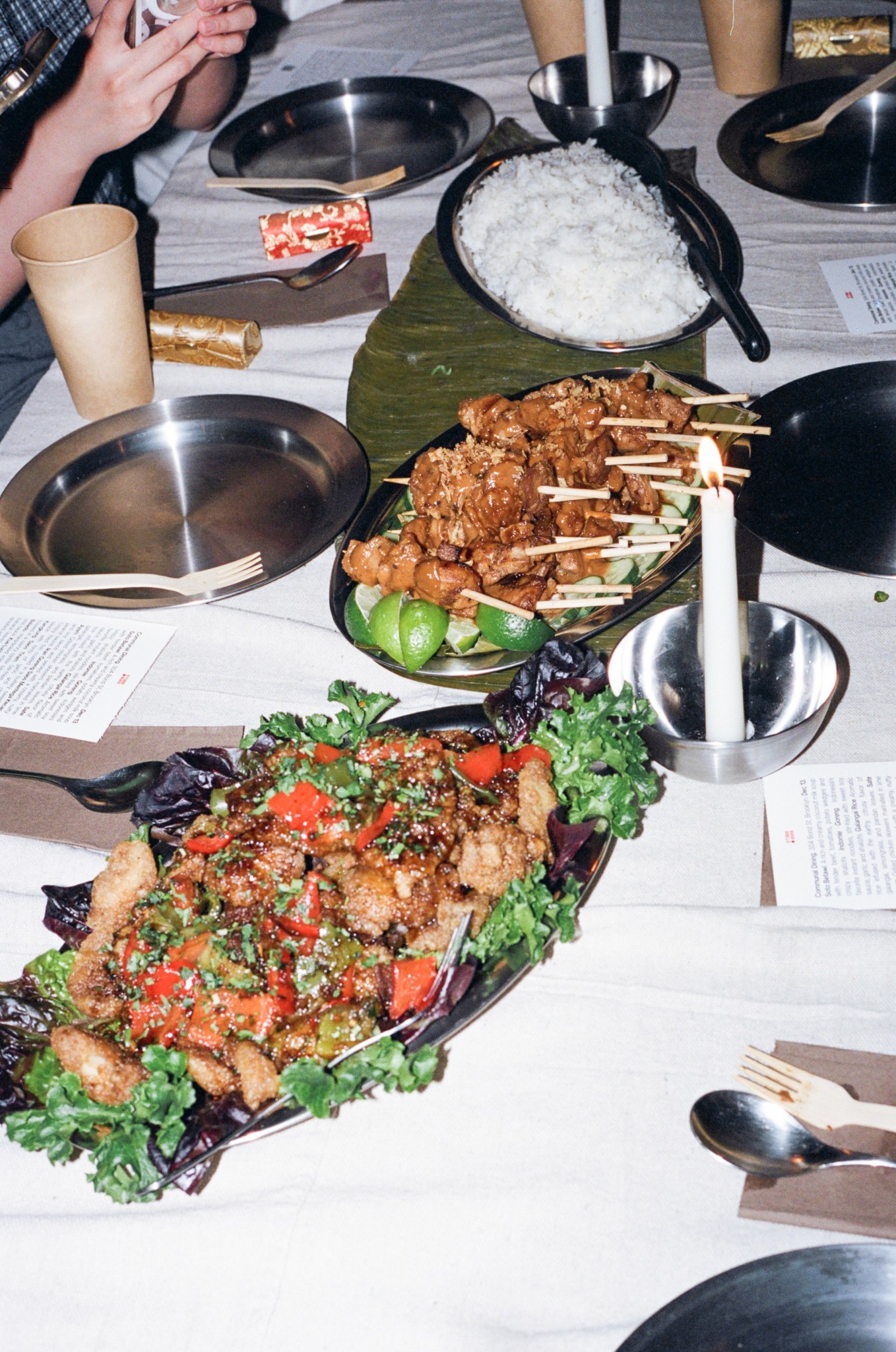
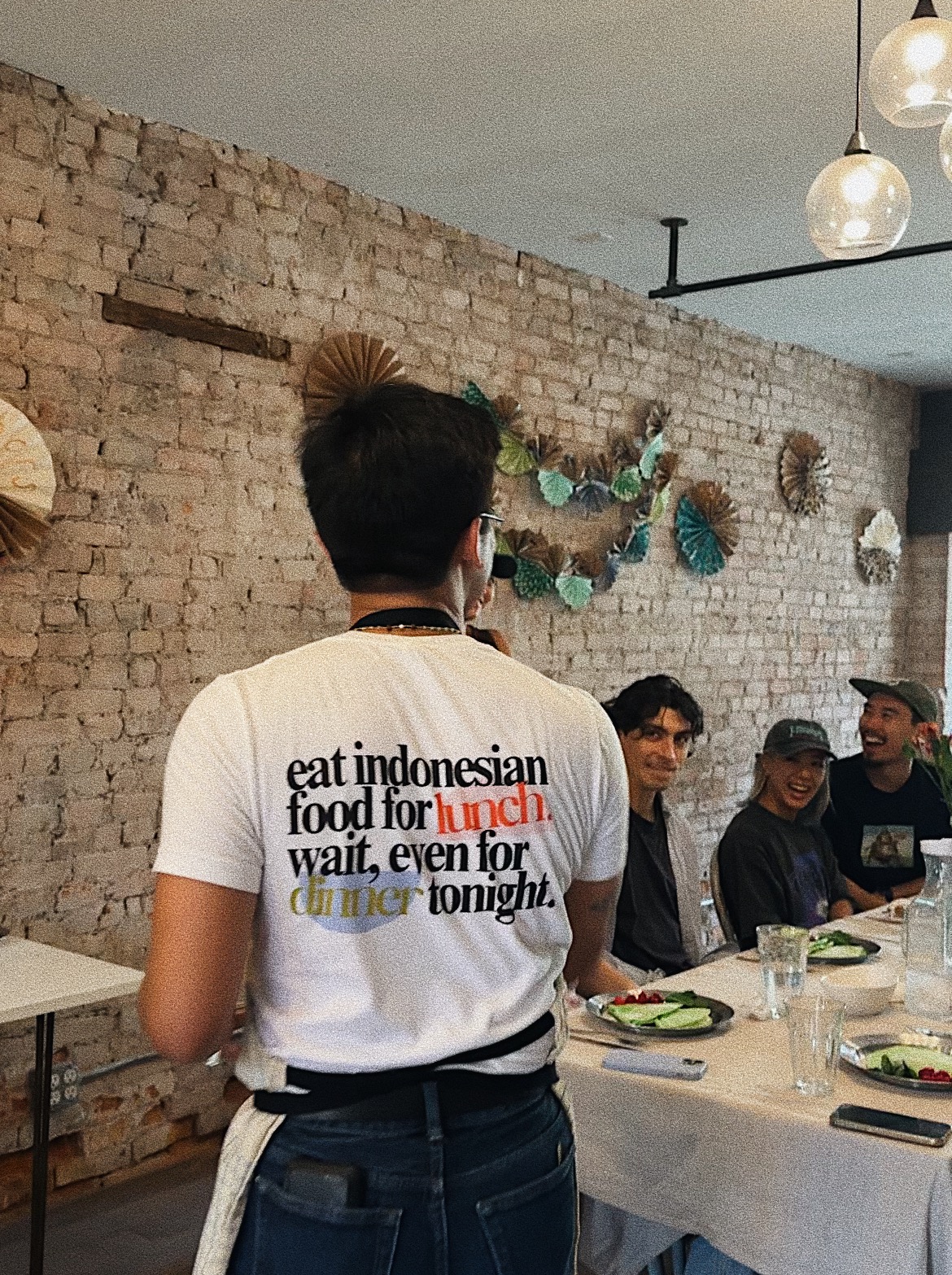
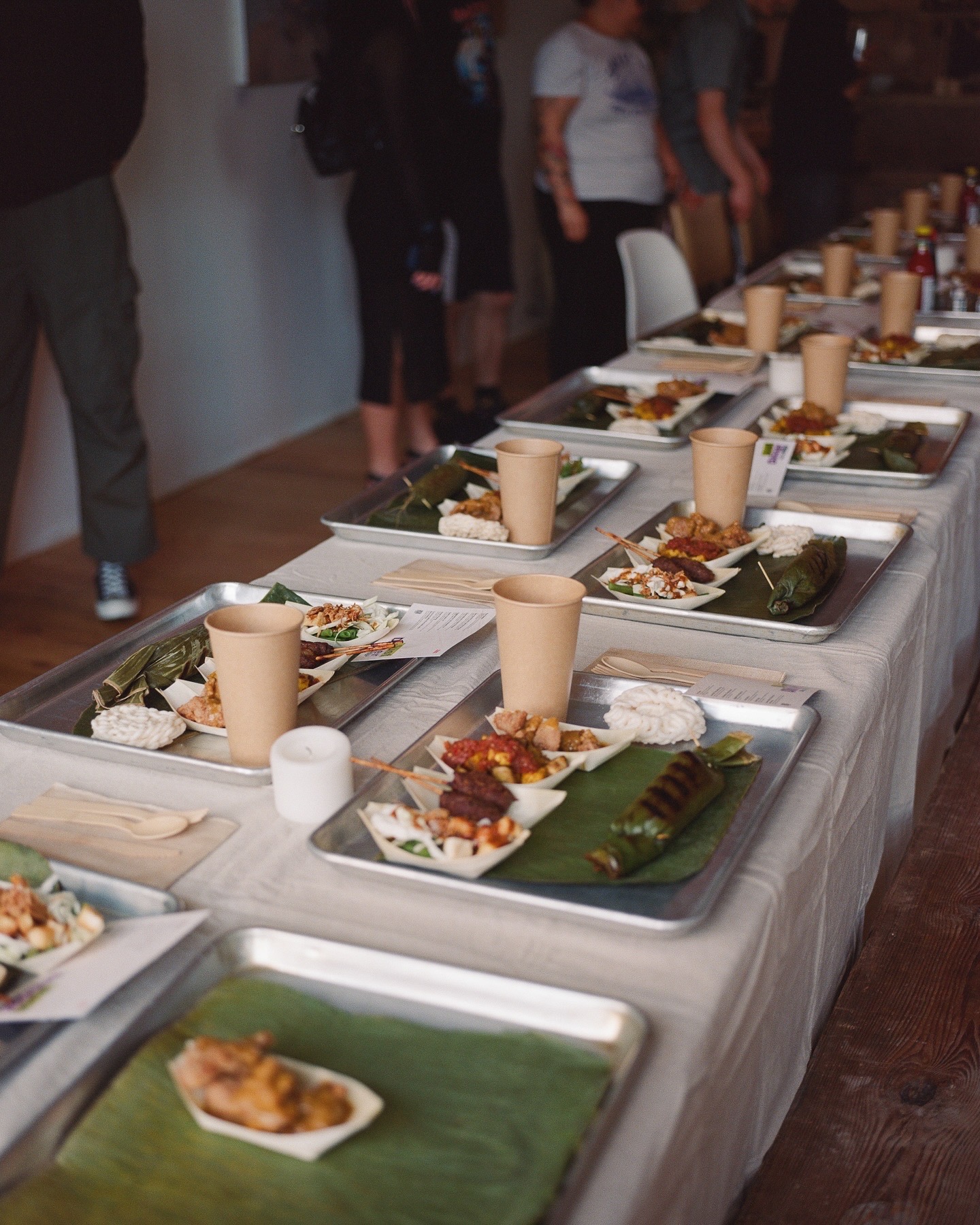
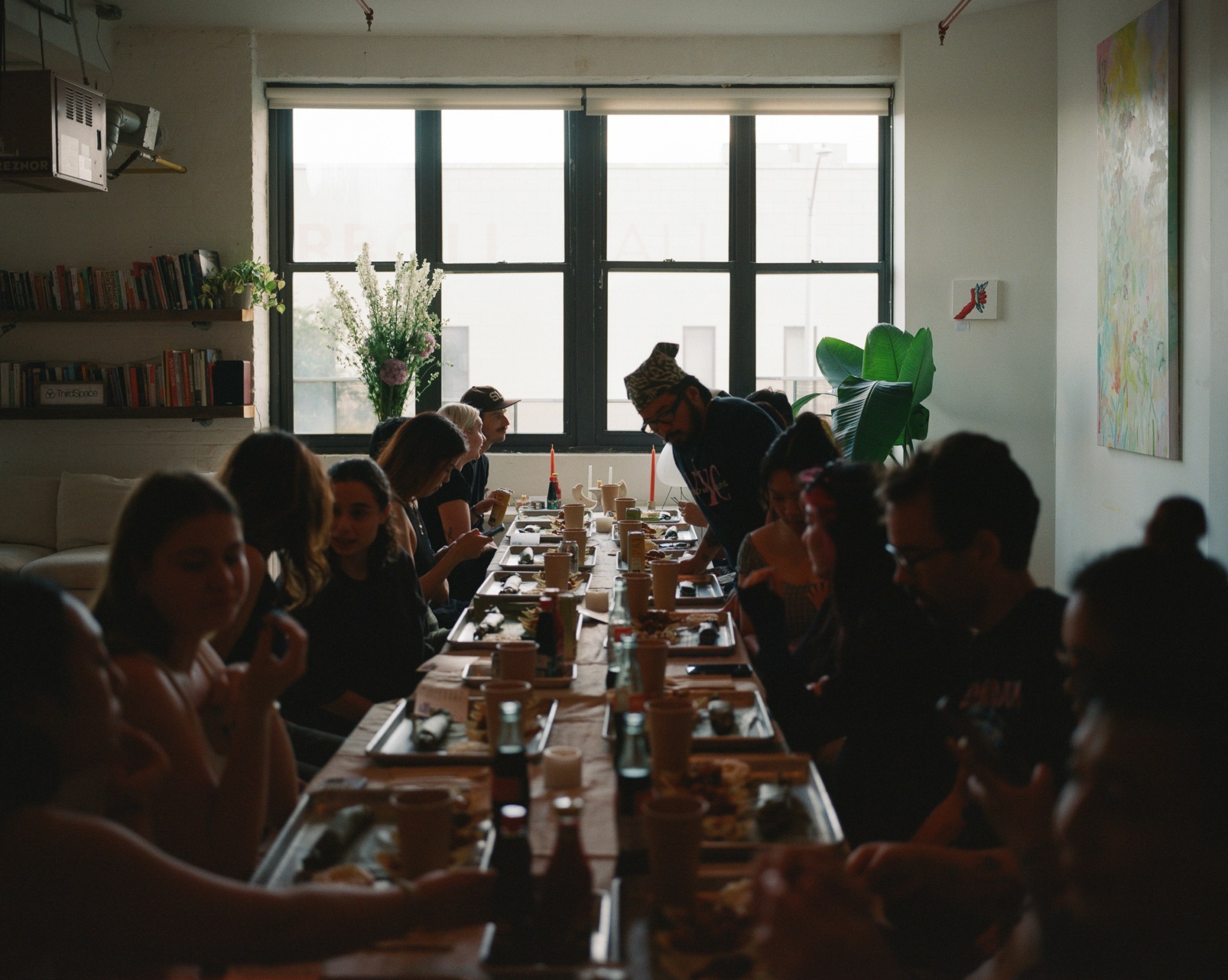
Image Credits
Sophie Chen
Kevin Li