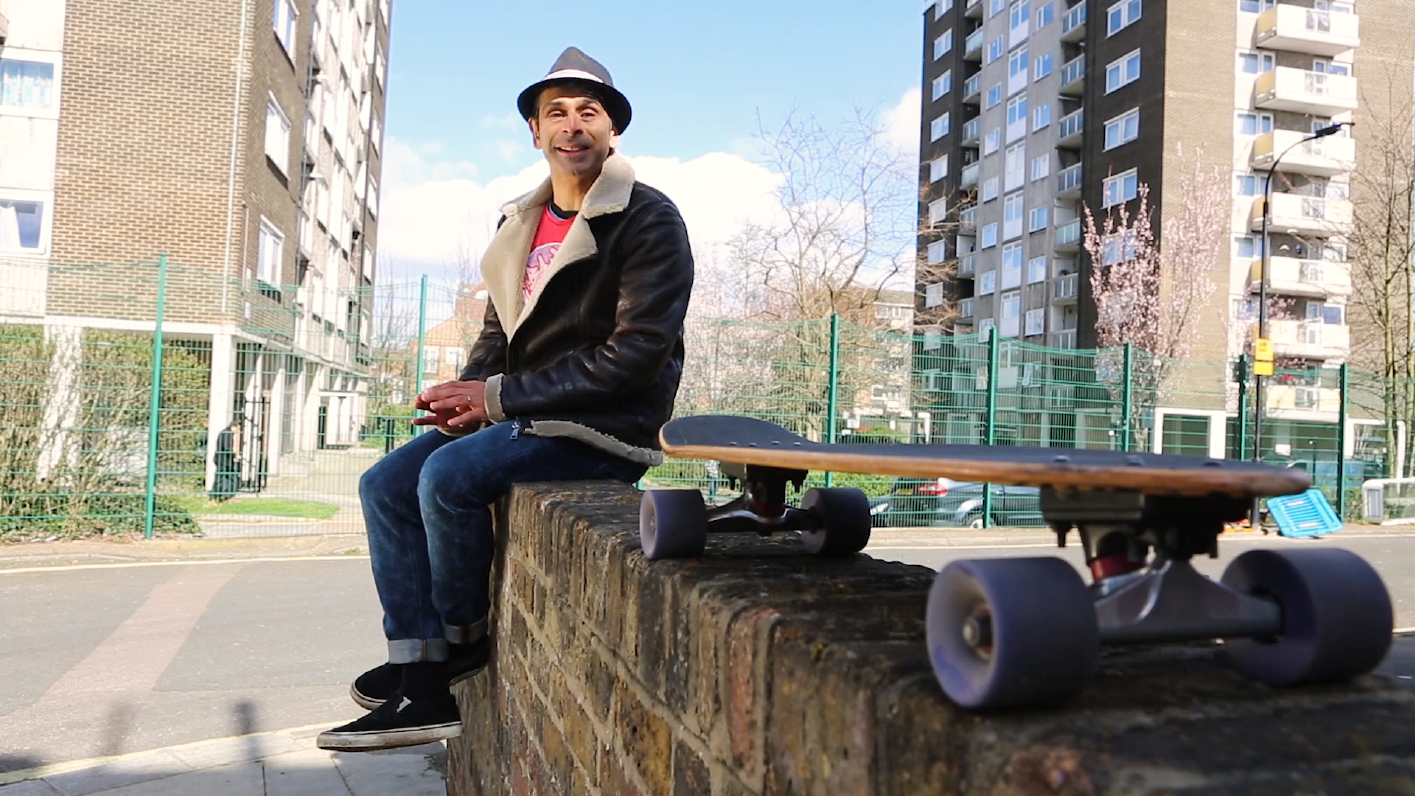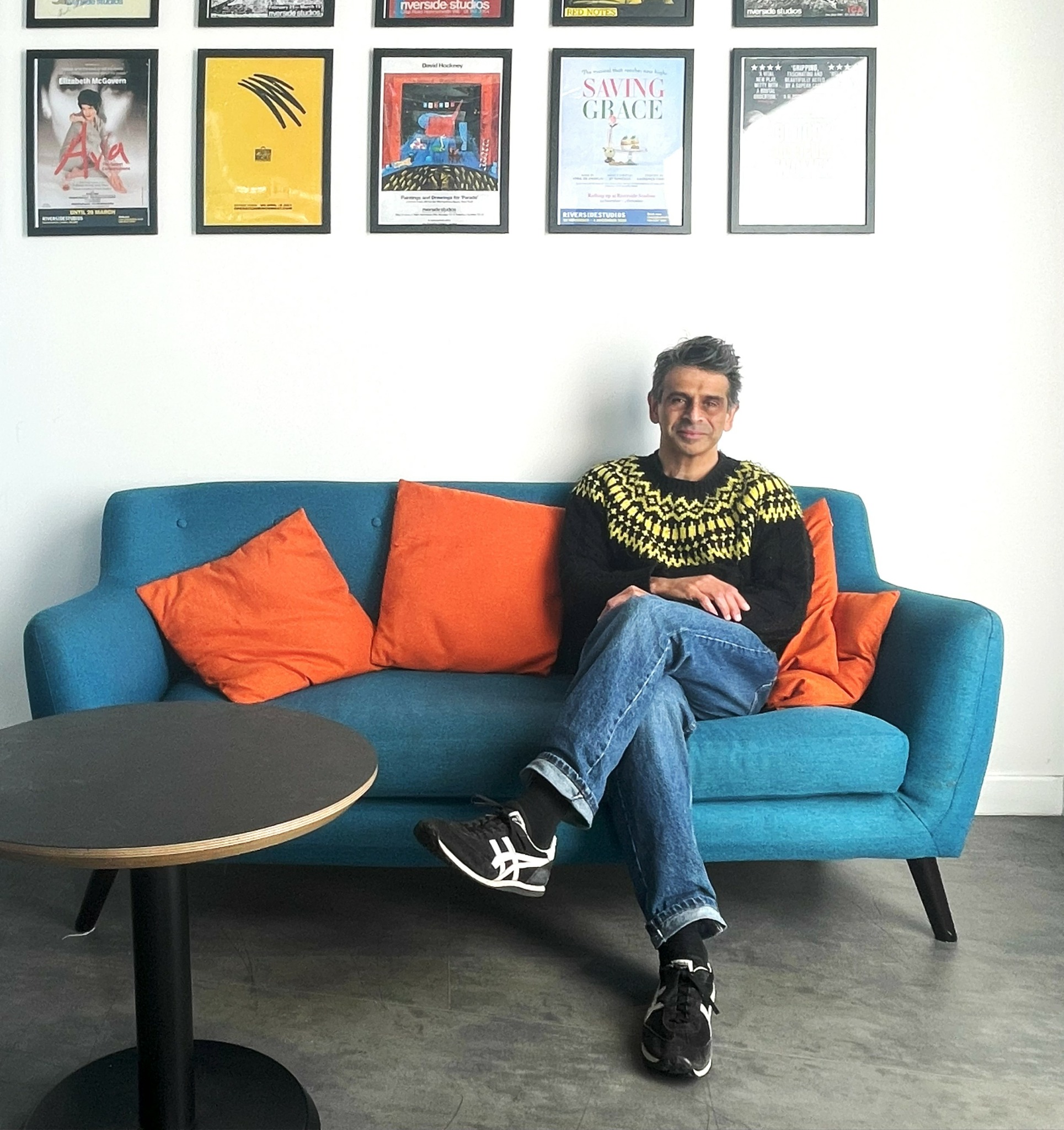

Alright – so today we’ve got the honor of introducing you to Paul Harrison. We think you’ll enjoy our conversation, we’ve shared it below.
Paul, appreciate you joining us today. One of the toughest things about progressing in your creative career is that there are almost always unexpected problems that come up – problems that you often can’t read about in advance, can’t prepare for, etc. Have you had such and experience and if so, can you tell us the story of one of those unexpected problems you’ve encountered?
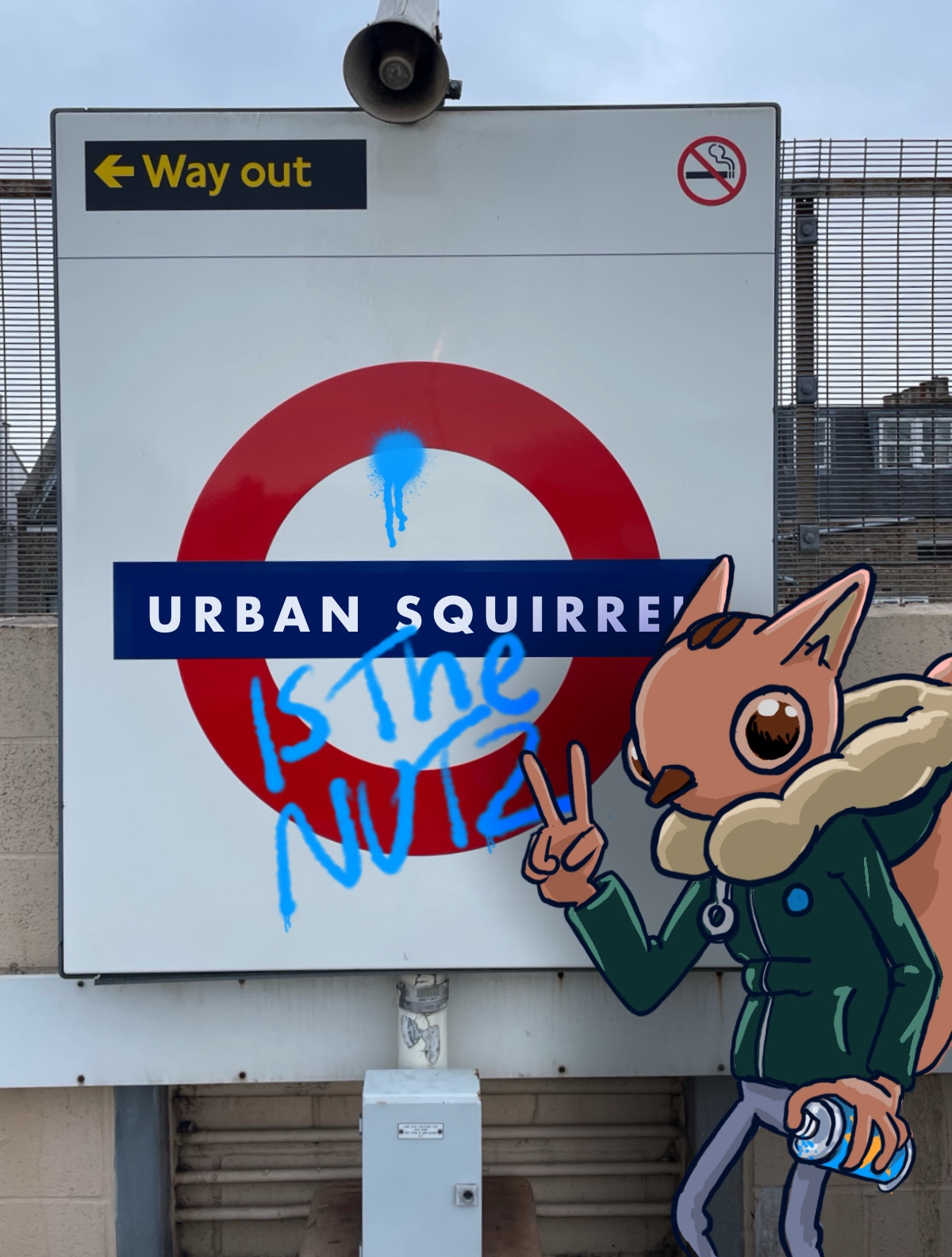
Early on, when I was just trying to push my own creative projects, I lacked confidence in my own abilities. For this reason, I looked as much as I could to collaborate – with writers, other creatives and the like. This often meant my ideas were watered down and eclipsed by the others I worked with. At one point I found an animation company who loved my Urban Squirrel idea and wanted to work with me on it. They wanted me to work with their in-house writers and illustrators to develop Urban Squirrel as a kids’ show. Initially I thought this was great and threw myself into it, until they sat me down with a ‘global marketing expert’. He informed me that in order to tap the Chinese market we would have to lose the squirrel as a main character and opt for a dragon. Now firstly I believe this is wrong – the way to gain mass appeal is not to pander to existing tastes. If you make something good, really good, by nature it has broad appeal. Some of our strongest IPs have shown this. Wallace and Gromit, Paddington etc. They were not created to pander to a global market, and I believe have more appeal as a result. They are simply good. So, I disagreed, but this flagged a bigger issue for me. I needed to trust my own sense of what works and develop the stories and characters myself. I needed to follow my instincts. Only then could I make it really good and something remarkable. Sometimes collaborations work, but they are rare and they have to be a special collaboration. There is a bigger danger of watering down what is in essence a strong idea. Trusting yourself is an important step to making your project special.
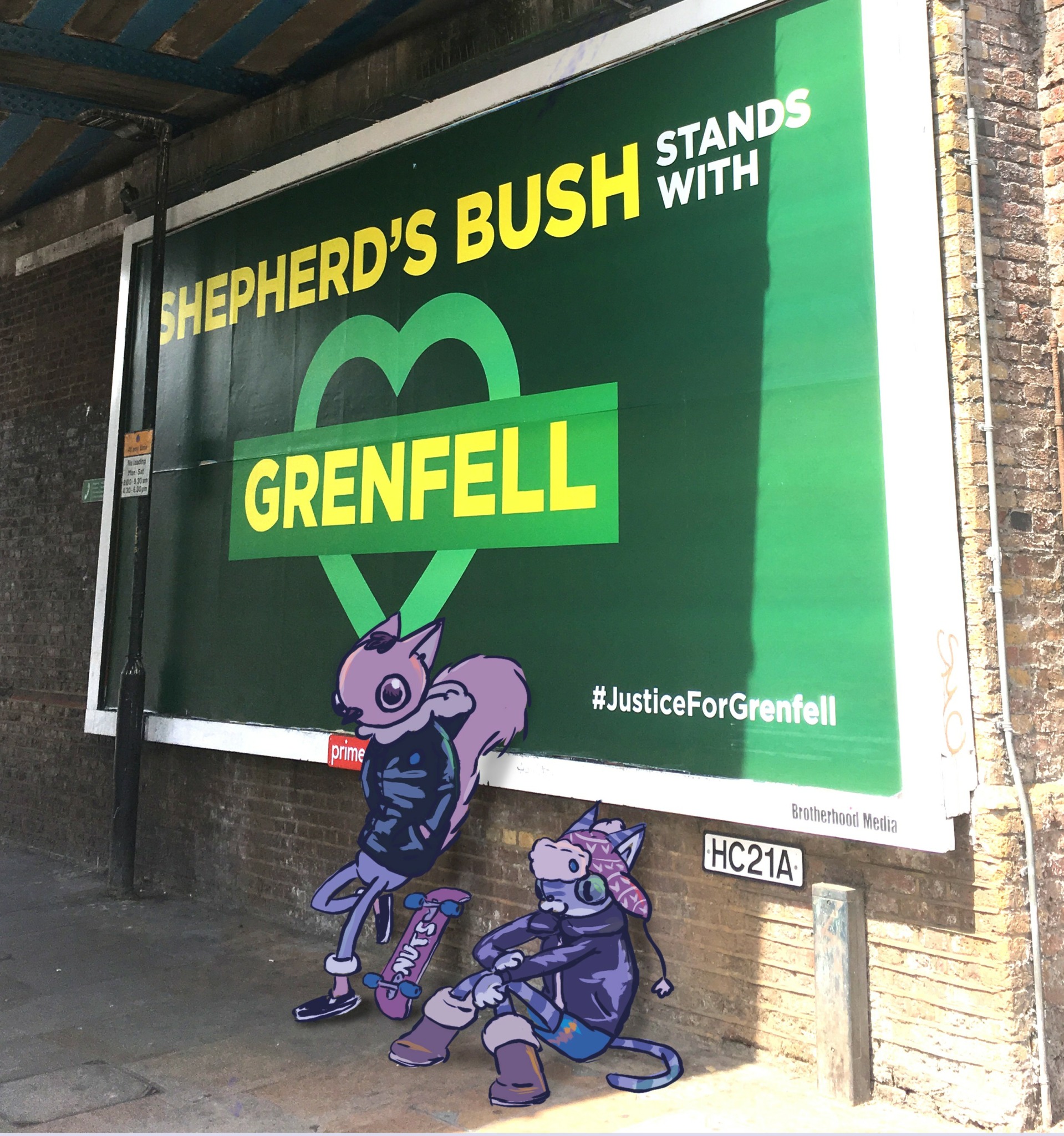
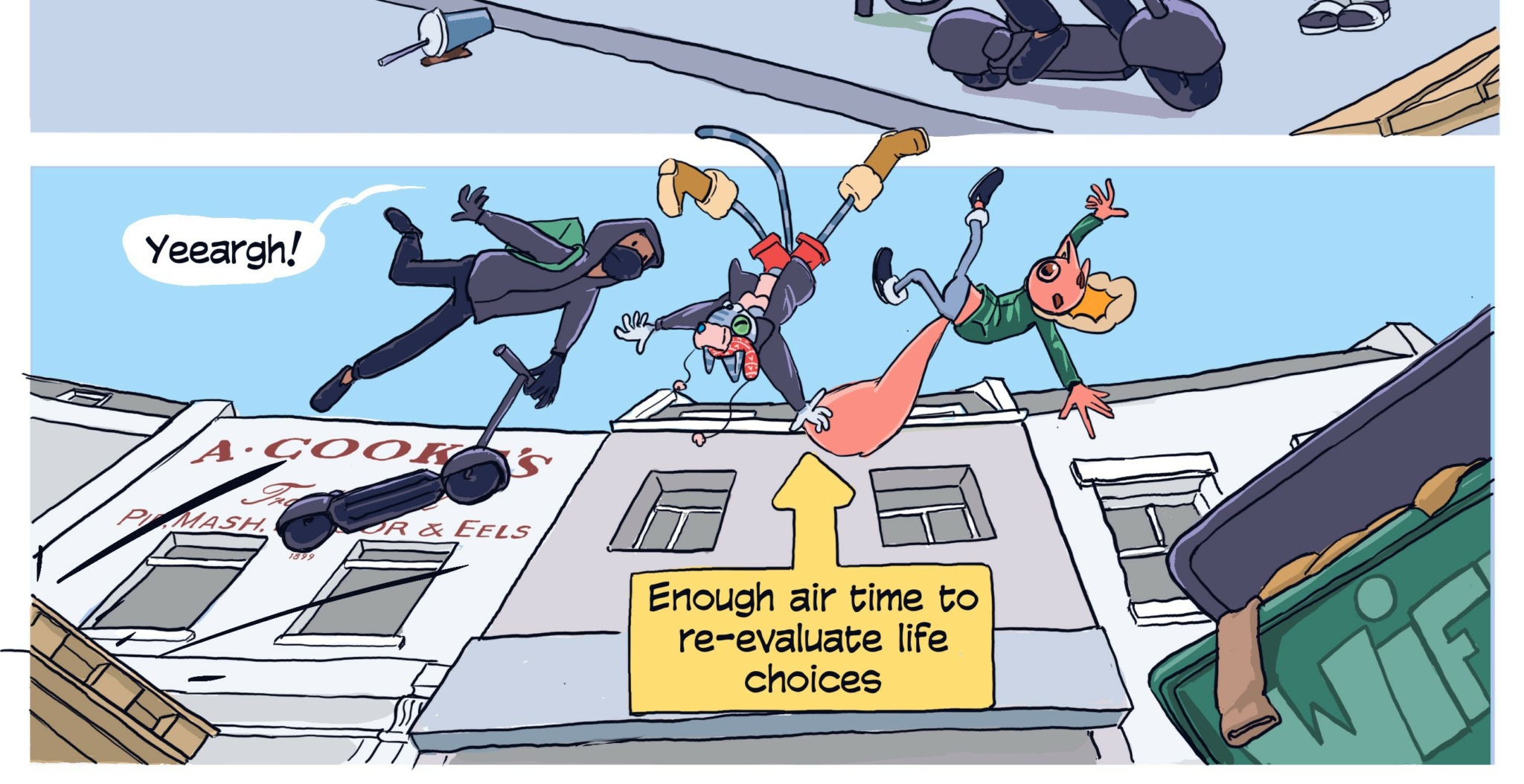
For this reason I focus heavily on making my stories and characters authentic. They are based on people I know, things that have happened, and in places I frequent. This way, everything feels real – and even though they are personal to me, people get it and identify with it. I have fans across the world despite basing my stories in a few streets around Shepherd’s Bush.
Trusting myself and my own judgement has been an important step for me. Not an easy one for the creative temperament, but a crucial one I believe.
As always, we appreciate you sharing your insights and we’ve got a few more questions for you, but before we get to all of that can you take a minute to introduce yourself and give our readers some of your back background and context?
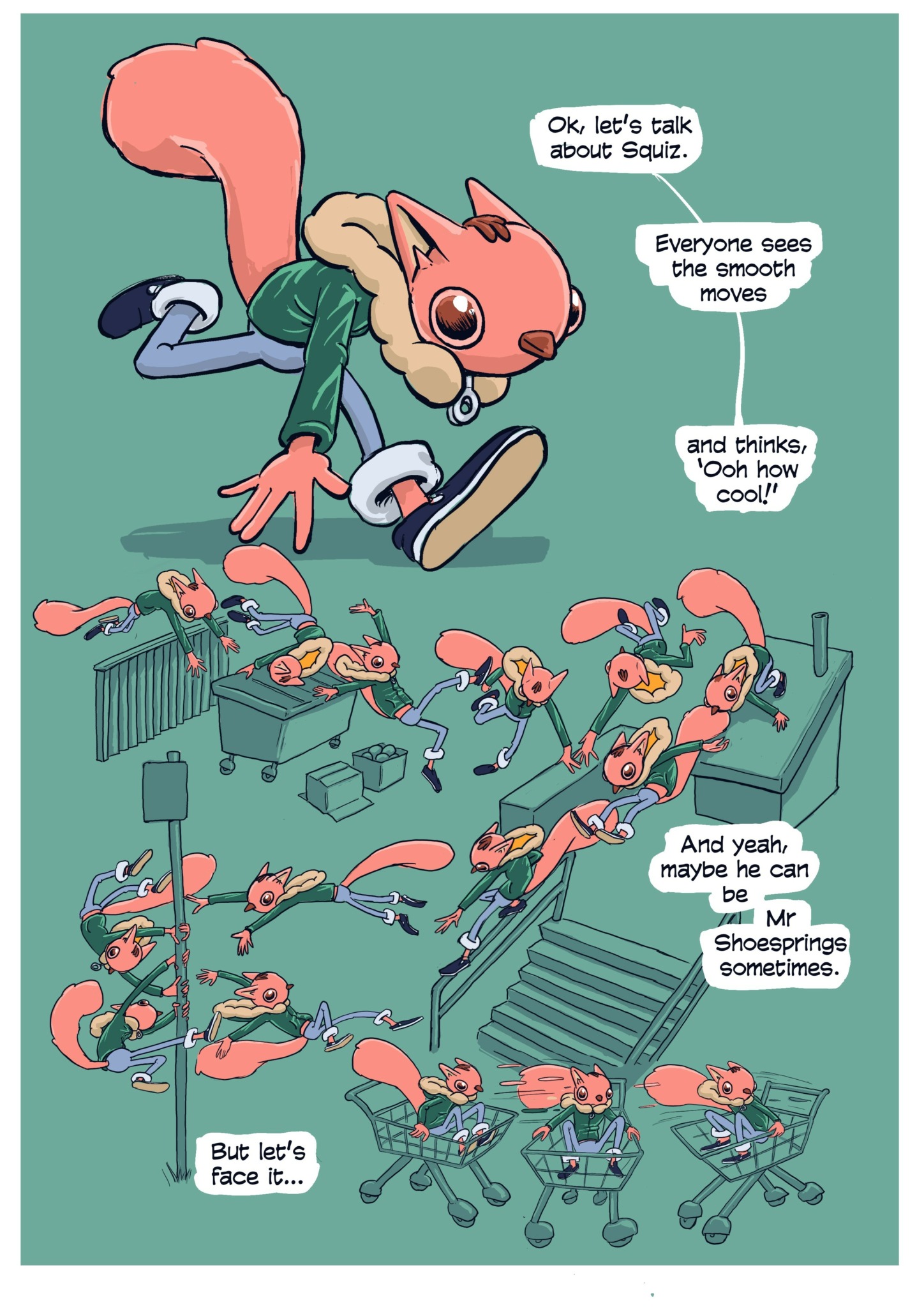
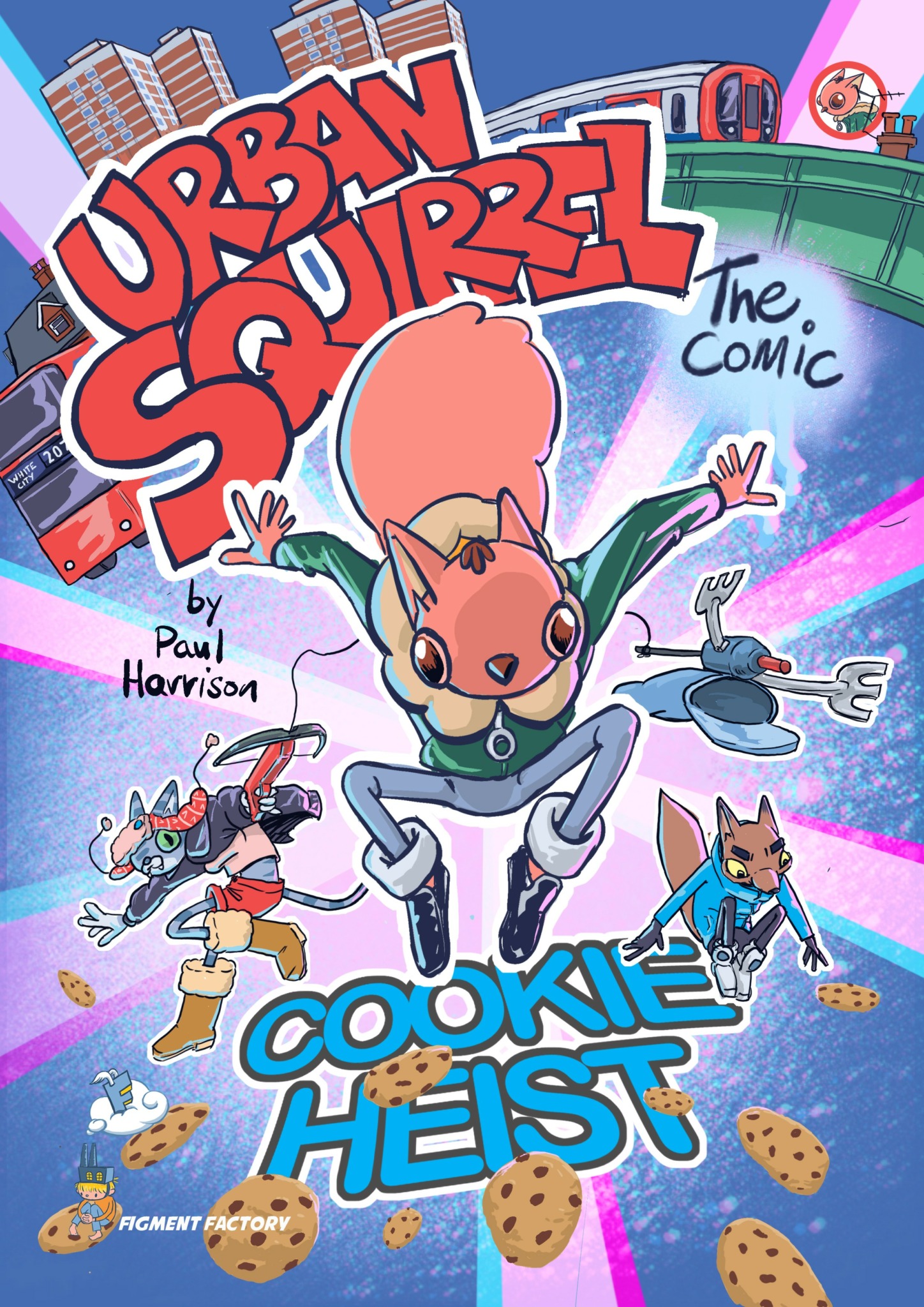
I have worked in animation for many many years. Creating comics is actually something I am relatively new to. My first attempts were pretty rubbish actually – it is much harder than it looks. I have loved comics since I was a child and I used to pore over them. As a child I would constantly draw and had attempts at making my own comics – actually versions of Mad comic at the time, and also versions of the French Gaston comics if you know those. This fascination then lay dormant for decades, though, as I involved myself with animation and Visual Effects. It only resurfaced when I was trying to pitch my Urban Squirrel idea as an animated series. The recurring questions were about the characters and stories. Someone suggested that if I made comics I would basically showcase both of these and establish my thoughts more clearly. I thought this was a great idea so I embarked on making comics. As I did so I started to love the process, there is so much you can do with action storytelling on a page. I started playing with creative page layout and finding new ways to convey the action. I started to learn how to break up the pace of a story visually and to draw the attention with movement and shape. It is still my goal to turn these stories into animations, but I now have a love for the comic making process and what you can do with it. I have embarked on a new comic series called ‘The Case’ which has very different characters and story, but I am using all I have learnt from the Urban Squirrel series. One of the key things I have learnt is you cannot wait for the ideas to be fully formed before you embark on a project. Some of the best ideas form themselves on a page. It is important to get started and let things take shape as you go. Often, this involves going back and redoing large tracts of work, but you have to accept that this is part of the process. Well at least, this is how I work, and seems to be important for the way I work. Drawing is part of the writing process, the both work together.
How about pivoting – can you share the story of a time you’ve had to pivot?
One thing I have learned is it can be a mistake to assume you can’t do things, and the best way to learn, often, is to throw yourself into a situation where you have to do it, whether you know how to or not. In fact this has often been a feature of my working life which can cause great short-term stress, but always works out well in the end. One time I took a job as a graphic designer with no qualifications or background. This came about because my cousin wasn’t exactly sure what I did (I hope he isn’t reading this), and he called me to say his company needed a designer urgently and could I start right away. I was looking for work at the time, so I just said yes, and decided to deal with the fallout later. I got through the first day there by pretending I wasn’t familiar with the software that company used, and asked those around me which tools they used and shortcuts etc. I was able to produce decent work within a day or two and I worked there for a year with no one any the wiser. In fact I was promoted to senior designer. Through this I learnt two very important lessons. Firstly, people want to believe that you know what you are doing. Rarely is this truly the case, but by acting as if you do, people around you relax and you can breathe easy and just get on with it. As long as you act confident, people will gladly tolerate your failures. I also learnt that we are capable of far more than we realise, so don’t wait for permission to do things. Just go ahead and do them. The risks are nearly always worth it.
What’s the most rewarding aspect of being a creative in your experience?
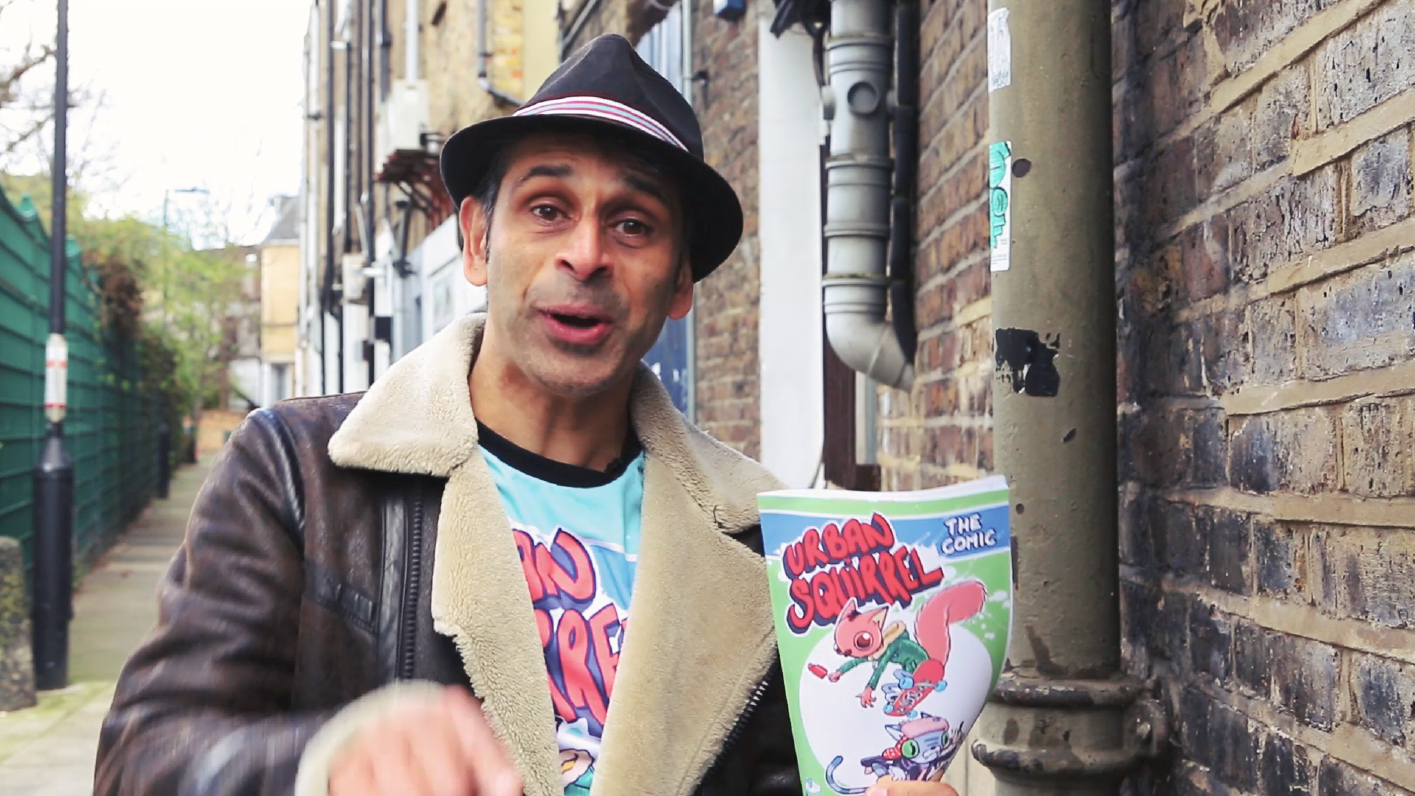
For me, the process of creating comics is like therapy. I concentrate wholly on what I am doing and block out all around me. I tend to get bored easily, and drawing is the perfect antidote to that. In fact I sometimes work best when I am sitting on a boring commute or stuck in a waiting room for hours. My most productive time is what most would regard as dead time. I can even find myself feeling my commute is too short. I get so absorbed in what I am doing that time flies and I can step off the train or tube buzzing and looking forward to my next journey.
Contact Info:
- Website: https://www.figmentfactory.com
- Instagram: @figment_factory
- Linkedin: https://www.linkedin.com/in/paulfharrison/