

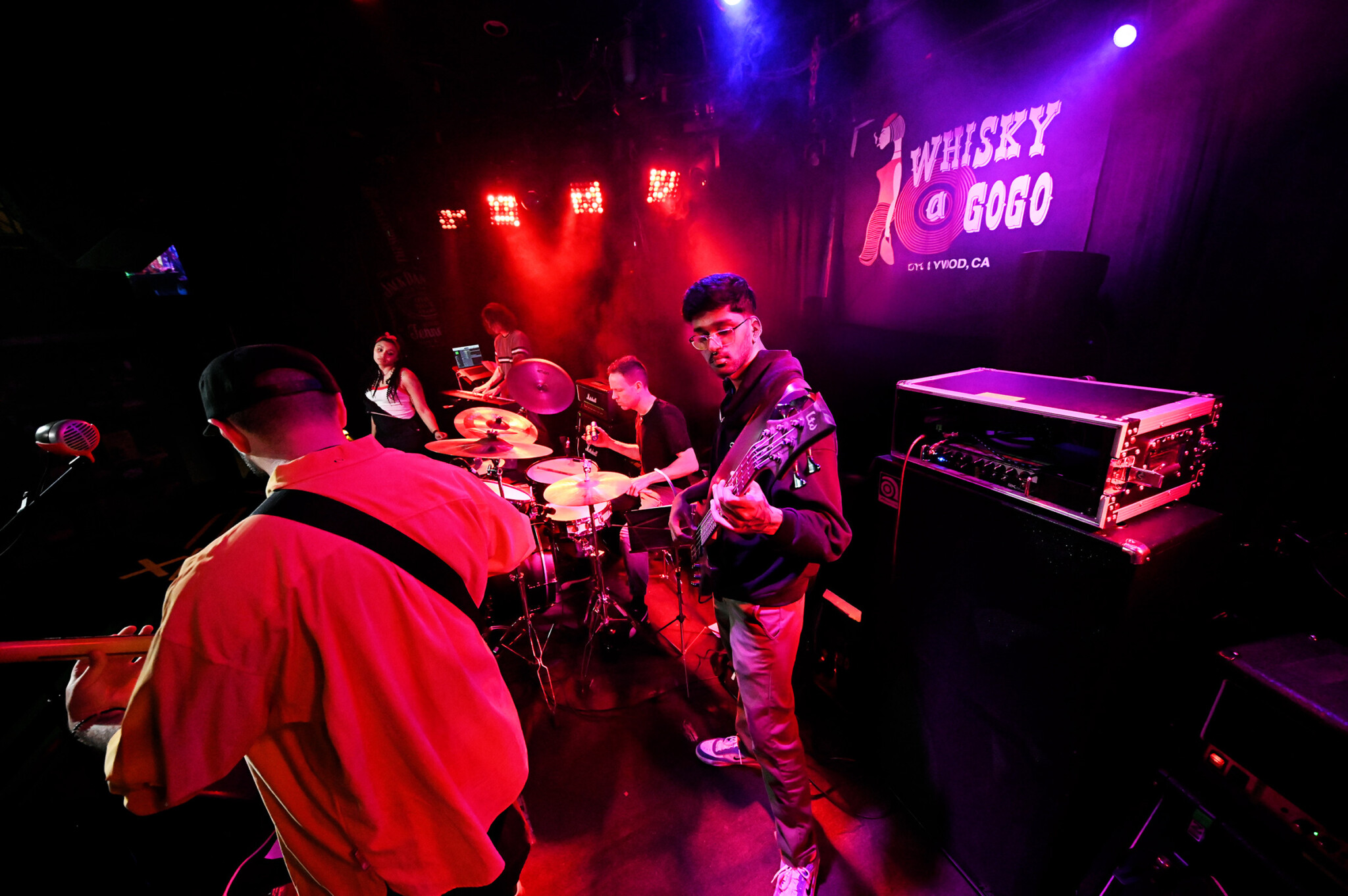

Alright – so today we’ve got the honor of introducing you to Kevin Parallax. We think you’ll enjoy our conversation, we’ve shared it below.
Alright, Kevin thanks for taking the time to share your stories and insights with us today. We’d love to hear about when you first realized that you wanted to pursue a creative path professionally.
I first realized I wanted to pursue music when I was 15. Around that time, I began to drift away from the idea of living a conventional life. The traditional path—going to school, memorizing facts just to regurgitate them later for a steady paycheck—felt empty to me. I couldn’t help but feel that true understanding and learning were often overlooked in favor of rote memorization. Many of my teachers seemed to be there just for the job, lacking real passion for what they were teaching.
That realization made me question everything. I came to understand early on that no matter what path I chose, in the grand scheme of things, it would all feel meaningless—we all share the same inevitable fate. But amid that existential reflection, I discovered that art, especially music, had the power to transcend time and mortality. Music, I realized, could leave a lasting impact, resonating across generations in a way that few other pursuits ever could.
During my more rebellious years in school, many teachers distanced themselves from me because I constantly questioned everything and challenged the norm. I wasn’t one to accept things at face value, and that often put me at odds with the way things were done. Despite this, there was one teacher who never gave up on me—my music teacher, William Daniel. He saw my passion and potential when others didn’t, and his unwavering support cemented my belief that music was the only path truly worth following.
Great, appreciate you sharing that with us. Before we ask you to share more of your insights, can you take a moment to introduce yourself and how you got to where you are today to our readers.
I make music, and I’m in the business of creating it as a vital part of the market it belongs to. Music, to me, isn’t just a product—it’s an essential element of our culture and experience. While I don’t necessarily see myself as someone who solves problems in the traditional sense, my lyrics aim to shine a light on the issues that exist in the world around us. I believe that awareness is the first step toward change, and my music serves as a way to acknowledge those challenges, helping listeners come to their own realizations about them.
What sets my work apart is the honesty and depth I bring to it. I don’t create just for the sake of making music; I do it to connect, to provoke thought, and to inspire reflection. Whether it’s personal struggles, societal issues, or existential themes, I aim to create something that resonates on a deeper level with those who listen.
One of the things I’m most proud of is staying true to my vision and not compromising my artistic integrity. In an industry that often prioritizes trends over substance, I strive to create music that is authentic and meaningful. I want my listeners—whether they’re long-time supporters or new followers—to know that my work is always rooted in real emotion, real experiences, and a genuine desire to express something that matters.
Ultimately, my goal is to contribute something lasting to the world of music—something that speaks to people in a way that goes beyond just entertainment. I want my art to be a mirror, reflecting the complexities of life and the shared human experience.
Let’s talk about resilience next – do you have a story you can share with us?
A story that truly reflects my resilience is my move to the U.S. at the age of eighteen, with little to no idea of the challenges I’d soon face on my own. At such a young age, navigating life in a completely new environment was overwhelming, and I had to figure out so much by myself. To get to where I am today, I had to wear many hats and take on responsibilities I never anticipated.
Looking back, I realize how vulnerable that time in my life was. At eighteen, it’s easy to be influenced by your surroundings, and the environment you find yourself in can shape who you become. Hollywood, for all its allure, wasn’t always the glamorous place it’s made out to be. The reality of it often felt harsh and unforgiving.
There were nights when I found myself turning to alcohol and cigarettes, using them as a way to escape my thoughts and the weight of my struggles. I was miserable, constantly dwelling on my shortcomings and feeling like I was falling behind compared to others around me—especially my peers at the Music Institute I attended.
But through it all, I kept pushing forward. I learned to navigate the challenges, to find my own path, and to turn those difficult experiences into lessons that shaped me into who I am today. It wasn’t easy, but resilience is what carried me through, and I’m proud of how far I’ve come.
In your view, what can society to do to best support artists, creatives and a thriving creative ecosystem?
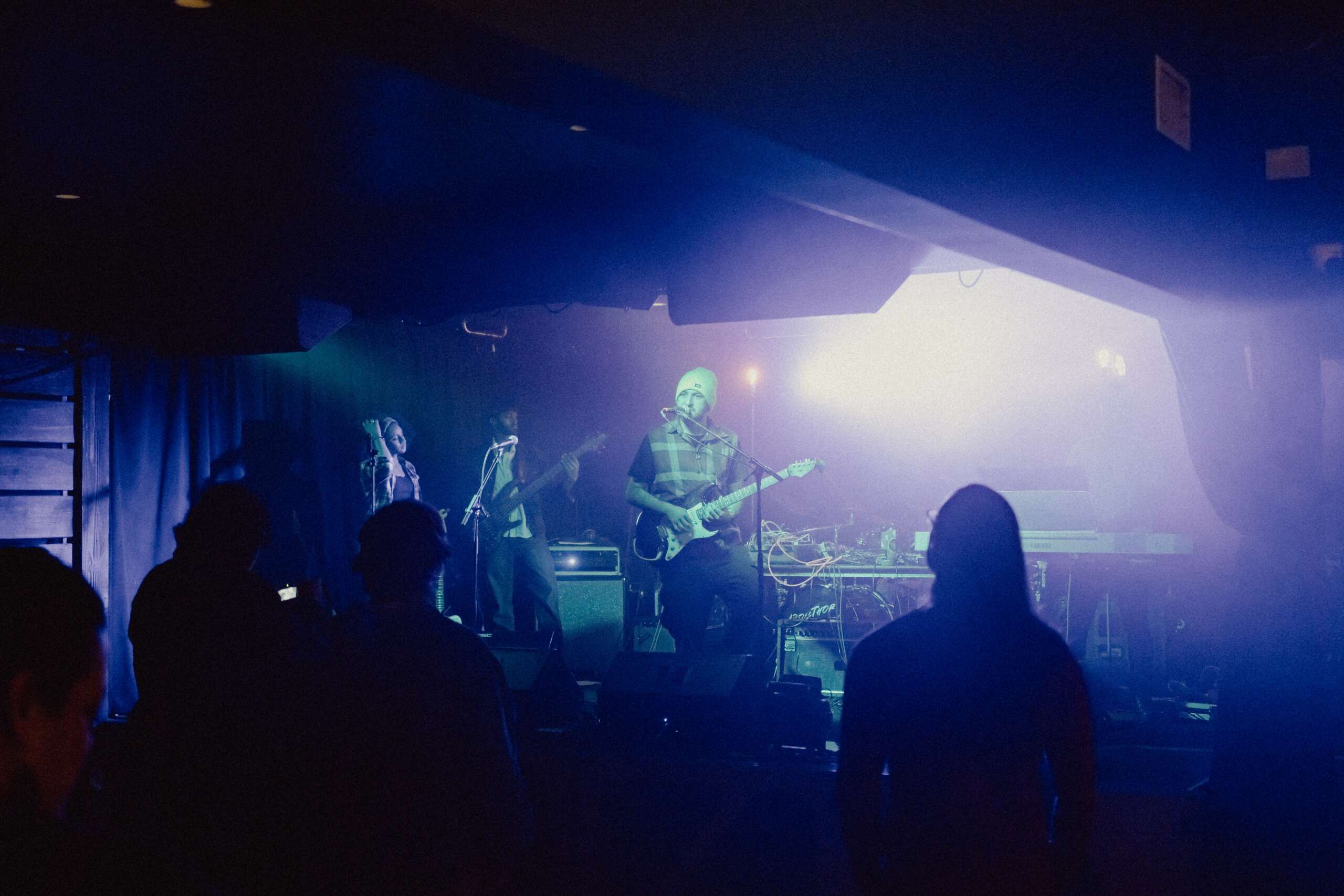
I believe society can support artists on a much deeper, more personal level—beyond just liking their songs or subscribing to them on streaming platforms like Spotify. While streaming is great, real support comes from engaging with the artist’s work in a meaningful way. One of the best ways to do this is by attending live shows. Experiencing music in a live setting not only supports the artist financially but also contributes to the overall atmosphere and energy that make live performances so special. It’s about being part of something bigger—a shared moment that can’t be replicated online.
Another important aspect is building and participating in micro-communities within the music scene. Every genre, and even sub-genre, has its own dedicated following, and being actively involved in these communities helps foster a culture where artists can truly thrive. Finding like-minded people who share your passion for a particular style of music helps create a supportive ecosystem that sustains artists in the long run.
Supporting an artist goes beyond just their music—it’s about embracing their entire creative journey. Buying merchandise, for example, is one of the best ways to show support. Merch not only provides financial backing but also serves as a tangible connection between the artist and their fans. It’s a statement of support that goes beyond the digital realm, helping artists continue to create and share their work with the world.
Ultimately, supporting an artist means recognizing their effort, valuing their art, and contributing to their journey in ways that make a real impact—whether that’s showing up at a concert, spreading the word, or investing in their creative endeavors beyond just hitting play.
Contact Info:
- Website: https://kevin-parallax.com
- Instagram: https://www.instagram.com/kevin_parallax/
- Facebook: https://www.facebook.com/kevinparallax
- Soundcloud: https://soundcloud.com/user-712706493
- Other: https://open.spotify.com/artist/4jLzQHYrpqWwzCsEXnsos4