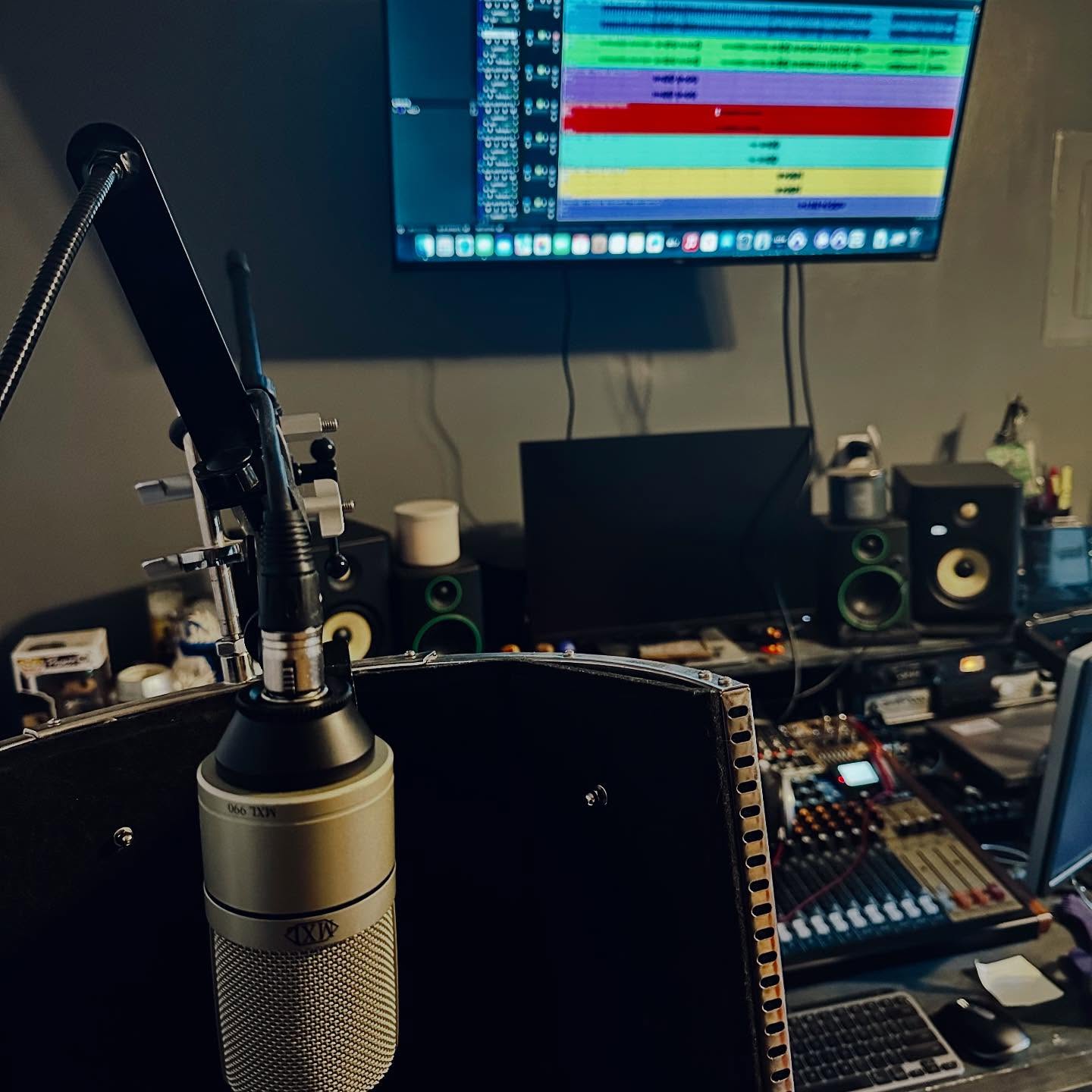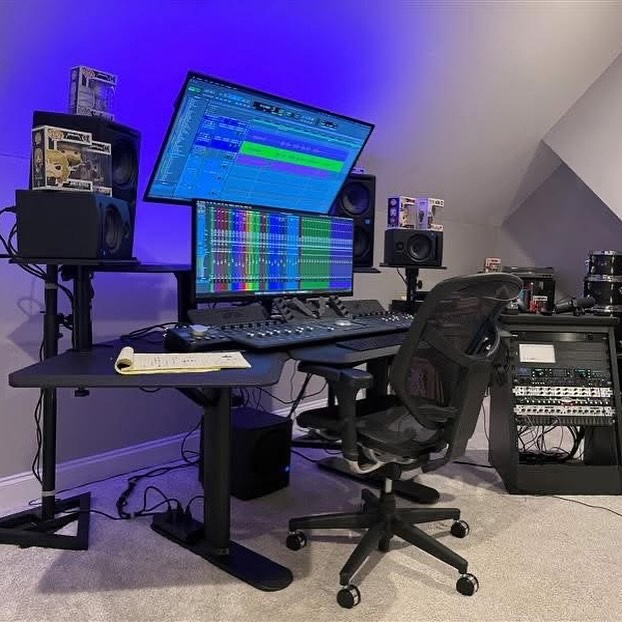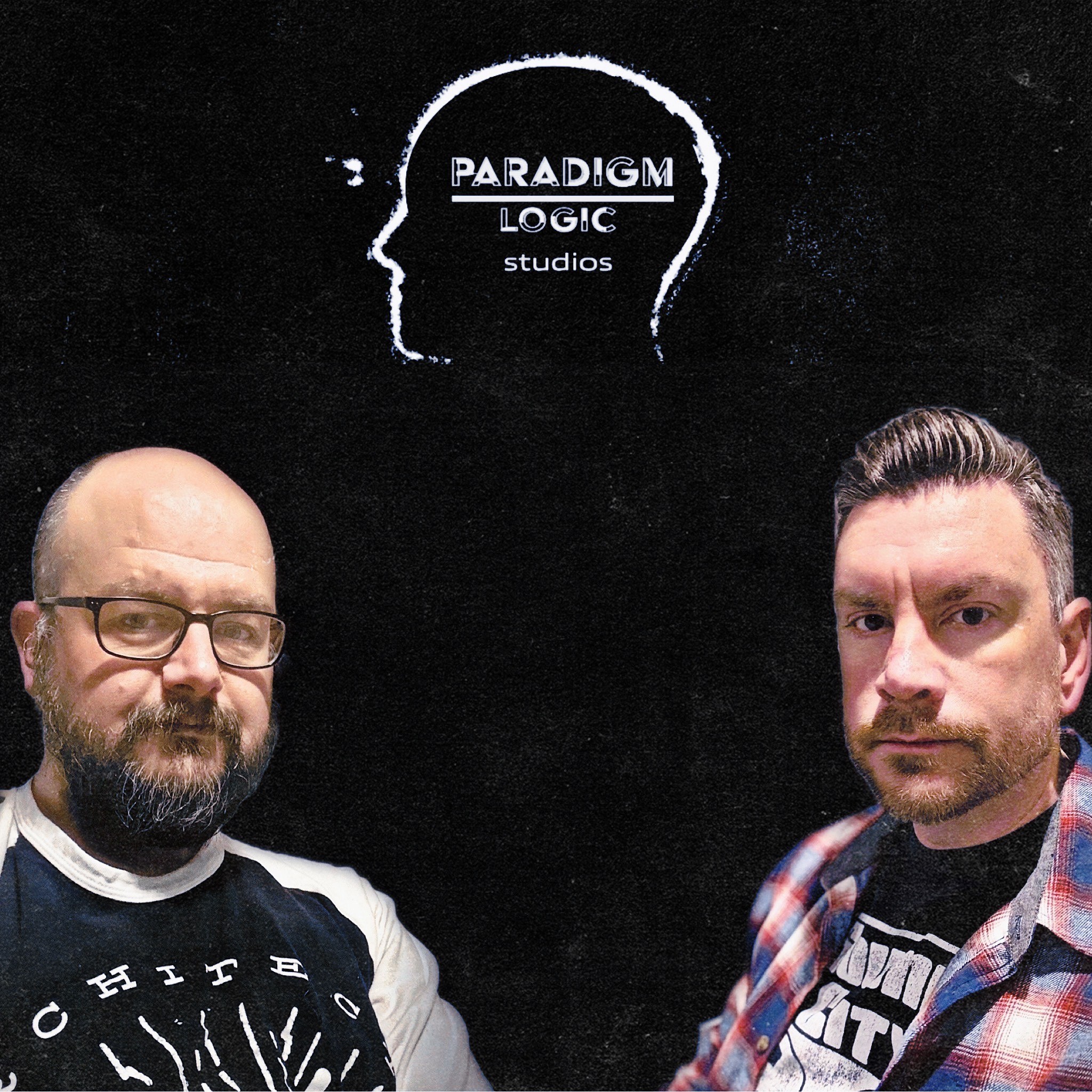

We were lucky to catch up with David Masters and Rob Perez recently and have shared our conversation below.
David and Rob, thanks for joining us, excited to have you contributing your stories and insights. Do you wish you had started sooner?
David Masters: “In the respect of being an audio engineer, I wish I would have started much sooner than I did. I walked into my first studio at 32, which is a late start by almost anyone’s standards. Starting sooner would have given me much more experience to make more mistakes and learn from them, and have a better understanding of what to do, and what NOT to do.”
Rob Perez: “I’ve been a practicing ‘professional’ creative since I was 16, but my first professional studio experience was at 27, which was also late by most standards. I would say I wish I knew more about that side – the engineering side, as well as the business side of the music industry, much sooner. As a creative, there should be no pressure on a timeline. There is no better time to start than the here and now when one feels that call.”
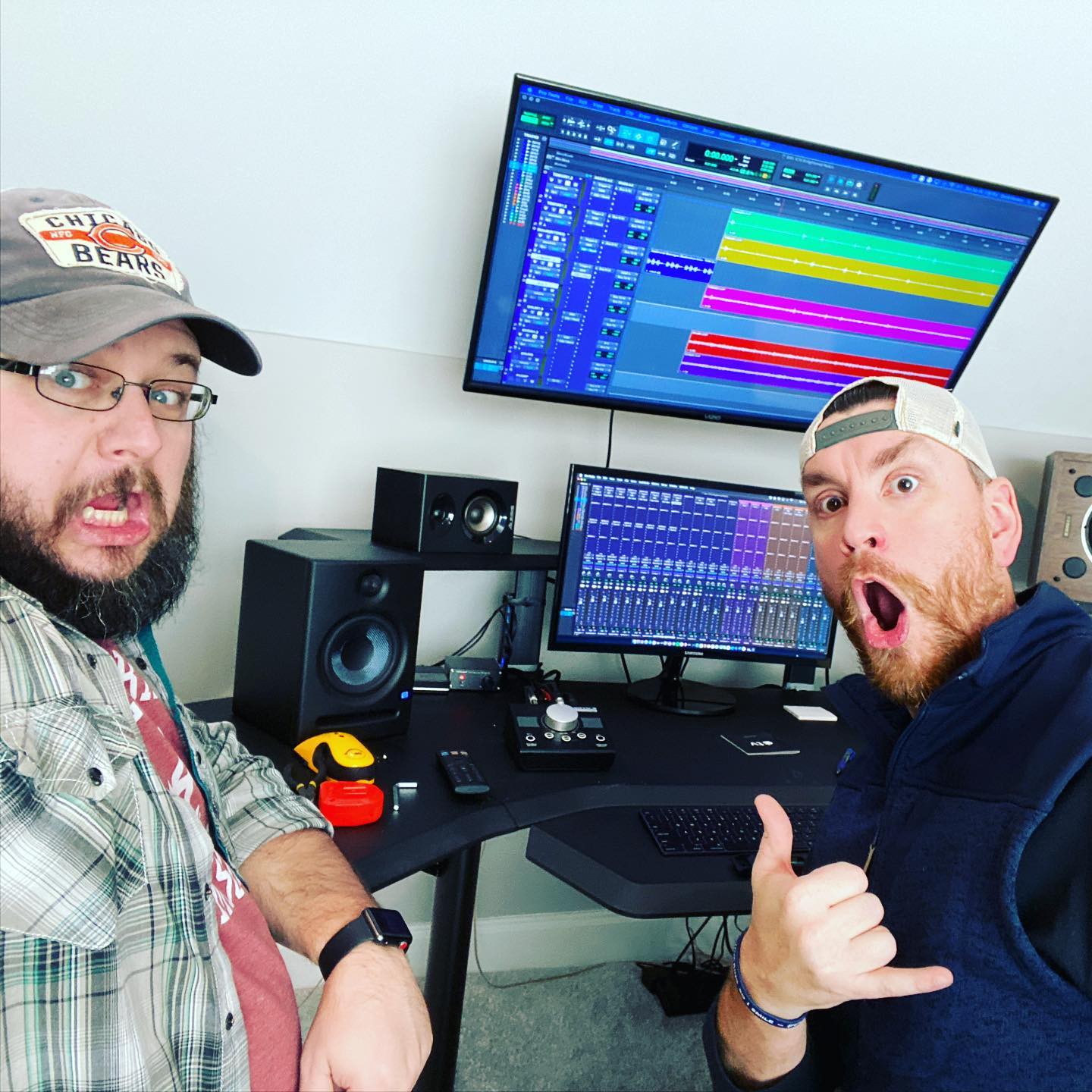
As always, we appreciate you sharing your insights and we’ve got a few more questions for you, but before we get to all of that can you take a minute to introduce yourself and give our readers some of your back background and context?
Rob Perez: “From a very early age, I had dedicated myself to my musical passions. There was always this drive in me that said ‘you need to do this.’ And, as such, I had worked in and with numerous bands before making the leap to professionally engineering and producing records. We offer the standard studio items – we can engineer any instrument live, or we can build a song from scratch ‘in the box.’ But I feel our role within that process is to not just to press the big red button and capture a band or artist’s sound; we have to be the vehicle to help also convey the feelings they’re trying to get across. I think that’s what sets us apart from most other studio experiences – that willingness to dive into the material, whatever it may be, and try and capture the essence of what makes it tick from an emotional standpoint.”
David Masters: “How I got into the recording industry was really a long, organic process. My passion for drums (and my fanboy-dom of Metallica) led me down a path to learning about the recording business. Seeing the process of working with bands the way that Bob Rock, Mutt Lange, Rick Rubin, Butch Vig and countless others have to get the best sonics has become one of my core tenets. From the time I walked into the first studio in 2011 up to today, the priority for me has always been to do what’s best for the song, for the project. Recording the performances, miking the instruments, hitting record, and capturing the people playing and the performance is what drives myself and Rob (Perez). Having the “old school analog” sensibility to do multiple takes, to change something if it doesn’t work or serve the song, collaborating with the artist…that’s what drives us. That’s at the core of what we try to achieve with every session: bringing the old school analog sensibilities to the digital age and giving the artist we work with the best possible version of their creativity and vision.”
What do you think is the goal or mission that drives your creative journey?
David: I’d have to paraphrase Keith Olsen, former Sound City Studios engineer: The goal is to be the facilitator, the vehicle to help get the artist’s creativity to tape, and having the world be able to listen to the songs, relate to them, and claim that creativity as their own. If we can do that while doing what’s best for each project, regardless of anyone’s ego, then we have succeeded in that mission.
Rob: If you ask me, the mission is the creative journey. Being that team player – however big or small – and helping someone else get a little further down the road. I know it’s not the most “business”minded ideal, but if you can put your ego aside and all things to just happen..that’s how you live forever, man.
In your view, what can society to do to best support artists, creatives and a thriving creative ecosystem?
Rob: There seems to be this continuing overview that music (or art in general, really) is this wanton thing, that it’s more luxury than necessity. The first step to realization is admitting there’s a problem, and that there….that belief that art is disposable and not emotional sustenance…that’s the problem. Whether it be not teaching music or art in younger schools or perpetuating the belief that music doesn’t cost anything to make (looking at you, Daniel Ek), there has to be a….ahem….paradigm shift somewhere. (laughs)
David: This may sound a little “old man/get off my lawn”, but it starts by finding an artist/band/author/whatever, and buying the entire EP/record/audiobook/library. The digital age has taken away the necessity of buying the entire record, and finding those deep cuts that AREN’T the radio-overplayed hit, and appreciating the project on the whole as opposed to a track here or there. And go watch the shows. Go to the concert. Pay for the ticket. Buy the t-shirt. Buy the whole record. Share it with your friends in the car. Send the link on the streaming platform. Share the post on social media. It’ll spread, I promise you, and it’ll build a community. Fellow fans, people who want to jam together, maybe make their own music if the vibe’s right, artists in different mediums who find common ground in a band or a song, and the discussions begin to other art forms, creating more appreciation, and so on, and so on…
Contact Info:
- Website: https://paradigmlogicstudios.com
- Instagram: https://instagram.com/paradigmlogicstudios
- Facebook: https://facebook.com/paradigmlogicstudios
- Twitter: https://x.com/paradigmlogic
- Soundcloud: https://soundcloud.com/paradigmlogicstudios