
Alright – so today we’ve got the honor of introducing you to Linnea Moody. We think you’ll enjoy our conversation, we’ve shared it below.
Hi Linnea, thanks for joining us today. What’s the best or worst investment you’ve made (either in terms of time or money)? (Note, these responses are only intended as entertainment and shouldn’t be construed as investment advice)
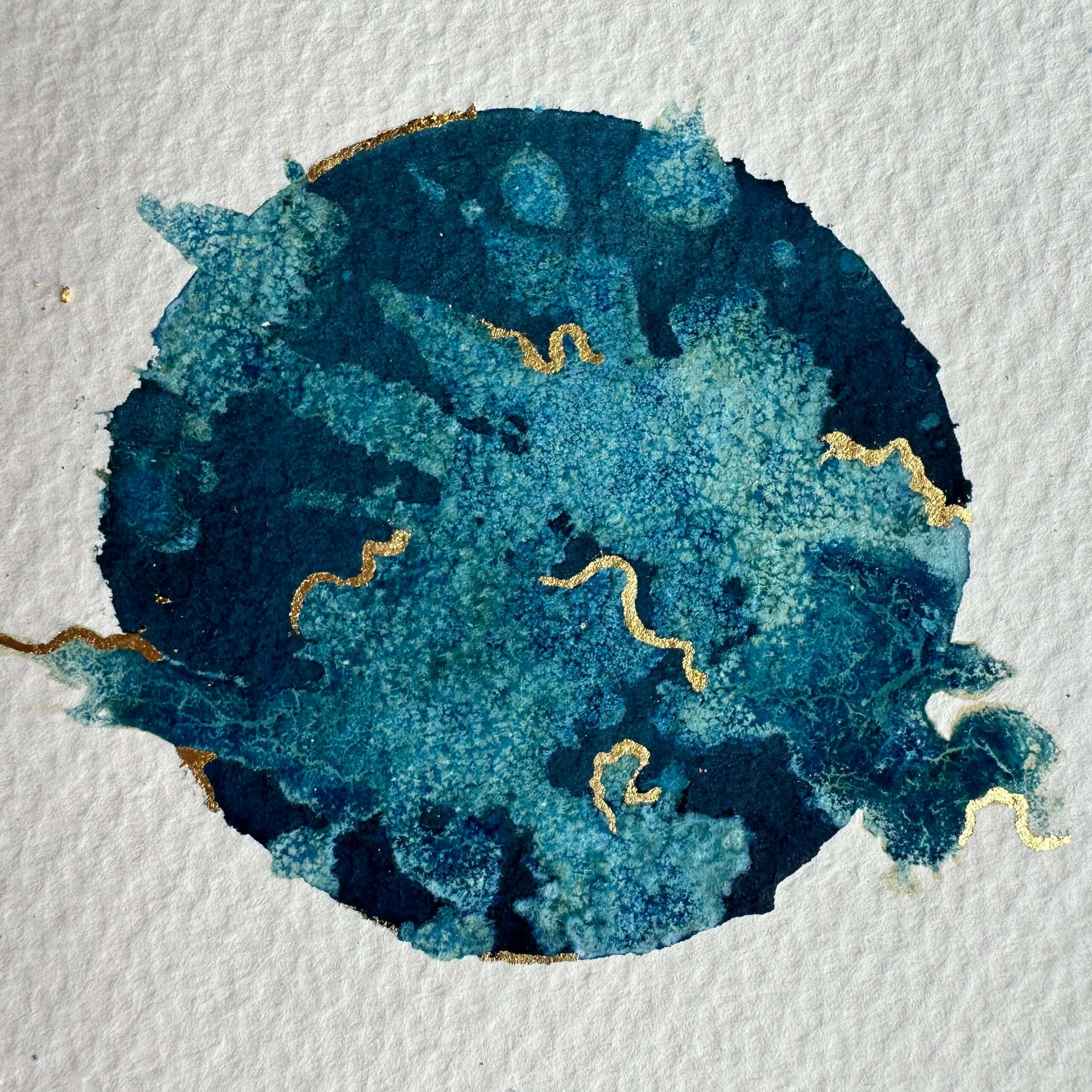
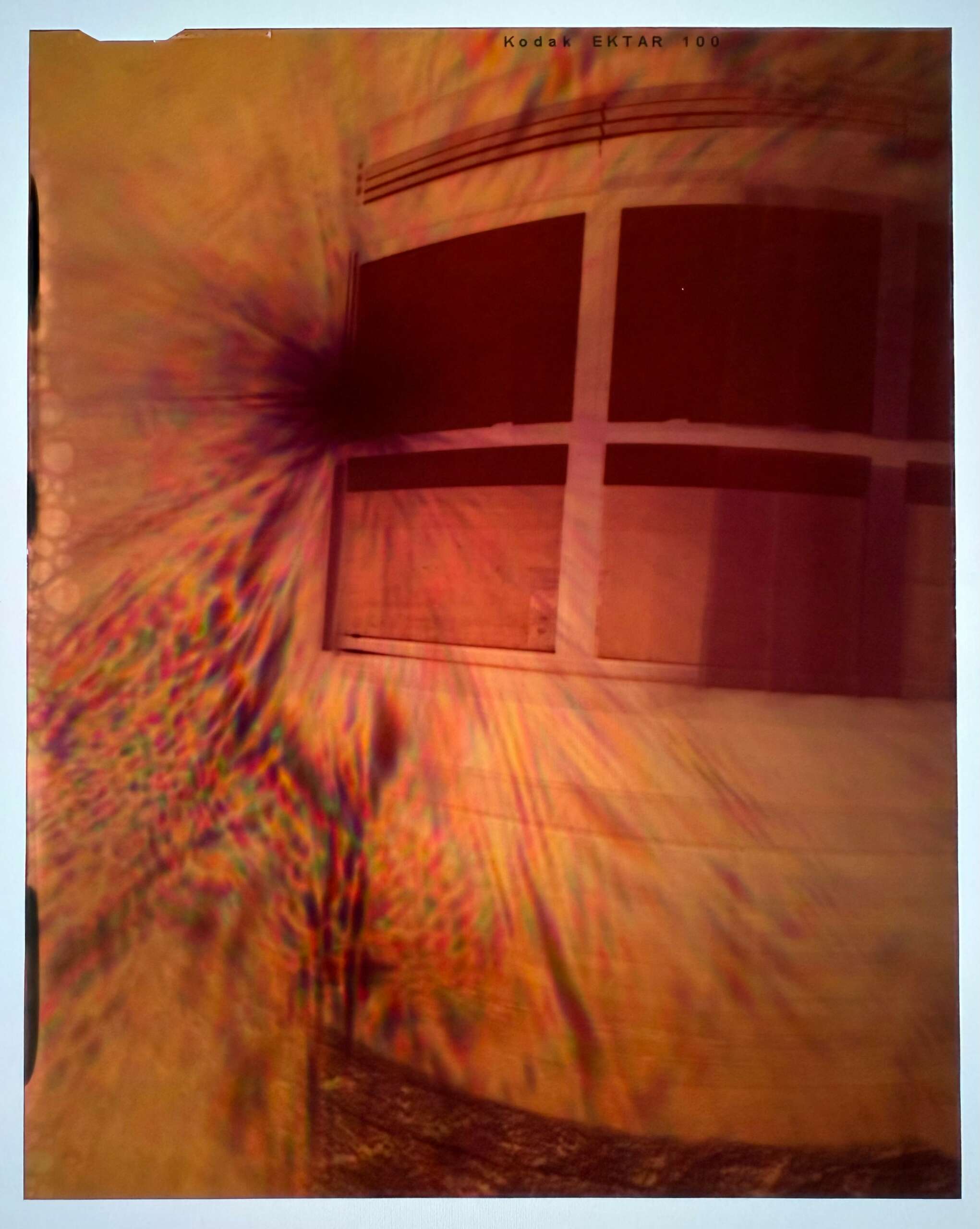
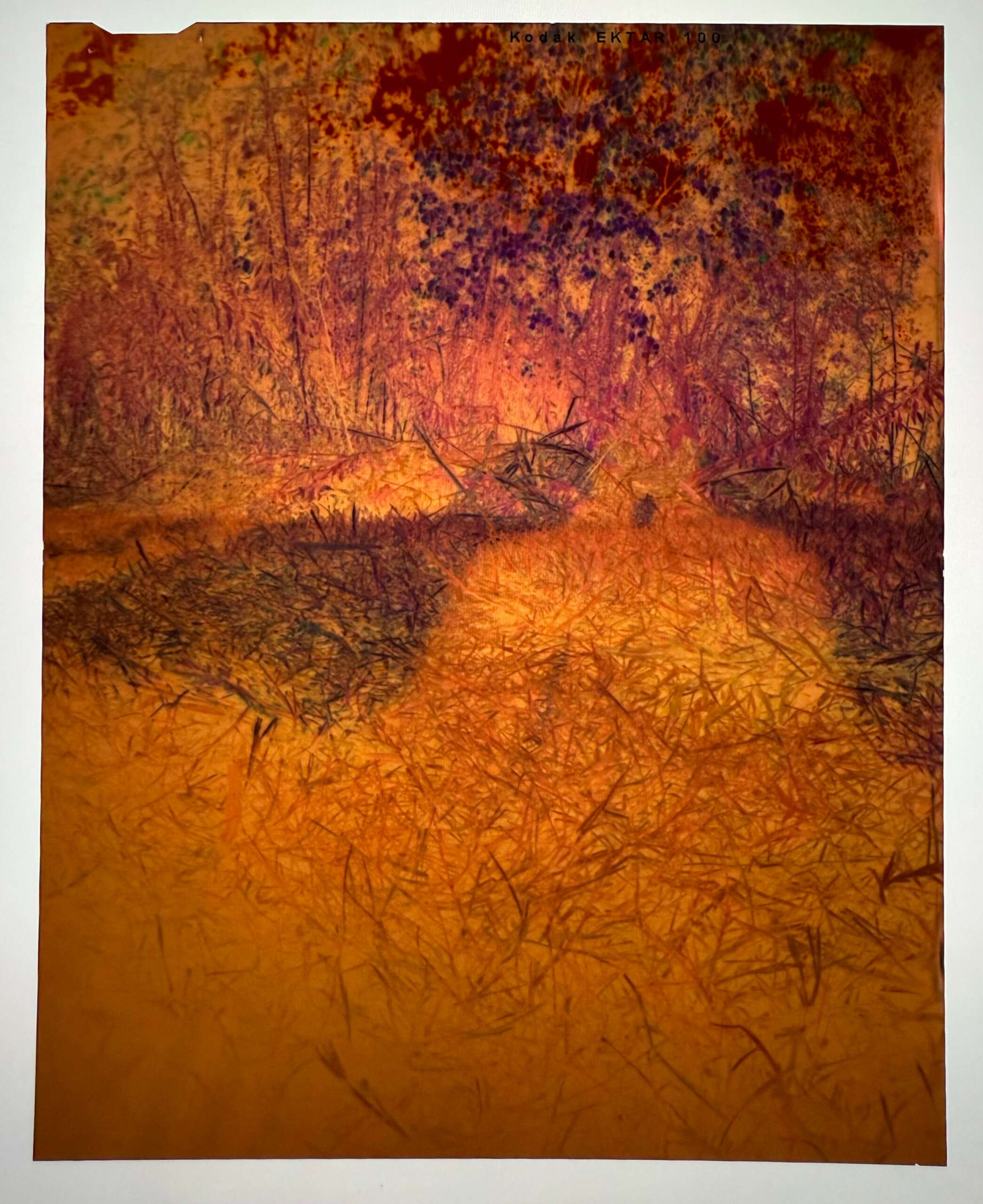
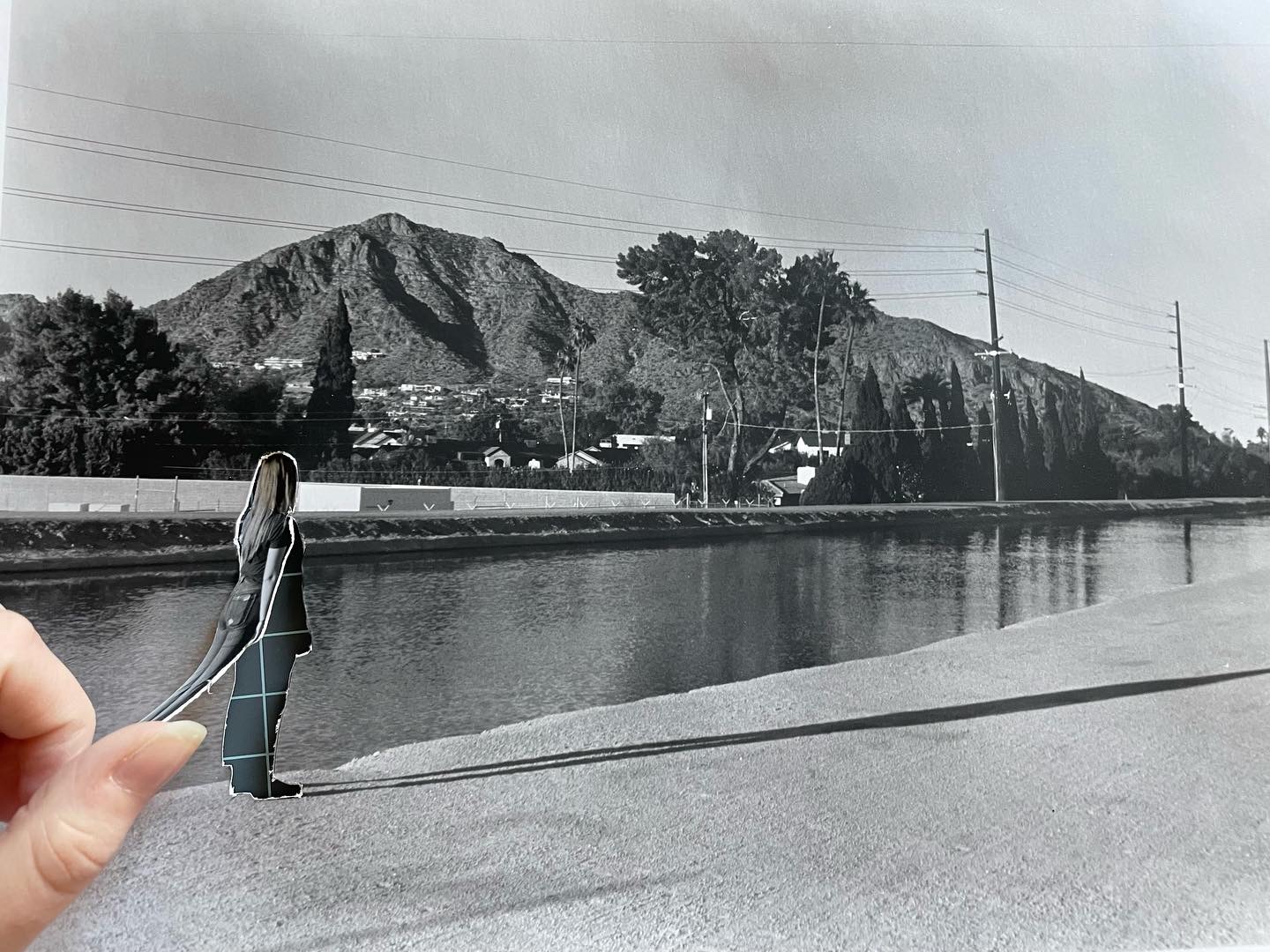
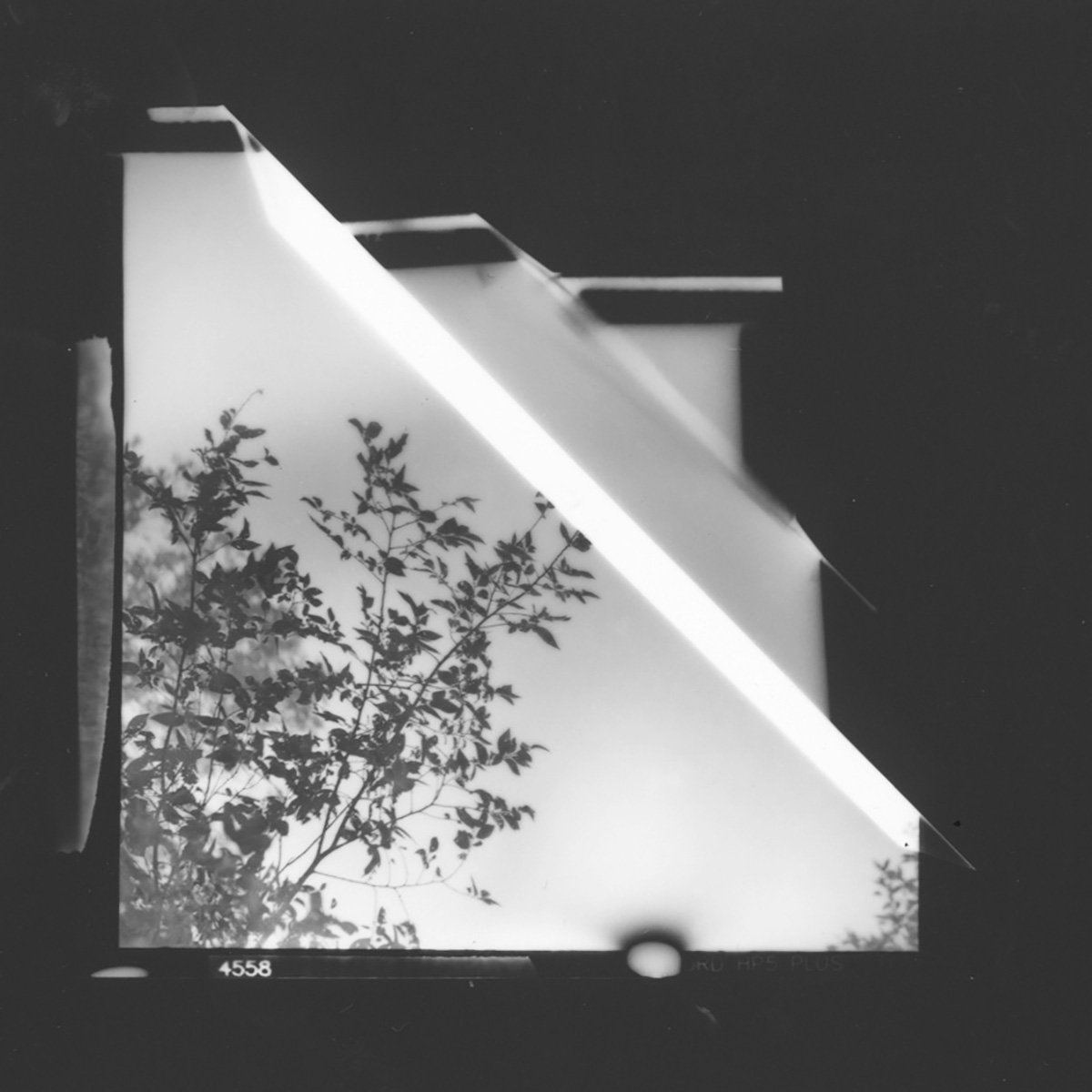
The best investment I’ve ever made, and continue to make, is the time I put into experimenting in my art practice. While my practice as a whole is rooted in photography, I get the most joy and generally the best results from experimentation within the medium. I seldom use the same experimental process in multiple bodies of work.
Early in my career I worried that this might be my downfall, that I wouldn’t get repeat collectors or that my art wouldn’t sell at all because I was just making what I wanted to make at any given time. Since then, I’ve shifted my mindset and realized that there’s nothing wrong with creating for the sake of creation. Even if I’m up against a deadline, I allow myself the room to play and test out my ideas without weighing myself down with worry that the piece won’t sell. That mindset is the best investment I’ve ever made for my practice and for my sanity.
Awesome – so before we get into the rest of our questions, can you briefly introduce yourself to our readers.
I’m Linnea, and I’m a photographic artist. I wanted to be an artist for pretty much as long as I can remember. Photography, in particular, piqued my interest when I was gifted a point and shoot camera at age 7. After that, I became obsessed with any type of camera, then scrapbooking, then photoshop, and then I was finally introduced to the magic of the darkroom in college.
After I stepped foot in the darkroom, I was hooked on analog photography. I was particularly drawn to experimental and alternative photographic processes (pinhole, cyanotype, film soup, etc.) and any way that I could be more hands-on in my practice.
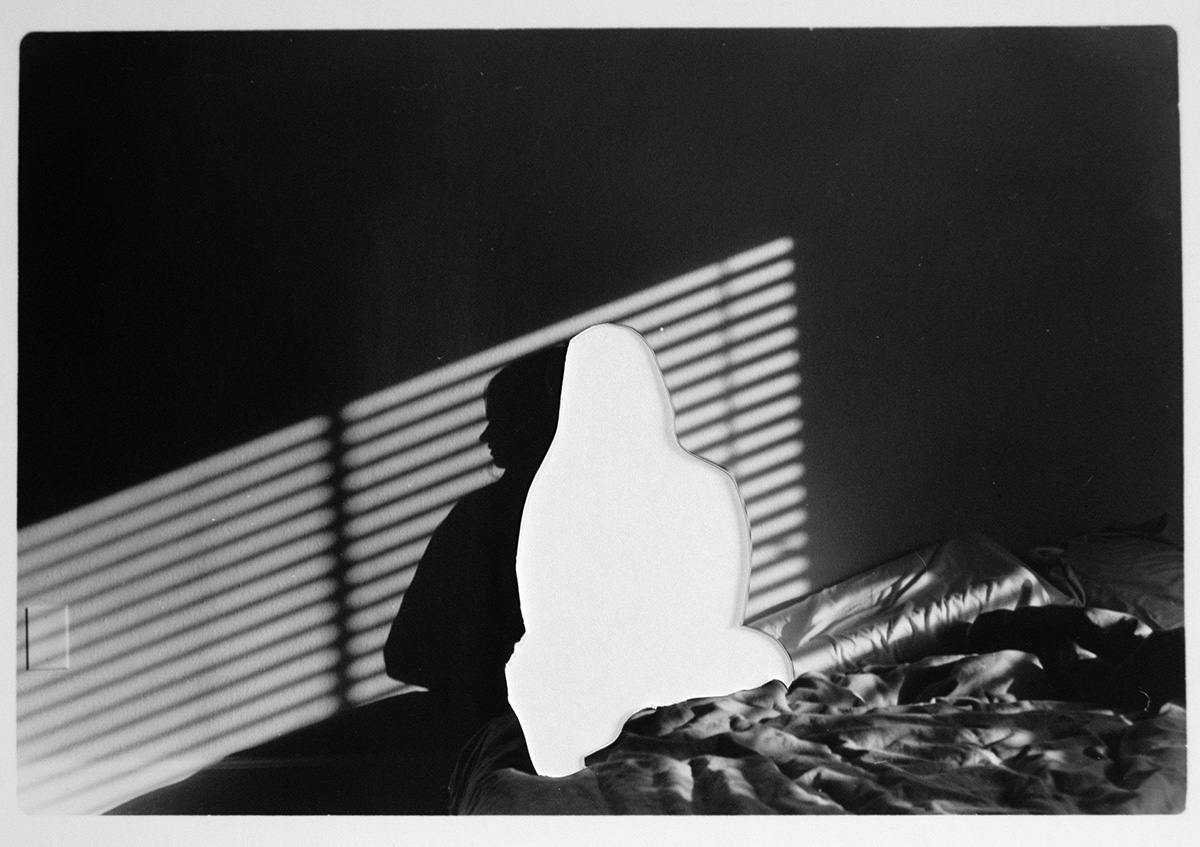
Throughout my career as an artist, I’ve developed a drive propelled by the concept of memory and perception in conversation with experimental photographic processes. With all of my work, I test and bend the traditional boundaries of the photographic medium. Due to the nature of my work, it can never be replicated and I don’t offer prints of any of my images, only originals.
What’s the most rewarding aspect of being a creative in your experience?
The most rewarding aspect of being an artist is connecting with others through my work. A few years ago I started doing art fairs and festivals, which was the first time I got to talk about my work with a very large audience for an extended period of time. Seeing real people fall in love with my work, get excited over the processes I used, and chat with me about their own experiences with photography was unmatched. And the conversations and relationships I started building through those experiences are something I’ll cherish forever.
What’s a lesson you had to unlearn and what’s the backstory?
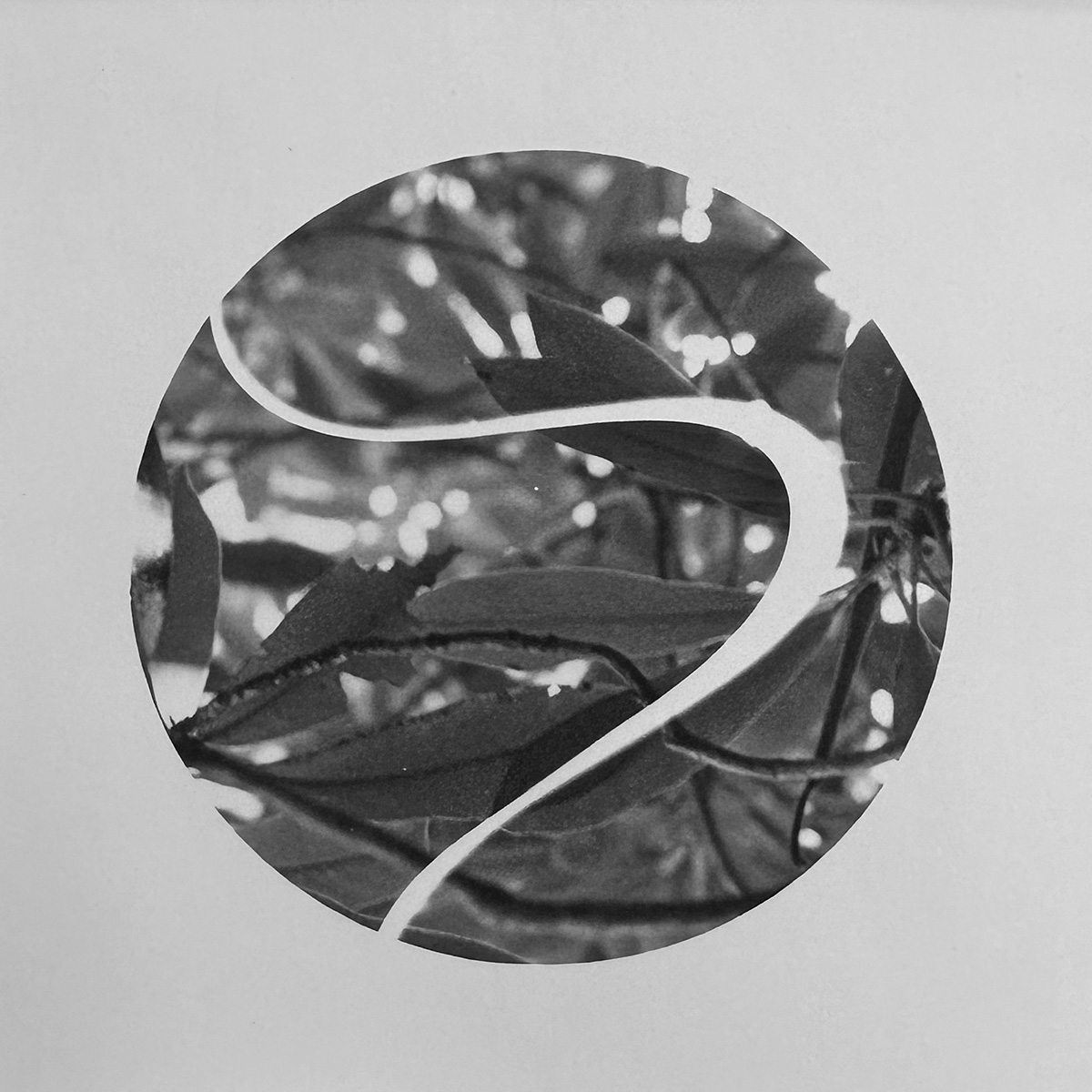
One very important lesson I’ve had to unlearn is that the way you display your art will not make or break your career, your sales, or your value. Back in my college career, all studio art majors had to display their work in a sort of pass or fail showcase to move on within the major. We had to learn how to cut and assemble our own mats and then hang them in the fine arts building to be judged by our professors. Something about this exercise hardwired me to think that display was everything, mats had to be cut perfectly, frames needed to be borderline museum quality, and nothing could be crooked. While some of that is important, display doesn’t need to take precedence in your practice (unless it’s an integral part of your work). You don’t need to spend thousands of dollars on custom framing and you definitely don’t need to cry over cutting the perfect mat. You’re allowed to not be perfect!
Contact Info:
- Website: https://linneamoody.com
- Instagram: @linnea.psd
- Youtube: @linneamoody