


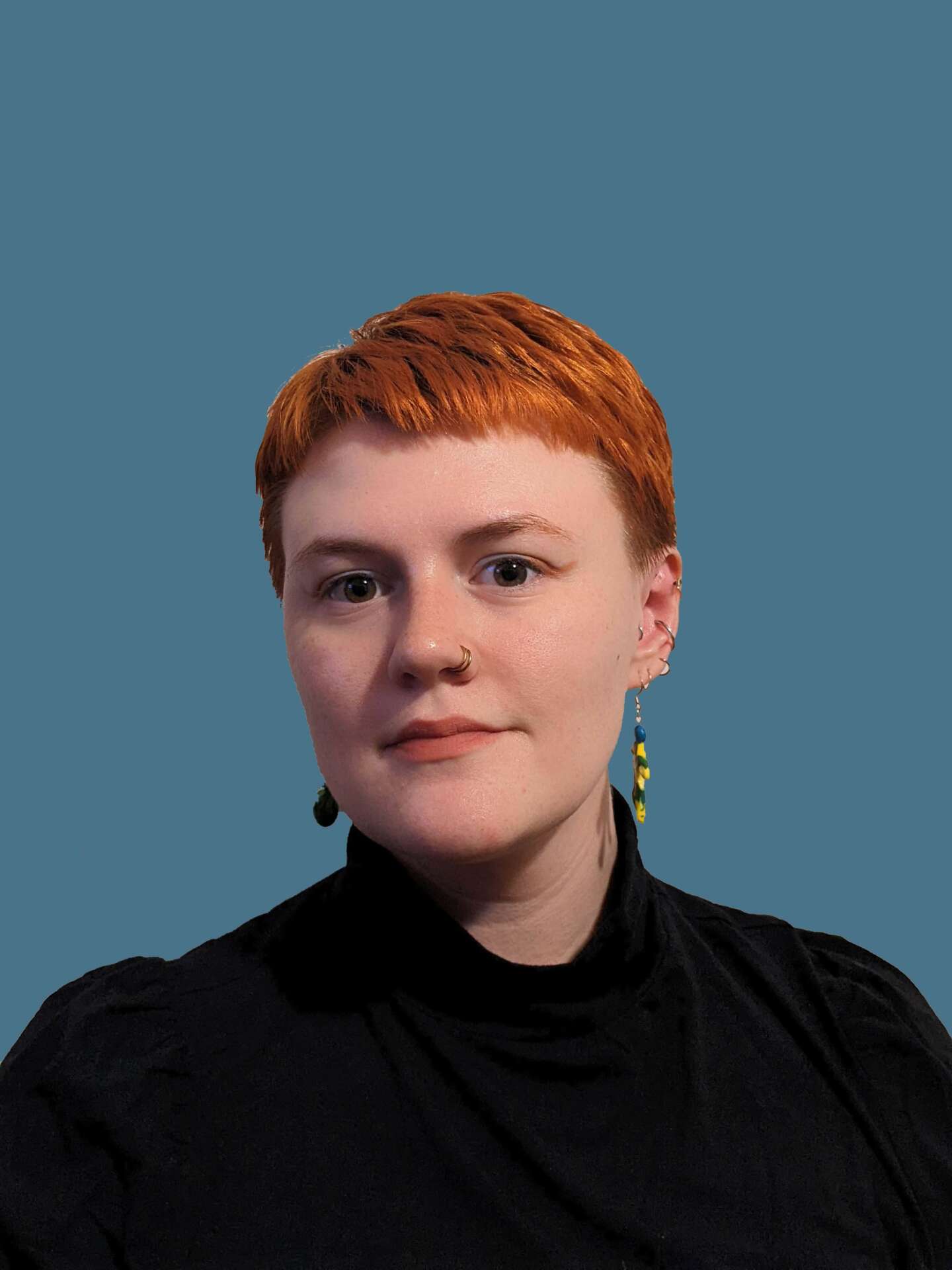
We were lucky to catch up with Hannah Jacoby-Brooks recently and have shared our conversation below.
Alright, Hannah thanks for taking the time to share your stories and insights with us today. Are you happier as a creative? Do you sometimes think about what it would be like to just have a regular job? Can you talk to us about how you think through these emotions?
There are always moments in the life of an artist where either society, parents, teachers, friends, or sometimes strangers will express their opinions on what an artist is and how they can support themselves in an “easy” job, such as art making. It is difficult to tune those people out and to focus on what is truly meaningful and special about being a creator. So, yes I have thought what it would be like to have a “regular” job, but I haven’t seriously considered it in many years. Currently, I am living with my husband, who came from the same artistic background as myself, and we went to undergraduate together in art. Where as I went on to graduate school, he has had regular jobs with people who have no idea he is an incredible painter. Through supporting him, I have seen how miserable someone can be when they aren’t interested in the career they spend the majority of their time physically surrounded by. He was exhausted from the mental strain of not being happy. Like I said, I hadn’t considered a regular job in a while, but my husband’s experience swore me off of them if I can. Thankfully, he has a job more centered in his field, so he is doing a lot better now.
Prior to the experience with my husband, I had not felt the pressure since I was obtaining my undergraduate degree. Family specifically are the largest critics. Each phone call would be the same thing: what are you doing again, why is this imporant, why not do x instead, and so on. My family was intersted in the arts as a consumable but not as a legitimate career. I felt very isolated during this moment. I changed my major 5 times between more “suitable” career paths, but i eventually learned not to care as much since it is my life. Once I switched back to art, I had been in school for over 5 years, but I have been so happy. I will never look back.
Hannah, before we move on to more of these sorts of questions, can you take some time to bring our readers up to speed on you and what you do?
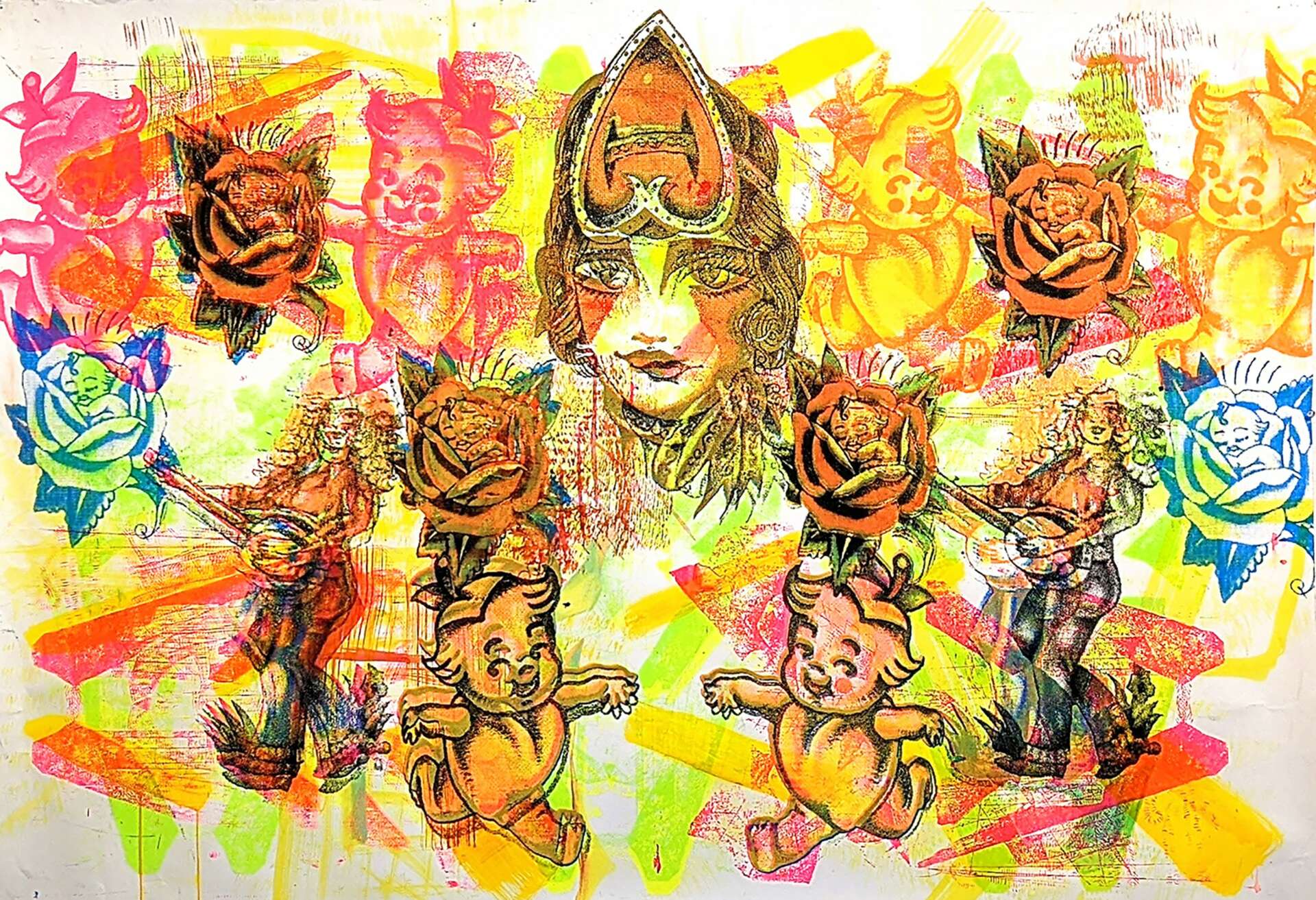
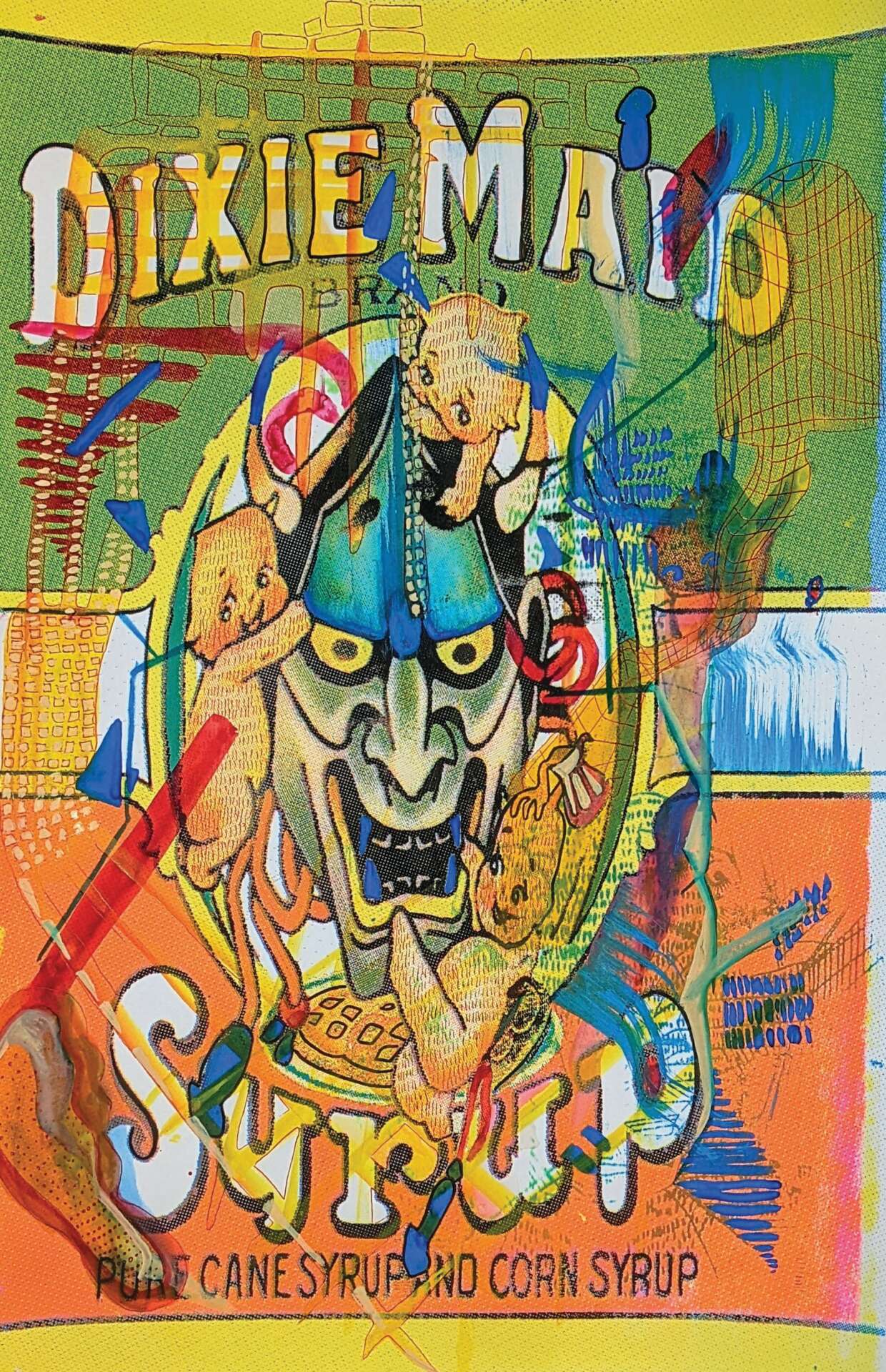
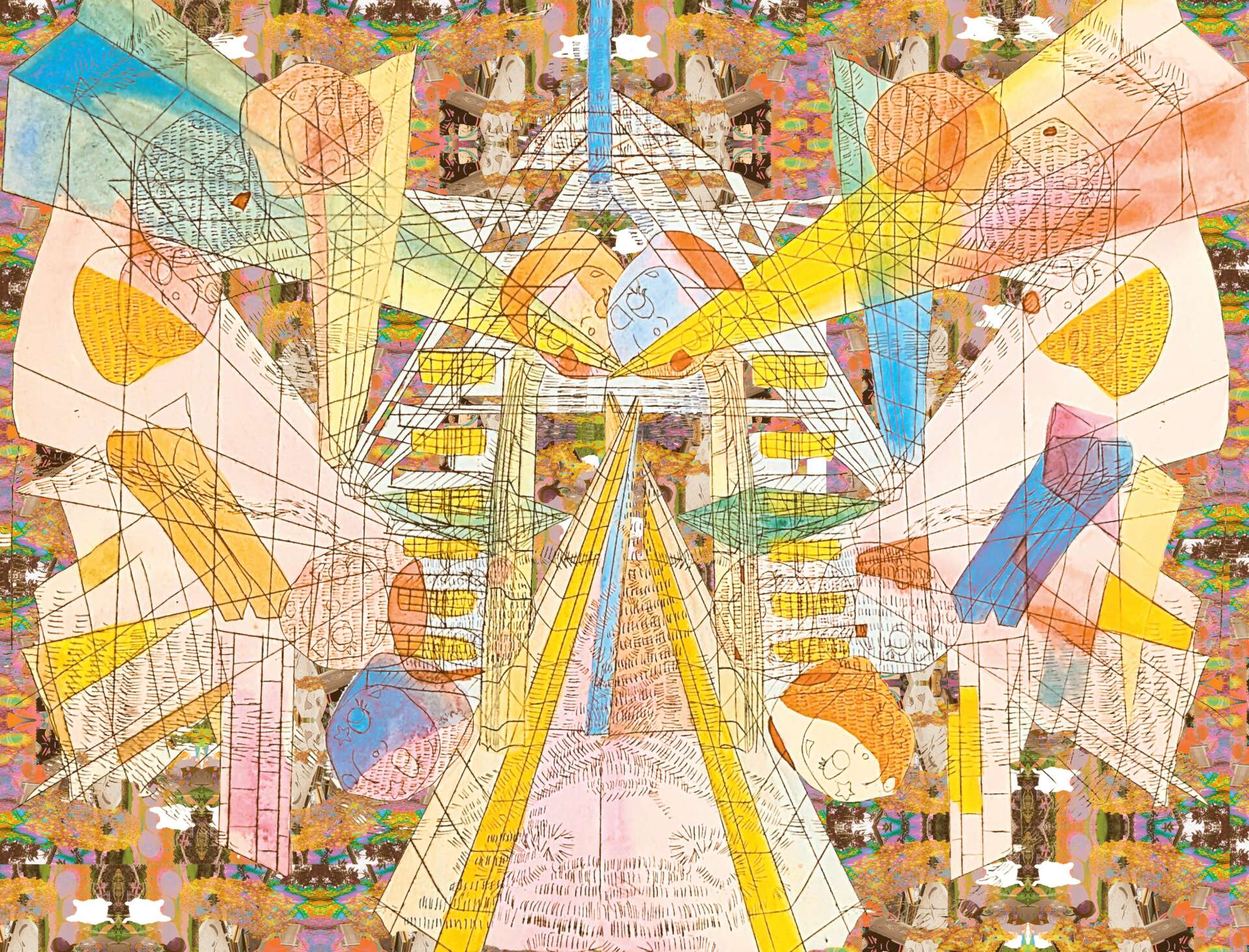
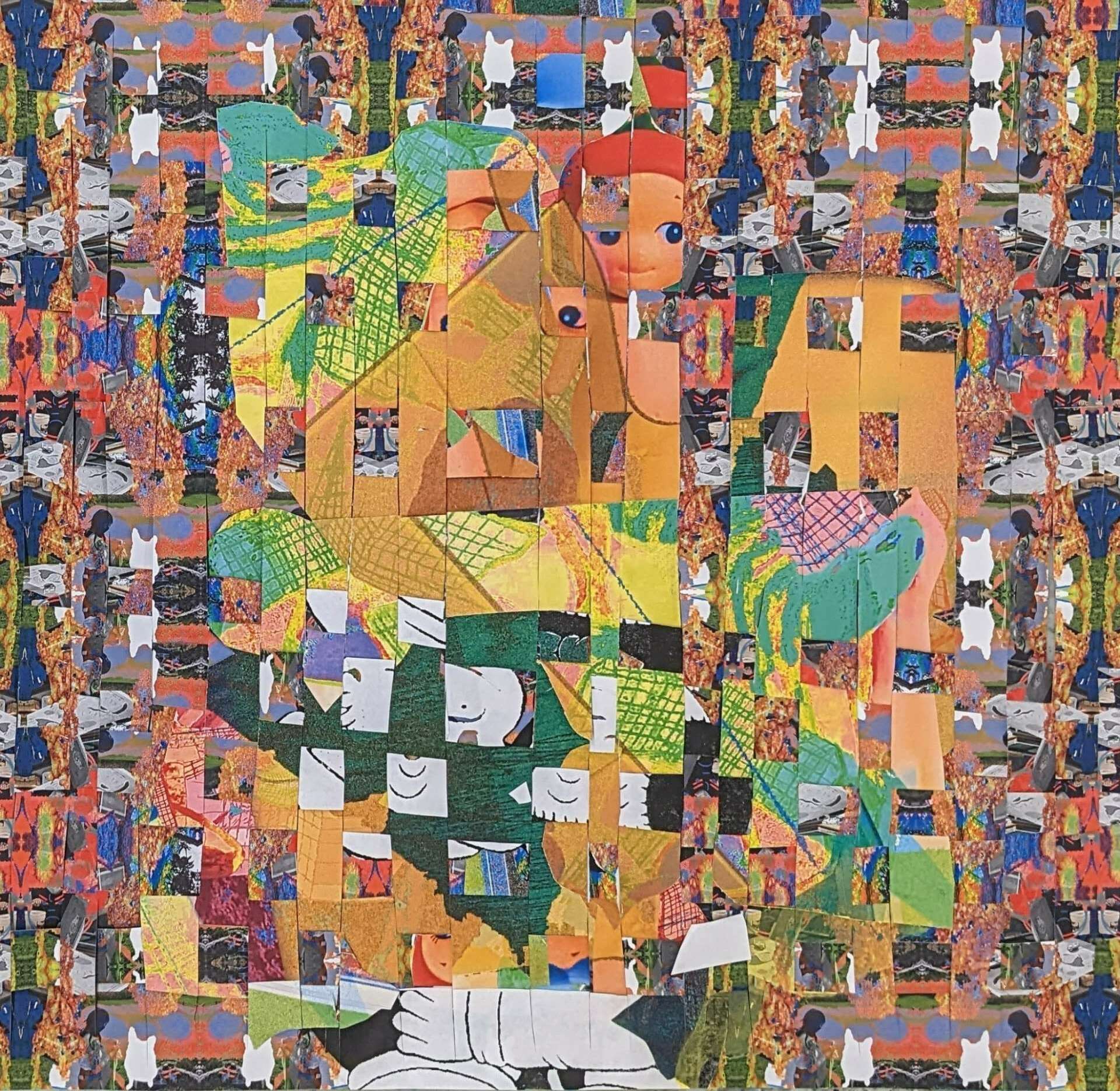
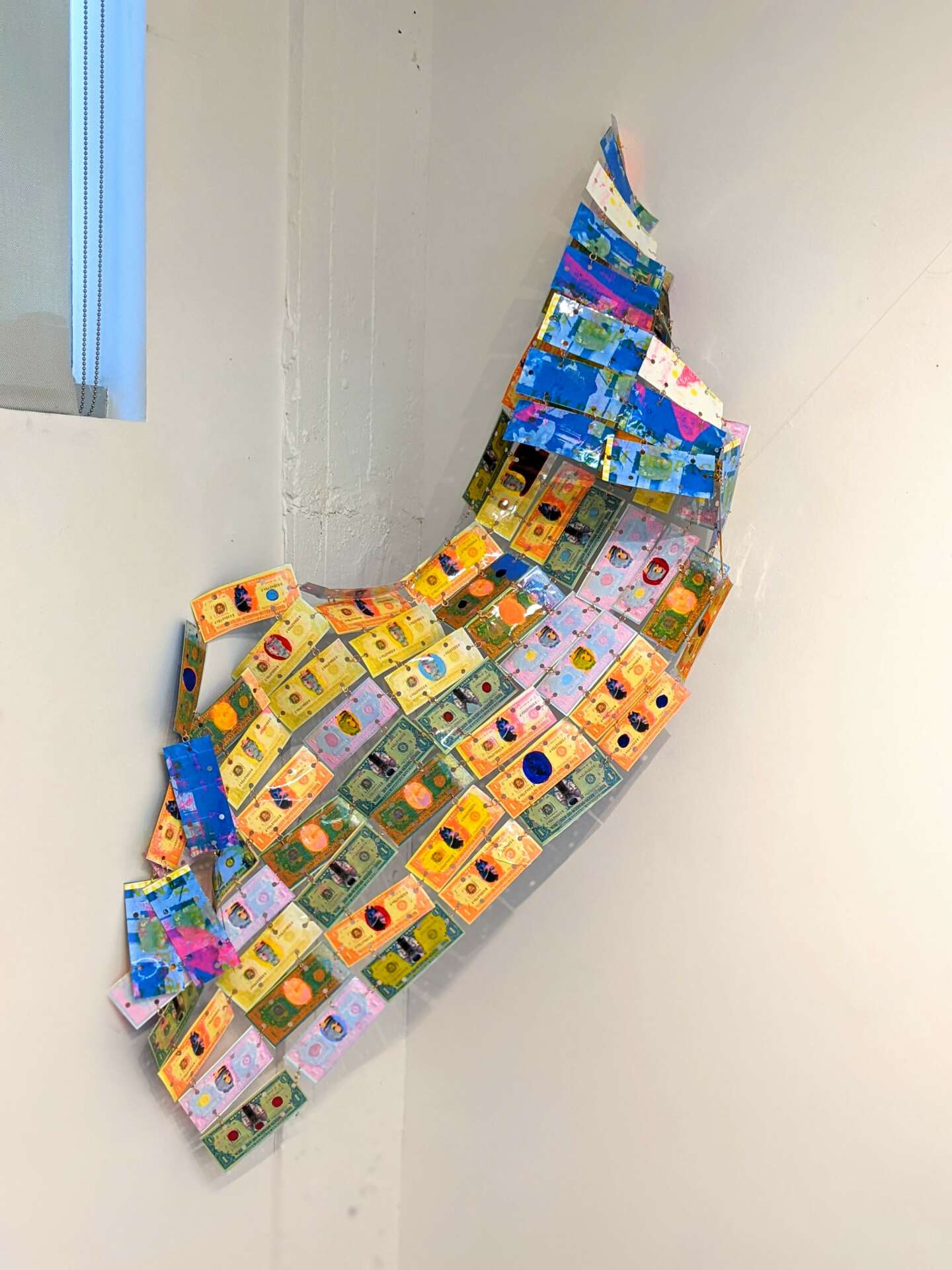
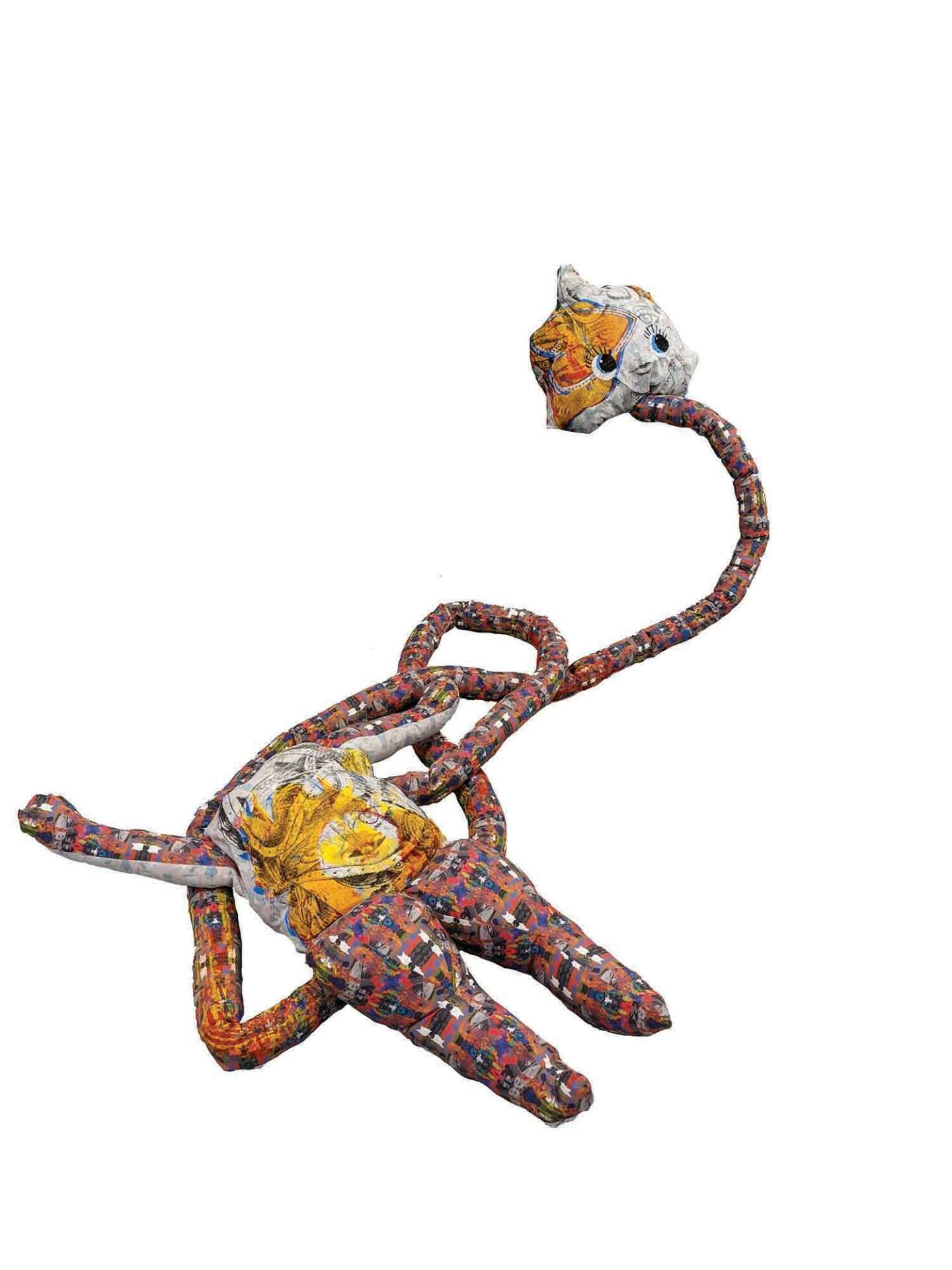
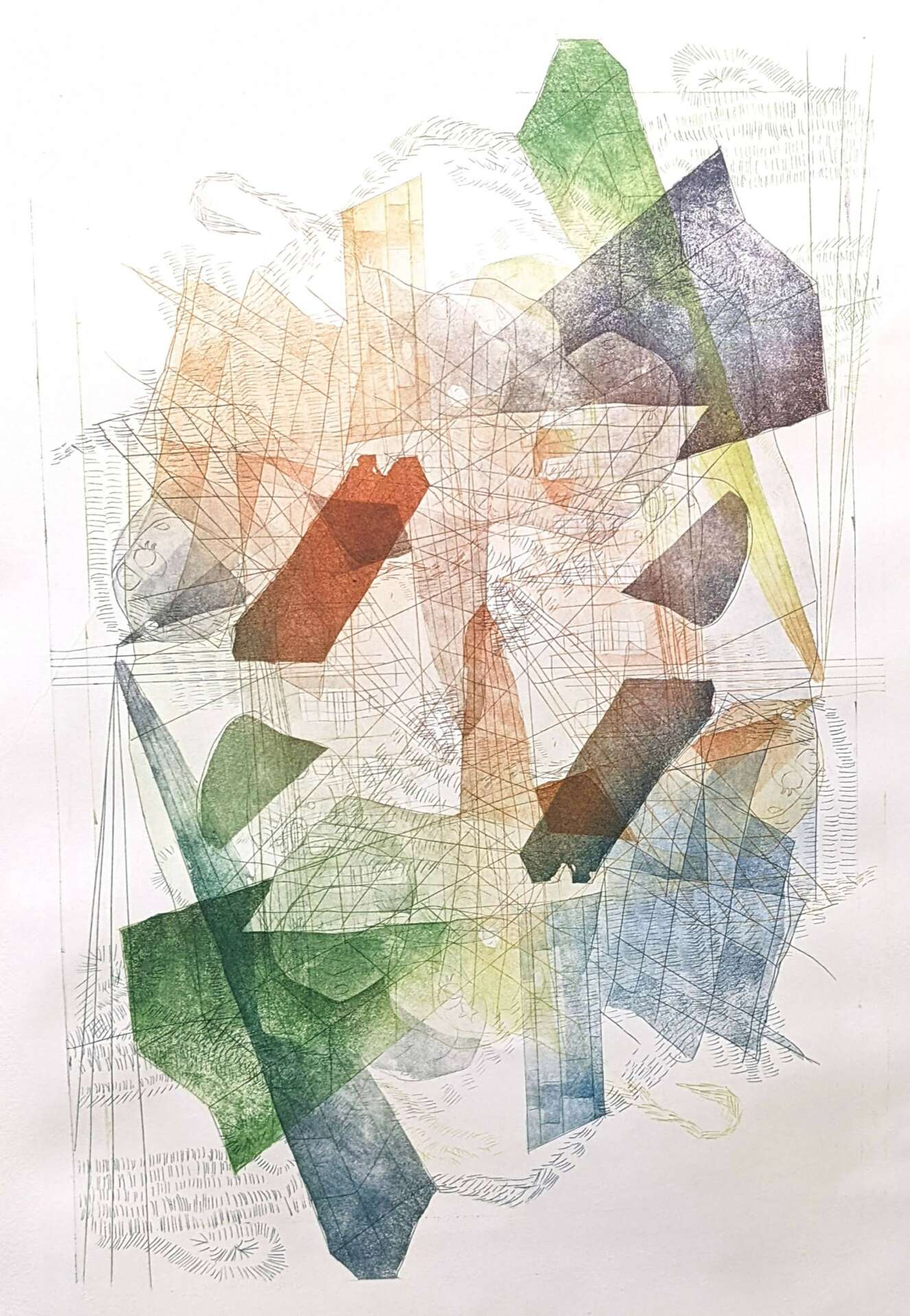
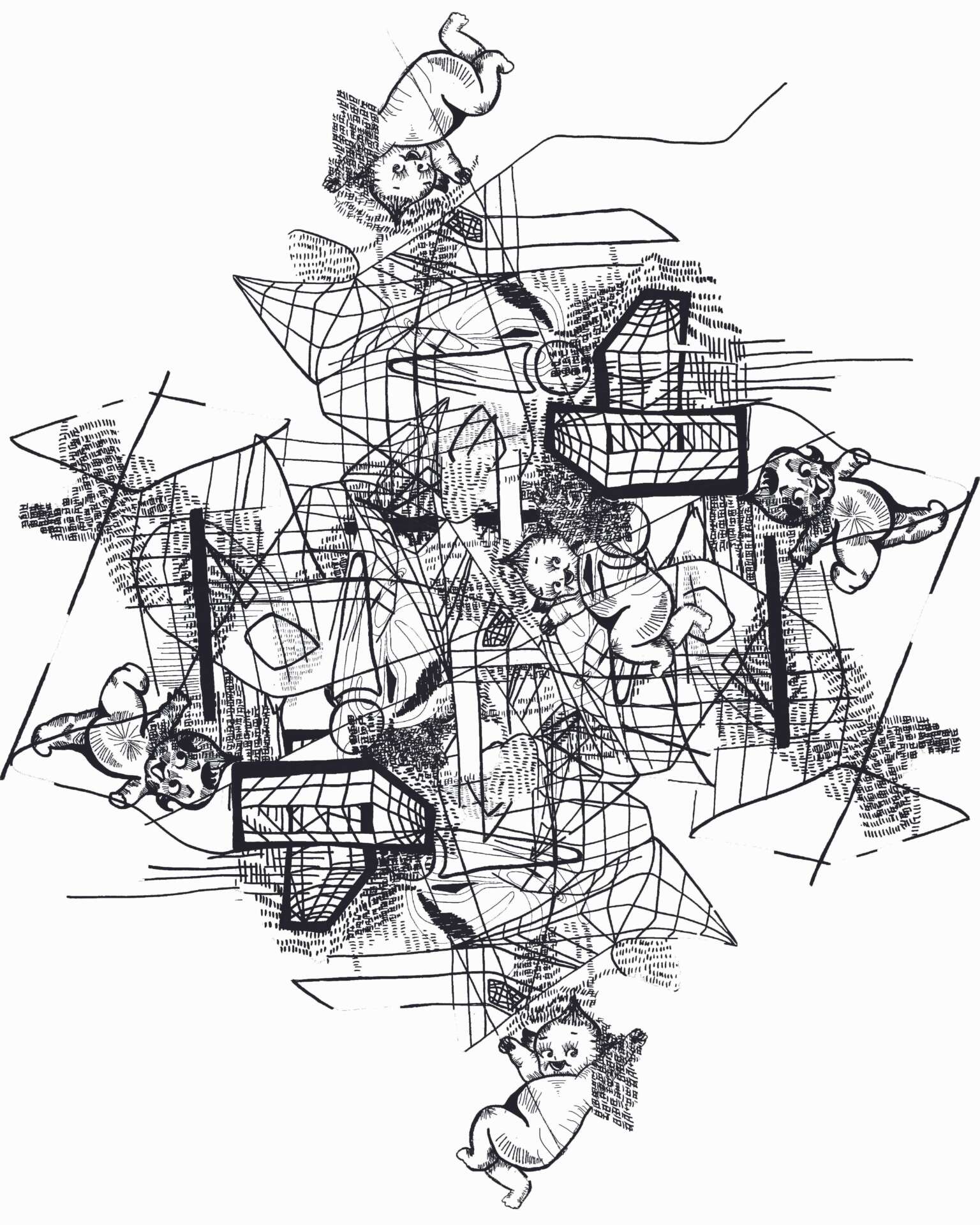
I have been on a material exploration of kitsch culture in the American South that often utilizes nostalgia and the unsettling. Through print, I am investigating the overarching theme of nostalgia of early 20th century iconography juxtaposed within body art and tattoo. Through physically altering paper or sculpture, the appearance of my work represents the taboos that are historically engrained in Southern Culture while engaging them in a contemporaneous way.
This all being said, I got my undergraduate degree in printmaking at Georgia State University – this is where I learned about my craft. I had supportive professors who would teach me how art can be a tool to discuss or bring forward discussion about uneasy subjects. Where as art can also be purely decorative, I am interested in what makes the art “ugly” in the sense of uncomfort and aesthetic. Since starting my graduate program at the Museum of FIne Arts in Boston, MA, I have delved into research of topics that are important to myself and my personal aesthetics. Now, I feel free to make work that discusses first and is “sellable” second. It is a liberating place to be in.
Is there something you think non-creatives will struggle to understand about your journey as a creative?
Of course this is my perspective of others since I can only speak of my own journey, but I believe the hardest thing for non-creatives to understand is the purpose of art. It is funny because I think the non-creatives think artists know what the purpose of art themselves, but I think very few people think so critically about art. I have family members who are usually confused as to why certain shapes and colors can represent x and y, but this is part of my education as an artist. Since, I feel, art is perceived as an “easy” profession, many assume there isn’t any theory or history behind creation. On the contary, a trained artist knows a boat load of symbolism, literature, language, pop culture, history, and people. The eye of the artist is trained to see similarities and point them out through juxtaposition. I feel any person can be trained to see what artists see through education and discussion.
We often hear about learning lessons – but just as important is unlearning lessons. Have you ever had to unlearn a lesson?
This may come as a given, but i had to unlearn to not trust everything for face value. Perspective is depicted through all different lenses. If someone is talking of others perspective, it isn’t a primary source and shouldn’t be taken as truth. As an artist, everything that is ever shown is from a specific person’s perspective. The discussion of perspective has lead to other discussion like who is allowed to share their world views and who isn’t, what is happening behind a still-life or a landscape photograph – are there people admitted on purpose and who are they? I learned this by analyzing work in art history courses. You can look at a Picasso and think “wow this is entirely new and no one has ever done this” but then you find out he was getting direct influence from African tribal masks. The difference here is perspective and the allowance of disemination of artistic ideas.
Contact Info:
- Website: www.hjbrooks.art
- Instagram: @hjbrooksart
- Facebook: https://www.facebook.com/H.Brooks1313
Image Credits
credit: Hannah Jacoby-Brooks, the artist