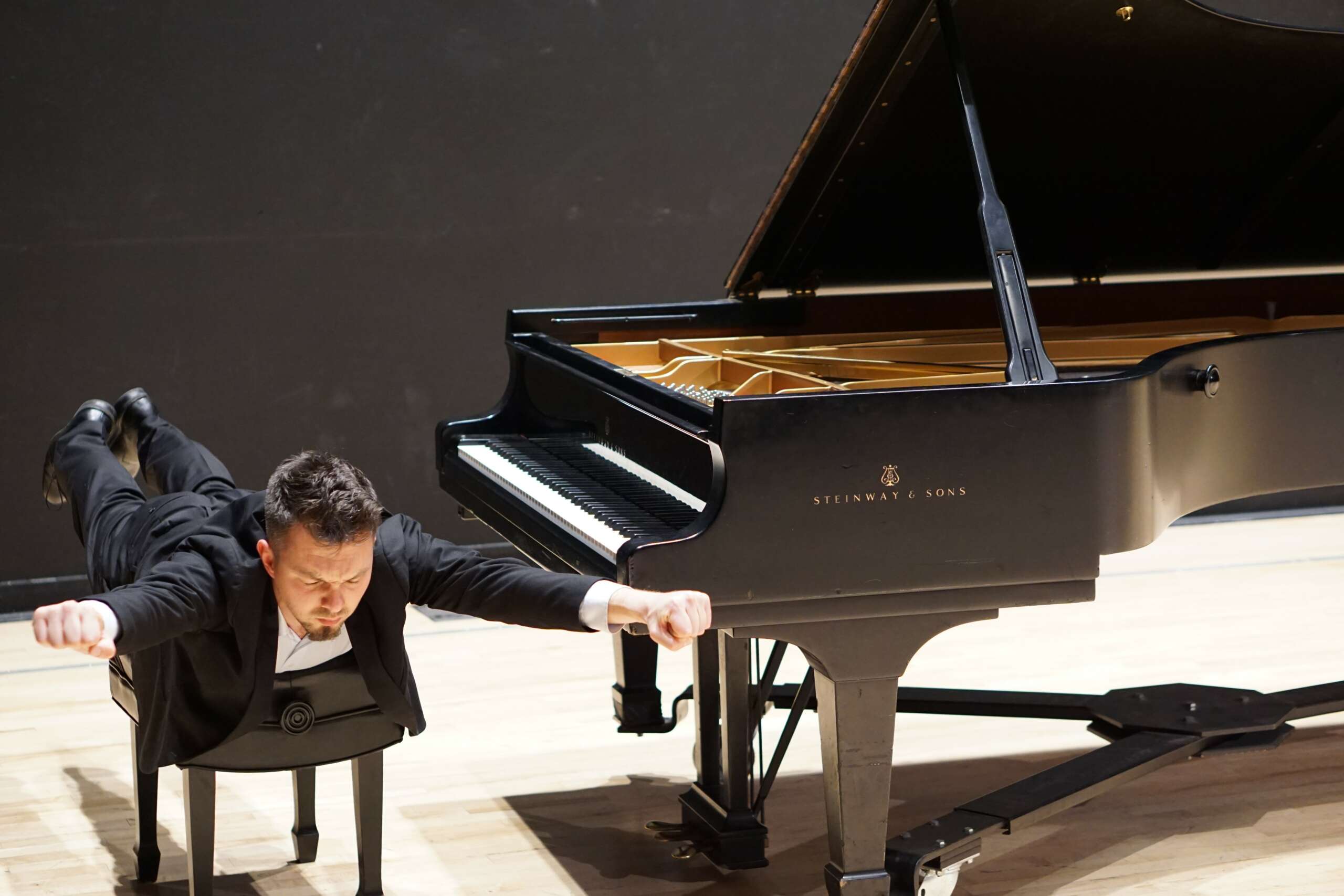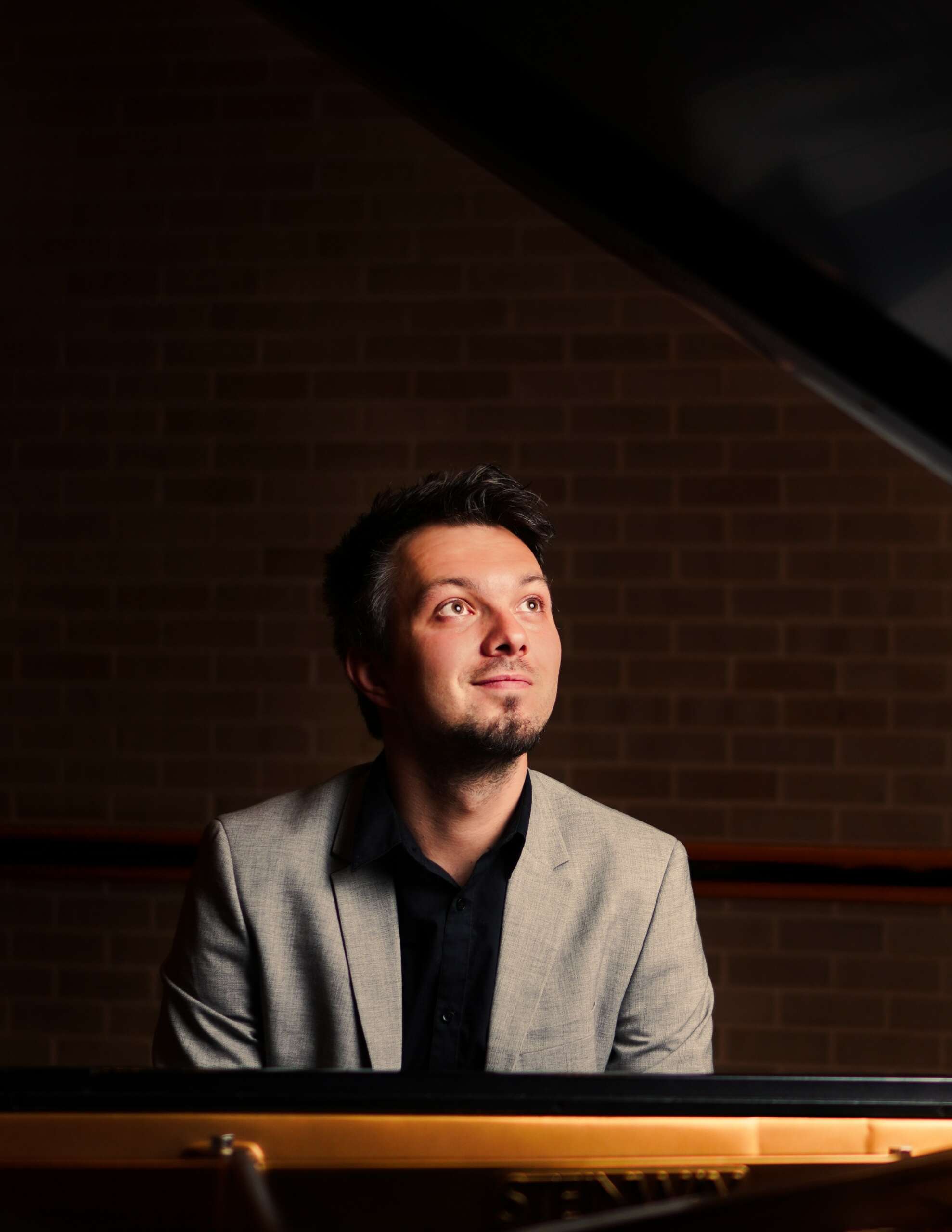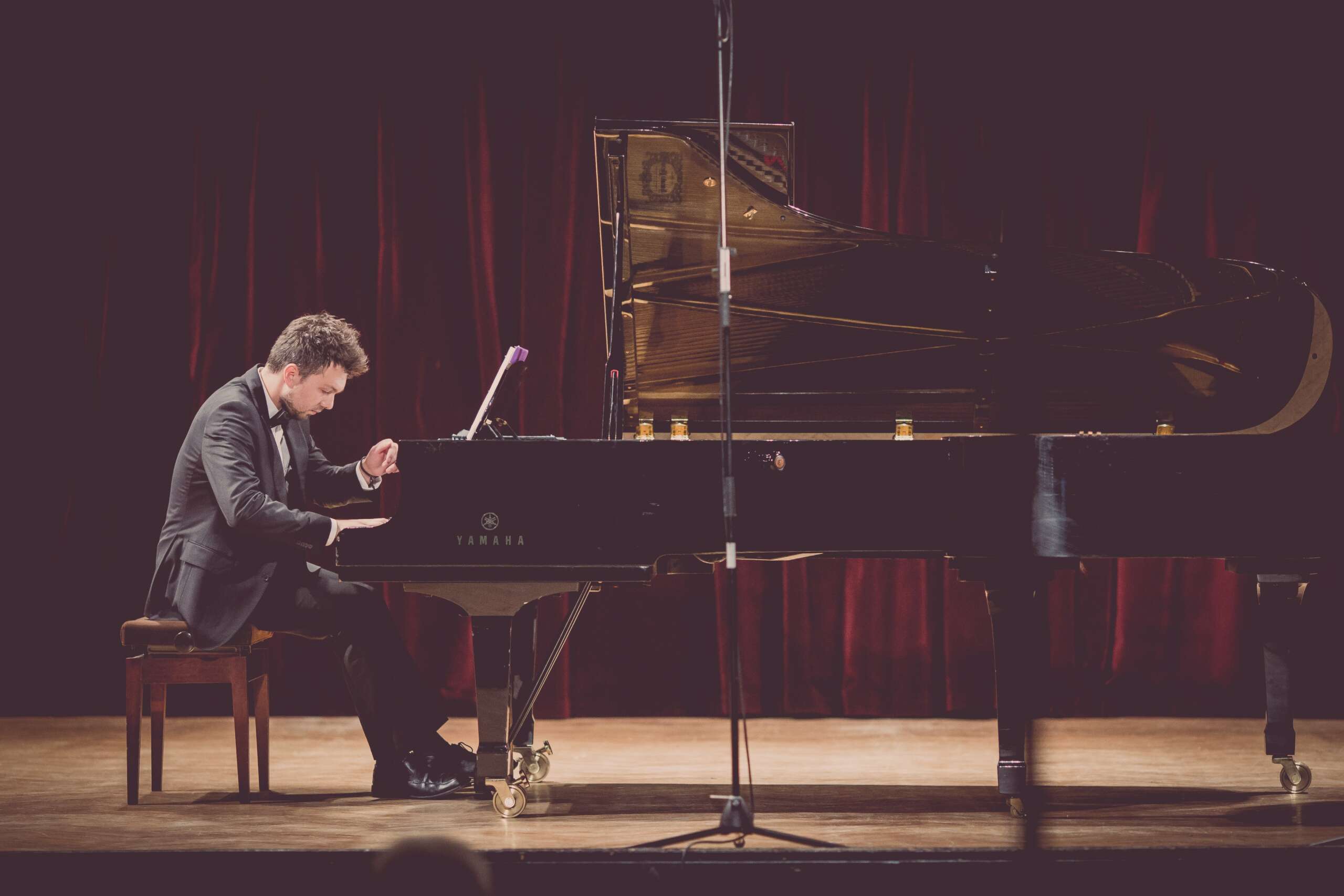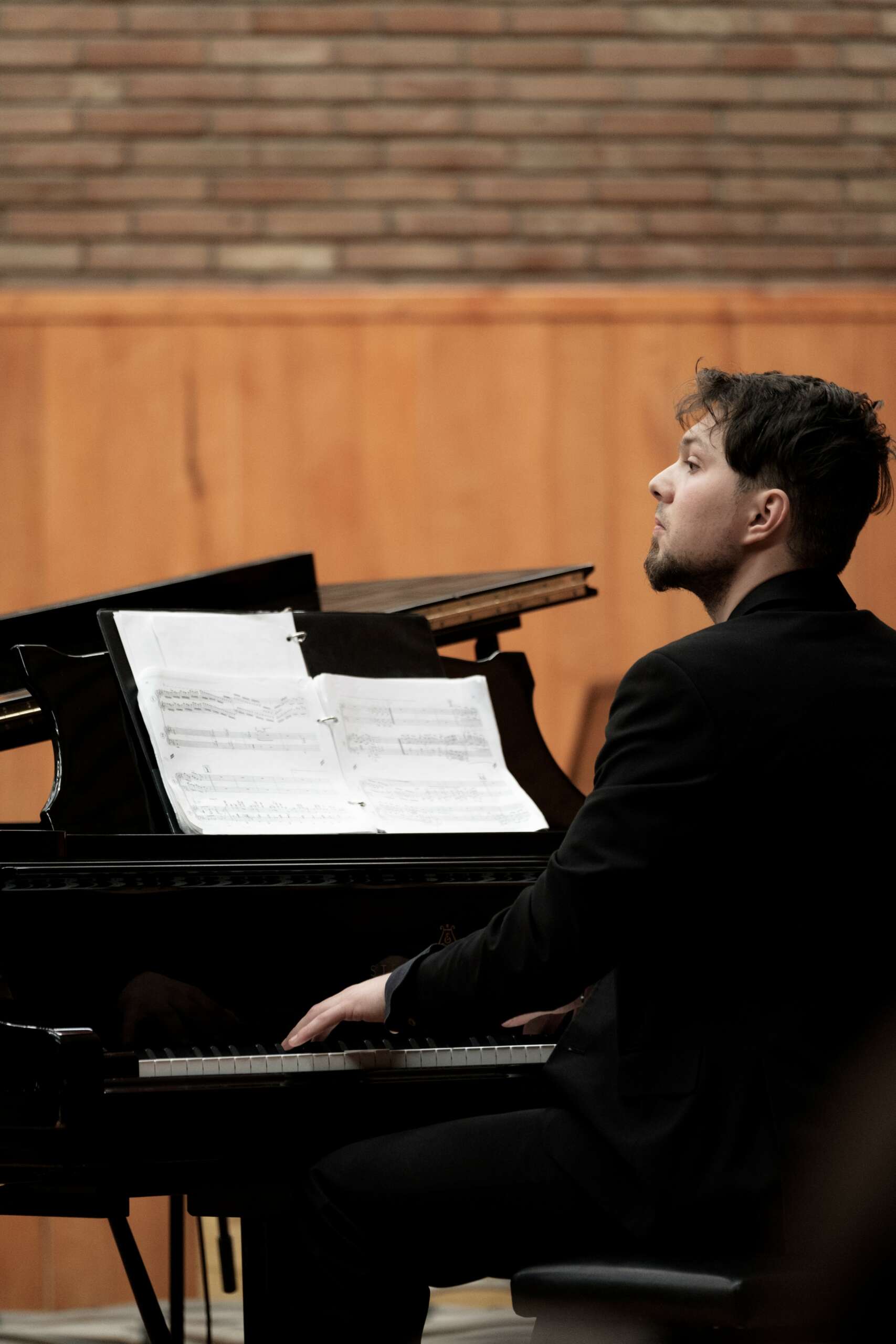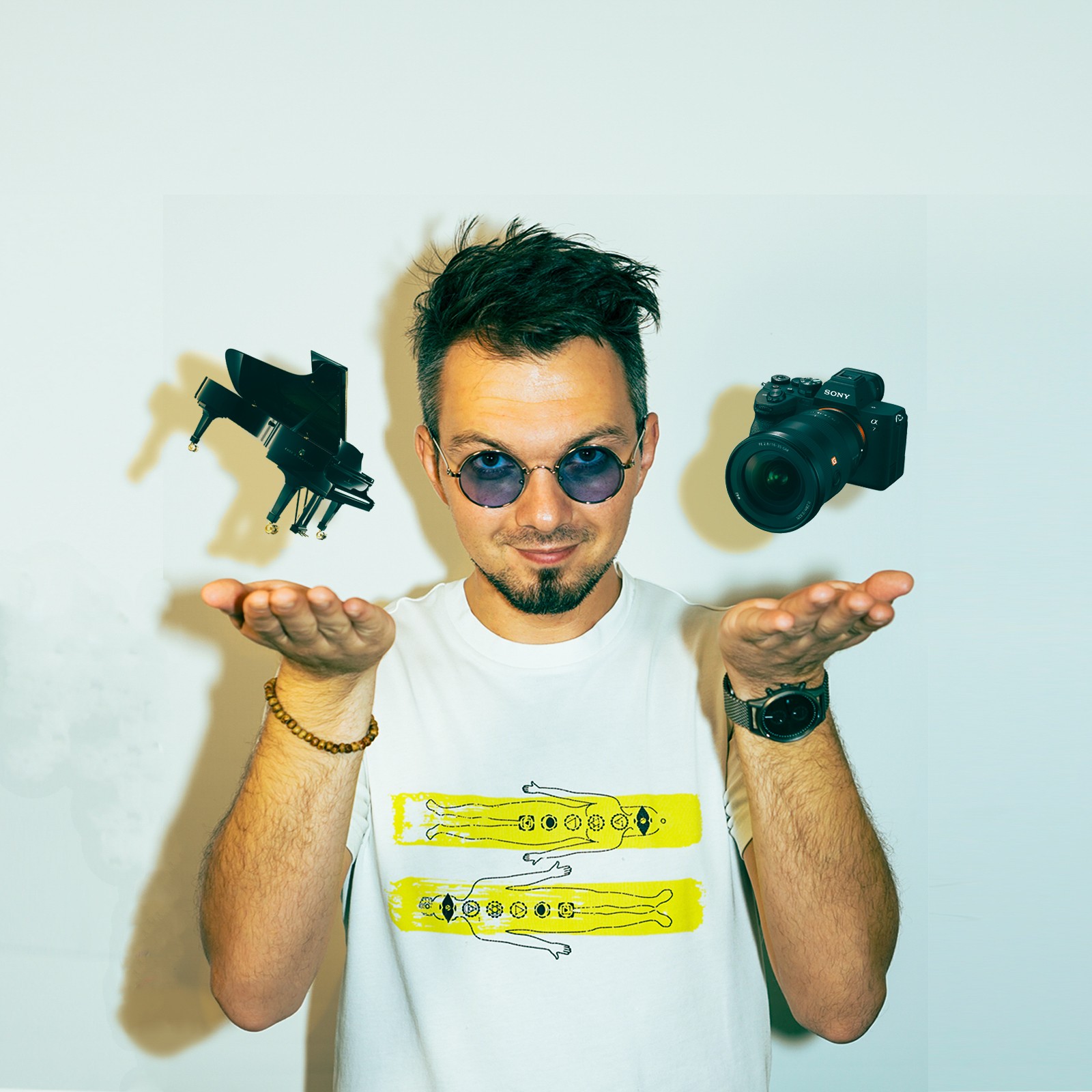

We recently connected with Eduard Gavril and have shared our conversation below.
Eduard, appreciate you joining us today. Can you talk to us about how you learned to do what you do?
How did you learn to do what you do?
I started playing piano at the age of six, introduced to it by my parents, who are both professional musicians in the Tîrgu-Mureș State Orchestra in Romania—my mother a cellist and my father a French horn player. My early education was rooted in the Art School in Tîrgu-Mureș, where I studied piano from grades 1 to 12. Afterward, I earned my bachelor’s degree in piano performance from the “Gheorghe Dima” Music Academy in Cluj-Napoca, Romania. In 2015, I moved to the United States to pursue graduate studies, completing a master’s in Collaborative Piano from Sam Houston State University, followed by a second master’s in Piano Performance from the University of California, Irvine. Most recently, I completed a Doctoral Degree in Piano Performance at the University of Houston. Beyond my formal education, I’ve cultivated my craft through a robust performance schedule, including solo recitals, chamber music concerts, and orchestral soloist appearances. My growth has been fueled by incredible mentorship, countless hours of practice, consistency, and curiosity-driven exploration of diverse musical and artistic disciplines, including electronic music, improvisation across genres, and interdisciplinary projects involving dance, photography, video production, and projection mapping.
Knowing what you know now, what could you have done to speed up your learning process?
I wish I had developed a more efficient and consistent practice routine earlier in my studies—learning how to organize my time better and troubleshoot challenging musical works systematically. This could have saved countless hours, allowing me to reinvest that time in more repertoire or explore additional creative projects. I also wish I had been exposed to the international music scene sooner to absorb a broader range of influences and expand my artistic perspective at an earlier stage.
What skills do you think were most essential?
Starting early and building a strong technical foundation gave me the essential tools of my craft. Beyond that, cultivating creativity has been just as vital. Creativity is shaped by life experiences—exploring nature, embracing a wide range of emotions, and immersing myself in art, literature, theater, and film. Equally important are interpersonal skills, which can sometimes be overlooked in the solitary nature of a musician’s practice. Maintaining strong connections with family and friends, traveling to experience new cultures, and stepping out of my comfort zone have all enriched my artistry and made me a more holistic musician. Remaining connected to the audience’s tastes is another crucial skill. While playing music for its own sake is a great driving force, a musician’s true purpose is realized through having an audience to play for. Understanding and adapting to what resonates with them keeps performances meaningful and impactful.
What obstacles stood in the way of learning more?
During my formative years in Romania, resources were limited. The pianos I practiced on were often old and in poor condition, though the exceptional professors I had made up for the lack of modern facilities. Later, balancing work, practice, financial goals, and a busy concert career posed its own set of challenges. Over time, I learned to fine-tune my approach, achieving a better balance between performing, teaching, and research while reserving time for travel, social connections, and family—though this still remains a work in progress.
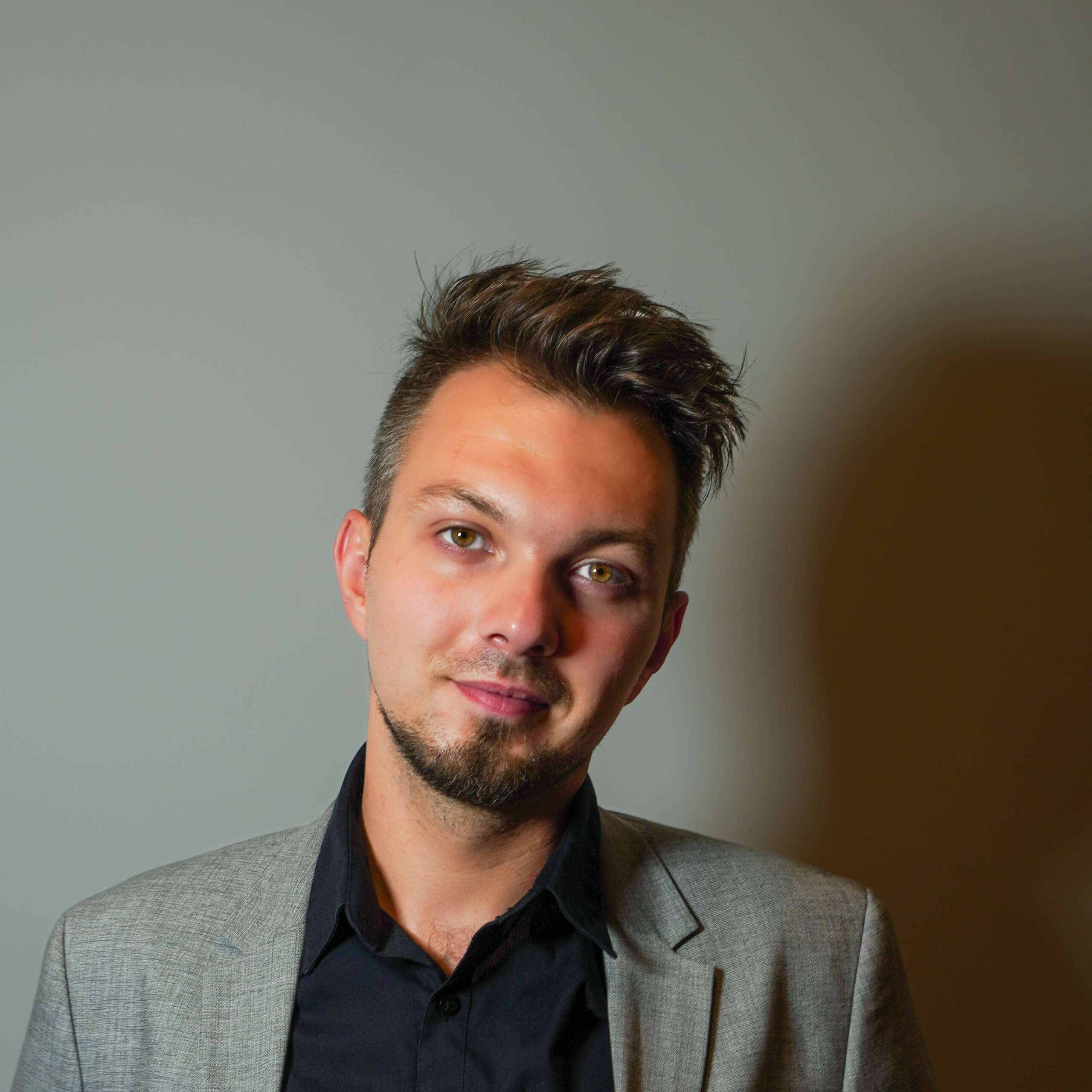
Eduard, before we move on to more of these sorts of questions, can you take some time to bring our readers up to speed on you and what you do?
My name is Eduard Alexandru Gavril, and I am a passionate pianist, educator, and interdisciplinary artist with roots in Romania, but currently based in Houston, Texas. Music has been an integral part of my life since childhood, growing up in a family of professional musicians. I began studying piano at the age of six at the Vocational Art School in Târgu Mureș, Romania, and from those early days, I developed a profound connection with the instrument.
Music has always been more than a profession for me—it’s a way to tell stories and connect deeply with others. Whether performing solo, in a chamber music setting, or teaching students, I strive to make each experience meaningful and unforgettable. Over the years, I’ve embraced opportunities to expand my creative horizons, organizing concert series and interdisciplinary projects that blend music with projection mapping, electronic music, photography, and film. These ventures reflect my belief that music is not static but a living, evolving art form.
Services and Creative Works
I perform a wide range of solo and chamber music concerts. My repertoire spans periods from Baroque to contemporary, jazz, and electronic music. I’ve founded two acclaimed piano duos that spotlight jazz works by Gershwin, Brubeck, Bolling, and others. Additionally, I explore an extensive range of genres, including electronic music, jazz, metal, folk, and more, always seeking new ways to engage and inspire audiences, and to satisfy my unending curiosity for genres unfamiliar to me.
In addition to private piano teaching, I teach at Lone Star College – Montgomery and previously at Sam Houston State University, the University of Houston, San Jacinto College in Texas, and the University of California Irvine. I’ve taught courses including group piano, applied piano, music theory, aural skills, American music, and music appreciation. My teaching philosophy emphasizes nurturing artistry, refining technique, and fostering an emotional and intellectual connection to music.
I develop innovative interdisciplinary projects that integrate music with visual arts and technology. For example, I am currently creating a projection-mapped narrative for Igor Stravinsky’s Firebird, reimagining it as a story of environmental rebirth.
As an active performer, I self-manage my concert activities and have extensive experience organizing events. I founded and manage the HUMBLE Classical Festival and Concert Series, now entering its third edition in Spring 2025. This community-oriented project brings together internationally renowned musicians and audiences through dynamic and memorable experiences. All concerts are free and accessible to everyone, ensuring that music remains a unifying force in the community.
How I Make an Impact
In teaching, I aim to empower students to overcome technical challenges, grasp complex musical concepts, and discover their unique voices. For audiences, I strive to create transformative musical experiences that leave lasting impressions. Through my creative projects, I address modern themes such as environmental issues, ensuring that classical music remains relevant and thought-provoking.
What Sets Me Apart
I approach music with versatility and a holistic commitment to artistry. Having performed with orchestras since the age of 13, competed successfully in international piano competitions, and collaborated with artists worldwide, I bring a wealth of experience to my craft. My ability to integrate various disciplines into my work enables me to create engaging, innovative performances that resonate deeply with audiences and collaborators.
What I Want You to Know
At the core of everything I do is a passion for connection. Whether it’s with students, audiences, or collaborators, my goal is to create experiences that inspire and uplift. Music, for me, is a gift meant to be shared—a way to find beauty, hope, and meaning in a complex world. It’s not just about technical excellence or historical accuracy but about forging genuine bonds with those who listen.
What’s a lesson you had to unlearn and what’s the backstory?
The lesson I had to unlearn was the pursuit of perfection—specifically, perfection in performance. For much of my early education and career, I viewed perfection as adhering to a rigid standard, one often defined by elitist perceptions of what constitutes an “ideal” performance. However, over time, I realized that striving for this kind of perfection often diminished the personal connection I had with my music. It felt like tailoring my performances to external expectations rather than embracing my unique artistic voice.
In this ever-changing musical landscape, I learned to replace the pursuit of perfection with flexibility and versatility. Importantly, this doesn’t mean sacrificing quality—quite the contrary. The whole process begins by first defining exactly what quality and value mean. By understanding these deeply, I could approach music with authenticity while maintaining the highest standards of artistry and technique.
This shift allowed me to focus on the journey itself—the exploration, experimentation, and emotional connection that music invites. It not only made the process significantly more enjoyable but also transformed my understanding of perfection. Perfection became a fluid concept, not something to achieve but something that naturally emerges when the journey is embraced wholeheartedly.
Loving the process allows authenticity and artistry to shine through, and in turn, the results become unavoidably valuable. This lesson has enriched my performances and my teaching, allowing me to connect more deeply with the music and my audience.
For you, what’s the most rewarding aspect of being a creative?
For me, the most rewarding aspect of being an artist is the connection I create with the audience. Seeing an emotional reaction—a smile, a tear, or even a moment of quiet reflection—is the greatest validation of my work. I often think about how busy life is for most people. Between work, sleep, and countless other responsibilities, there’s only a small portion of time left for relaxation, discovery, and enjoyment. It’s a tremendous honor when someone chooses to spend that precious time at one of my concerts or engaging with my creative work.
This responsibility motivates me to ensure that the experience is meaningful. As a performer, I aim to keep canonical classical music alive and relevant. I strive to bring it to audiences who might not always have easy access to it, enriching the experience by sharing the history, stories, and fun facts behind each piece and its composer. At the same time, I am committed to supporting emerging and underrepresented composers, ensuring that their voices are heard. Performers are, after all, the voice of composers, both past and present. If audience members go home after my concert and continue researching or further listening to a composer I’ve introduced them to, I have succeeded in this aspect.
Beyond performance, I’ve also embraced versatility in my creative work, which allows me to take ownership of the entire artistic process. Whether I’m performing a challenging piece of music, editing photographs, color-grading a video clip, animating a fiery Phoenix, or producing and mastering a hip-hop beat, there’s an unparalleled satisfaction in being able to say, “I did this.”
Ultimately, the reward lies in sharing these moments of beauty, creativity, and inspiration with others, creating memories and connections that linger far beyond the applause.
Contact Info:
- Website: https://www.eduardgavril.com
- Instagram: https://www.instagram.com/edigavri/
- Facebook: https://www.facebook.com/egavril/
- Linkedin: https://www.linkedin.com/in/edigavri
- Youtube: https://www.youtube.com/edigavri
- Soundcloud: https://soundcloud.com/edigavri