We were lucky to catch up with Jeremy Dibattista recently and have shared our conversation below.
Jeremy, thanks for taking the time to share your stories with us today What do you think Corporate America gets wrong in your industry? Any stories or anecdotes that illustrate why this matters?
I work in artificial intelligence, and as I am sure most people are aware, the industry has been both championed for changing the way people work and demonized as an excuse for layoffs.
I want to clarify where I stand and how I plan to help usher in a better world using AI. I primarily operate under the mindset that AI should be used to optimize credentialed expertise. Now what does that mean? Imagine you are a doctor or nurse. How much of your day is spent on clerical work and filling in form after form versus saving lives? Imagine you are a receptionist. How much of your time is spent retyping forms, sending unstructured emails, and fixing mistakes? Now imagine if AI could seamlessly handle all of that work behind the scenes – instantly. That leaves the person the ability to specialize in what makes us unique as professionals. It frees the doctor’s time so he can talk to more clients – helping more people. It frees the receptionist’s time, so instead of retyping forms all day they create an elevated customer experience for their clientele, understanding their unique circumstances. I strive to live in a world where AI increases the human connection we have lost since the advent of the internet.
Because of this, I am not as worried about AI “taking jobs” I think it’s mostly used as an easy scapegoat by executives. I hope and strive to be a part of making sure AI keeps us more connected, makes our jobs easier, and allows us to do more.
Jeremy, before we move on to more of these sorts of questions, can you take some time to bring our readers up to speed on you and what you do?
About Me
Hello, I’m Jeremy, and I’m passionate about technology, entrepreneurship, and innovation. My journey into the tech industry started early, growing up in Pittsburgh, where I developed a deep fascination with how things work—whether it was building things from scratch or figuring out how to solve complex problems. That curiosity led me to Georgia Tech, where I pursued both my undergraduate and graduate degrees. It was there that I realized my love for technology wasn’t just about coding or machines; it was about using technology as a means to make new and unique systems – ones that can make the world better.
I’ve always been someone who prefers to be on the ground floor of something new. I was drawn to the exciting uncertainty of building something from the ground up. So, I joined Spiny.ai, a startup focused on Publisher and AdTech, as the third employee. Being a part of such a small team gave me the opportunity to shape the product, iterate, and build it from scratch. After years of trial and error—building, failing, learning, and rebuilding—we finally hit our stride and created a product that now serves millions of users daily.
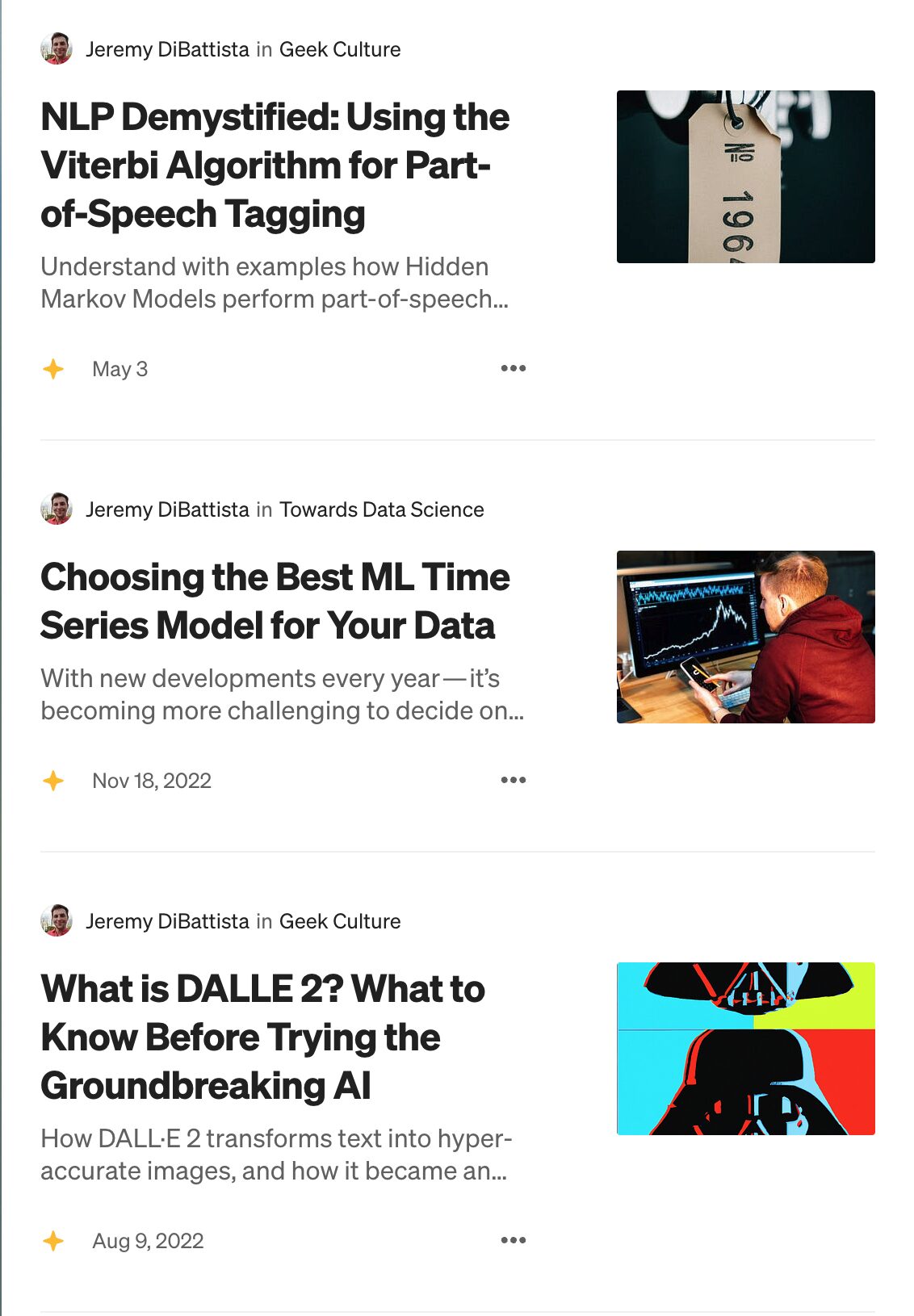
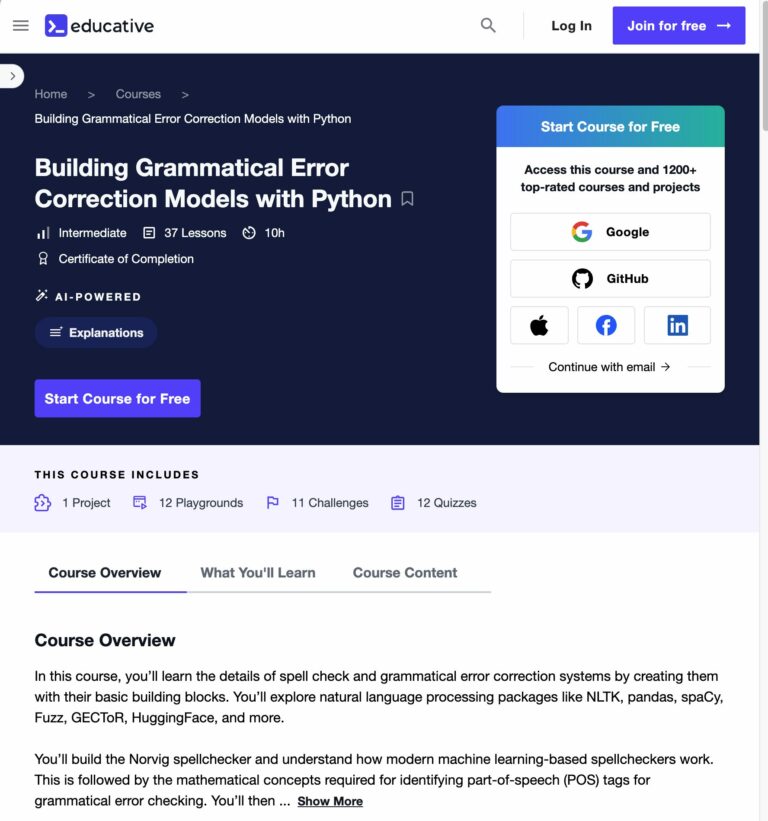
Alongside this, I found myself increasingly drawn to teaching and writing. I started writing tech blogs for platforms like Toward Data Science and Educative, sharing my passion for machine learning, AI, and problem-solving. I also volunteered with local schools to teach young aspiring technologists, hoping to inspire them just as I had been inspired. All these experiences culminated in my first professional course on machine learning, which was aimed at creating tools for spell check and grammar correction—think Grammarly, but from scratch.
In 2023, I decided to seek out a new challenge that allowed me to return to my roots of innovation and deep problem-solving. I joined Bronson, an AI legal technology firm, where we’re working to protect people from health and environmental harm. Our mission is to use technology to expose truths, hold negligent parties accountable, and ensure justice for those who’ve been impacted. It’s an ambitious and meaningful mission that’s pushing me to innovate at the intersection of AI and law.
My Work
I like to tell people that I help bring startups to life. My specialty lies in using cutting-edge technologies like AI, machine learning, and data engineering to create products that solve real-world problems. My role is often that of a builder—a problem-solver who’s willing to roll up their sleeves and create things from scratch. I work with early-stage startups to establish the tech strategy, build the infrastructure, and bring products to market.
What I do isn’t just about writing code. It’s about understanding customers, their pain points, and designing solutions that make their lives better. I’ve been fortunate to work with some incredible teams where we iterate fast, learn from our mistakes, and eventually build products that users love.
What Sets Me Apart
What I believe sets me apart is my adaptability and willingness to learn whatever it takes to get the job done. When you’re working at a startup, you wear many hats. There’s no luxury of focusing on a single area of expertise. I pride myself on being someone who can jump into any area and learn quickly, whether it’s a new tech stack or a completely different industry. Over the years, I’ve taught myself everything from SEO and content marketing to environmental law and pharmaceuticals—all to solve problems and fill knowledge gaps that directly impact the business.
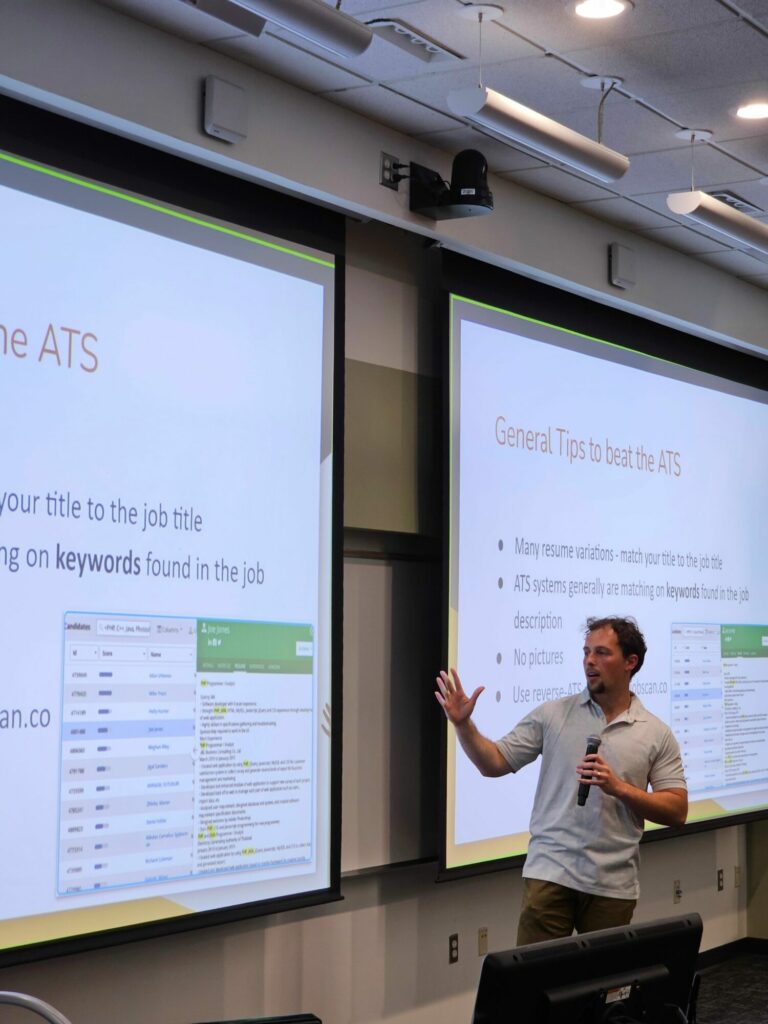
I’m also passionate about teaching. Whether it’s mentoring colleagues, writing educational content, or speaking at local events, I love to pass on what I’ve learned. I believe that helping others grow is just as important as growing myself. This mindset has not only made me a more well-rounded technologist but has also helped expose me to a wide set of people.
What I’m Most Proud Of
One of the things I’m most proud of is being able to take an idea and turn it into something that genuinely impacts people’s lives. Whether it’s improving medical processes, helping publishers scale, or providing legal tools that help people seek justice, I love finding impact in my products.
At Spiny.ai, for example, I’m proud of the technical vision that helped scale our product from serving a few early customers to a trusted solution used by major global publishers. Nothing compares to the feeling of watching something go from an idea on a whiteboard to millions of people using it every day.
What I Want You to Know
At the end of the day, I want potential clients, followers, and partners to know that I’m not just a tech guy. I’m someone who deeply cares about the products I create and the problems I’m solving. I care about understanding the challenges that lead to real impact.
I’ve been fortunate to work in environments that foster creativity, learning, and growth, and I’m always looking for new opportunities to learn, teach, and collaborate. If you’re a technologist or are an equally passionate builder, feel free to reach out and connect with me, I love chatting and gaining new perspectives and experiences. If you want to learn more about me, I love to write on Medium and LinkedIn!
Any advice for managing a team?
Working in startups, it’s (hopefully) always a very tight-knit group. I follow the following formula when I lead teams, products, initiatives, or entire business segments:
1. You cannot do it alone, keep teammates working in their zones of comfort and exploration:
This is relatively straightforward. Everyone wants to succeed at their tasks. You and they have a vested interest in that happening. Therefore rely on them to make those decisions they are more capable of making. As a leader, your job is knocking down barriers of discomfort.
2. People want to be heard:
When initiating a new product discussion or reviewing a completed product, everyone has their expertise, unique points of view, and past experiences. Foster an environment where everyone is encouraged to share their opinion, but where the buck stops at the person in charge of leading the initiative
3. Uphold a standard of excellence:
This is especially true in software development. When you begin to take shortcuts, it makes it okay to continue to do so. Maintaining high standards, while it is not the fastest, saves time in the long run and provides communal pride over the final state of products. When you are forced to use shortcuts, understand their purpose and give them a shelf life.
4. Not everything can be about work:
It sounds obvious, but it can be challenging, especially with remote work. Getting to know those around you is truly the only way you will be in tune with the group’s needs.
We often hear about learning lessons – but just as important is unlearning lessons. Have you ever had to unlearn a lesson?
I have had to unlearn a lot of things, but the lesson I have had to devote focus to unlearning is to stop trying to master everything, and instead focus on a few key differentiators. I think there is a time to try to become a generalist and discover what you truly excel at (high school and early college), but as you grow and develop, I have learned it can sometimes detract your focus from what makes you special.
I always thought of myself as a generalist. In fact, I had a teacher in a parent-teacher conference long-ago call me a “renaissance man” because I seemed to have an understanding of everything. I loved math, technology, science, biology, history, writing, sports, philosophy. You name it, I probably have some understanding of it. I would spend a lot of time learning essentially everything I could with the intuition being I could apply the concepts to new problems. The problem, however, is that you never truly have a deep enough understanding to make a meaningful impact unless you focus. What taught me this is changing jobs from one where we were pretty monogamous in our skill sets, to one where each person on the team stood out in tremendously unique ways. I learned that when this person has perfected their craft for 10 years, you won’t be able to see things on their level unless you dedicate yourself to that subdiscipline. Because of that, I became more focused on my domain of being a leader in AI, so I now am on that level of having truly unique knowledge.
This does not mean I give up all of my universal knowledge, I always take time to understand other disciplines, and I still do hope my cursory knowledge lands me on jeopardy one day. but for the majority of my time, I decided I would no longer waste it beyond a cursory understanding of new things unless I wanted to commit to expertise.
Contact Info:
- Website: https://jeremydibattista.com/
- Linkedin: https://www.linkedin.com/in/jeremy-dibattista/
- Other: Medium: https://medium.com/@jerdibattista