



We recently connected with Jarrod Langwinski and have shared our conversation below.
Hi Jarrod, thanks for joining us today. Do you wish you had started sooner?
Whereas many actors begin their craft in their childhood, I did not take my first acting class until I was almost midway through my college education. My transition to film began even later, when I was 26. In this time, acting has become my unequivocal passion. I often wonder, had I started sooner, how much farther would I be right now? How fundamentally different would my life be?
To best explore this thought I will start from the beginning. I’ve always been a creative child, but my highly introverted nature made my creative pursuits more individualized and isolated. In my youngest years I loved to draw, write, craft, and make homemade movies on VHS tapes. Entering my teens, my creative pursuits became hyper-fixated on stop motion animation, which I would work on constantly for almost 7 years. This continued through High School, where I began to finally make lasting friendships. Leaving my shell more, I participated in the morning announcements with many of my friends. Not only did this bring me confidence, but also the ability to play with the idea of acting. Much of our morning announcements were interspersed with skits and ads for school events and activities and it was here that my creative instincts began to shine. I would write, act, direct, and even edit various clips, but as time went on acting would become my sole role since I was willing to to be vulnerable in ways no one else on the team would.
Going into college and suddenly having to make large decisions about my life, I could not think of anything that made more sense than making my career goal broadcast journalism. I did great work on the morning announcements, I thought, and had very high grades in the journalism class I had taken. My college didn’t have much in this regard, but it was all that I could afford so I settled on a degree in communications. Three semesters in, I was miserable and on the verge of dropping out entirely. I was very alone in everything I did and was given little direction from the paths I was attempting to take. My high school friendships became more distant, my romantic prospects had crashed and burned. Nothing felt right in my life. On a whim, I began taking gen-ed classes in areas that sparked interest based on previous interests of mine. One of those classes was “Basic Acting.” Despite not being a theatre student, the department as a whole was so warm and welcoming to me. I felt like I belonged somewhere. Equally important, I LOVED learning about and performing this craft. I would spend more focus on this class than anything else in my life and was hungry to learn more and more. By the end of the semester I was auditioning into the theatre program and becoming a double major at my college.
Part of my drive came from immense interest, but the other part of it came from the pressure I felt in comparison to others. Everyone I was in classes with had been doing this for at least 5 years longer than me, and had so much more knowledge about the theatre world. I hardly watched any plays growing up, and the acting I did like came from movies and television. How could I possibly catch up in a race that began years ago that I am only now participating in? I worked harder than I’ve worked on anything in my life, often to the detriment of my health, but I succeeded. I graduated with a high GPA, was working with professional theaters coming out of college, and building up my name in the surrounding areas.
By 2020, this momentum came to a halt. Lockdown gave me a chance to rest from my literal nonstop work, but it also gave me a chance to reflect. While processing the highs and lows of the professional theatre industry, the idea of film was ringing in my head. I forgot about how much of a goal of mine it was when I first took that “Basic Acting” class. In 2022 I was able to finally explore this avenue when Eleanor Wells cast me in her film Time in a Bottle. Much like my growth in theatre, I had a lot of catching up to do and have been working hard since to pursue bigger projects, including my first feature film earlier this year. After years of creative shifts, film is seemingly the final stop for me honing in on my career prospects. As much as I love stop motion animation, the time and cost commitment is simply too high. As much as I love doing theatre, I fear it will never be safe enough to return to. That being said, the balance and opportunity that film has provided me has been incredible, and I can’t see myself doing anything else as my primary focus.
Feeling “late” has been a recurring theme in my life, and it’s been at its strongest the past couple of years. I often wonder about what my life would look like had I tried going straight to film instead of spending 7 years of my life in theatre? Or what would it have looked like if I found an acting community in high school instead of college?
There would certainly have been major benefits. For instance, my “youthful” attitude and appearance was one of my primary strengths for casting directors. Finding my stride so late really cut off what could have been many years of capitalizing off of a typecast. Additionally, gaining a stronger foothold and presence before the pandemic began would have meant more job security and understanding if concerns were to be raised. Finally, the lifestyle of networking in acting seems at its strongest in the early 20’s and for film I missed out entirely on that.
With all of these factors considered, it seems impossible to not have regrets. But I actually have very little.
Sure, starting younger would have been a great career benefit, but the emotional development and life skills I gained from living a regular life gave me the emotional intelligence and empathy needed to pursue my craft honestly and maturely. Job security going into the pandemic could have saved me a lot of headache later on, but it also would have very likely made me more complacent in my work and dependent on specific work. Being instead someone who has moreorless “started over” at multiple times in my life, I have become more adaptable to future change. Networking in my early 20’s would have done wonders for my career, but missing out on the incredible and invaluable friendships I made during that time, including with my partner of 9 years, is something I wouldn’t have traded for anything.
And as far as timing goes, I’ve been acting for myself since I was small; so did I really start late?
I’m not a believer in things happening for a reason, but I am a believer in making the most of one’s unique and specific experiences. Maybe I would have been famous had the timeline been different, but I wouldn’t have been me. I prefer me.
As always, we appreciate you sharing your insights and we’ve got a few more questions for you, but before we get to all of that can you take a minute to introduce yourself and give our readers some of your back background and context?
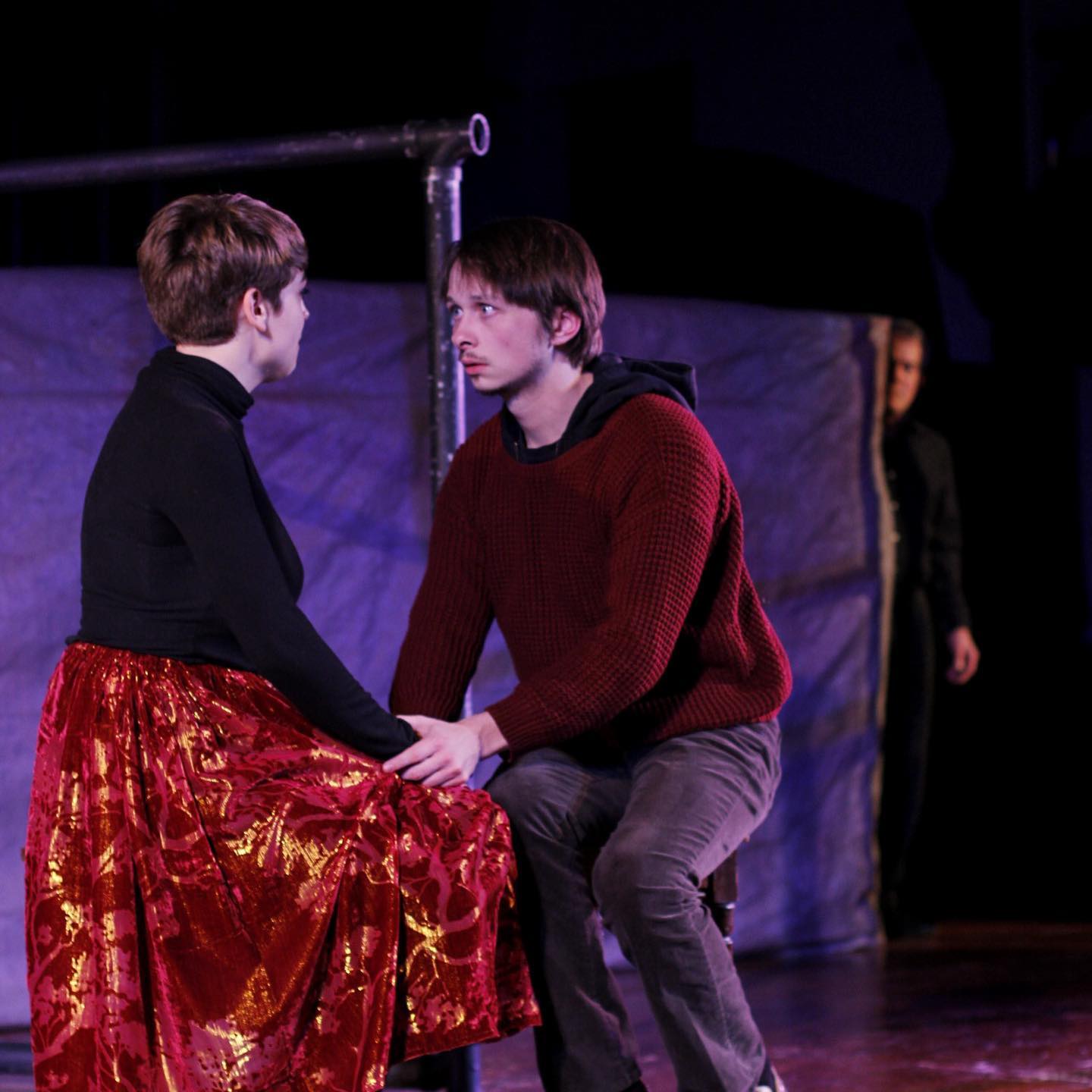
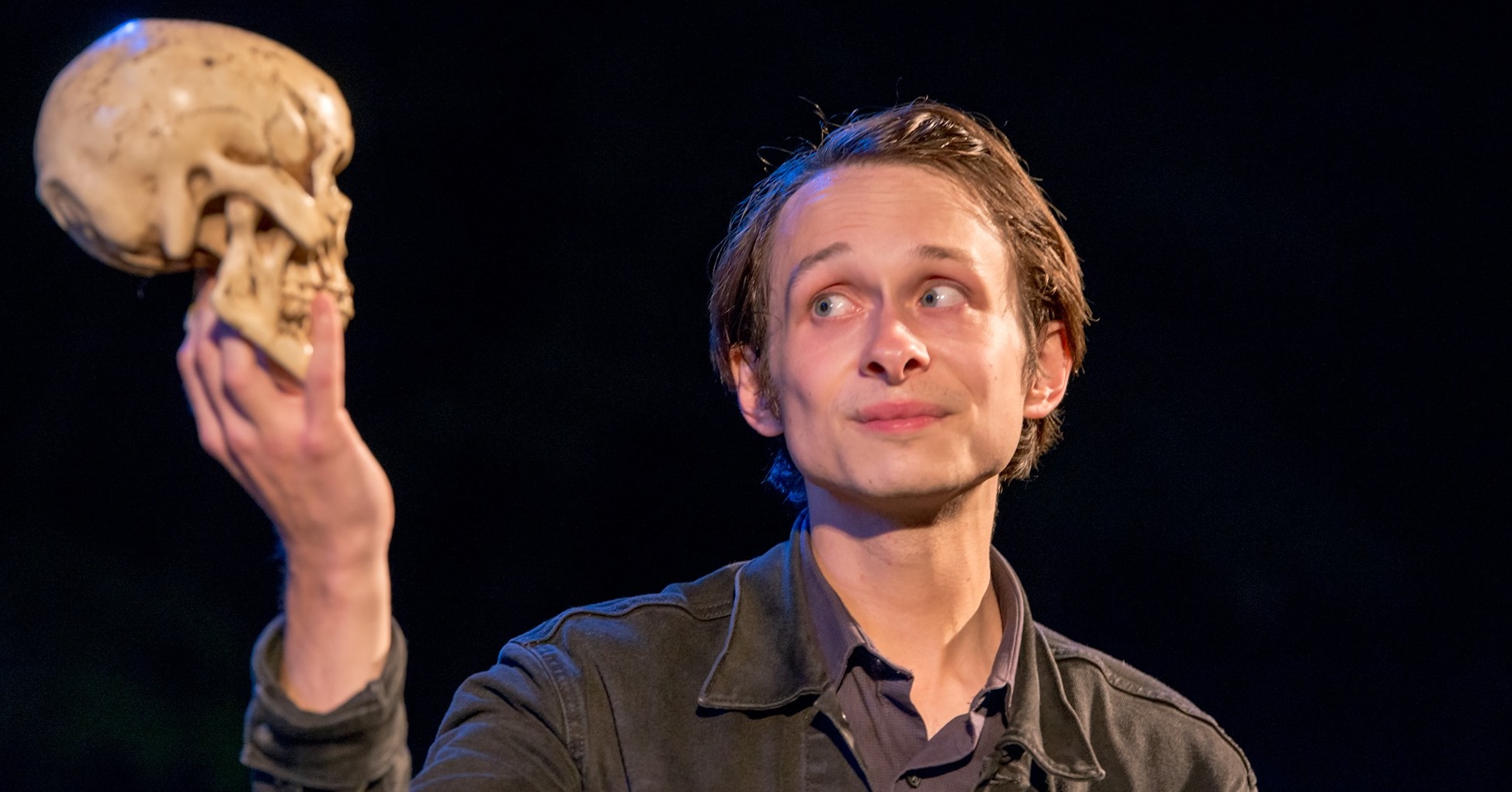
I am an actor based in the Midwest who has been involved with theatre for almost a decade and involved with film for two years. I have performed in numerous professional theaters in the area including Forward Theater, Door Shakespeare, Milwaukee Chamber Theatre, and the Shakespeare Project of Chicago. My first feature film, Creature Fear, is currently in post production with a release planned for 2025. Working on this film has been one of my proudest and most fulfilling experiences on set, rivaled by my last theatrical role, the title role of Hamlet in Door Shakespeare’s 2021 production. I care greatly about doing work with care, nuance, and empathy, and I hope to inspire others with the work that I do.
Do you think there is something that non-creatives might struggle to understand about your journey as a creative? Maybe you can shed some light?
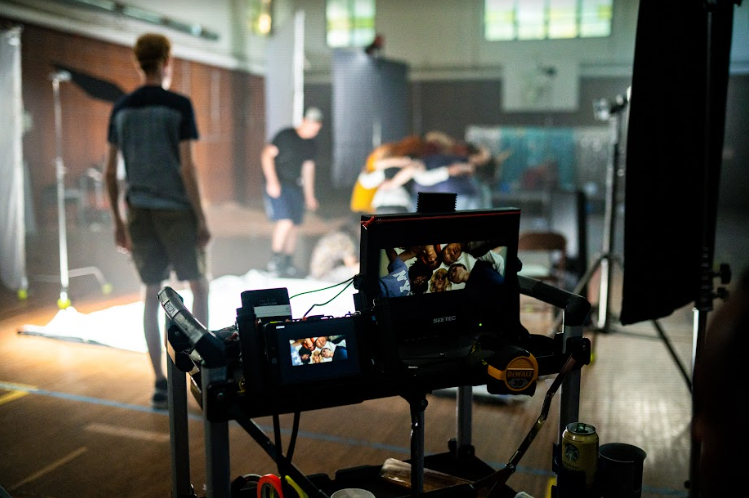
I think that people severely misunderstand the amount of work that goes into what we do. If I am working on and getting paid for 2 weeks of acting work on set, it means I am doing three months of unpaid work before coming to set. It means that I am spending my lunch breaks at my regular job reviewing lines; it means that I am getting home from work and researching for the role – studying body language, accent, socio-political context, etc; it means that I am working on auditions for the work following those two weeks. And that’s just on the acting side. The time and financial commitment each induvial member on set provides is nowhere near the pay and appreciation they deserve. When people don’t understand that (as is the case with many jobs), they are far more likely to assume, judge, and treat people with malice. A hyper-individualized society such as this one continually creates situations in which people are in such a rush and so burnt out that they treat their immediate assumptions and fears as facts. Even within the world of theatre, there is a stark difference between actors who have spent time working crew positions vs actors who have exclusively acted. The later can be some of the most self-centered people you’d ever meet. The former are some of the warmest hearts and kindest souls I have ever met.
In your view, what can society to do to best support artists, creatives and a thriving creative ecosystem?
The short answer? Either pay them or create a world that doesn’t require money to be the primary object.
The majority of artists make NEGATIVE money on their craft. I have had numerous gigs where the gas costs alone were more than what I was paid. The amount of money artists spend on supplies, education, supporting one another, etc is unsustainable compared to what people pay them. The stereotypical actor in Hollywood is a percentage of a percentage when it comes to success odds. Free is one thing- people will do what they love for free. But losing money on top of that is why so many artists leave their craft. It’s why so much of our media consumption is so lifeless. All of the people who love and care about their craft are pushed aside in favor of rushed deadlines and “financially safe” choices made by executives who are completely disconnected from the common person. NFT’s an A.I are such great examples of soulless, lifeless art made solely for cheap and quick profit for people who care more about the act of consuming than what they consume.
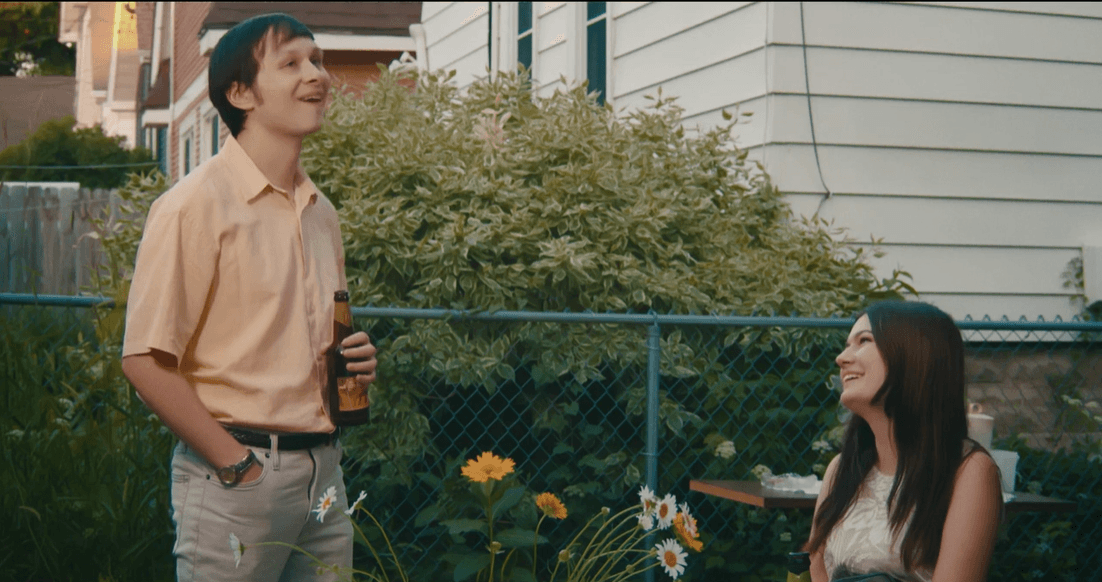
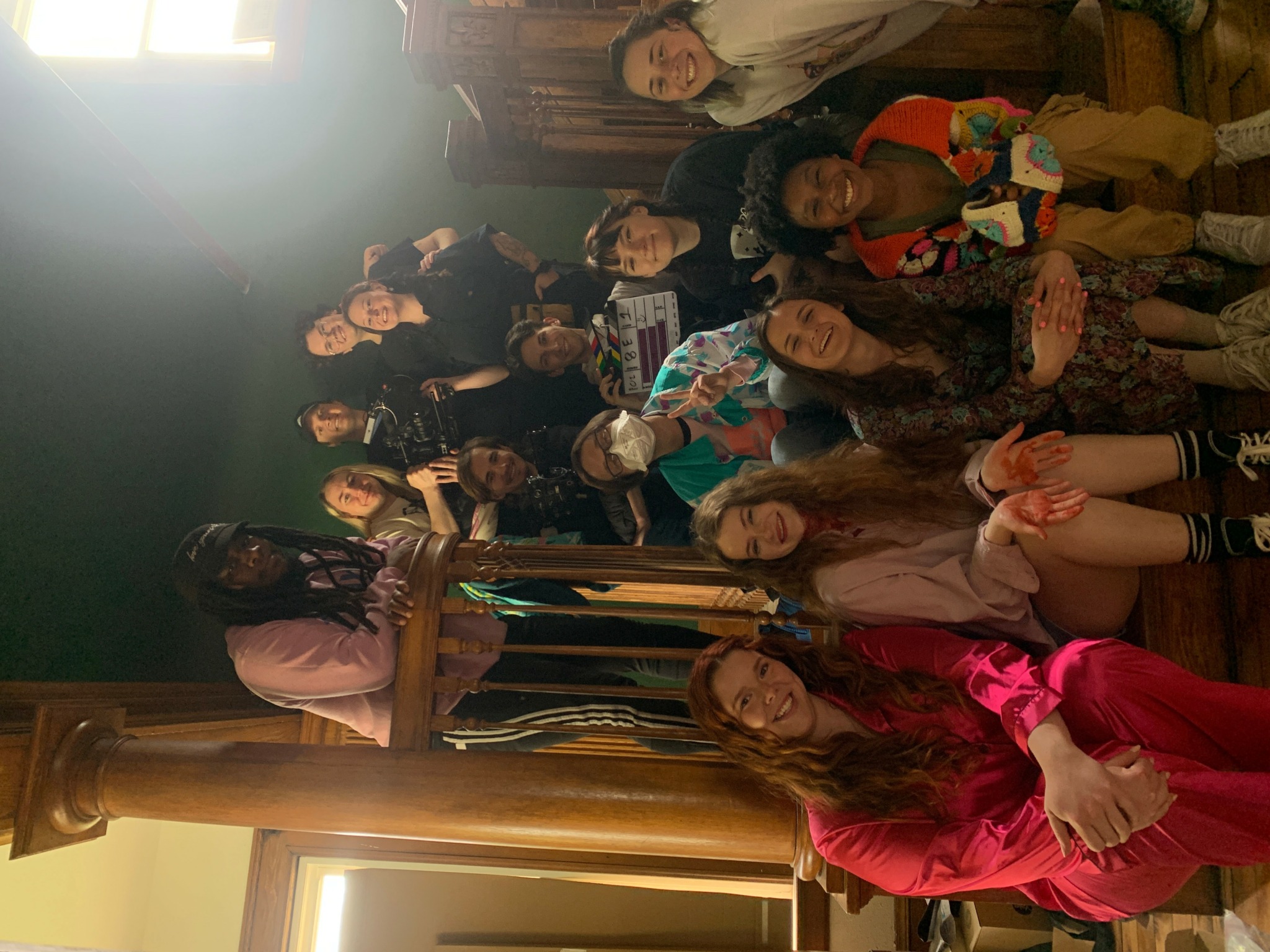
Image Credits
Door Shakespeare, Jaimelyn Gray, Storyiseverything, Veda Selin, www.heidihodges.com, peachteaphotography