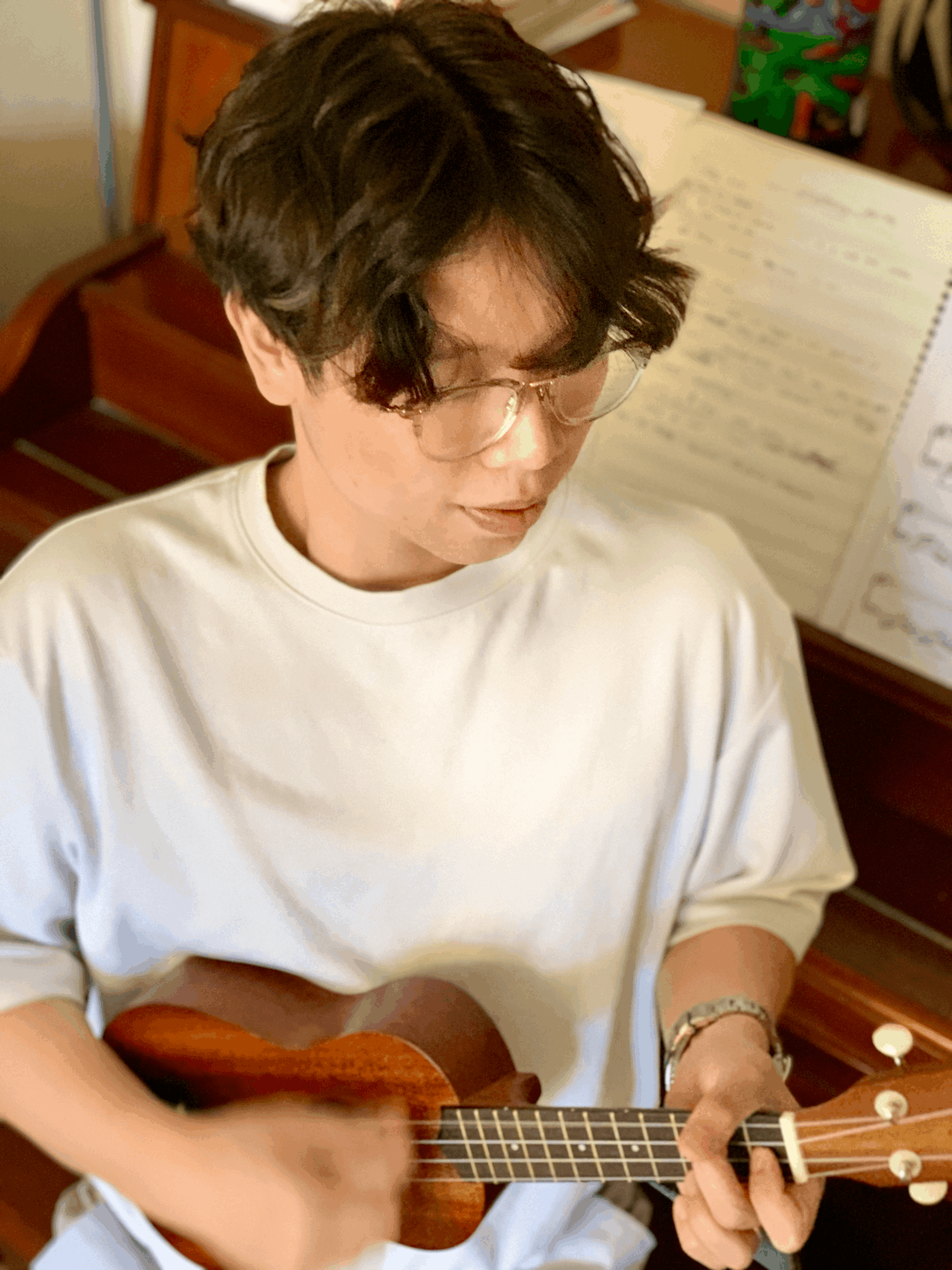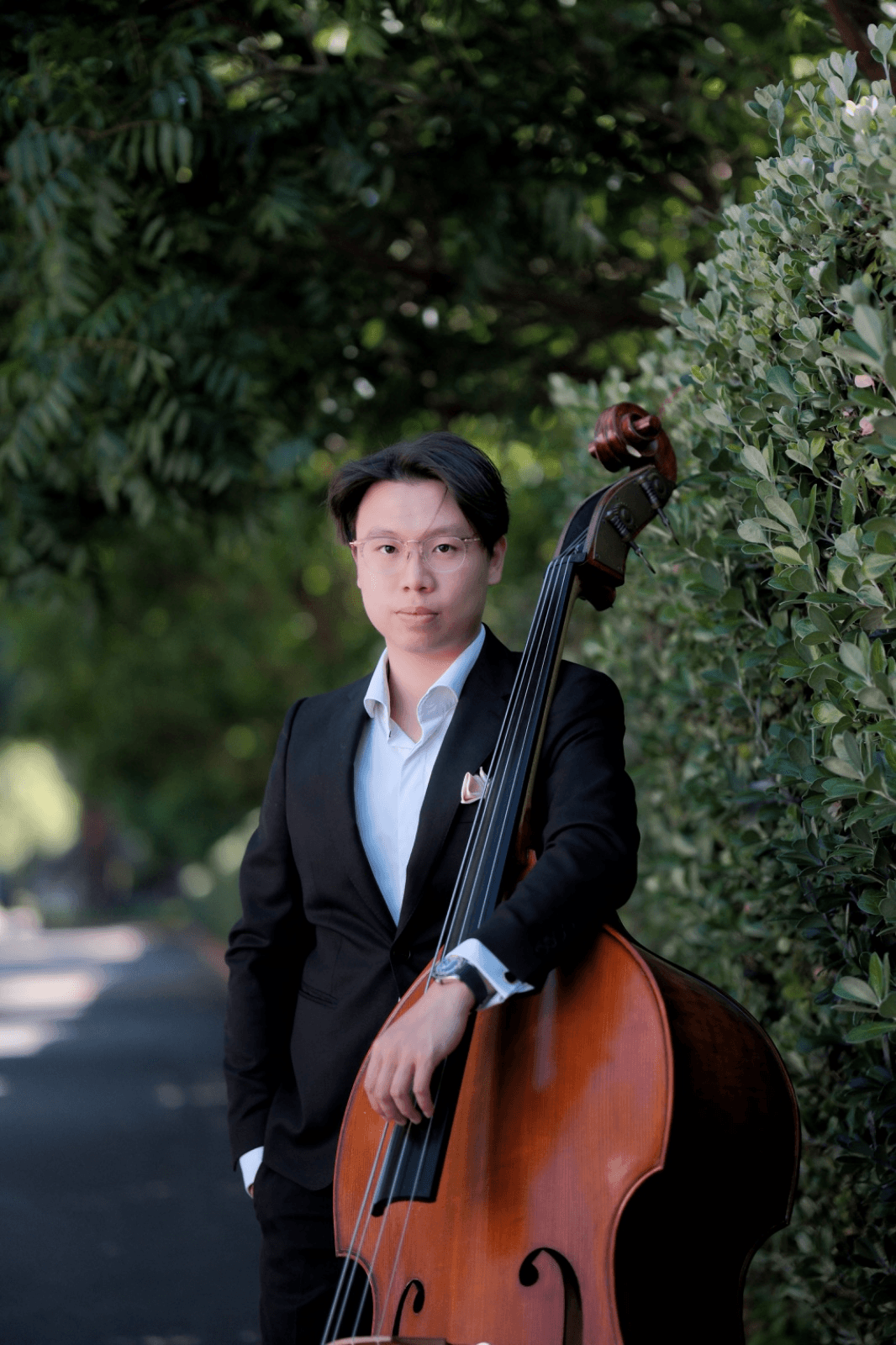

We were lucky to catch up with Austin Ching recently and have shared our conversation below.
Hi Austin , thanks for joining us today. I’m sure there have been days where the challenges of being an artist or creative force you to think about what it would be like to just have a regular job. When’s the last time you felt that way? Did you have any insights from the experience?
As a general music educator working with children from ages 1 to 13 and a graduate student in music education, researching the well-being of musicians, college music students, and teachers, I’ve found great fulfillment in my work’s artistic and creative aspects. However, there have certainly been times when I’ve wondered what having a more conventional “regular” job would be like. But here begs the question, “What is a regular job?”
The last time I seriously contemplated this was about a year ago, during a particularly demanding period when I was juggling multiple responsibilities. In addition to my teaching duties with young children, I was also deeply immersed in research for my project, which focused on exploring strategies to support the mental health and overall wellness of musicians and music educators.
The workload felt relentless as I finalized lesson plans, maintained a practice schedule, and analyzed research data. Despite having such responsibilities, I thoroughly enjoyed both the process and the outcome of these assignments.
It was hard for me to imagine the stability and predictability of a more “conventional career” as nothing lasts forever, moreover, having “the best” career path. So far, each decision of my career path has surely filled with thorough planning, disappointments, surprises, and resistance—just as any path that leads to the future. It is the deep fulfillment I felt in sharing my passion for music with young children, the intellectual stimulation of scholarly inquiry, and the opportunity to positively impact the lives of fellow musicians and educators—while being one of them.
Ultimately, I came to the conclusion that, despite the challenges, I am indeed happier as an artist and creative. The flexibility, autonomy, and opportunities for growth and self-expression in my current role are something not everyone is capable of. I still have moments when I feel exhausted or envious of a more straightforward career path, but I’ve learned to embrace the unique rewards and fulfillment that come with my multifaceted role as a musician, music educator, and researcher.
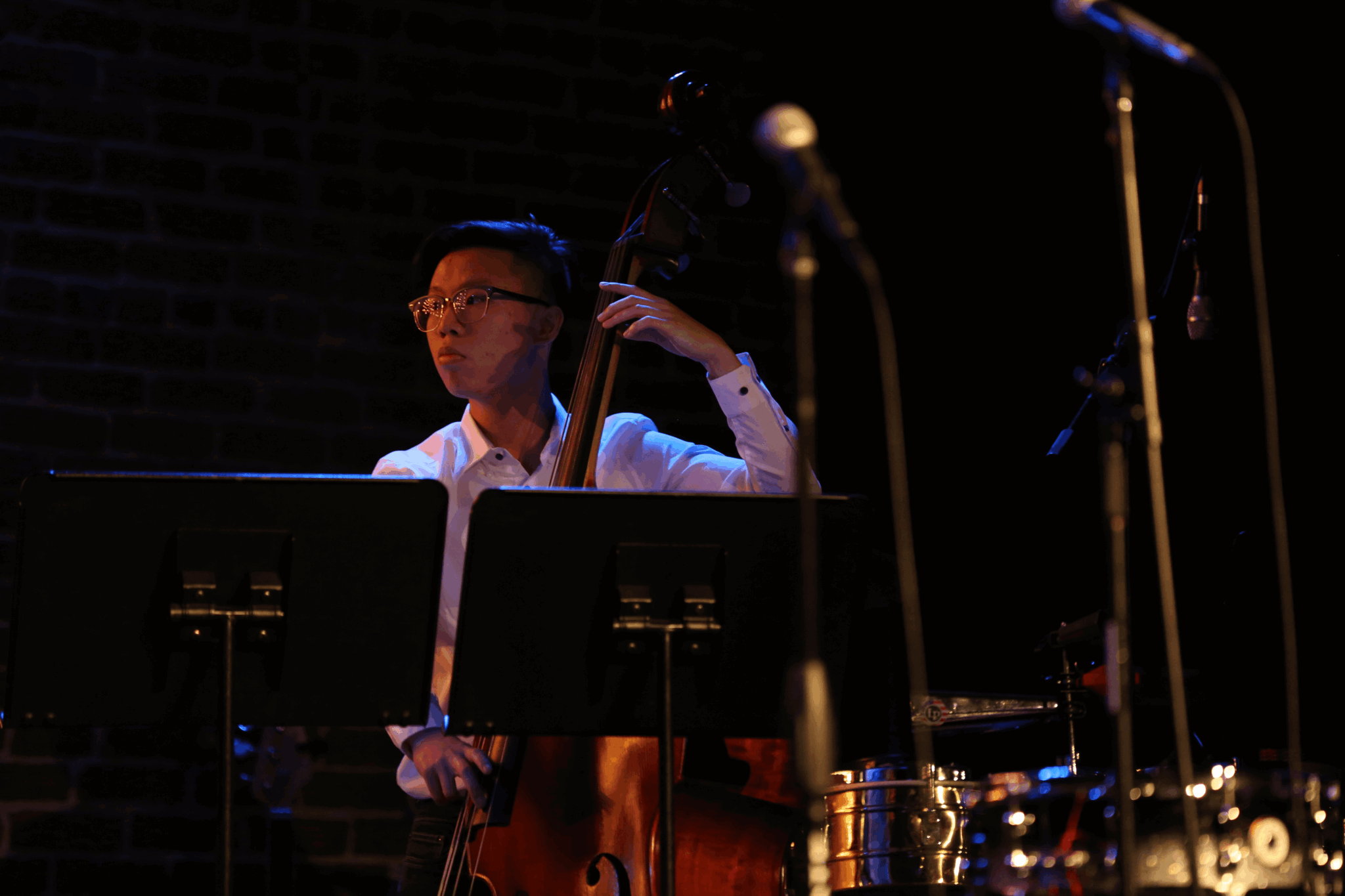
As always, we appreciate you sharing your insights and we’ve got a few more questions for you, but before we get to all of that can you take a minute to introduce yourself and give our readers some of your back background and context?
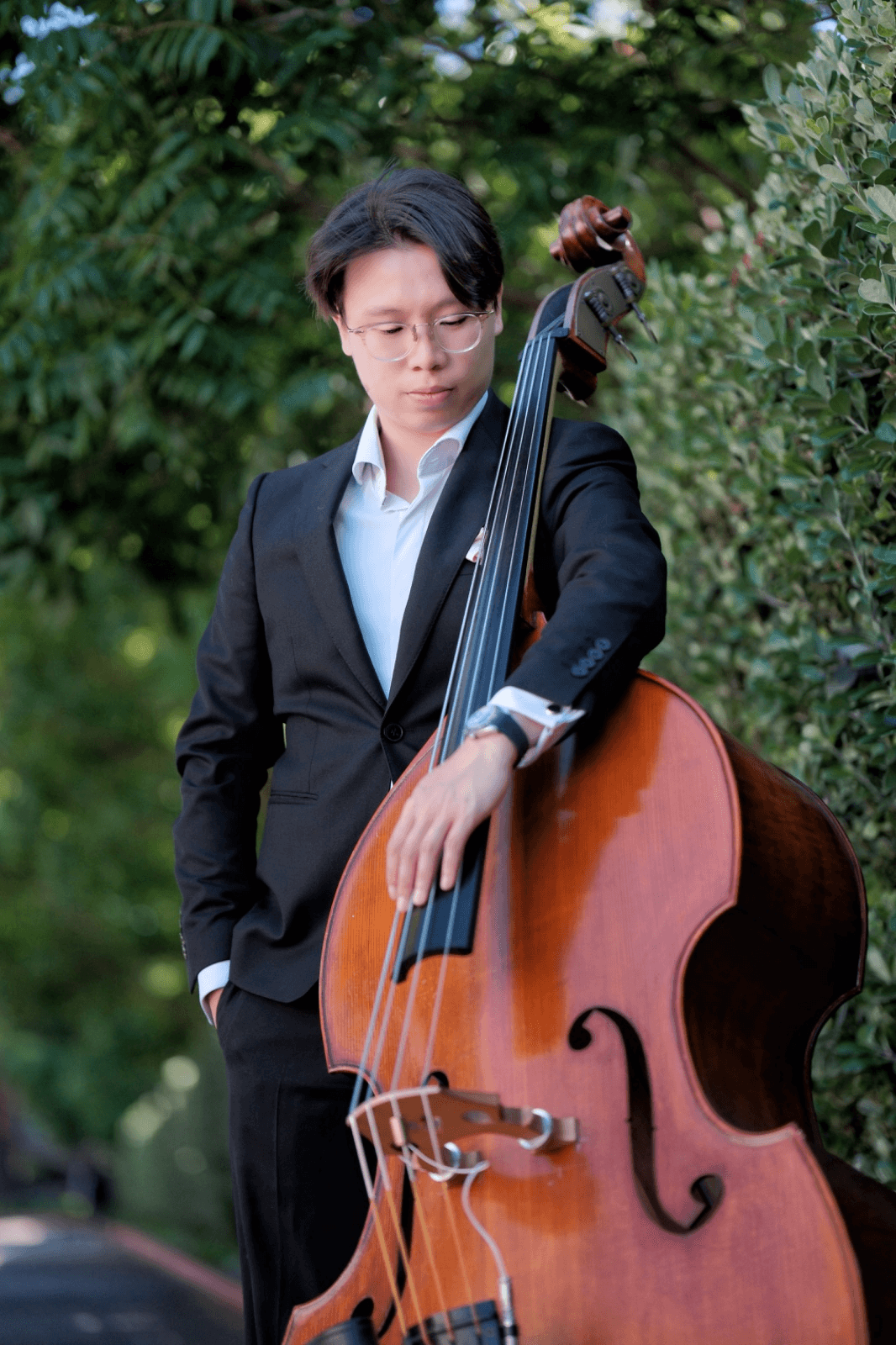
I was born and raised in Hong Kong, where I spent the first 18 years of my life. At the age of 6, I picked up my first instrument, the trumpet. A year later, I joined the school wind band and have continued playing in orchestras and symphonic bands since then. As a young trumpet player, I was always eager to explore music beyond the classical canon. One day, I picked up an album, Tutu, by Miles Davis. However, I wasn’t drawn to Miles initially. The bassline in “Tutu,” played by Marcus Miller, got my attention. Shortly after, I decided to make a switch to the bass guitar.
After a few years of frequent practice and studying, I was lucky enough to be awarded a scholarship by the Los Angeles College of Music. I was honored to be able to study with Tim Landers, Steve Billman, Mitch Forman, Jerry Watts, Mike Gurrola, Ralph Humphrey, and many more influential heroes of my life. I graduated as the Valedictorian of the class of 2020, eager to enter the industry. But then, Covid hit.
Despite the unexpected pause in my musical career maturing, it allowed me to practice relentlessly and even land a few recording gigs. A year later, I decided to move from Los Angeles to San Jose to pursue a master’s degree in Music Education.
Before then, I had never imagined myself involved in academia. I was appointed as the assistant director of the San Jose State University String Project Chapter, where we provide string lessons to underprivileged students in the San Jose area. I have been teaching private bass lessons since the age of 18; however, I have never been involved in teaching group music lessons. I went from having no experience at all to slowly gaining experience. Not long after, I found myself truly enjoying offering music education in a group format.
Furthermore, many of my professors intellectually inspired me, opening multiple pathways to thinking about music. I was deeply drawn into the rigorous process of generating knowledge in music. I have decided to pursue an ambitious project to improve the psychological well-being of college music students.
Fast forward to now, I have graduated with my master’s and am looking to pursue a doctorate degree in music education in the near future.
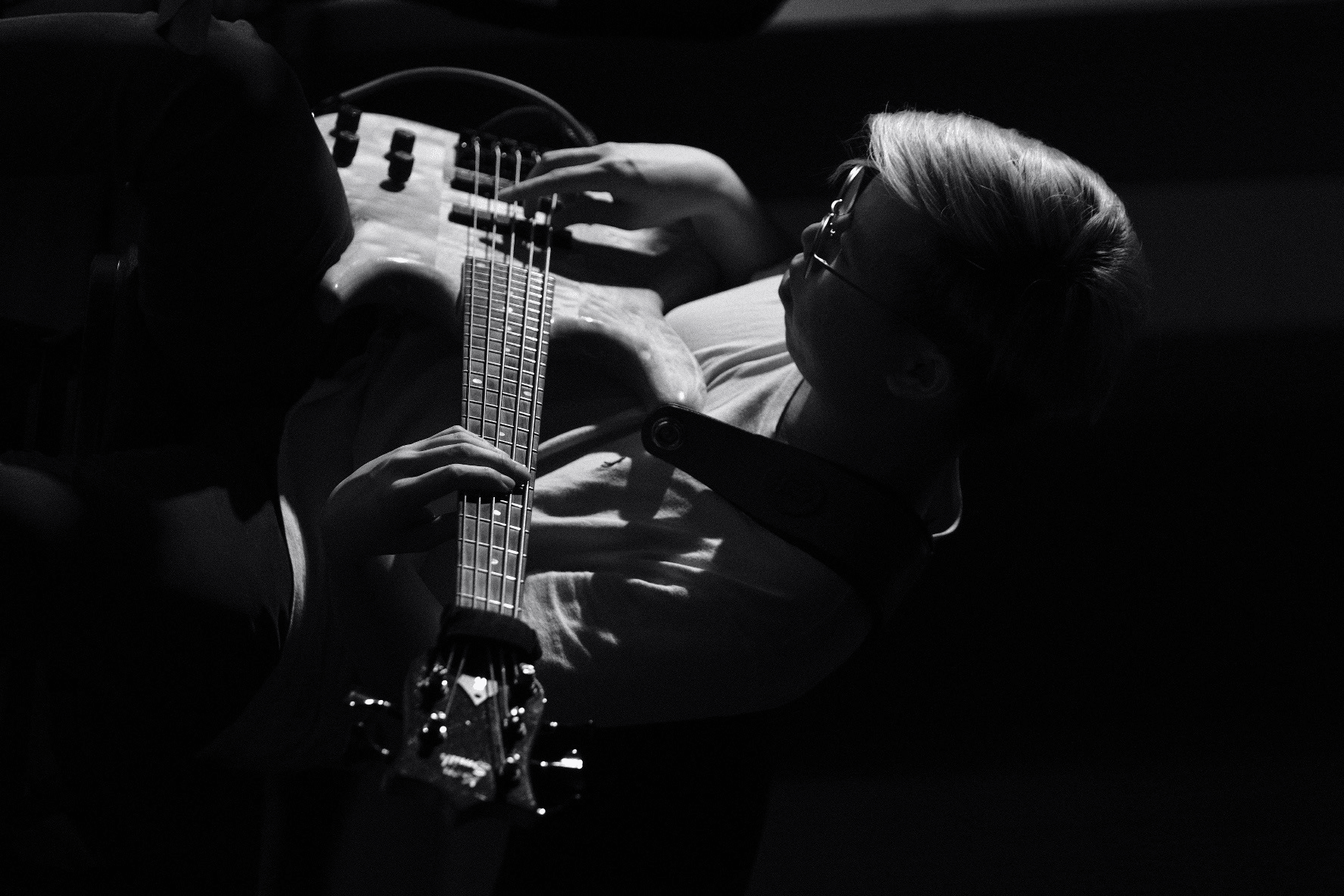
For you, what’s the most rewarding aspect of being a creative?
Without a doubt, it is the ability to inspire people around you despite not knowing how much of an impact you may make on them. It could be a minimal decision change or simply simply impacting someone else emotionally. It is an idiosyncratic experience.
Is there something you think non-creatives will struggle to understand about your journey as a creative? Maybe you can provide some insight – you never know who might benefit from the enlightenment.
That is why we claimed to be underpaid in certain scenarios. Often, we are measured by our performance rather than our process. A 10-minute performance may require learning, arranging, and memorizing the song, just as a research paper requires the development of a thesis, hypothesis, literature review, data collection, and more. The preparation is where part of the craftmanship is honed. The outcome is just a small part of what have to be done for us to deliver the end product.