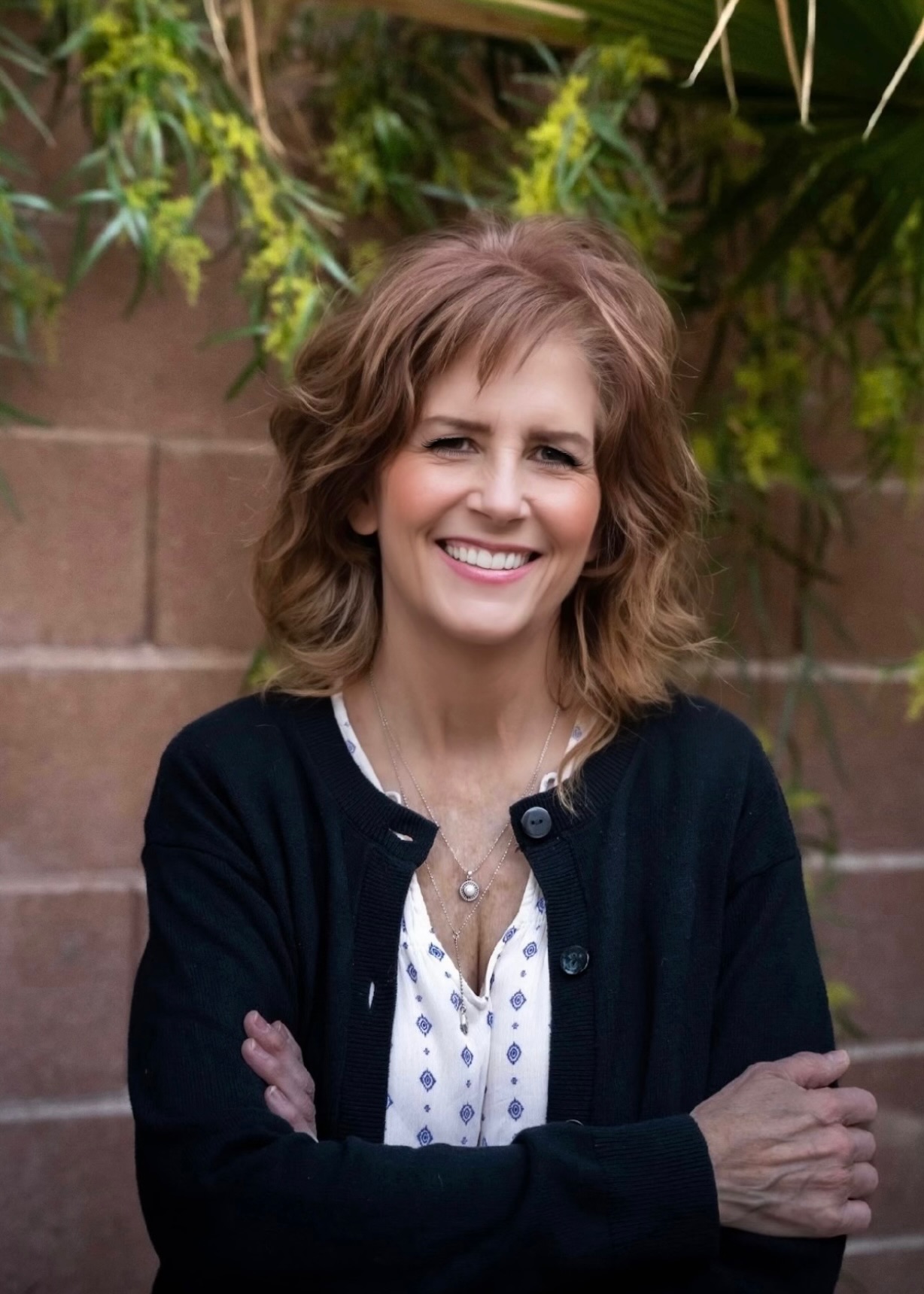

We recently connected with Constance Ford and have shared our conversation below.
Constance, thanks for joining us, excited to have you contributing your stories and insights. Before we get into specifics, let’s talk about success more generally. What do you think it takes to be successful?
I think as creatives many of us struggle to feel successful in our twenty-first century world that constantly presents us with curated versions of other people’s lives and careers via social media (and other media). In honesty, the people I relate most to are those who are willing to be vulnerable about the less than perfect aspects of their lives, those who’ve struggled through a perceived failure or who’ve worked hard to keep going through a difficult time.
As a writer, I admire people who win awards and get great publishing contracts, and I want to achieve more than l already have in that area. But more so, I admire people who stick to their own convictions, speak truth when it isn’t convenient to do so, find something to enjoy in the small moments of everyday life, and who remember that the present moment is all we really have.
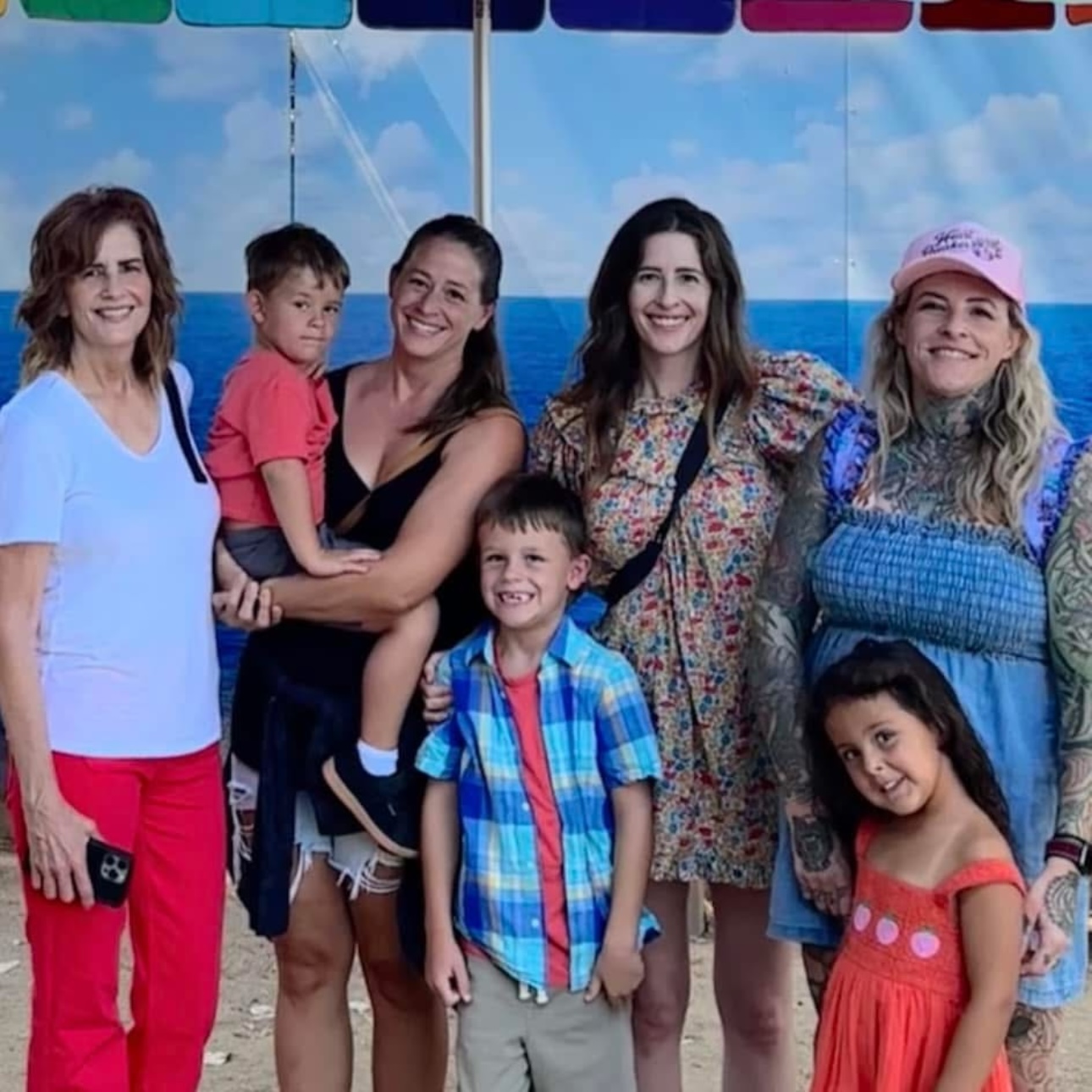
I also admire resilience and hard work. My own daughters — one a tattoo artist, one a screenwriter and evidential psychic medium, and one on her way to becoming a school psychologist — have demonstrated these traits under remarkably difficult circumstances.
One of the greatest success stories I’ve heard is a woman I know who is a “Peer Specialist.” In her business, she charges a suggested amount per hour for her services–whatever the client herself earns per hour. At the low end, she accepts as little as $5 for an hour of compassionate listening and connection. What a bold and ethical way to live her life and conduct her business! This has been her choice, and she’s willing to live in a modest way to stick by her principles.
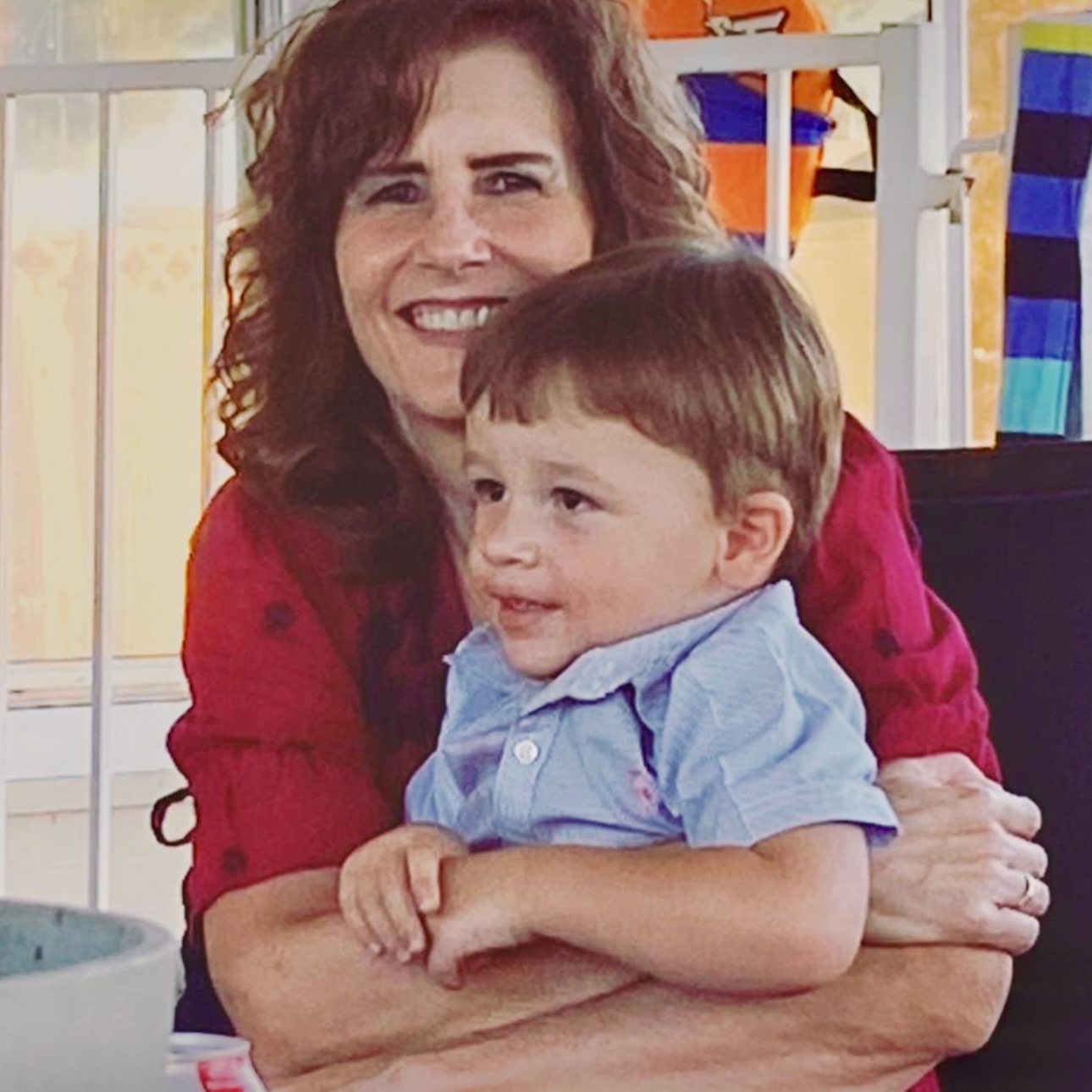
Last year, my oldest grandson came running out from his kindergarten class on the last day of school and shouted happily, “I met my own goals!” Earlier in the year, his teacher had helped each student set goals for themselves, and he was so thrilled to have met and surpassed them. He had no conception of comparison with his classmates, only the joy of knowing he’d done what he himself set out to do.
Ultimately, the courage to do what we believe is right, to follow our own convictions, to spend our time (as much as possible) doing what we love, to step outside of the box when needed to accomplish something that matters to us–these seem to me to be the definition of success I want to live by.
Constance, love having you share your insights with us. Before we ask you more questions, maybe you can take a moment to introduce yourself to our readers who might have missed our earlier conversations?
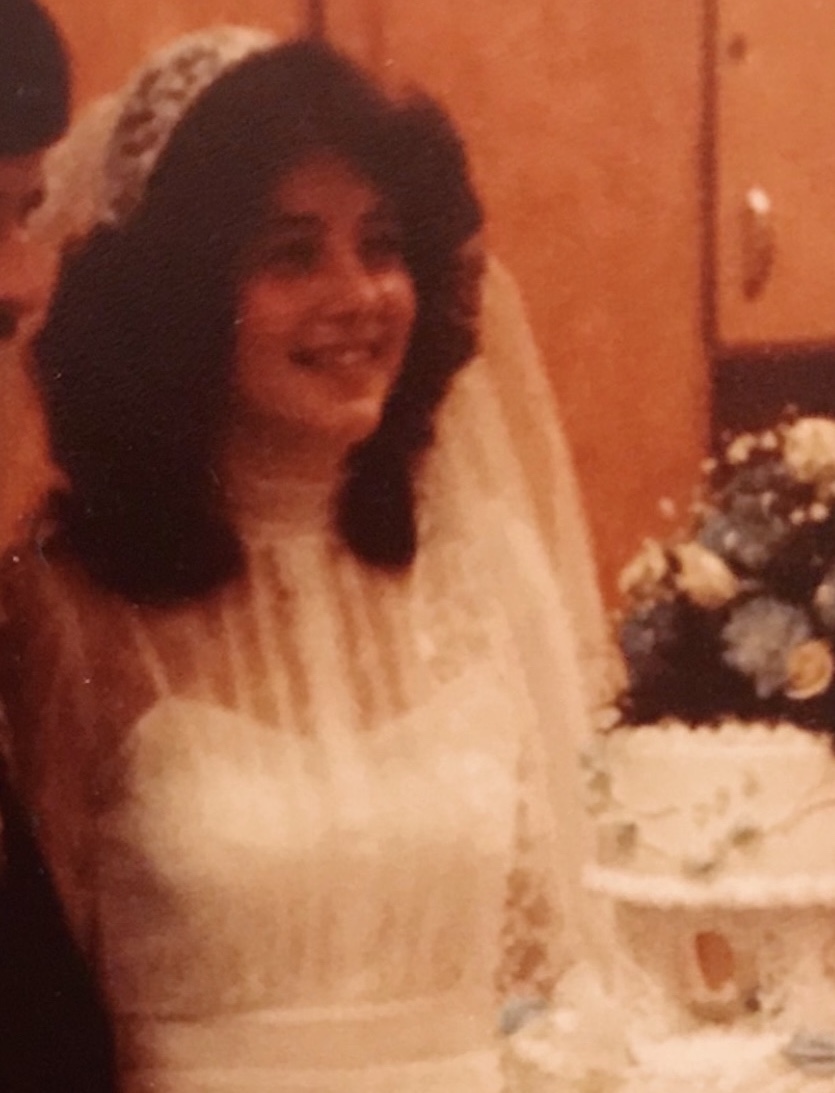
I write both fiction and creative nonfiction and one of my successes so far has been connecting with readers through the serialized memoir I wrote on Substack this last year about getting up the courage to leave my repressive Evangelical marriage. I married very young, as I had been raised to do, but as the years passed and I became miserable and ill (one doctor thought I had a brain tumor) I couldn’t admit that my severe emotional and physical distress was a result of my relationship with my controlling, abusive husband and the religion that reinforced his belief that I must submit to him, no matter what. Divorce seemed such an anathema to me, so wrong, that I couldn’t admit the possibility of that into my conscious mind. When I finally did, with the help of a therapist, and got up the courage to leave with my three daughters, l moved away from my extended family and the small town in which I’d lived since birth, and had to reinvent
my life and belief systems from the ground up. This was both freeing, healing, and challenging, to say the least. My life will forever be divided into the “before and after” of that time and because of that I understand the necessity of looking at your life honestly and being willing to step out of your comfort zone in big ways to improve it.
Transformation–shedding old skins to make room for new life emerging–is key to living a fulfilling life. Some of my readers have emailed me to say they are struggling to take the leap of changing their own lives, and I’m glad to support them in this all important endeavor. Continuing to learn and grow throughout life is what separates humans who are genuinely living from the walking dead, as dramatic as that sounds. Change can be frightening as well as exciting, but I absolutely believe it is often necessary for us to become our best, most individual and unique selves.
Can you tell us about a time you’ve had to pivot?
I remember telling a friend once that I felt like I had lived my life backwards. At age twenty-six, I had three little girls, was a full time mom, and had never had a job except working in the cornfields of Idaho and a summer job working in an ice cream shop. I lived with my husband in southern Idaho and was too scared to drive my car to Boise, twenty miles east of the small town where we lived.
By the time I was in my late thirties, I had left my husband, my religion, and my entire extended family and was a single mom in grad school finally learning to navigate the world on my own terms. While many young people “sow their wild oats” in high school or college, I had been a virgin when I married at twenty and never tasted alcohol until age thirty-eight. By age 41, I had moved my daughters to Las Vegas (a wild experience for a woman who’d grown up in a strict Evangelical home) and with the support of a fellowship at UNLV, earned my PhD in English, with a creative dissertation (a novel).
Now I live in Los Angeles, drive on the busiest freeways in the US, am a writer and teach writing at Cal State. My adult life has been built on the necessity to pivot in large ways. The willingness to take on the struggle to do that has made me the person I am today–far from perfect, but with a vastly enlarged world compared to the one I grew up in.
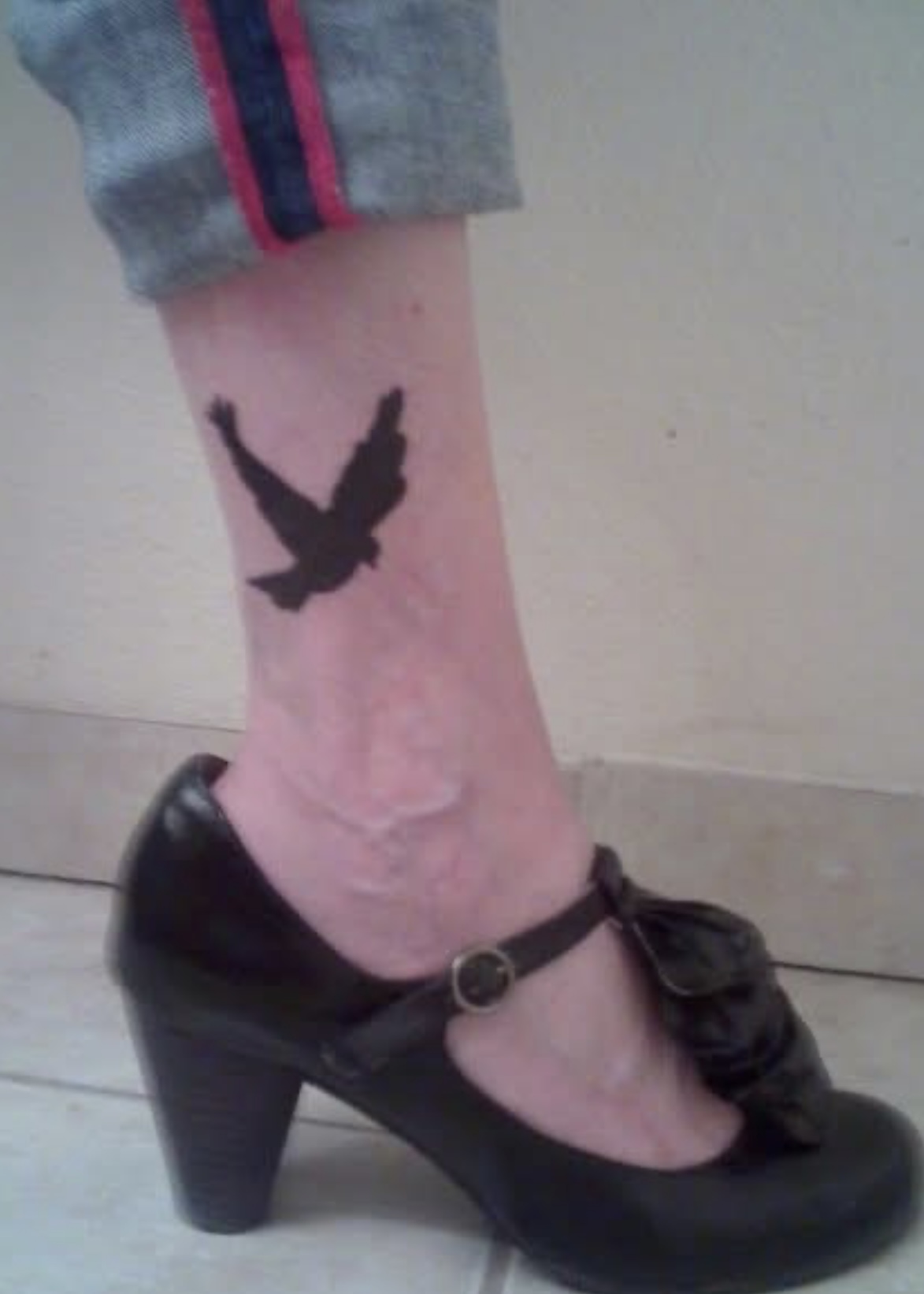
One of the defining moments of my life was when my daughter, who as a young woman in college decided she wanted to be a tattoo artist, finally achieved her goal. I’d had to readjust my thinking a great deal from my Evangelical roots to accept and encourage Amy in this direction, but I wanted my daughters to feel free to be themselves in a way I had not. I did my best to support her and when she was ready, I became her first client. The “bird in flight” she tattooed onto my ankle represents my own enlightenment and liberation, and the knowledge that each of us deserves to be our truest selves. I love my tattoo and all it represents for me.
Is there mission driving your creative journey?
One of my continuing great struggles as I live my life is to learn to not be a people-pleaser. My strong tendency to think of connection with others as more important than being authentic is a result of being female in a culture that teaches us that idea, but also from my background with the Evangelical church. I was inundated for all of my formative years by the idea that I was born sinful and bad and that the goal was to “die to myself” and to serve others. Advocating for myself was not a mindset I was taught; I was taught that the consequences for being sinful and selfish (caring for myself first) would ultimately land me for eternity in a lake of burning fire. Back then, this did not seem hyperbole or in any way false to me. This idea was taught as fact, and I had no outside influences to tell me any differently. We went to church at least three times a week. I attended a private fundamentalist high school and an evangelical college. Everyone I knew was a Nazarene (the church I grew up in) and until I finally left it, I didn’t have the language or mindset to understand that there were other ways to think about life and individuality. I am currently revising a novel that at its core is about a seventeen-year-old girl who is trapped in an old house out by the Snake River. It’s a challenging novel to write, and it took me a while to realize that l was writing about myself. In one of his essays, Slavoj Zizek wrote “we only feel free because we lack the very language to articulate our unfreedom.” When I was growing up, l didn’t know I wasn’t free, but once I escaped that life, just exactly how trapped I had been became very clear.
As a young girl I was taught to be silent in the church and to be submissive to my parents and later my husband. My goal with my creative journey is to allow myself to have a voice and to encourage others to be their authentic selves as well and to not be afraid to say the truth, even when others want to keep those truths quiet.
We’ve recently had such a terrific public example of this as many of us observed Bishop Budde, the Episcopal Bishop of Washington, speaking her ideas about how people should be treated to Donald Trump. At great potential personal cost to herself, she was willing to say the truth she believes, that all people should be treated with mercy, kindness, and dignity. This brilliant and bold act of resistance has echoed around the world in an inspiring way, and although most of us will not have an opportunity to speak directly to the President of the US, we each have chances every day to learn to know ourselves better and to express our true convictions to others. Rebecca Solnit wrote, “the ability to tell your own story, in words or images, is already a victory, already a revolt.” We all have voices and can use them, and l hope to keep doing that myself in ways that make the world a better place and to encourage others to do the same.
Contact Info:
- Instagram: https://instagram.com/constance.ford07
- Facebook: https://facebook.com/constance.ford1
- Other: https://constanceford.substack.com/