



We recently connected with Roger Baldacci and have shared our conversation below.
Roger, appreciate you joining us today. Let’s start big picture – what are some of biggest trends you are seeing in your industry?
When I started as a junior writer in advertising, the landscape was simple: TV, radio, and print. The big challenge back then? Convincing clients to buy a spread ad. Today, the landscape is fractured, with countless ways to reach consumers—like confetti in the wind.
Short-form video content dominates. Clients now prioritize social videos over traditional TV spots. Influencer marketing is huge, with figures like Olivia Dunne leveraging millions of followers on Instagram and TikTok to generate revenue through ads and brand deals.
AI is also shaking things up. It’s polarizing—some fear it’s replacing human creativity, while others embrace it as a tool to enhance the work. Personally, I’m on the “good side” of AI (just in case it becomes self-aware). I’ve even written and produced a Nike spec spot using AI imagery, proving it can be a powerful creative ally.
Purpose-driven marketing is another major trend. Brands are striving to appear authentic and socially responsible because consumers demand it now more than ever.
Roger, before we move on to more of these sorts of questions, can you take some time to bring our readers up to speed on you and what you do?
A wildebeest calf must stand and run for its life within hours of being born—a fitting metaphor for my birth into advertising. My first real advertising job came from an ADWEEK ad seeking a full-time copywriter on Cape Cod. During the interview, I was asked to write a three-spot radio campaign for a client. I landed the job, found an apartment, and moved from Boston—only to be laid off a week later. When I asked about severance, I was told it was a freelance position. After filing for unemployment and winning a hearing against the agency’s challenge, I learned a valuable lesson about the unpredictability and coldness of this industry—one that would resurface as a bookend later in my career.
Undeterred, I worked on my portfolio, seeking feedback wherever I could. One creative director gave me brutally honest advice, which pushed me to improve. Mullen showed interest but hesitated to hire someone so green, so I pulled a few stunts to stand out and earned the job. From there, I followed a simple formula: outwork everyone. I was the first in, the last to leave, and willing to grind.
That mindset prepared me for every step that followed. I took on the Converse basketball account at Houston Herstek Favat—daunting for a short guy who never played basketball. I fought for opportunities, eventually winning awards. I jumped to a startup in Boston, then to Fallon in Minneapolis, where I worked alongside my heroes under Chief Creative Officer David Lubars. For family reasons, I returned to Boston to run the Truth campaign at Arnold Worldwide, where I rose to VP Executive Creative Director—before being laid off in favor of a cheaper replacement. I wrote about that experience here: https://medium.com/@rogerbaldacci/letting-go-when-youve-been-let-go-251f99f8dfe
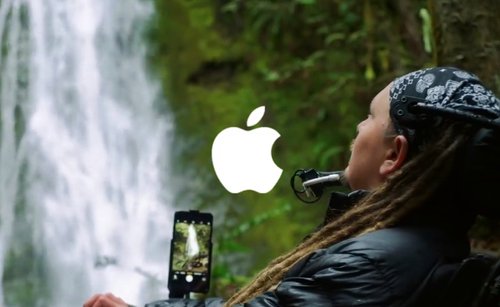
Since then, I’ve embraced freelancing and haven’t looked back. I’ve had the privilege of working on iconic brands like Apple, and just before the pandemic, I co-founded Strange Animal with senior creative friends. Our model is simple: Big Agency Thinking without the Big Agency. With years of big-agency leadership under our belts, we solve problems quickly and efficiently. And because we don’t have in-house cafes or foosball tables, we’re more affordable, too.
Let’s talk about resilience next – do you have a story you can share with us?
As I mentioned in my origin story, resilience is essential to surviving in advertising. My personal mantra—Hungry, Hardworking, Humble—defines how I approach the work. This story illustrates it.
At Fallon, the art director next to me, Steve Sage, had a creative brief on his desk to launch BMW’s new all-wheel drive. He was supposed to work on it with the legendary CD, Bruce Bilsten. Curious, I photocopied the brief and started brainstorming with Steve. When Bruce stopped by and “caught us,” Steve panicked. But Bruce shrugged and said, “No, it’s fine. You take it. I’m too busy anyway.” And just like that, by being hungry, I landed a sweet BMW assignment.
After producing several standout print ads (yes, print), we narrowed it down to three and presented them to the client. They chose our recommendation. But after production began, we discovered Nissan had already done the same concept. Sheepishly, we returned with our backups. That’s when the client threw a curveball: “Actually, BMWs aren’t known for traction. We want to show a tire in the snow.”
I was briefly deflated but quickly determined. We created an ad that met their mandate while still winning awards. Hungry. Hardworking. Humble. It works.
Is there something you think non-creatives will struggle to understand about your journey as a creative? Maybe you can provide some insight – you never know who might benefit from the enlightenment.
One of the biggest challenges in advertising is the fusion of business and creativity—left brain versus right brain. Ideally, CMOs would be creative thinkers too, but more often, they’re business-trained, MBA-holding professionals who approach problems logically and strategically.
While all great creative work is rooted in smart, strategic thinking, creativity itself is something more abstract and magical. As Willy Wonka famously said, “We are the music makers, and we are the dreamers of dreams.”
Too often, well-meaning clients dilute great creative ideas in favor of what feels safe or rational. True trust in creatives is the exception, not the rule. A legendary example is Apple’s iconic 1984 Super Bowl ad. Steve Jobs approved the groundbreaking spot but got cold feet before it aired. His rational brain kicked in, and he wanted to pull the ad at the last moment. Jay Chiat of Chiat/Day lied and said it couldn’t be pulled—a decision that ultimately changed advertising history.
What brands need to understand is that the power of creativity drives sales, not the number of RTBs crammed into an ad. I want to tell CMOs: trust your creative partners. They have your best interests at heart. If an idea feels scary, that’s often a sign you’re breaking new ground or stepping out of your comfort zone—both good reasons to move forward. Leap, and the net will appear.
Contact Info:
- Website: https://rogerbaldacci.com
- Instagram: https://www.instagram.com/baldacci/
- Linkedin: https://www.linkedin.com/in/roger-baldacci-a41ab4/
- Other: https://www.strangeanimal.co
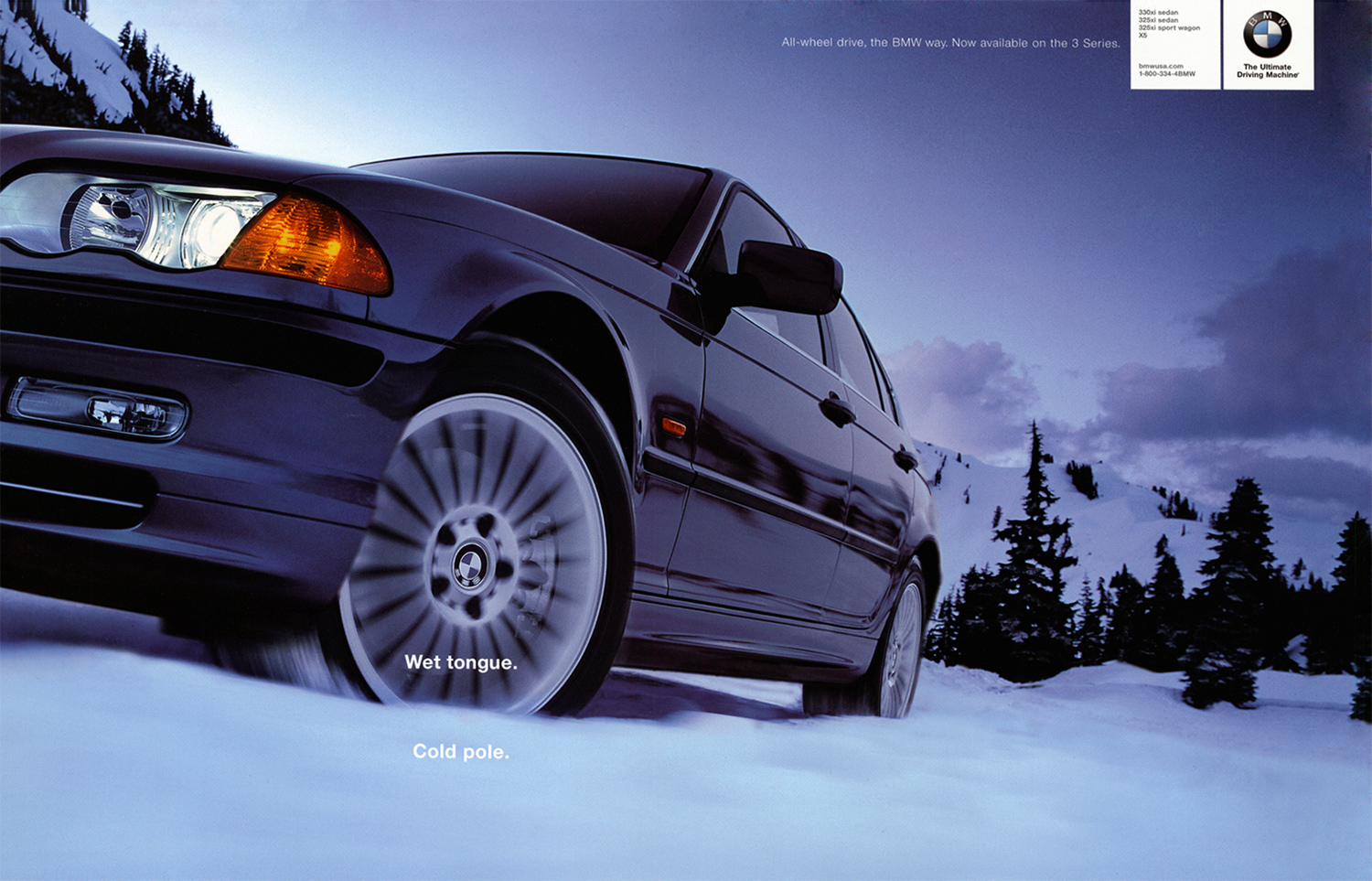
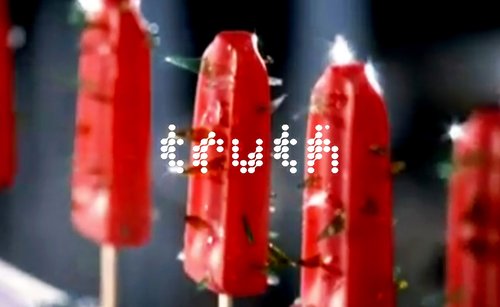
Image Credits
none necessary