



We recently connected with Alison Giese and have shared our conversation below.
Alison , looking forward to hearing all of your stories today. It’s easy to look at a business or industry as an outsider and assume it’s super profitable – but we’ve seen over and over again in our conversation with folks that most industries have factors that make profitability a challenge. What’s biggest challenge to profitability in your industry?
I am an interior designer, and founded a boutique interior design firm ten years ago. Many people may assume that because interior design is a luxury service, that providing the service to a high-end clientele means it is a profitable business. I can emphatically say that is not the case! In my experience, the biggest challenge to profitability in the interior design industry is mindset. Every designer brings a money mindset or story to the table, and depending on that, they may find it difficult to price their services in a way that reflects the value of their time and expertise. Designers may doubt their skills, or have had clients push back on rates in the past, both of which can make them shy away from pricing their services in a way that is profitable.
I can personally attest to the struggling with a mindset limitation, particularly after moving from a very high-income area where interior designers’ rates were at or above industry standards, to an area with a more diverse socio-economic demographic. It felt like the new area would not support my old rates, much less an increase. My first few projects in the new area were greatly under-priced, which limited my ability to grow my firm. Now, I have a support staff who handles a lot of the every day monetary transactions, as well as collecting and assessing data from previous projects, so we know exactly what we need to price our projects at to be profitable. Sometimes, profitability means you have to recognize your own money mindset limitations, and let someone more objective handle it.
Great, appreciate you sharing that with us. Before we ask you to share more of your insights, can you take a moment to introduce yourself and how you got to where you are today to our readers.
I like to say I took the “scenic route” to becoming an interior designer. I obtained a BS in Nutrition, and a law degree, and worked in medical sales before an international move to Brazil helped me to recognize my passion for interiors was actually a profession, and not just a hobby. I started my design firm because, without formal or technical design skills, established design firms wouldn’t hire me. I opened the doors of my company in 2015, and have never looked back!
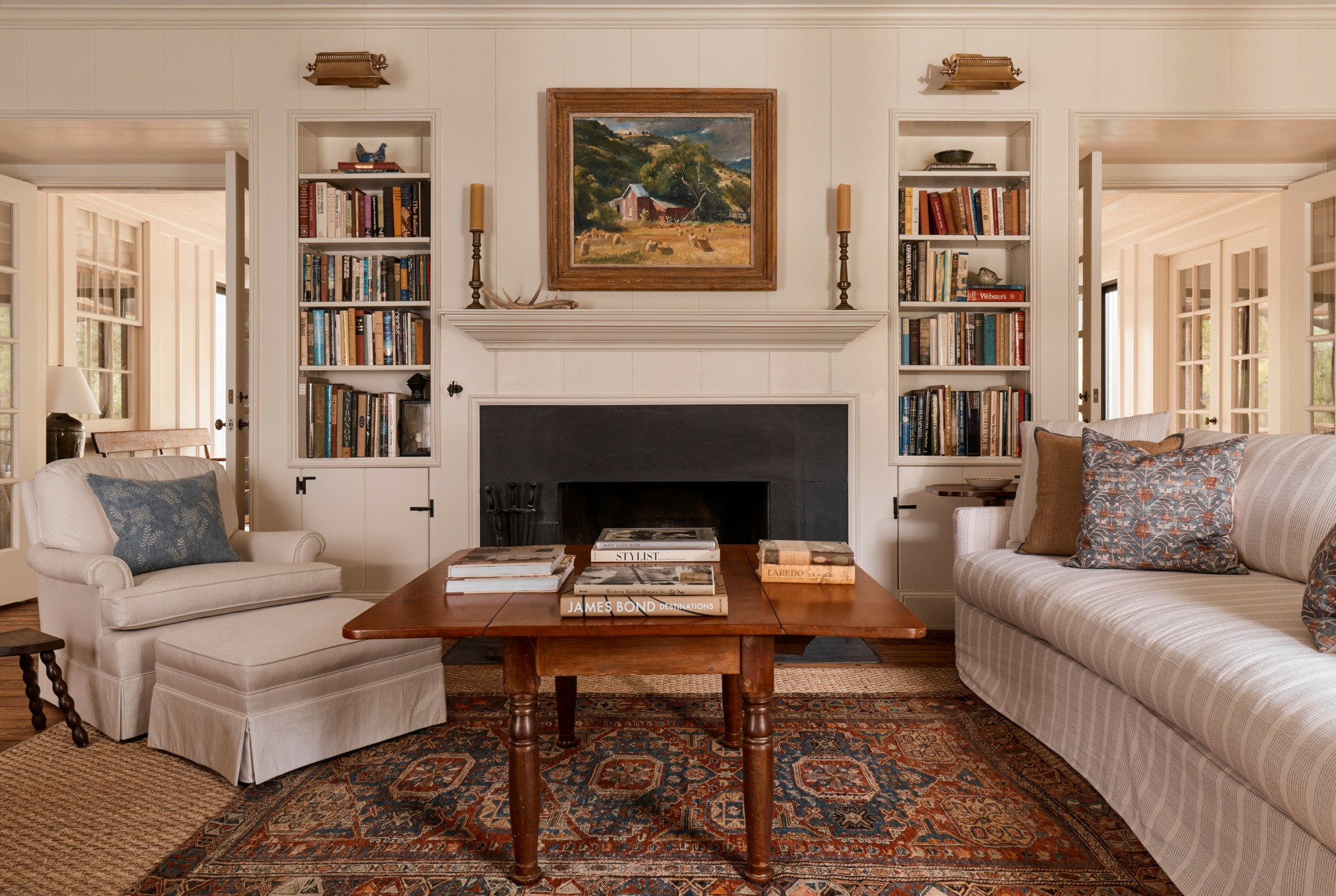
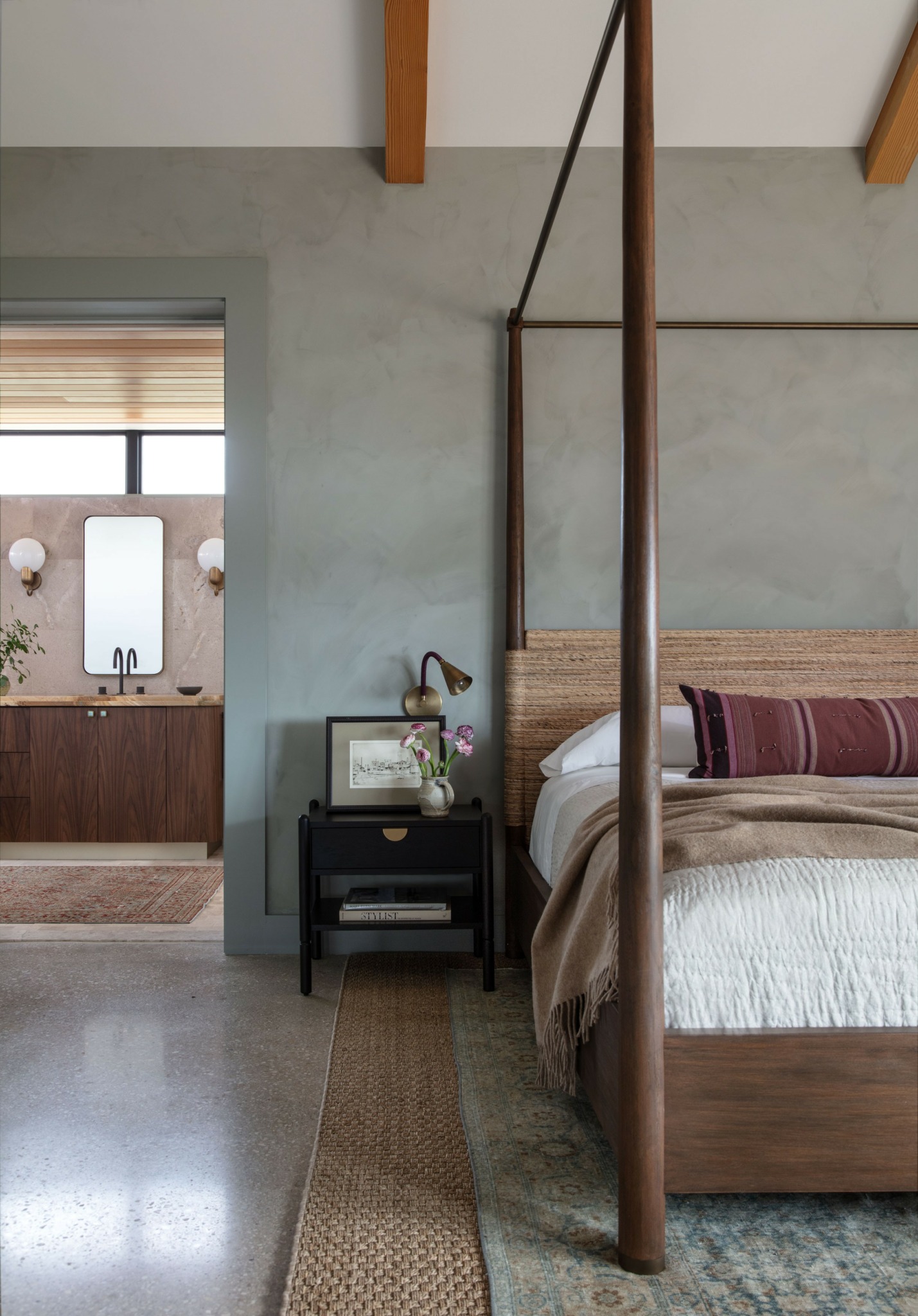
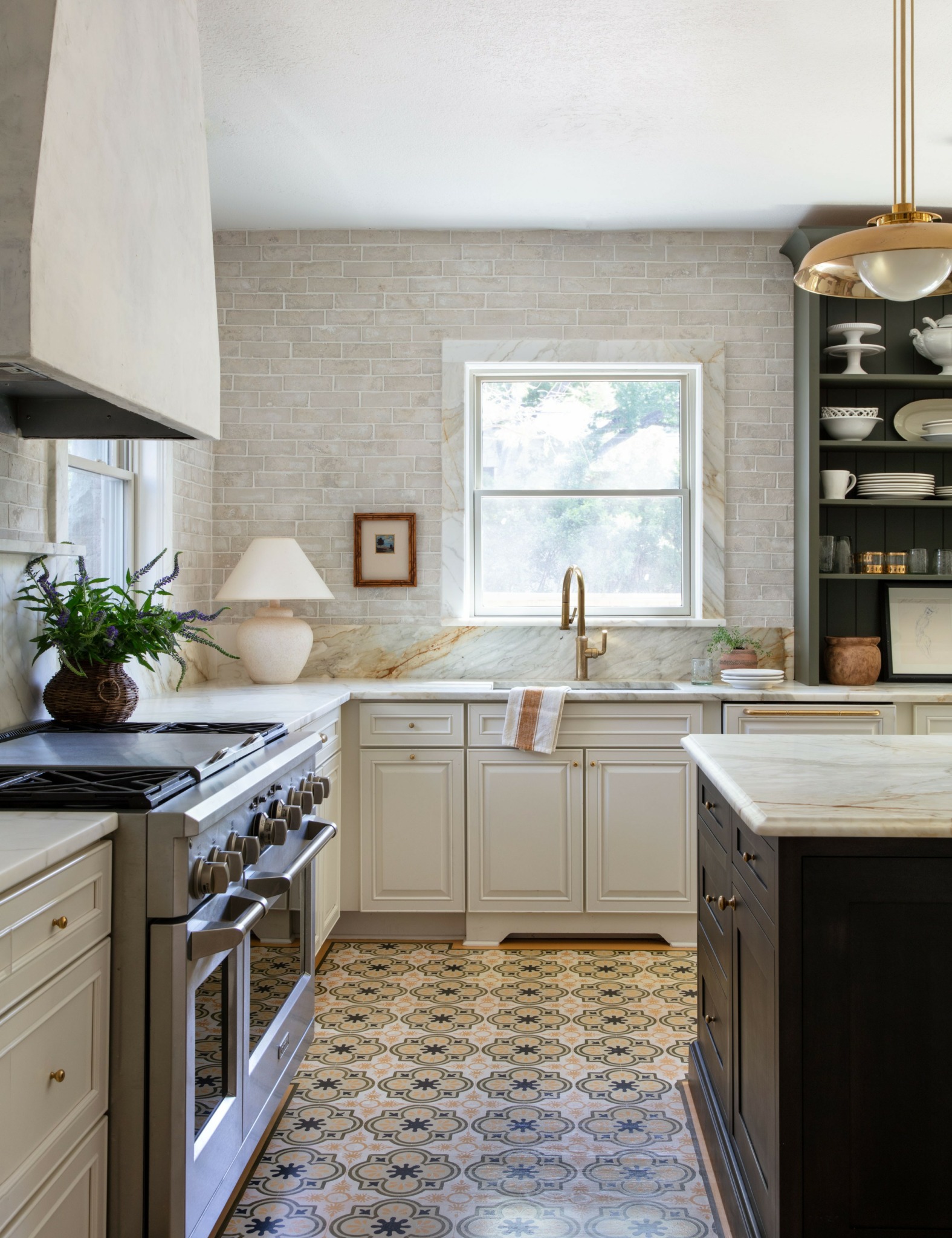
My boutique firm focuses largely on high-end residential projects. From large remodels to fully custom new homes. The projects we work on are large and complex, requiring hundreds, if not thousands of decisions that can be overwhelming to clients. We eliminate the overwhelm by editing design decisions, and ensuring the final product is aesthetically cohesive, and is in line with the client’s goals and dreams for their home. I have learned over the years that our highly-organized processes and professionalism set us apart from other firms. I just assumed everyone functions like we do with clear communication, professional and respectful to everyone, and of course focused on delivering beautiful designs. From what I’ve heard from builders and other tradespeople, they do not. The high standards that set us apart are also one of the things I am most proud of. We work in a very personal part of our client’s lives, their homes. We get to know them, how they live, what they love to do, and it’s an honor to be let into people’s lives this way. It requires us providing the highest level of service so that our clients have a wonderful experience working with us.
How did you build your audience on social media?
Social media is a beast that I have a love/hate relationship with. Because my business is a visual one, Instagram is where I dedicate most of my social media resources. When I started my business, Instagram was still fairly new, and was a time when I didn’t have a portfolio of professional photos and projects of my own. So, I shared a lot of “inspo content” – work by other designers that inspired me, or whose aesthetic aligned with mine. My account grew quite a bit using that strategy. As I started to have photos of my own work, I stopped posting “inspo” content, and only shared my own design work or content. I managed my own account for many years, and only really handed it over two years ago to a social media team who does everything from strategy, to content creation, to the actual posting. It has been one of the best decisions I made!
For those starting off with socials, the most important thing I can advise is to be authentic. Don’t worry about what everyone else is doing, and focus on what YOU’RE doing. Share your process because people love to know the WHY or the HOW behind something. In design, that means sharing project pics before they’re “picture perfect,” or walking people through the decision process behind a design selection. Share your brain and your knowledge, and your audience – a genuine, engaged audience – will come.
Does your business have multiple or supplementary revenue streams (like a ATM machine at a barbershop, etc)?
I believe it is wise to have different revenue streams, especially in a business like design, that can feel like “feast or famine.” We offer digital download resources, including a course on starting an interior design business from scratch. I offer 1-hour virtual design consultations via a platform called The Expert. Interior design projects are still our “bread and butter,” but these other revenue sources support a profitable business in a way that requires less time.
Contact Info:
- Website: https://www.alisongieseinteriors.com/
- Instagram: https://www.instagram.com/alison_giese_interiors/
- Facebook: https://www.facebook.com/AlisonGieseInteriors
- Linkedin: https://www.linkedin.com/in/alison-giese-74a416137/
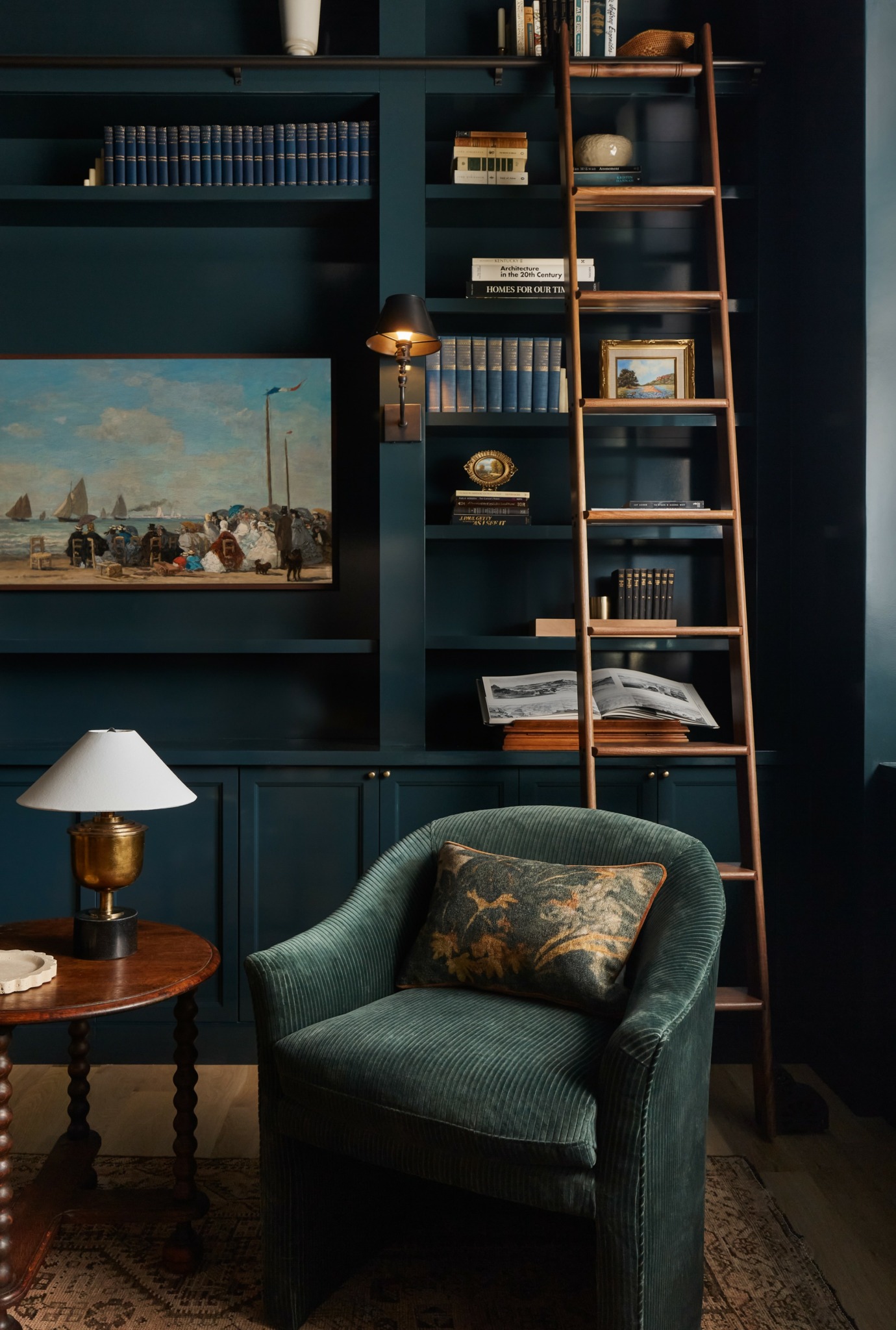
Image Credits
Image 1: Yanglin Cai Photography
Image 2: Kerry Kirk Photography
Image 3: Kerry Kirk Photography
Image 4: Yanglin Cai Photography