

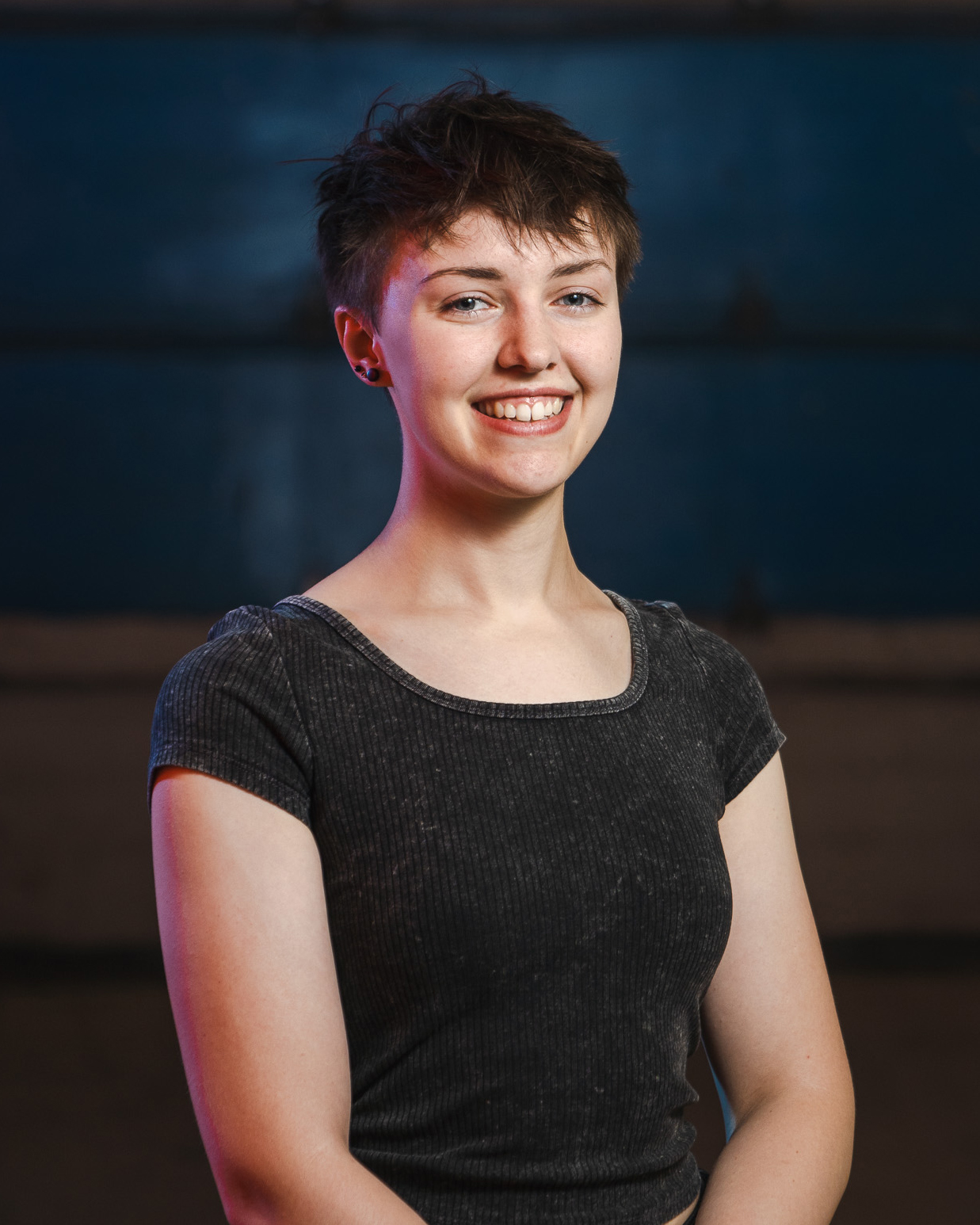

We caught up with the brilliant and insightful Julia Scheckel a few weeks ago and have shared our conversation below.
Julia, thanks for taking the time to share your stories with us today Are you able to earn a full-time living from your creative work? If so, can you walk us through your journey and how you made it happen?
I make most of my living from my creative work! My income is split three ways right now: I sell my artwork, manage an arts nonprofit, and manage an office. Diversifying my income streams has worked well for me. This lifestyle also keeps things interesting and I’m luckily the type of person that can juggle three jobs. It’s definitely not a lifestyle for everyone though.
Bringing it back to day one, I started selling artwork in high school by taking commissions. When I was in college I continued to take commissions while I was also learning printmaking techniques. After I graduated I had a huge backlog of prints so I started doing outdoor art festivals in the summer. It’s a hard industry to get into and there’s no handbook on how to do it. It took a lot of trial and error, and it always helped to make friends with people around me and to listen to their advice. Luckily I came into that world with previous retail experience which helped with product display, how to talk to customers, and accounting. It can be tough for artists to think of their work as a product, but I found it important to see it that way when I was at festivals so I wouldn’t take it personally if a show didn’t go well. It takes time to find which festivals have the right crowd for you, or how to display your work, but outdoor festivals are a worthwhile pursuit, especially when you’re first starting out.
I’ve made great connections while selling at festivals, and that’s usually how I get traffic to my online store. People see something in person then think about it and want to purchase it later. Any way that you can get your work and your name out there will create opportunities for you to make a living as an artist, even if it isn’t at that exact moment. Someone who regretted not purchasing my work at a festival saw it in a restaurant when they were visiting my city and purchased it then. I’ve had people who take my workshops come back later to purchase my work that they saw on a drying rack in the studio. You just never know, so it doesn’t hurt to be an active participant in your local community and to make connections!
While in college I started applying to juried exhibitions both locally and out of state. It wasn’t always directly lucrative, but it helped me to connect with other artists, specifically printmakers, in other parts of the country and to gain more of a social media following. It also helped build my resume for when I started applying to galleries for solo exhibitions.
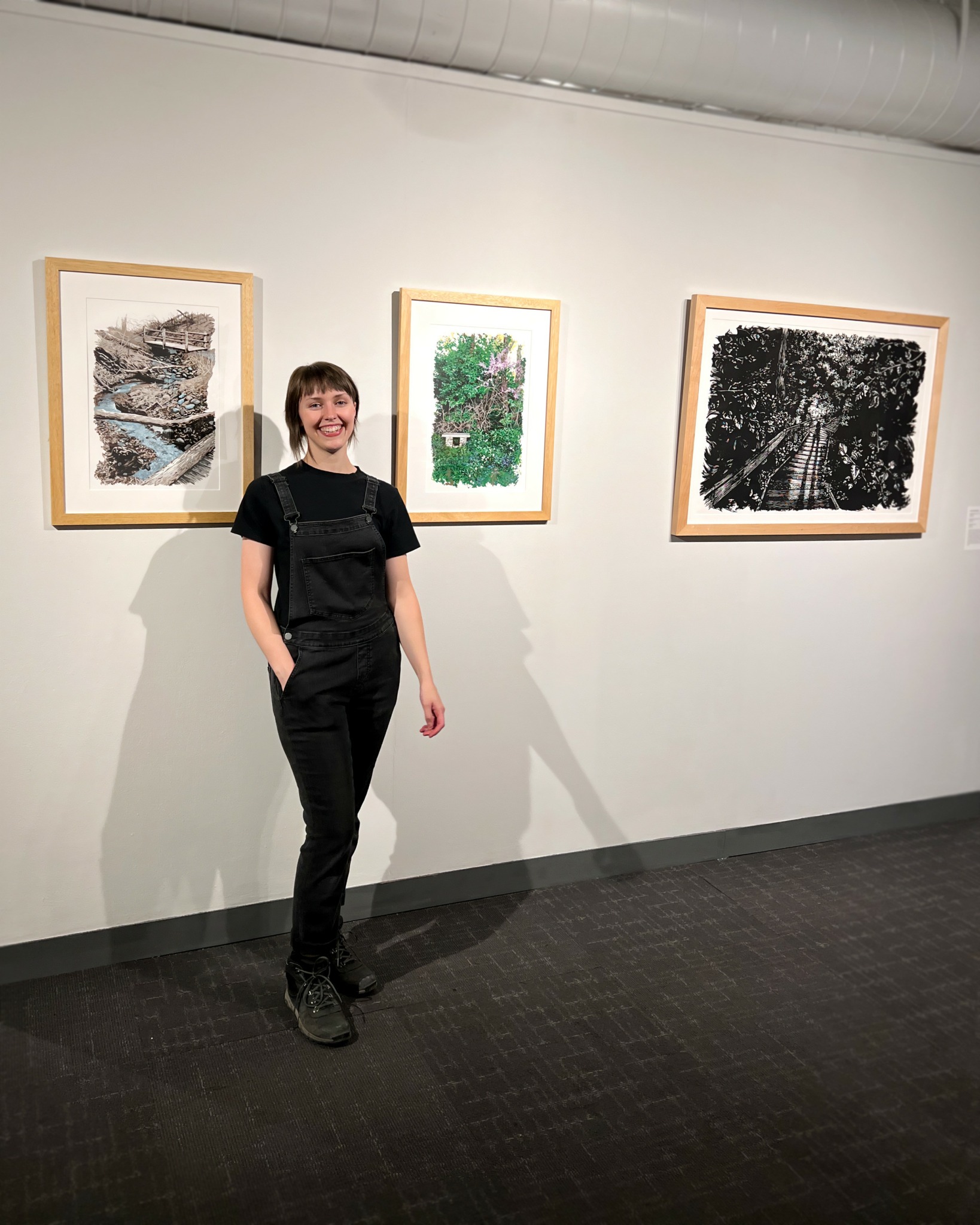
There are different types of galleries out there. Some scout for artists and represent them long-term, while some accept proposals for one-time exhibitions (those are often nonprofits). I researched galleries in my state that would accept proposals for solo exhibitions and started applying. It’s important to read their requirements and look for how much space they have to see if you have enough work to fill it. Once I got some two-person and solo exhibitions under my belt I applied to a seasonal gallery. I had similar work to other artists there, and it wasn’t an exclusive contract so I could still do my outdoor festivals. It’s in an area with a lot of tourists and they close during the cold Wisconsin winters. So I change my work out there once a year and it’s another great addition to the income stream!
One more way I sell my work is through a household goods store in my city. The owner saw my work at an event and asked if I’d like to sell it through her. You never know who you’re going to meet! That’s been one of the best ways I’ve contributed to my income as an artist.
I mainly create screenprints and relief prints of landscapes and flowers, so my market is pretty wide. This is what’s worked for me, but depending on what you make, you might be looking at a completely different path!
I’ve talked a lot about how I sell my work, so I’ll briefly add a little about my two other jobs. I manage a community-focused, nonprofit printmaking studio. When I was in college I had the opportunity to work as the Printmaking Lead at the university’s public art studio. I worked to be the manager there, and those skills I acquired prepared me to take on being the manager of the printmaking nonprofit I’m at now. It took a while to get here, and nonprofit funding is not always the most reliable. So while I was working to get to where I am now, I started working as an Office Manager for a construction company right after college. I’ve been there for five years, just helping out two days a week. It’s always been a reliable source of income, plus I have a 401K there. This way, I don’t have to worry about making art that’s going to sell. I can just make art that I care about (which is usually what people want to see anyway).
Great, appreciate you sharing that with us. Before we ask you to share more of your insights, can you take a moment to introduce yourself and how you got to where you are today to our readers.
I’m a printmaker based in Milwaukee, Wisconsin! I’ve always loved drawing and was fortunate to have parents who let me pursue my dreams. My parents and grandparents helped me take extra art lessons outside of school as a kid. Art has always been my life. I went to UW Milwaukee knowing that I liked to draw, and I liked working in the photography darkroom. My school advisor put me into a printmaking class and it’s been my life ever since. It combines my love of technical processes and my love for drawing. Due to the lack of availability of printmaking equipment, artists who work in that field often come together the share. So the community aspect of printmaking was alluring as well.
For those unfamiliar with printmaking, the main idea is that multiple prints are created from one “matrix”. That matrix can be wood, metal, stone, screen, plastic, and more. You may have heard the terms relief print (woodcuts, linocuts, letterpress), intaglio print (etching, mezzotint, aquatint), lithograph, screenprint, monoprint, or collagraph. There are so many different types of printmaking that it’s hard to explain in short! But when we talk about printmaking, we’re not talking about digital prints such as giclee, that’s a different world.
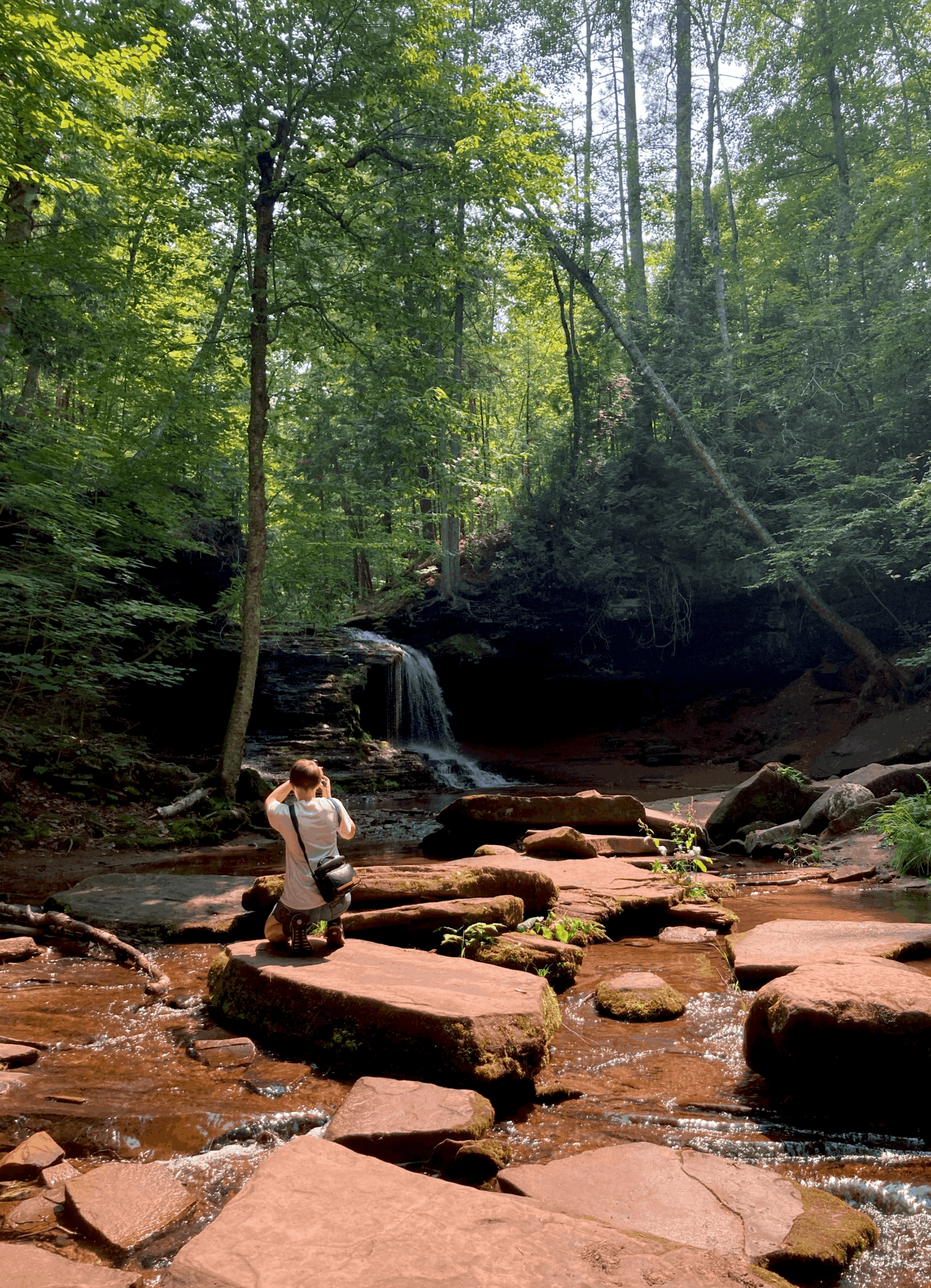
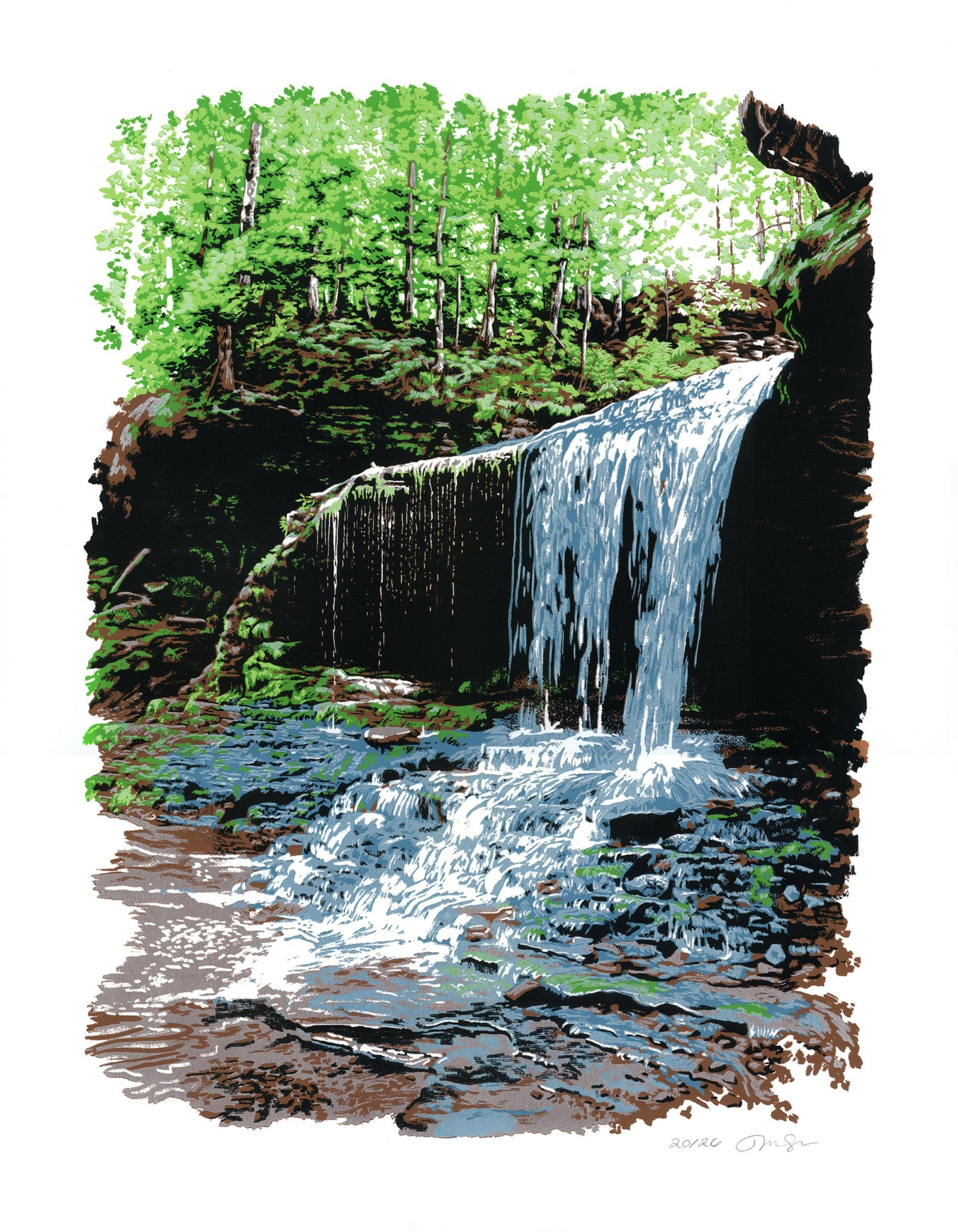
So instead of telling you about all of the printmaking techniques, I’ll tell you about my main body of work! Lately, I’ve been focused on multi-layer screenprints of landscapes. I start by taking my camera outside and bringing home images of moments that I felt spoke to me. I then use those photos as references to make an illustration. When I draw, I do so in a way that puts every color on a separate layer. When you see all the colors together, it makes the image, but each color needs to be separated in the initial stage. Each color layer gets put onto its own screen through a photo-chemical process. This turns the screen into a fancy stencil. So let’s say I have a seven-color image, I then create seven different screens. I prepare my paper, then print each color on top of each other to build up the desired image. Sometimes the hardest part is making sure each color lines up correctly!
There’s something about our natural world that speaks to people. Not everyone is a nature lover, but there are a lot of people, myself included, that feel their eyes well up when they stand in front of a waterfall, or watch the sun glisten off tiny ripples in a stream. By sharing my experiences with nature I give others the chance to relive their own memories of the outdoors or perhaps to imagine themselves in my images and to feel how it speaks to them.
Being a printmaker helps me to share my work with a large crowd. The practice has often been called the “democratic art form” due to its inherent nature of creating multiples which are in turn more affordable than a one-of-a-kind painting. I’m able to provide the experience of owning fine art originals to people who may not be able to afford artwork in different mediums. It’s a general rule of thumb to price yourself out of your own art so that you can make a living as an artist, but I’m proud that most of my friends, family, and community can afford my artwork.
What can society do to ensure an environment that’s helpful to artists and creatives?
I could talk about this forever! As a Wisconsin artist, I’ll start with the fact that Wisconsin is typically placed in last or second to last place when it comes to state funding for the arts. Individual artists and arts organizations need funding to survive! People can help in this area by making it known to public officials and community members that when it comes to state funding, the arts are important!
Instead of discouraging children from choosing careers in the arts because they’ll supposedly never be able to support themselves, start researching and contacting artists to find out the many different careers that exist. Young artists should know that it takes grit and determination to make it as an entrepreneur (which is what artists are), but it can be done! Help to find them safe mentors and help them further their education and skills.
Encourage your school to keep funding full-time art teachers. To create a healthy creative economy, we not only need artists but also people who have an appreciation of the arts. Art class isn’t just there to inspire young people to grow up and make art their living, it also helps foster an understanding of what it means to work with one’s hands, not to mention the emotional and psychological benefits for kiddos. In a world without art class, there’s not only a lack of artists, but a lack of art patrons and appreciators.
Become an active participant in your local art community, even if you’re not an artist! Show up to gallery openings, get on event mailing lists to stay in the know, volunteer at art organization fundraisers. Ask your local arts nonprofits if there’s anything you could donate like paper or cleaning supplies. There are so many ways to help artists other than giving them a follow on social media (but that helps too!).
Is there mission driving your creative journey?
My passion for printmaking has brought me to new missions that I never expected. Because printmaking uses presses and other equipment that is hard to get a hold of, shared printmaking studios become a necessity. Many people learn printmaking skills in college but then upon graduation, they don’t have access to this equipment and can no longer make prints. It’s nearly impossible for a recent grad to be able to afford the studio space and presses needed, so that’s when people come together.
I manage a nonprofit printmaking studio called Anchor Press, Paper & Print (AP3). We have a professionally equipped printmaking studio that people can buy monthly memberships to use. Before we opened our doors two years ago, there were virtually no studios in the entire state (that I know of) where non-students could make prints.
So I went on this journey to help make printmaking accessible to experienced artists, and along the way, I’ve seen the need for the arts to be accessible to all. Creating art, in whatever format, is part of the human experience. Opportunities for people to work with their hands and not on a screen seem to be harder to find. Then add in cost barriers and it gets even more difficult. At AP3 we’ve been working hard to break down barriers for all people to take part in the act of making. We do community events on and off-site, workshops for adults, school field trips, gallery exhibitions, and low-cost options to use our studio like our weekly Open Studio night. Not only have we brought printmaking to people of all ages and backgrounds, but we also have become a “third space” where creatives can gather.
Watching the magic in someone’s eyes when they pull a print for the first time not only keeps me going to continue my work at AP3, but also in my own creative practice.
Contact Info:
- Website: https://www.juliascheckel.com
- Instagram: https://www.instagram.com/julia.scheckel
- Other: https://www.anchorpresspaperandprint.org
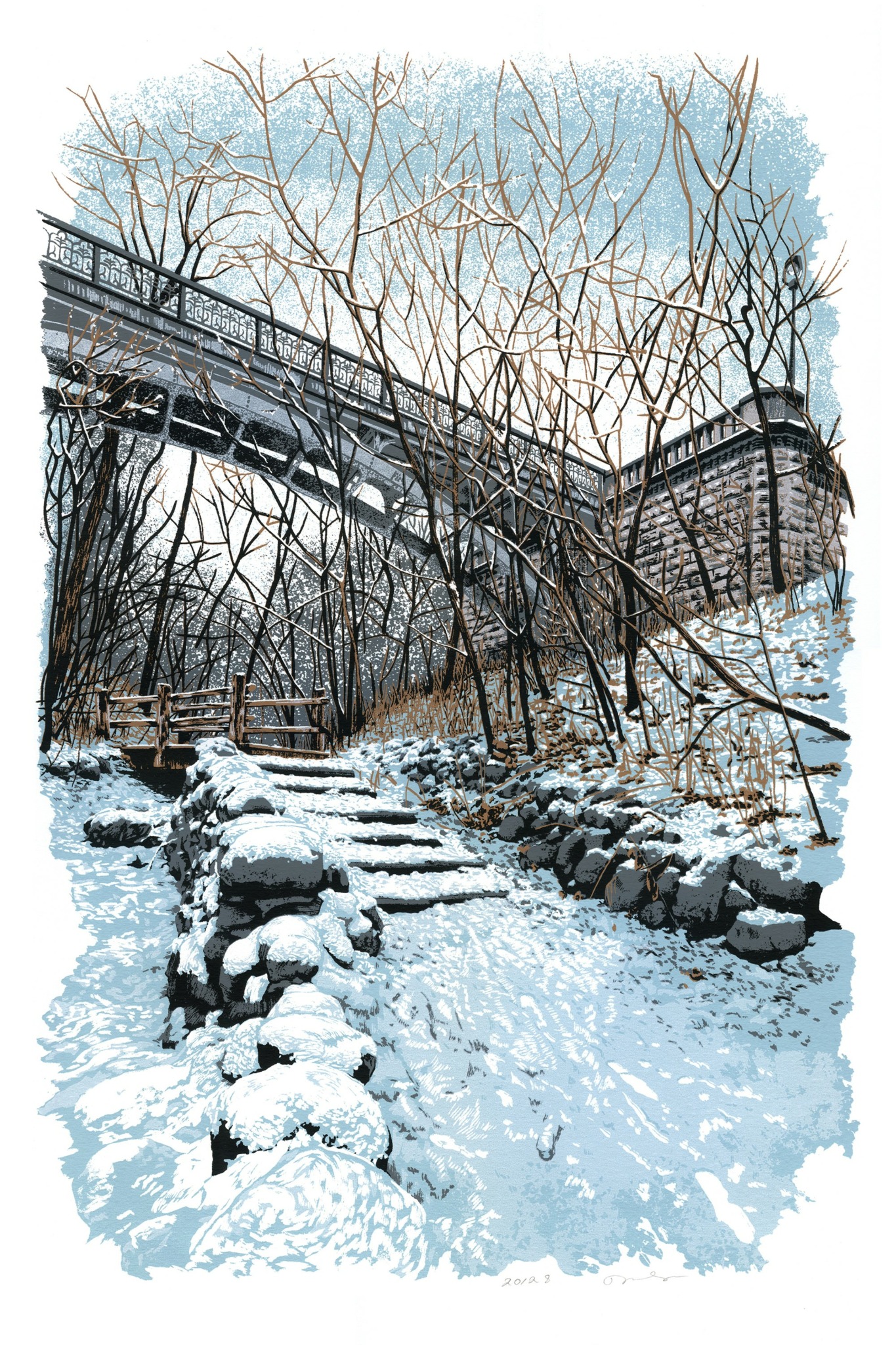
Image Credits
Headshot: Lily Shae