We recently connected with Rebecca Cuthbert and have shared our conversation below.
Rebecca, thanks for joining us, excited to have you contributing your stories and insights. Can you talk to us about how you learned to do what you do?
I am not one of those people who says “I’ve wanted to be a writer since I was four years old.” I’m happy for people who grew up with that kind of consistent conviction, but, my life has been messy and chaotic. The things that did not change for me were that I loved reading, and I was good at writing. And, with those facts, my life has been a journey of only being able to see the next step, not having a map laid out to an ultimate and known destination.
I went to college–I mean colleges. Plural. I started at a community school after plans to move out of state after high school fell through. I did a year there, and felt left behind by life. So I moved to the state of Georgia, where my sister already lived, I worked as a waitress and bartender until I got my residency, which greatly reduced the cost of college. Then I enrolled at Georgia State University in downtown Atlanta–and quickly realized I was not a city gal. That, and I made no friends–commuting in and back home every day left me a loner. So I switched again, this time to the University of West Georgia. It was more small-town than city, and I fit in a little better. I took creative writing classes, and fell in love with contemporary female authors’ work (Margaret Atwood, Angela Carter, Anne Sexton). I started writing fiction in earnest, and loved it. For a minute I thought I was going to be a high school English teacher, but found I didn’t care for it. So, I graduated with a BA in English Literature. (Like I said, the journey has been MESSY.)
Then I moved back home, to Western New York. I started dating my now-husband. And after a couple more directionless years, I went to grad school, having been accepted into the MFA Fiction Writing program at the University of West Georgia. I found that I loved teaching college students, I met friends I still have today, and some of the stories I first wrote for MFA workshops (and revised the heck out of) eventually made their way into my forthcoming collection, SIX O’CLOCK HOUSE & OTHER STRANGE TALES. I learned so much about the craft of writing in that program–the nitty-gritty stuff no one had taught me before then–things I did not know I did not know. And while the program was not particularly friendly to writers of speculative fiction (they preferred all literary), my time was not wasted, and my skills grew considerably.
After graduation and another rudderless year, my now-husband became my then-fiance, and we moved back to WNY and bought a house. Around the same time, I started working as an adjunct professor at the State University of Western New York–and I still teach there today. (But please don’t think that is a straight line, either; I left and became a small-town news reporter for two years, then went back to teaching.)
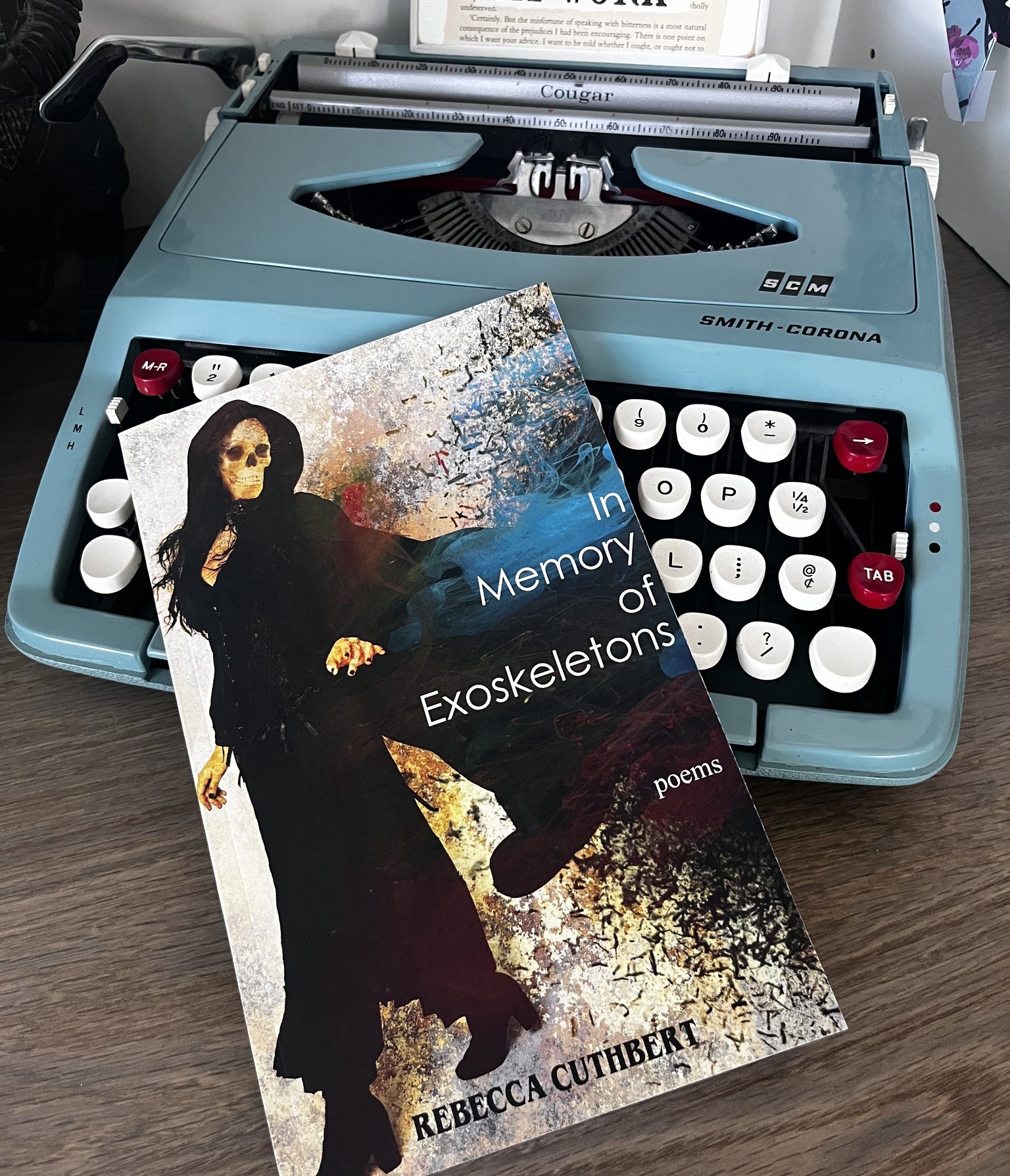
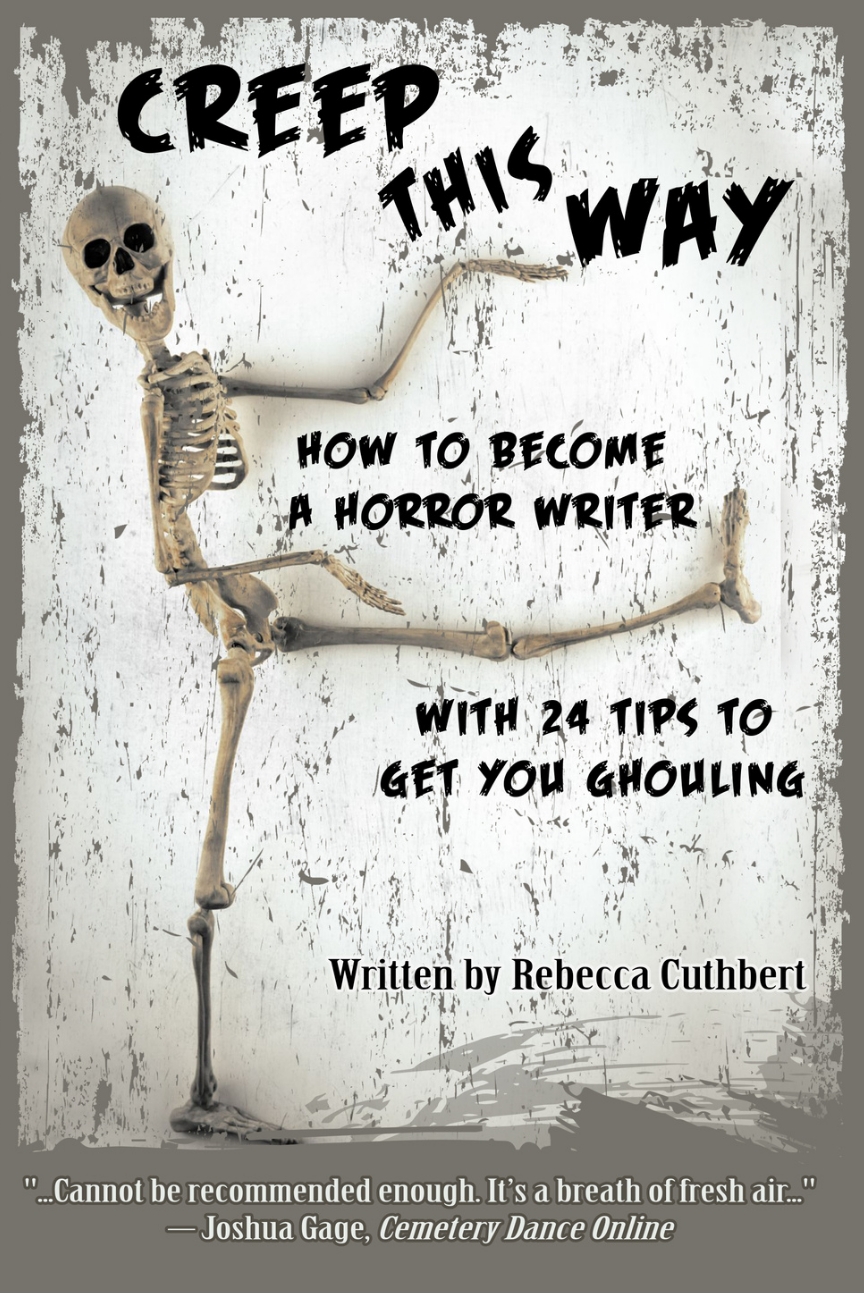
I”ll skip more messiness–if you want the whole story, pick up my book CREEP THIS WAY: HOW TO BECOME A HORROR WRITER WITH 24 TIPS TO GET YOU GHOULING. My first book was published in 2023 by Alien Buddha Press–a small poetry collection (IN MEMORY OF EXOSKELETONS) that came together by happenstance. I saw a poetry chapbook contest during COVID lockdown, realized I had enough poems to put together, and ended up making the short list. After, I decided to send it out to other presses, and it got picked up.
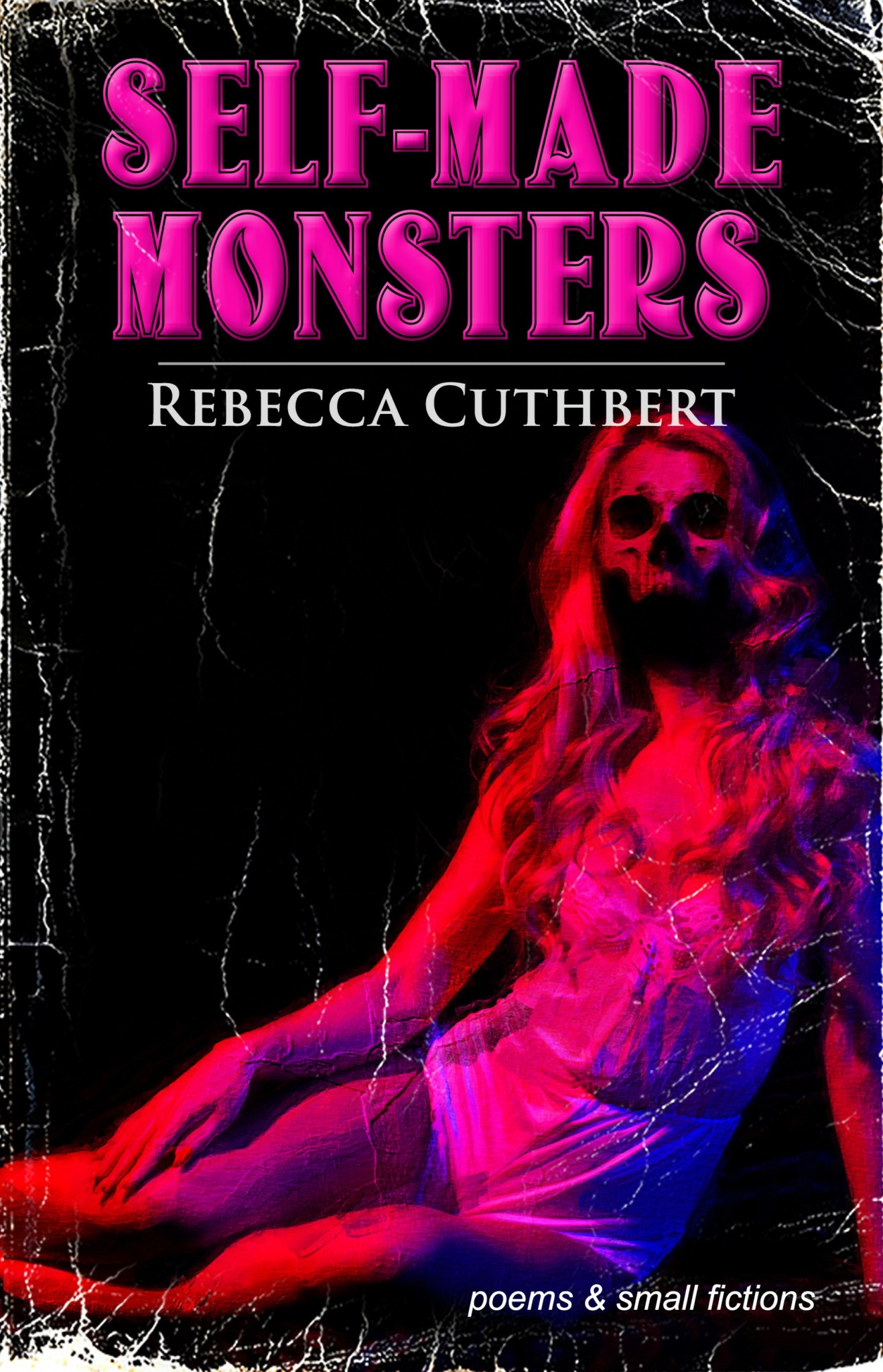
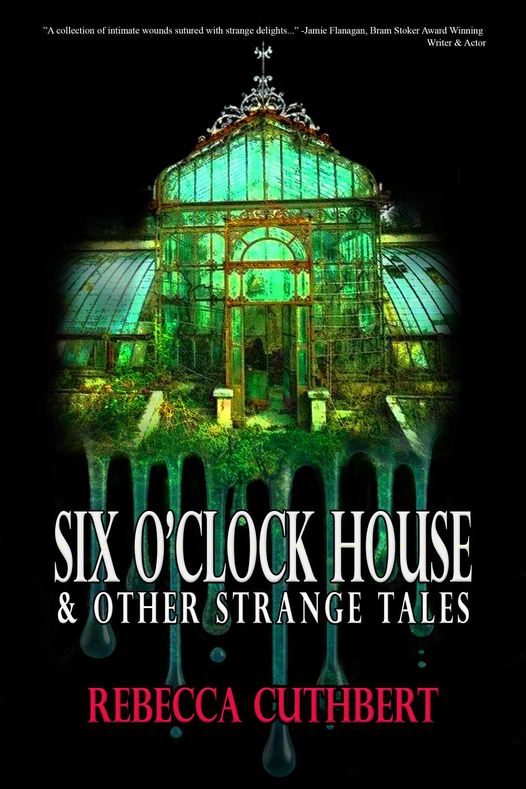
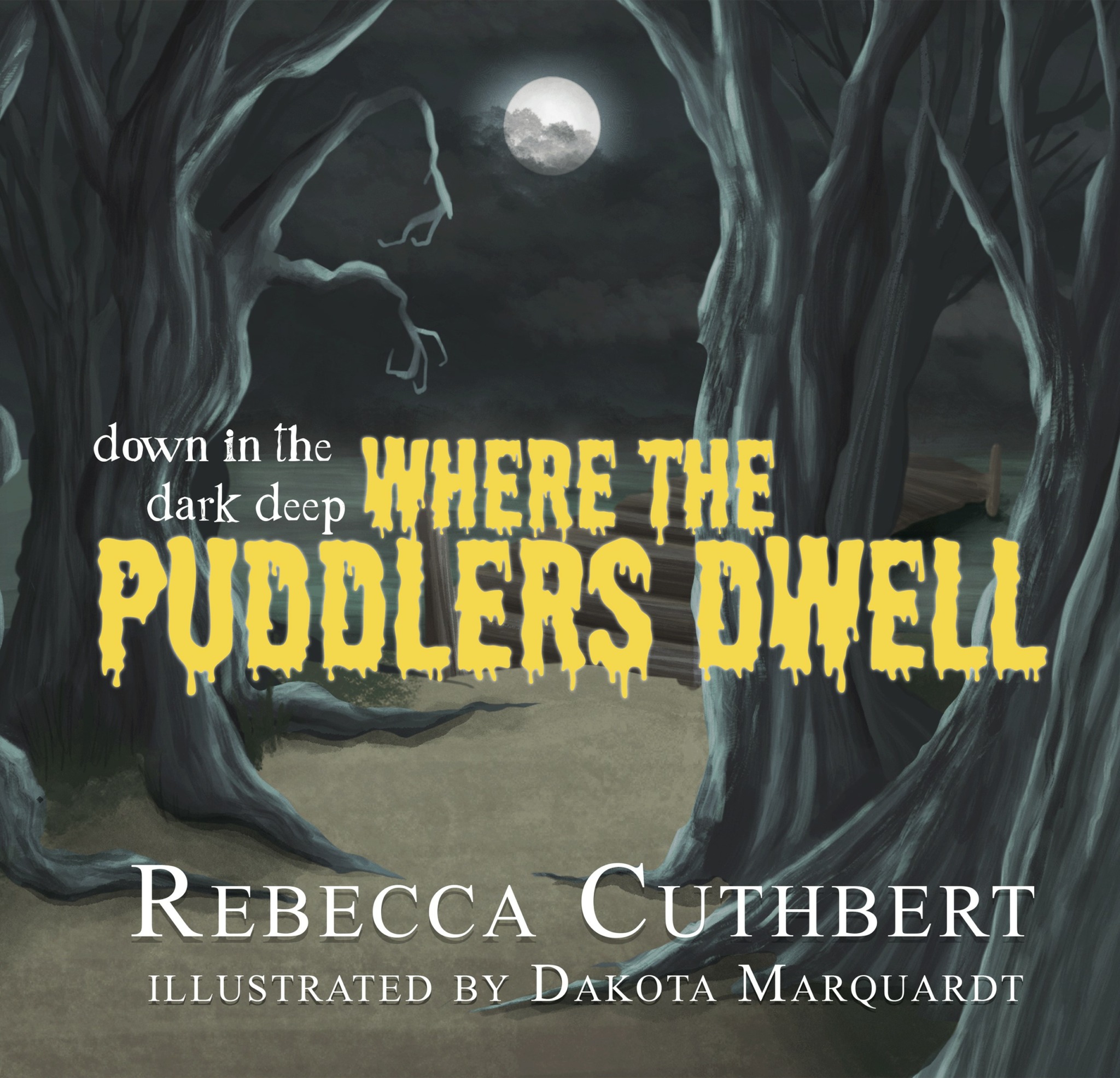
Since then, I’ve had additional books published. A hybrid collection of feminist horror called SELF-MADE MONSTERS with an introduction by Laurel Hightower. A children’s horror picture book, DOWN IN THE DARK DEEP WHERE THE PUDDLERS DWELL, illustrated by Dakota Marquardt. And of course the forthcoming SIX O’CLOCK HOUSE & OTHER STRANGE TALES, which is a collection of literary horror and dark magical realism.
But I have never stopped learning my craft. And if anyone says they know everything about a topic, they’re lying. There is always room for growth, a chance to deepen your current knowledge and skill and widen your repertoire. I take workshops every chance I get–Fright Club with Moaner Lawrence, the Study Coven with Lindsay Merbaum. Workshops offered through Defunkt Magazine. One-offs offered by authors I admire. And I workshop stories with friends, because another set of eyes and another brain on your work is ALWAYS helpful.
I started college in the year 2000. Twenty-three years later, my first book was published. Twenty-four years later I joined D.L. Winchester and Cyan LeBlanc in running Undertaker Books (I am the editor-in-chief). I have additional book contracts for titles coming out over the next few years–five more children’s horror picture books through AEA Press and Malediction, including 2025’s HIGH UP ON WITCH MOUNTAIN; a novel trilogy with the first book, BETH BITES BACK, set for publication in 2026 through Watertower Hill Publishing; and others. All of that, and I am still humble, still learning, still eager to soak up whatever craft knowledge others will spare me. I encourage others to look at writing in the same way.
As always, we appreciate you sharing your insights and we’ve got a few more questions for you, but before we get to all of that can you take a minute to introduce yourself and give our readers some of your back background and context?
Writers: You do not have to write just one genre or subgenre. You do not have to commit to one “brand” or public persona, doomed to spend your life performing for the public wearing a mask that doesn’t fit anymore. I promise.
Your writer’s life, and writer’s journey, is your own. That means you are free to be yourself and do what you want–to evolve. As I continue in my writing career, I am learning about all the things I want to do–new things that are challenging and uncomfortable (mystery, thriller) as well as more of what I already love and do well (anything gothic, ghost stories, eco horror). I never thought I would have a poetry collection out. I never thought I would be a children’s book author. But I’ve kept myself open to possibility, and magic has happened.
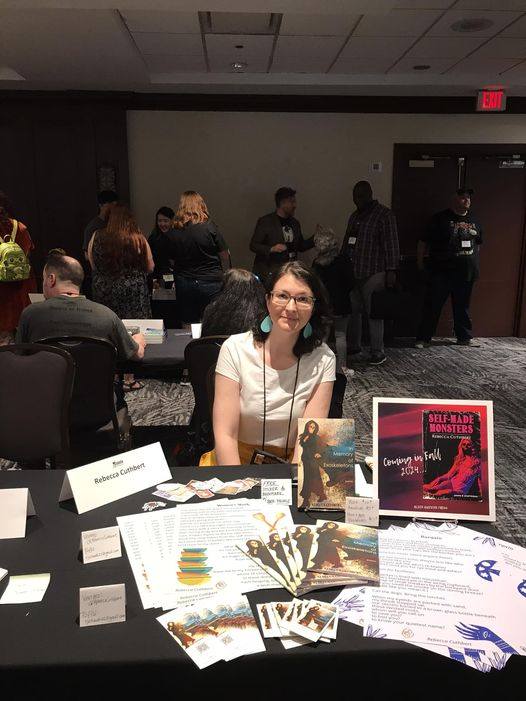
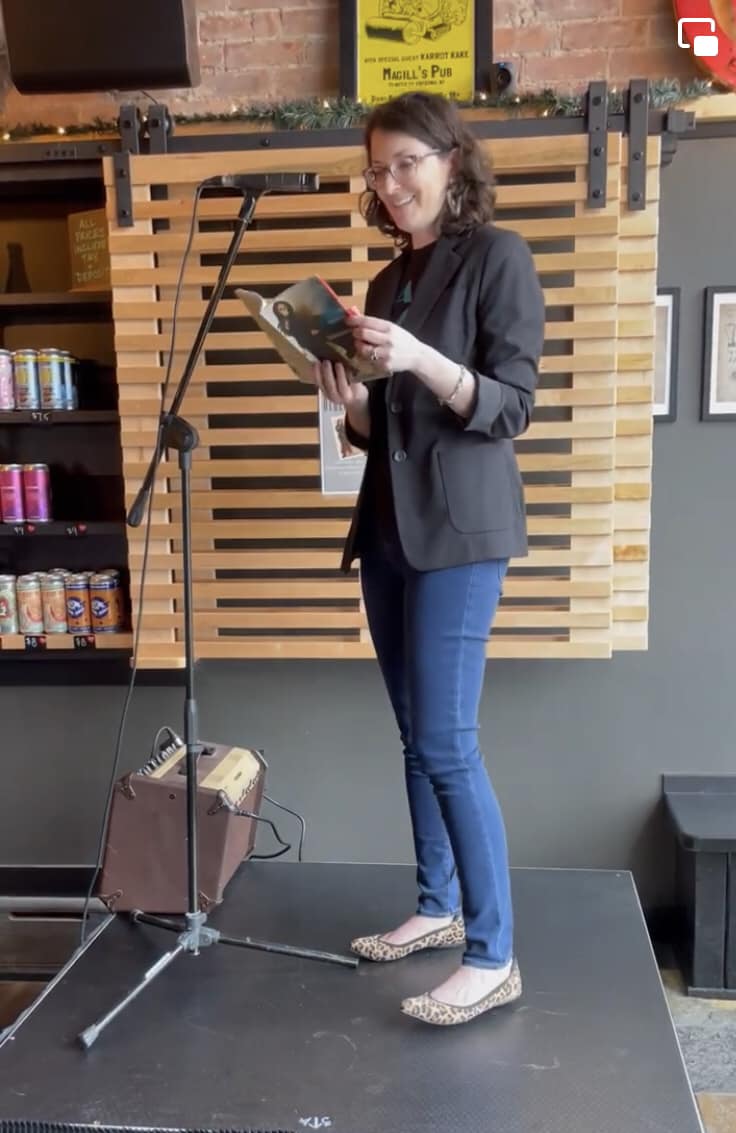
When it comes to image–what people see in public, the impression folks get–I promise you it’s not a black-clad figure of menace and mystery. It’s a lady who looks like a librarian. I think I own more beige clothing than any other color. I have glasses. I turned up at one horror writers’ convention in an oatmeal cable sweater, and the ladies at the check-in desk looked at me like I was lost. At the 2024 Eerie Horror Fest, I was on a panel with three authors wearing all black. One wore black lipstick. Another had dyed black hair and patches sewn all over a signature event vest. That is great for them–but it’s not me. Nope. Because me? I was in a tucked-in yellow blouse covered in a pattern of birds and flowers.
A couple “failures” (but not really): I tried to write a slasher story for a submissions call. What I ended up with was slapstick comedy-horror with a romantic twist. Something similar happened when I sat down to write a stalker story. What I got, though, is an experimental comedy-horror ghost story consisting of only half the conversation–check out “Hey, Stranger” in SIX O’CLOCK HOUSE & OTHER STRANGE TALES.
Don’t limit yourself. Write for your enjoyment and entertainment. Try new things and remind yourself it’s okay to go your own way. Don’t feel swayed by trends; trends change. It sounds a lot like what you mom said when you went to Kindergarten: Be yourself. People will like you.
Can you tell us the story behind how you met your business partner?
Undertaker Books, like the proverbial pheonix, rose from the ashes of another small press that failed.
The experience was pretty harrowing. But I will never be sorry I went through it, because that is where I met D.L. Winchester and Cyan LeBlanc. We all worked for a publisher whose name I will withhold in the interest of professionalism and discretion. I was brought on as the editor of the feminist horror imprint. Cyan was the website designer and tech guru. D.L. was the editor of the flash fiction imprint, and in charge of business development.
Things fell apart quickly, for many reasons. But throughout the course of that destruction, D.L., Cyan, and I were continuously on the same page. We tried to do our jobs; we thought accountability and honesty were important. But our efforts were ignored or undermined, and before too long, they both left, I bowed out, too, and the press closed.
A short time later, they invited me to be the editor-in-chief of their new press, Undertaker Books. Their goals were admirable, and aligned with my own. They wanted to be professional and honest, accountable and transparent. They wanted to publish great books without regard to the starpower of the authors’ names. I accepted their offer, and Undertaker Books hit the ground running. In 2024, we published 14 books. We are set to publish several more in 2025, and continue to embolden our marketing efforts and refine our processes. For a look at Undertaker Books, our titles, and our plans, go to www.undertakerbooks.com and hook up with us on social media.
What’s the most rewarding aspect of being a creative in your experience?
There are more rewards than drawbacks for me as a writer of dark fiction and poetry, and as an editor for a small press. But I also want to be upfront about the reality of this.
If you think you will make a ton of money as an author, dial back those expectations. Some authors hit it big. I wish the best to everyone in that regard. But, sometimes, you won’t even break even with a book. What you spend on things like cover art, author copies, book swag, traveling expenses, convention fees, and more will far exceed what you make in royalties.
There are no benefits–as in, no health insurance, no life insurance, no vacation days, etc. Many authors I know who DO write full-time are frequently in trouble when health issues or other unexpected expenses hit–they live hand to mouth.
If you start a small press, every spare moment is dedicated to editing, or promoting, or organizing, or discussing plans. Problems will arise–things that are your fault. Problems will also arise that aren’t your fault–because you can’t control printing and shipping, or the overal health of the economy. You will disappoint authors, and you will have to live with yourself. You will take all this time from your own writing and your family time. You will also spend your own money, especially at the beginning.
So, if you think these costs are too high–maybe dedicate your creative energy elsewhere.
But it’s worth it for me. The thrill of having a reader say they loved your book? Like nothing else. An acceptance email for a story or a poem? A burst of validation. And an award nomination, or gasp–winning the actual award–a boost that will generate creative energy for weeks or months.
And on the small-press side of things, well, when we do get it right, I feel like a fairy godmother, helping authors’ dreams come true. I’m proud of a job well done, and I can say Cyan and D.L. feel the same way. Something especially rewarding in 2024 was getting to nominate authors for awards–the Pushcart Prize, the Shirley Jackson Awards, Imadjinn Awards, and more.
If, for you, the intrinsic rewards outpace the costs, have at it and godspeed. Just go into it with your eyes open and make informed decisions.
Contact Info:
- Website: https://rebeccacuthbert.com/
- Instagram: https://www.instagram.com/rebecca_cuthbert_writes/
- Facebook: https://www.facebook.com/rebecca.schwab.988
- Other: https://bsky.app/profile/rebeccacuthbert.bsky.socialhttps://undertakerbooks.com/
linktr.ee/rebeccacuthbertwrites