

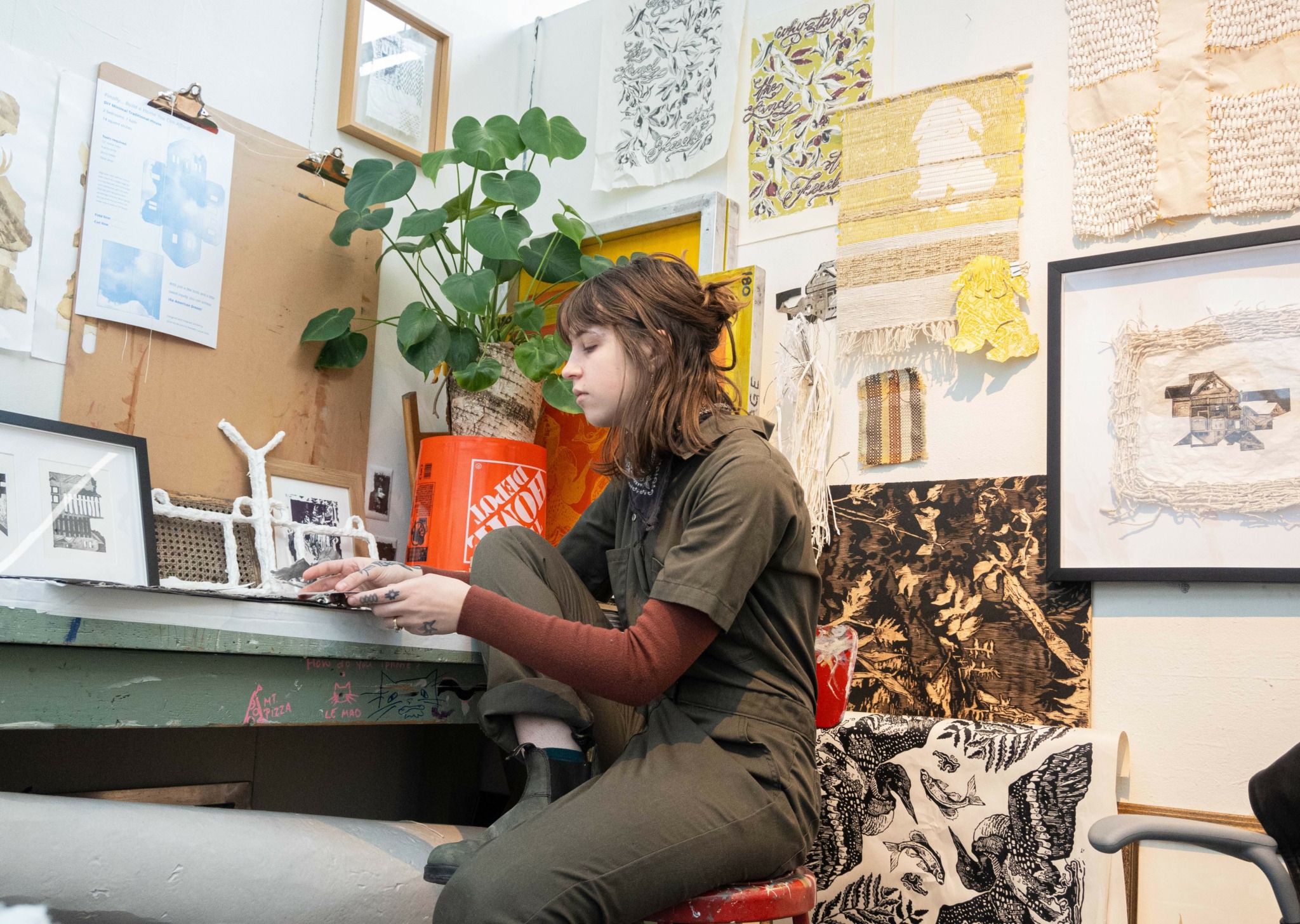

We caught up with the brilliant and insightful Reghan Sage a few weeks ago and have shared our conversation below.
Reghan , looking forward to hearing all of your stories today. We’d love to hear about when you first realized that you wanted to pursue a creative path professionally.
I struggled a lot in high school being deeply creative and invested in craft. I grew up in a small town in Wisconsin, and for a majority of my childhood I attended a private Catholic school. Unfortunately most of these schools have a lack of funding and attention for creative programs. That was definitely the case in mine. Because of this when I showed interest in the arts I was always told that creating can only be a “hobby” and that I needed to find something that would give me better ground. After a very long time of feeling isolated, a handful of bullying from my peers, and my educational and environmental needs not being met, I switched to public school. However I carried that prior baggage with me desperately overanalyzing topics and fields that may satisfy me. (Which this is crazy as a 16 year old. But that’s a whole other story about how society puts way too much pressure on teenagers…) All this to say, I continued taking art classes since I genuinely did enjoy them. I had this incredible teacher, Quenten Brown. Mr. Brown had this unique energy that he filled his classroom with. To this day he is the most positive, uplifting, encouraging person I have ever met. Every piece of advice and every story he told me I soaked up like a sponge. There was one day he handed me a flier for the Minneapolis College of Art and Design’s portfolio day. It was this event, nearly 3 hours away from me, where colleges around the country had booths. You could talk to them about your work, get advice, and learn about the institution. He told me he thought I should consider going. Not once had I considered art school. After being told my whole life that artistic careers were unattainable I had erased that as an option. I was taken aback. Although this gesture seems so small, I remember for the first time feeling that someone actually believed in me and my work. I didn’t go that year, but I did the next. I showed up to this big scary art school with a small portfolio filled with drawings and prints with my boyfriend (who is now my fiancé!). We spent the whole day going from booth to booth surrounded by young people just like me. That day a professor from MCAD spent 45 minutes with me. The whole time she told me how much she believed in me and gave me so much great advice. I left that day feeling like everything had clicked. This was exactly where I wanted to be. When I returned home I thanked Mr. Brown. I told him how much I needed that. Suddenly the future felt so big, and I wanted to do everything I could to make sure I got accepted to an art school. I spent my last two years of highschool, which was at the beginning of the pandemic, working on my portfolio and technique. I got accepted to MCAD and three other top art programs with hefty scholarships at the end of 2020. Since then my idea of what a artistic path is to me has constantly shifted and changed. I still have no idea what it will look like in 10 even 5 years, however I feel as though I’m making it work. It’s not as scary as I thought it would be, but it is still a risk. A risk that I am enjoying every second of. I wouldn’t be here if it weren’t for Mr. Brown’s push. At the same time my family supported me non stop. And even though everyone in my tiny little town felt as though they could hand me their opinion on why I shouldn’t pursue art professionally, my family stood right next to me and cheered me on. I’m excatly where I need to be.
Great, appreciate you sharing that with us. Before we ask you to share more of your insights, can you take a moment to introduce yourself and how you got to where you are today to our readers.
I’m currently a senior at the Minneapolis College of Art and Design. I’m majoring in Print/Paper/Book which is a super packed direction. I’ve gotten experience in a variety of Printmaking methods while also practicing skills in both bookbinding and papermaking. Discovering how those mediums intertwine has been really exciting to me! And the community in those realms is so strong here in Minnesota. With resources like Minnesota Center for Book Arts and Highpoint and even smaller community presses, I feel like there is a plethora of opportunities for me to learn and practice-especially with other people. I’m minoring in Engaged and Public Arts which stems from my interest in developing community in the arts. I think this is something kind of goofy about me because I’m very introverted. Although I think I love community because I’ve worked as a barista for 8 years now and have experienced it that way. Coffee is filled with creative people and I’m interested in why and how that happens!
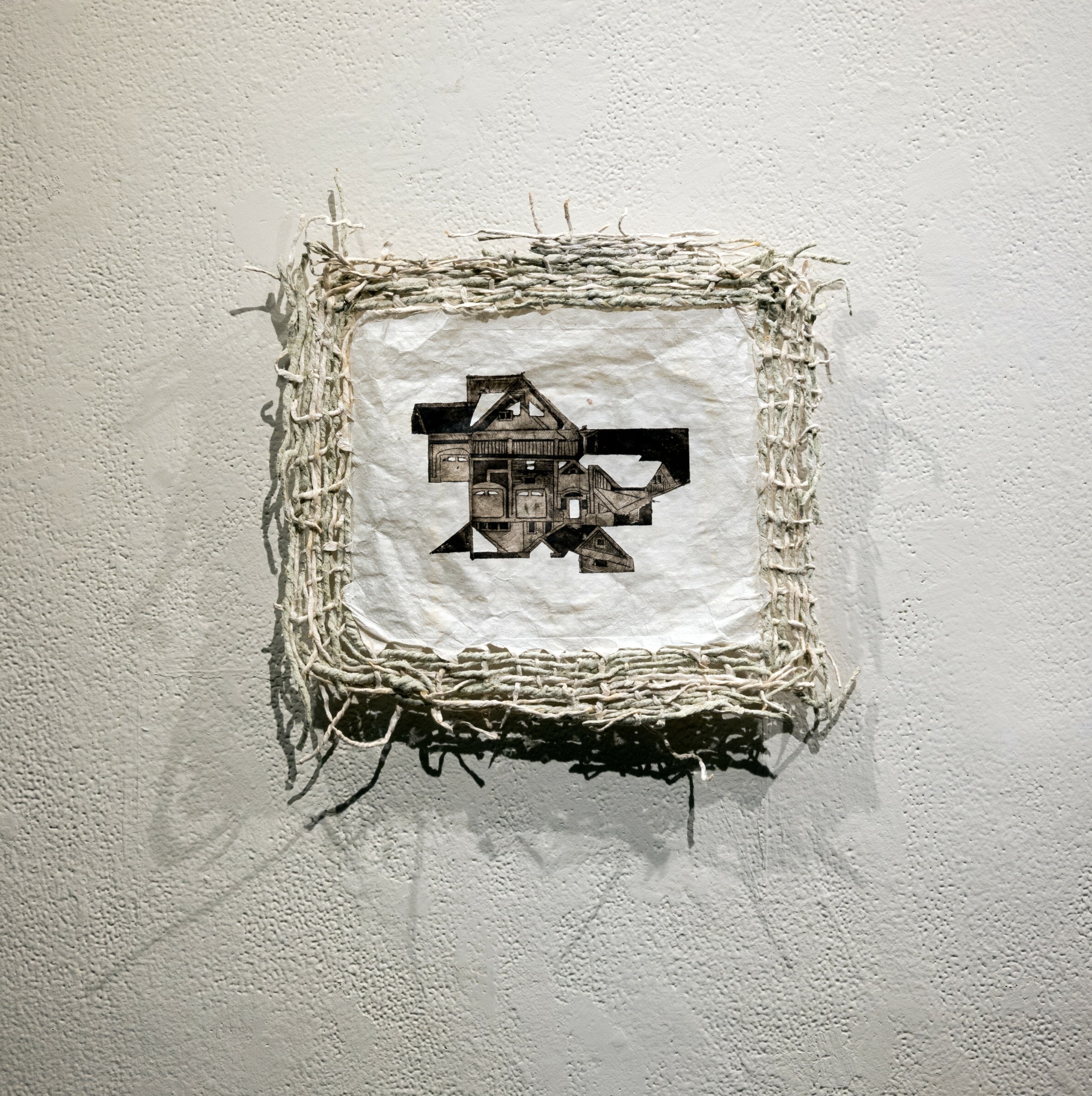
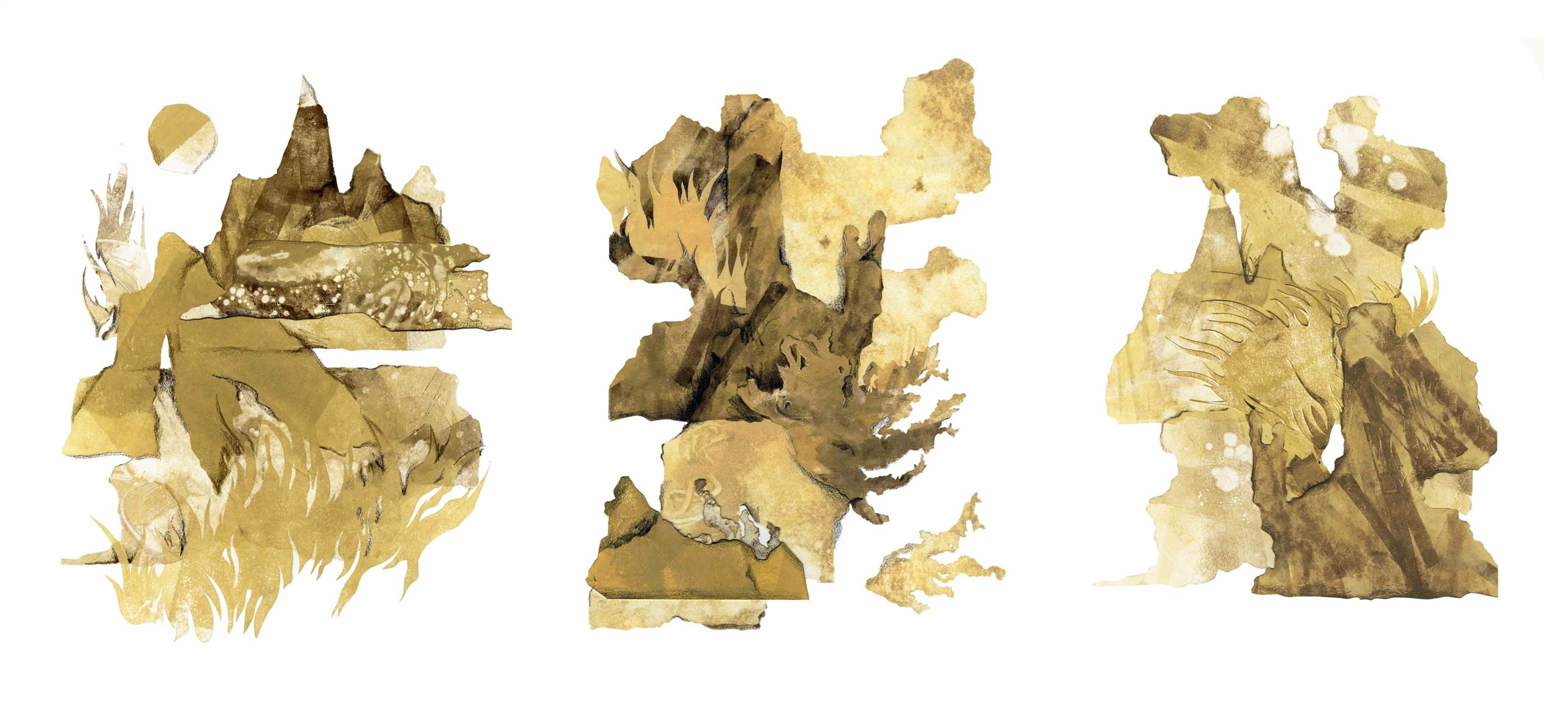
Most of my work has to do with grief and longing for both human and nonhuman subjects. I’m a deeply emotional person and using artwork as a mode of expression for those heavy emotions is something that I need. I spent a long time avoiding that aspect of myself thinking it was negative. However I felt a very strong transition in my work when I started embracing it. That’s when I knew I was doing something right. Working in primarily print and paper is important to me not only because I have a deep love for the processes, but also because these techniques are rooted in material and its transformation. The usage of these techniques rely on their past transformations. Much like how grief is a process of transformation and is reliant on the past. I’ve also recently started including these techniques through weaving which is a whole other language. Weaving is deeply meditative for me, and it has been important when it comes to developing my thoughts.
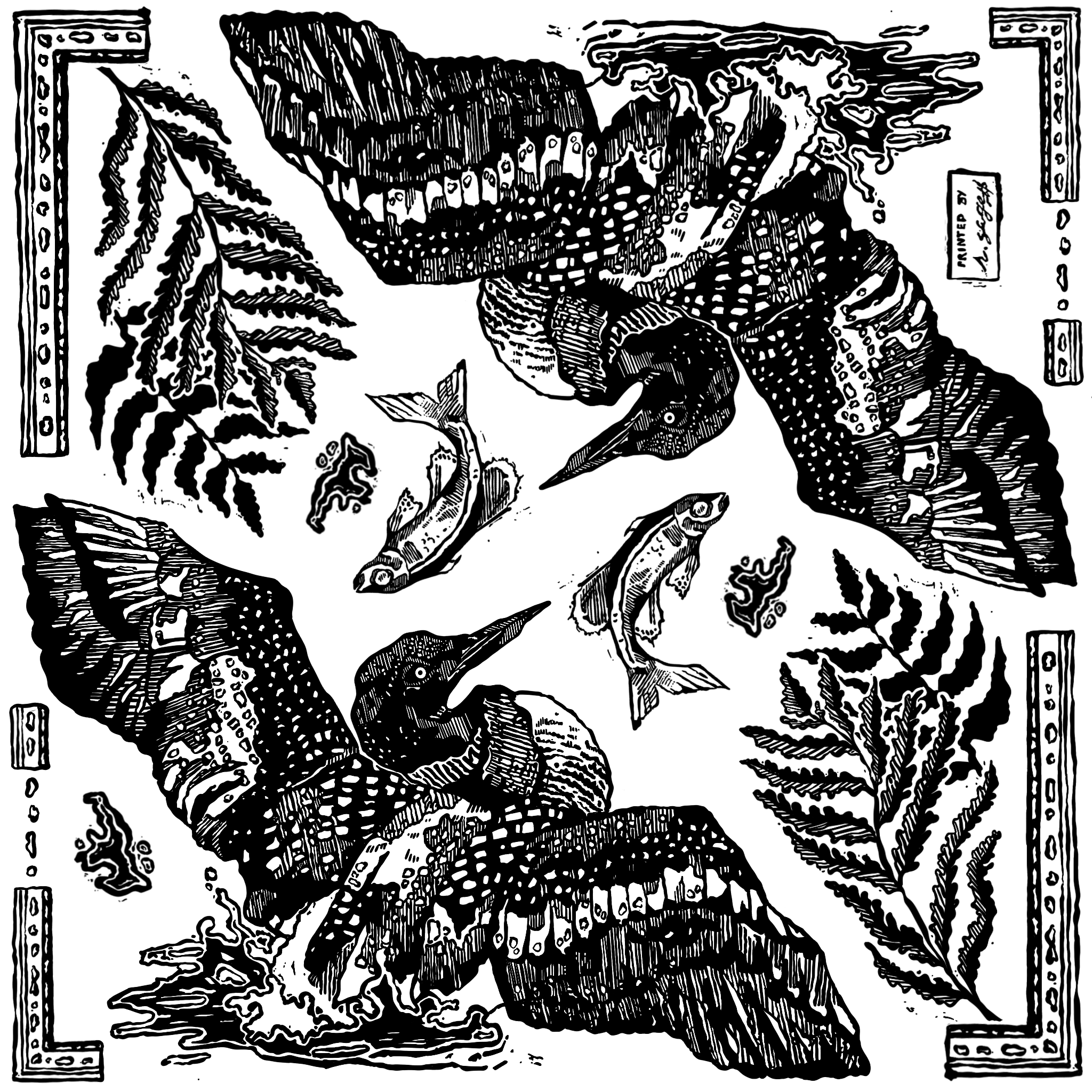
Outside of the work I’m doing academically at the moment, I also use my skills to create products to sell on the side for a slow income. I think most people know me for my screenprinted bandanas. My first design had loons which obviously the Minnesotans ate that one up! I actually started by relief printing them. Relief printing is when you carve out of a surface and then ink it up and use pressure to get an impression. After I posted them so many people were excited and asking for them and I couldn’t keep up with the time commitment. After 3 small runs I switched to screenprinting. This improved the quality, and now I can make large amounts in less time! I still make those and am working on other designs. I finished a garden themed one in July and I am currently working on one with otters. I am figuring out how to sell these through an online store like Etsy, but I have made most of my sales through art fairs. Along with the bandanas I have printed shirts, totes, and have framed and unframed work that I sell. When I’m making work with the sole intention to sell I focus a lot on the environment. My love for the outdoors is shared by many in Minnesota which I feel makes the work effective! But also it helps remind me that there are beautiful spaces that I love and care about outside of urban ones.
For you, what’s the most rewarding aspect of being a creative?
I think the most rewarding aspect of being an artist is trying something new and seeing it work out. A lot of the time when learning a print process the artist is putting hours and hours of labor into a matrix, and sometimes things don’t work as expected. The image can be too dark, too light, an unexpected color, too transparent… so many things! That’s a tough battle to grasp on to, but I think its so beautiful to take a moment, asses a situation, learn from it, and keep going.
I also love the moments when things work unexpectedly and are exciting. There was a moment my junior year where I had an elaborate plan for a piece. I was making my own paper, using lithography, and weaving all for one work. Something came up and I had lost a little time. I was rushing my litho and it just was not looking how I needed it to. With only two days left I decided to scrap it and instead made a collagraph out of a recycled oat milk container. I made the matrix and printed it in one night. The result was this beautifully contrasted playful print. I was so excited about it!
Is there something you think non-creatives will struggle to understand about your journey as a creative?
I think a lot of non-creatives easily dismiss what creatives are doing as something that doesn’t need to be taken seriously. Society has painted this picture that its okay to be creative on the side as a hobby, but it’s not an attainable career. I’ve been asked a lot more than my liking what I am going to do if things don’t work out. I really do dislike the idea that because I am pursuing a career in a field that doesn’t guarantee a 9-5 with benefits I am expected to have a backup plan. When I respond as such I’m talked to as if I have my head in the clouds. I get this a lot when I’m talking to non-creatives, but I have even been talked to this way by other creatives who are older than me. It takes a lot not to let this drag me down.
Here’s the thing. I am a hard worker and a goal setter. I am going to make everything I can, network as much as possible, and non-stop seek opportunities. I don’t believe anything will be handed to me and I will do anything in my power to prove I have what it takes. That’s going to take a while and I think that’s okay! Being an artist means I want to be a voice for myself, but also for others. I have been deeply moved by artworks, and I know many other creatives and non-creatives have felt the same. At the end of the day if I am working a part time job, get a commission here and there, and only sell at fairs that is still “making it” to me. Because at least I am spending time on something that makes me so incredibly happy and fulfilled in a world that is constantly trying to bring people down. I think we need to spend more time lifting each other up. And I think people should be encouraged to pursue whatever their heart desires.
Contact Info:
- Website: https://reghansage.squarespace.com
- Instagram: reghan.sage
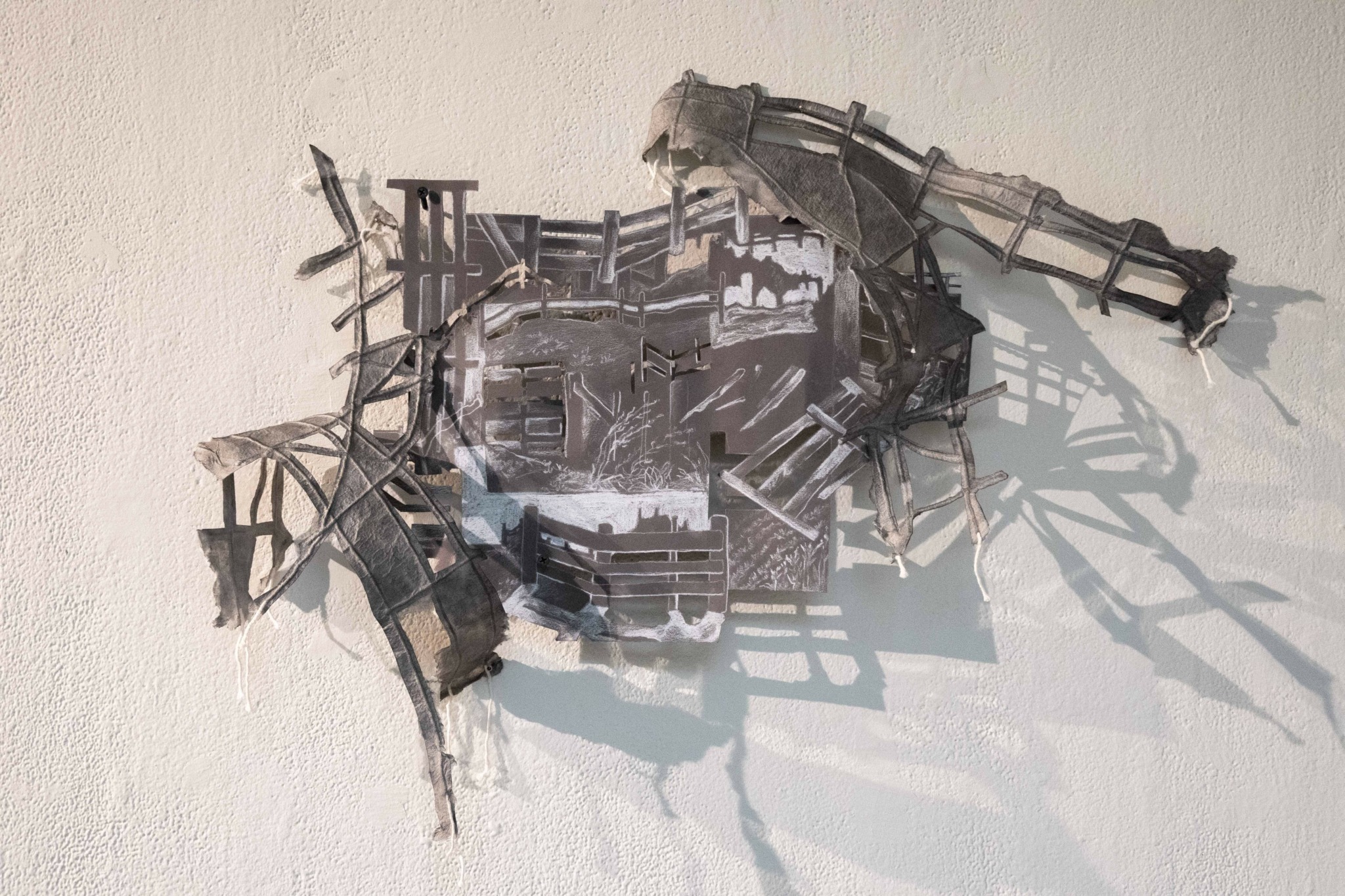
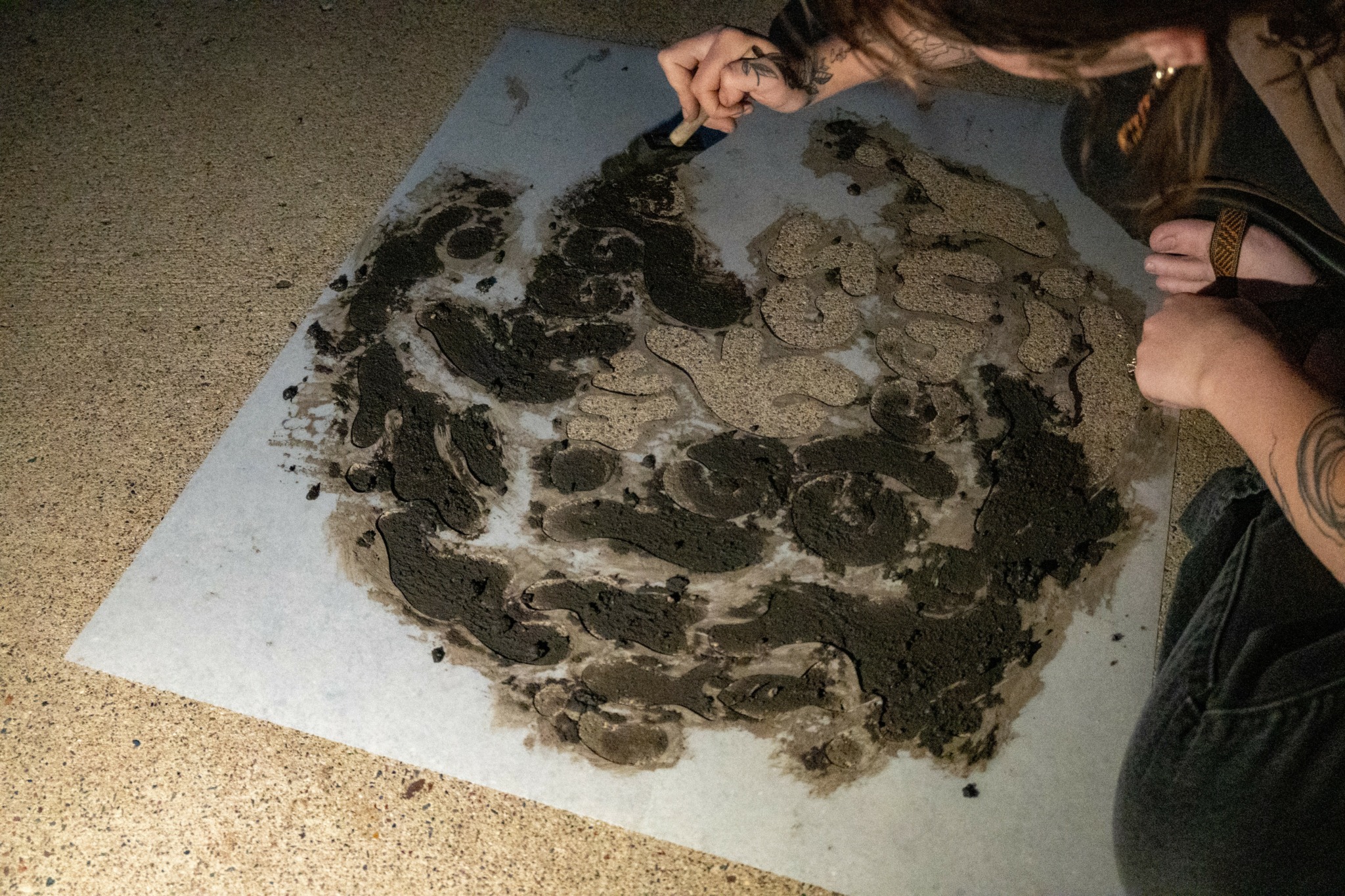
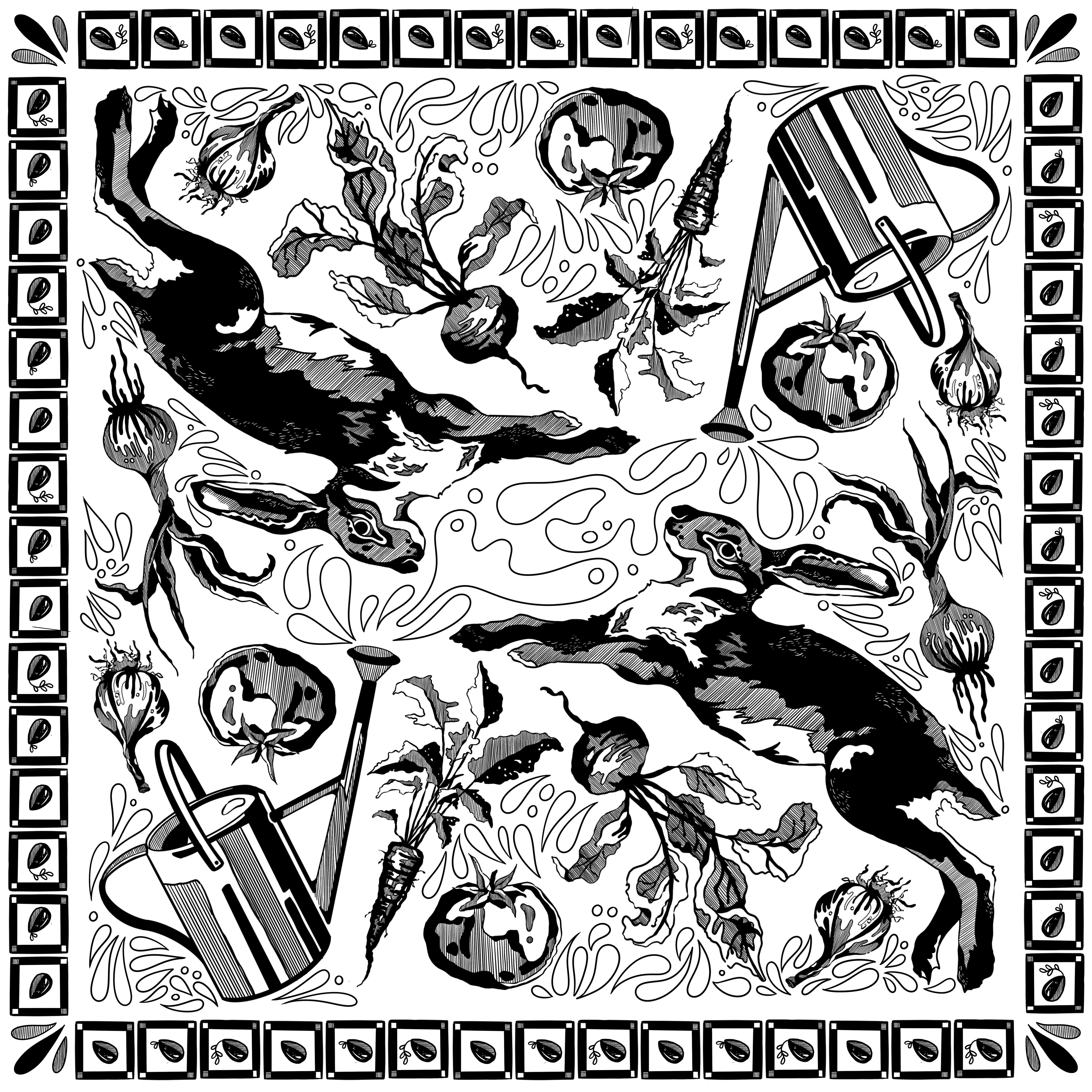
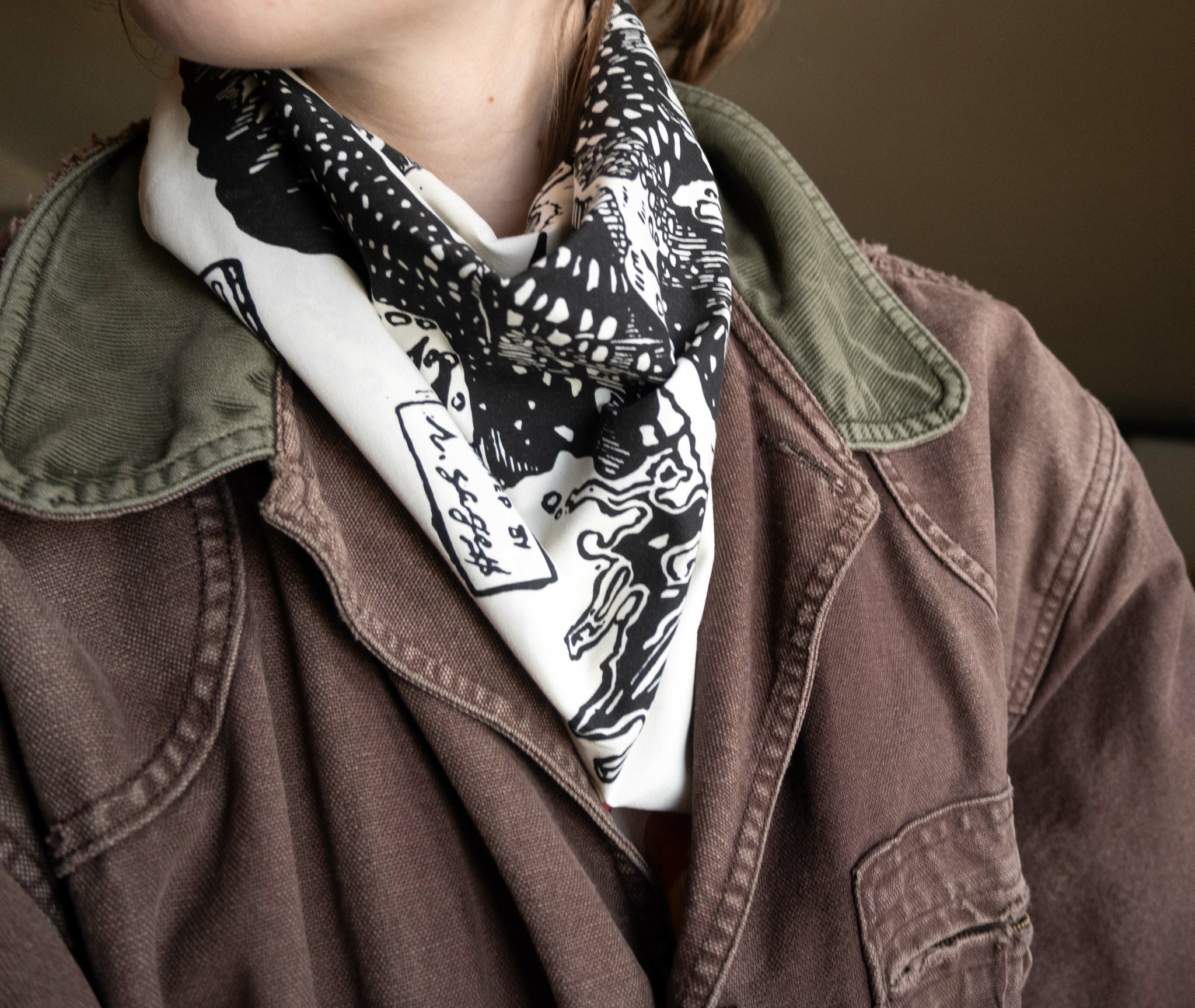
Image Credits
Caleb Kerkman