

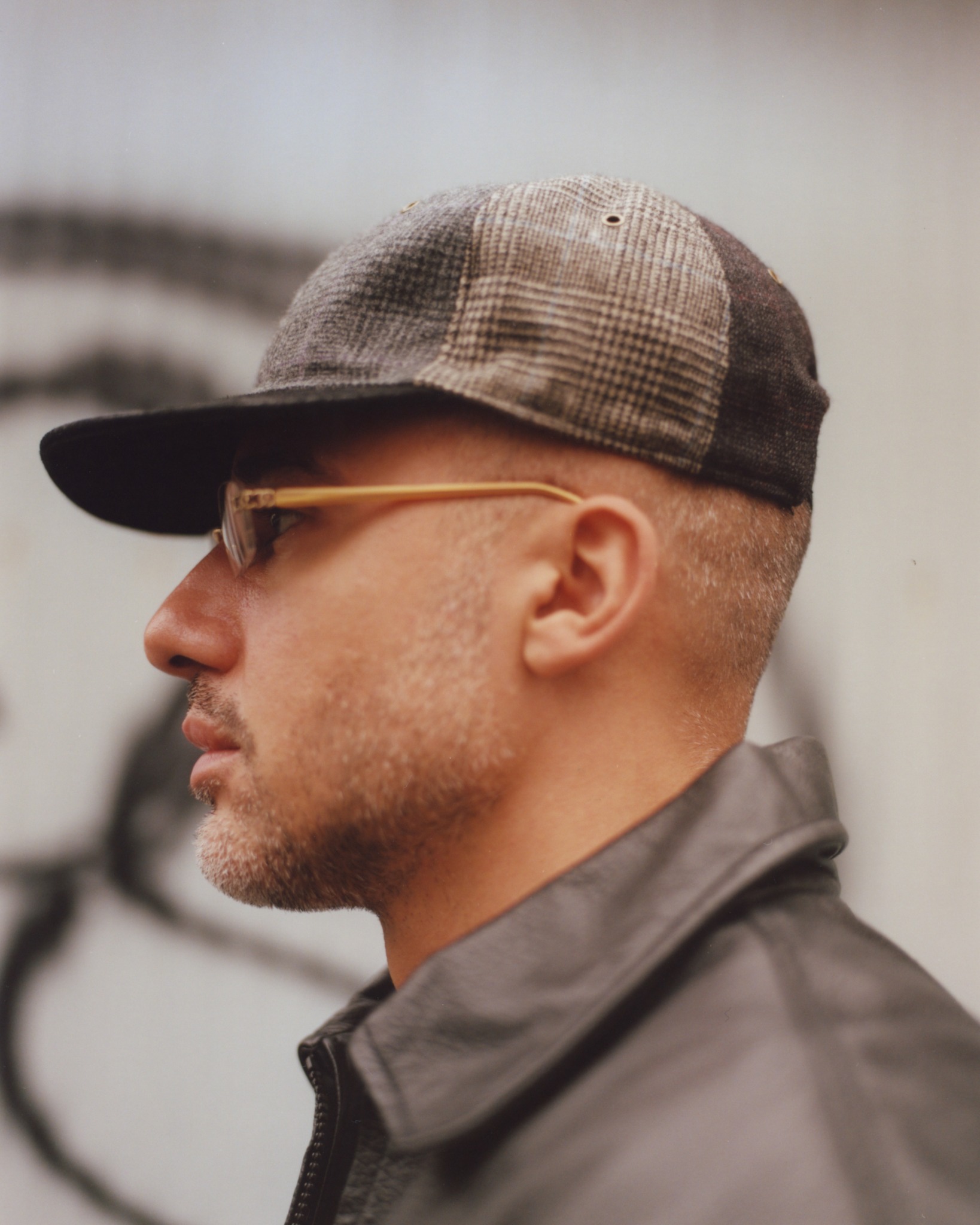

We caught up with the brilliant and insightful Sam Karimi a few weeks ago and have shared our conversation below.
Sam, thanks for taking the time to share your stories with us today We love asking folks what they would do differently if they were starting today – how they would speed up the process, etc. We’d love to hear how you would set everything up if you were to start from step 1 today.
Looking back, I have no regrets about my entrepreneurial journey. Every misstep or failure has taught me something valuable, and with the right mindset, what initially feels like a setback can become an asset in the long run. That being said, there are a couple of things I wish I’d embraced earlier on, especially when it comes to efficiency in building my brand and business.
First, I learned that having too many options can be a real distraction. I was someone who had the chance to explore different industries and saw some early success, but that freedom also clouded my vision. I started feeling paralyzed by the endless possibilities. What I came to realize is that limitations are actually really helpful—they help focus creativity. Sometimes, we need to impose those limits ourselves to channel our energy where it matters most. By honestly evaluating my character, my circumstances, and my resources, I was able to narrow down what truly mattered. Once I had a clear picture of what I was working with, I could prioritize the most important things and develop a strategy based on those priorities. When I let my priorities drive the decisions, it freed me from overthinking and pushed me into action. It became less about the emotions of decision-making and more about executing a clear plan.
The second lesson was about time. Time is an unavoidable factor in growth. No matter how much energy we pour into creating the perfect environment for success, we still have to let time take its course. Had I accepted this sooner, I think I would have spared myself a lot of anxiety. There were times when I questioned my strategy, hit reset, and almost derailed myself from my original vision—because I was too impatient. In the end, though, I learned that trusting the process and giving things time to unfold is one of the most important lessons I could have learned.
Ironically, taking my time would have gotten me here faster.
As always, we appreciate you sharing your insights and we’ve got a few more questions for you, but before we get to all of that can you take a minute to introduce yourself and give our readers some of your back background and context?
I grew up in an artistic family—my father was a painter and interior designer who ran an antique shop in Montreal, and my mother was a papier-mâché artist. Early on, my older brother and I were exposed to hip hop, which became a huge influence. Around 11, I started getting into graffiti, and that was my first real introduction to developing a creative skill. As I dove deeper into hip hop, rapping became my main focus, and I quickly realized that my love for it was paired with an instinct to take things into my own hands. There weren’t many opportunities in my city, so I started producing my own shows, mixtapes, cover art, flyers, and merch. Even though I didn’t have the technical skills, I worked closely with other creatives to make it all happen.
After years of pouring energy into my rap career, I hit a turning point. I realized that I wasn’t going to be able to make a sustainable living off my music alone. That led me to explore another creative outlet: graphic design. Surrounded by talented photographers at the time, I realized that great images were a huge part of design, so I taught myself photography as well.
Around the same time, I became deeply immersed in fashion and clothing production. I started working in screen-printing shops and helping friends with their streetwear brands—designing logos, making product mock-ups, and getting involved in all the small but vital details of bringing creative ideas to life. Eventually, I combined everything I’d learned into a gallery show tied to a rap album, marking a shift in my identity from rapper to multimedia artist. I started exploring any medium that allowed me to communicate my vision.
Despite these creative leaps, I still hadn’t figured out how to make a living doing what I loved. Over the years, I managed to graduate from university and work over 30 jobs in a range of industries, which, while chaotic, helped me understand how different industries operate. I began to see the commonalities between creative processes in different fields—how every idea has to be executed from scratch—and that gave me a new perspective.
With more confidence and a growing network of creatives and manufacturers, I partnered with a friend to start a Creative Studio. We worked on some amazing projects, but after a few years, I realized I wanted more independence and flexibility. So, I decided to go solo and focus on building my own brand.
Now, I’m using everything I’ve learned to help other creative entrepreneurs navigate the process of building a business. I’m also continuing to build my own portfolio as an artist, with the ultimate goal of living from my own creative outputs and adapting to an ever-changing world—with the support of a community that encourages me to explore whatever new path I choose.
What do you think helped you build your reputation within your market?
Building a reputation is a gradual process, and I’ve worked on it intentionally over time. I’ve always believed that your reputation isn’t solely in your control—it’s shaped by the choices you make, how you engage with others, and the work you put out into the world. It’s not just about getting things right every time; it’s about showing up consistently and staying true to your values, even when things aren’t perfect.
For me, that meant being consistent with my output—whether through the quality of my work, the way I engaged with clients, or how I supported other creatives. It’s about setting a standard but also knowing that a reputation isn’t built overnight. Every project adds to that story, no matter how big or small.
At the same time, I know that reputations can be built positively and negatively. For me, the goal has always been to build trust by staying authentic and reliable in the work I produce. Whether it’s been graphic design, fashion, or multimedia projects, I’ve always strived to maintain that authenticity in everything I do. And while I’m still building my reputation, I know that it’s these consistent, thoughtful actions over time that will define how people remember me.
What’s the most rewarding aspect of being a creative in your experience?
For me, the most rewarding part of being an artist is the power to manipulate perspective. Art blends the technical, spiritual, and political in ways that can be both immediate and deeply layered. At its best, it sparks an instant emotional response, but to achieve that, the artist has to navigate a series of thoughts and decisions to present a clear message.
Through that process, you learn that ideas can be framed in countless ways. When you realize that the way you choose to present something can completely change how it’s understood, you feel a sense of empowerment. Perspective is a tool. The challenge comes when people become limited by their own personal perspective, without realizing that they can shift or expand it to create their own reality. As an artist, I have the freedom to shape how I see the world, and that choice fundamentally changes the world I experience.
Contact Info:
- Instagram: @by.es.kay
- Other: goodsbyeskay@gmail.com
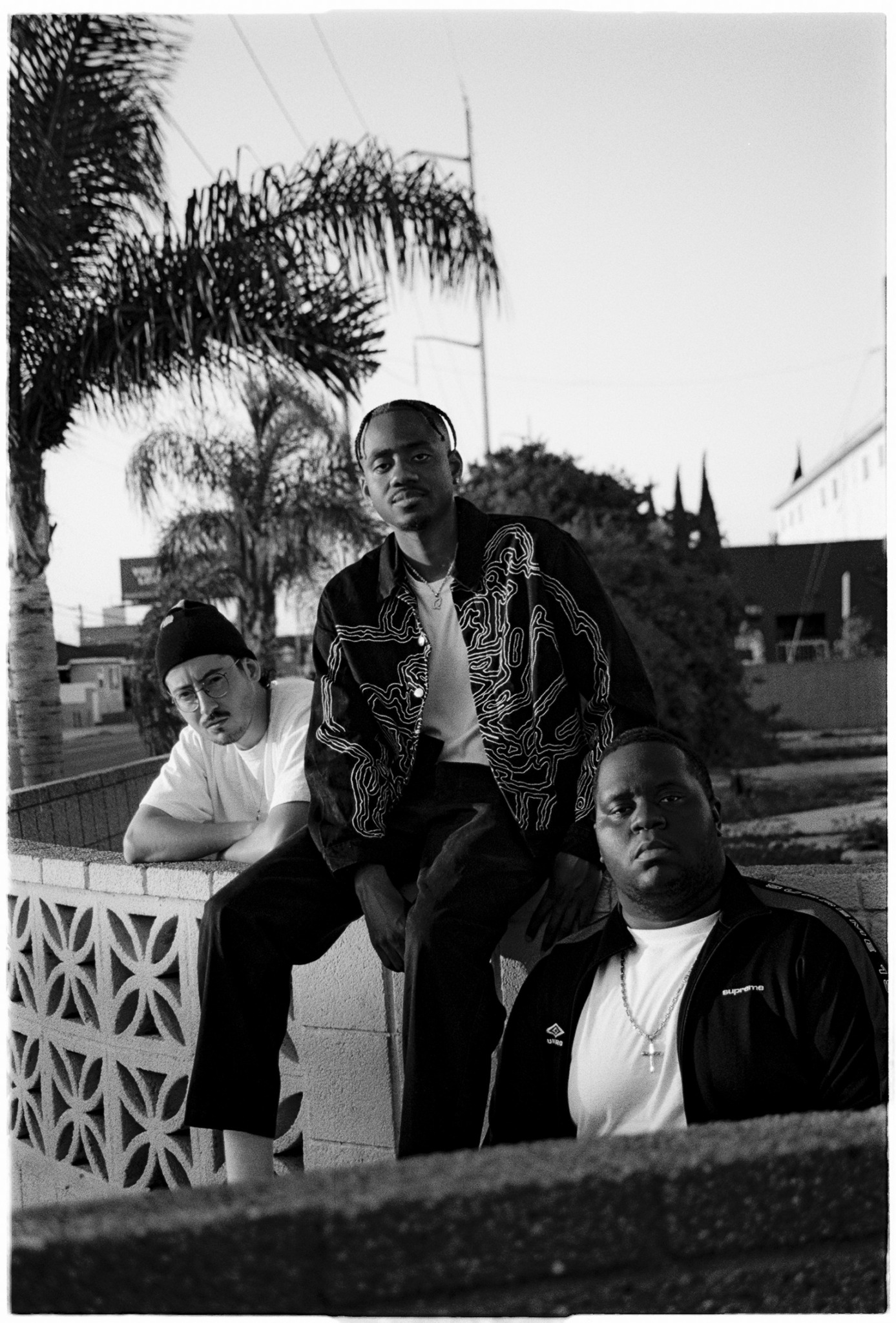
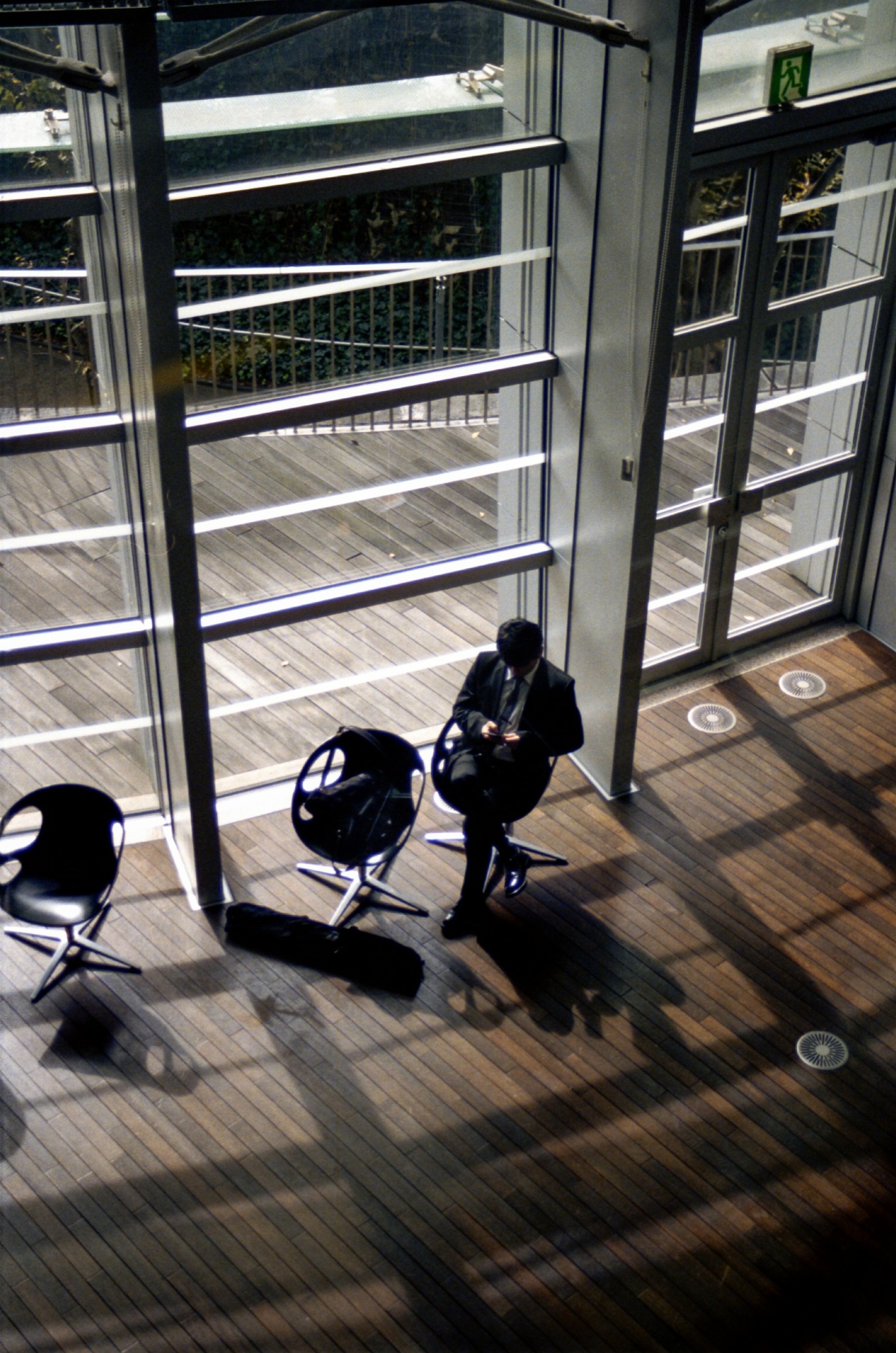
Image Credits
Photo of Sam Karimi by Samuel Legault
–
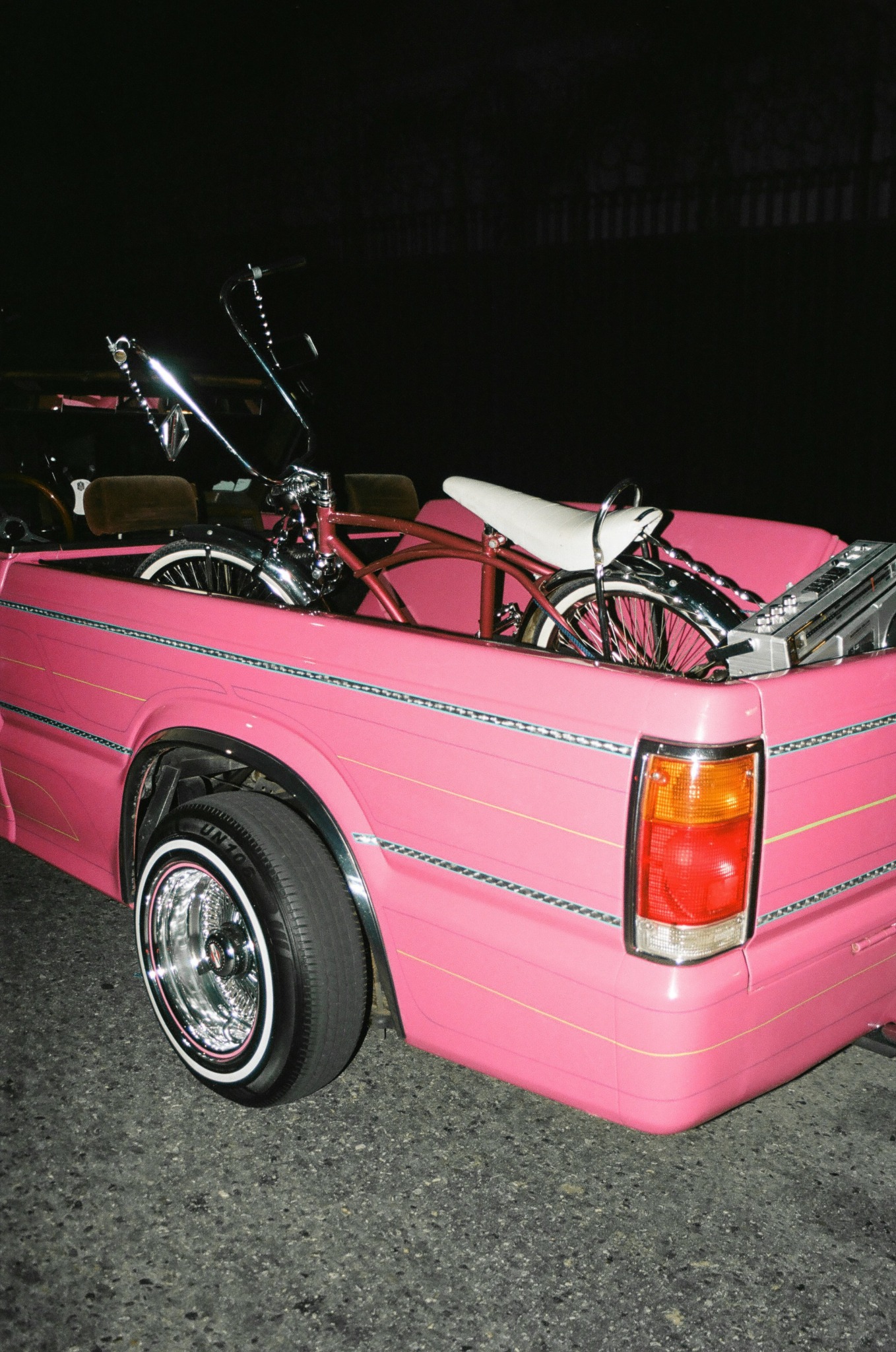
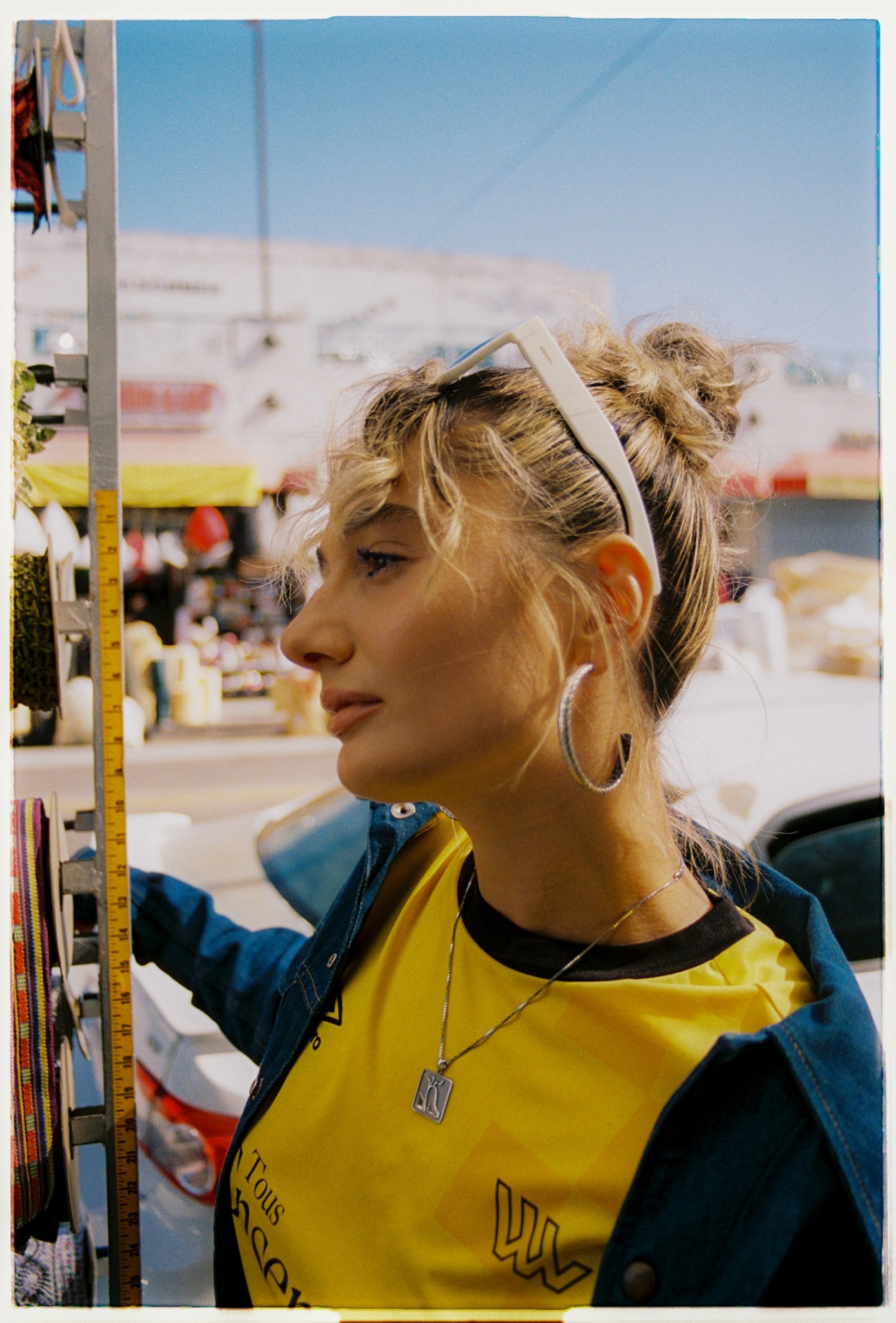
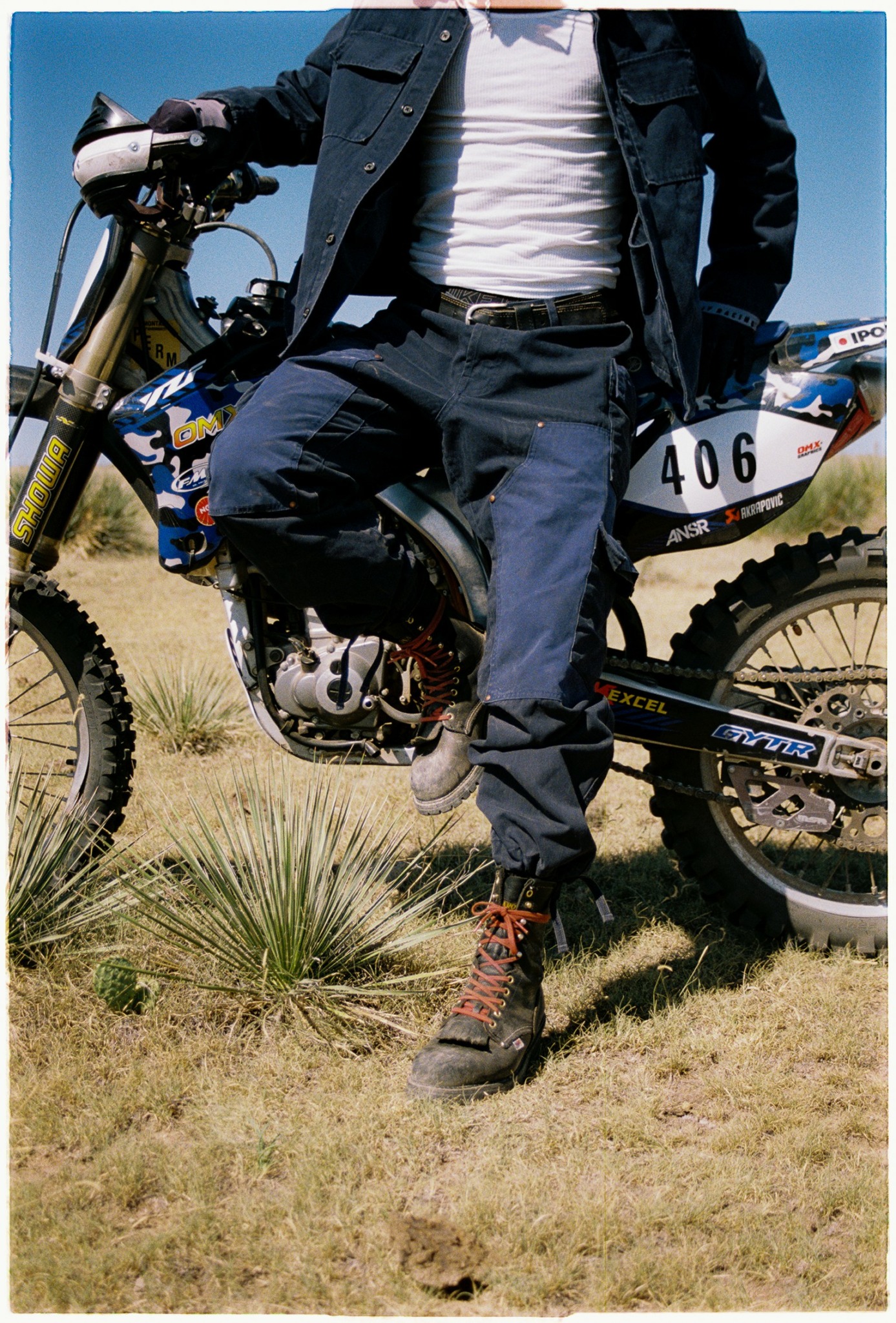
All other photos by Sam Karimi