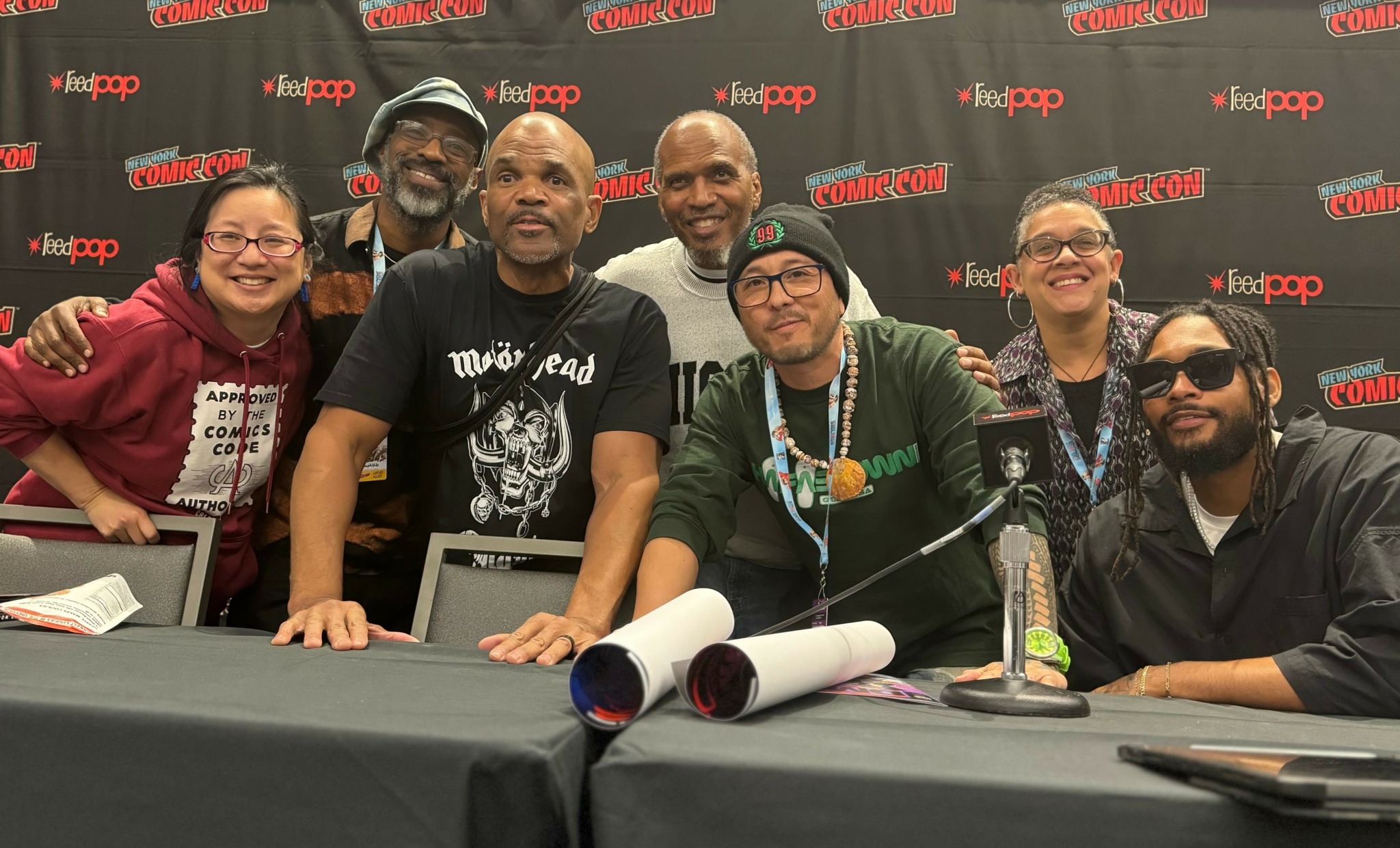

We were lucky to catch up with Freddie Gutierrez recently and have shared our conversation below.
Alright, Freddie thanks for taking the time to share your stories and insights with us today. What do you think matters most in terms of achieving success?
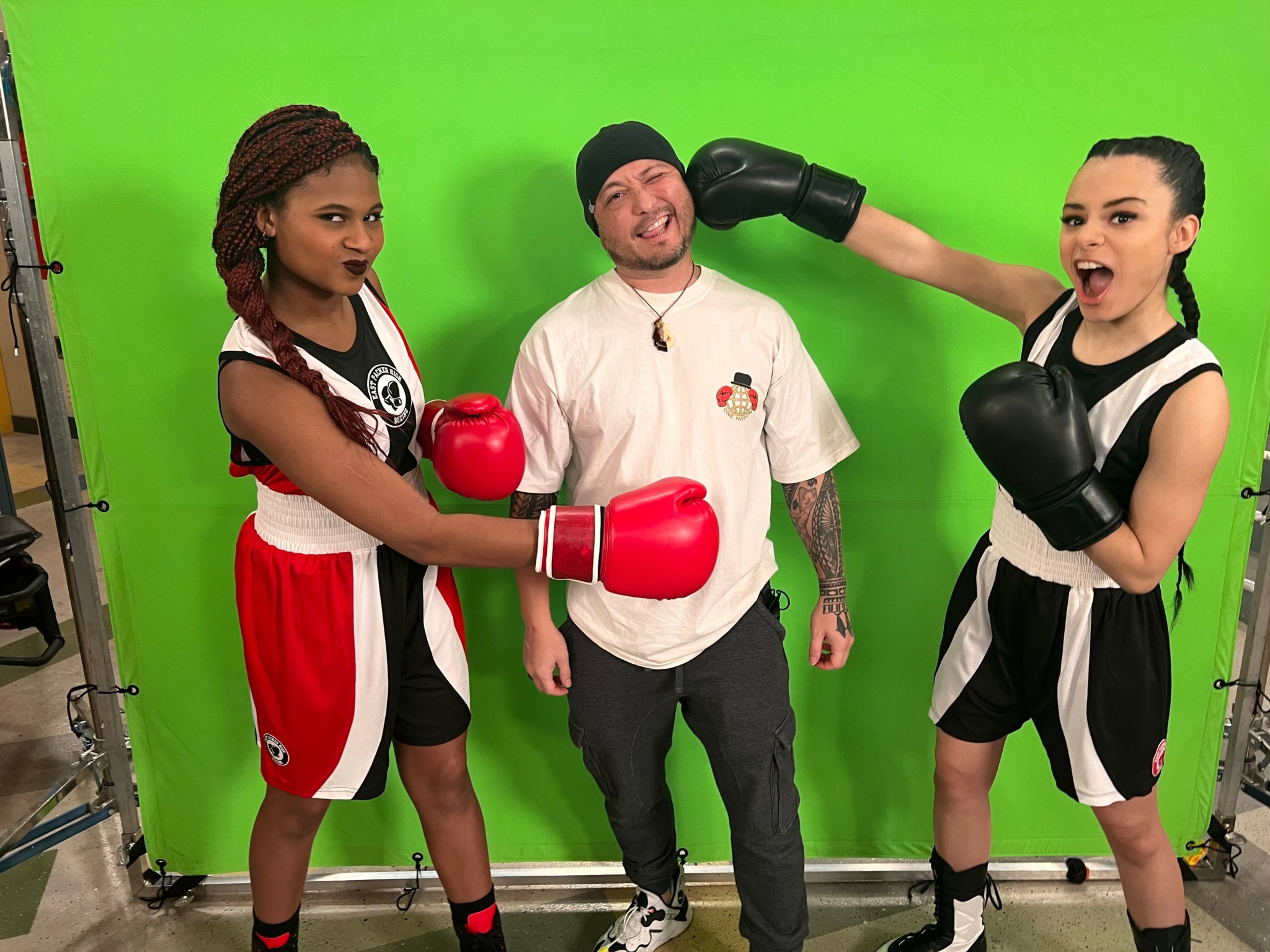
What I think it takes to be successful is the ability to not take “no” for an answer and to never allow the opinions of others define you. If you believe in yourself and your talent and have a very realistic view of your talent and the ability to take constructive criticism, you will eventually succeed. But if you have all belief and don’t work hard and dedicate yourself to your craft to being the best you can be, none of that will matter. Hard work, dedication, and belief go hand in hand for success. I think having been a boxer since the age of 15 taught me to always work harder than your opponent if you want to win. I took that attitude and applied it to my career as a writer and still do to this day. Hard work will always pay off. It may take a while, it may not get you exactly what you want when you want it, but it will always move you forward and put you in a position to eventually get those things when the time is right. Being a boxer always taught me about timing and rhythm and if you’re prepared for it, when the right time comes and you’re in your rhythm, the win will be there for you.
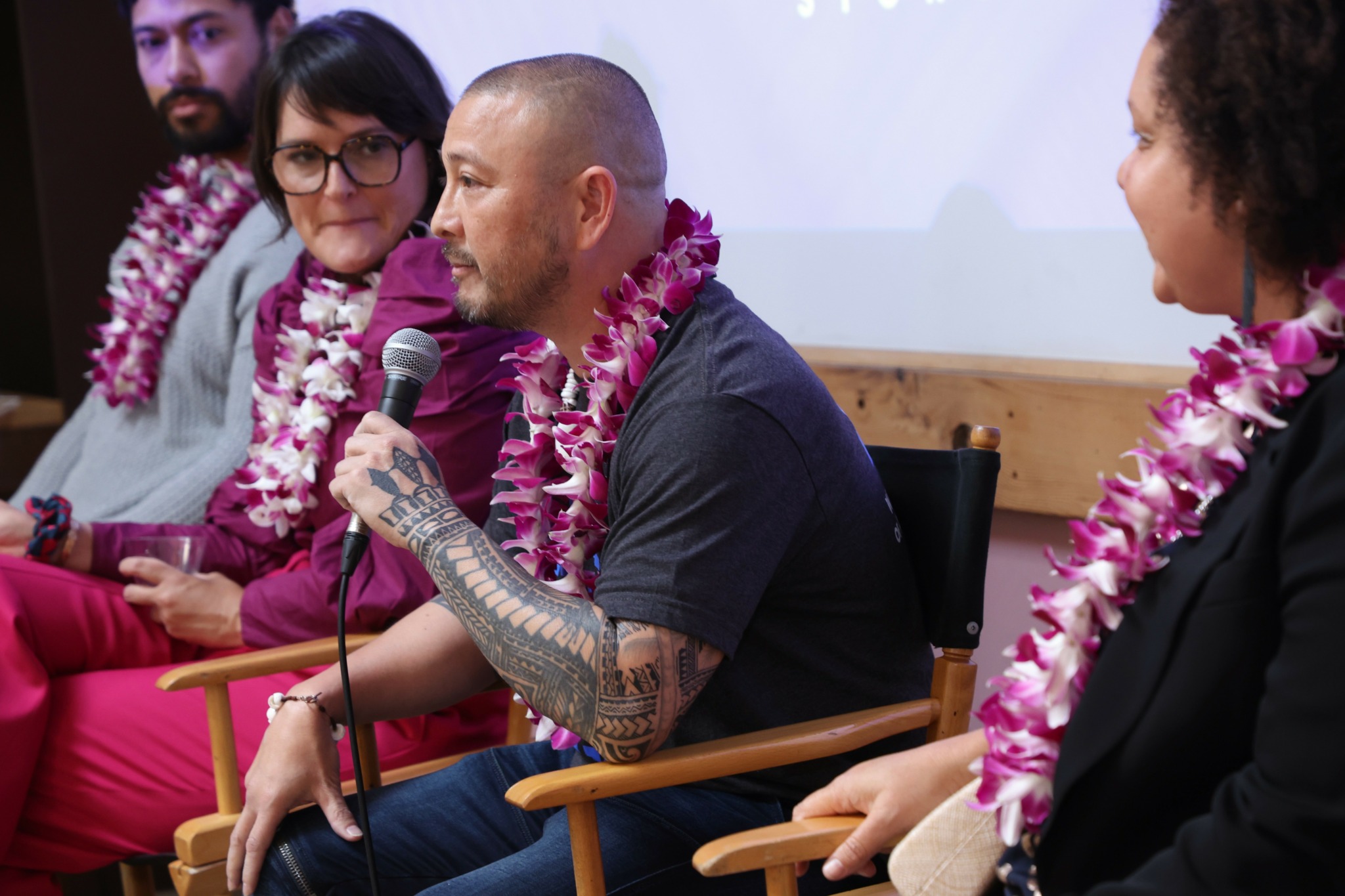
Freddie, before we move on to more of these sorts of questions, can you take some time to bring our readers up to speed on you and what you do?
I’m Chamorro (indigenous people of the Marianas Islands) and originally from the island of Guam. Whe I was 7 years old, my family moved to the mainland and that prettyy much started my journey of living and visiting places all around the world. My father worked for the military and we were stationed in Asia and Europe and I grew up visiting countries in those parts of the world. I spent my elementary and high school years on an army base in Germany and then finished high school in Los Angeles. After high school I ended up going to Moorpark Jr. College and then Cal State Northridge for film school. At the same time I was also thinking of turning pro as a boxer. After college I got a job as a post production PA and worked my way up to assistant editor while I was still training and fighting in the amateurs. When I wasn’t training I was writing and networking. I wanted to be a comedy writer so I was always in the comedy clubs and eventually got a job dj’ing at the Improv on Monday nights, it was there I got to bring on stage Chris Rock, Jamie Fox, Dave Chapelle, and a slew of other really amazing comics. I met my writing partners and we ended up shooting a short comedy film that was eventually seen by a production company that bought a pitch from us. We worked with that production company for a year and a half and we finally sold our first script to MGM. With that I became the first Chamorro writer in Hollywood and I was able to write for the likes of Eddy Murphy and Kevin Hart. I love comedy, nothing feels better than writing a joke that makes people laugh. I think what sets me apart from others is that being a kid from Guam, I had to always adapt and but not allow myself to lose my culture and identity in who I am. I was able to navigate the many worlds of race and social statuses in a way that allowed me to express myself and still be understood universally. What I am most proud of is writing that episode of Santiago of the Seas and allowing the world to see a glimpse of how cool and unique our Chamorro culture really is.
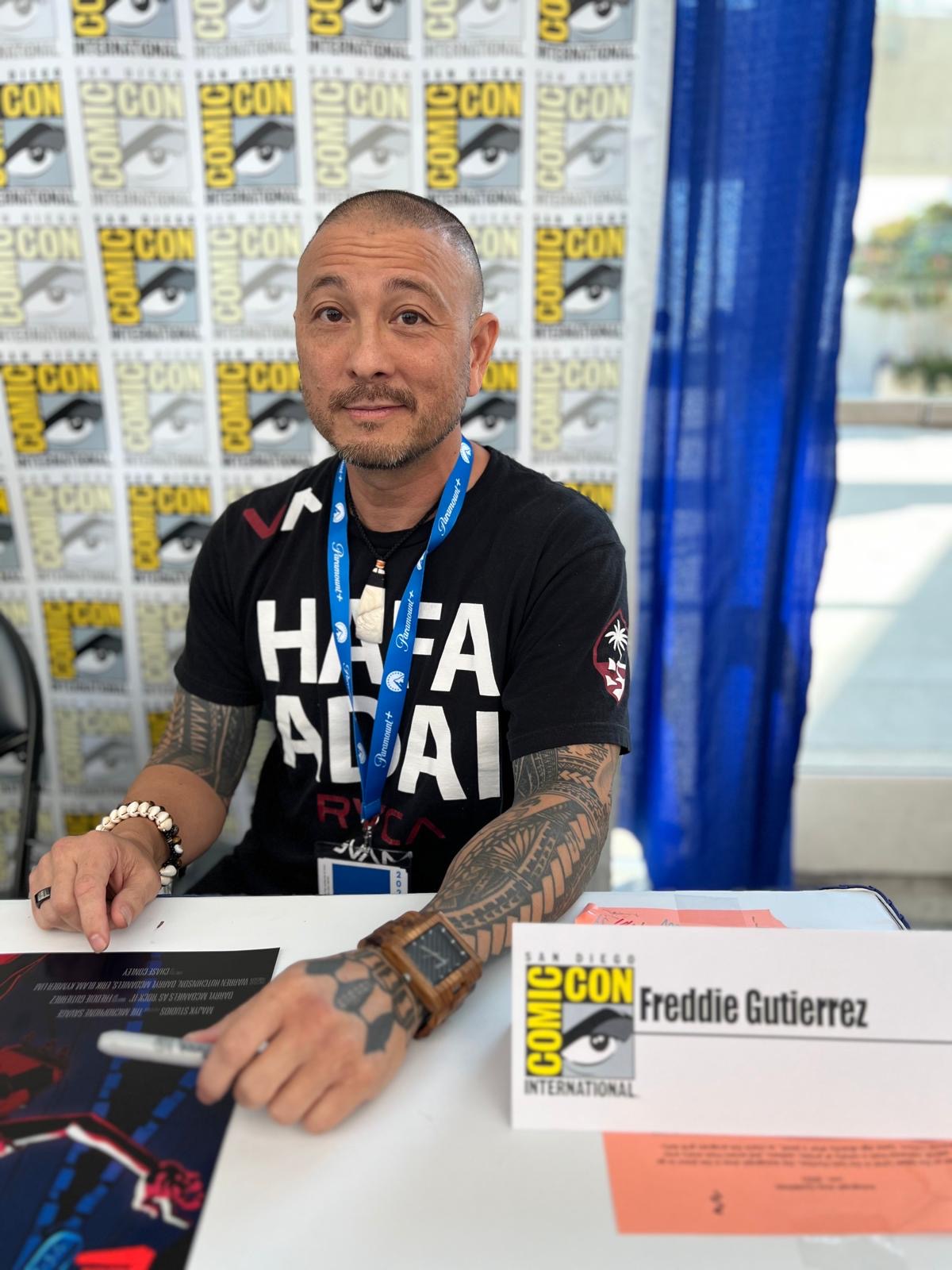
Can you share a story from your journey that illustrates your resilience?
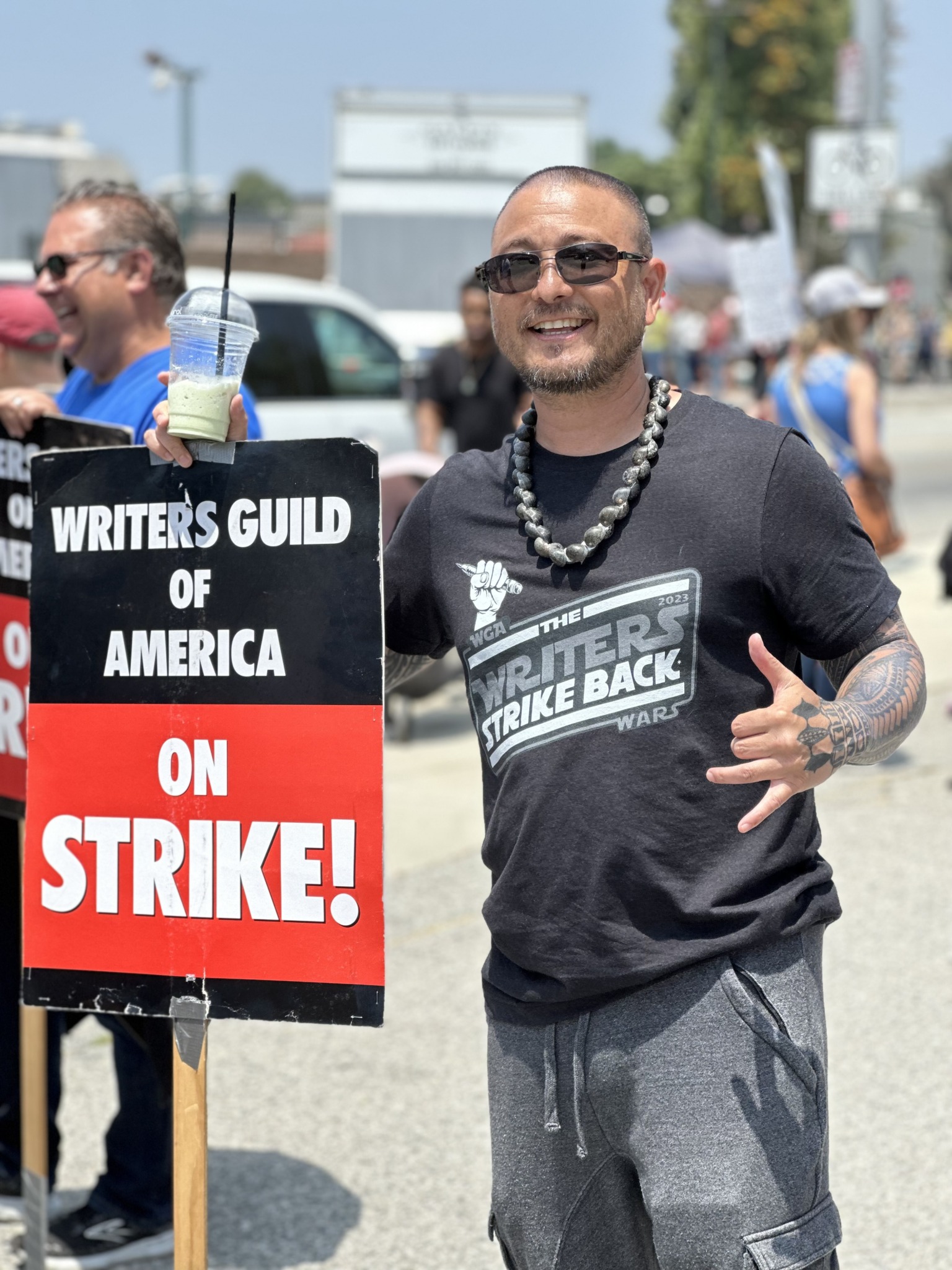
It was a few years after the ‘07 strike and because of unforseen issues, my writing partners and I had to split. What neither of us knew was that when we split, they would keep the credits and I had to start all over from scratch. In fact people in Hollywood treated me as if I had never written a day in my life. For the next fifteen years I had to get by on freelance episodes and odd jobs until someone would give me a shot again. In that time of my life, I really had to dig deep into my soul and not let anything deter me. I had friends, family, and of course people in the industry tell me that I wasn’t good enough to be a writer in Hollywood even thought I had done it with my writing partners for 10+ years. I was told my writing samples weren’t good enough, I was told that having a Pacific Island writer like myself in the writer’s room wasn’t anything special, and I was told that my stories weren’t anything anybody wanted to hear. I had to hear that over and over again for years, but though many looked at it as a failure, I couldn’t allow myself to give up. I knew my writing samples were good, I knew that I could be an asset in the writer’s room, and I knew that being from Guam and having to go through this world as a perpetual outsider would allow me to tell stories from a point of view that extremely unique. And as cliche’ as this sounds, the winds changed and my career began to gain momentum again. Moana became a hit for Disney and suddenly Pacific Islanders and their stories began to mean something. An opportunity arose for me to write some episodes for a show on Nickelodeon and I was able to make some fans at the network, I had a chance to be staffed on a pretty big new network show and was almost hired if not for Covid. But what it did do for me was get the attention of an agent and once I was able to have representation again, I started to work. And when I went back to work, I ended up getting a freelance episode of a kids show called “Santiago of the Seas” a show that celebrated Afro/Caribbean culture and taught Spanish to kids. I pitched an idea about a little girl from the Guam who gets magically shipwrecked in their waters and my episode became the first time my ancient Chamorro language was ever spoken on television. The failure that I had experienced for 15 years, allowed me to hone my skills in ways I never had thought possible. I still have a long way to go but that failure or what people thought was a failure was just a set up for come back.
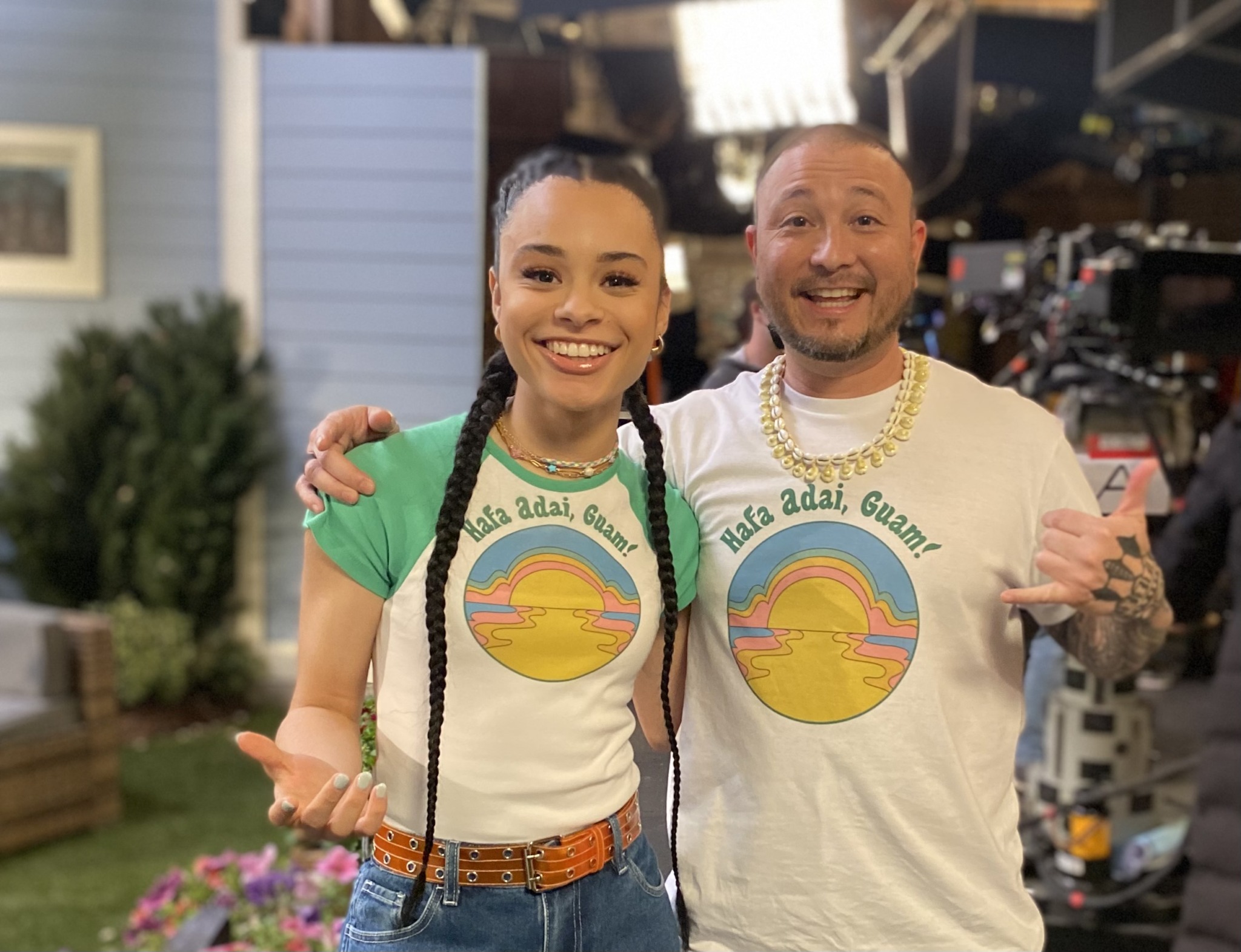
For you, what’s the most rewarding aspect of being a creative?
I think the most rewarding thing about being a creative is that we are the alchemists of our times. We get to turn our ideas and dreams into real life gold. I get to tell stories and jokes that hopefully will entertain you and not make you turn off the tv. And I get the opportunity to work with other people who want to do the same. Being in a room with people who are all trying to make each other laugh while trying to tell a cool story is a pretty damn cool way to make a living.
Contact Info:
- Instagram: @guamro