
We caught up with the brilliant and insightful Nico Capriotti a few weeks ago and have shared our conversation below.
Nico, appreciate you joining us today. Has your work ever been misunderstood or mischaracterized?
One of the biggest mischaracterizations of being a tattoo artist is still the outdated perception of the profession. There’s this lingering stereotype that all tattoo artists are part of a biker gang, smoke, drink, party, or are involved in some sort of criminal activity—and that our clientele reflects that lifestyle. While there are certainly some artists who fit that image, and that’s perfectly fine, the problem arises when that narrow view prevents us from being seen as true professionals.
This outdated perception can have real-world consequences, such as difficulty renting space in certain areas, or potential clients being hesitant to trust us. It’s even more challenging for tattoo artists who belong to marginalized groups—women, people of color, LGBTQ+ individuals, or those with disabilities—who face additional discrimination, both within the industry and from clients.
That being said, it’s incredibly rewarding to witness how the tattoo industry is evolving. In the short 4.5 years I’ve been tattooing, I’ve seen a drastic shift from a culture of gatekeeping and secrecy to one of openness and collaboration. Artists are now more willing to share knowledge, create guest-spot opportunities, and learn from one another. This change is creating a more inclusive, supportive, and professional environment, and it’s inspiring to see the positive impact it’s having on the industry as a whole.
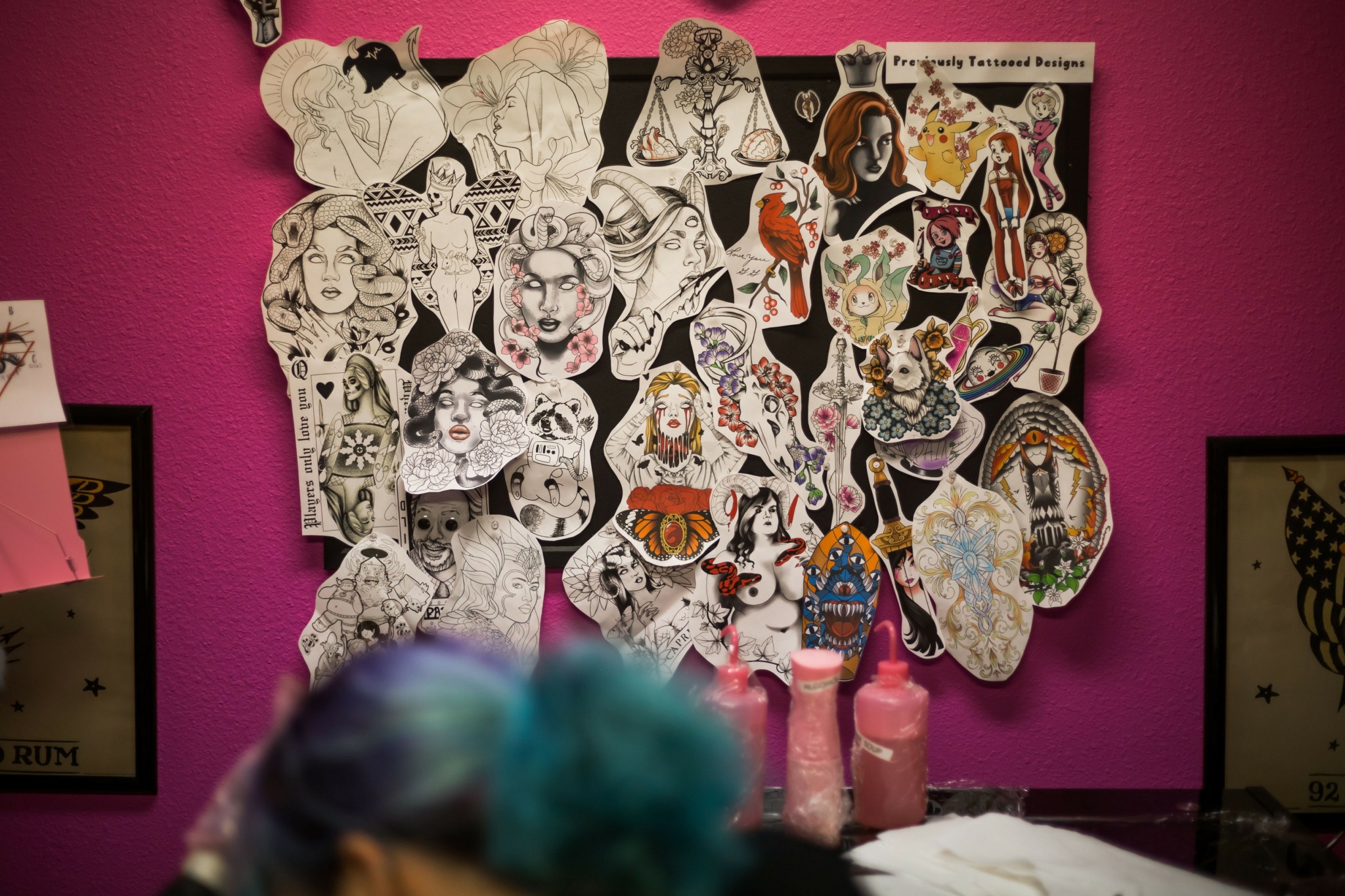
Awesome – so before we get into the rest of our questions, can you briefly introduce yourself to our readers.
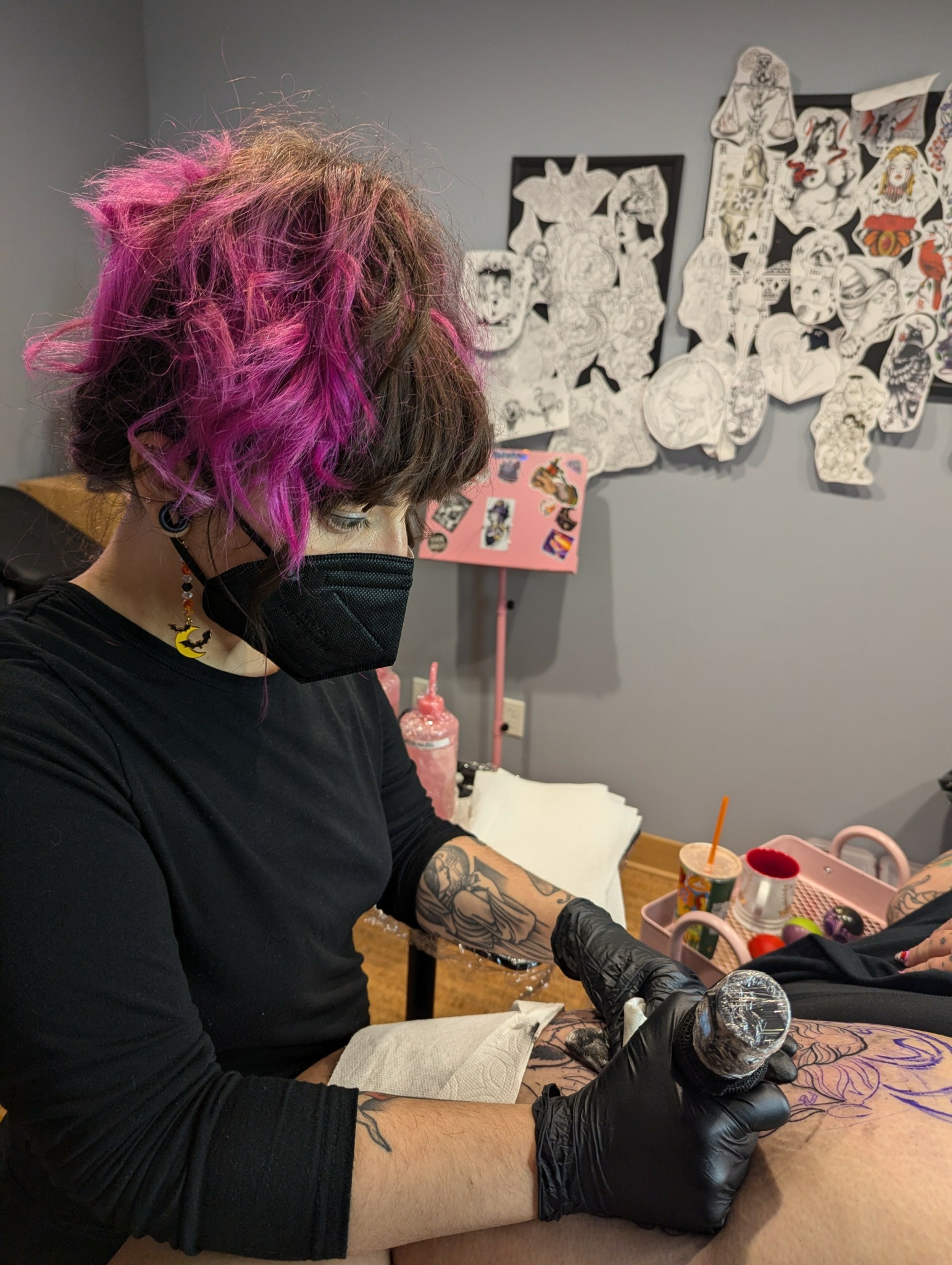
I consider myself a stereotypical Pacific Northwest woman—born and raised in Oregon, and deeply connected to the community here. I love the outdoors, the arts, video games, comic books, and Dungeons & Dragons. If it’s nerdy or outdoorsy, count me in!
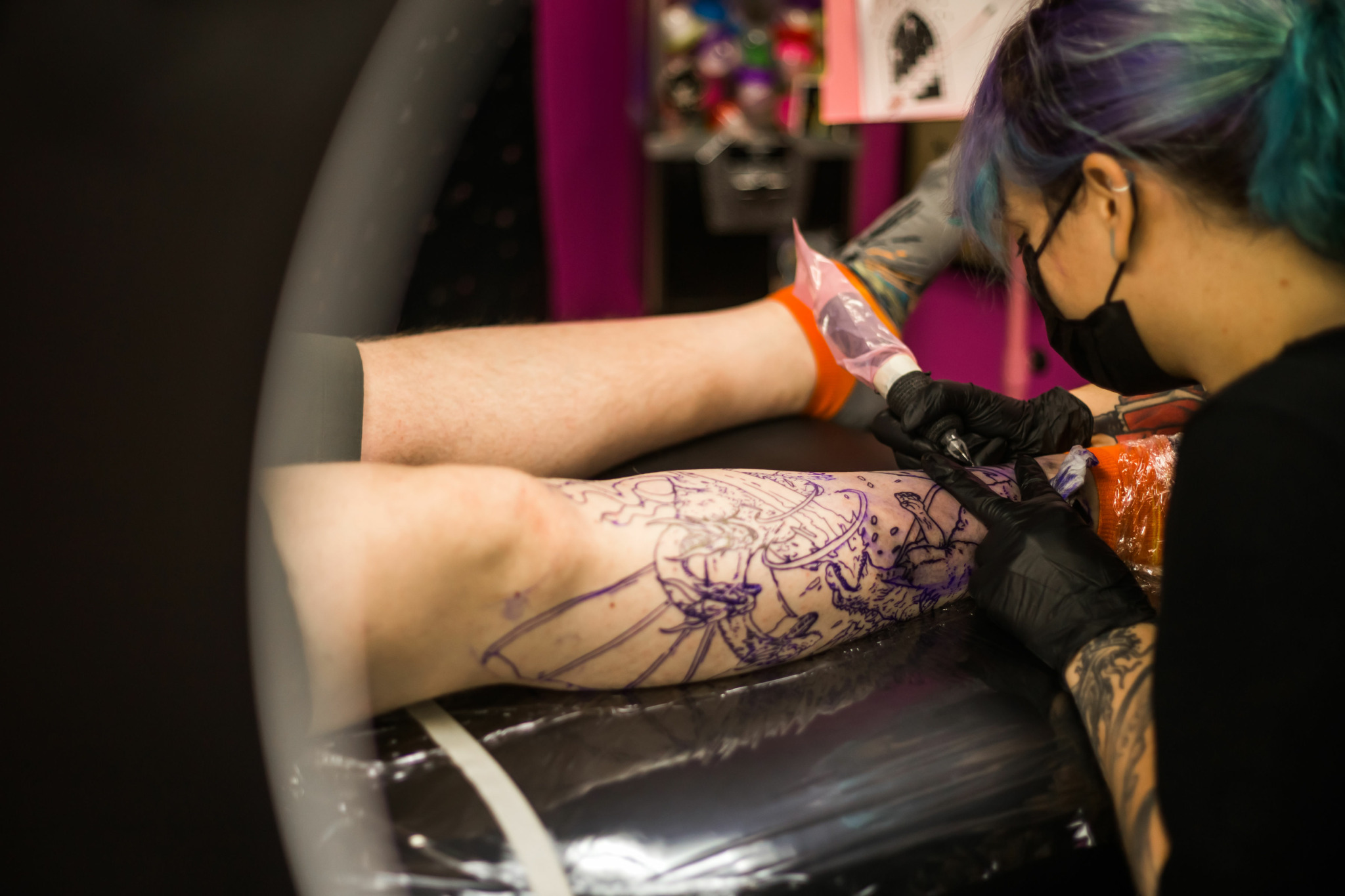
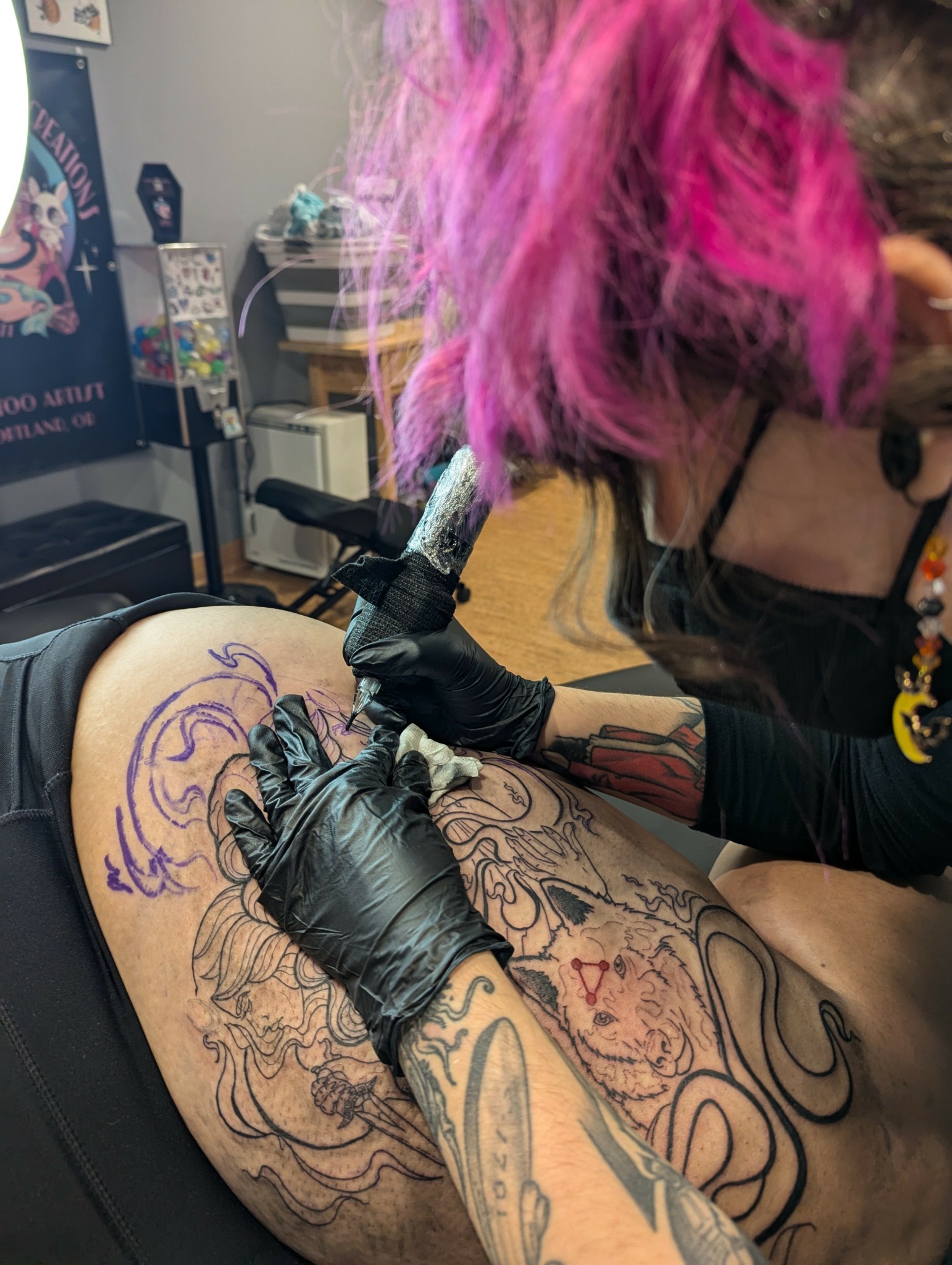
Like many tattoo artists, I’ve been drawing my entire life, and it’s been a constant passion for me. No matter what work I did, I was always drawing, creating, and finding ways to express myself through art. After spending five years working at a call center, I stumbled upon a tattoo school just five minutes from my house, and it clicked. I decided to apply, knowing that at 30, I was ready to center my life around the art I loved.
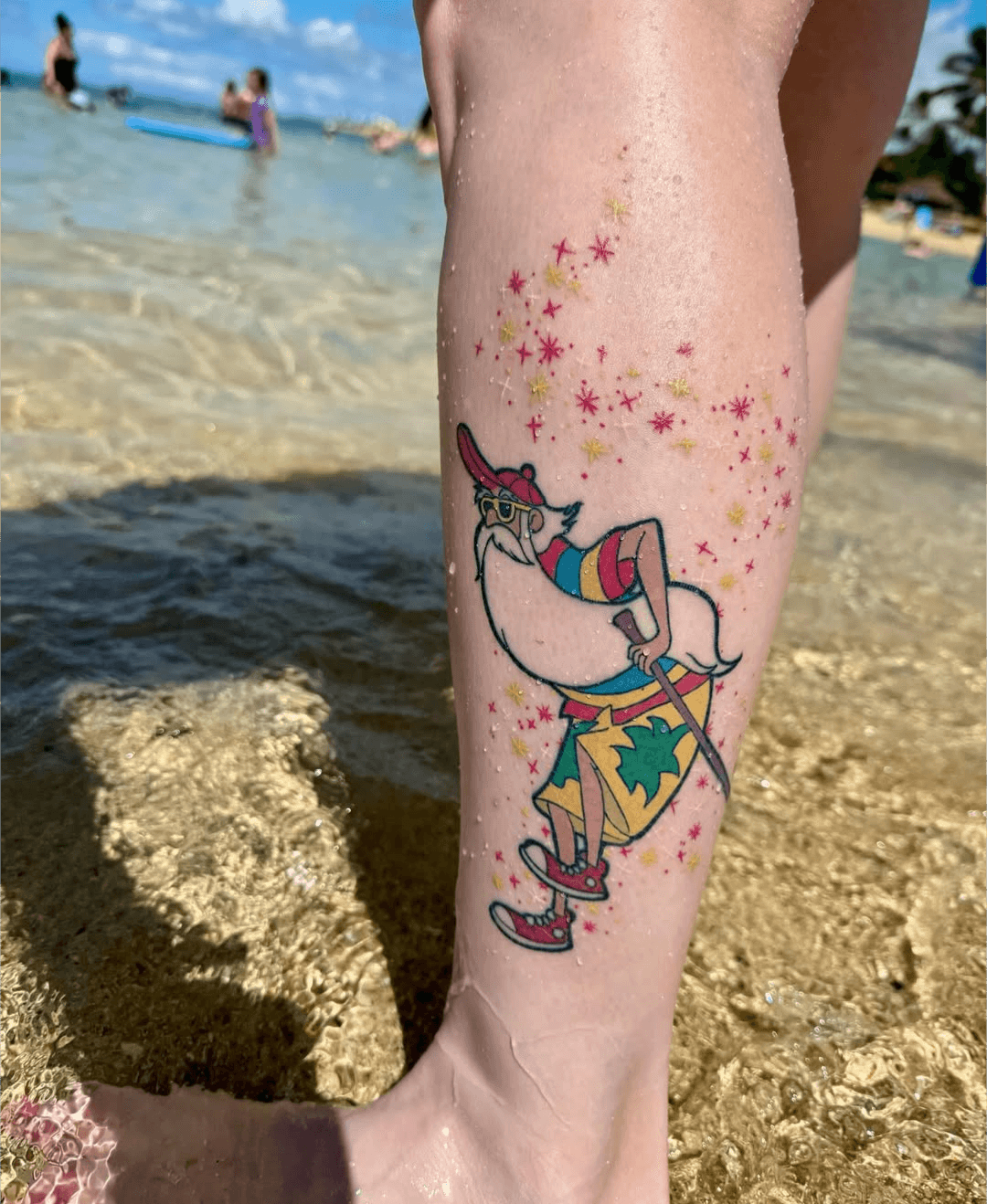
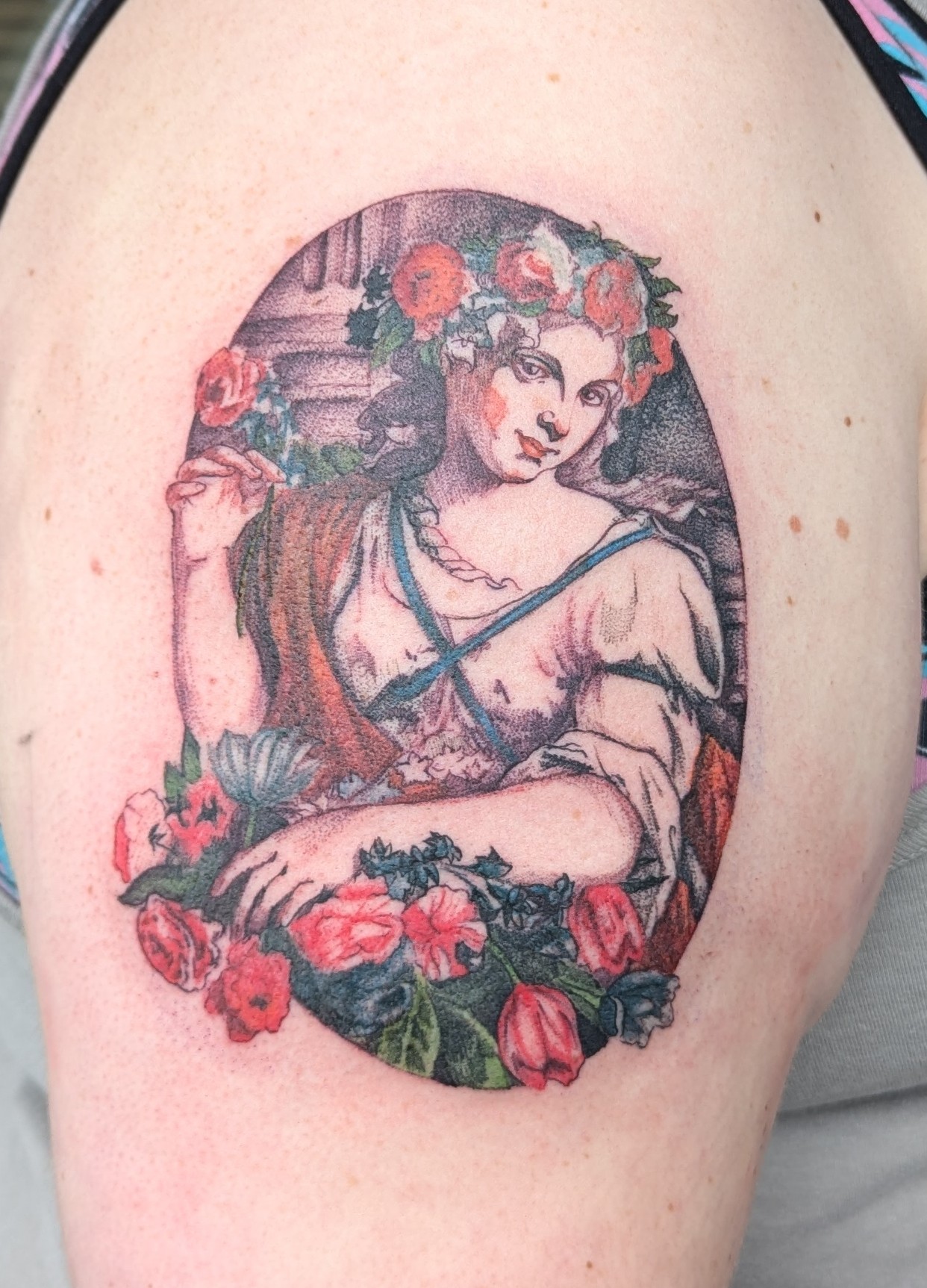
In my work, I take pride in being able to create tattoos in nearly any style, whether that’s vibrant color, black and grey, fine lines, or anything in between. I’m passionate about making sure my art works for every client, no matter their skin tone or texture. I also make it a point to work within clients’ budgets, because I believe art should be accessible to everyone.
What truly drives me is not just my love of art, but my eagerness to bring my clients’ visions to life. Over the years, I’ve had the privilege of hearing inspiring stories from people of all ages—from a 20-year-old overcoming addiction to a 65-year-old woman getting her first tattoo. Each story reminds me of the deep, personal significance that tattoos can have, and I find immense joy in creating something meaningful for each person I work with.
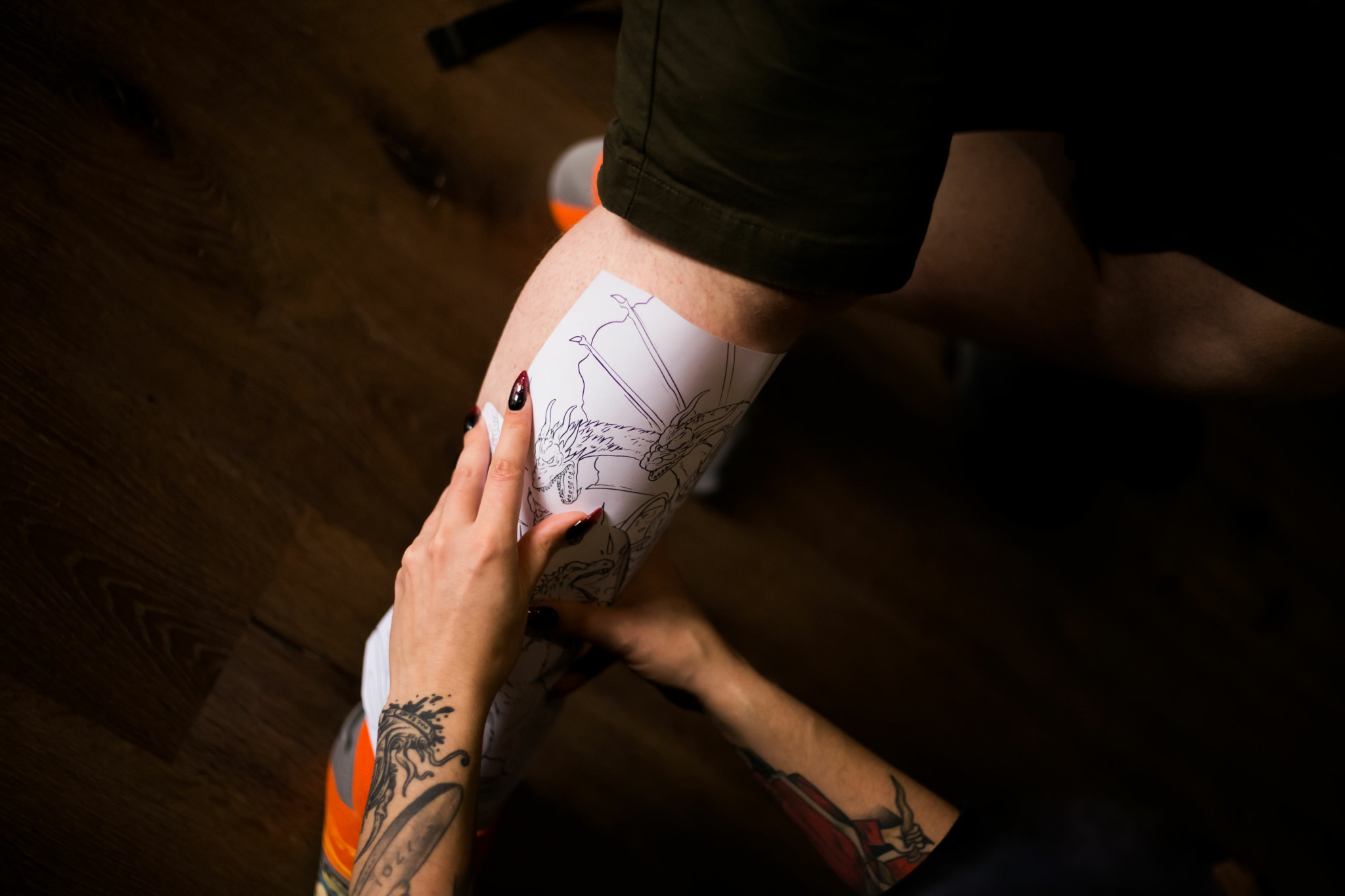
The experience I provide to my clients goes beyond the tattoo itself. Whether it’s a small heart or a full back piece, getting tattooed can be painful, cathartic, and even therapeutic. I strive to ensure that every client feels comfortable advocating for themselves, communicates openly with me, and leaves with a sense of pride and satisfaction. Even after the session, I want them to know that I’m still here for them.
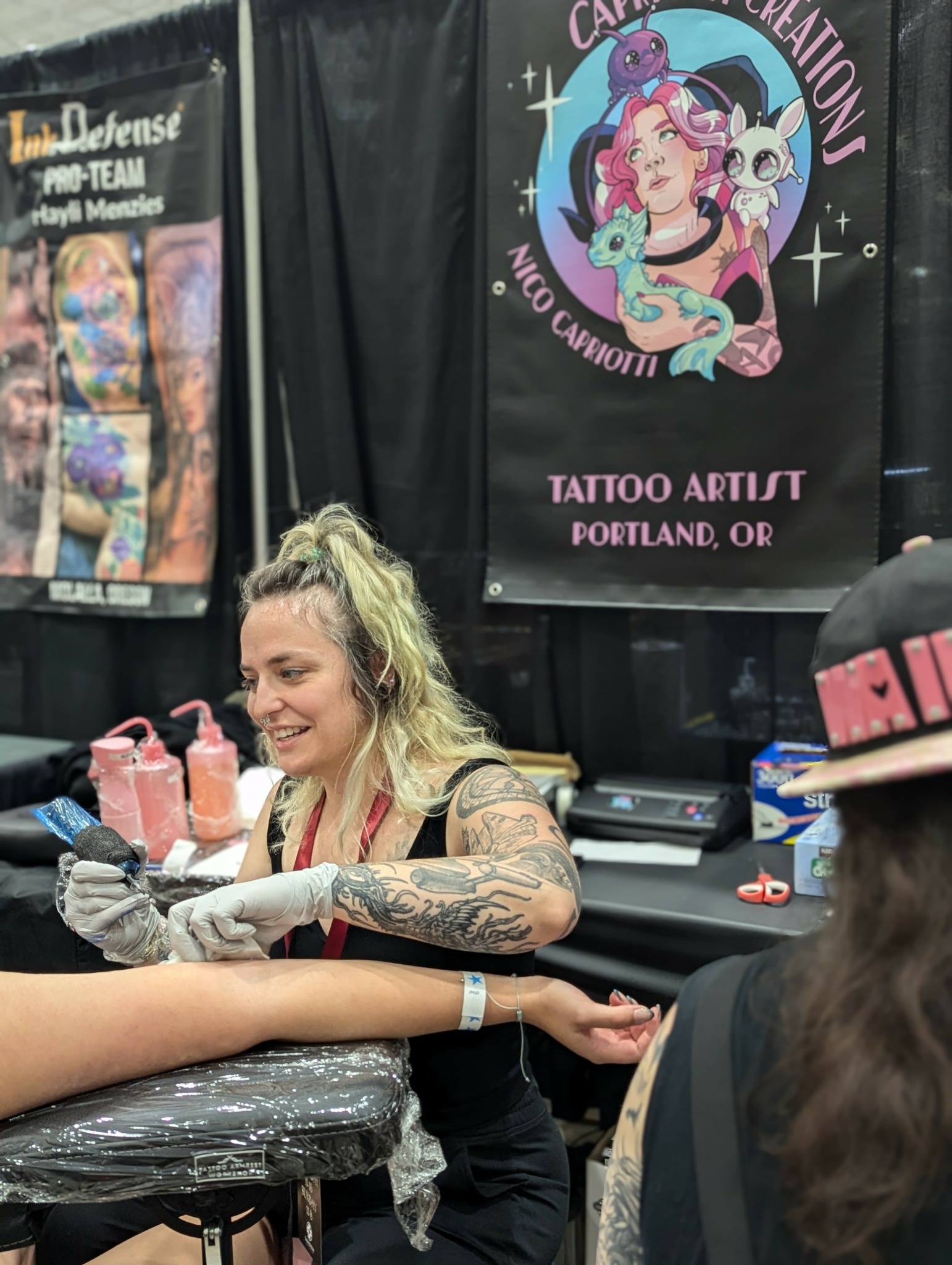
I’m always learning and growing, whether through collaborating with other artists, attending conferences, or participating in conventions. The tattoo community, particularly in the Pacific Northwest, is one I’ve fallen in love with. The kindness, openness, and support I’ve experienced here have been heartwarming, and it’s something I aim to pass along to both my clients and the community.
In your view, what can society to do to best support artists, creatives and a thriving creative ecosystem?
I have a two-part thought on this question, so buckle up!
Supporting the creative and artistic community is actually much simpler than people often think. One of the most overlooked ways to help is by writing a positive review, sharing a link, or posting a photo of work that inspires or moves you. Getting the word out about a local artist or small business can make a huge difference in keeping it alive and thriving. Word of mouth is powerful, but at the end of the day, we live in a capitalistic society, and the most direct way to help is through financial support. Instead of defaulting to big corporations or chain stores, try shopping at your local farmers’ market, pottery shop, or art gallery. Browse platforms like Etsy, Google, or social media to discover and support local talent.
We are more connected than ever, yet we’ve never been more distant in how we relate to the products we buy. People often purchase mass-produced art without considering where it comes from or the impact it has on the creator. It’s no surprise when small businesses close after only a few months or a year; the solution is painfully clear. Supporting small businesses and artists, whether through a purchase or simply by sharing their work, goes a long way in ensuring they stay around.
This brings me to a much more complex issue: AI. It’s a hot topic right now, and while AI has incredible potential, it’s also a source of tension. Advances in technology can be beneficial, but the way we use AI can be damaging if we’re not careful. At its core, AI is a tool, but we’re already seeing how its applications can affect everything from our ecosystems to how we earn a living and interact with each other.
The moment AI was trained to take the art we created and transform it into something new, we did something we can’t reverse. Instead of spending hours, months, or years honing a skill to create something truly unique, AI allows anyone to input a prompt and generate an image. This image is often a patchwork of other artists’ work, taken without their permission, credit, or compensation. These AI-generated images can then be mass-produced, sold on products, and distributed to a wide audience while the original artists, who spent years perfecting their craft, go unrecognized and underpaid.
Educating ourselves on the impact AI has on small businesses and the creative community is an essential first step. Following that, one of the most impactful ways we can support artists is by avoiding the purchase of AI-generated work and encouraging others to do the same.
Is there mission driving your creative journey?
I’m someone who often gets lost in daydreams, gets easily excited about future opportunities, and can be a bit impulsive at times. Over the years, I’ve set many goals and pursued different creative directions, each one pushing me further along my journey.
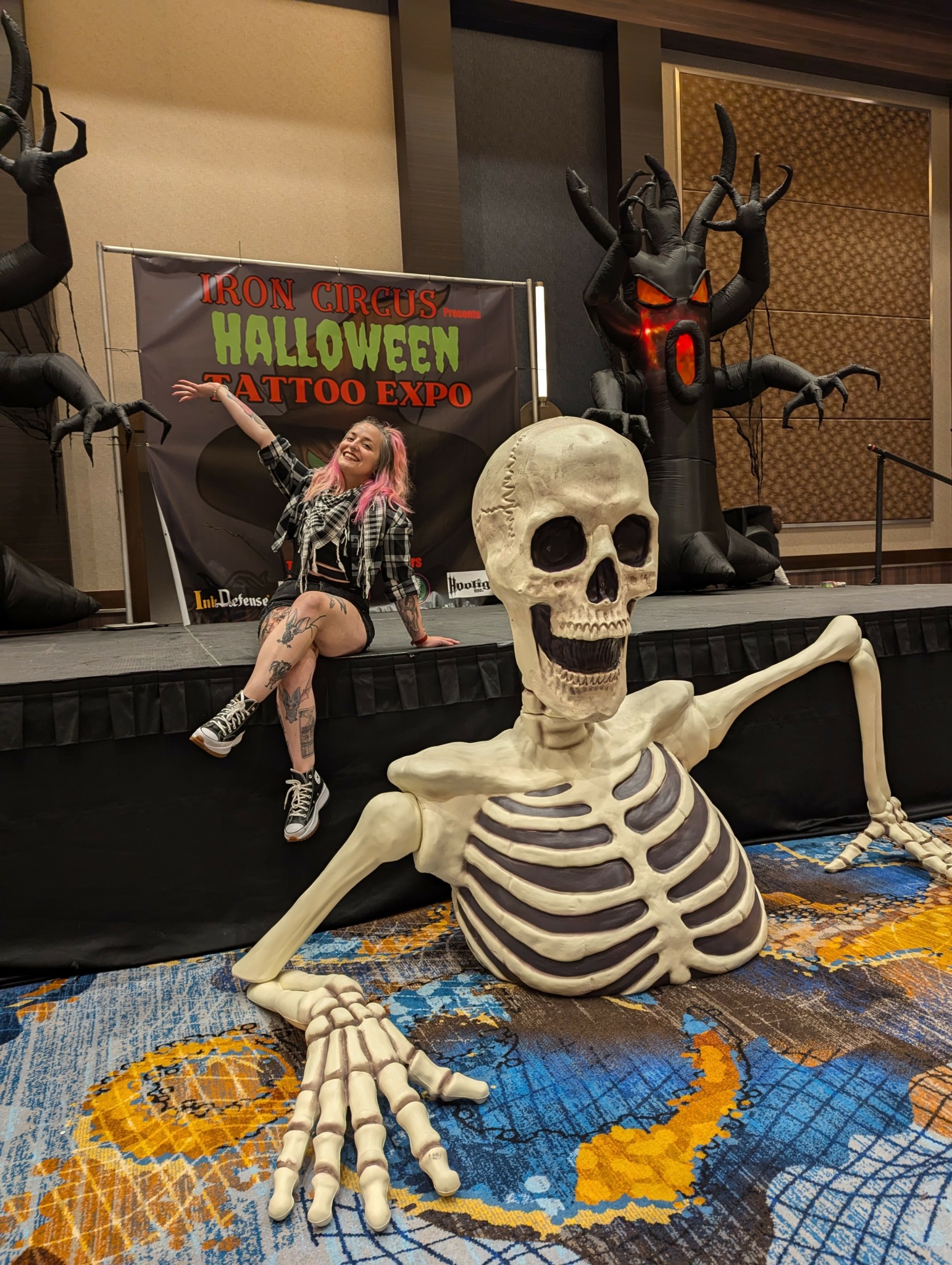
Right now, I’m focused on continuing to build connections in the tattoo industry. I recently had the opportunity to hold a booth at my first few conventions, and I was blown away by the welcoming environment. It was a great chance to network, learn from a wide variety of artists, and connect with like-minded individuals. I’m planning to guest spot at both local shops and some out of state studios, expanding my reach and experience even further.
As for a more long-term goal? I dream of creating a safe haven for artists. A shop where the majority of supplies are provided, rent is very affordable, and the environment fosters collaboration. I envision a collective of people who not only share their art but also support each other and our community. Above all, I want to create a space where we can all contribute to making the world a little better than how we found it.
Contact Info:
- Website: https://www.CapriottiCreations.com
- Instagram: @CapriottiCreations
- Facebook: CapriottiCreations
- Other: Blue Sky Social: CapriottiCreations
E-mail: CapriottiCreations@Gmail.com