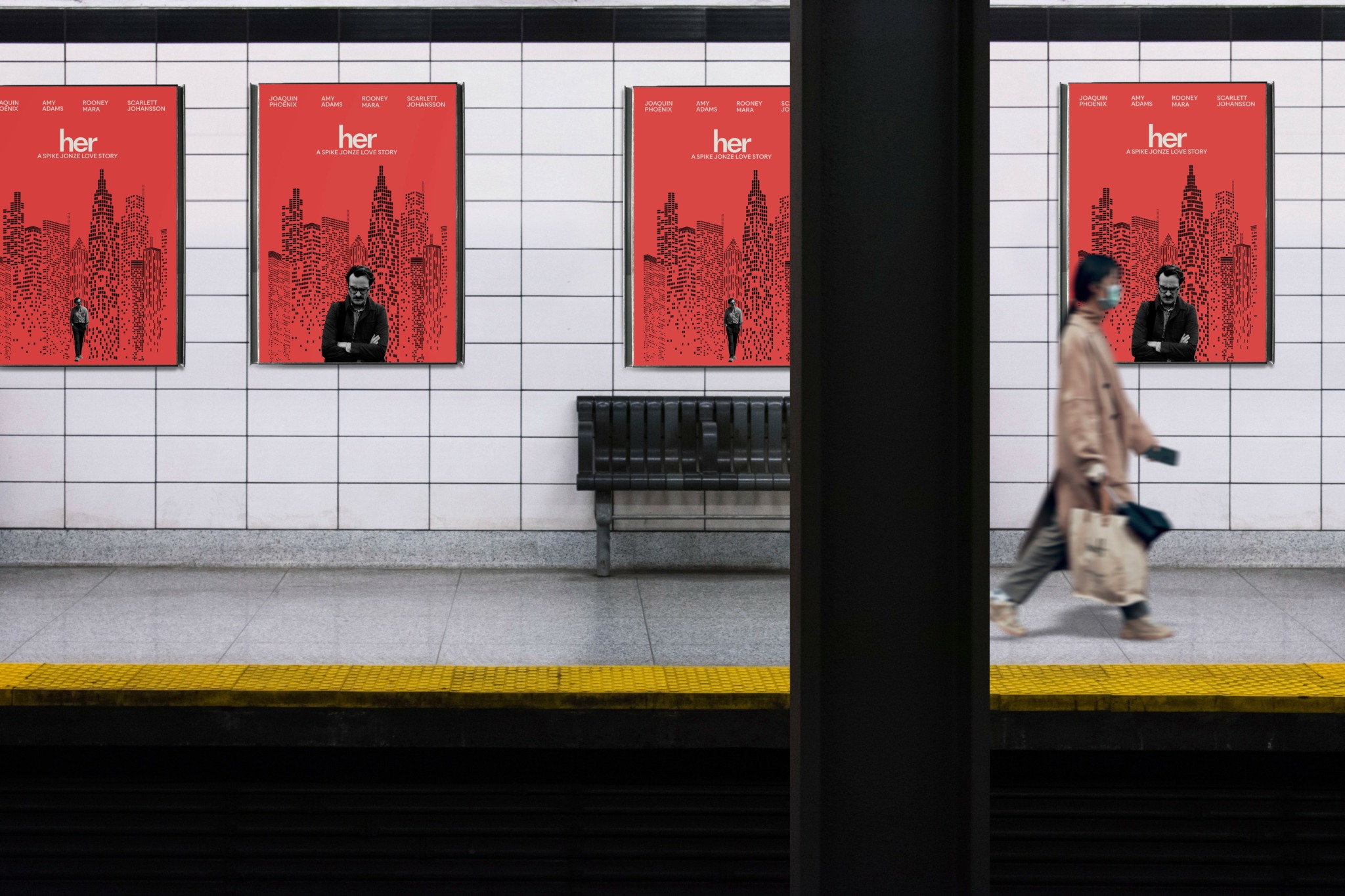
We’re excited to introduce you to the always interesting and insightful Soham Patil. We hope you’ll enjoy our conversation with Soham below.
Hi Soham, thanks for joining us today. How did you learn to do what you do? Knowing what you know now, what could you have done to speed up your learning process? What skills do you think were most essential? What obstacles stood in the way of learning more?
I learned to do what I do through a combination of formal education, hands-on experience, and a relentless curiosity to explore the intersections of art, design, and storytelling. My foundation was built during my architectural studies, where I honed my understanding of structure, form, and human interaction with space. Transitioning into graphic design at MICA allowed me to expand these principles into the visual realm, guided by incredible mentors like Ellen Lupton and an environment that championed experimentation and innovation.
If I could go back, I’d emphasize learning through collaboration earlier. Working with interdisciplinary teams—marketers, developers, writers—has been invaluable in understanding how design fits into larger narratives. I’d also encourage myself to share unfinished ideas more openly. Feedback and iteration are powerful teachers, and I’ve realized that perfectionism can sometimes slow progress.
The skills I find most essential are adaptability, visual storytelling, and empathy. The ability to adapt has helped me stay agile in a constantly evolving field, while storytelling has allowed me to create designs that resonate on a deeper level. Empathy is critical and not just for understanding audiences but also for collaborating effectively with clients and colleagues.
Obstacles often came in the form of self-doubt and overthinking. There’s a tendency in creative fields to feel like you need to have all the answers before starting, but the truth is, the process itself reveals the solutions. Overcoming these mental barriers required building confidence through practice and embracing failure as part of learning.
Ultimately, my journey has been about staying curious, leaning into challenges, and viewing every experience as an opportunity to grow.
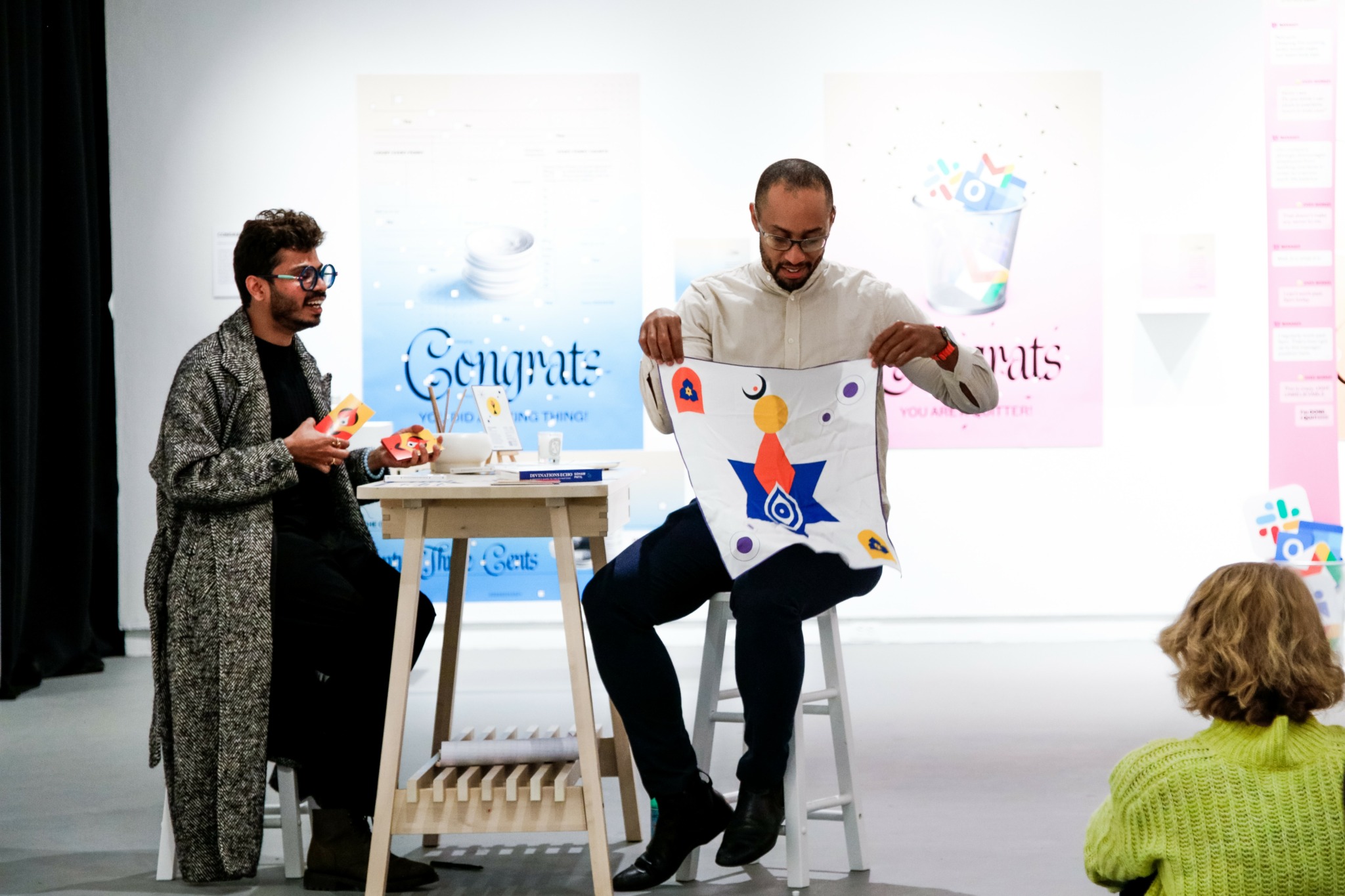
Soham, before we move on to more of these sorts of questions, can you take some time to bring our readers up to speed on you and what you do?
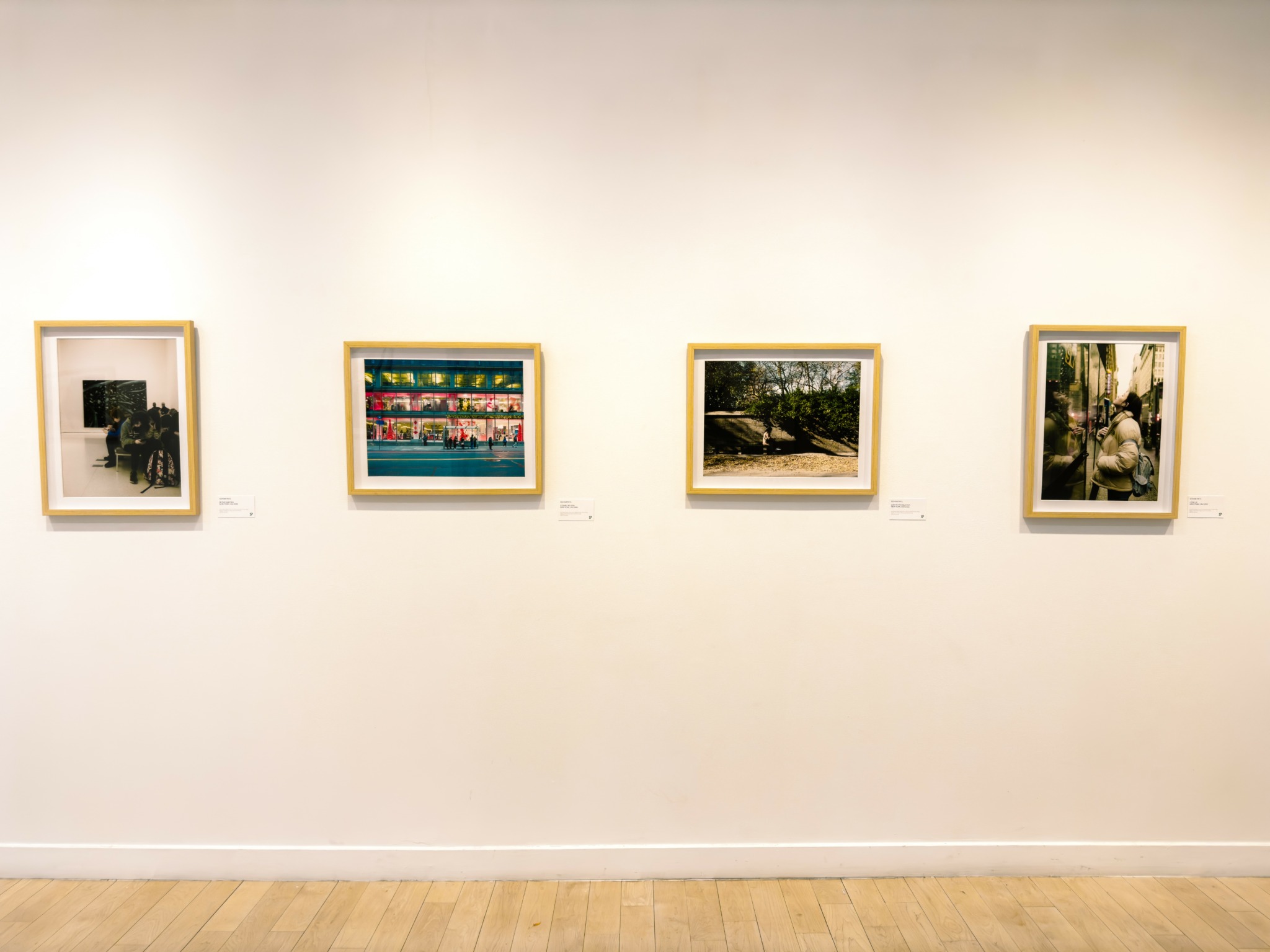
My journey into design is a tapestry woven from diverse threads: a background in architecture, a passion for photography, and an innate curiosity about the intersection of art and storytelling. My exploration began with architectural studies, where I fell in love with the idea of designing spaces that influence human behavior. Later, my lens shifted to photography, where capturing fleeting moments on city streets taught me about composition, narrative, and the emotional power of imagery.
Transitioning into graphic design felt like the natural next step by blending the structural thinking of architecture, the storytelling of photography, and the creative freedom of visual art. At MICA, under the mentorship of visionaries like Ellen Lupton, I deepened my understanding of design as a language capable of sparking change, evoking emotion, and building connections.
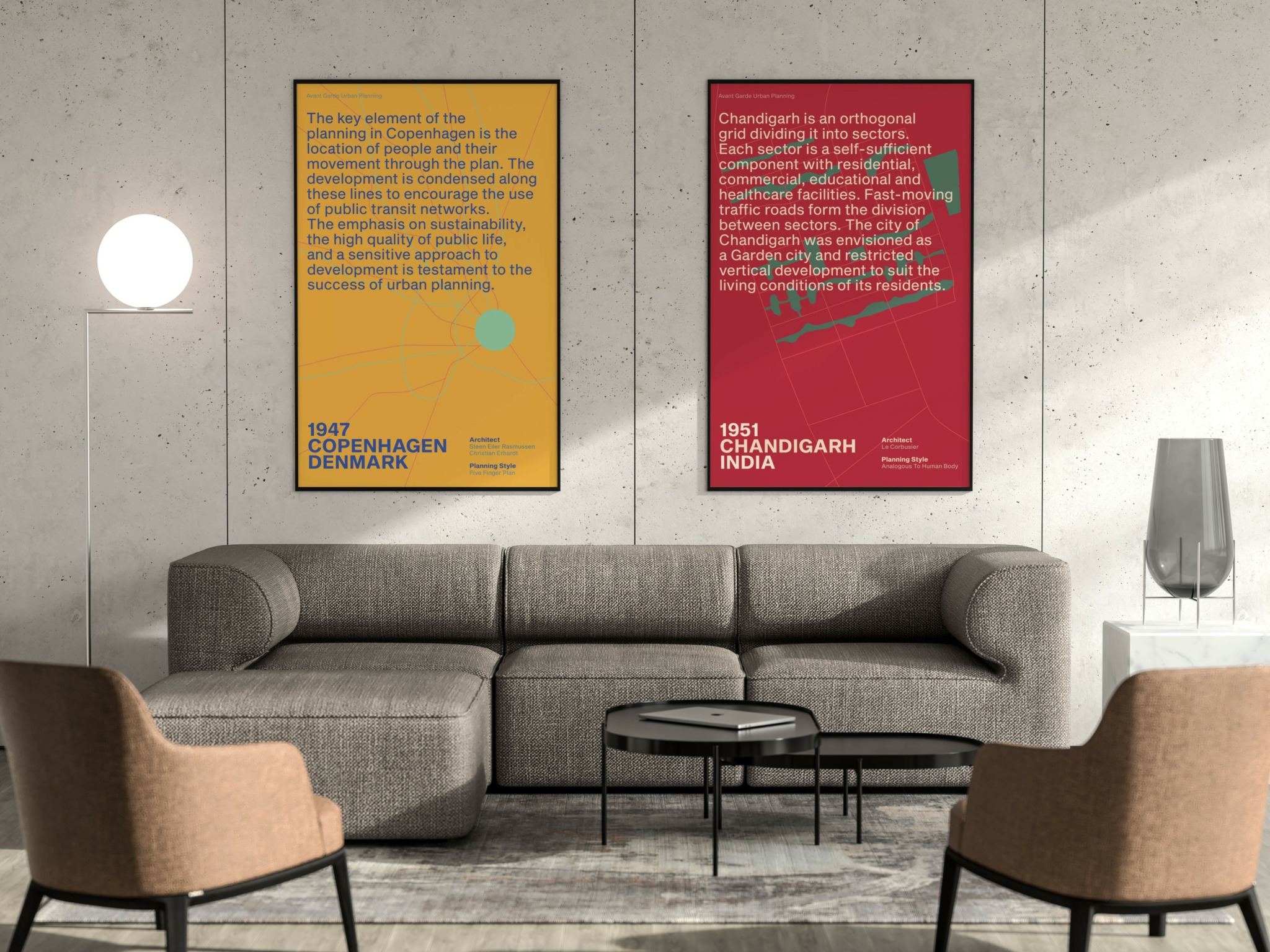
Today, I specialize in branding, visual storytelling, and creating holistic design systems that marry form and function. My work is rooted in understanding clients’ needs and transforming complex challenges into impactful, scalable solutions. Whether it’s designing a visual identity, creating compelling marketing materials, or crafting user-friendly digital interfaces, my goal is to communicate stories that resonate deeply with audiences.
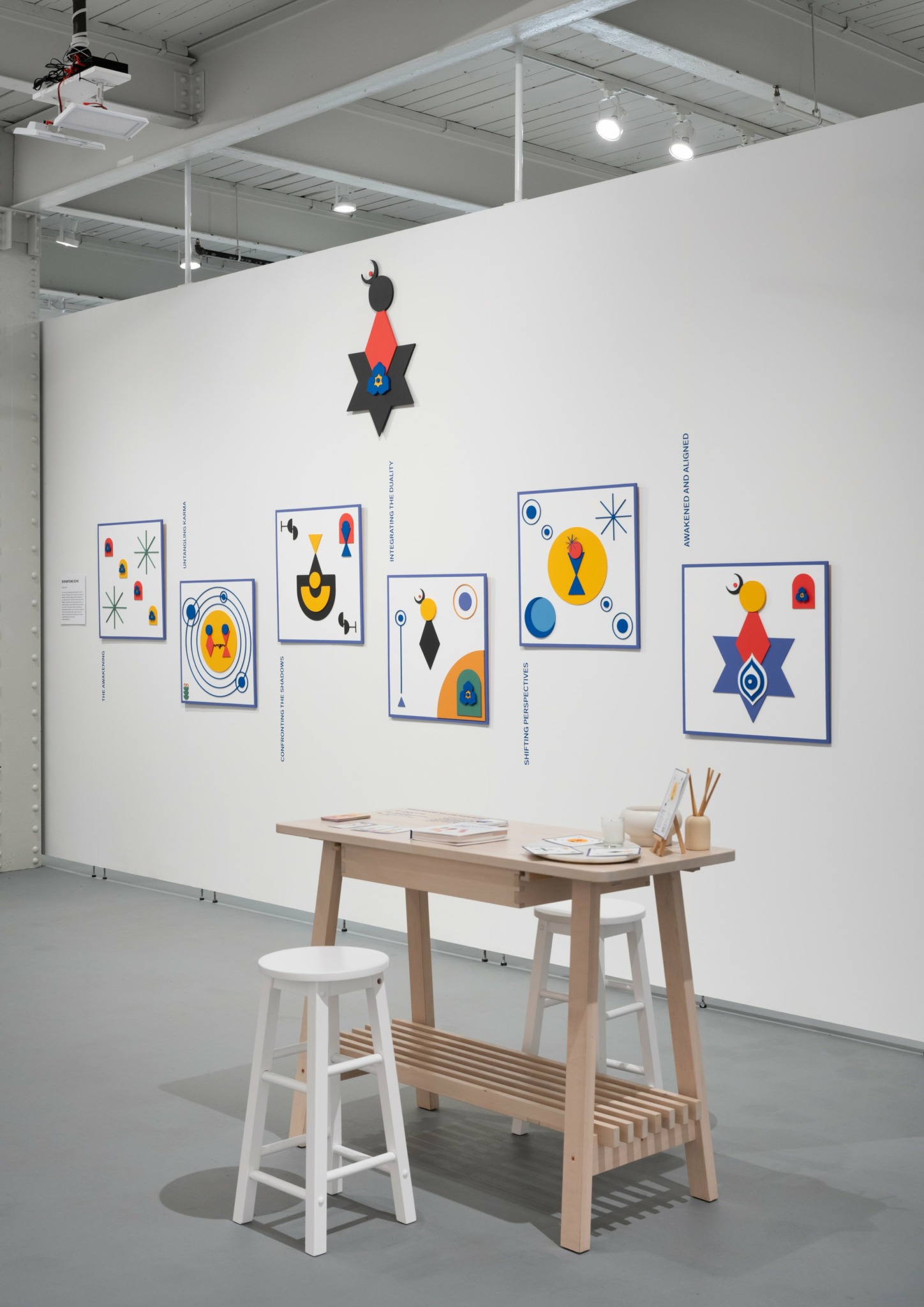
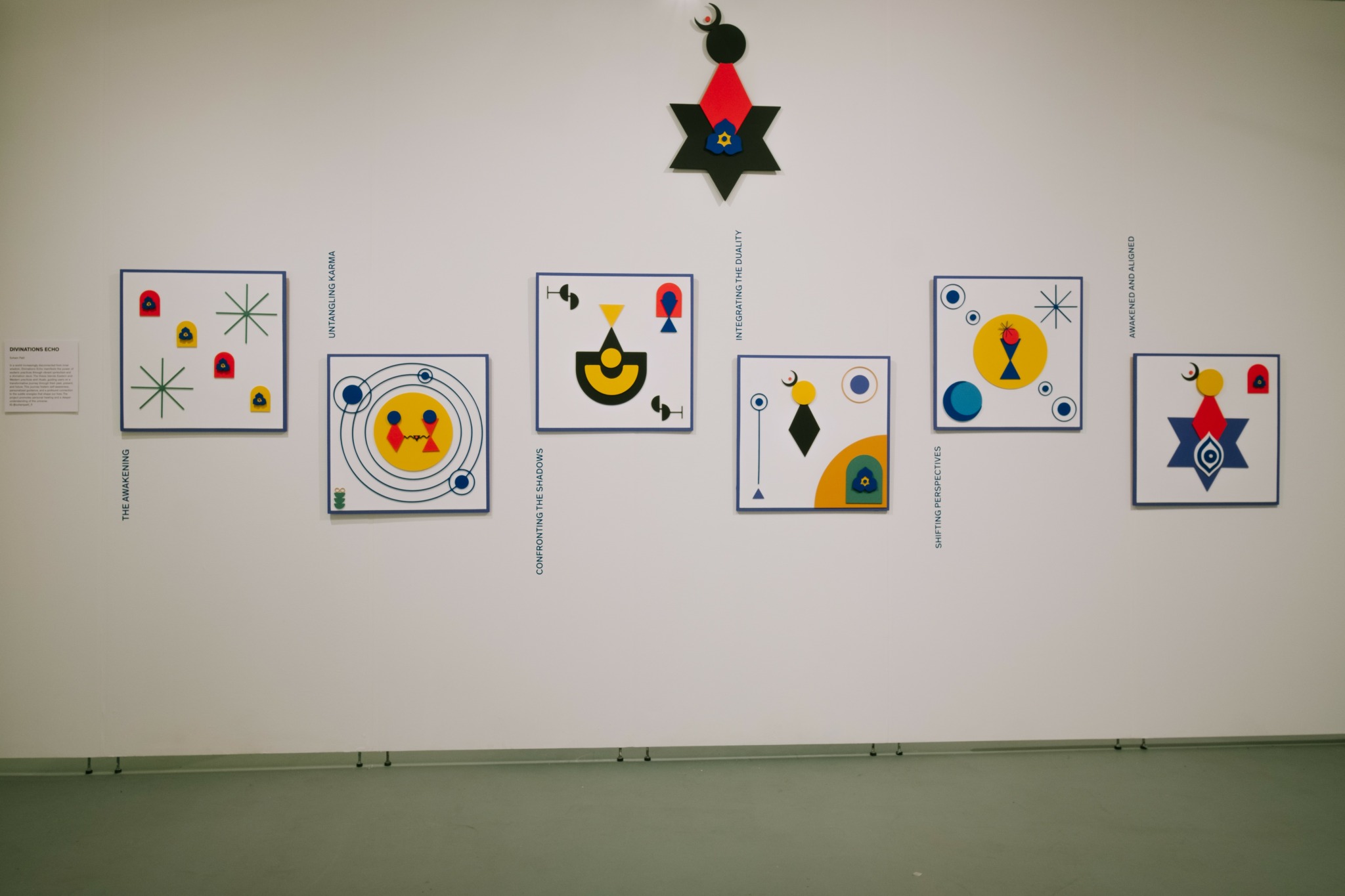
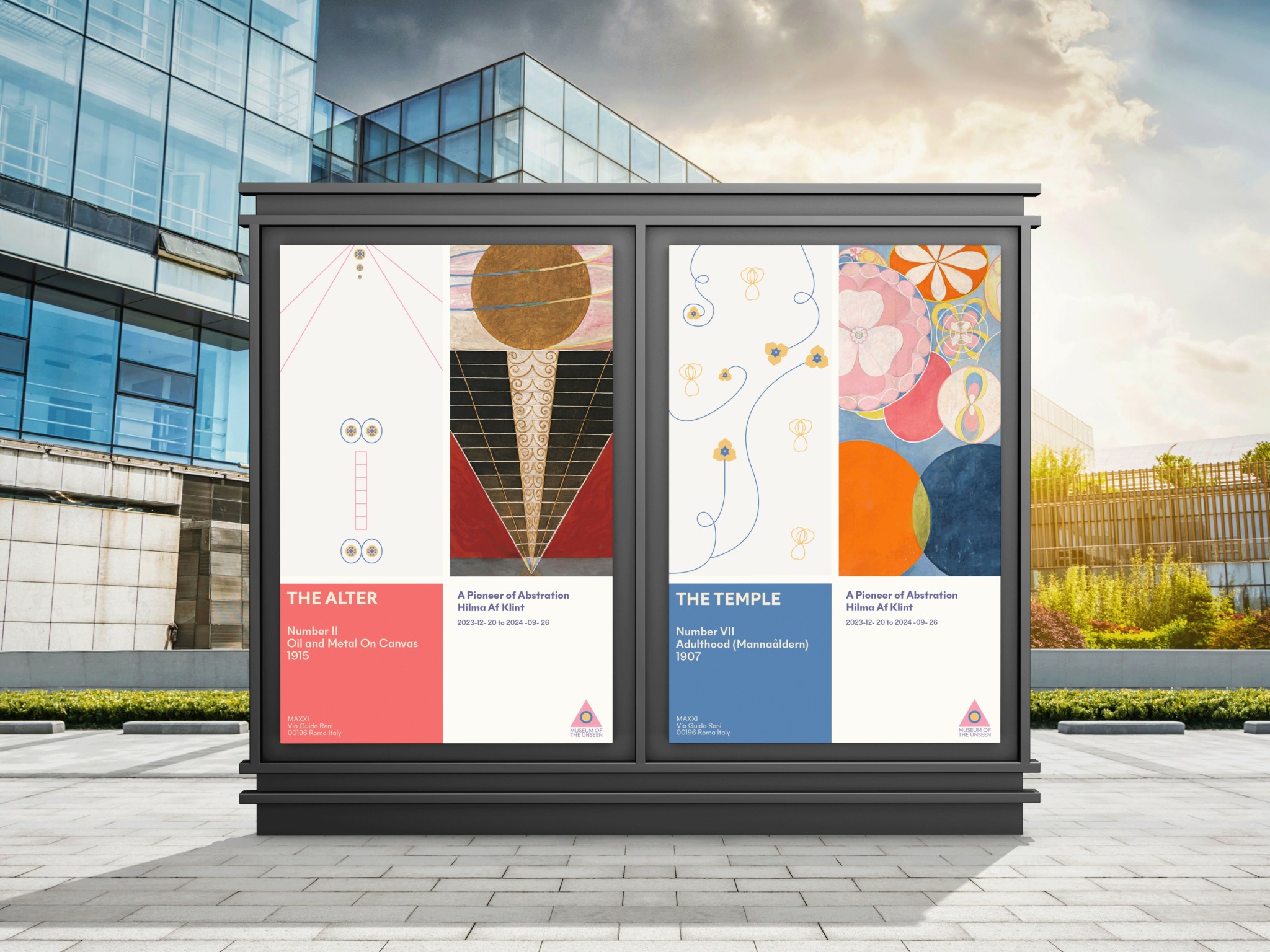
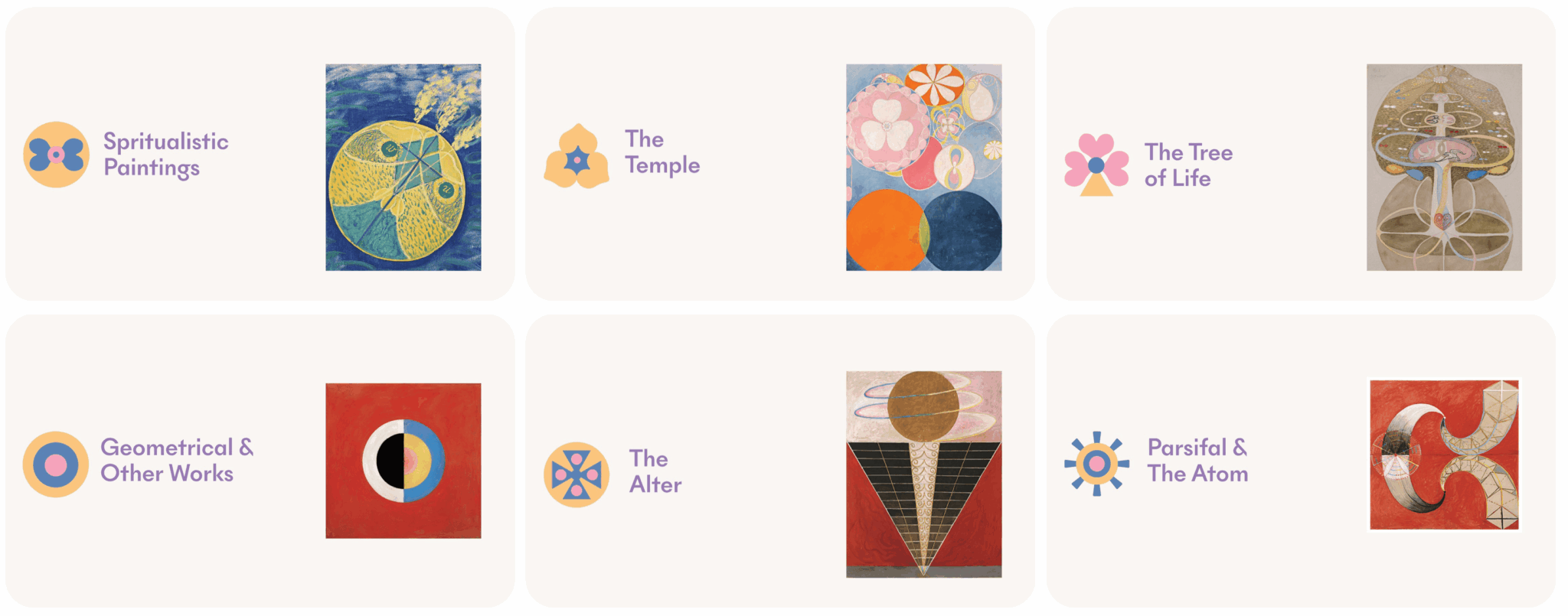
What sets my approach apart is my ability to draw inspiration from spiritual and artistic philosophies, such as those of Hilma af Klint and the Bauhaus movement. I believe in design that transcends aesthetics to connect with people on a human and emotional level. My thesis project, Destination Echo, exemplifies this philosophy, exploring how abstraction and spirituality can shape visual communication.
I’m most proud of my ability to create designs that are not only visually stunning but also purpose-driven. Whether collaborating with clients or engaging with audiences, I strive to craft work that fosters connection, sparks curiosity, and delivers tangible value.
What I want potential clients and followers to know is that my work is as much about the process as it is about the final product. I am deeply invested in understanding the “why” behind every project, which allows me to design solutions that are authentic, impactful, and tailored to specific goals. My practice is built on collaboration, adaptability, and the belief that great design has the power to inspire and transform.
Are there any books, videos, essays or other resources that have significantly impacted your management and entrepreneurial thinking and philosophy?
Several resources have significantly shaped my approach to management and creativity. Books like Bruno Munari’s Design as Art and Hans Wingler’s Bauhaus revealed the power of simplicity and interdisciplinary collaboration in innovation. The spiritual philosophies of Hilma af Klint and Edward Kelley taught me to embrace intuition and unseen forces in creativity, while Ed Catmull’s Creativity, Inc. highlighted the importance of fostering trust and learning from failure. Simon Sinek’s Start with Why reinforced the value of purpose-driven work, and Brené Brown’s The Power of Vulnerability emphasized empathy in leadership. Together, these resources inspire me to lead with authenticity and purpose.
What’s the most rewarding aspect of being a creative in your experience?
The most rewarding aspect of being an artist and creative is the ability to transform abstract ideas into tangible experiences that resonate with others. Whether it’s crafting a brand identity, designing a visual narrative, or creating a piece that sparks introspection, the process of turning vision into reality feels profoundly fulfilling. I find joy in connecting with people through my work, evoking emotions, and inspiring thought. As I often say, “Graphic design is the bridge where creativity meets the soul—infused with purpose, it transforms the intangible essence of ideas into visuals that resonate, inspire, and connect on a spiritual level.” Ultimately, it’s about contributing something meaningful and leaving a lasting impression through the power of art and design.
Contact Info:
- Website: https://www.sohampatil.co
- Instagram: https://www.instagram.com/sohampatil_5/
- Linkedin: https://www.linkedin.com/in/sohampatil-newyork/