

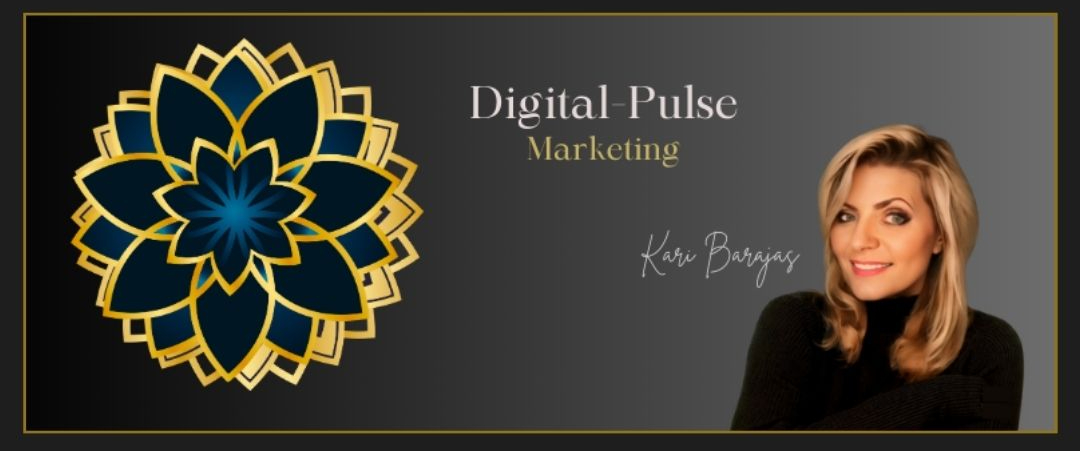

We were lucky to catch up with Kari Barajas recently and have shared our conversation below.
Kari, thanks for taking the time to share your stories with us today Learning the craft is often a unique journey from every creative – we’d love to hear about your journey and if knowing what you know now, you would have done anything differently to speed up the learning process.
How did you learn to do what you do?
I am pretty much self-taught, learning through hands-on experience, and trial and error. Platforms like Canva, KDP (Kindle Direct Publishing), and online tutorials were invaluable. I also spent time observing trends in digital art, self-publishing, and social media to understand what resonates with audiences. Being naturally curious and resourceful, I explored design tools and marketing strategies to enhance my work and my brand, “KaribelleKulture.”Additionally, leveraging AI tools like ChatGPT helped me streamline the creative process, from brainstorming ideas to refining my projects.
Kari, before we move on to more of these sorts of questions, can you take some time to bring our readers up to speed on you and what you do?
Here’s a draft of your story for the interview:
How I Got Started as a Digital Creator and Coloring Book Author
Most of my adult life, I’ve been an entrepreneur. I started as a hairstylist and makeup artist by trade, owning and operating several salons throughout my career. Creativity has always been at the core of who I am—whether it was designing hairstyles or creating welcoming spaces for clients. However, after so many years in the hairstyling industry, I experienced major burnout. I found myself desperately searching for something new and meaningful to do with my career.
That’s when I became interested in the digital marketing field. Being the entrepreneur I’ve always been, I started a digital marketing business called Digital Pulse Marketing. At the time, I knew absolutely nothing about digital marketing, but I was determined to figure it out. I knew I needed to find my niche, so I dove headfirst into webinars, online courses, and anything I could afford that would help me learn. The big trend at the time was affiliate marketing—people were claiming to make millions by promoting other companies’ merchandise. I became obsessed with understanding how it worked.
However, during this process, I had a major realization: instead of promoting other people’s courses, I could create my own and keep 100% of the profit. That’s when I decided to build a course on Affiliate Marketing for Beginners. I spent seven months creating an eight-module, 24-lesson course complete with presentation slides—all of which I designed myself. It took a lot of sweat and tears, but I was incredibly proud when I finished it.
Unfortunately, by the time I completed the course, the trends had shifted, and the market became saturated. I also realized that I lacked the credibility to teach people how to succeed at affiliate marketing when I hadn’t yet achieved significant success in the field myself. It was a tough pill to swallow, but it taught me to pivot and stay flexible. I needed to shift my focus once again and follow the trends where digital marketing was headed.
During this time of uncertainty, I discovered something important: while building the course, I fell in love with graphic design. I was genuinely excited about the creative process and spent hours designing slides, graphics, and layouts. Around this time, the new trend was Master Resell Rights (MRR)—essentially buying courses that you could resell for 100% profit. I watched as people made impressive profits, but I didn’t have the money to invest in expensive MRR courses. This led me to my first real slump in the industry.
After a month of feeling stuck, my husband gave me a brilliant idea: instead of marketing my course as an expensive program, I could turn it into a book and sell it at a much lower price point. After all, people are far more likely to buy a book for a few dollars from someone new than to spend $99 on a course from a no-name creator. This approach would also help me build credibility. I took his advice, reworked my course into a book, and self-published it. That book eventually became a nine-volume series!
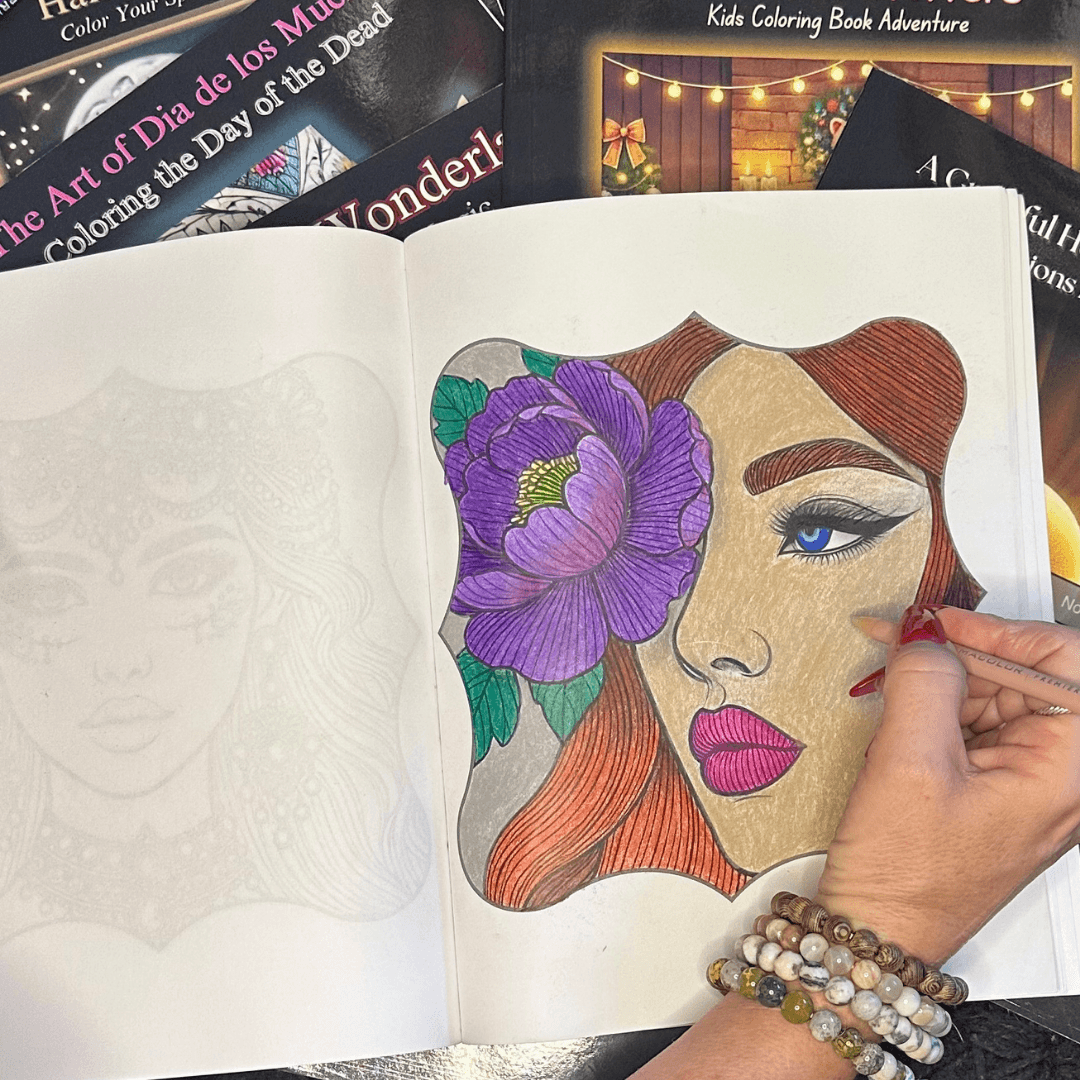
Once I saw what I was capable of, I wanted to pursue something I’d always dreamed of: creating coloring books. I learned how to create designs and illustrations, format my work, and self-publish on platforms like Amazon KDP. When I published my first few coloring books, I felt a creative spark reignite in me. It was the beginning of the holiday season, and I was overflowing with ideas that I couldn’t wait to bring to life.
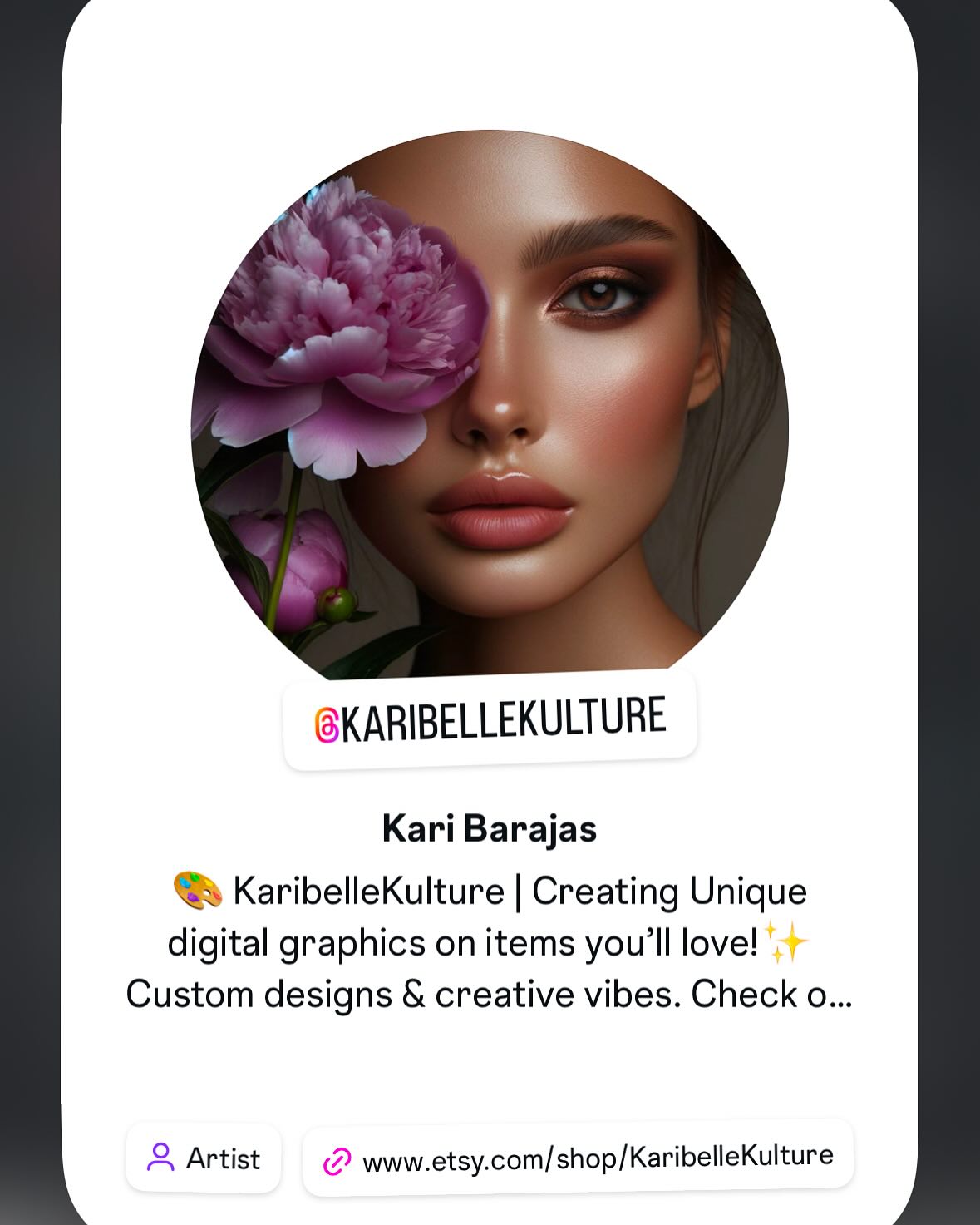
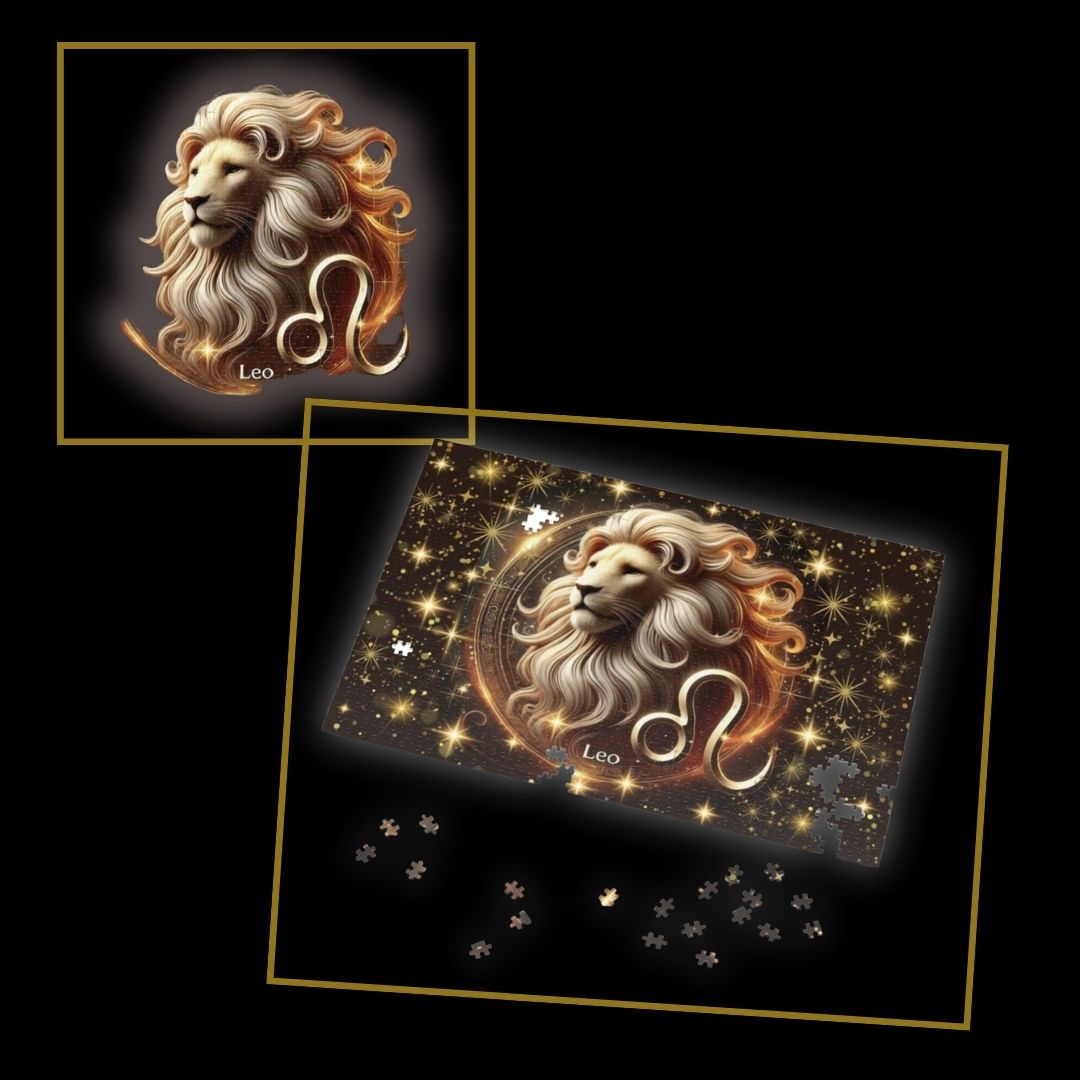
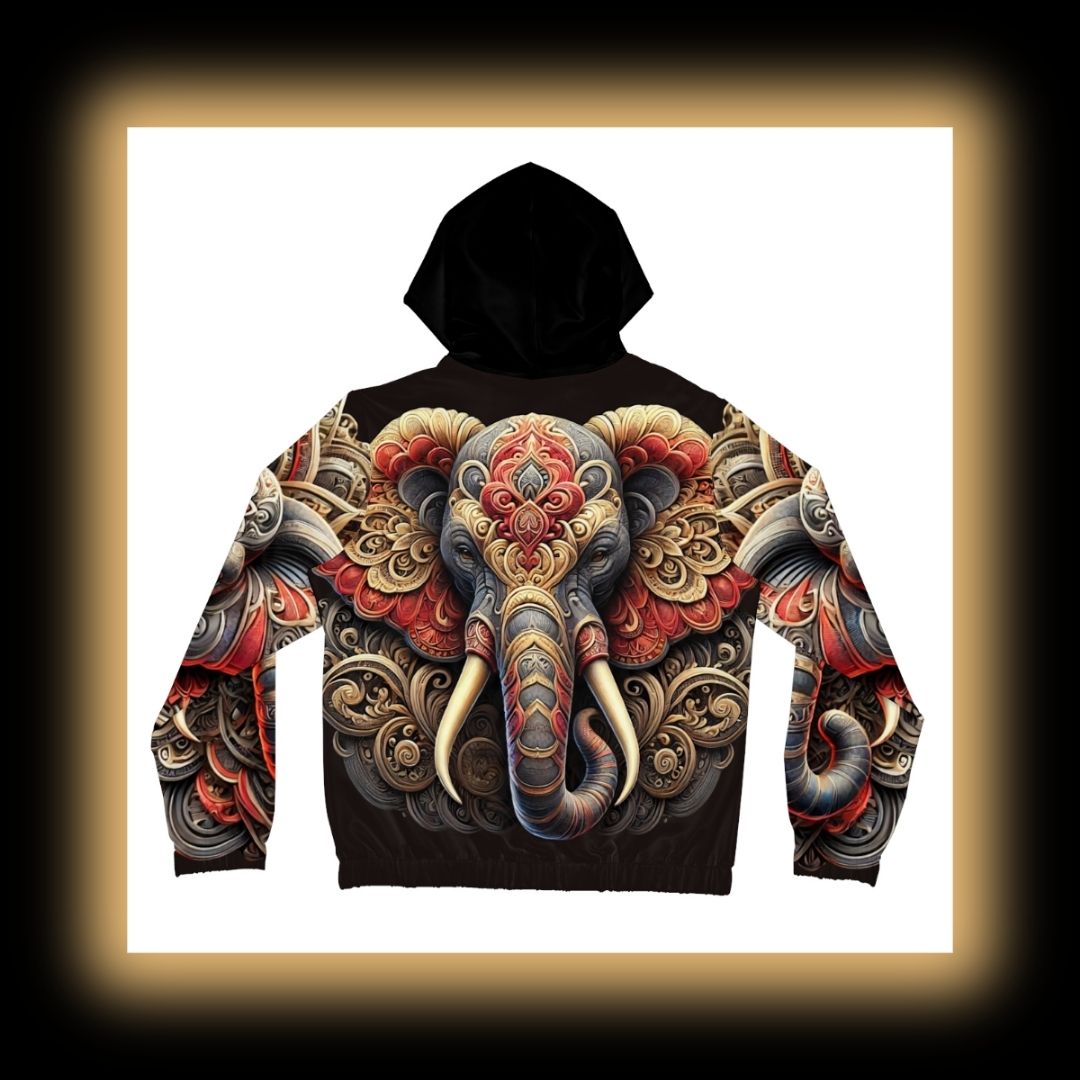
I now have eight published books and finally feel like I’ve found my niche! I became obsessed with creating digital designs, but I didn’t stop at coloring books. I opened an Etsy store and rebranded my business as KaribelleKulture. My passion has expanded beyond books—I now create designs for merchandise like T-shirts, sweatshirts, hats, blankets, and more. I’ve even started doing custom logo work for people who want their ideas brought to life.
This journey has been anything but linear, but every twist and turn taught me something valuable. It showed me the power of resilience, creativity, and adaptability. I’m proud to be a digital creator and excited for what’s next.
For you, what’s the most rewarding aspect of being a creative?
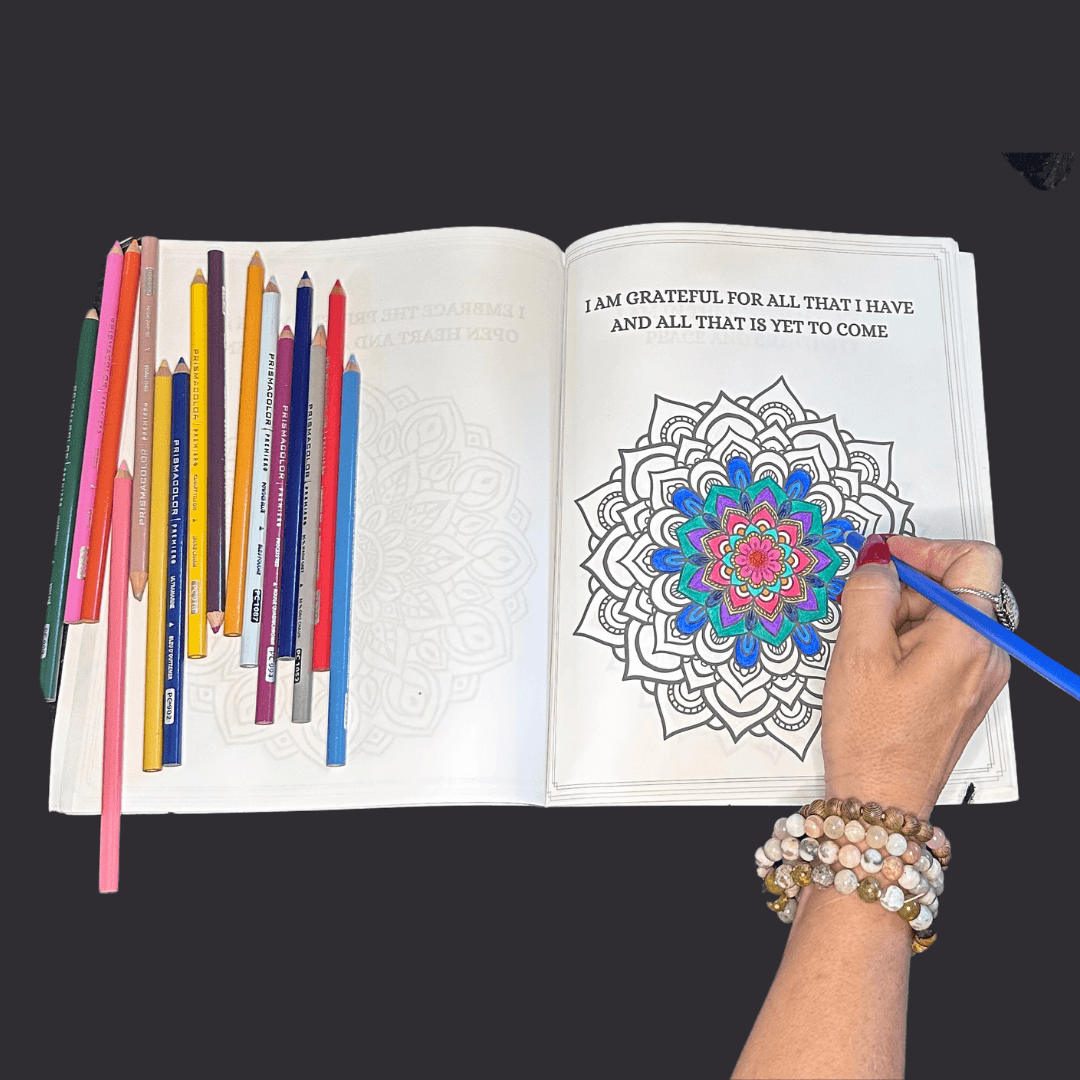
The most rewarding part of being an artist is seeing how my work impacts others. When I released my first coloring book, “Mandalas & Mantras: Coloring Your Zen,” I included affirmations on every page because I wanted the experience to be calming and uplifting. After I published it, someone reached out to tell me how much the book resonated with them—they were going through a really difficult time, and it gave them a sense of peace and comfort.
That feedback was the biggest reward I could have ever imagined. Knowing that my art and words made a meaningful difference in someone’s life reminded me why I create. That moment inspired my newest book, “A Grateful Heart, Peaceful Mind,” a mindfulness guide that includes affirmations, journal prompts, guided visualizations, and coloring pages designed to cultivate gratitude, emotional balance, and peace. My goal is always to create something that not only looks beautiful but also connects with people on a deeper, more meaningful level.
Is there something you think non-creatives will struggle to understand about your journey as a creative? Maybe you can provide some insight – you never know who might benefit from the enlightenment.
For me, being a creative means navigating uncertainty with a sense of purpose, turning ideas into something tangible that can resonate with others. It’s not just about making something beautiful—it’s about giving form to emotions, stories, and experiences that words alone can’t capture.
My journey has been about discovery, resilience, and self-expression. I’ve learned to embrace the unknown, trust my instincts, and adapt as I grow. Every project I take on holds a piece of who I am, and each creation is an opportunity to connect with others in a meaningful way.
To understand a creative journey, it’s important to recognize that it’s not always linear or predictable. There’s trial and error, moments of doubt, and immense joy when something finally clicks. It’s about showing up, day after day, even when there’s no immediate reward—because creating is how I find meaning and contribute something valuable to the world.
Contact Info:
- Website: https://www.digitlpulsemarketing.com
- Instagram: https://www.instagram.com/karibellekulture
- Facebook: https://www.facebook.com/Digital-Pulse-Marketing
- Other: Etsy Shop: https://karibellekulture.etsy.com
Amazon Books: https://business.amazon.com/abredir/author/karibellechroma
Tik Tok: https://www.tiktok.com/@karibellekulture?is_from_webapp=1&sender_device=pc
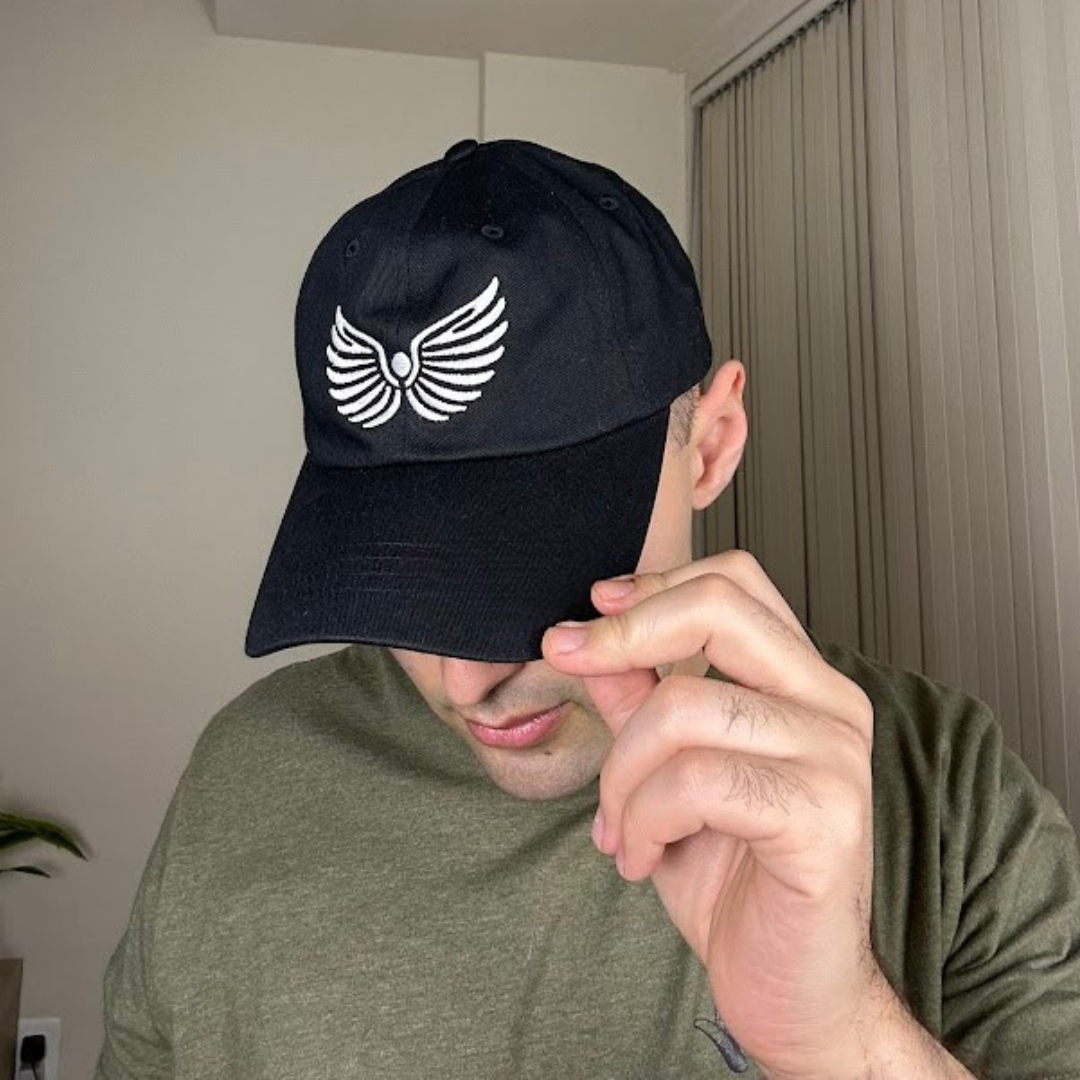

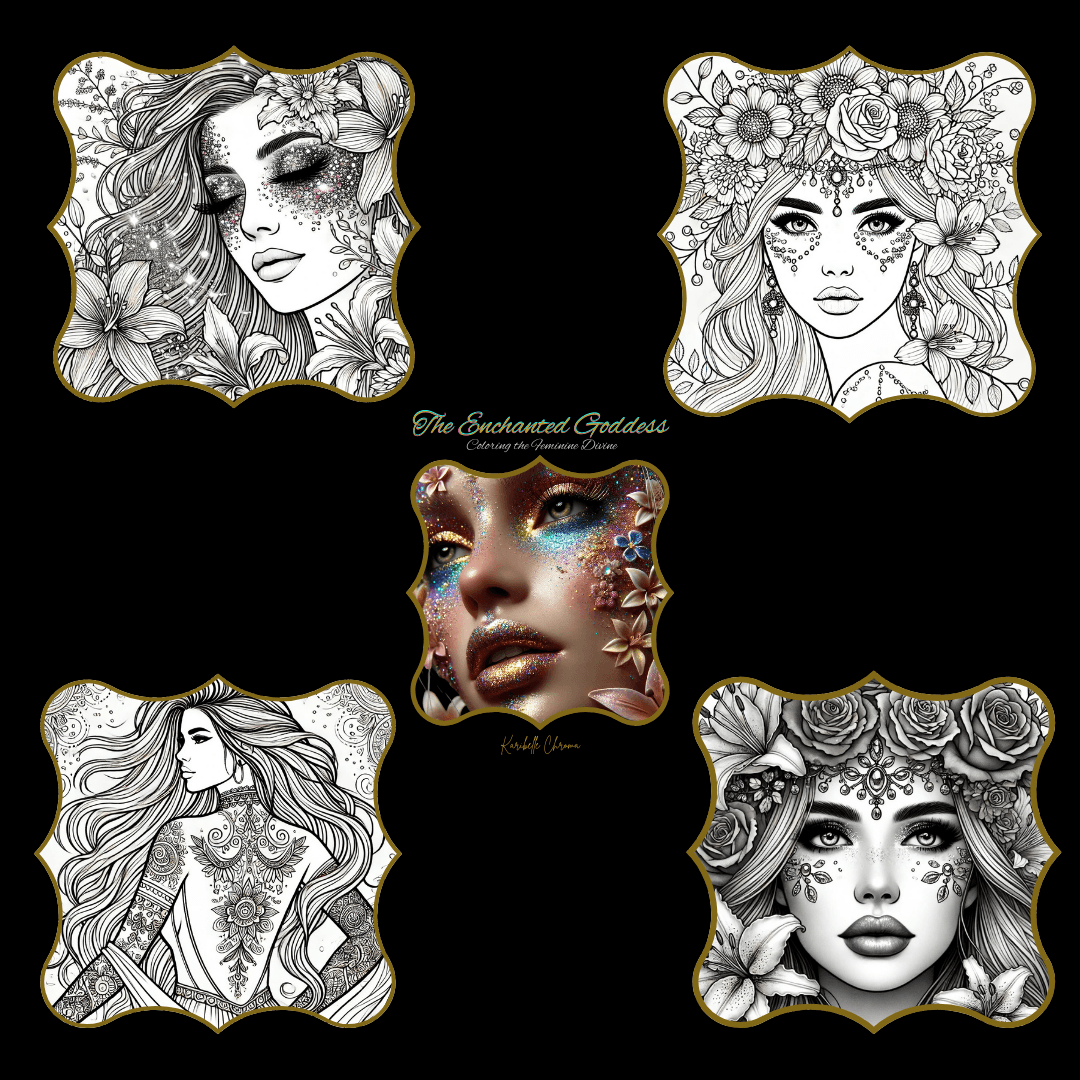
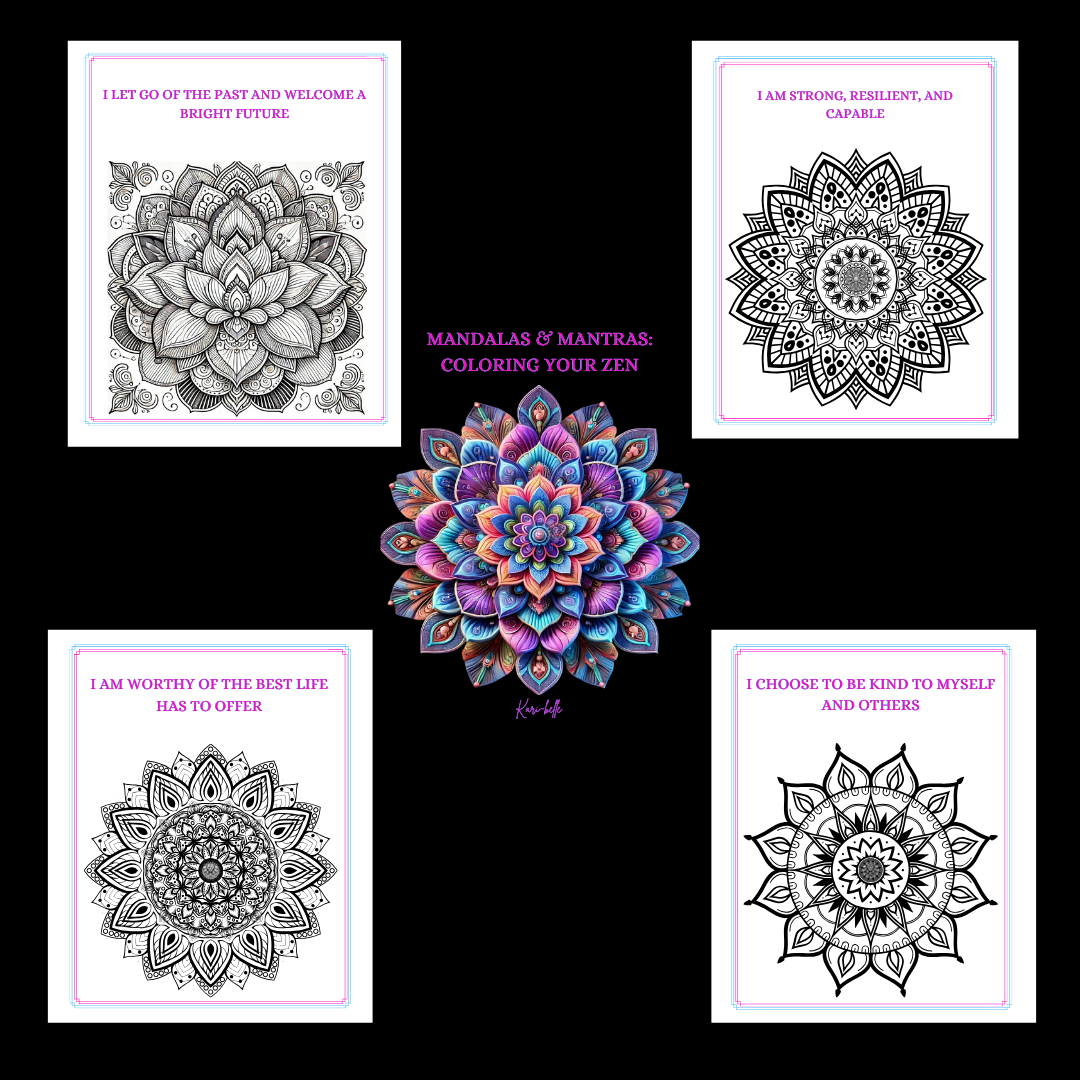
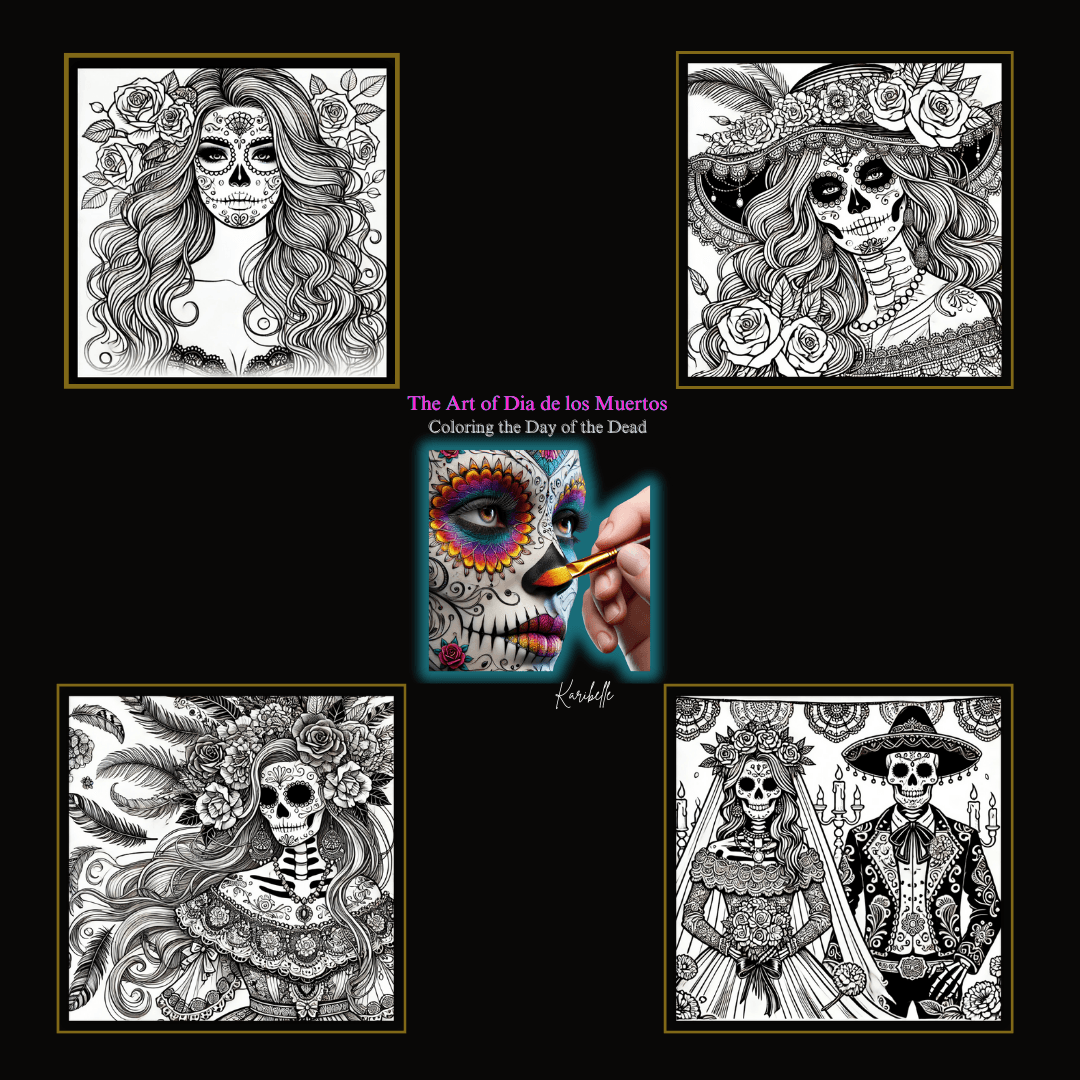
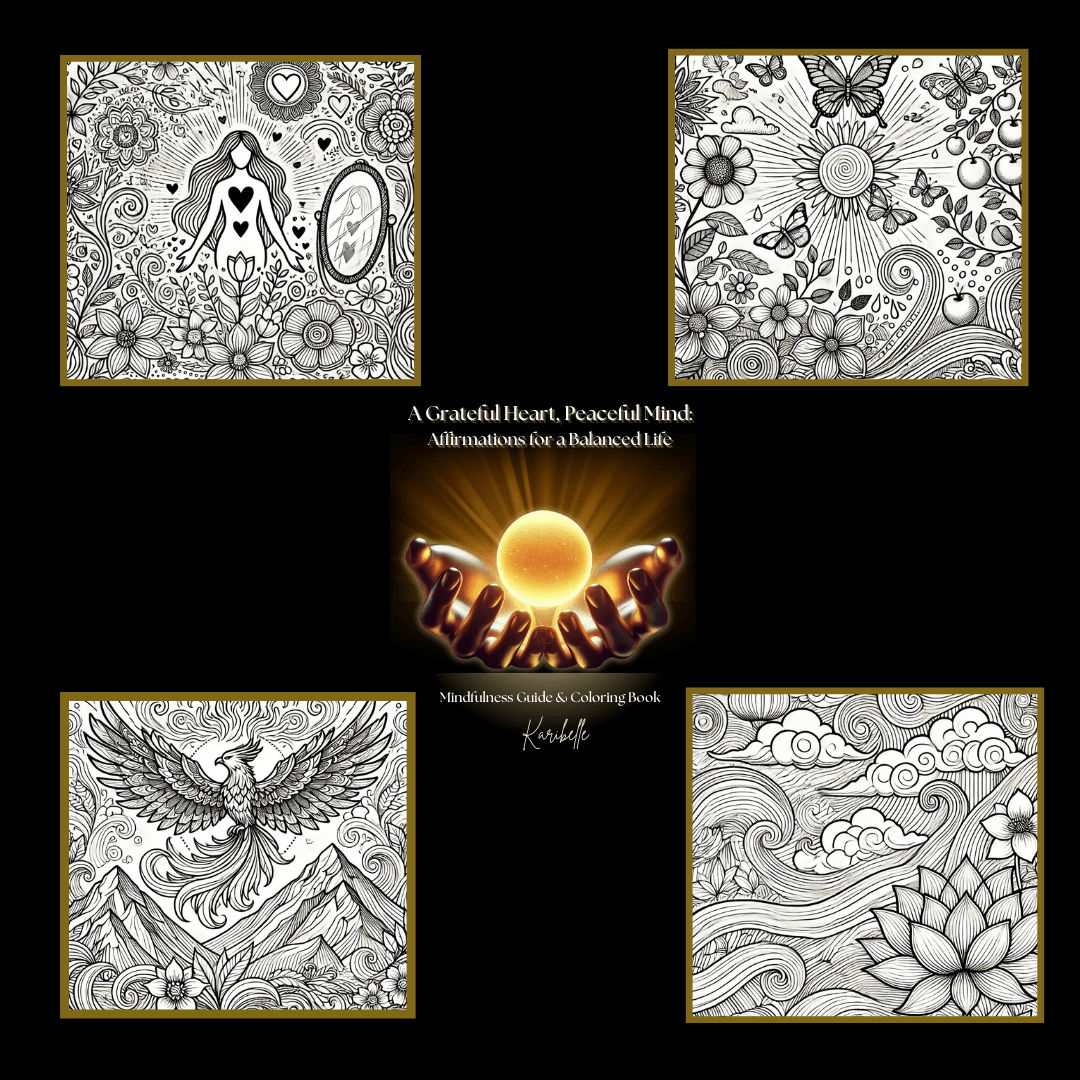
Image Credits
All images were designed and created by me!