
We’re excited to introduce you to the always interesting and insightful Fausto Duantos. We hope you’ll enjoy our conversation with Fausto below.
Fausto, thanks for joining us, excited to have you contributing your stories and insights. Can you talk to us about how you learned to do what you do?
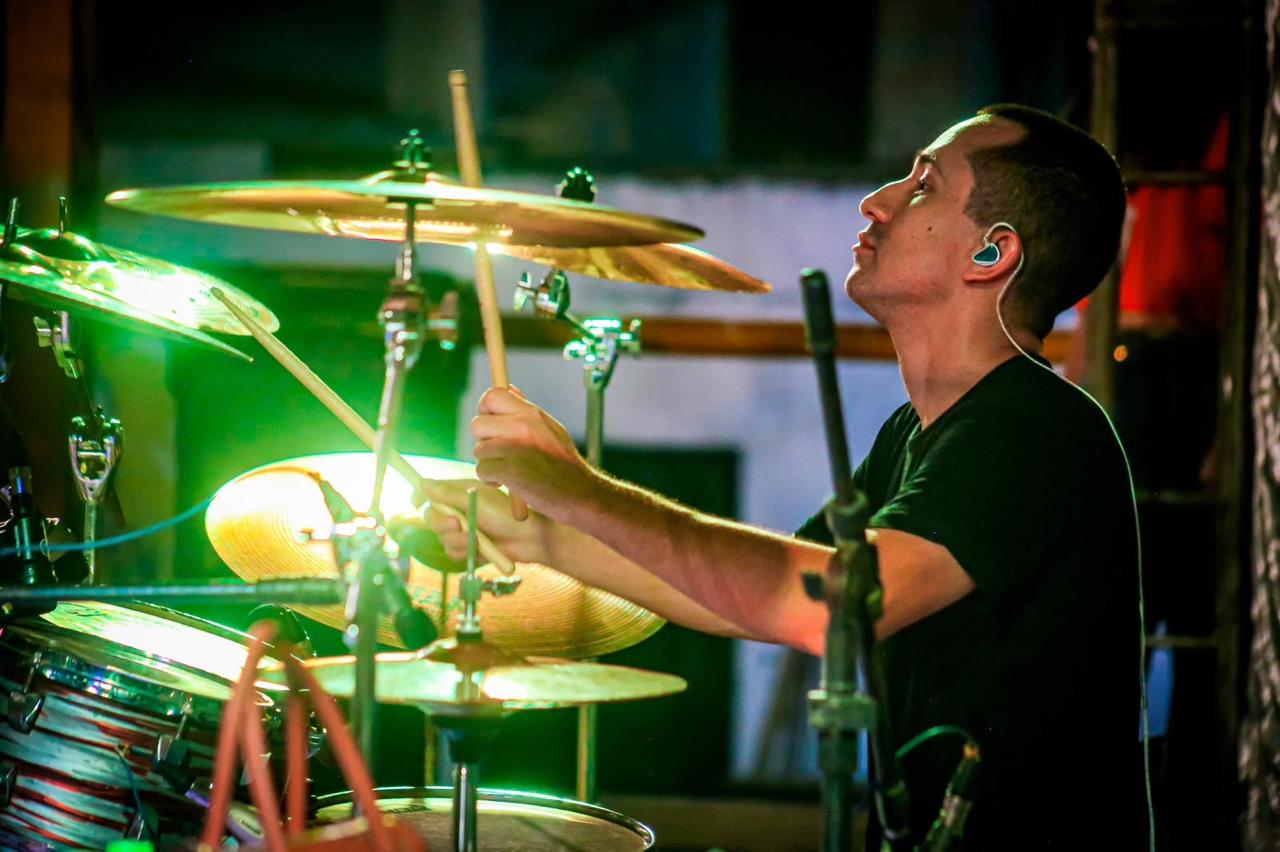
I’ve always been interested in music, and a little later, I became interested in technology. My father, who is a vinyl record collector, has always been a music lover and he influenced me a lot. I started playing drums for the church choir, and some time later, I began studying drumming with the goal of working professionally in music. Around 2008/2009, my uncle, who is a music producer, worked at a nationally recognized FM radio station, and I would always go to the studio to watch them working.
I grew up in an environment that was conducive to learning and developing what I do today: music production, playing drums, and teaching music. If I had started studying music earlier, around 5-6 years old, perhaps this could have accelerated my learning process twice as fast.
I believe that the most essential skills in this process were communication, leadership, and critical thinking.
Perhaps the biggest obstacle that delayed my progress was spending too much time playing for a church group that “held me back.” Thankfully I was able to realize in time the situation I was in.”
Fausto, before we move on to more of these sorts of questions, can you take some time to bring our readers up to speed on you and what you do?
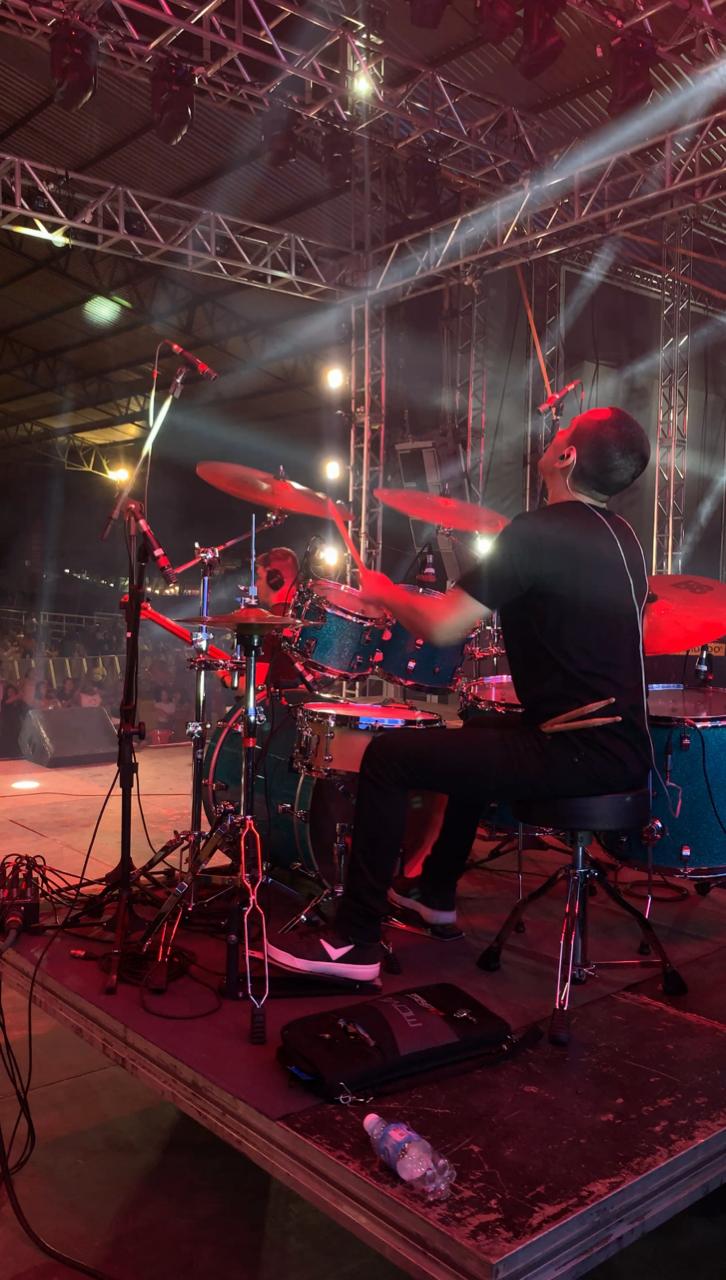
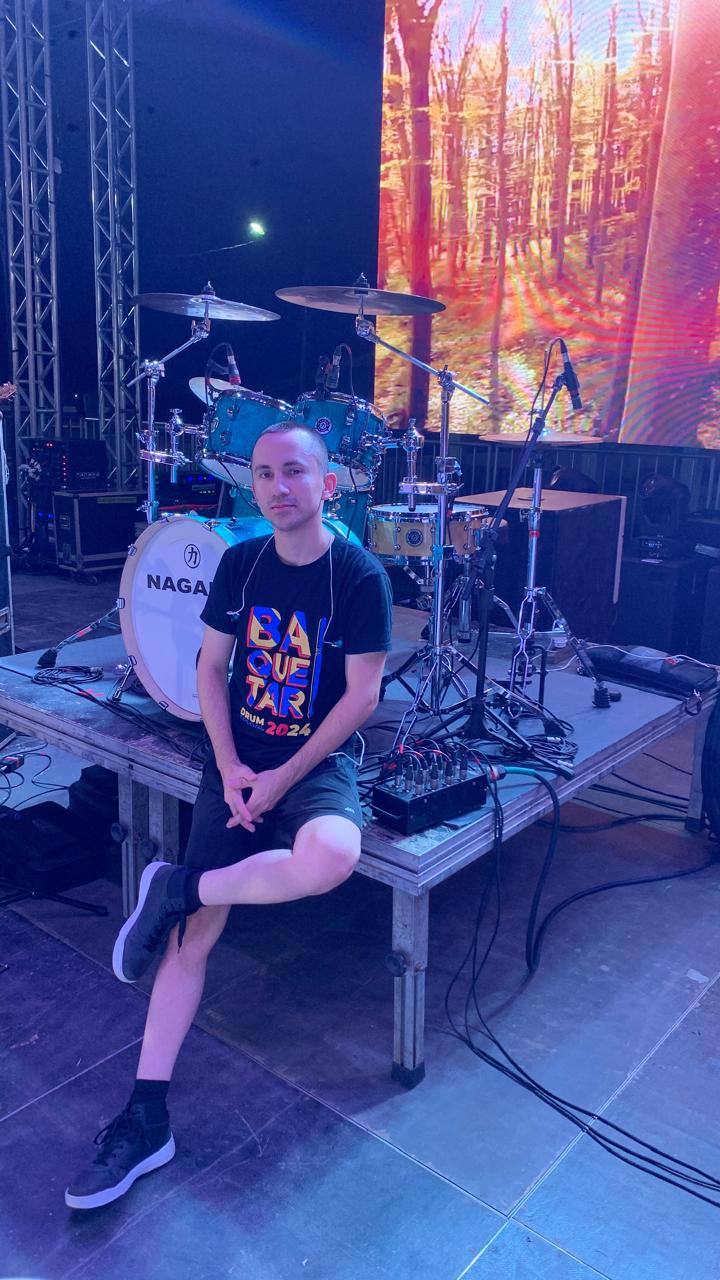
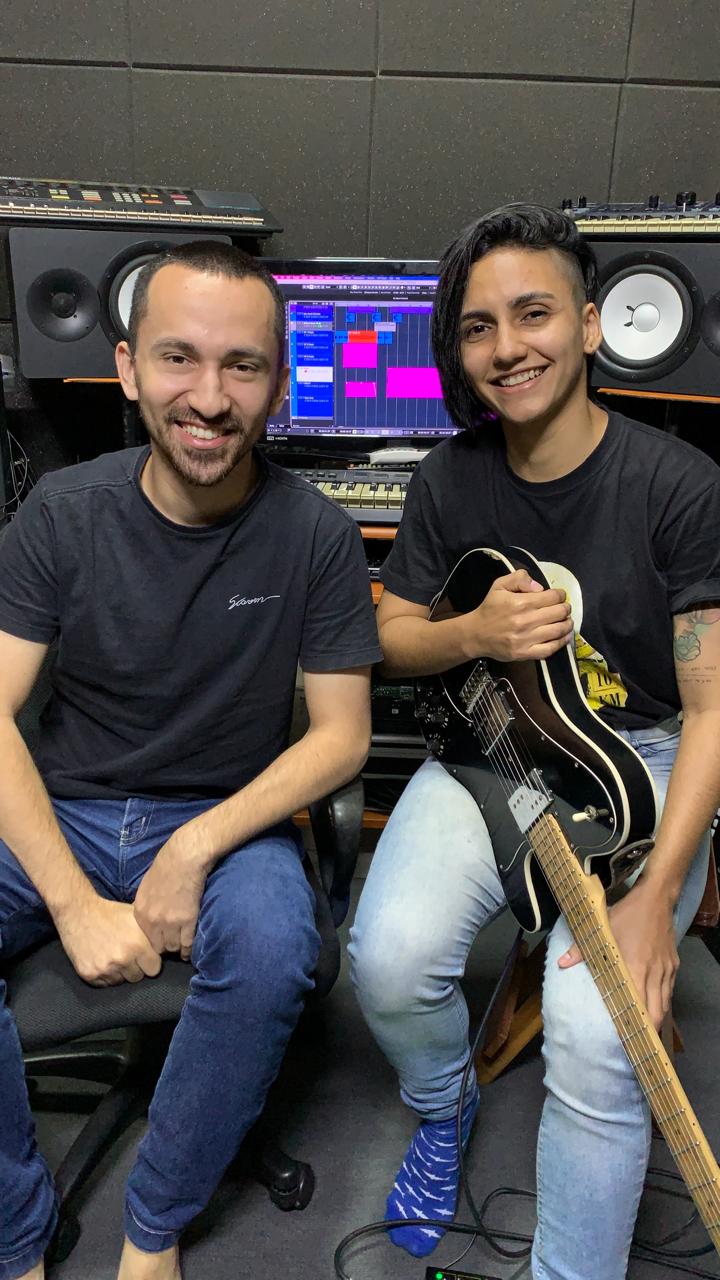
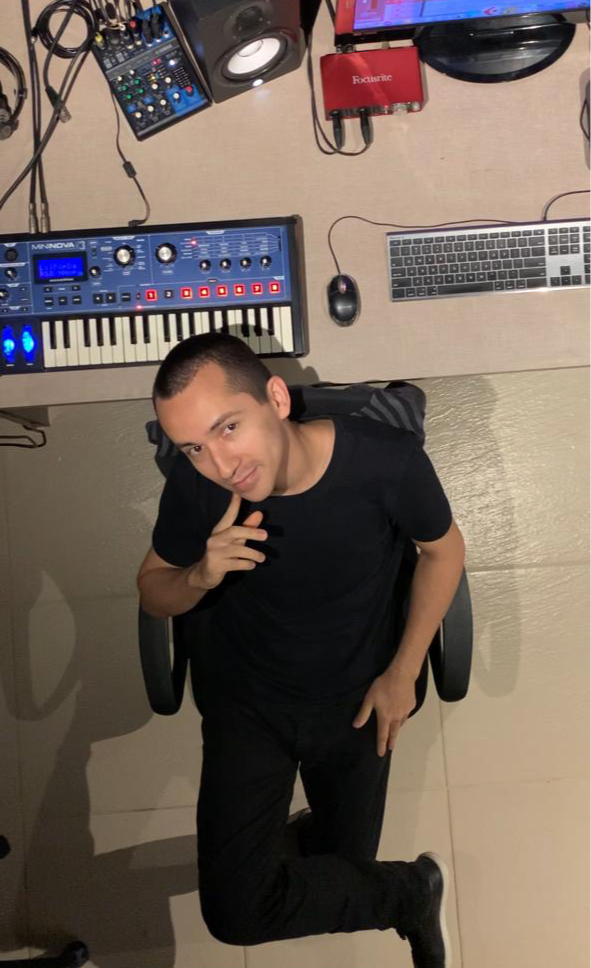
I started working in music production in 2014, recording bands of friends and observing other people record. I started making money producing music for advertising and giving music lessons. After a while, the number of drum students grew, and I created my own drum school. Meanwhile, my work as a performing musician started gaining recognition.
Over these years, focus and discipline have been crucial to achieving my goals. Contrary to some beliefs we don’t just have those qualities naturally; we learn them with maturity and experience.
Music production is a slow process that requires dedication and attention from everyone involved. I prioritize making sure the artist feels confident so I can draw the best they can give in the takes.
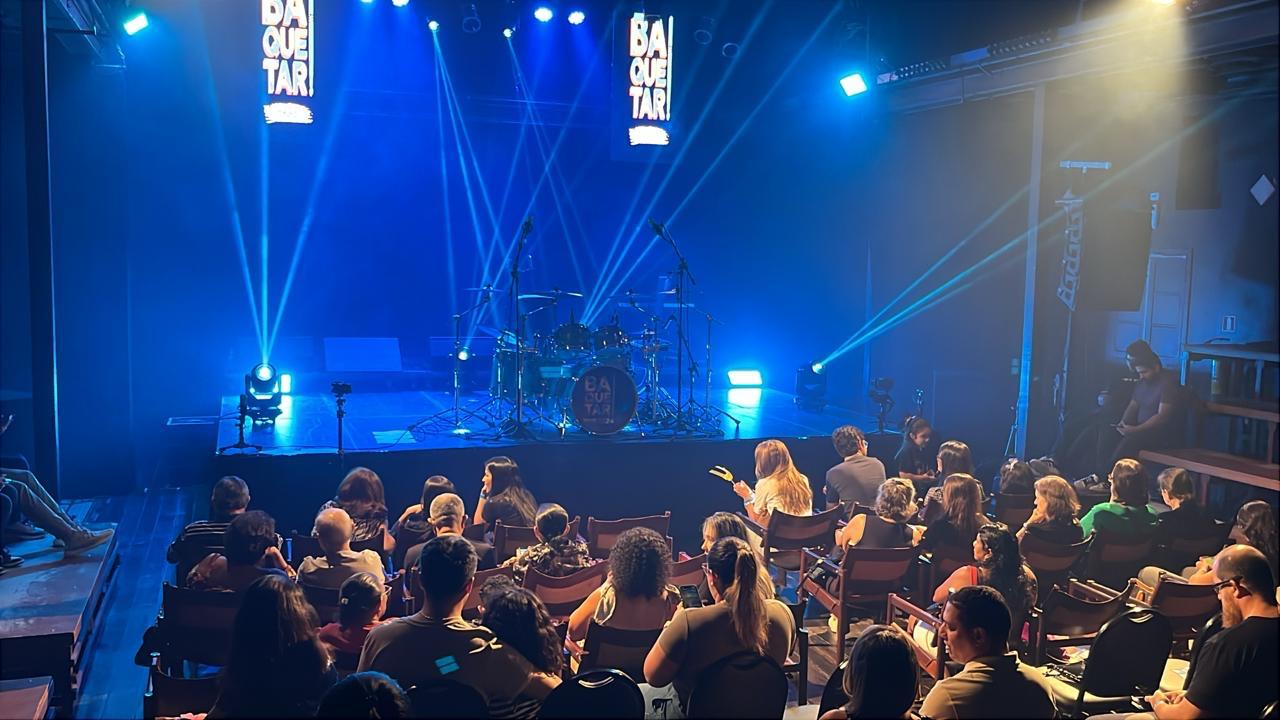
When I’m recording, I focus 100% on the performance, not caring if the cymbal will break or if I need to buy more pairs of drumsticks. With my students, I try to pass on the same mindset — that everything is in the name of music and needs to be immortalized.
Are there any books, videos or other content that you feel have meaningfully impacted your thinking?
I recommend three biographies that significantly changed my thinking:
– Madam C.J. Walker
– The biography of musician Aquiles Priester
– The biography of musician/entrepreneur Gene Simmons from Kiss.
For you, what’s the most rewarding aspect of being a creative?
The most rewarding aspect of being an artist is the legacy you can leave for future generations, and showing that pursuing a career in the arts is as difficult as any other profession. The difference is that while other professions deal with electrical wires, binary codes, construction materials, or endless books of laws, art works with emotions, melodies, harmonies, painting, body expression, cognitive development, critical thinking, and theatrical performances.
Contact Info:
- Instagram: https://www.instagram.com/fausto_duantos/
- Facebook: https://www.facebook.com/fausto.duantos
- Youtube: https://www.youtube.com/@faustoduantos9367