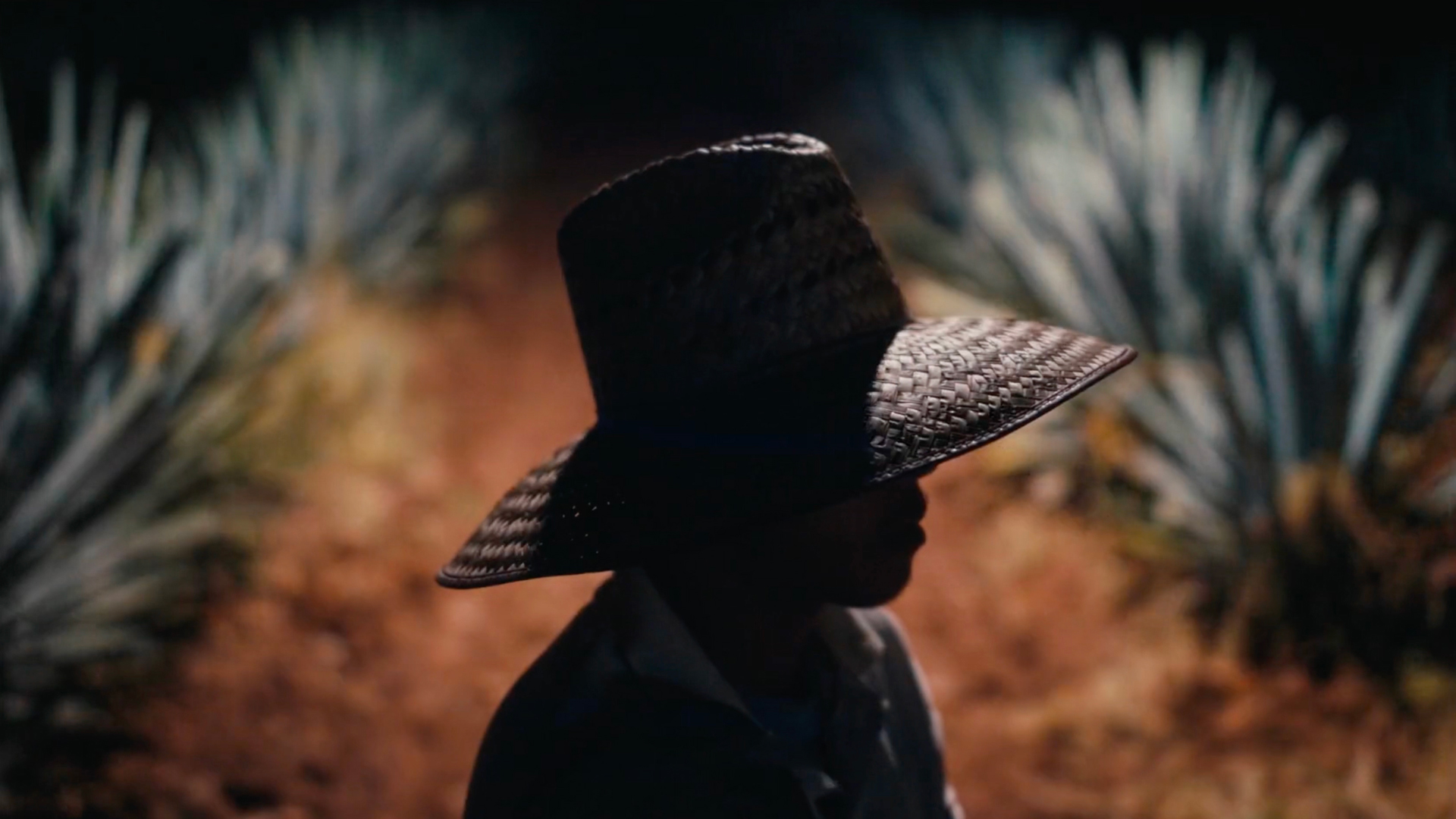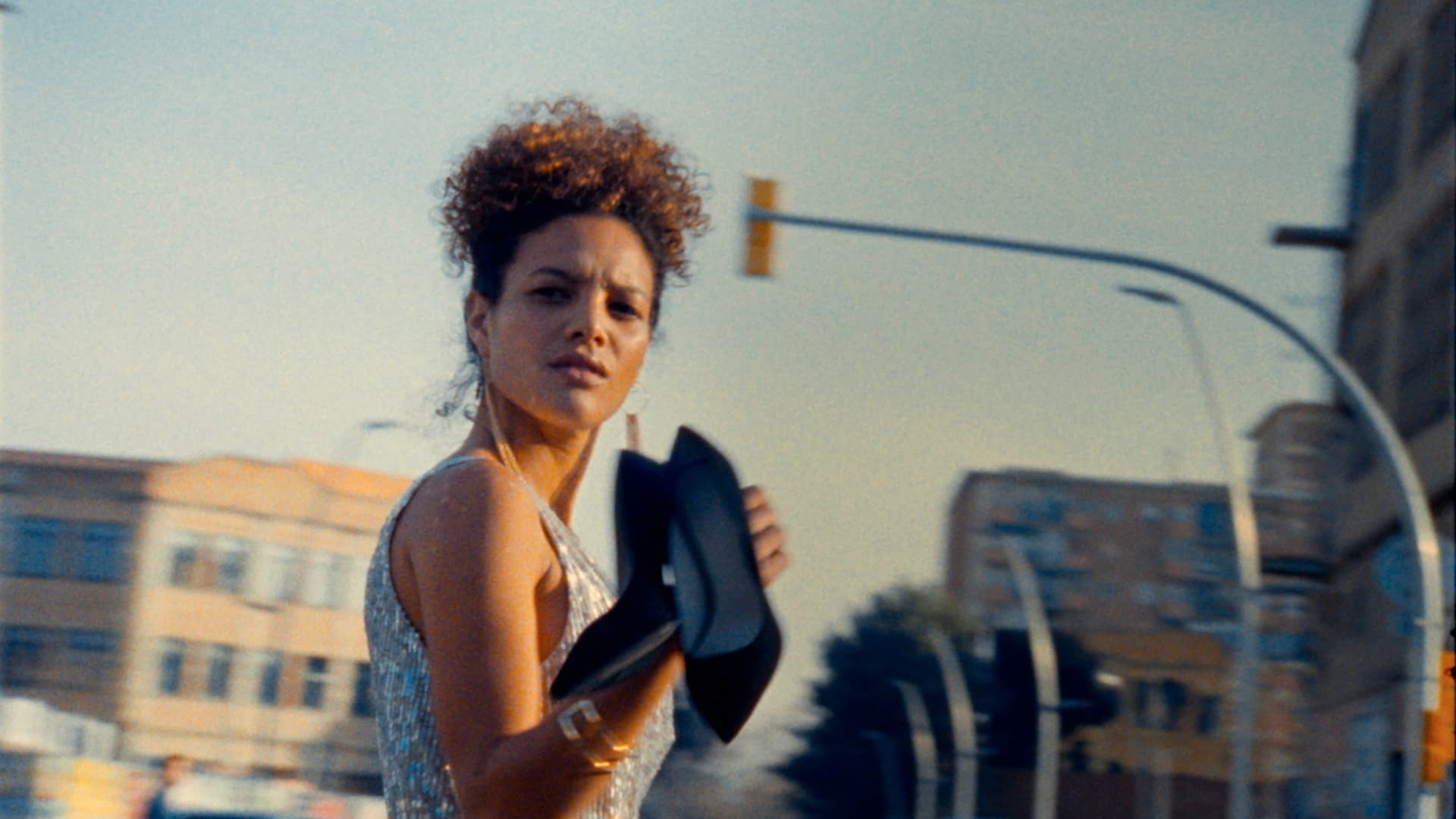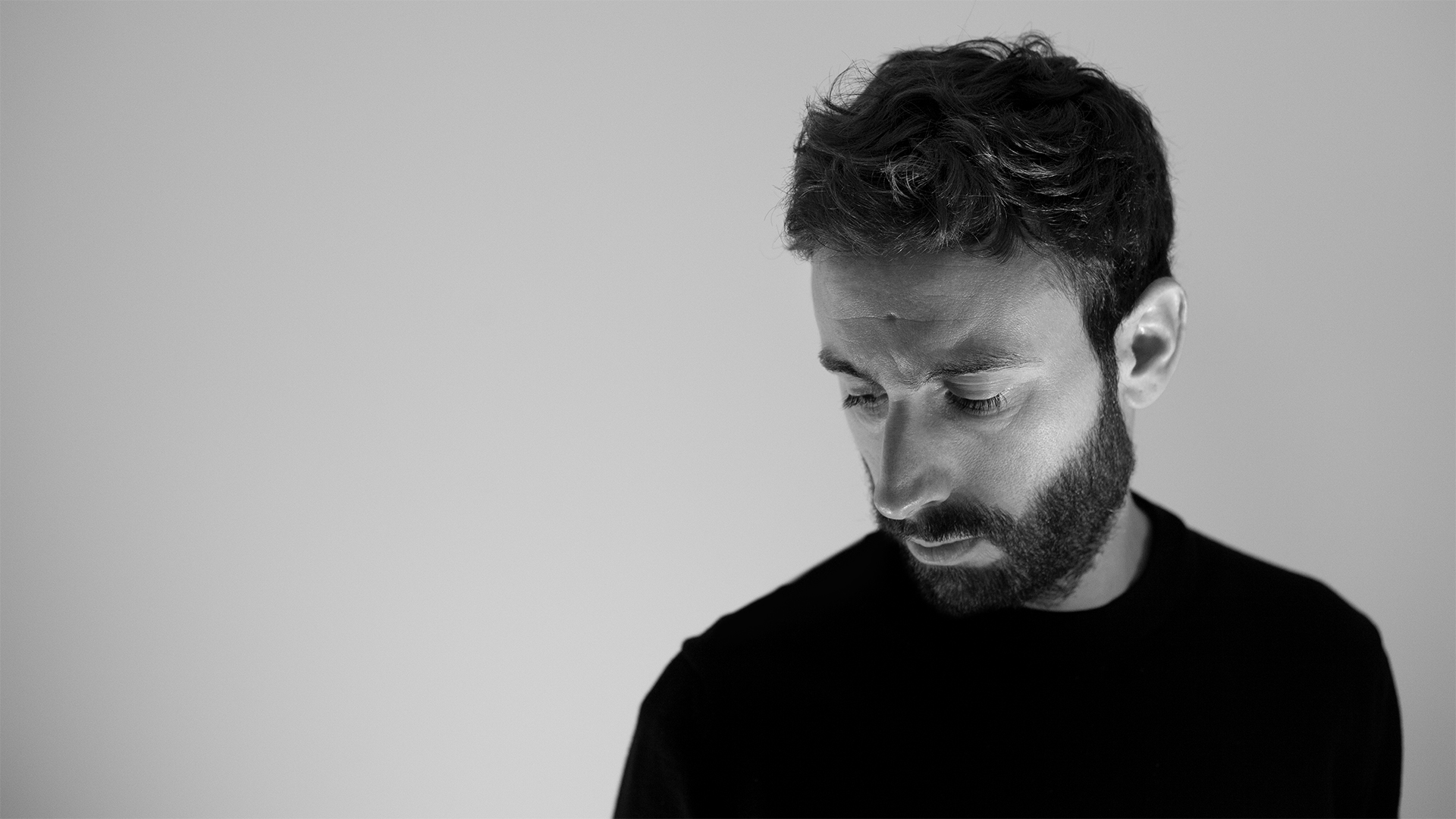

We recently connected with Mickael Jacquemin and have shared our conversation below.
Mickael, appreciate you joining us today. If you could go back in time do you wish you had started your creative career sooner or later?
I think we all feel, at some point, either behind or ahead of where we should be in life, whether in our careers or personal lives. For me, I’ve always felt behind, and that feeling started very early. I remember when I started music at the conservatory at age 11, I felt so old in the music theory classes because I was the oldest, and the youngest was only six. I vividly recall wondering why I hadn’t started earlier, already feeling like I had to race against time to catch up.
That feeling stayed with me, especially in high school, where I lost two years due to a lack of interest in my studies and a much greater passion for starting metal bands. When I finally got to art school, once again, I was one of the oldest students, and I found myself wondering what I had done wrong in the past to end up there.
But looking back, this created in me a sense of urgency and a hunger for hard work to make up for lost time, and that drive has never left me. From it, I also gained what I consider my biggest flaw: impatience. I would probably say that I wish I had been there sooner because we always want to arrive faster, to move quicker, to avoid mistakes and bad choices, but that’s unrealistic.
It’s those feelings of urgency that pushed me forward and shaped who I am today.
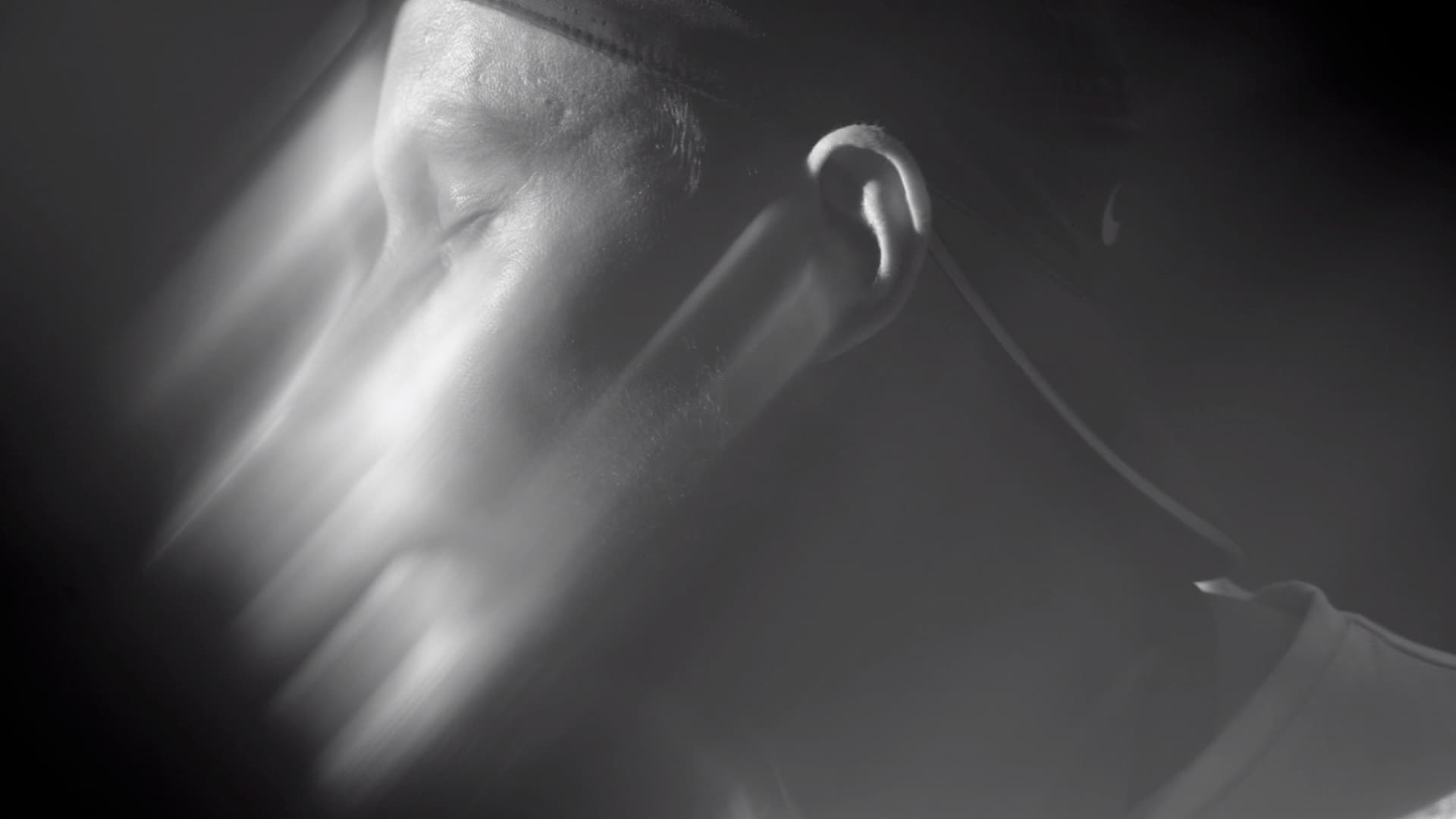
Mickael, before we move on to more of these sorts of questions, can you take some time to bring our readers up to speed on you and what you do?
I began my creative journey in music. I started playing music at the age of 11, and until I was around 25, I created several bands, recorded a few albums and EPs, and went on a few tours. I moved from classical music to rock, eventually diving into metal and its subgenres—black metal, death metal, metalcore, deathcore. Sound and rhythm have always been the elements I’m most sensitive to, and even today, it’s through sound that I enter a project. For me, sound can either elevate or ruin everything.
After sound, at the age of 20, I began exploring imagery. I earned a master’s degree in graphic design, and after graduating, a twist of fate led me to advertising. The creative freedom that agency creatives could enjoy at the time seemed unique to me, and it made me really want to be a part of it. Over eight years, I worked on several films for Volkswagen, Tag Heuer, Ubisoft, an art installation for Hennessy, a short film about organic food featuring a song by Gojira, and countless hours in agencies. Eventually, I decided to take the leap into a new adventure as a freelancer.
Since then, I’ve been working as an independent director and art director, striving to combine the two passions that have driven my first 35 years: sound and imagery. Most recently, I directed and composed the music for the brand film celebrating 40 years of Stone Island.
Is there something you think non-creatives will struggle to understand about your journey as a creative? Maybe you can provide some insight – you never know who might benefit from the enlightenment.
It’s always been very difficult for me to describe my job and what I do on a daily basis. When we’re fortunate enough to release projects like a brand film, very few people know who’s behind it, even within the industry. And even when people do know you were involved, they often struggle to understand exactly what your role was. Choosing a creative career, especially when working on commission, means accepting the reality of spending days, sometimes even weeks, being completely unproductive.
There have been times, and there still are, when I’ve started work early in the morning and finished late at night, only to realize in the evening that my entire day was wasted because I didn’t come up with anything worthwhile. Over time, I’ve come to understand that this “lost time” is actually part of the process, it’s essential for finding the right path that will eventually lead to the right idea. But those moments can be incredibly tough psychologically, especially when you’re just starting out in this profession. You truly feel like an impostor, like you’re being paid for not finding anything.
There’s a strong sense of abstraction in this job, it’s volatile and fleeting. That’s why I always like to end my days with something extremely concrete, like cooking, or even more glamorous: vacuuming.
What’s the most rewarding aspect of being a creative in your experience?
My core value has always been freedom, and I naturally found my way into this career because I couldn’t have become anything else. I also struggle with authority and pointless constraints, like office hours in companies that are supposed to be creative spaces, it makes no sense to me. I work based on trust, with people I trust and who trust me, and that’s how projects turn into great ones.
Being a creative allows me the freedom to work from wherever I want, to choose the people I collaborate with, and to work when I feel I’ll be the most productive and, above all, inspired. Of course, inspiration doesn’t just happen, it’s something you create, and it comes from a tremendous amount of work. So, I impose my own constraints on myself to keep moving forward.
I don’t do this job to be in the spotlight, as so many people seek. On the contrary, I enjoy staying in the shadows, honing my craft, exploring new forms of visual expression, and diving deeply into learning new techniques. I like to think of myself more as a craftsman than anything else.
Contact Info:
- Website: https://mjacquemin.com/
- Linkedin: https://www.linkedin.com/in/mickaeljacquemin/