

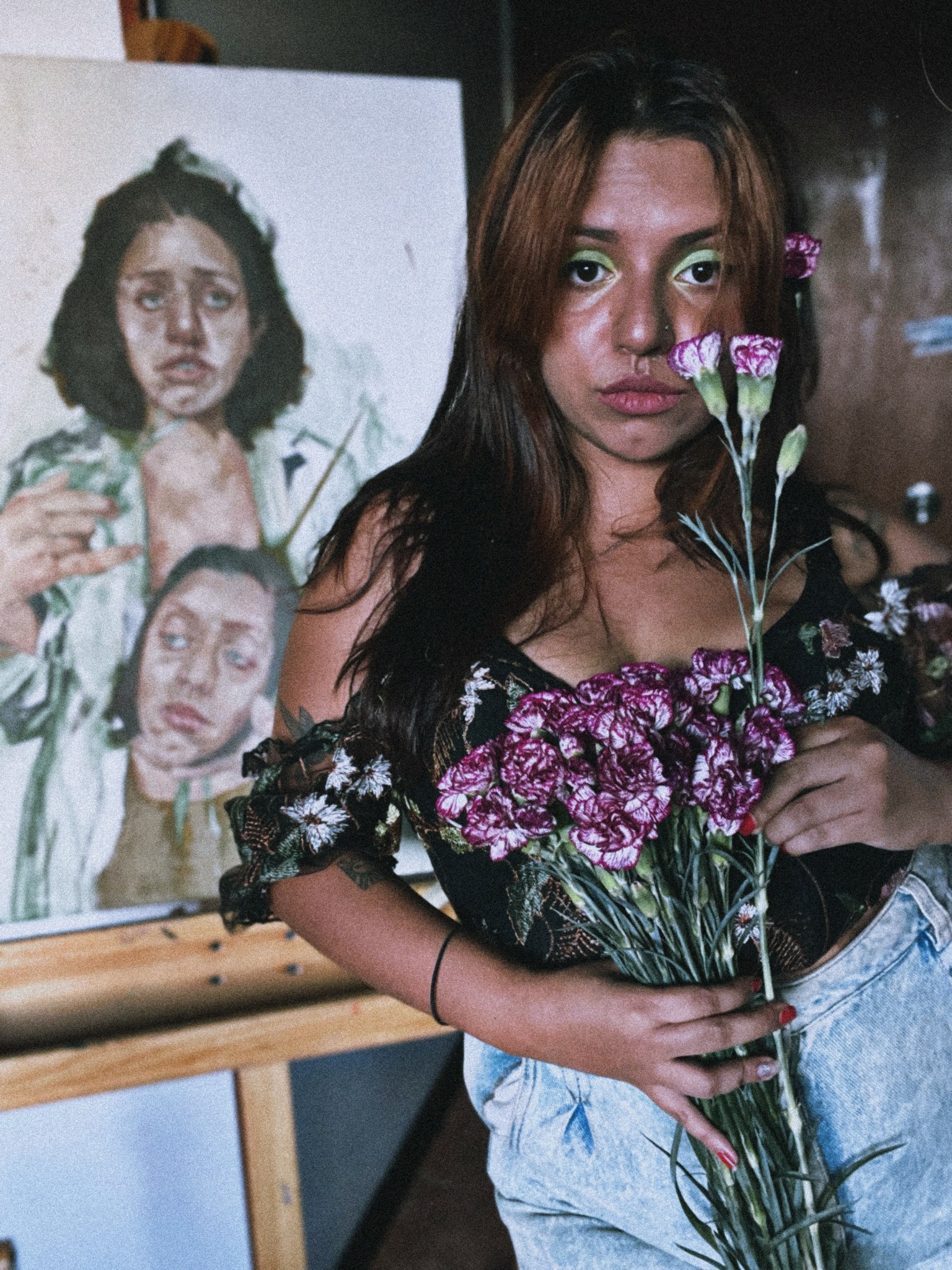

We were lucky to catch up with Lina Coy recently and have shared our conversation below.
Hi Lina, thanks for joining us today. Learning the craft is often a unique journey from every creative – we’d love to hear about your journey and if knowing what you know now, you would have done anything differently to speed up the learning process.
I believe that my artistic skills come from my ability to observe. To learn how to be an observer and a wanderer is not an easy task. You have to retrain your eye and your mind in order to perceive the little details that make the difference. I’ve always been curious and observant but in art school they taught me how to create the connection between eye and hand: to be an observer with a purpose of a storyteller. When I first started I thought that to see something had the same meaning than to observe something. It doesn’t. When you’re an observer, you are trying to involve yourself into the subject, you’re empathetic with it. You try to comprehend why it looks the way it does. This applies to human beings, objects, places, anything you are actually perceiving and sensing, not just watching. I think a good artist is a good observer. A good observer remains humble, dazzled, open. A good observer is willing to keep learning from their surroundings. In therms of my techniques, my biggest goal is to constantly learn about others, and it will immediately improve my processes. Because I can learn from anything and anywhere: the people, the materials, the time. I’m constantly earning lessons and I aspire to remain observant above it all. My artistic skills come from years of being willing to be amazed by what surrounds me: my fellow artists, the place I live in, sound and nature. Everything and anything is an excuse to keep digging into my passion; therefore, I improve it.
As always, we appreciate you sharing your insights and we’ve got a few more questions for you, but before we get to all of that can you take a minute to introduce yourself and give our readers some of your back background and context?
My name is Lina Coy.
I was born in Bogota, Colombia and I decided to be a multidisciplinary artist since I can recall. Master in Visual Arts with graphic and plastic degrees from the Pontificia Universidad Javeriana (Colombia).
I’m an immigrant. I’ve lived in Chile, Spain and the U.S. collecting methods, stories and directions. I’ve realized that to be an immigrant affects immediately my artistic process. Every time I settle in a new country, I observe and act in response of that observation. I’m like a child trying to figure out life. That directly affects the way I perceive my art. The artworks that I make and the routines I create are a response to the environment I’m living in. Every time I move away, I’m aware of new things inside my particular creative expression.
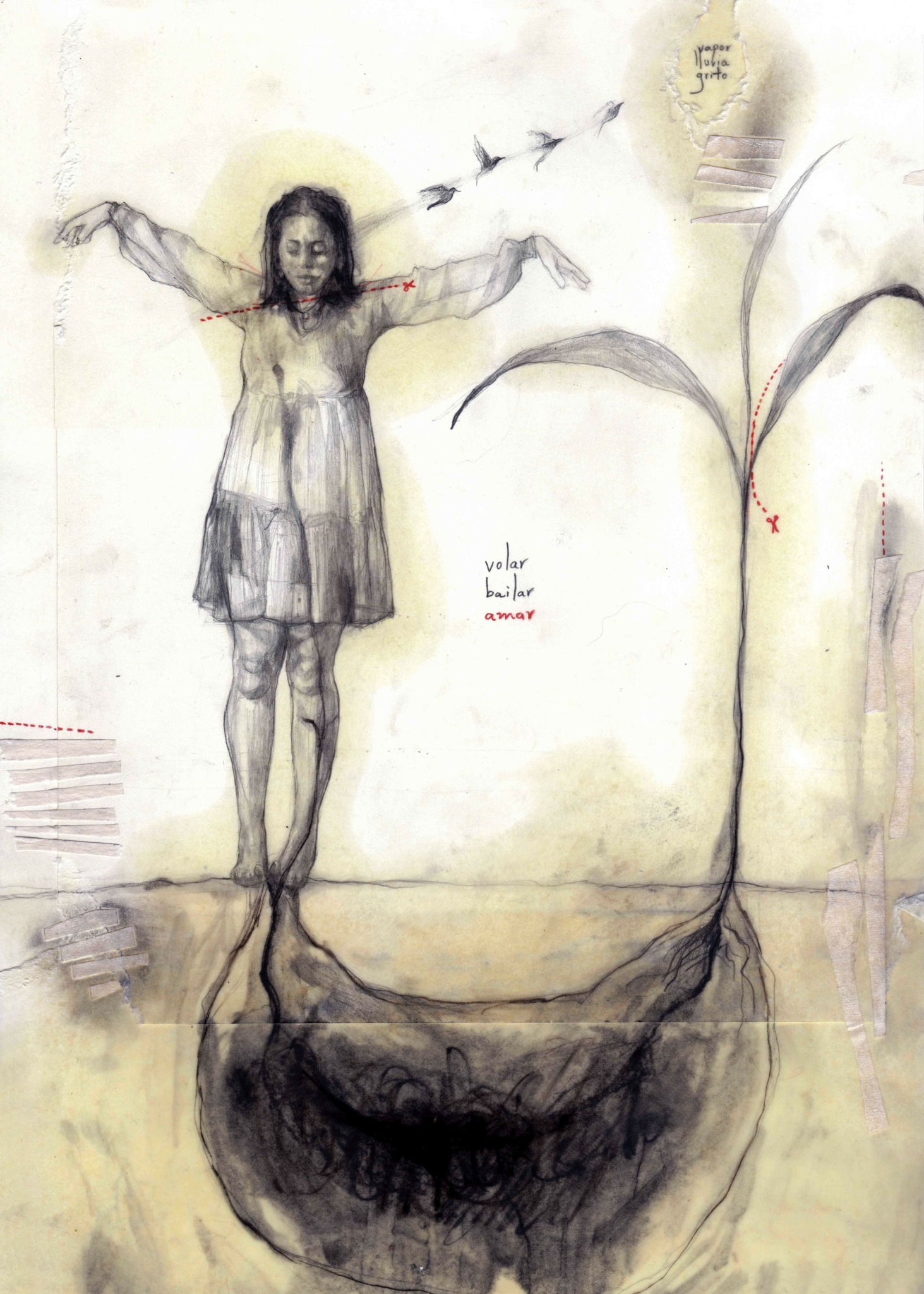
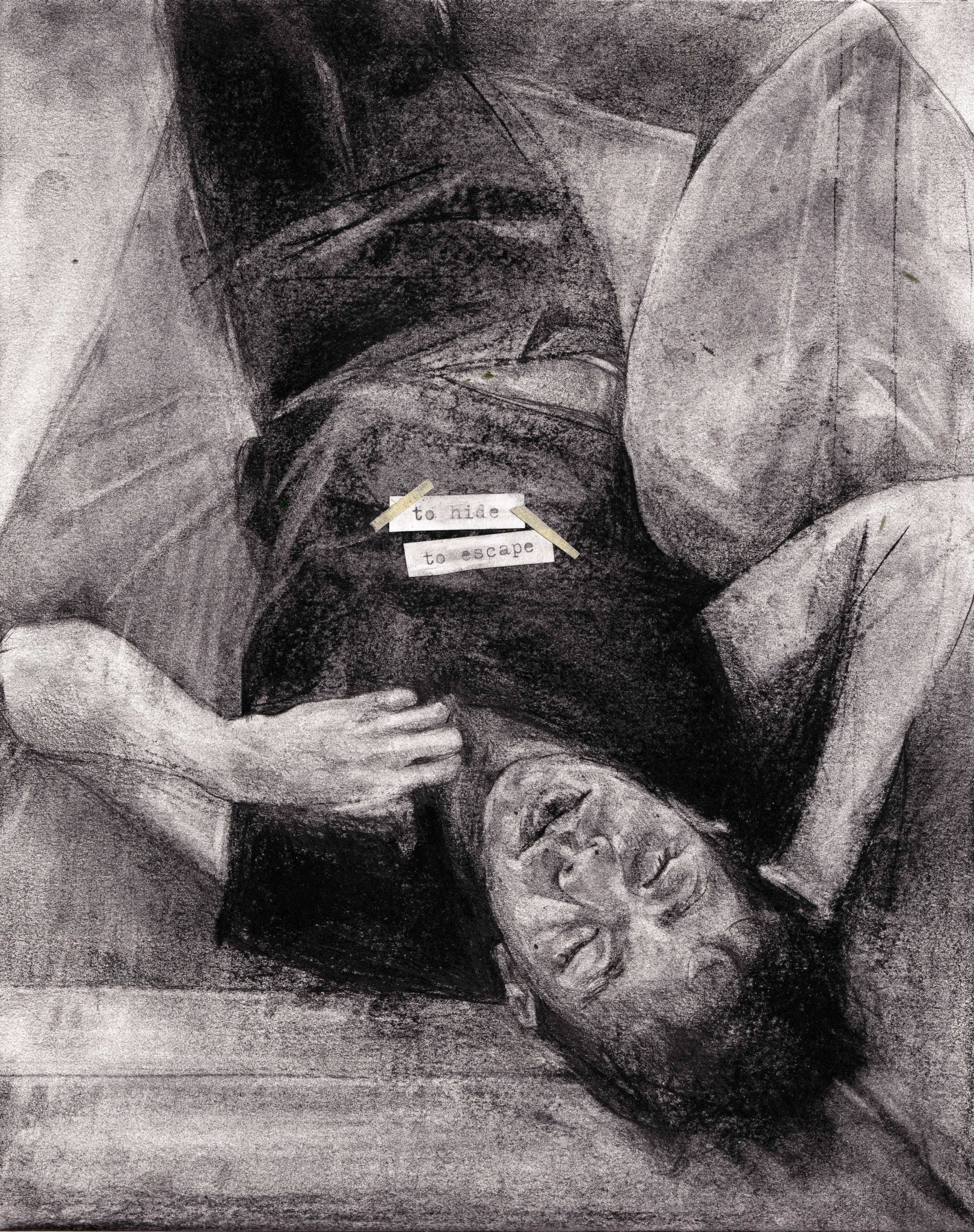
I became a narrator, discovered myself a bird and focused on being a portrayer. I have a weakness for the untold tales the scars on the body can show. I believe that the human body is a powerful tool to tell and hide stories and I’m determined to dig every inner struggle I can find.
My path has been recognized around the globe in group exhibitions like The Salon of Universitary Latin America Graphic (2020) or The National Salon of Colombian Drawing (2021). My images have been published in the Planeta publishing house and Voice of Artists Portraits & Figures (2021). In 2021, I received the first honorable mention at The National Salon of Colombian Drawing and in 2022 I was awarded first place at the John Dalton Figurative Art Prize.
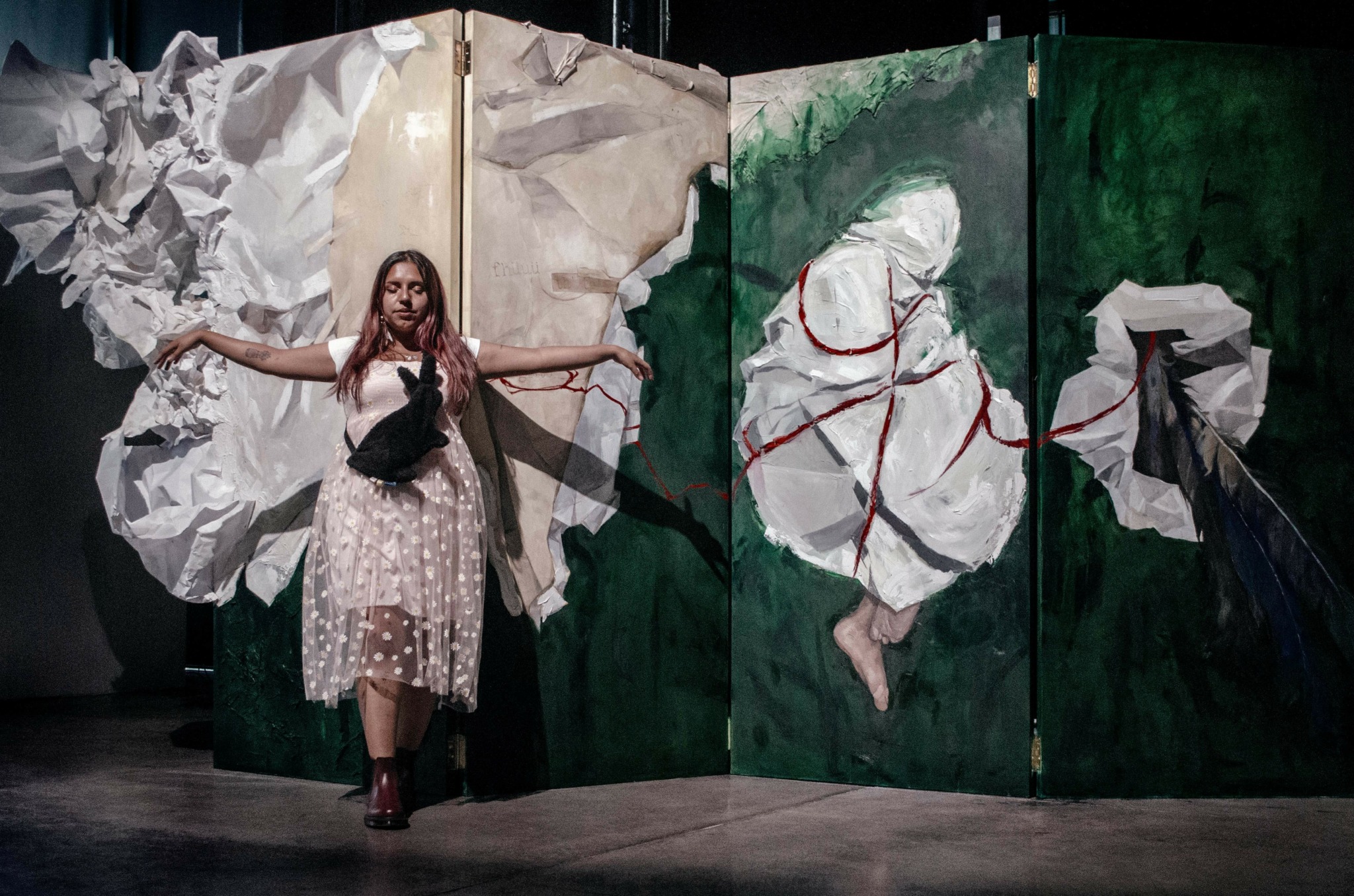
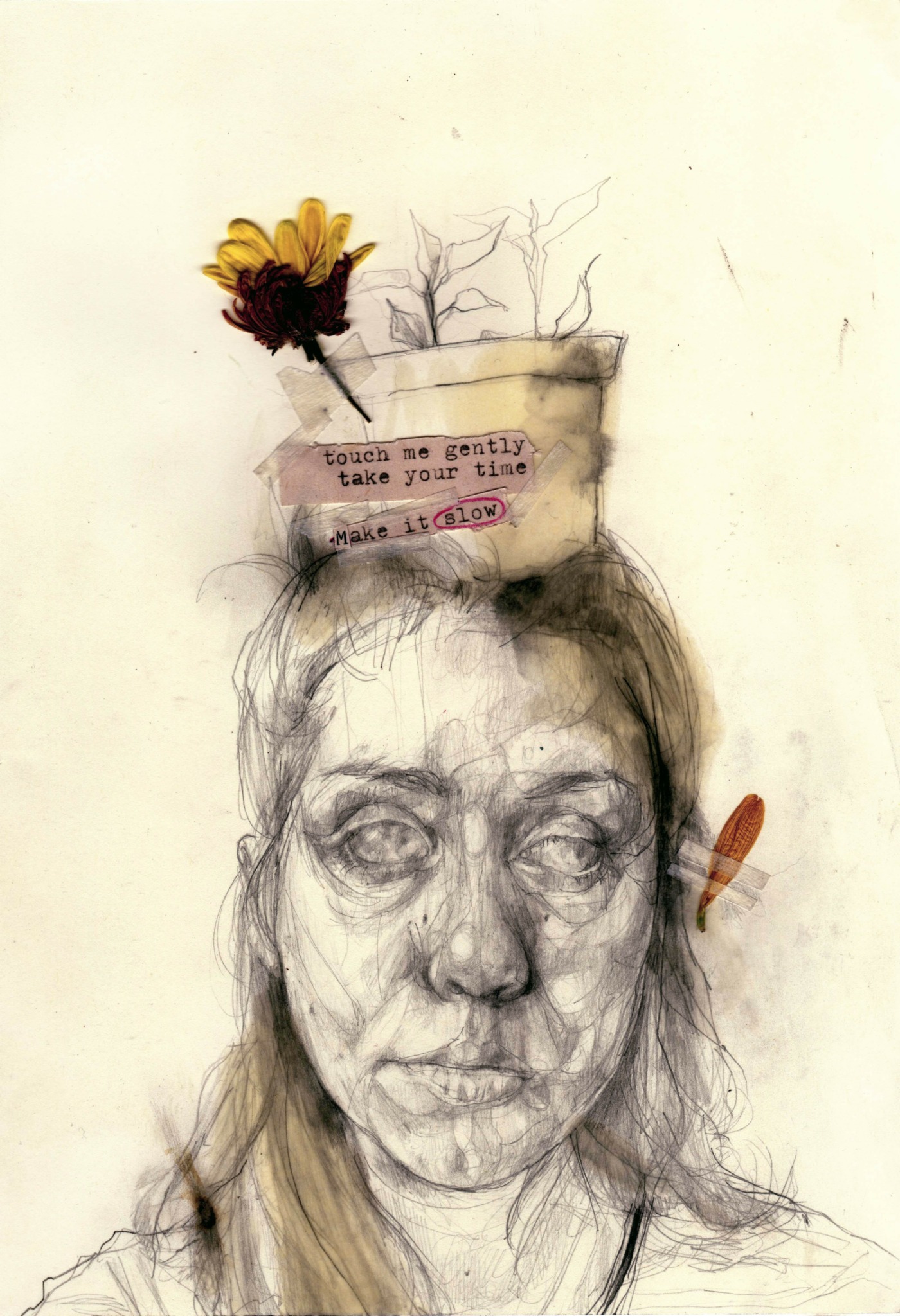
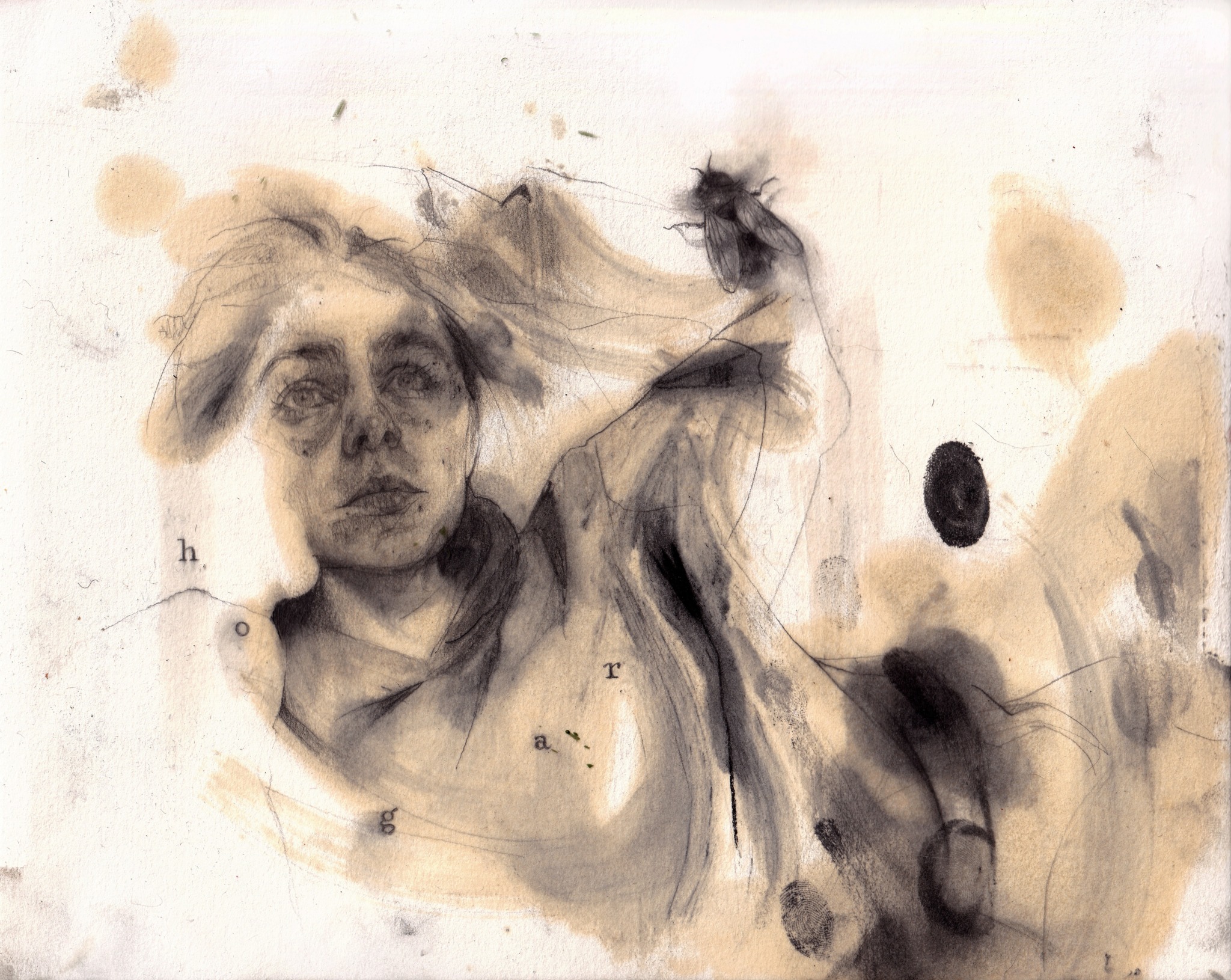
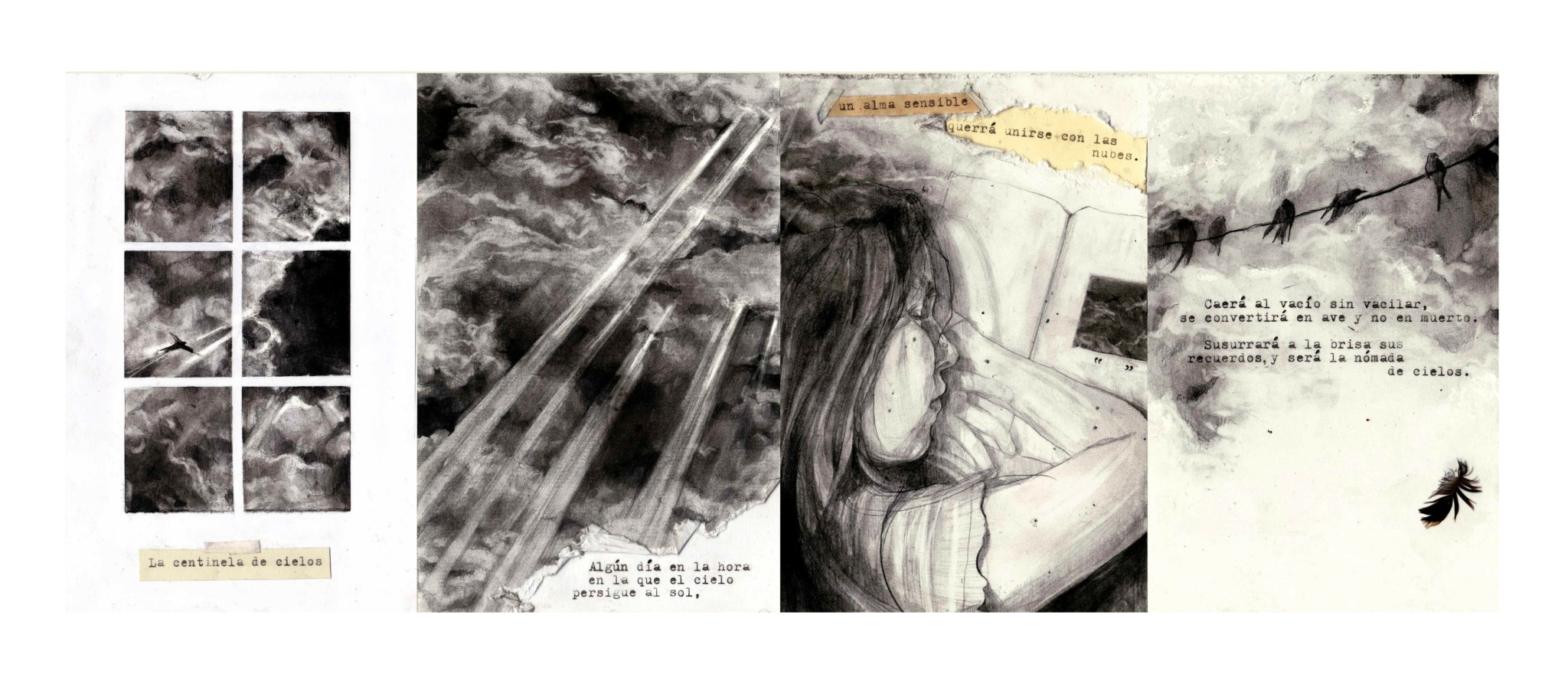
I currently spend my days creating images and stories inspired by the fragility and weight of time. As a mutidisciplinary artist that implies a mixture of several techniques and voices. My artistic process involves creative writting, performance, photography, drawing, painting and sounds. Any media I can find and rely on to tell the story the way I want to tell it.
My primary focus is the human faces. As a portrayer I’m able to observe the past and the present of a person by observing their face: the little spots, the scars, the freckles, the gestures. Although, I tend to use myself as a subject. Because I’m able to not only observe and reproduce but to play with and deform my self-image. It’s my way to perceive and display vulnerability that fill my images with such a raw and direct emotion.
For you, what’s the most rewarding aspect of being a creative?
As an artist, the most precious wonder is to be able to see what others can’t. We are sensitive, compassionate, perceptive. We are able to pry inside something that catches our attention and use it to tell a story. The biggest reward of an artist is not fame, recognition or a fine result. It is to have the chance and determination to develop the instict of sensibility around us. Human beings are sensitive by nature, but artists make the choice to pursue that sensibility and make something out of it. We have the opportunity to tell a story out of our emotions. The humanity is a gift. But being able to analyze and be rational about our feelings is a treasure. For me, there’s a point in the creative process where you’re connecting with your most inner self. The moment of creation becomes a meditation, a therapy, a safe time and place to develop your raw emotions. But an artist knows how to handle both sources. An artist is not only leaded by a feeling, we search into our technique knowledge in order to find the most effective way to show it. It’s a reward to decide to develop the emotions product of the reactions from the surroundings. It’s a reward to make time for creating something that’s gonna reproduce our most inner concerns and emotions.
What’s a lesson you had to unlearn and what’s the backstory?
I’ve had to unlearn how to prioritize others. When I prioritize others I push my art away. It’s hard to make time to paint, create and meditate. It’s not because I don’t want to, but life gets in the way. It’s a really hard task when the wandering around it’s such an important part of the creative process. If I don’t make time to prioritize myself and my processes then I won’t be able to do what’s important to me the most: art. It takes so much time to become a dedicated artist, that it’s a privilege to decide to pursue this career. Art involves more than the moment of creation. Art involves investigation, determination, discipline and modesty. To build an identity as an artist goes beyond the talent or the sensibility to reproduce images. An artist has to be able to translate a message through lines, colors, forms, etc. An artist should be able to create a feeling through specific visual stories. An artist should be able to prioritize the desire to make art and create a routine or an artistic process that improves that desire. My biggest mistake as an early artist was to overestime my abilities. I used to rely on my skills and didn’t look forward to improve or investigate how to be better. In the moment I started to be humble about my abilities and forced myself to prioritize my art in order for it to improve, I started to feel as a dedicated and professional artist.
Contact Info:
- Website: https://www.kaleido.art/linacoy
- Instagram: https://www.instagram.com/lina.coy
- Twitter: https://x.com/linacoy_
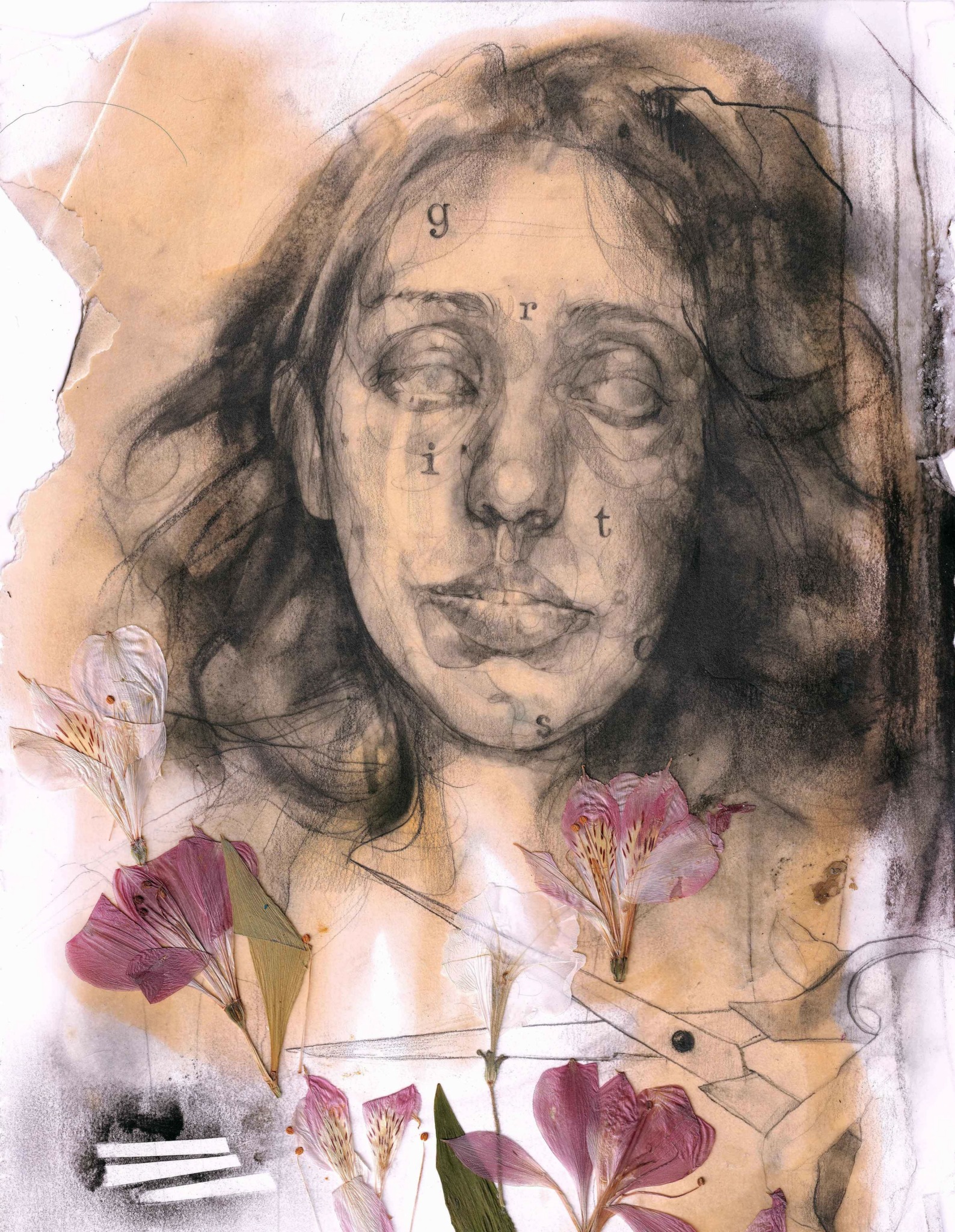
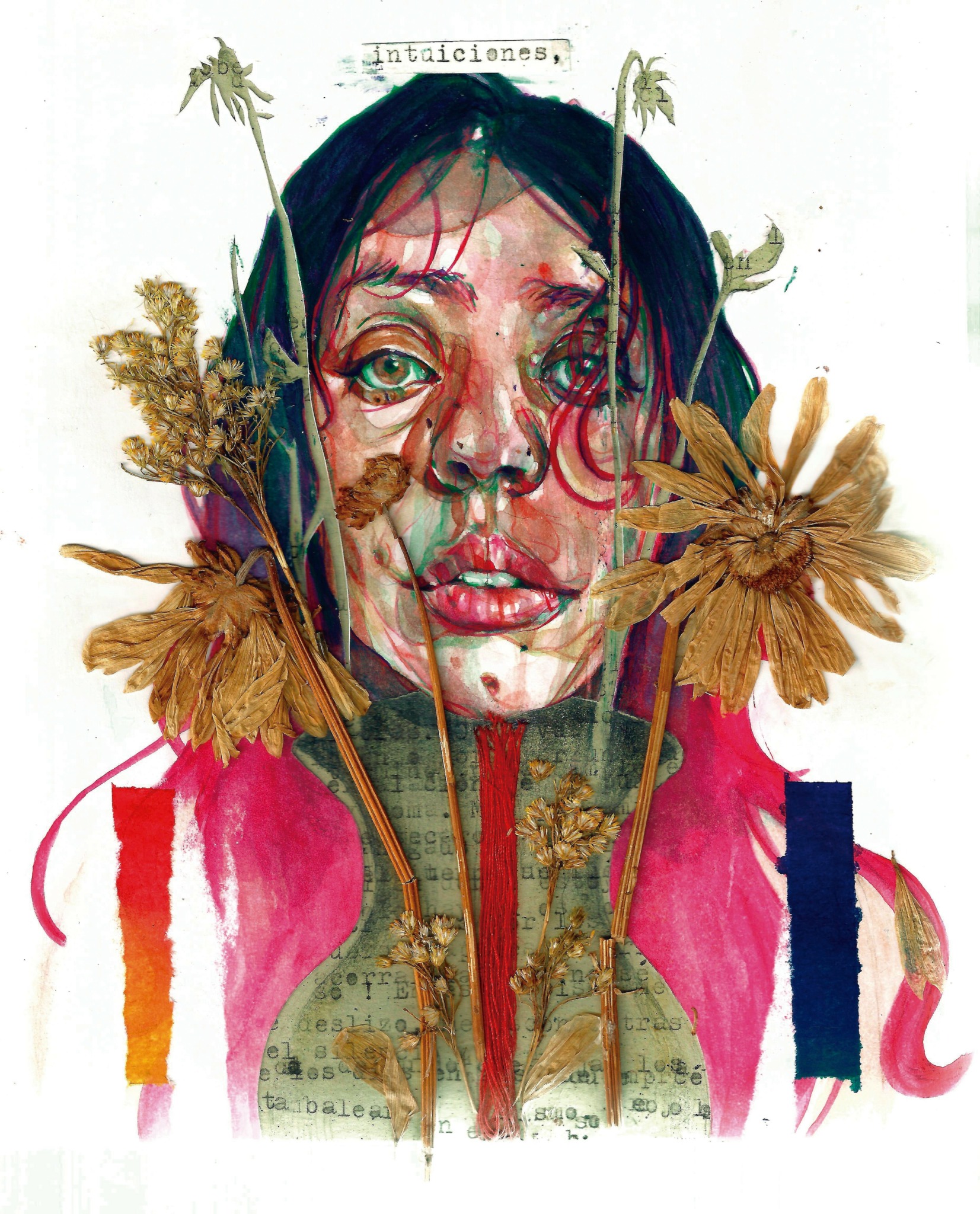
Image Credits
Lina Coy