



We were lucky to catch up with Becca Willow Moss recently and have shared our conversation below.
Becca Willow, looking forward to hearing all of your stories today. Was there an experience or lesson you learned at a previous job that’s benefited your career afterwards?
I run my own business as an independent filmmaker. Prior to jumping into directing, and for many years, I worked in retirement homes and long-term care. Working in a retirement home, surrounded by elderly people whose lives were filled with experiences, traumas, and stories, profoundly shifted my perspective on the power of film as a medium. It wasn’t just the stories of these individuals that stood out to me, but the way they recalled their pasts—the emotions, the laughter, the grief—often with a depth that surpassed words alone. In their eyes, I saw how much time shaped their identities, how recollection, both postive and negative, intertwined to form who they had become.
It was in this environment that I started to see the full weight of storytelling and how crucial it is to preserve moments, experiences, and feelings. Films, to me, began to represent more than just entertainment. They became vessels for capturing human experience in ways that words and photographs alone couldn’t. I began to understand that films aren’t just stories—whether fictional or based on real events—they are windows into memory.
Great, appreciate you sharing that with us. Before we ask you to share more of your insights, can you take a moment to introduce yourself and how you got to where you are today to our readers.
I was born in Canada and recently received the esteemed award of Telefilm Canada’s Talent to Watch (202 3) to direct/produce my debut feature.
I am an advocate for using artistic outlets to express the emotional landscape of the body. As an independent director, writer, and multimedia artist, I employ all art forms to communicate with others. I obtained my Master’s Degree at the University of Toronto, and my recent films have brought me to festivals, such as TIFF, VIFF and Montreal Festival du Nouveau Cinema.
I have extensive experience with artistic output, outreach, hyper-stylized aesthetics and creating community-based films. My media facilitates the multi-dimensional use of body, voice, and sensation. In my films, I use rhyme, music and absurdity to isolate the viewer from their own biases. My bi-lingual approach to media allows for me to layer screenwriting with nuances normally considered “semantics.” My films are known for flamboyant candor, while I colour my projects with the palette of rainbows and realism. I strive to make internal struggles heard and seen in scenes, and expose beauty found in lives with openness of queerness, s*x, taboos and mess. During my artistic journey, this approach has saved me from my ailments.
I have the utmost gratitude for the ability to shed light on stories, and use myself as a conduit for societal change.
Any stories or insights that might help us understand how you’ve built such a strong reputation?
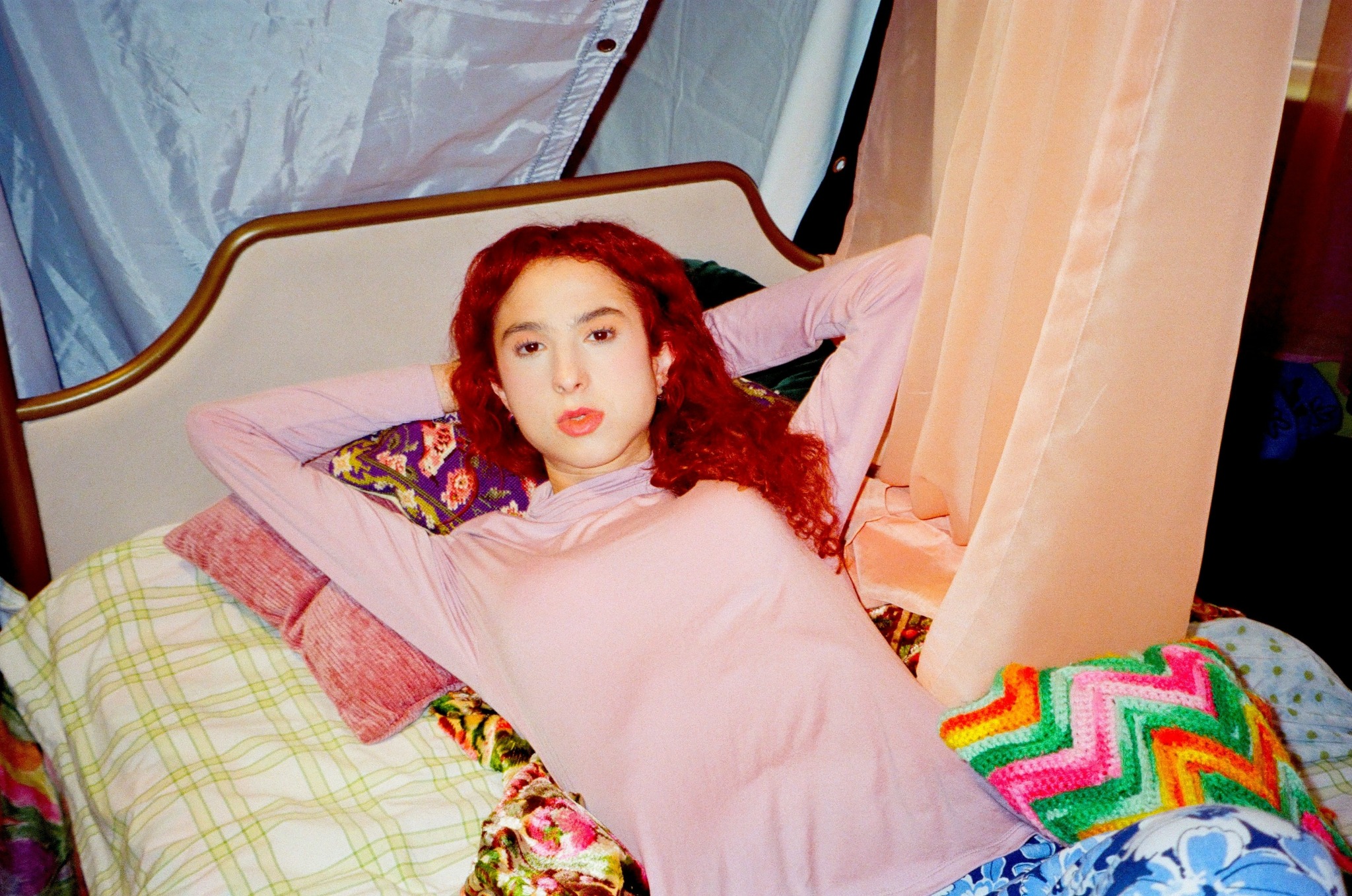
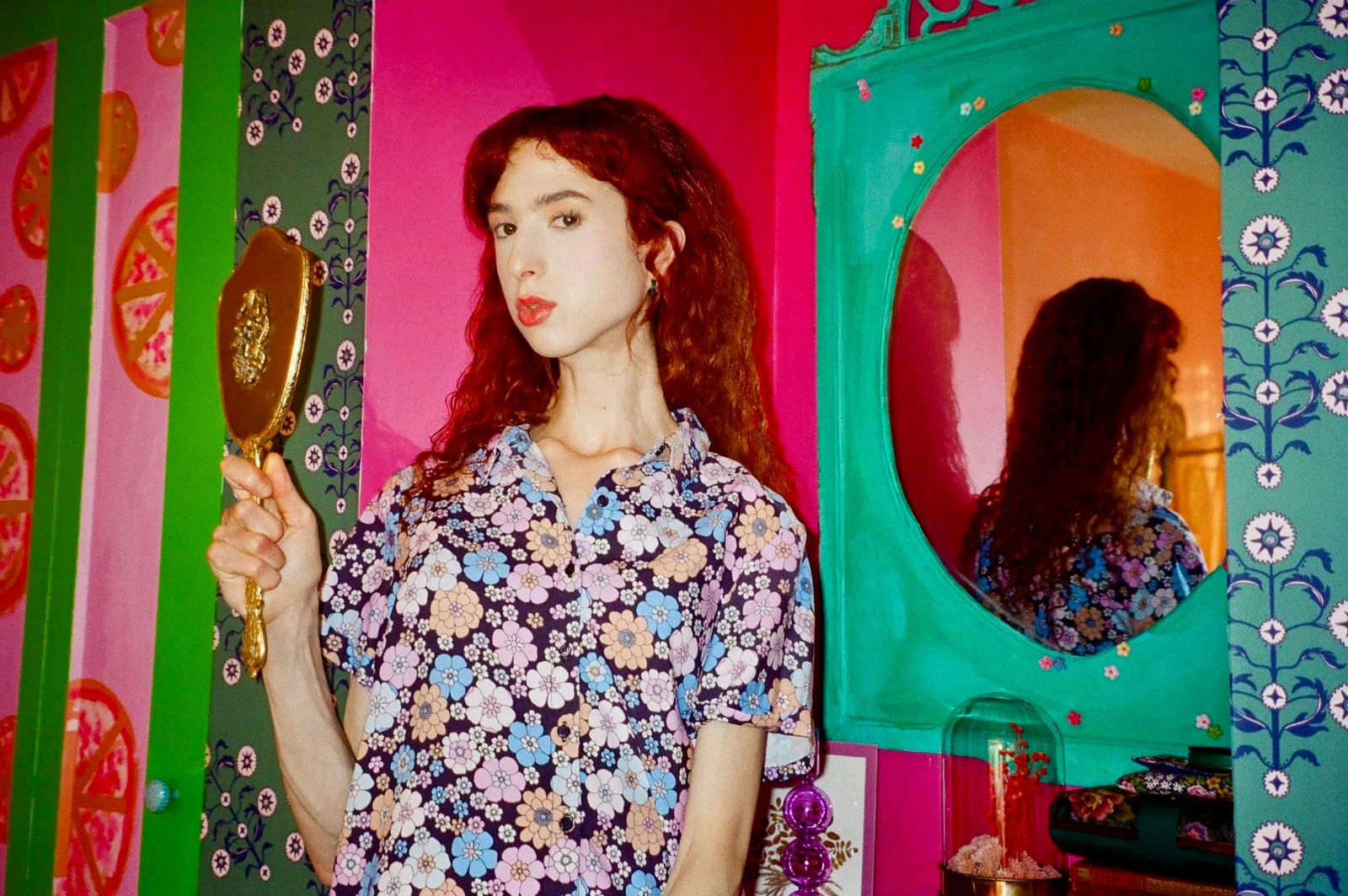
What’s really helped me build a reputation as a director who uses colorful art direction and analog film is my commitment to creating a distinct visual world. I’ve always been obsessed with the power of color and composition, and how these elements can shape a story. When I’m designing a scene or developing a shot, every detail matters—whether it’s the rich, saturated hues that give the frame a sense of life, or the way the composition directs the audience’s focus. For me, every visual choice is intentional, and I think that consistency has become a signature in my work.
Shooting on analog film has also been a huge part of that identity. There’s something incredibly special about the texture and warmth that film brings, something digital just can’t replicate. It’s not just about aesthetic—there’s a deeper philosophy behind it. Analog film is imperfect, and I love that. The grain, the slight overexposures, the unpredictable light leaks—they all contribute to the mood of a piece in a way that feels organic and human. It’s those little imperfections that give the work character, and I’ve embraced that aspect because it brings a sense of authenticity and nostalgia to my stories.
Can you share your view on NFTs? (Note: this is for education/entertainment purposes only, readers should not construe this as advice)
I don’t know enough about them! I work with Grandmas!
Contact Info:
- Website: https://www.beccawillowmoss.com
- Instagram: https://www.instagram.com/beccawillow
- Facebook: https://www.facebook.com/beccawillowmoss/
- Linkedin: https://www.linkedin.com/in/beccawillowmoss/
- Twitter: https://twitter.com/beccawillow
- Youtube: https://www.youtube.com/c/BeccaWillowMoss
- Soundcloud: https://soundcloud.com/beccawillow/turn-back-time
- Other: Spotify: https://open.spotify.com/artist/3tAzv8t9mVmzuUF8o1Kgpm
Image Credits
Photos by: Hallie Arden and Karen Knox