

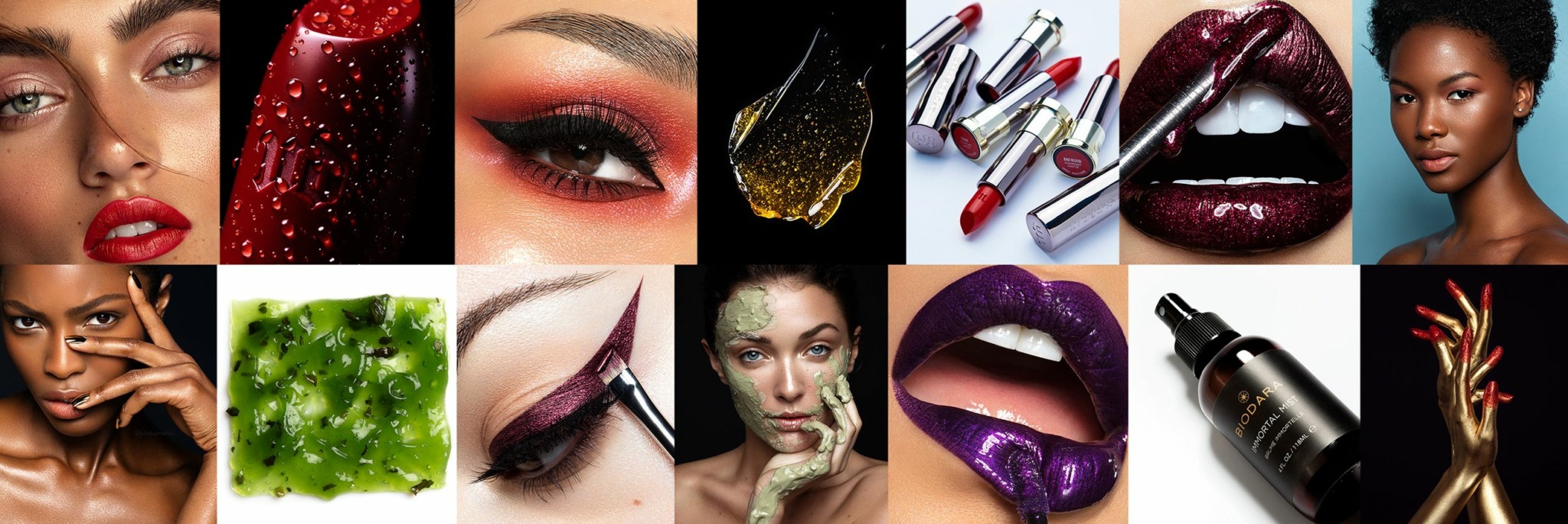

We caught up with the brilliant and insightful Julia Mckim a few weeks ago and have shared our conversation below.
Julia, looking forward to hearing all of your stories today. Have you been able to earn a full-time living from your creative work? If so, can you walk us through your journey and how you made it happen? Was it like that from day one? If not, what were some of the major steps and milestones and do you think you could have sped up the process somehow knowing what you know now?
Before I became a full-time creative professional, I spent a decade climbing the corporate ladder. I’d be lying if I said I hated it—the job security and the ability to “switch off” on weekends and during paid holidays were undeniably comforting.
However, pursuing a living through my passion became my ultimate goal while studying Commercial Photography in Australia.
Despite the challenges and uncertainties, the idea of building a career around what I loved—beauty photography and retouching—was far more appealing than working under a boss on someone else’s terms.
At the time, I juggled a part-time job to support myself while studying and took on any photography work I could find—weddings, restaurants, hotels, musicians, model portfolio shoots—you name it, I did it.
That experience was truly invaluable—not because I earned much, but because it taught me how to communicate with clients, especially large businesses, develop workflows, learn post-production, and market my work.
A few years later, I moved to the U.S. and found myself in a Midwestern city where cheap family portraits were the only photography work available. Rather than giving up on my dreams, I used that time to refine my retouching skills.
Gradually, I started securing more beauty and hairstyling retouching jobs, with my work appearing in photography and beauty magazines.
As social media platforms grew, I began receiving requests to teach beauty photography and retouching online and offline around the globe. I had a blast teaching masterclasses and seminars in Italy, Singapore, England, and even back in Australia in multiple cities – Sydney, Gold Coast and Melbourne where I studied photography.
Teaching wasn’t something I had planned, but I embraced the opportunity and dedicated myself to building a business around it.
In parallel, as my client base and income increased, I moved to Los Angeles and was able to rent a studio, collaborating with talented creatives and beautiful LA models. At that point, my goal was clear: I wanted to shoot exclusively for beauty and lifestyle brands.
For about a year, I invested my free time and resources into honing my lighting, photography, and advanced retouching techniques while upgrading my beauty photography portfolio with new work. With Instagram becoming a major platform, I made it a point to post new work consistently.
During that period, I continued doing commercial retouching and teaching online.
What I think of as my “breakthrough” came with back-to-back commercial projects for major brands such as GlamGlow (Estée Lauder), Dr. Brandt, Hourglass Cosmetics, Neutrogena and many others.
Despite that success, I lacked the expertise to price my photography and retouching services for high-caliber clients. The next logical step was finding an agent to handle negotiations and licensing agreements on my behalf.
As my agent and I navigated the industry, we learned about licensing terms, production processes, and pricing structures. Over time, we raised my fees, allowing me to focus on fewer, higher-budget projects.
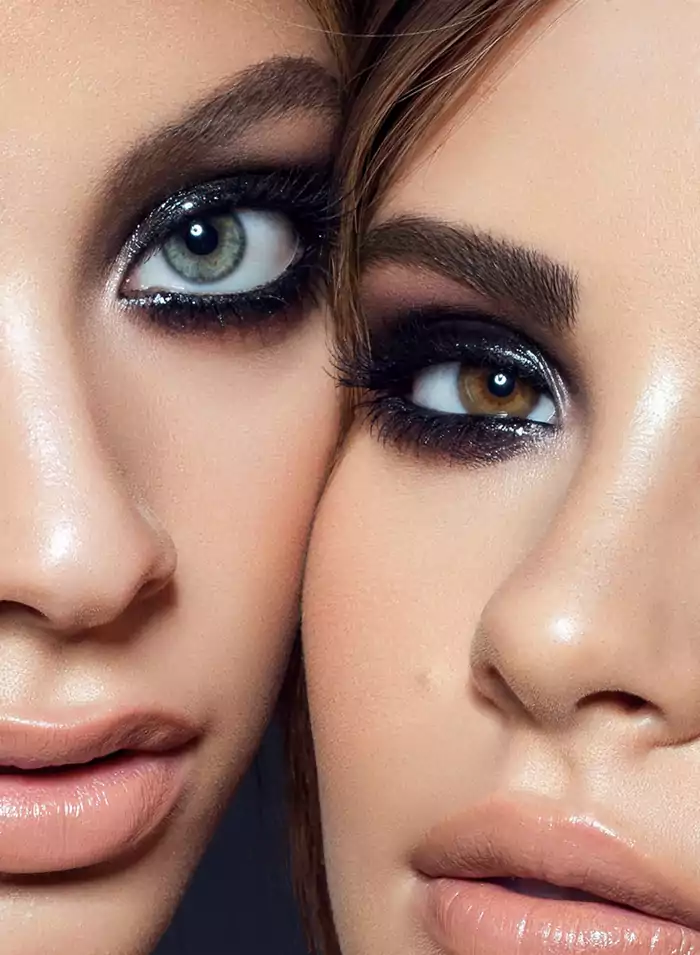
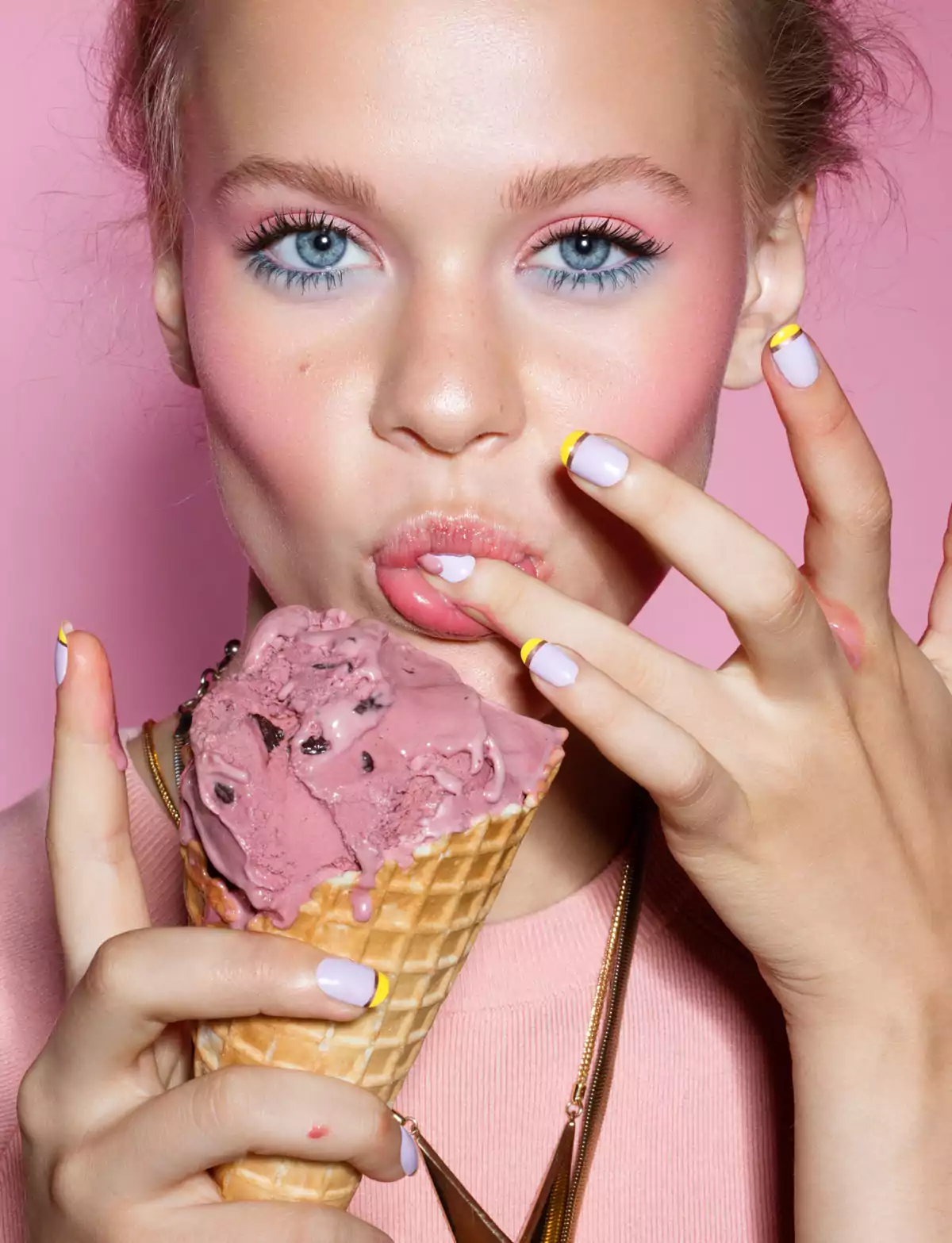
Many well-known beauty brands such as Pat McGrath Labs, Urban Decay, Morphe, Melt Cosmetics, Sunday Riley, and others became my repeat clients, keeping me so busy that I had to shift my focus away from my teaching business, Retouching Academy (https://retouchingacademy.com/).
In 2020, like many creative professionals in Los Angeles, my photography work significantly slowed.
By that point, I was already feeling a bit burned out, so refocusing on my online business felt like a natural transition into the next phase. Today, I enjoy a healthier balance between retouching, photography, and running my online business.
Looking back, I wouldn’t want to change much in my journey, but I’ve learned the hard way some invaluable lessons that everyone knows in theory:
– Never stop expanding your skillset, even if you are crazy busy – make time for growing.
– Don’t put all your eggs in one basket – there are many ways you can leverage your creative and business skills, explore the possibilities.
I am convinced that freelancers should always have multiple income streams and learn to see themselves more like business owners rather than artists who only execute creative work:
– It prevents your burnout from repetitive work.
– It safeguards your income if one stream dries up due to factors beyond your control.
– It encourages the development of new skills, strengthening you as a capable independent professional.
– It allows you to use a strong income stream to fund your new skill-building and portfolio development in other areas.
Right now, I still offer beauty photography and retouching to beauty brands, while running my online business full-time (I treat it almost like a job).
In my spare time, I am learning cinematography, writing, and experimenting with generative AI tools for filmmaking.
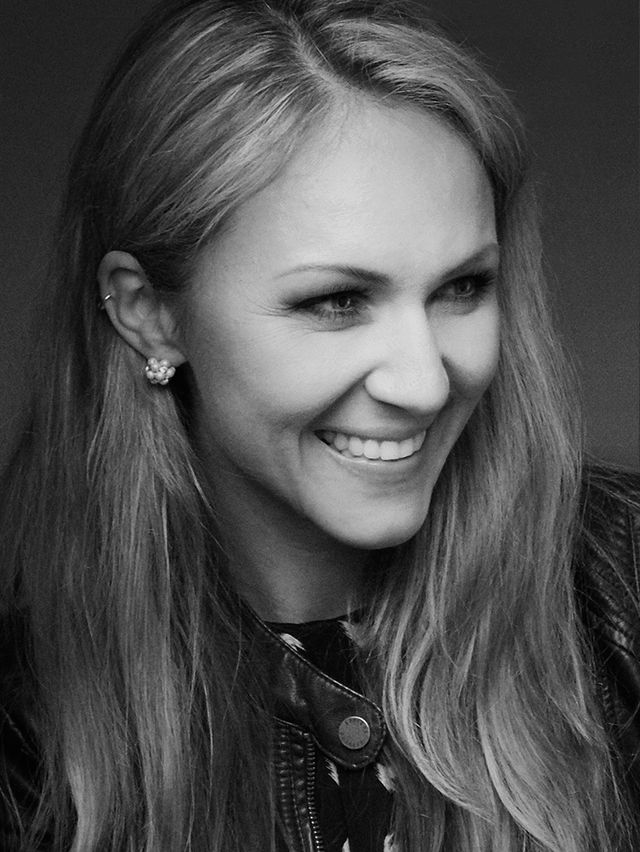
Awesome – so before we get into the rest of our questions, can you briefly introduce yourself to our readers.
I believe I am very fortunate to have been able to stay a full-time creative professional, doing what I truly love – Beauty photography and retouching – for almost two decades.
Early in my creative journey, by trying many different things I identified what I enjoyed doing the most. That, in turn, helped me to invest thousands of hours into honing my skills in the first few years while feeling like I was just having so much fun! I would always look forward to retouching my beauty images for 5-6 hours straight every single night for many years. That, in just one year, amounts to almost 2000 hours of hands-on practice!
Eventually, getting hired by major beauty brands allowed me to collaborate with top industry professionals, and create even higher-quality work, and learn much more.
My client projects got larger and I was forced to create systems to prevent any error, as well as inject a helping force into my production cycle. A retouching agency called Avenue Retouching (https://avenueretouching.com/) was born to support the post-production phase.
With that in place, I am able to take on not only large Beauty photography & retouching jobs for well-known beauty brands but also retouching projects that I did not shoot, because I now have my well-trained and thoroughly tested retouching assistants.
Within the agency, my role is to communicate with clients, understand what they want and need, interpret their requests to my team in technical terms, oversee each project, lead my team, and finish every single image, so the work that our clients receive back is always consistent.
My Avenue helpers know exactly what I look for in a retouched file, we have a very efficient and effective system of communication and file exchange, and our clients can always count on receiving the highest quality work from us on time, regardless of how tight our deadlines are.
Some of our biggest VIP clients for many years have been Melt Cosmetics, FORMA Brands partners, especially Morphe Brushes and its reincarnation Morphe2.
Another important side of the gradual improvement of my processes was caused by the expansion of my agent’s roster. As more of my favorite top-skilled and highly reliable Makeup Artists, Camera and Lighting Assistants, DigiTechs and Hairstylists joined his agency, he learned to also take on the entire production for our clients.
Now, whenever a commercial client of any size comes to me, I connect them with my agent, and I am confident that I will have my best crew for the job on set – the professionals I have worked with on dozens of large projects already, and I don’t have to worry about absolutely anything except for my best creative execution of our client’s vision.
This is very liberating and it feels amazing at the completion of each and every successful shoot. This is truly a dream come true for the artist in me :)
Are there any books, videos or other content that you feel have meaningfully impacted your thinking?
Yes, there is one book that I think many people—artists and entrepreneurs alike—could greatly benefit from!
My corporate career in finance taught me that any business is a well-structured system made up of smaller subsystems. While nobody explicitly taught me how to build a system, I learned a lot by observing the operations of the global corporations I worked for.
That approach helped me in the early stages of my creative career, but one book truly flipped the switch and helped me adopt an even more practical systems mindset: Sam Carpenter’s “Work the System”.
I can’t guarantee it will be as impactful for everyone as it was for me, but I highly recommend giving it a try, whether you’re a creative professional, a business owner, or simply someone who wants a more organized life with a forward vector.
One of the key takeaways from Carpenter’s book is his repeated emphasis on avoiding the trap of constantly “putting out fires.” Instead, your job is to identify the subsystems in your personal and professional life and tweak them to reduce or eliminate the possibility of fires altogether.
If you read this book and find it transforms your mindset as much as it did mine, reach out to me on social media or email me through my website www.juliakuzmenko.com – I’d love to hear about your experience!
Can you share a story from your journey that illustrates your resilience?
I’ve had many turning points in the past couple of decades where things could have gone the wrong way. I’m so happy I never gave up and persevered regardless of the circumstances.
When I first came to Australia to study Commercial Photography, I only had enough savings to sustain myself as a student for one year.
In the first few months, once I established my routines in a new country, I decided to find a job at a hotel since I already had a few years of experience as a Night Auditor at Marriott Hotels during my university years.
It was 2008, before iPhones and Google Maps, so I printed out a map of all the 3–5-star hotels in the Melbourne CBD (Central Business District) and spent a whole weekend walking into each hotel, leaving my CV, and filling out job applications.
Eight hours each day, dozens of hotels, dead-tired with blisters on my feet—but I got that ONE CALL that I needed! I was hired by the Australian hotel chain and worked at a Rydges Hotel in the heart of the city of skyscrapers as a Night Manager and Auditor for the 2 ½ years that I lived and studied in Melbourne.
This job allowed me to stay and complete my Commercial Photography course in full.
In 2011, after I got married, I lived in a Midwestern city where nobody needed beauty photography and certainly wasn’t going to pay me thousands of dollars for a shoot. I was very close to returning to the hospitality industry once again, but I gave it one last shot. I focused on retouching and teaching online, which would allow me to save a little money to rent a small studio and continue developing my skills and portfolio.
Soon after, I invested all my tiny savings into signing a contract with a local co-op studio. Right before my term began, I had a chance to test the space, and it was a complete disaster—nothing worked. The random, low-grade lighting equipment was useless, and even half the power outlets didn’t work.
I tried to cancel my contract before it started, but the crafty woman who was running that operation sent me to her lawyers. I lost all my savings in that “investment.”
I was so close to giving up.
But I worked more, saved more, and eventually found a commercial photographer who graciously allowed me to rent his studio on a per-shoot basis.
Next, I found a local hardworking and reliable hairstylist and makeup artist, Mikala Vandenbroucke (https://www.instagram.com/beingmissmikala/), as well as a couple of amazing young models Nicole Keimig and Tori Tracy. We started getting together and shooting beauty projects regularly.
These collaborations helped me develop my beauty portfolio and further refine my studio lighting and retouching skills. After a year of these efforts, I was ready to relocate to the Greater Los Angeles area to repeat the process of finding a studio and collaborating with makeup artists, and modeling agencies to continue growing.
The co-founder of that modeling agency, Scott Wine, eventually became my agent and a dear, trusted friend. We’ve done so many fun and highly complex projects in the decade since!
The makeup artist I worked tirelessly with for another year in Los Angeles, Lupe Moreno (https://www.instagram.com/lupemoreno_mua/), is now one of my core team members. We’ve completed dozens of major beauty brand shoots together. She is the best makeup artist you will ever find for creating stunning natural and fresh-looking skin for beauty shoots.
There have been many more forks in my journey, and I now know to always listen to my intuition and never give up when things get tough.
My grandma often said: “It’s darkest before the dawn” and it really helps to always expect that something wonderful is about to happen.
Contact Info:
- Website: https://juliakuzmenko.com/
- Instagram: https://www.instagram.com/juliakuzmenko/
- Facebook: https://www.facebook.com/JuliaKuzmenkoPhotography/
- Youtube: https://www.youtube.com/@julia_kuzmenko
- Other: https://www.threads.net/@juliakuzmenko
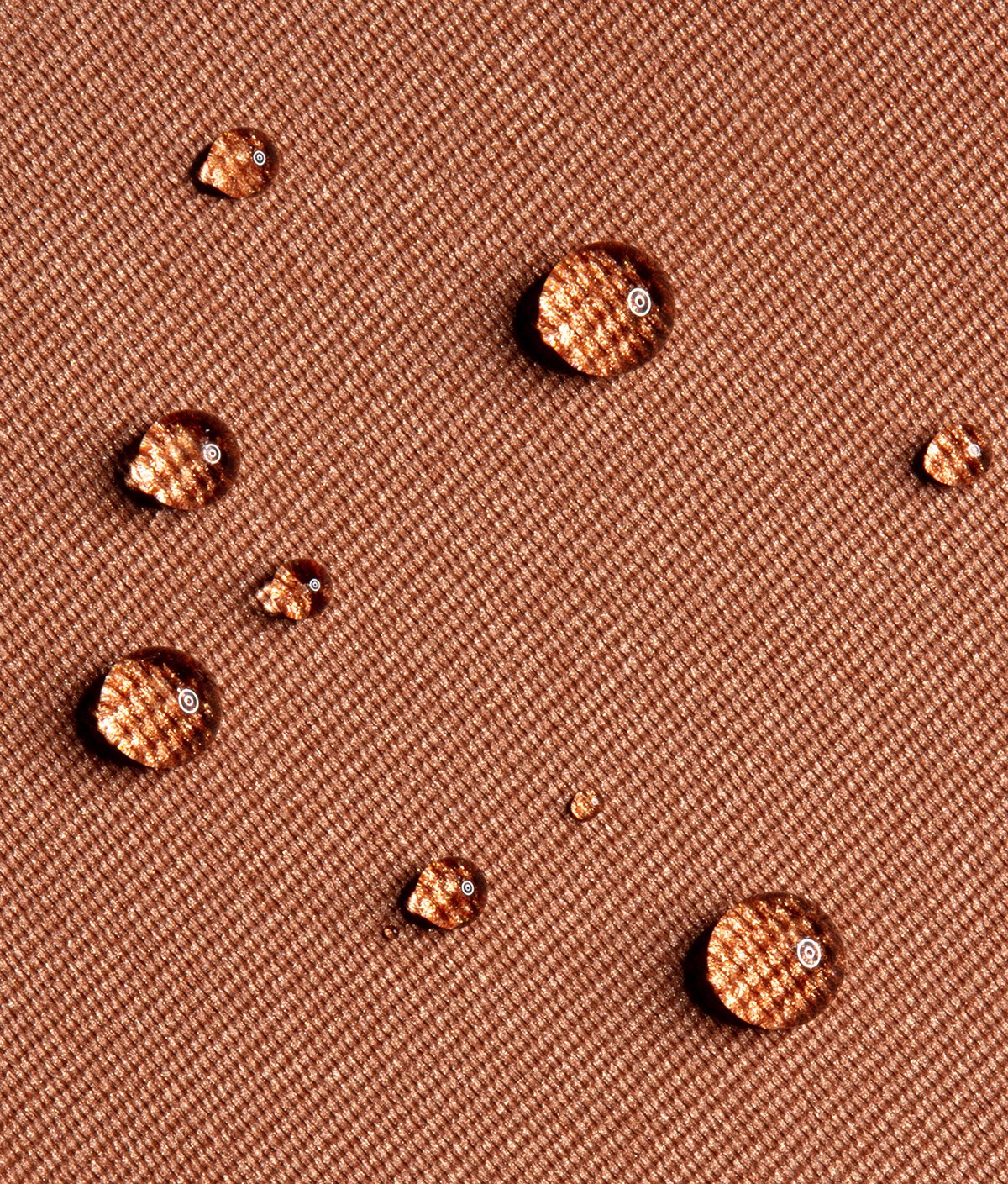
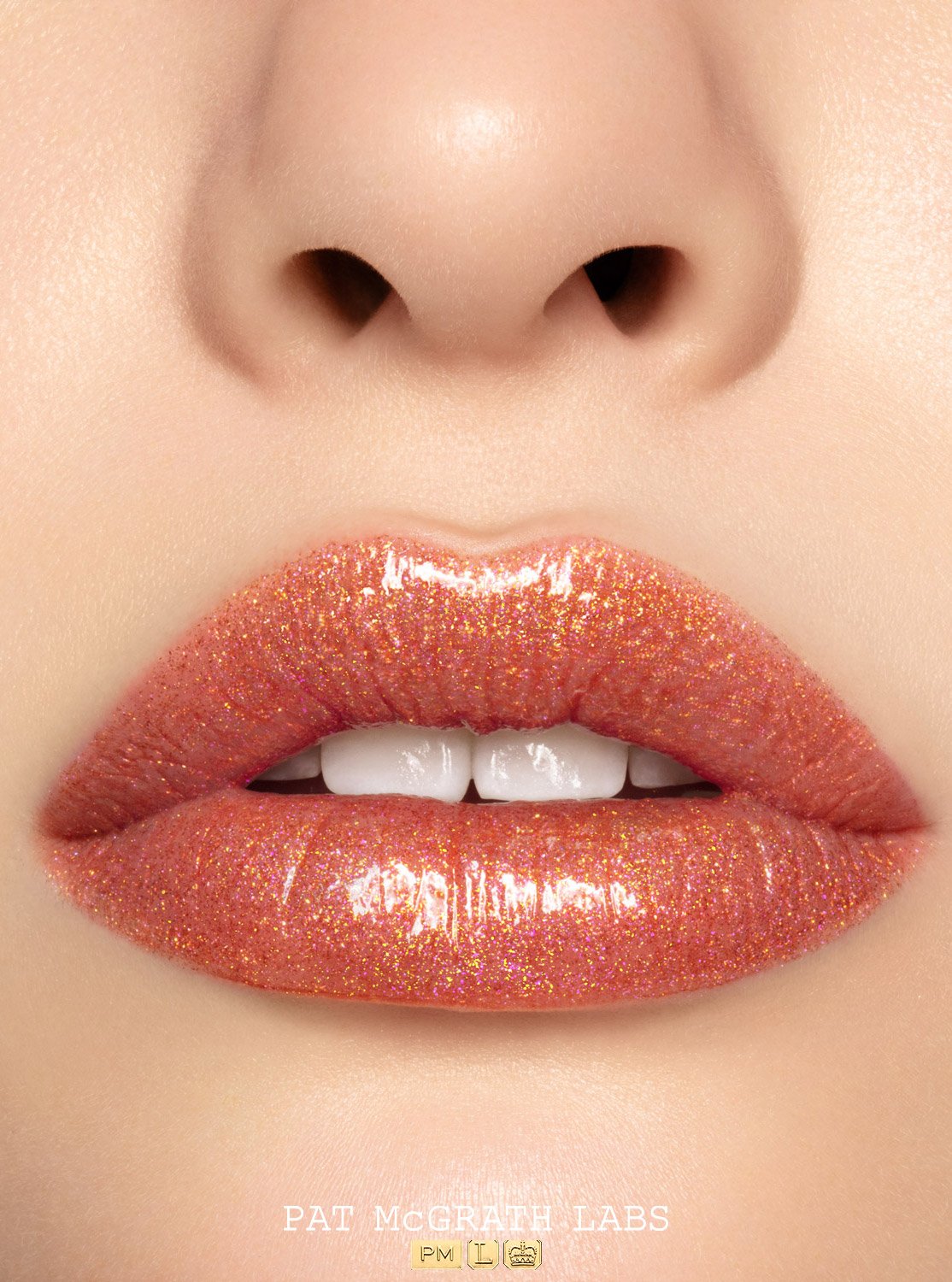
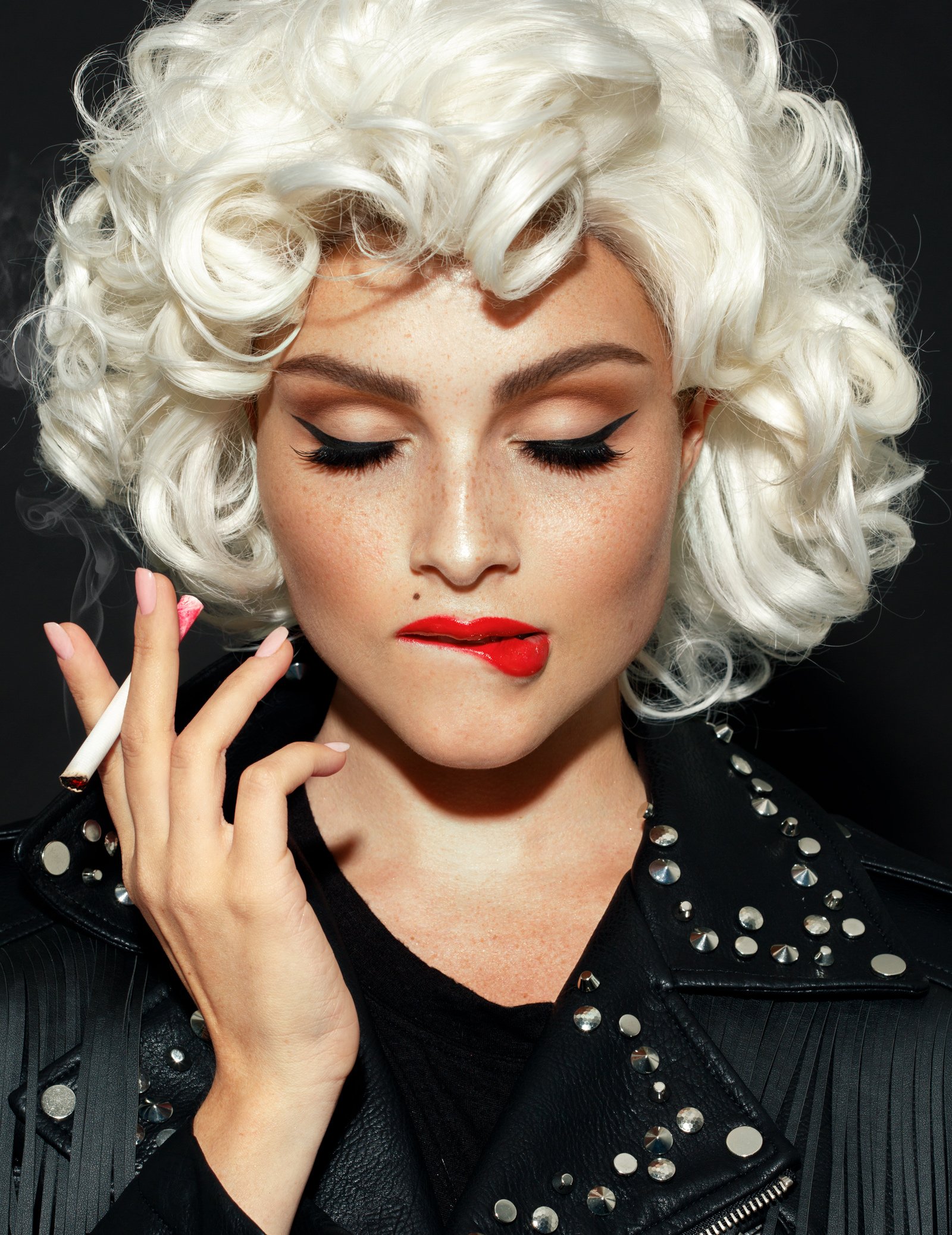
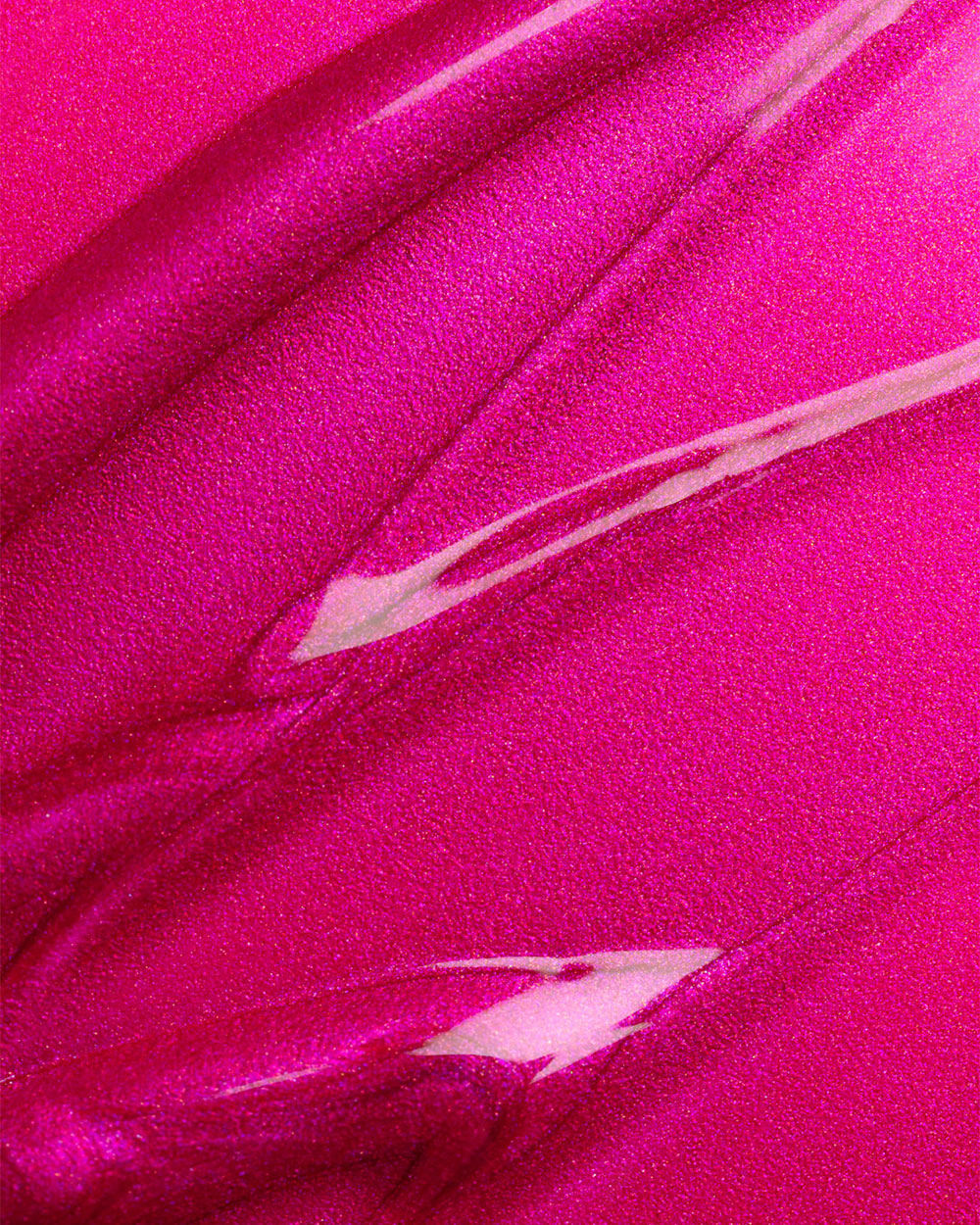
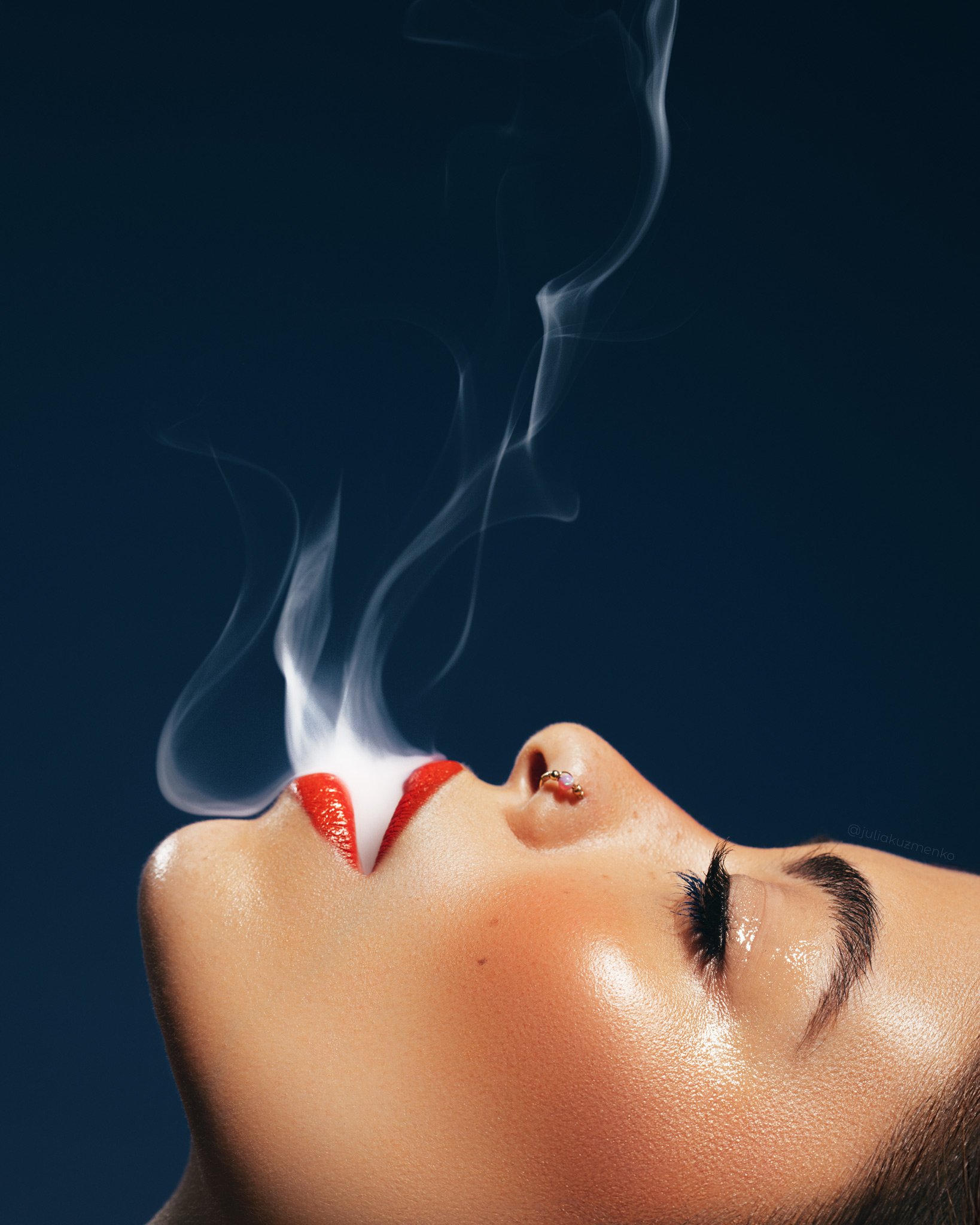
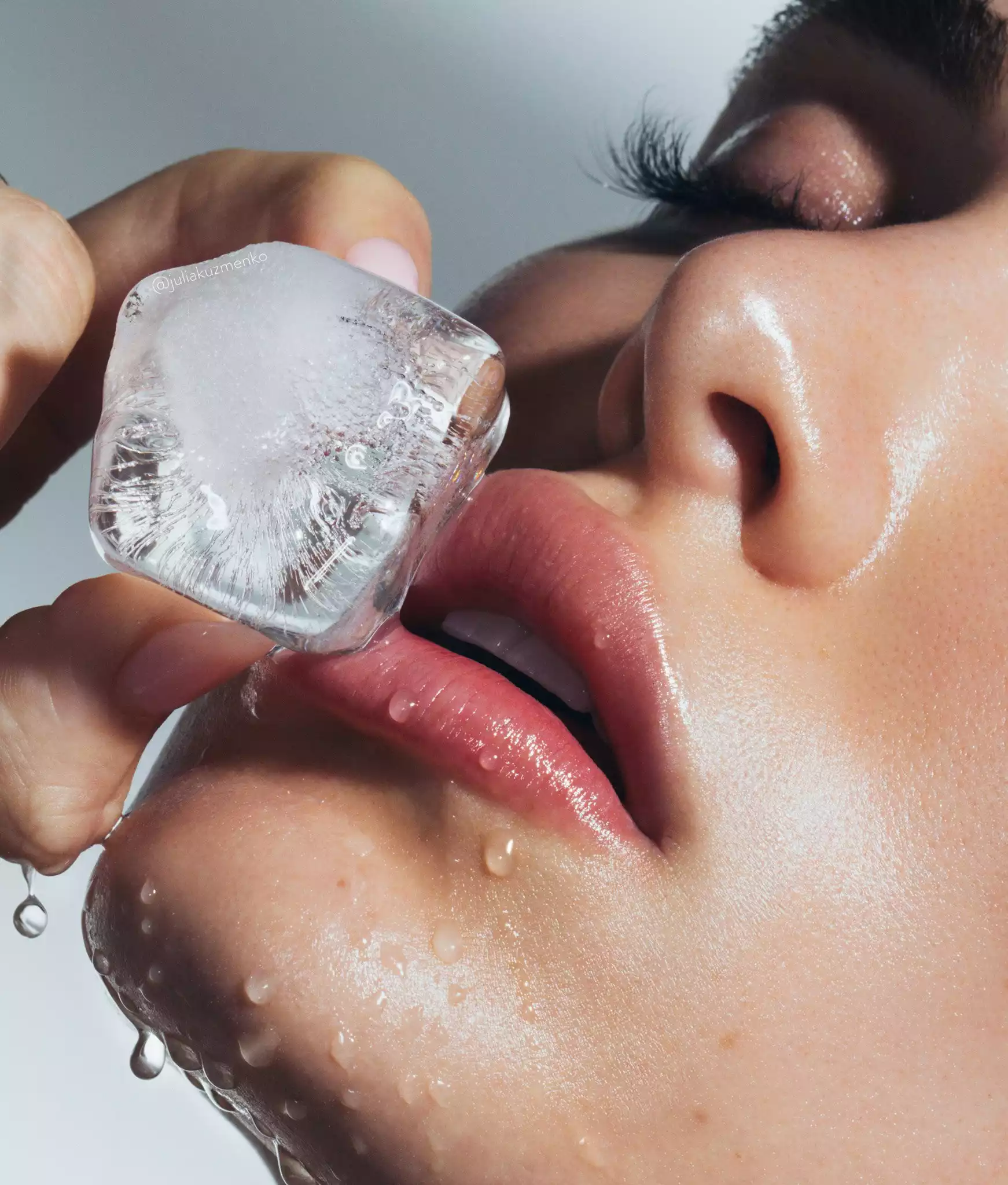
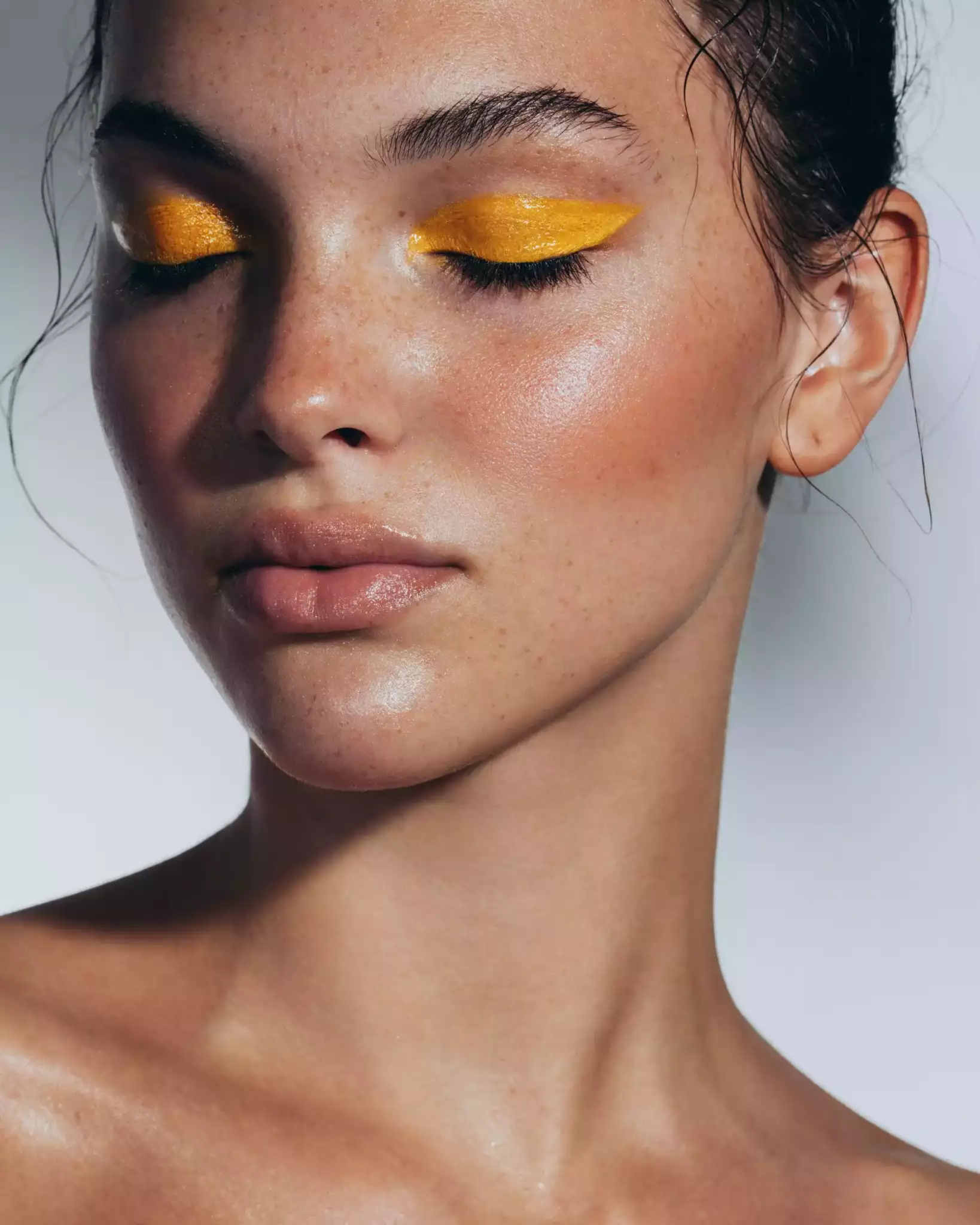
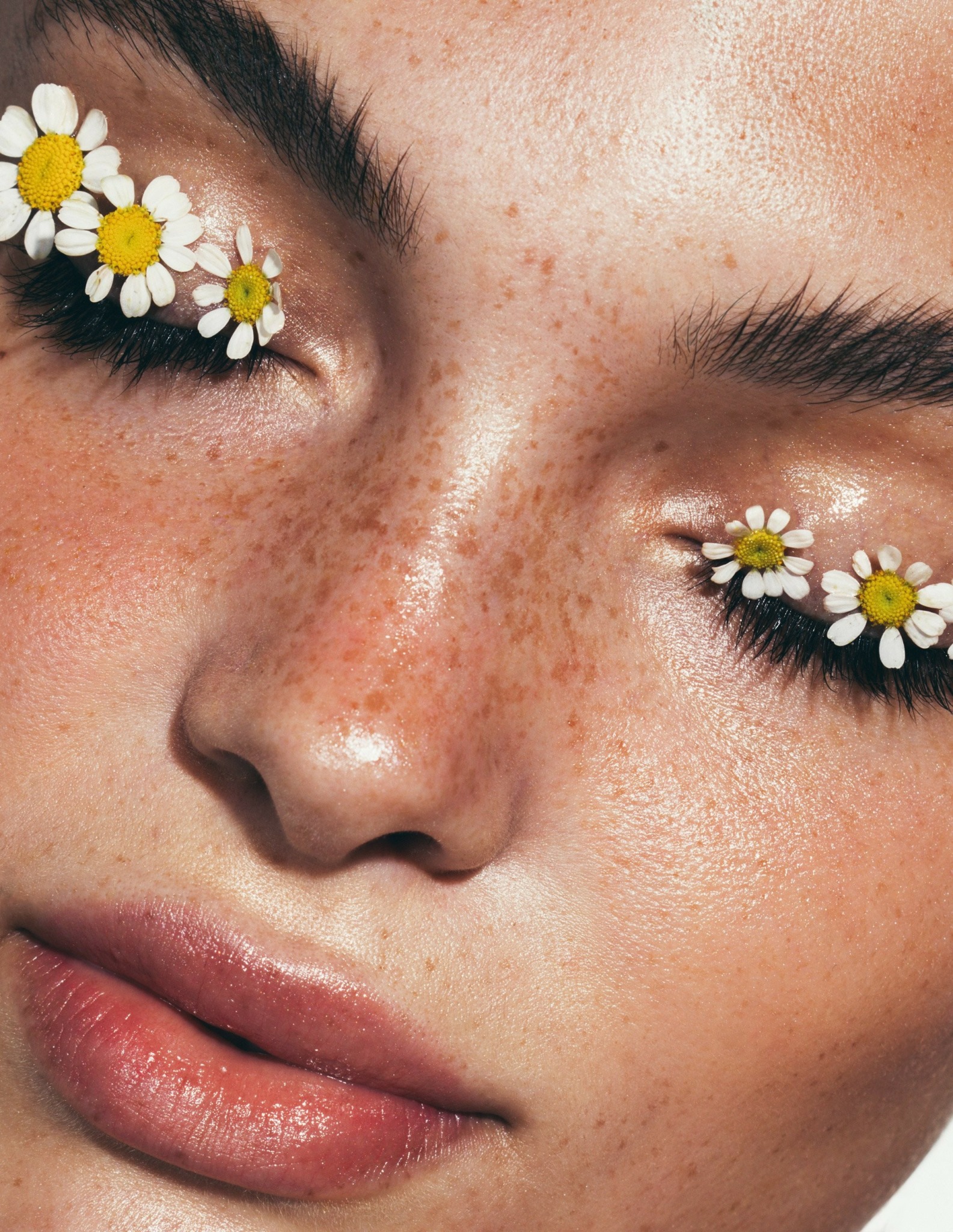
Image Credits
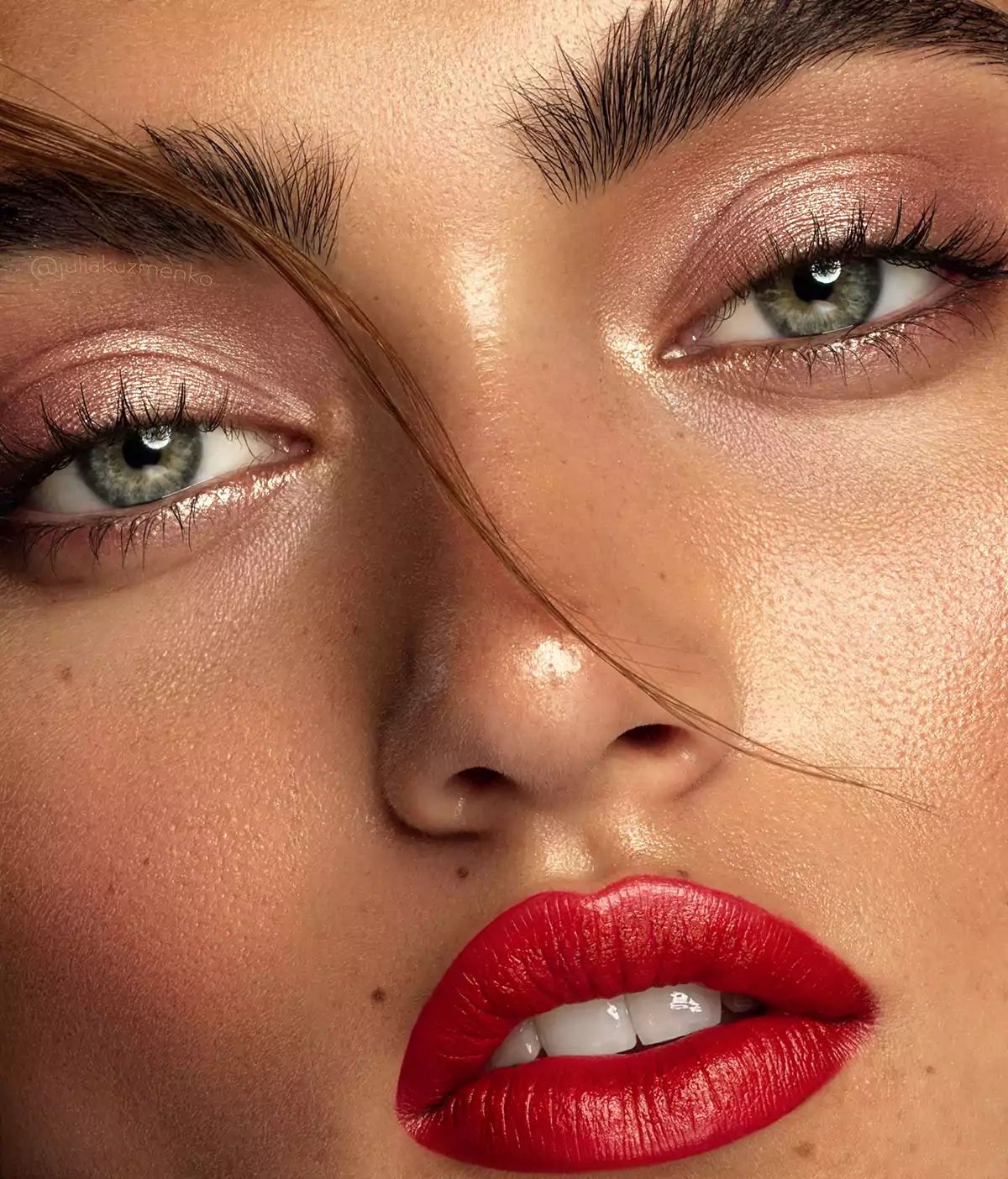
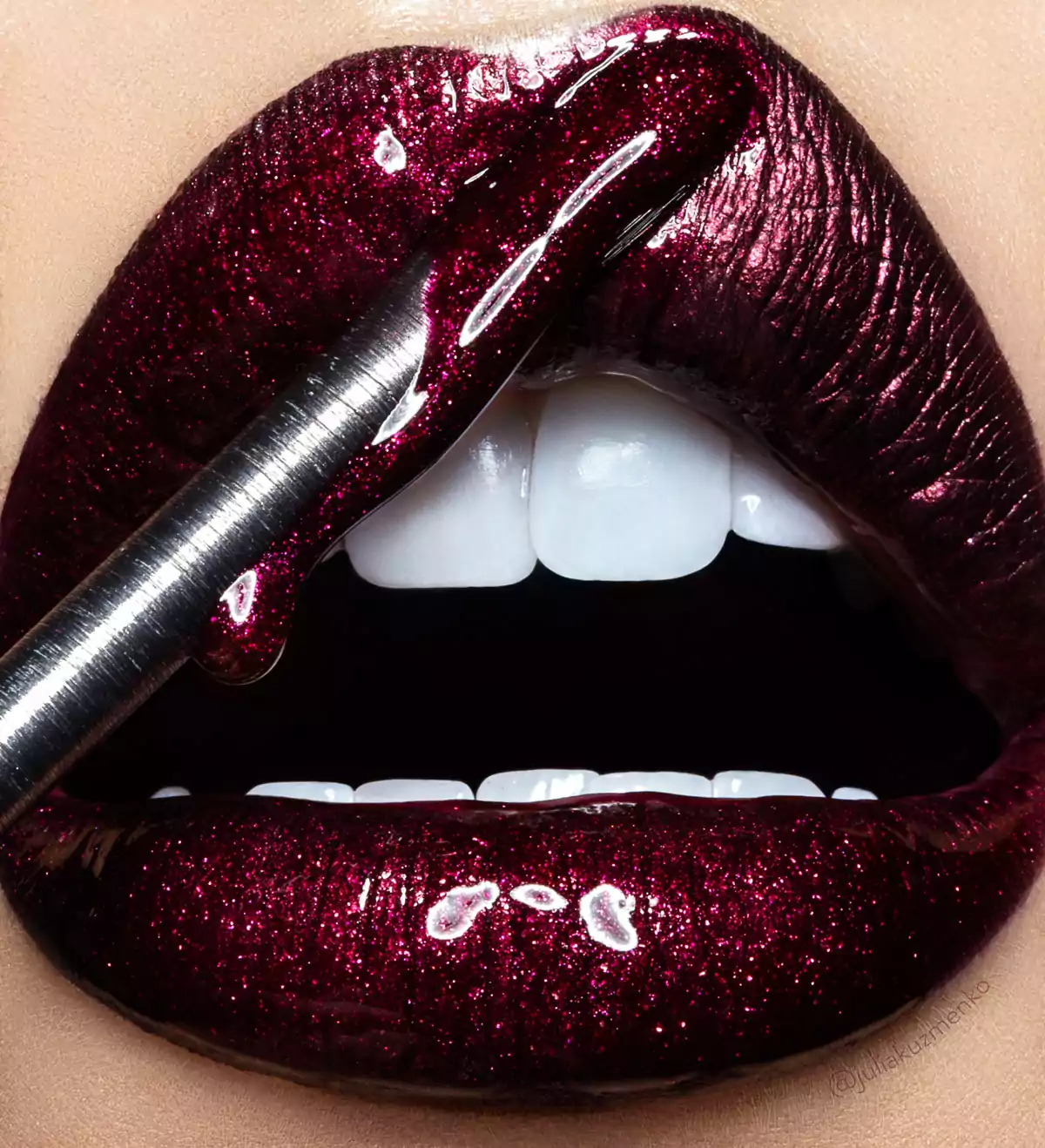
All Beauty images: Photography and retouching Julia Kuzmenko McKim
Product images: Photography, styling and retouching Julia Kuzmenko McKim