



Alright – so today we’ve got the honor of introducing you to Mary Lewis. We think you’ll enjoy our conversation, we’ve shared it below.
Mary, looking forward to hearing all of your stories today. Was there an experience or lesson you learned at a previous job that’s benefited your career afterwards?
I’ve learned two valuable lessons that have significantly shaped my professional career. The first is the importance of knowing your business—understanding every aspect of an organization, from its mission to its operations and the unique challenges it faces. The second is the power of a compelling story, which can inspire action, unite people, and create meaningful connections. Both lessons have proven essential in navigating leadership and driving change effectively.
Lesson 1: Know Your Business
The CEO of a healthcare organization in Southwest Michigan exemplifies the value of truly knowing your business. When they stepped into their leadership role, they didn’t settle for understanding the surface-level functions of the clinic. They immersed themselves in every detail, from interacting with staff and patients to analyzing financial reports and studying the community’s unique healthcare needs. They identified systemic barriers to care, such as transportation challenges, poverty, and health disparities particularly in communities of color.
This deep understanding empowered them to lead initiatives that addressed these issues head-on, such as expanding clinic locations, improving access to care, and forming partnerships that addressed broader social determinants of health like education and economic challenges. Seeing this approach in action taught me that effective leadership requires a comprehensive understanding of your organization’s operations, challenges, and the communities it serves. When you know your business inside and out, you can anticipate challenges, create innovative solutions, and build credibility as a leader.
Lesson 2: The Power of a Compelling Story
Equally transformative was this leader’s ability to use storytelling to inspire action. I’ve seen this CEO tell countless stories about the impact of the organization’s work. For those in the audience, there was a visceral response—they leaned into every word. By the end of the story, there was an impactful call to action, and everyone who listened answered the call.
These stories weren’t just anecdotes—they humanized the clinic’s mission, connected emotionally with the audience, and rallied support for critical initiatives. Whether it was inspiring donors to fund a major expansion, or engaging stakeholders to advocate for systemic change, their ability to tell a compelling story made all the difference. Watching this in action showed me that while data and reports are important, stories create the emotional resonance that drives people to act.
These two lessons—knowing your business and mastering the art of storytelling—have profoundly influenced how I approach leadership. They’ve taught me the value of digging deep into the details of an organization while keeping the bigger picture in mind. They’ve also reminded me that behind every statistic and operation, there’s a human story waiting to be told, and that story has the power to transform lives and inspire change.

Great, appreciate you sharing that with us. Before we ask you to share more of your insights, can you take a moment to introduce yourself and how you got to where you are today to our readers.
Healthcare is part of my DNA—it’s woven into my family’s history, with generations of healthcare providers inspiring me to follow in their footsteps. I’ve been in the healthcare industry for over 30 years, starting my career as a certified medical assistant working in pediatrics, cardiology, neurology, and family practice. Early on, I discovered my passion for education and leadership, which led me to train aspiring medical assistants as a lead faculty member.
Over the years, I’ve held a variety of leadership roles that have broadened my experience and deepened my impact. I’ve led a family medicine residency program, managed a $15 million Federally Qualified Health Center (FQHC), and launched a career and technical training Medical Assistant Program to equip the next generation of healthcare professionals. My role as Director of Clinic Operations gave me insight into the complexities of running a multi-faceted healthcare organization, preparing me for my current position as the CEO of the Gary Burnstein Community Health Center, the largest free clinic in the state of Michigan.
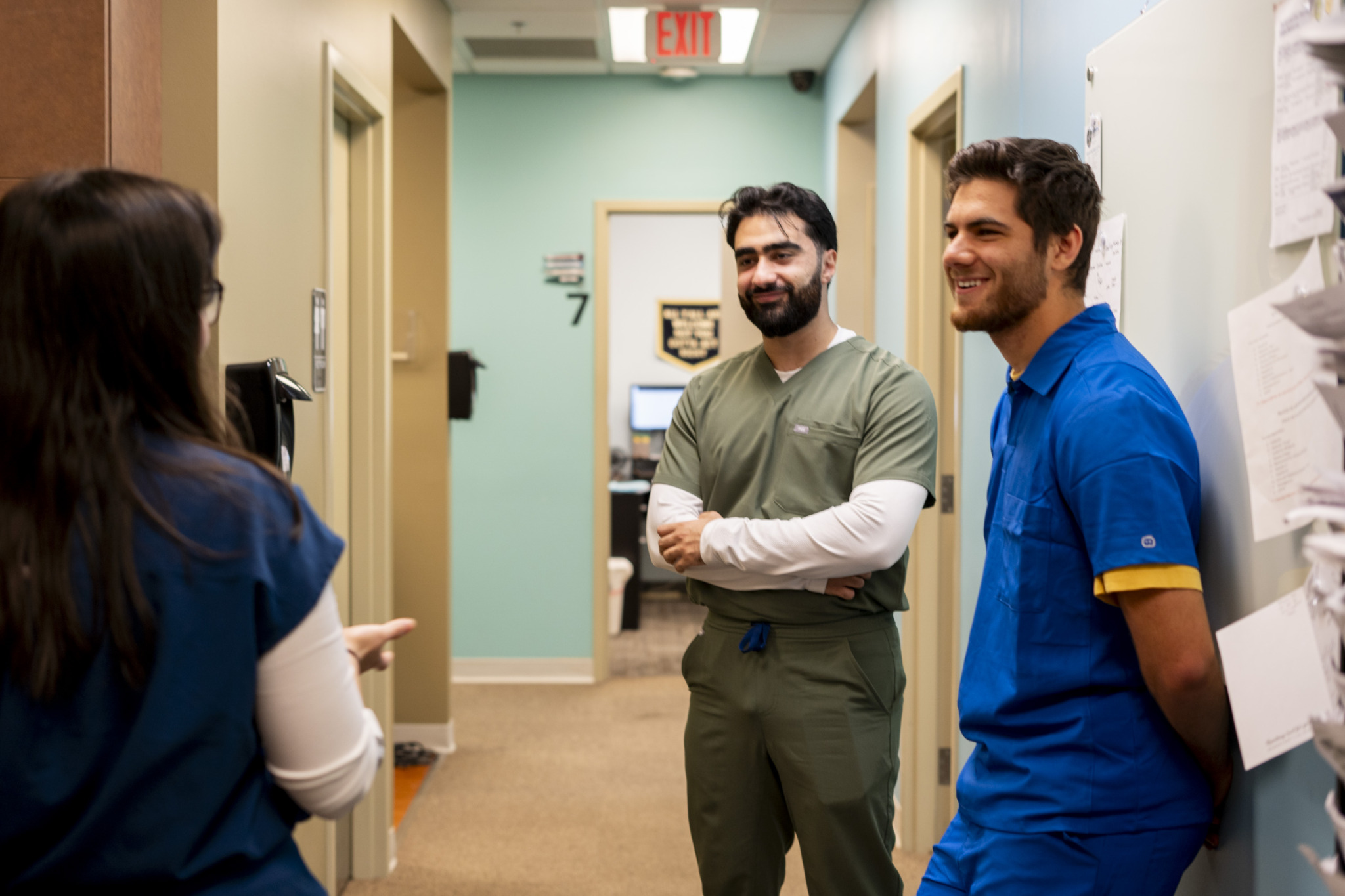
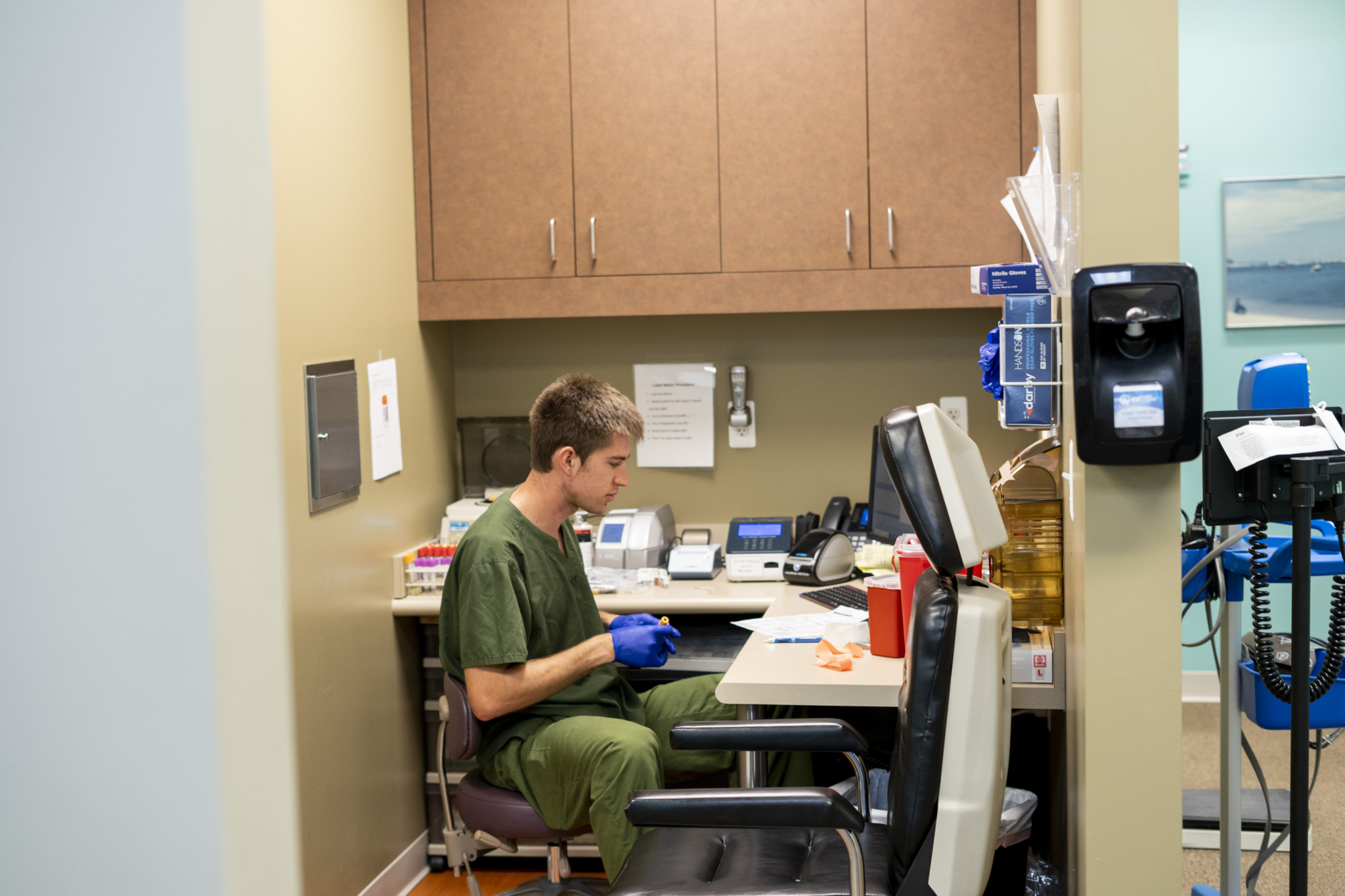
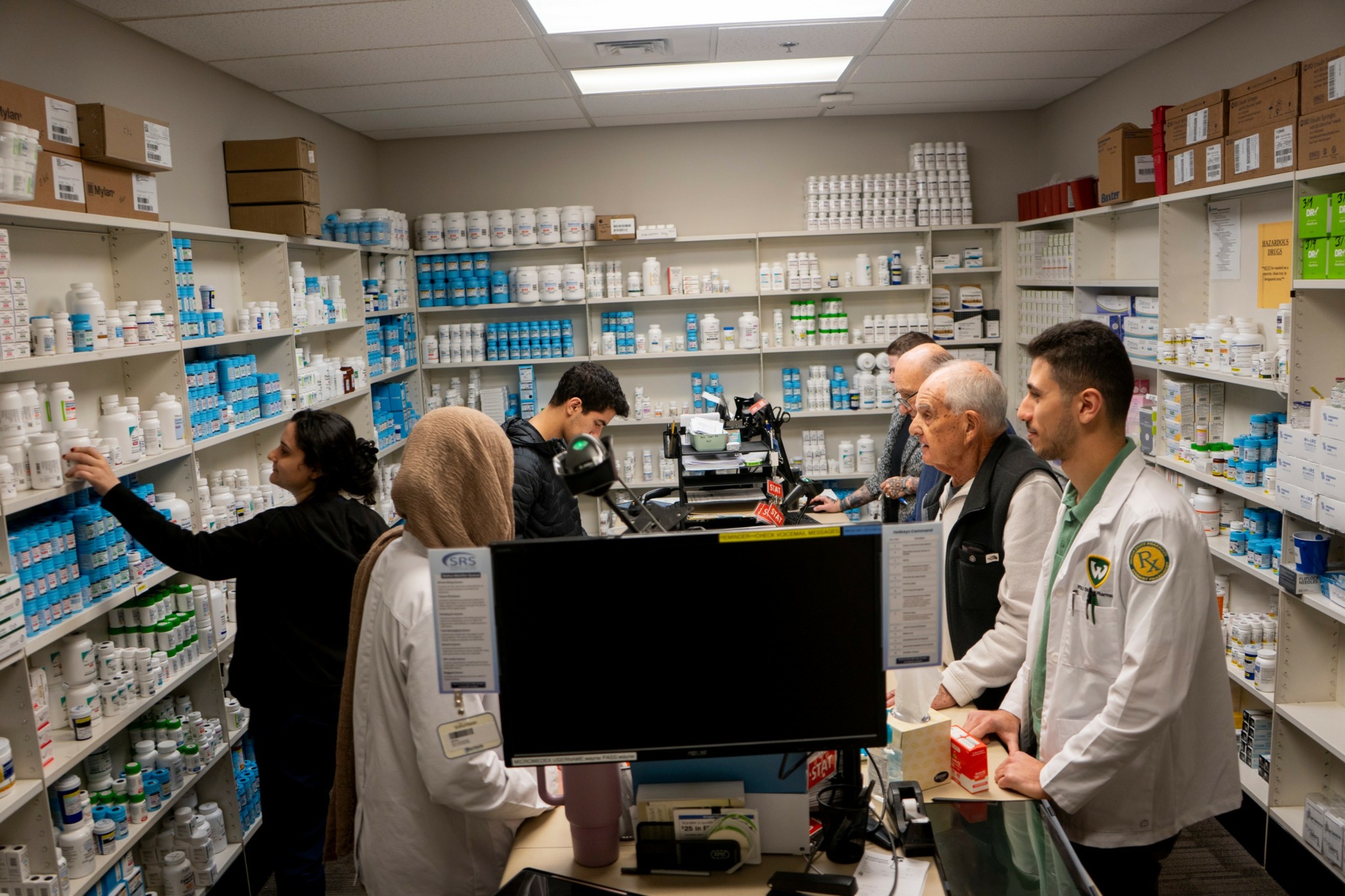
In my current role, I’m proud to lead a team that is passionate about breaking down barriers to healthcare for underserved communities. We provide FREE medical, dental, optometry and pharmacy services to individuals who might otherwise go without care. What sets us apart is our commitment to holistic, patient-centered care and our ability to form meaningful partnerships that address social determinants of health. A key part of our success is the unwavering support of more than 600 dedicated volunteers—dentists, nurses, doctors, specialists, pharmacists, and other professionals—who selflessly give their time and expertise to ensure that every patient receives high-quality care. Their collective efforts not only expand our capacity to serve but also create a compassionate and welcoming environment where individuals feel valued and supported on their journey to better health.
One of the things I’m most proud of is our ability to innovate and grow while staying true to our mission. Whether it’s expanding access to care or advocating for healthcare equity, I’ve always focused on making a lasting impact. I want potential patients, partners, donors, and leaders to know that our work is rooted in compassion, collaboration, and a deep commitment to creating healthier communities.
How’d you build such a strong reputation within your market?
Authenticity and credibility have been the cornerstones of building my reputation within the healthcare industry. From the very beginning of my career, I’ve made it a priority to be genuine in my interactions and consistent in keeping my word. Whether working directly with patients as a certified medical assistant or leading organizations, I’ve always approached my work with honesty, transparency, and a strong commitment to making a difference.
Authenticity means staying true to my values and mission, regardless of the challenges. I believe people can sense when you genuinely care and are fully invested in the work you do. This has helped me build trust with patients, staff, volunteers, and stakeholders over the years. I’ve never been afraid to show vulnerability or admit when I don’t have all the answers because I know that building meaningful relationships often starts with being real.
Credibility, on the other hand, comes from consistently delivering results and demonstrating expertise. Throughout my career, I’ve focused on mastering my craft, gaining hands-on experience, and developing the skills needed to lead effectively. I’ve also prioritized communication and follow-through. These actions have helped me earn the respect of my peers, the trust of my team, and the confidence of the communities I serve.
Together, authenticity and credibility have allowed me to connect with people on a deeper level and build a reputation as someone who leads with integrity, empathy, and a genuine passion for improving healthcare access and outcomes.
If you could go back in time, do you think you would have chosen a different profession or specialty?
Yes, without a doubt, I would choose the same profession all over again. Healthcare has always been more than just a career for me—it’s a calling, a purpose, and an integral part of who I am. The opportunity to impact lives, whether directly through patient care or indirectly through leadership and program development, has been deeply fulfilling.
If I could go back, I would still start as a certified medical assistant, as it gave me a strong foundation and firsthand understanding of patient care. Those early experiences working in pediatrics, cardiology, neurology, and family practice shaped my perspective and taught me the importance of empathy, compassion, and teamwork in healthcare.
Every step of my journey, from training medical assistants to leading a family medicine residency program, managing a Federally Qualified Health Center, and now serving as CEO of the largest free clinic in Michigan, has reinforced my belief in the importance of this work. Each role has come with its challenges, but those challenges have made me stronger, more adaptable, and more passionate about addressing healthcare disparities and improving access to care for underserved populations.
If anything, I might lean into this journey with even more confidence, knowing the profound impact it would have—not just on my own life, but on the countless lives touched along the way. I am grateful for the path I’ve taken and wouldn’t trade it for anything else.
Contact Info:
- Website: https://www.gbchc.org
- Instagram: https://www.instagram.com/burnsteinclinic/
- Facebook: https://www.facebook.com/burnsteinclinic/
- Twitter: https://ClinicBurnstein/x.com
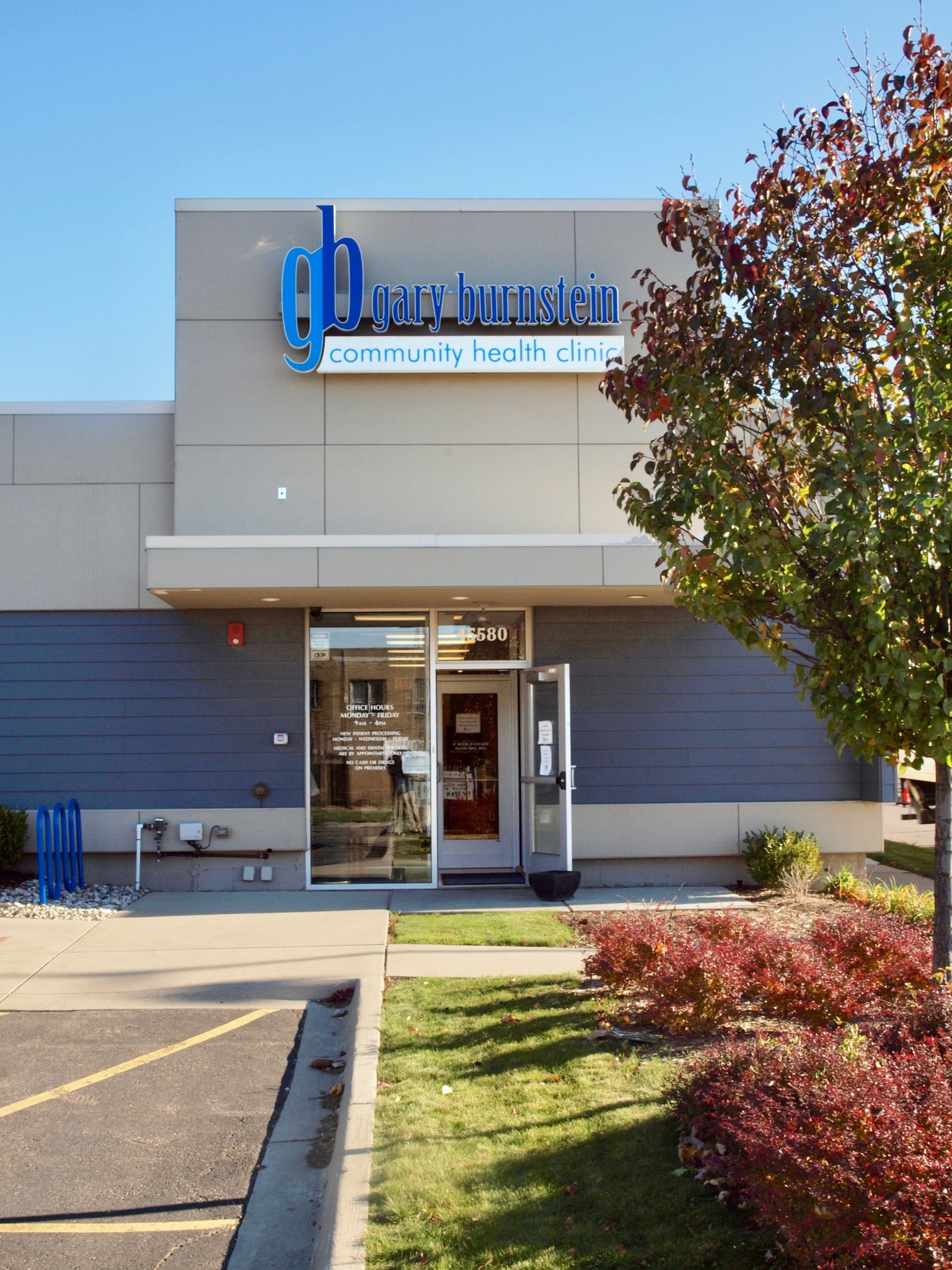
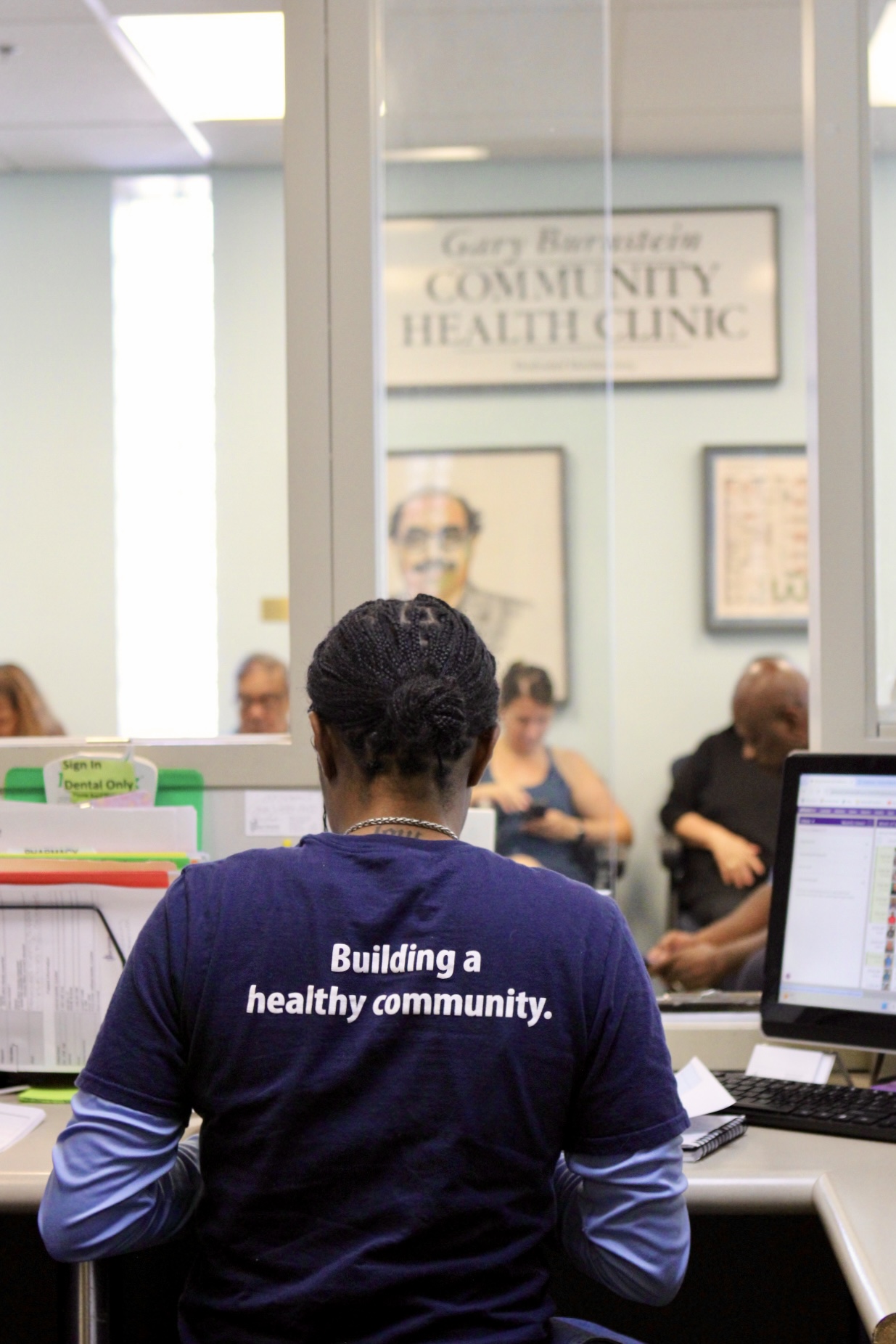
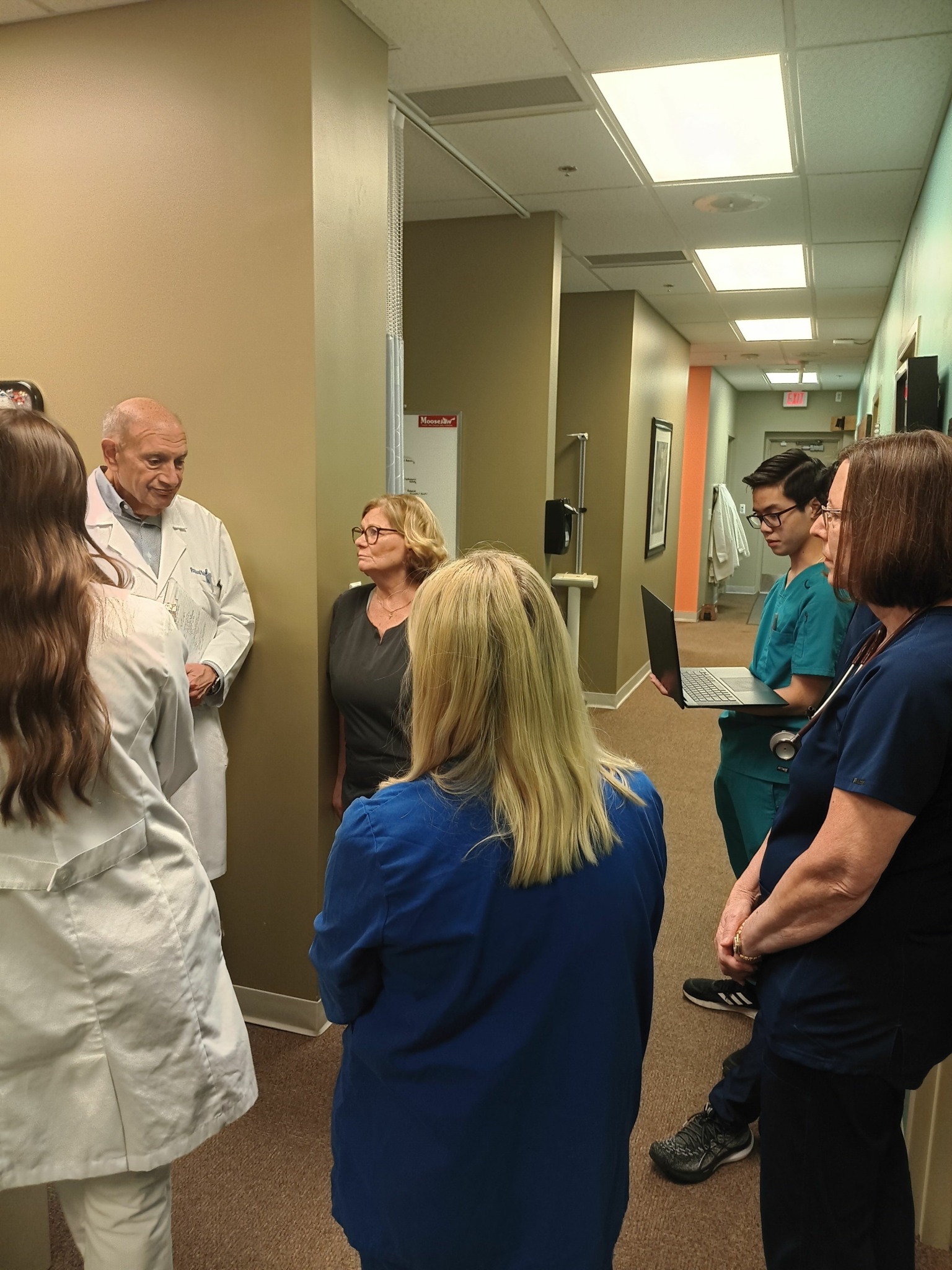
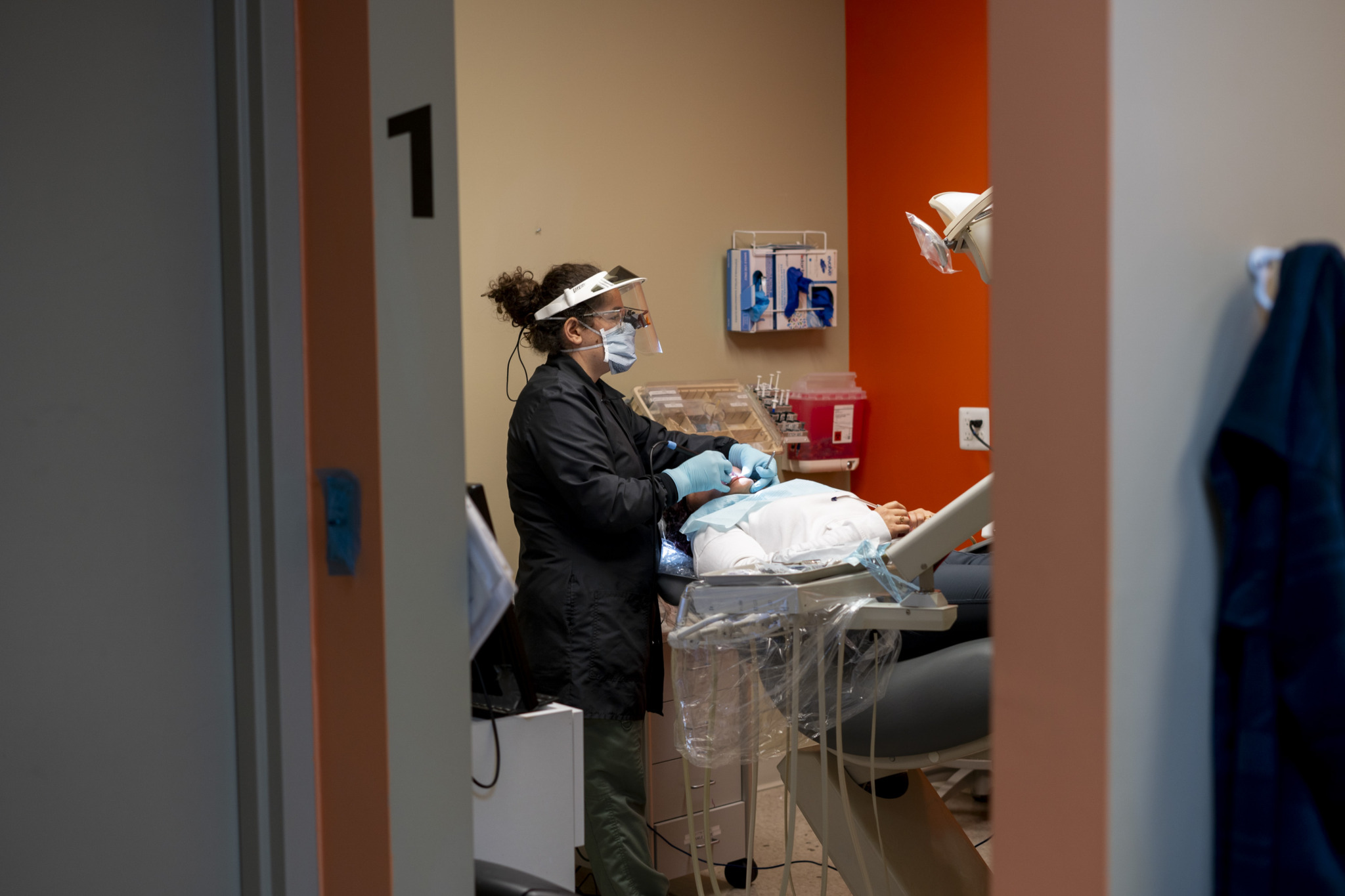
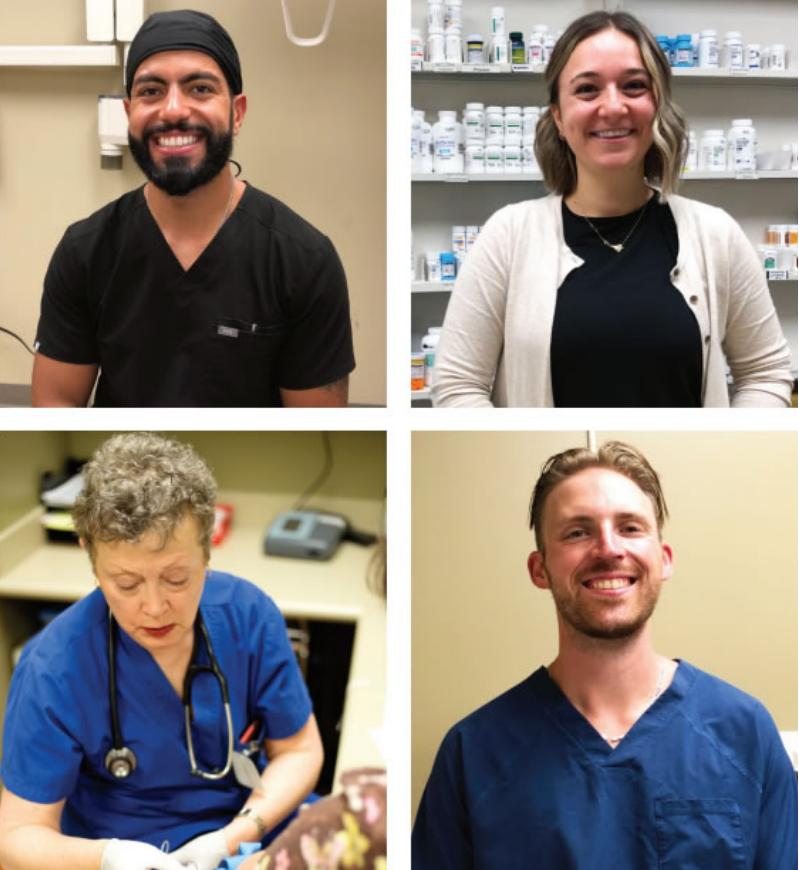
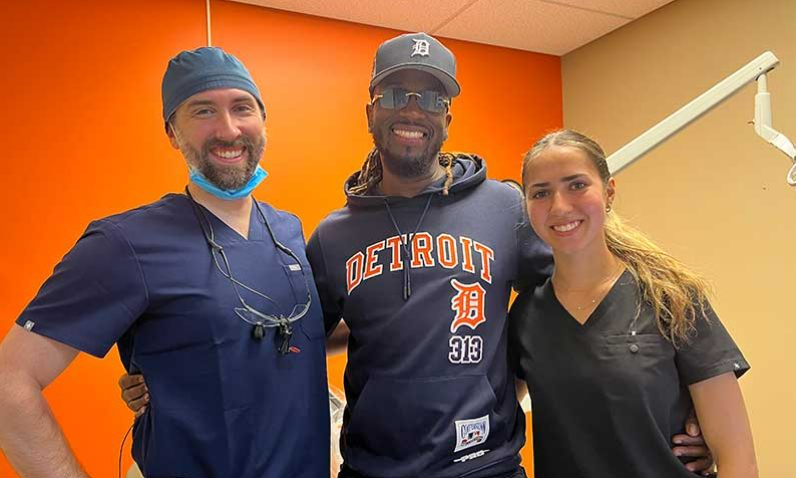
Image Credits
Photographer: Anna Akrawi