

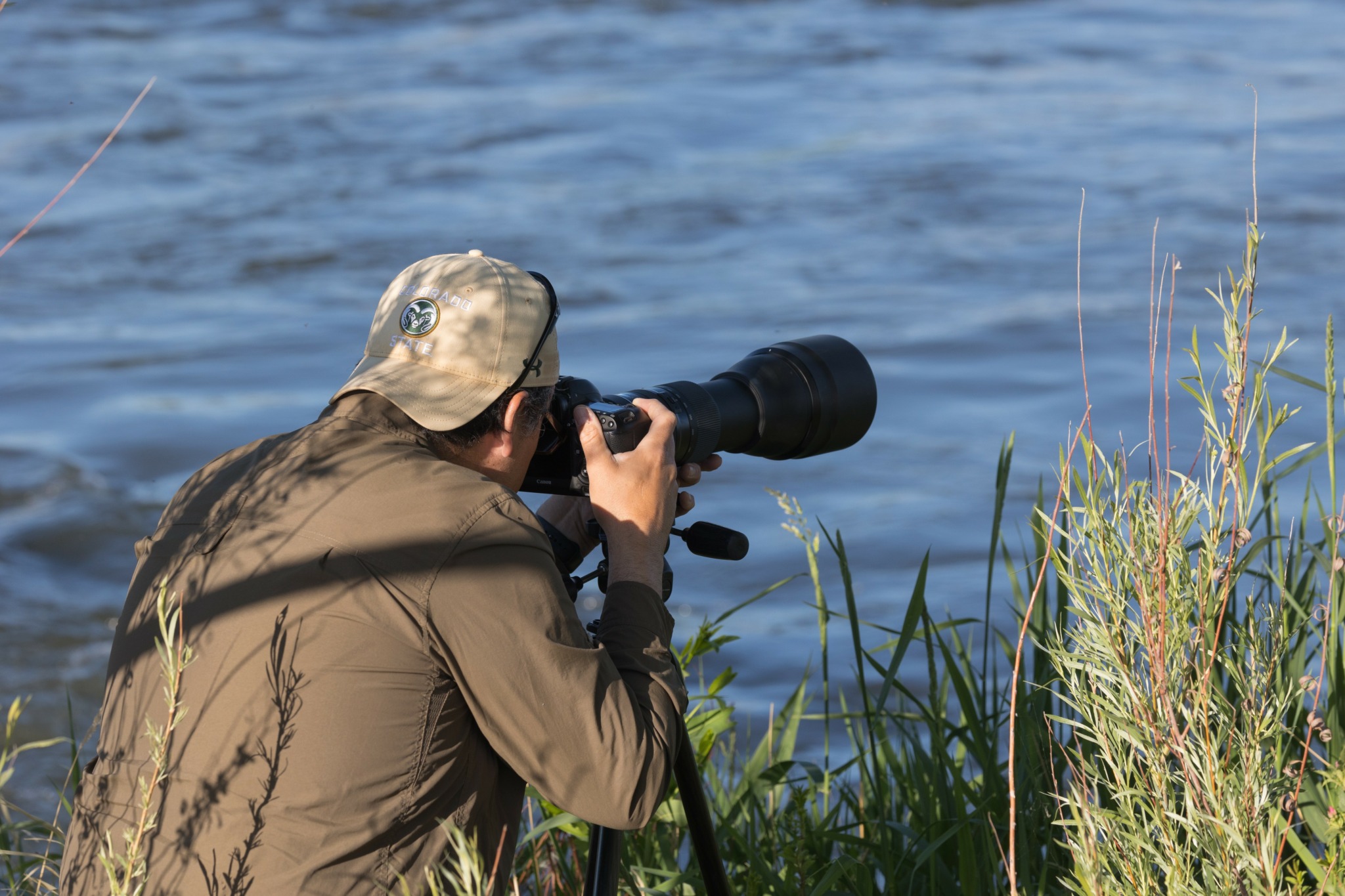

We’re excited to introduce you to the always interesting and insightful Stephen Lee. We hope you’ll enjoy our conversation with Stephen below.
Stephen, appreciate you joining us today. Can you talk to us about how you learned to do what you do?
I began my photography journey many years ago in college when I was given a 35mm Minolta SLR film camera with a 50mm kit lens as a gift. For a long time, that is all I had. I spent a lot of time simply learning how the camera worked and the craft of photography itself, as I had never engaged in it before. Over time, I slowly added cheap lenses (all I could afford at the time) and focused largely on the landscapes of New Mexico. I enjoyed shooting black and white film back then, because it was inexpensive and a wonderful creative outlet. I became sufficiently proficient to have had color and black and white photographs in the local newspaper as well as in juried competitions of the day in southern New Mexico. When I went on to graduate school in Kansas, I continued to shoot film as much as possible. But graduate school consumed much of my time. After graduate school, I started my career at the Los Alamos National Laboratory in Los Alamos, New Mexico. I spent over 30 years at Los Alamos as a computational physicist, project leader, line manager, and program leader. I retired from Los Alamos in 2018.
From a craft perspective, I am entirely self taught with a lot of trial and error over the years. I started by reading and studying, which is fairly typical for a scientist. However, the most valuable thing to do, as it turned out, was to just get out and try it. Take the data, if you will. Back then, it was all film so – unless you were developing your own – you had to wait to see how your photographic “experiments” worked out. This is an instant process today, but that is the best way to learn the craft of photography: just do it.
I would say the skills that are the most essential are to learn the basics of how camera settings work to create an image. That is the easy part. The harder part, or perhaps better stated, the part that is more ephemeral and artistic is to develop eye for a good composition. That is primarily what will make or break a photograph. Look at a scene and think about what would make it interesting. What do you see, and what do you want someone else to notice about the scene? Anyone can look at a bird (for example) and see a bird, possibly even identify it. But how can you capture its essence in a single image? The same types of questions apply to anything you photograph – be it landscapes or wildlife (these are my primary subjects), or a person or street photography. Developing a compositional eye comes through experience, in my opinion. So, much like learning the craft in general, hone your compositional eye by shooting. And shooting some more. And shooting some more.
Stephen, love having you share your insights with us. Before we ask you more questions, maybe you can take a moment to introduce yourself to our readers who might have missed our earlier conversations?
I am a physicist by training, and had a long career engaged in scientific research, projects, and management. Scientific endeavors are by their very nature endeavors requiring creativity and vision. One might even say it requires a certain degree of artistry. It is certainly not all numbers, equations, and deterministic results. True scientific creativity is a deep and personal process — regardless of the area of science in which one might be engaged. This went hand-in-hand with my photography, which is also a creative and artistic endeavor.
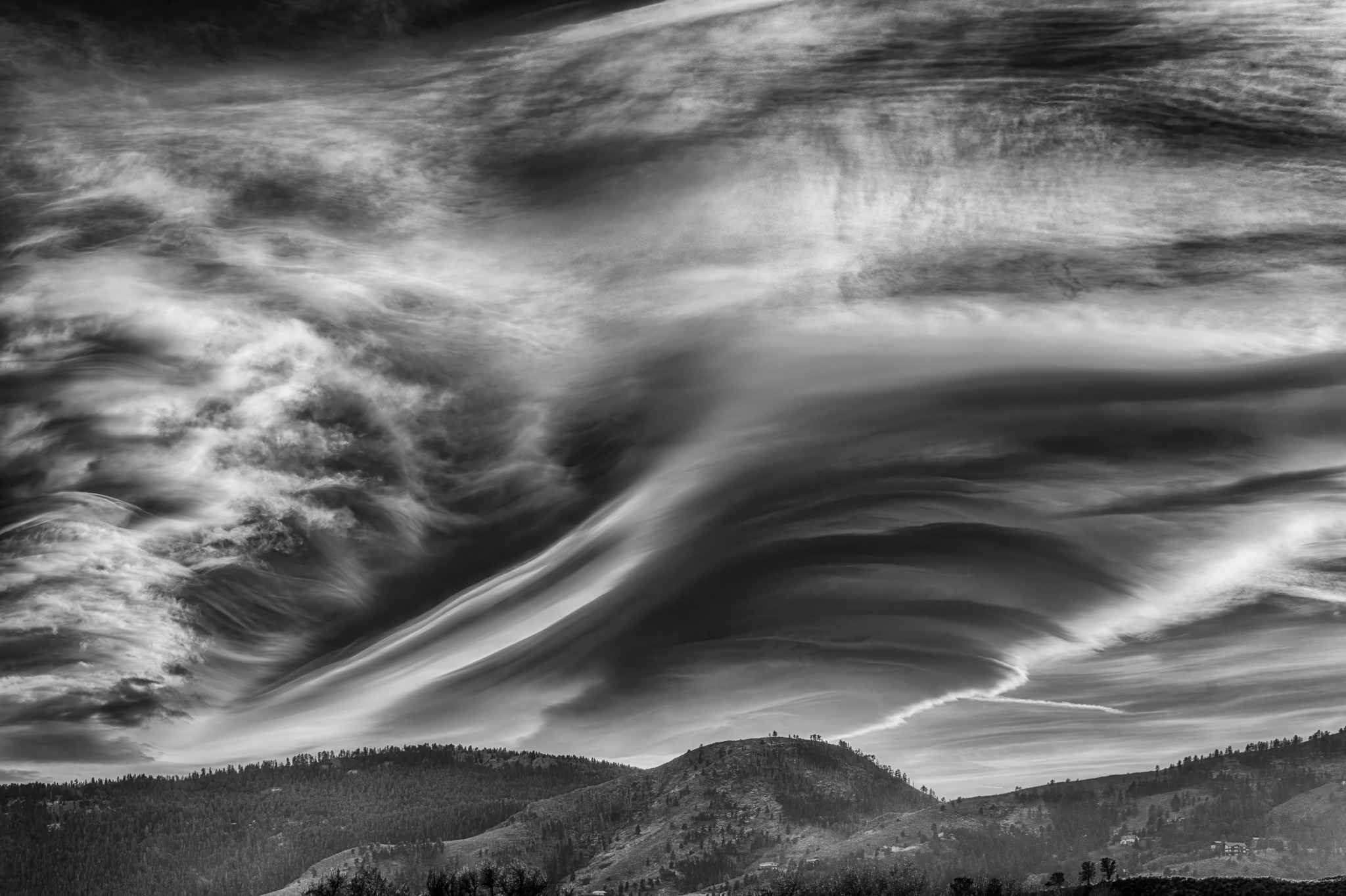
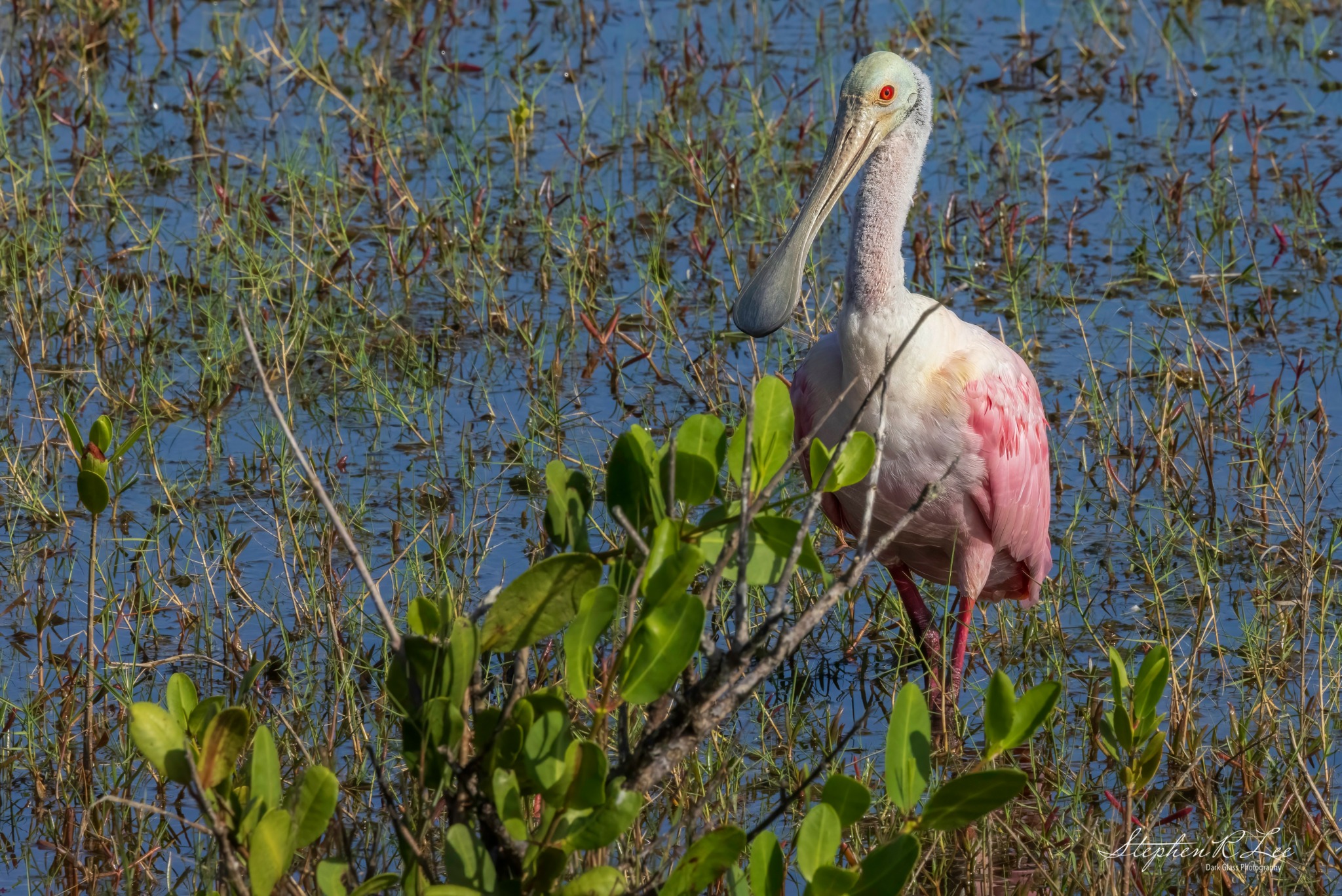
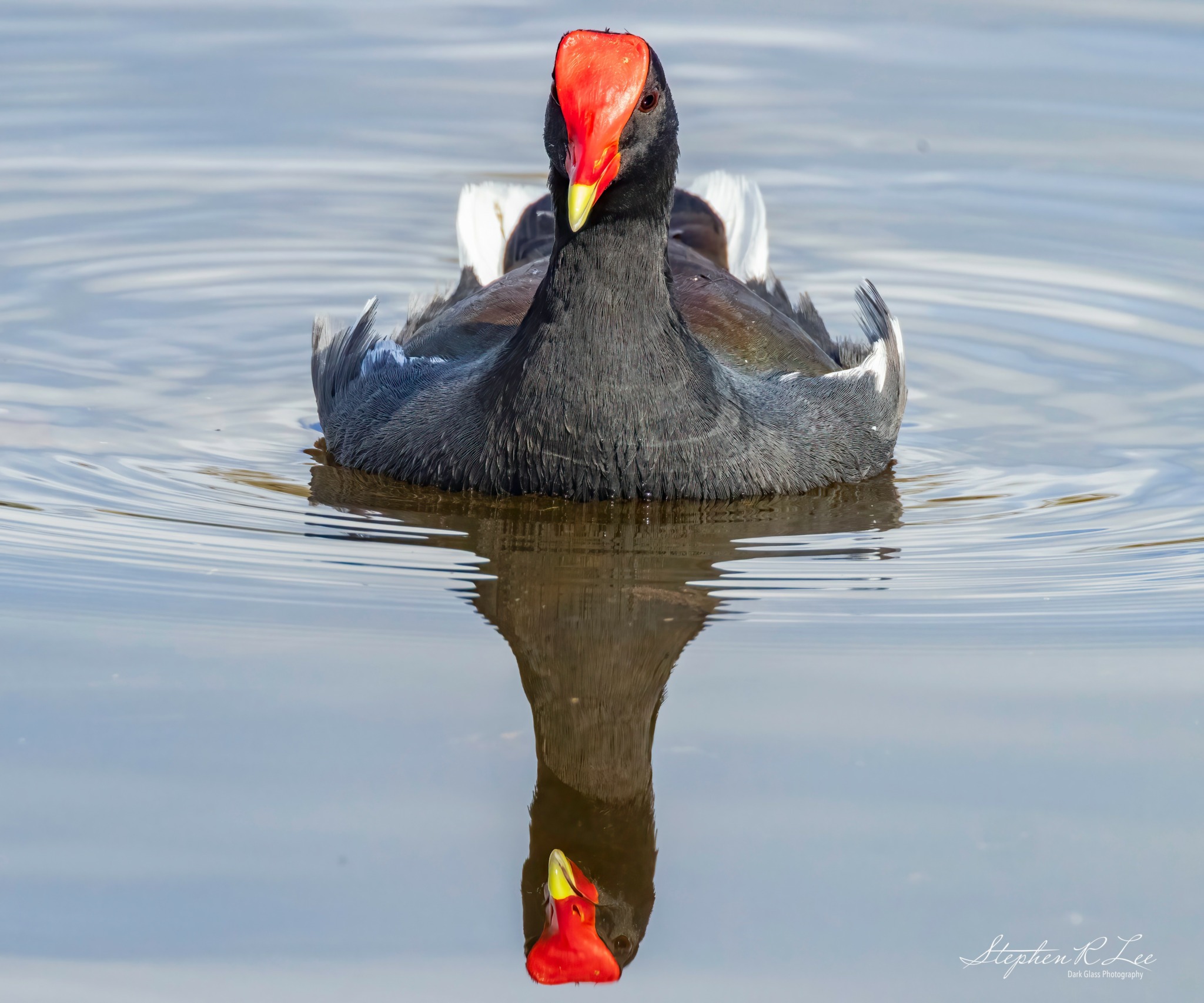
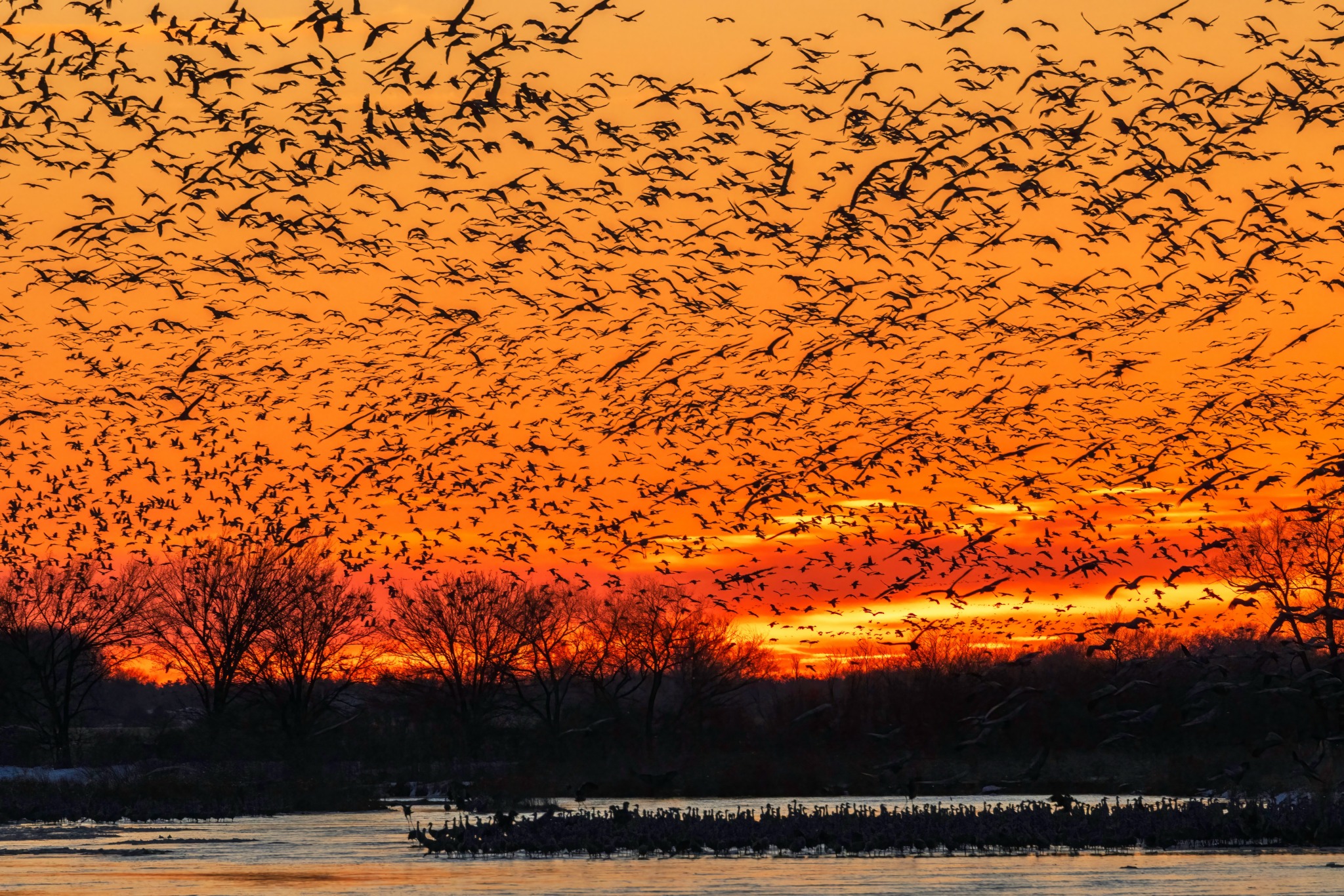
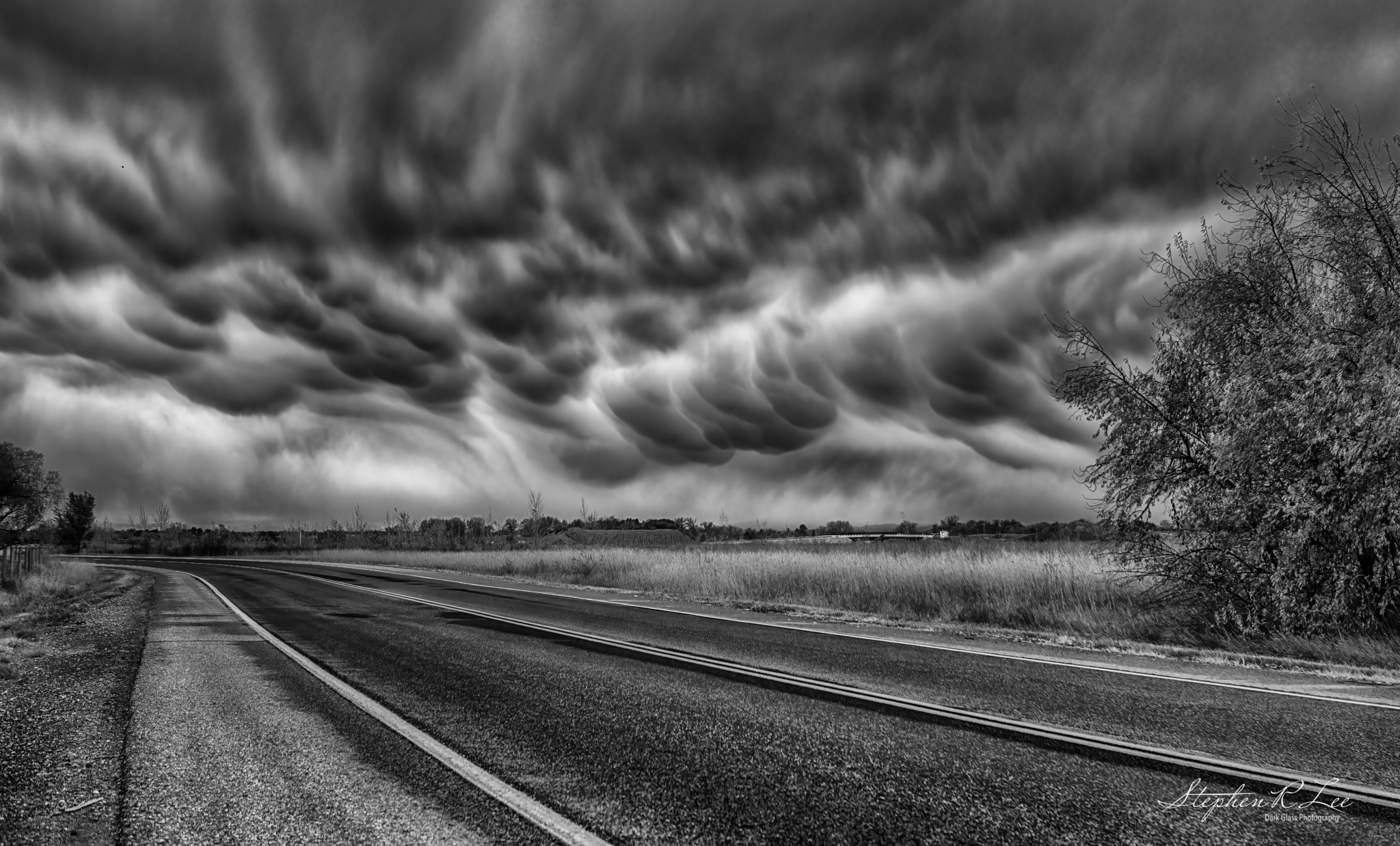
When I retired in 2018, I focused even more on photography and travel. As I enjoy learning new things, I got into bird watching (which is a cliche for retired people, but, hey, that’s where I am). This started when my daughter was in college and took an ornithology class that required field work, where I would sometimes would join her. I was hooked, and (again, as a lifelong learner), started reading and learning all I could about birds in my area of northern Colorado and have now started traveling just to engage in birding and birding photography. I will also chase clouds. Thats right, clouds. Not just weather. I’ve always been a weather geek and chase storms, but I will also just chase clouds and photograph them. I love learning about new phenomena or something I hadn’t known much about before, then trying to figure out how to photograph it in a compelling manner. That’s just kind of what I do.
To be honest I don’t know that I really do anything particularly unique. Anyone can pick up a camera and learn to use it. Any good photographer will develop a compositional eye and will learn all they can about a subject they are photographing to better capture it on (digital) film (a particular animal, an area, a people, how the atmosphere behaves in a given area for weather photography, and so on).
What’s the most rewarding aspect of being a creative in your experience?
For me, there are two aspects that are the most rewarding.
The first, is that I get to continue to engage my brain, my creativity, and vision to create an artistic impression of something that I like and, if I do it well, someone else might also like. That is, I think all artists create primarily for themselves – to be true to their own artistic eye – but also try to illustrate something (regardless of medium) that is hidden or only dimly perceived by others. Providing new insights into the world around us and, at the same time, perhaps even into ourselves.
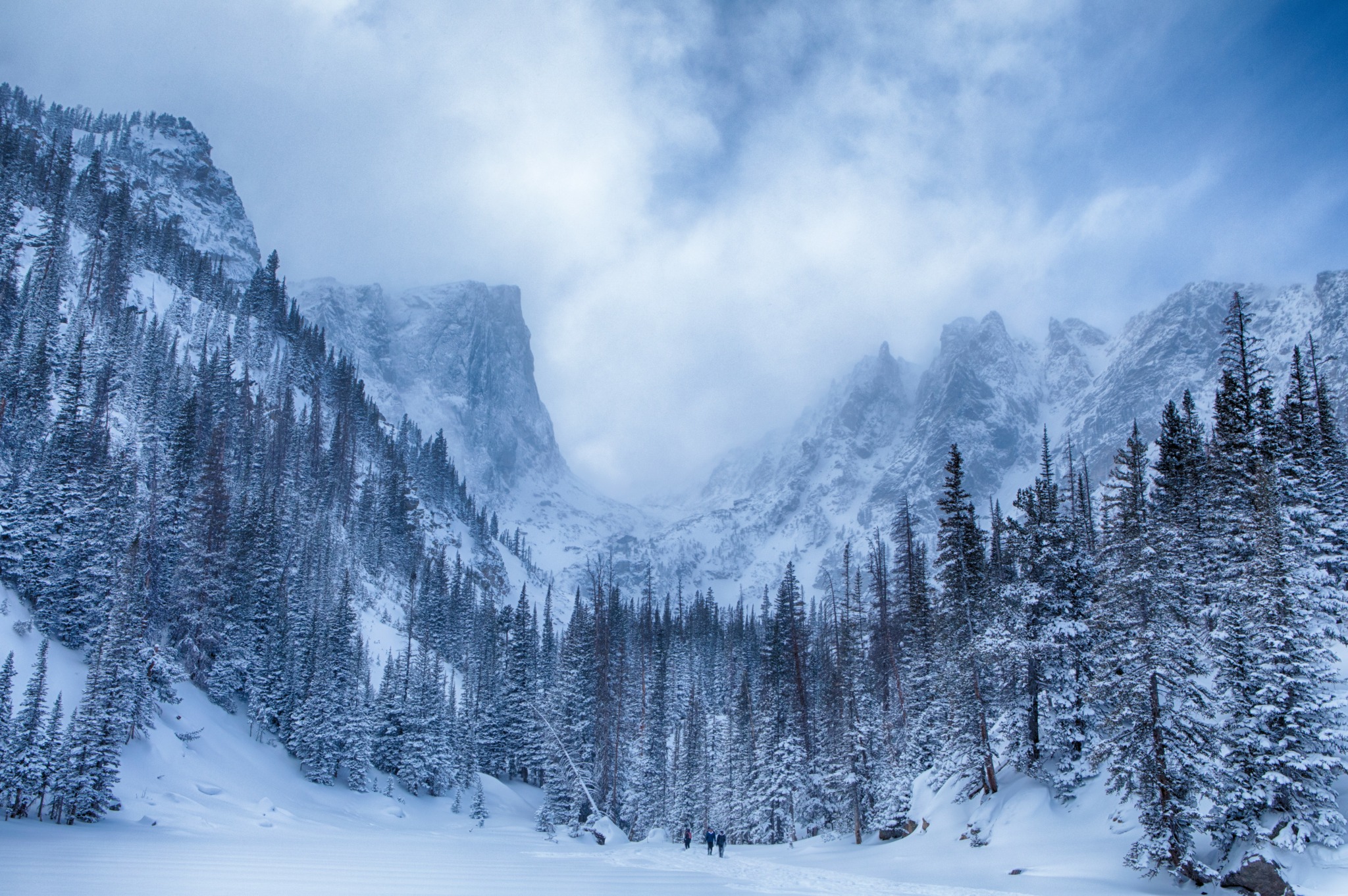
The second, which is probably more obvious, is that I get to spend time in the field hiking and seeking wildlife, weather, or landscapes to shoot and interpret in a variety of ways. It might be immense (like a geomagnetic storm creating an aurora), or tiny (like a suspended drop of dew on a small twig creating an inverted image of everything around it) – and everything and anything in between. Engaging in the environment like this is something I very much enjoy.
Is there something you think non-creatives will struggle to understand about your journey as a creative?
There is no such thing as a “non-creative.” Everyone is creative. All humans share many attributes and skills without exception, including consciousness, creativity, and reason. Society in general has a way of quashing creativity. I noticed this as a child. I used to be able to draw some version of the future. Buildings and so on (not well, I’ve never been good at drawing). I could conceive of a futuristic type of neighborhood lets say, and convey it in some (poor) manner on paper. As I grew older, I noticed I had an increasingly hard time coming up with that vision. I vividly remember mentioning this to an art teacher in junior high school (now called middle school) when I was struggling to think about how to draw something creatively. He said, “Yes that’s true. It is more difficult to be imaginative as you grow older.” I’ve never forgotten that. I think the basic problem is that a childlike mind is unencumbered by the limits of reality. Or, more to the point here, unencumbered by other’s perception of reality or what you have come to believe is possible. While everyone must grow up, this process seems to dim the light of each of our internal creativity. I think the advent of social media, and the drive for social engagement (likes and clicks and so on) has made this problem worse, ironically. People will tend to create that which they think someone else will like, not what they would create that they like. The advent of AI has exacerbated this issue across the entire creative sphere.
Some people can grasp that internal “dimmer switch” and turn it up (to continue the analogy). Others find that more difficult. But that “dimmer switch” is within everyone. The question is whether one can listen to their internal creative “voice” or not? Can they “hear” it? I am convinced everyone can. The best way to listen to it is to pursue something you enjoy – could be anything – with an almost reckless abandon. Learn all you can about it, even in your spare time. See where it leads, and do it for yourself. Don’t chase “likes” or listen to naysayers. Move forward and let your passion – your small internal creative voice – tell you what to try. This is something that everyone can do. Dream. Create. It may or may not lead to a career or something that someone else will enjoy or even want to purchase. But it is good for your soul. Essential I would say.
Contact Info:
- Website: http://darkglassphotography.com
- Instagram: darkglassphotography
- Facebook: darkglassphoto
- Twitter: darkglassphoto
- Other: youpic.com: stephenlee
500px.com: srlee
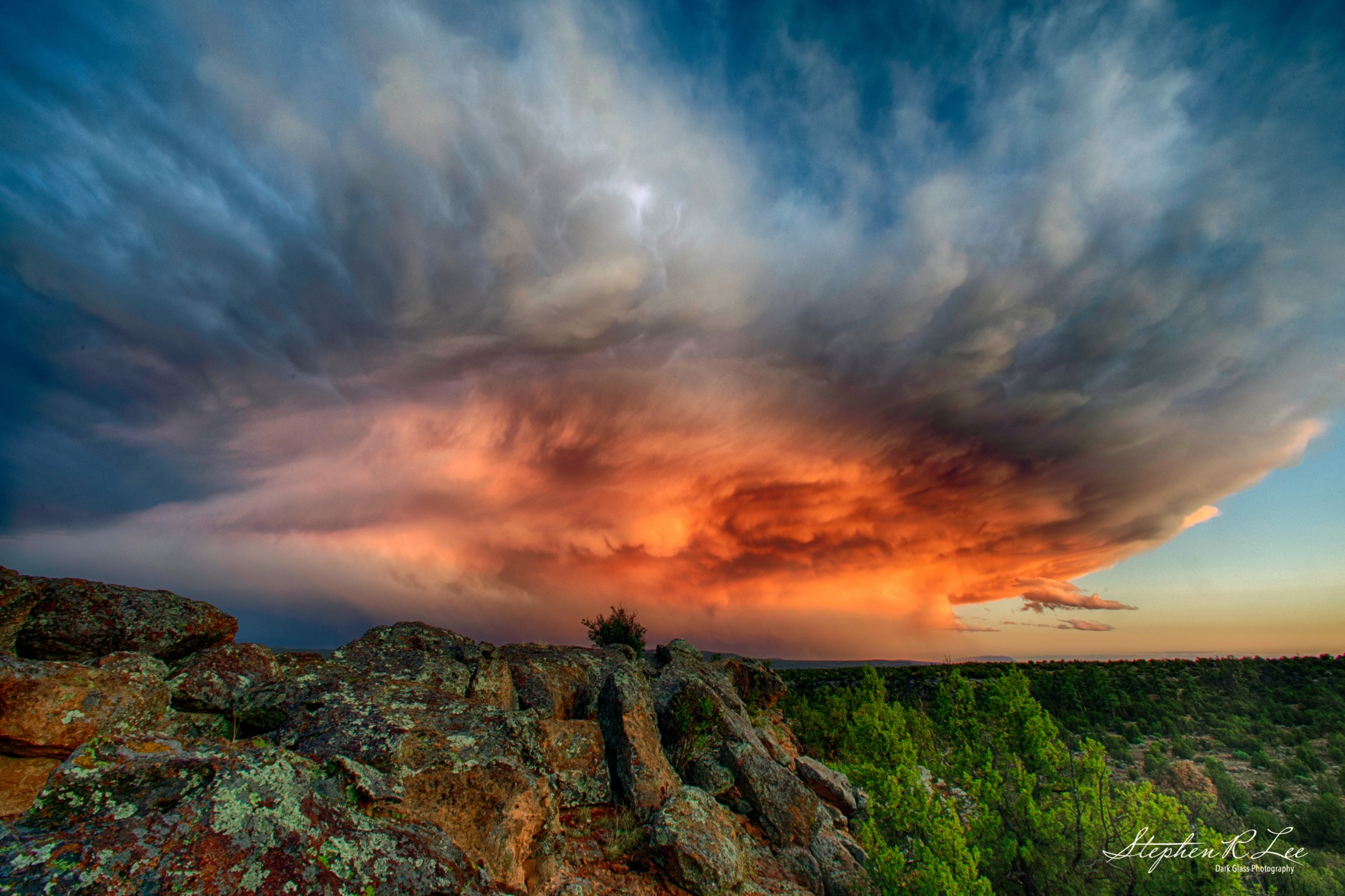
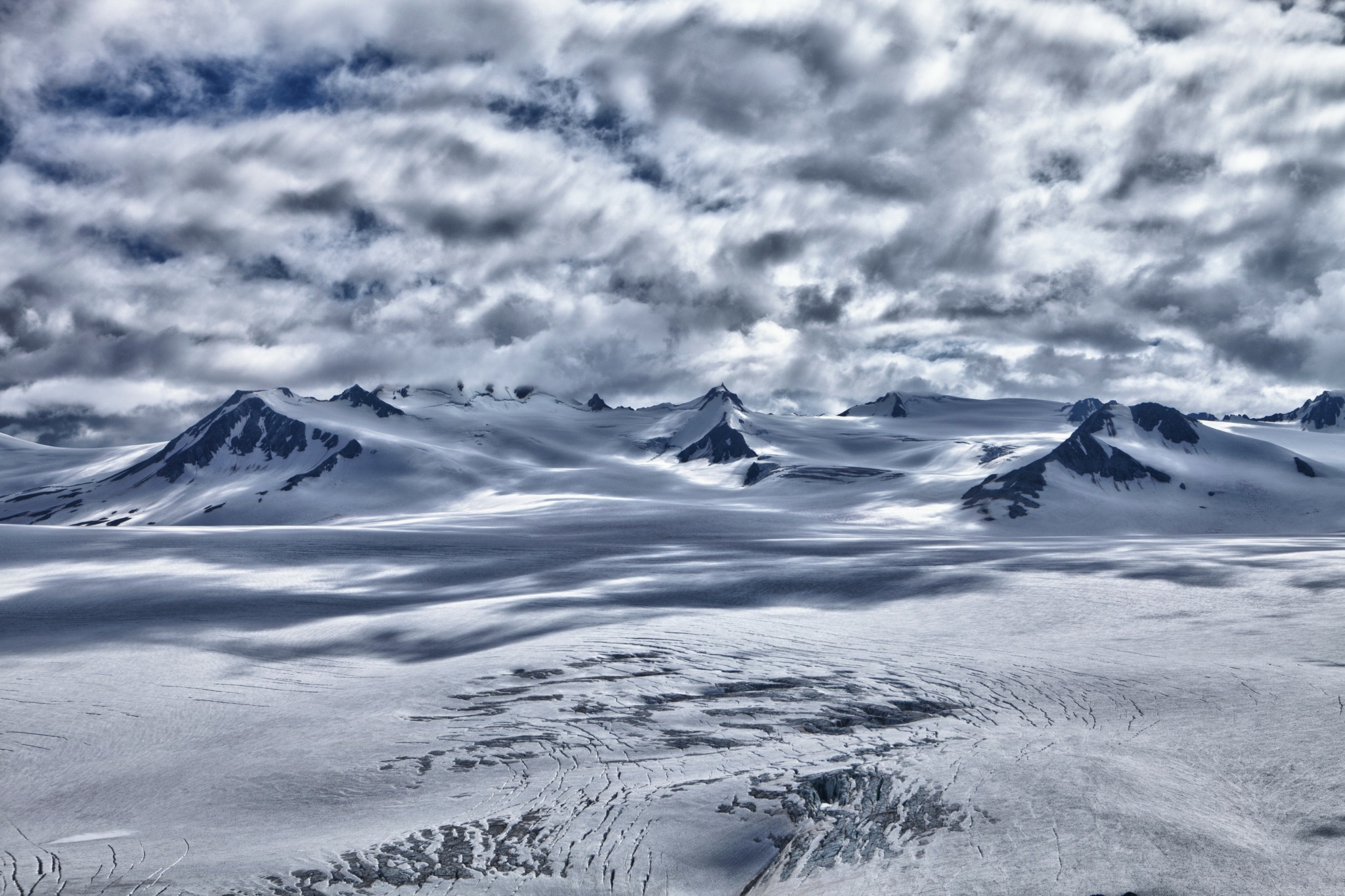
Image Credits
All images are my own. Should all be credited to me.