



We’re excited to introduce you to the always interesting and insightful Julien Tang. We hope you’ll enjoy our conversation with Julien below.
Julien, looking forward to hearing all of your stories today. We’d love to hear the backstory behind a risk you’ve taken – whether big or small, walk us through what it was like and how it ultimately turned out.
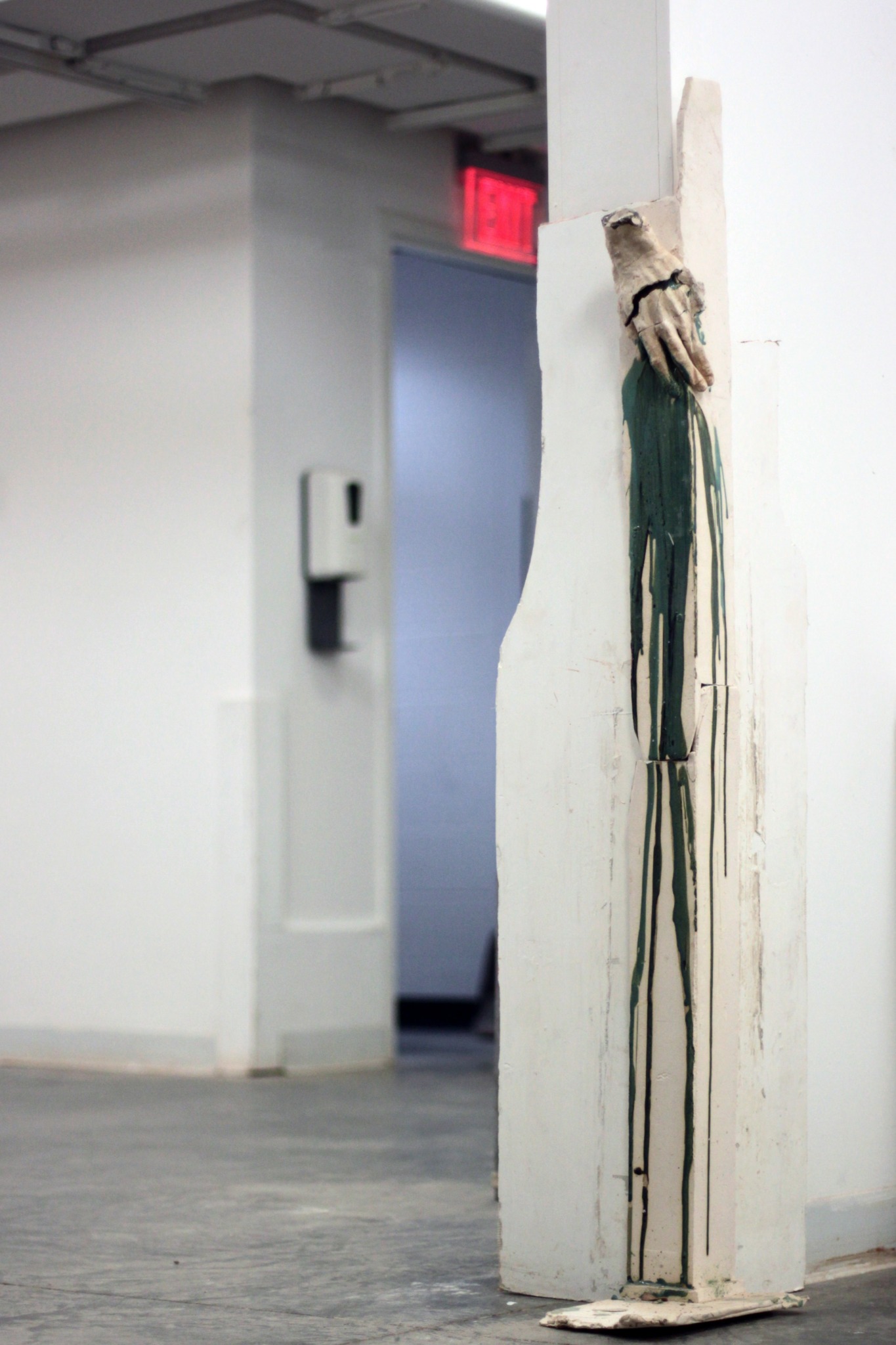
My decision to work with clay in ways that defy tradition—combining it with performance, video, and “happenings”—was a deliberate risk. Clay is a medium deeply tied to permanence and technical mastery, but I was more interested in its fragility and capacity for transformation. This approach subverted conventional expectations of ceramics, where completion is signified by the firing process. By embracing gestures like smashing, cutting, or eroding the raw clay, I highlighted its impermanence, using it as a metaphor for transient human experiences. These methods directly challenged traditional notions of ceramics and were sometimes dismissed as undisciplined or overly experimental. However, this tension became a vital part of my practice. Clay’s resistance and fragility introduced unexpected layers of meaning, and the integration of time-based media further emphasized the ephemeral qualities of the material.
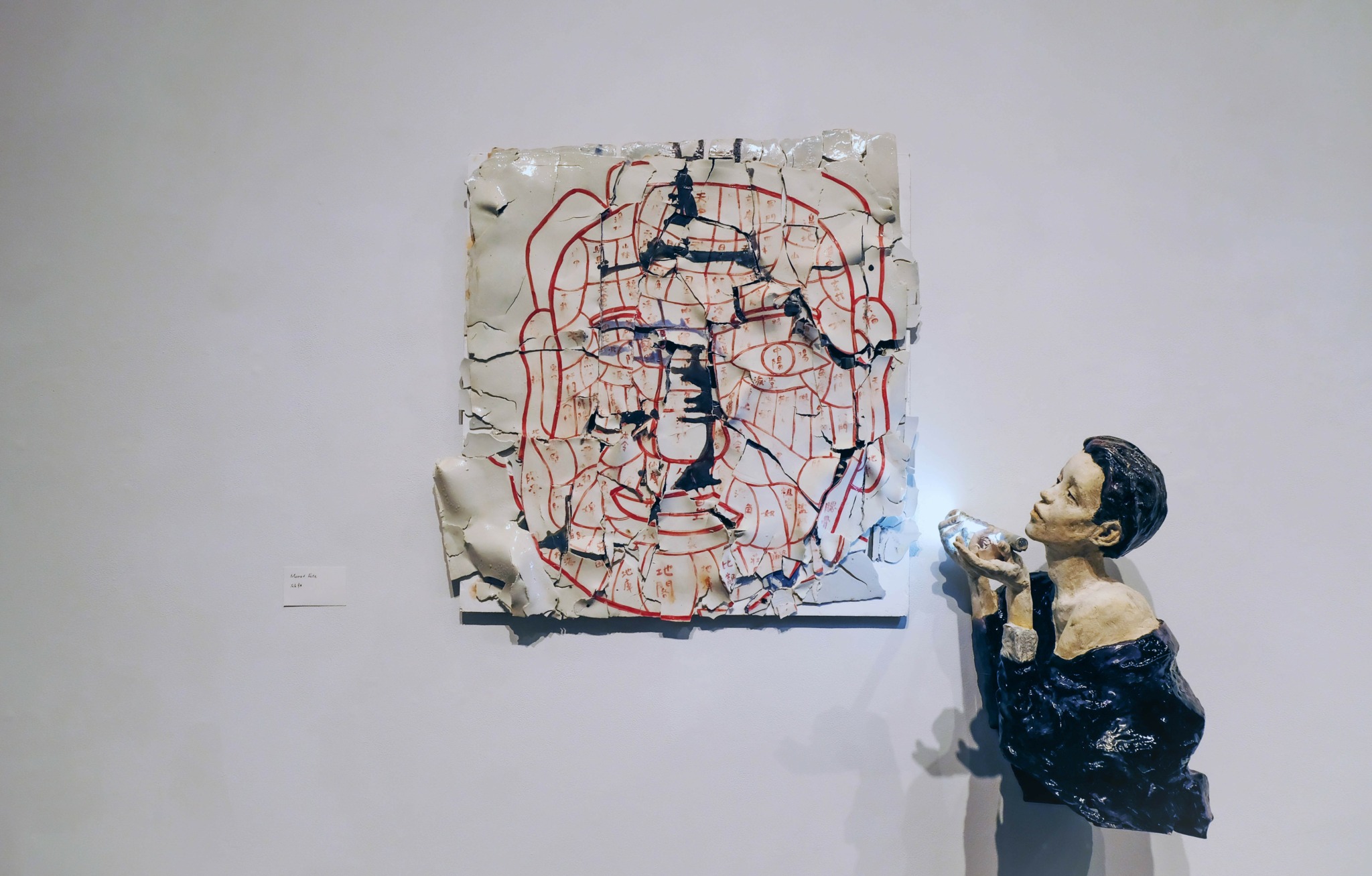
I also took risks by borrowing the concept of “cinematic body” with techniques like framing, cropping, and partial perspectives to redefine how figurative sculpture is perceived. This reframing challenged conventions in sculpture but opened new possibilities for exploring form, materiality, and way of seeing. It introduced questions about how the work should be categorized and interpreted.
These risks forced me to navigate the uncertainties and contradictions between tradition and innovation, permanence and impermanence. By combining clay’s materiality with the temporal and narrative potential of experimentation and framing, I’ve created a practice that embraces tension and complexity. This journey has reaffirmed my belief that taking risks—both material and conceptual—is essential to creating work that feels alive and meaningful.
Julien, before we move on to more of these sorts of questions, can you take some time to bring our readers up to speed on you and what you do?
I’m Julien Tang, a Taiwanese visual artist whose work spans sculpture, video, and performance. My practice focuses on themes of identity, memory, and fragmentation, drawing from East Asian literature, cinema, and popular culture. I explore the “cinematic body,” using framing, destruction, and ambiguity to create layered narratives that reflect the complexity of human experience.
My work is rooted in an interdisciplinary approach, blending material exploration with insights from psychoanalysis and neurophenomenology. Influences like manga and Cantopop inform my practice, connecting theoretical depth with accessible cultural touchpoints. I aim to spark dialogue by inviting viewers to navigate the spaces between intention, interpretation, and personal reflection.
Internationally recognized, my work has earned accolades such as finalist status in the 2024 Taiwan Ceramics Biennale and the Second Award at the 41st International Ceramics Competition in Spain. I create art not to provide answers but to engage with ambiguity, offering moments of connection and transformation.
What do you find most rewarding about being a creative?
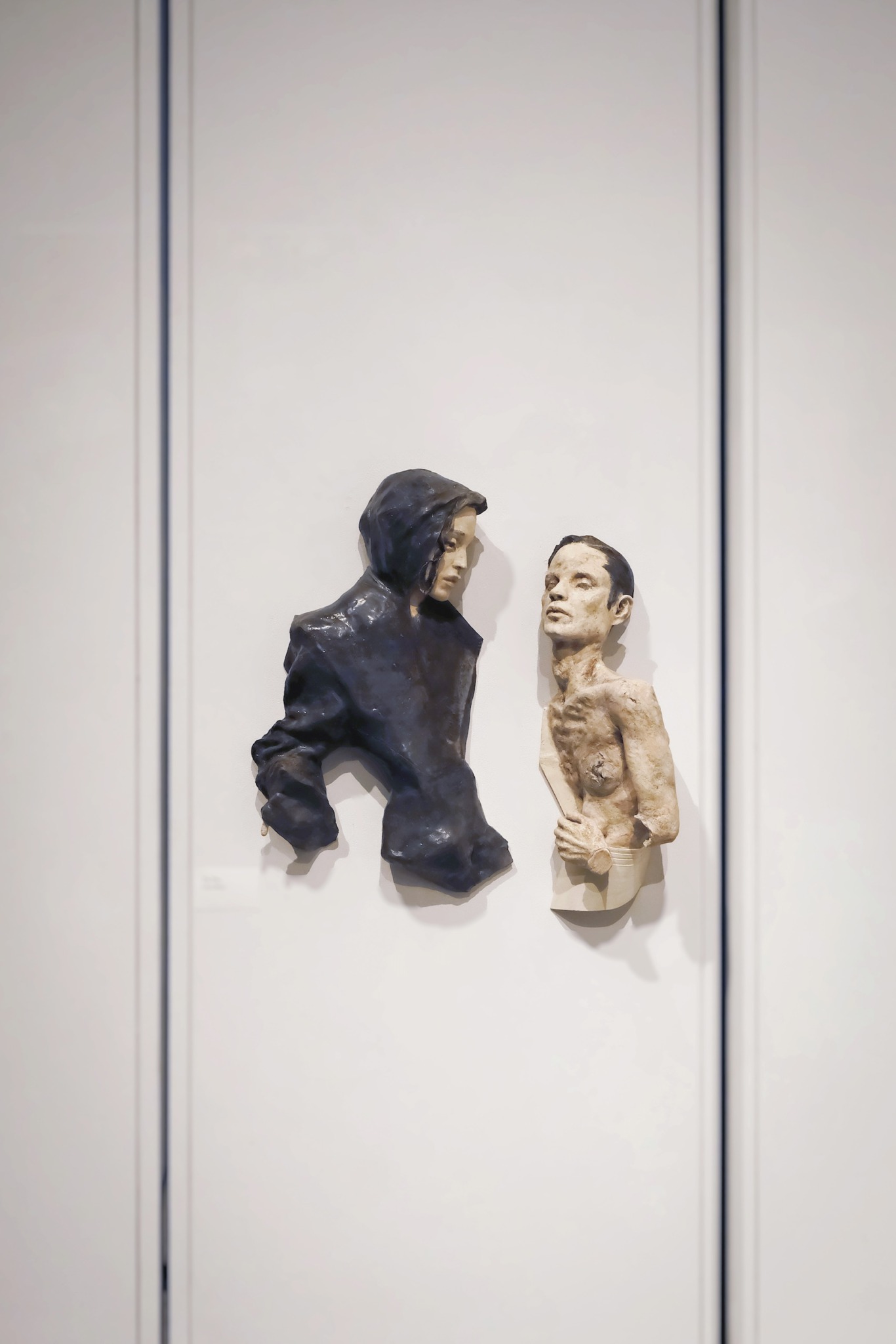
The most rewarding aspect of being an artist is the opportunity to create narratives that bridge personal and collective experiences, inviting moments of connection and introspection. I explore themes like sentimentality, memory, and identity through my sculptures, often drawing from cultural, history and philosophical inquiry. Working with clay and glaze, I’m constantly reminded of the beauty in transformation and impermanence, as the material’s unpredictable nature reflects the complexities of life. Also, how the process unveils the world to me as I gain knowledge and insight from the feedback I gather; I dig deeper, question more, improve, and grow as an artist. It’s deeply fulfilling to see viewers engage with these layers—whether through emotional resonance or reflective contemplation—while also using the creative process as a means of self-discovery and a way to contribute to larger dialogues.
What do you think is the goal or mission that drives your creative journey?
The driving force behind my creative journey is the pursuit of understanding that begins with questions, not answers. My work often starts intuitively, with materials and ideas unfolding along the way. Over time, I’ve realized my practice focuses on navigating gaps—between intention and interpretation, visibility and absence, or what’s said and unsaid. These spaces of partial expression fascinate me because they reflect the fragmented nature of identity, memory, and cultural displacement that I’ve experienced and observed.
I’m curious about how framing—cropping, destruction, or boundaries—shapes how we see and make sense of art. My goal is to create work that fosters connection, not by offering answers but by embracing ambiguity and inviting viewers to find their own interpretations. For me, art is about exploration and dialogue, and that’s what drives me forward.
Contact Info:
- Website: https://julientang.com/
- Instagram: https://www.instagram.com/julientyt/
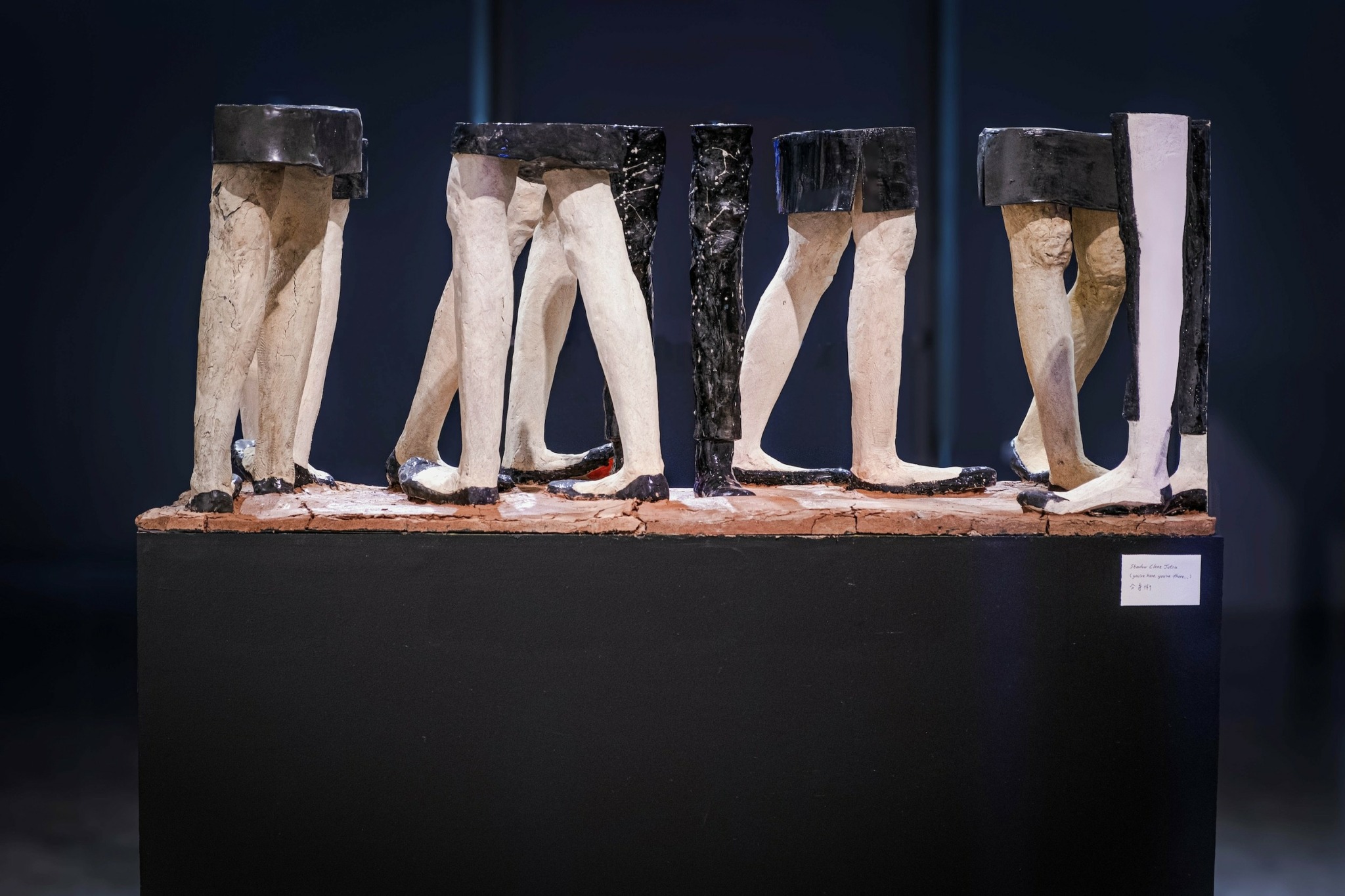
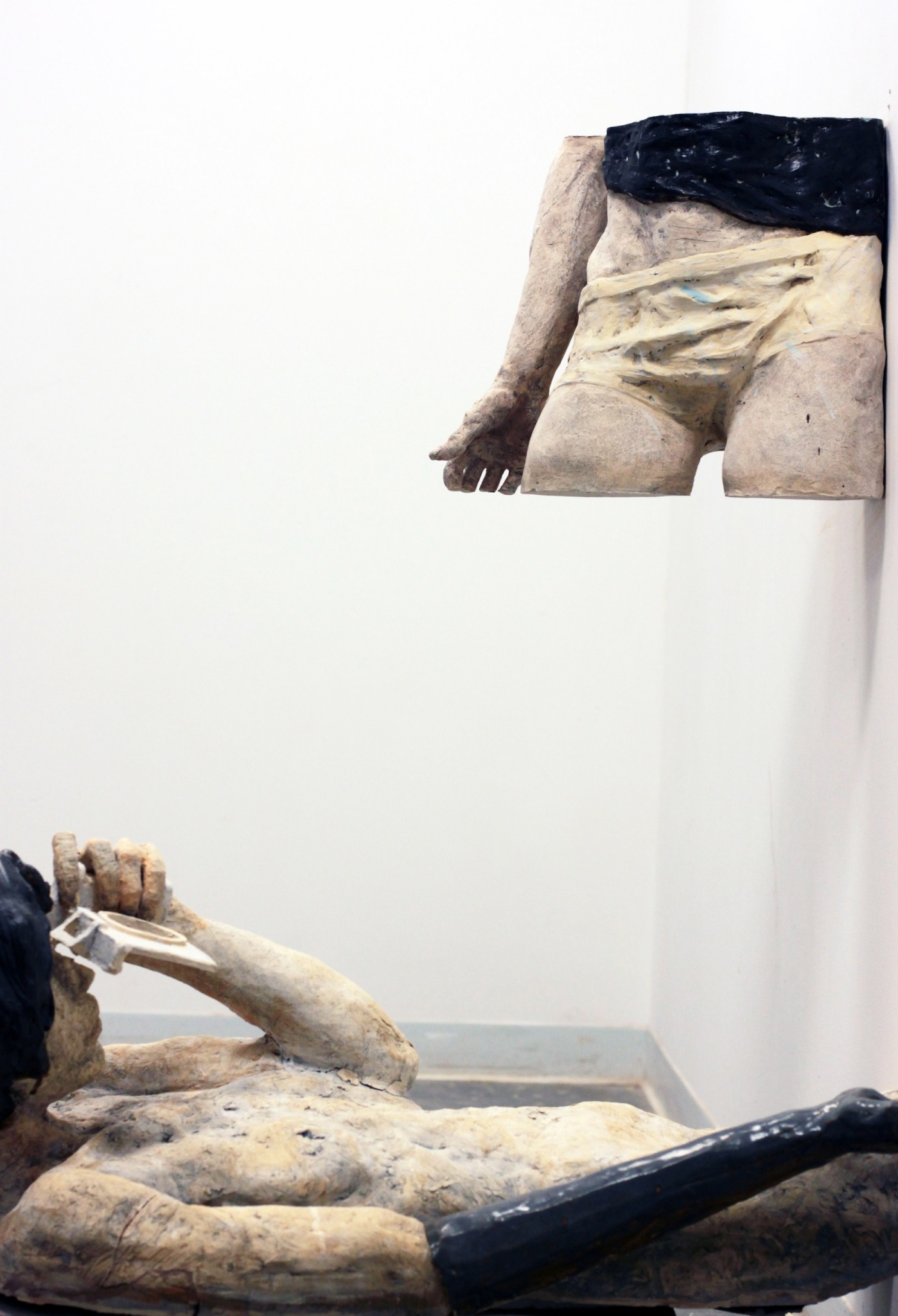
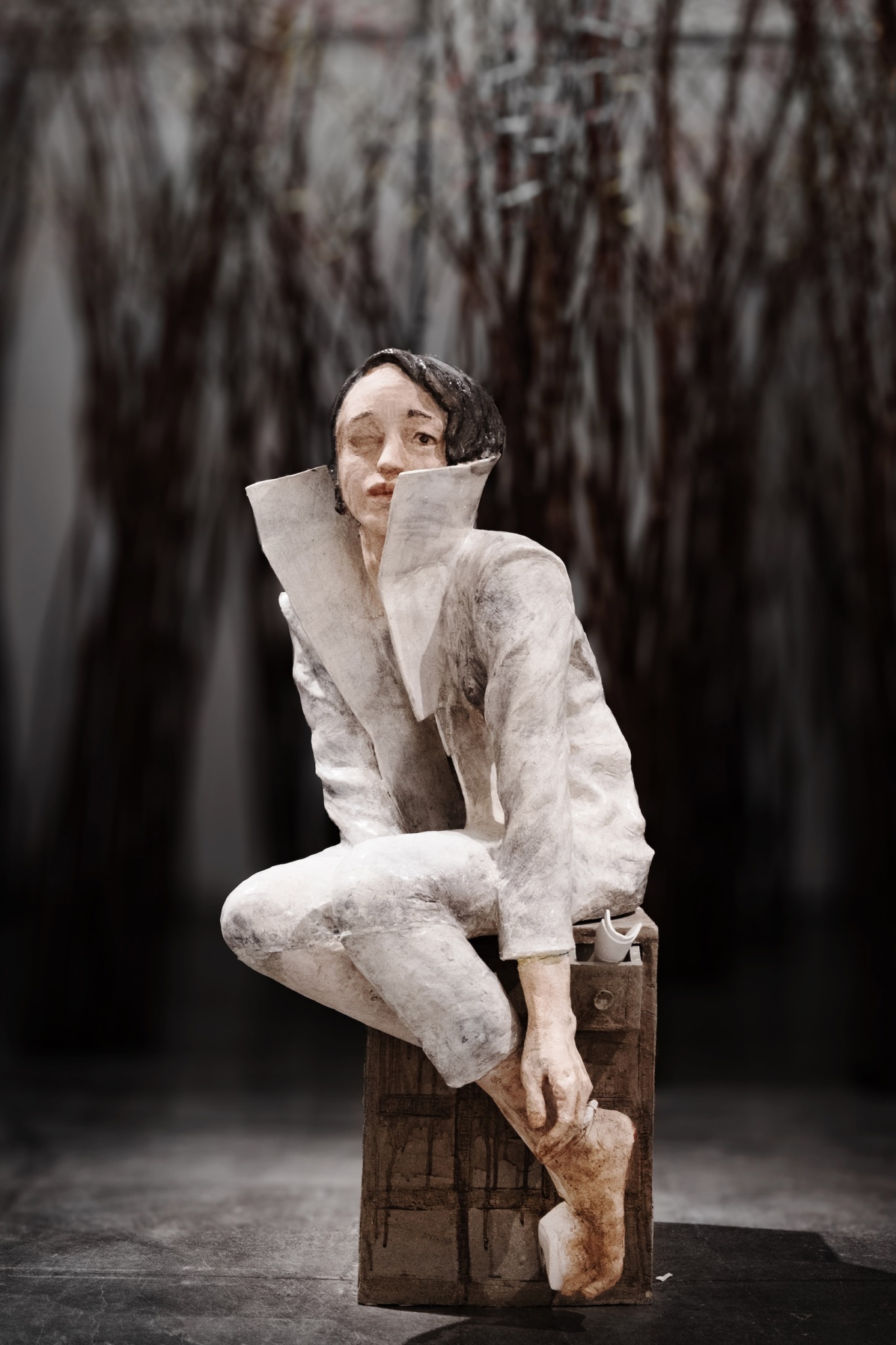
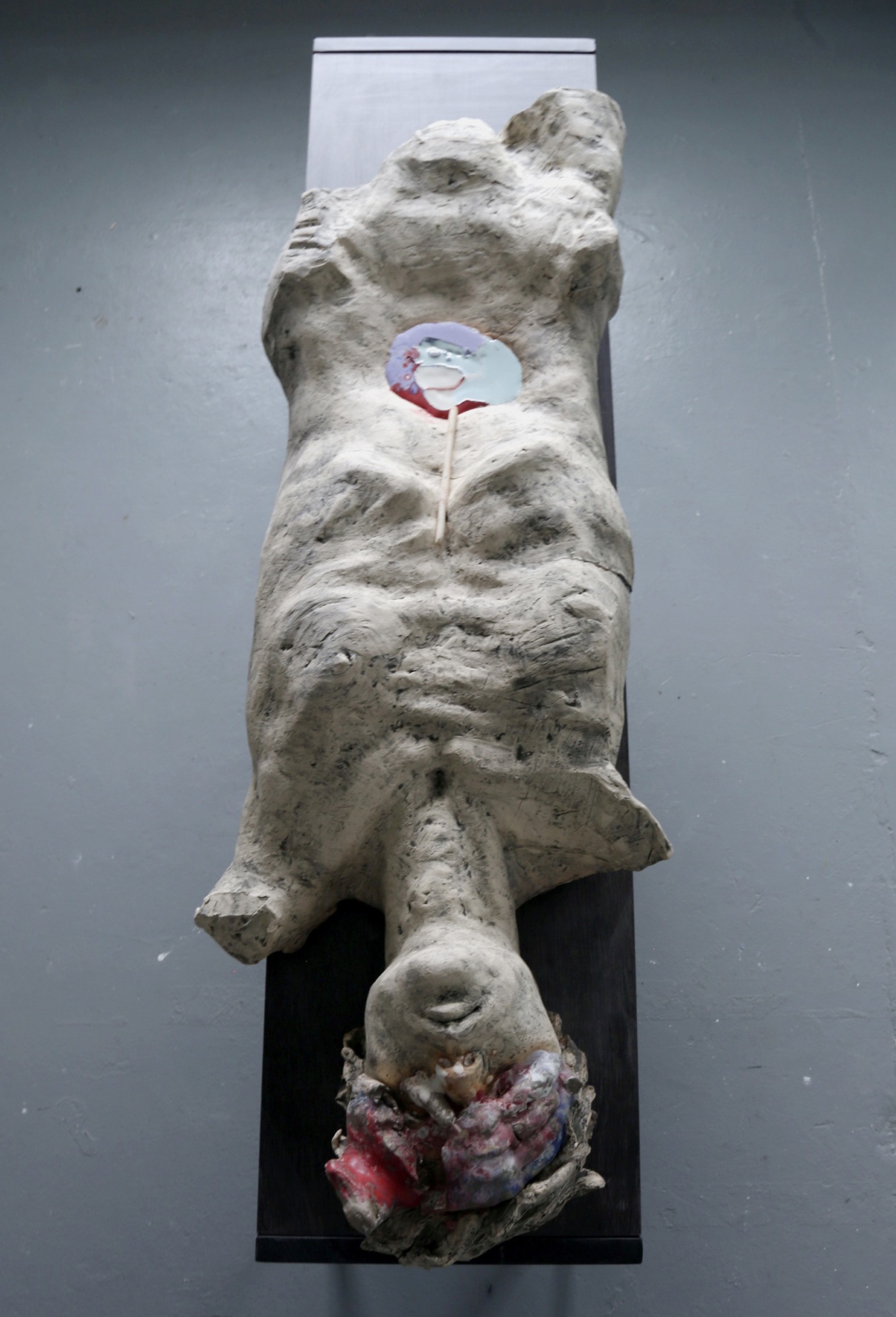
Image Credits
Image and Sculpture © Julien Tang