



Alright – so today we’ve got the honor of introducing you to Donnoy Morgan. We think you’ll enjoy our conversation, we’ve shared it below.
Donnoy, thanks for taking the time to share your stories with us today What did your parents do right and how has that impacted you in your life and career?
I’m sure all parents want their child to do better and be better than they were, but in my Caribbean household, that wasn’t even an option—it was expected. Academics and excelling in school were serious business at home. Summer breaks, I was sitting at the kitchen table with my siblings and cousins, doing summer workbooks for the upcoming school year, Monday through Friday. Two pages of math and reading problems, sometimes followed by a book to read. After that, we had the rest of the day to ourselves. Was it fun then? Absolutely not. But the message I’ve heard all my life was ‘work hard now, have fun later.’ And honestly, that mindset has stuck with me.
Don’t get it twisted. I still had fun. My parents allowed me to travel and get to learn different cultures. My family is Jamaican, when i was younger I flew down to visit family and to learn the culture. Canada was another place I’ve gone multiple occasion winter and summer. We’ve traveled in states as well and that’s majority of the funny memories come from. My parents showed me the importance of community and learning how to adapt different lifestyles. As I got older, my parents also taught me independence at a young age. They encouraged me to problem-solve and not depend on others. I think this is where my entrepreneurial spirit was born. I remember watching my mom price her catering orders and having talks with my dad about business and just having joy in what I choose to do—those conversations stuck with me. They may not have explicitly pushed me into entrepreneurship, but seeing them navigate their own work and passions taught me how to carve my own path.
I also definitely inherited my creativity from both of them, though they’d never say it. My mom is incredible at culinary arts. She’s a master in the kitchen—whether she’s baking rock buns to sell or creating my birthday cakes, she always makes food a work of art. I remember one birthday when she made a mud pie that I’ll never forget. Even my lunch was beautifully crafted. My dad, on the other hand, is a true dancehall DJ at heart. He’s naturally funny and always the life of the party. If you ever want a good laugh or an amazing vibe, just call him up. He’s got you covered. My parents, today are still the same way. and more often i include think in the thought process of projects.
It’s important to share this backstory because, unlike some of my friends whose parents pushed them to become doctors or lawyers, my parents allowed me to follow my own passions. Granted, my mom wasn’t always thrilled about me pursuing art as a career. But they trusted me to create my own future, and they supported me every step of the way. I became the artist I am today because of that freedom and encouragement—watching my mom find joy in baking and my dad find joy in music made me want to pursue a career that would keep me smiling every day. They’ve also instilled in me the importance of staying educated and the gift of learning. not everything was perfect every family has their flaws. My parents didn’t and don’t have everything and they are real enough to tell me ” hey this is what we got”. However, they still manage to give me what they think is best and still have me flourish on my own.
Donnoy, love having you share your insights with us. Before we ask you more questions, maybe you can take a moment to introduce yourself to our readers who might have missed our earlier conversations?
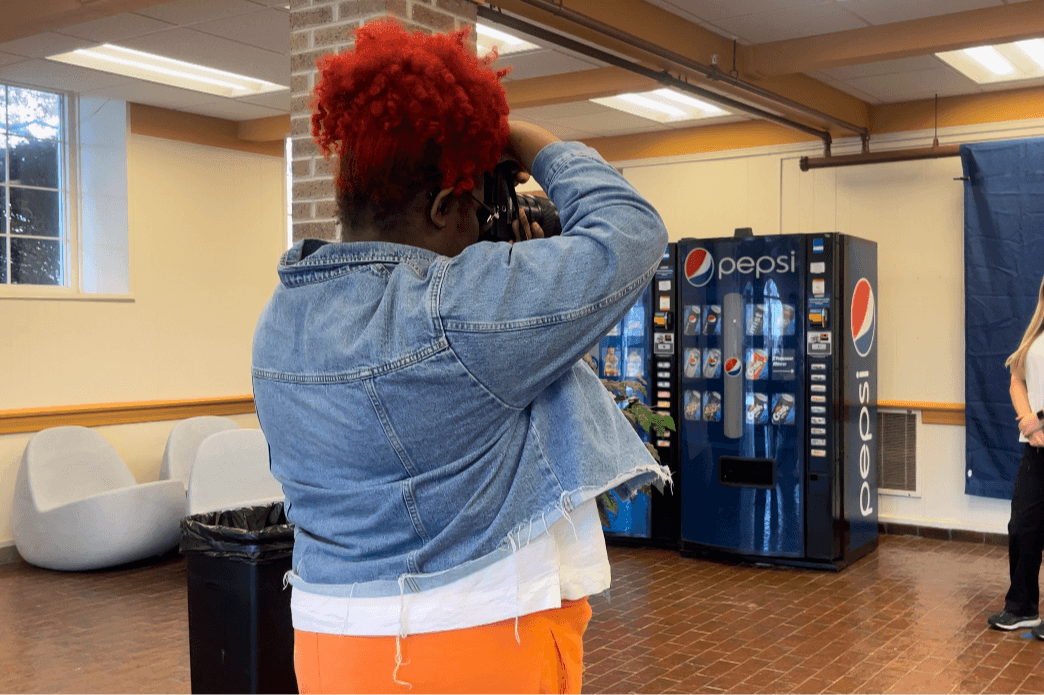
I got my start in the creative industry while studying at the Community College of Baltimore County. I’ve always been hands-on and crafty, so I began offering graphic design services and dabbling in photography as a hobby. Early on, I created logo designs and personalized items like cups, t-shirts, phone cases, and more. When the pandemic hit, I decided to take photography more seriously. I received support from friends and quickly grew my network. On October 31st, I hosted my biggest photoshoot, which was a pivotal moment for me and my brand. That’s when I officially founded Eunoia Effect Studios, now known as MOOD (Morgan Donnoy) Studios.
I offer an experience that brings together diverse minds to collaborate and enhance the beauty in each other’s stories. The name Eunoia comes from the Greek word meaning “a well-balanced mind, good spirit, and beautiful thinking,” which perfectly reflects both my personal values and the vision for the brand. It’s a name that resonates with the lifestyle of my clients, past and future.
What sets me apart is my commitment to creating more than just images and pretty displays. I focus on capturing emotions, stories, and the essence of each composition. Whether it’s a fashion shoot that exudes style and glamour, a portrait that delves into the depth of human emotion, or finding a way to communicate difficult conversations through a specific medium, I infuse life and narrative into my work. I don’t just provide services – I help bring visions to life in a way that feels authentic and connected to the individuals I work with. I’m most proud of how far I’ve come, from being a student to now a graduate freelancing and seeking new opportunities to help people tell their stories through visual art.
For potential clients, followers, and fans, I want them to know that MOOD Studios is more than just a business – it’s a place where creativity, diversity, and meaningful connections thrive. I’m deeply invested in the stories and experiences of the people I work with, and that’s at the heart of everything I do.
Is there mission driving your creative journey?
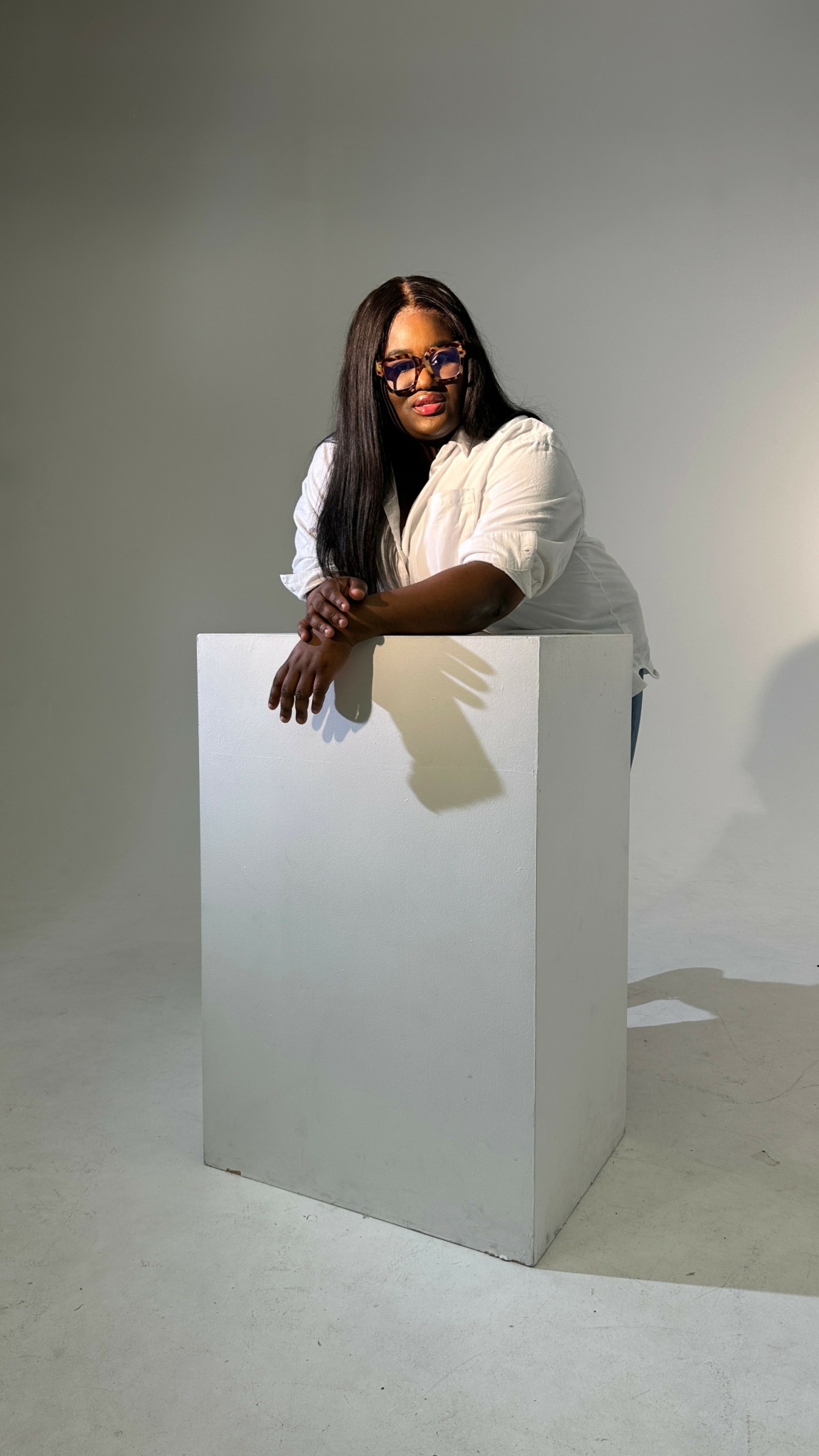
My creative journey is driven by the mission to use visual storytelling as a tool for social change, advocacy, and enlightenment. I initially thought graphic design was just about creating cool merchandise, stickers, and flyers—at least that was my experience in high school. But everything changed during my senior year, when I got involved in creating the student union at my school. In 2018, after the tragic Parkland school shooting, a group of us decided to take action and raise awareness about the need for safety in our schools. I designed t-shirts for the student union members to wear, featuring the slogan ‘Fight for Us,’ advocating for stronger gun policies and safer school environments.
We also organized a walkout, and I designed a banner titled ‘March for Our Lives’ that served as a powerful visual statement for the cause. Students wrote their promises and wishes for safer schools on the banner, making it a participatory and meaningful piece of activism. At the time, I didn’t fully grasp the impact of what I was doing, but looking back, that was the moment I first realized that design could be used as a tool for storytelling and social change—not just as an aesthetic medium. In college, I grew my skills in graphic design and photography, while also gaining a perspective into social and political issues that were important to me. I became deeply interested in topics like critical race theory, urban education, and social policies. A turning point in my education was a class called Visual Concepts, where I began to understand that art could be more than just beauty—it could serve as a platform to communicate important social messages.
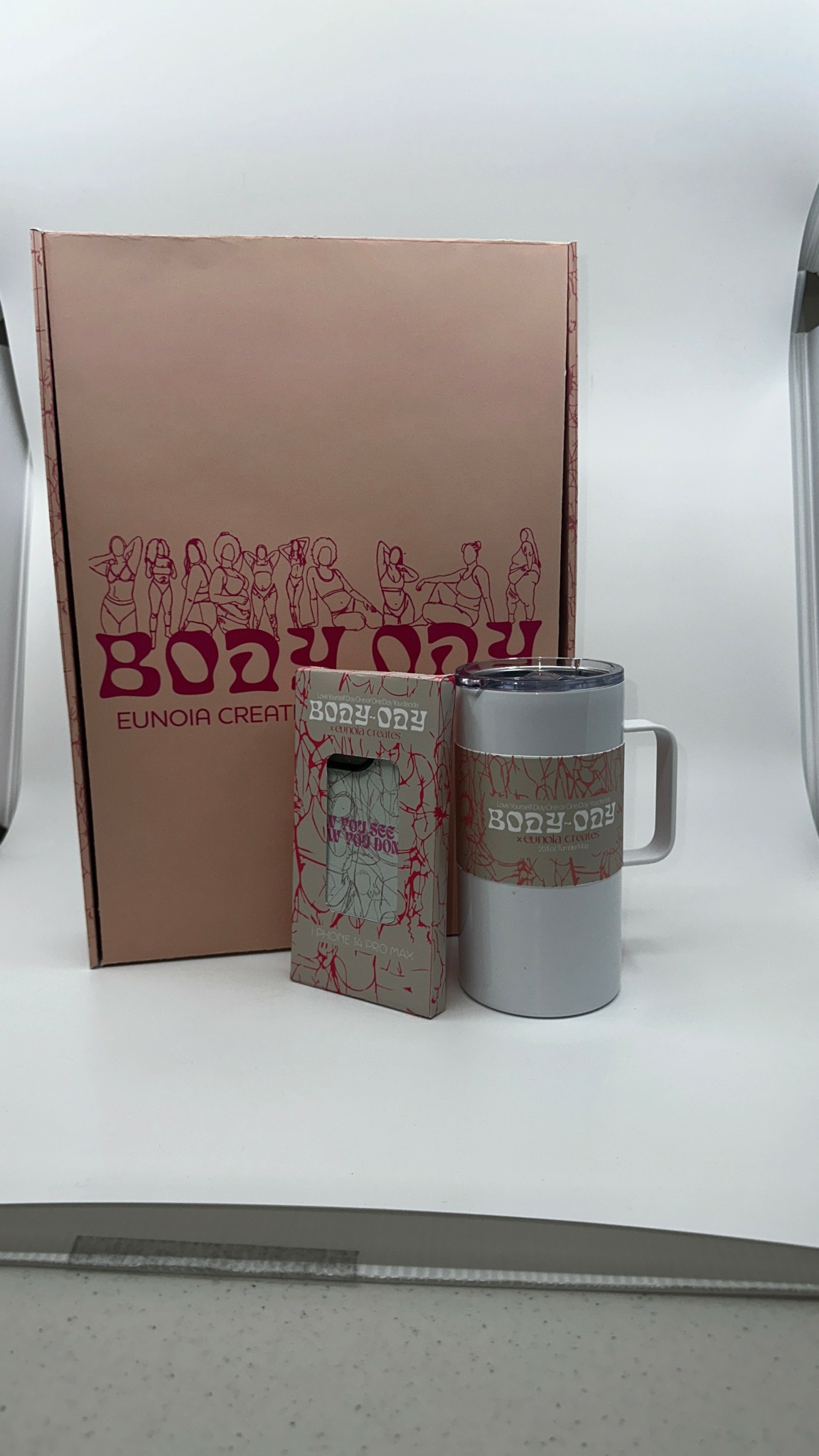
One of the projects I’m most proud of is BODY-ODY, a brand I designed to promote body diversity and self-love by celebrating different shapes, sizes, and skin textures like vitiligo. This project resonated with me personally, as I’ve struggled with body image and self-confidence, especially due to challenges like PCOS (Polycystic Ovary Syndrome), which has impacted my weight and self-image. By embracing my own vulnerabilities, I wanted to create something that could resonate with others who feel marginalized by mainstream beauty standards.The name BODY-ODY if familiar with Megan Thee Stallion, made the title of one of her popular songs was my inspiration. It also, plays on reclaiming the word ‘odd,’ celebrating what makes each of us unique. The project started with 25 illustrations representing various body types in different skin tones and textures. I then expanded this into patterns for packaging and clothing, and ultimately created a website to raise awareness for the cause and provide resources for women dealing with similar issues.
My mission is to use visual storytelling—through graphic design, photography, or other mediums—to address critical social and political issues. I want to create work that challenges societal norms, celebrates identity and diversity, and amplifies voices that are often overlooked. Whether it’s advocating for better policies, highlighting injustice, or fostering self-empowerment, my creative journey is motivated by the belief that art and design have the power to inspire change and make a real difference in the world.
Is there something you think non-creatives will struggle to understand about your journey as a creative? Maybe you can provide some insight – you never know who might benefit from the enlightenment.
One conversation I often have—whether with people in the creative field or not—is whether a college education is truly necessary for a career in design. A big part of this question centers around whether it’s worth going into debt for an art degree. There’s definitely a valid point to be made: in today’s world, there are countless online resources, like YouTube and other platforms, offering free or low-cost education. These options may seem more accessible and financially feasible compared to traditional university tuition.
That said, I can only speak from my own experience. For me, going to college wasn’t just about earning a degree—it was about personal growth, networking, and building meaningful relationships with professors and peers. While my parents encouraged me to pursue higher education, I also genuinely wanted to do it because I knew it would open doors in ways that would be difficult to replicate outside a formal education setting. Beyond being a designer, I also aspire to become an educator, and college provided me with the foundation for that journey as well.
Attending both community college and Towson University gave me the opportunity to develop my craft and refine my skills in a structured environment. The access to resources, mentorship, and the constructive feedback I received was invaluable in shaping my approach to design. The chance to engage in critiques with professors and peers helped me grow not only as a designer but also as a creative professional.
One of the key benefits of college is that it offers a structured space where you’re encouraged to collaborate, experiment, and push your boundaries. At Towson, I was exposed to diverse perspectives that helped me think more critically and creatively. I chose Towson specifically because it wasn’t an art school—I wanted to immerse myself in a broader academic environment and engage with students from other majors and departments. This interdisciplinary experience gave me a more well-rounded perspective on design and creative problem-solving.
In addition to my coursework, I also had the opportunity to work on campus through a federal work-study program, which was another great way to build experience. I held two jobs: one as a social media content creator and the other as a mentor in a College Readiness and Outreach Program. Being a mentor allowed me to develop valuable communication skills while working with high school students and helping them plan for their futures. This experience taught me a lot about leadership and the importance of guiding others—skills I hope to bring into my future career as an educator.
Ultimately, the decision to pursue higher education in the creative field is deeply personal, and I understand that it may not be the right path for everyone. You may not need to spend the full amount of time in school to succeed in the creative industry. However, for those wondering if college is worth it, I would say that it offers much more than just technical education. It’s a space for growth, exploration, and the opportunity to build a network that can support your career in ways that self-teaching or online courses might not be able to. For me, college provided the structure, community, and mentorship that were essential for both my personal and professional development.
Contact Info:
- Website: https://www.eunoiaeffectstudios.com
- Instagram: designsbymood
- Other: https://linktr.ee/eunoiaeffect.gp?utm_source=linktree_admin_share
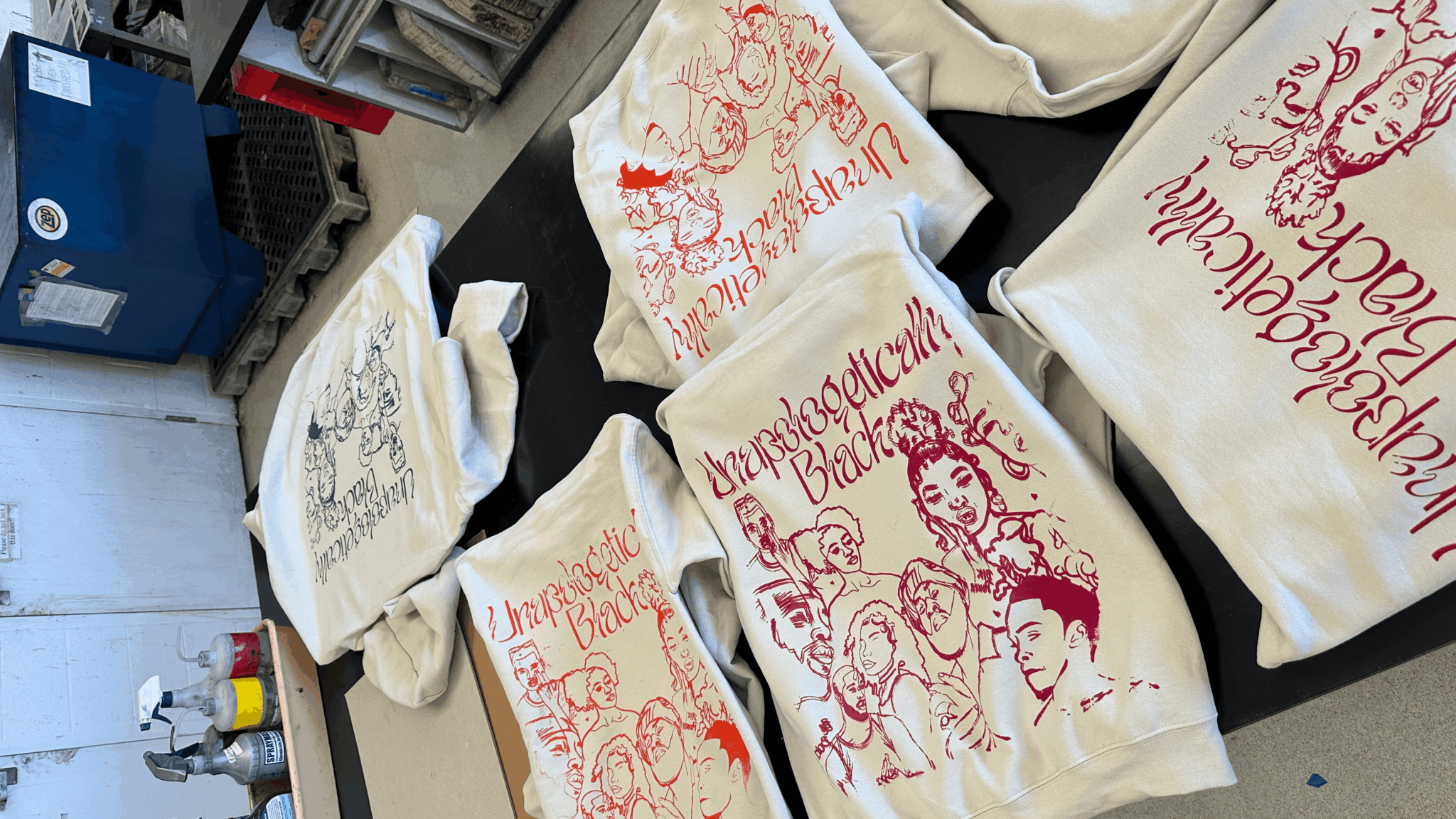
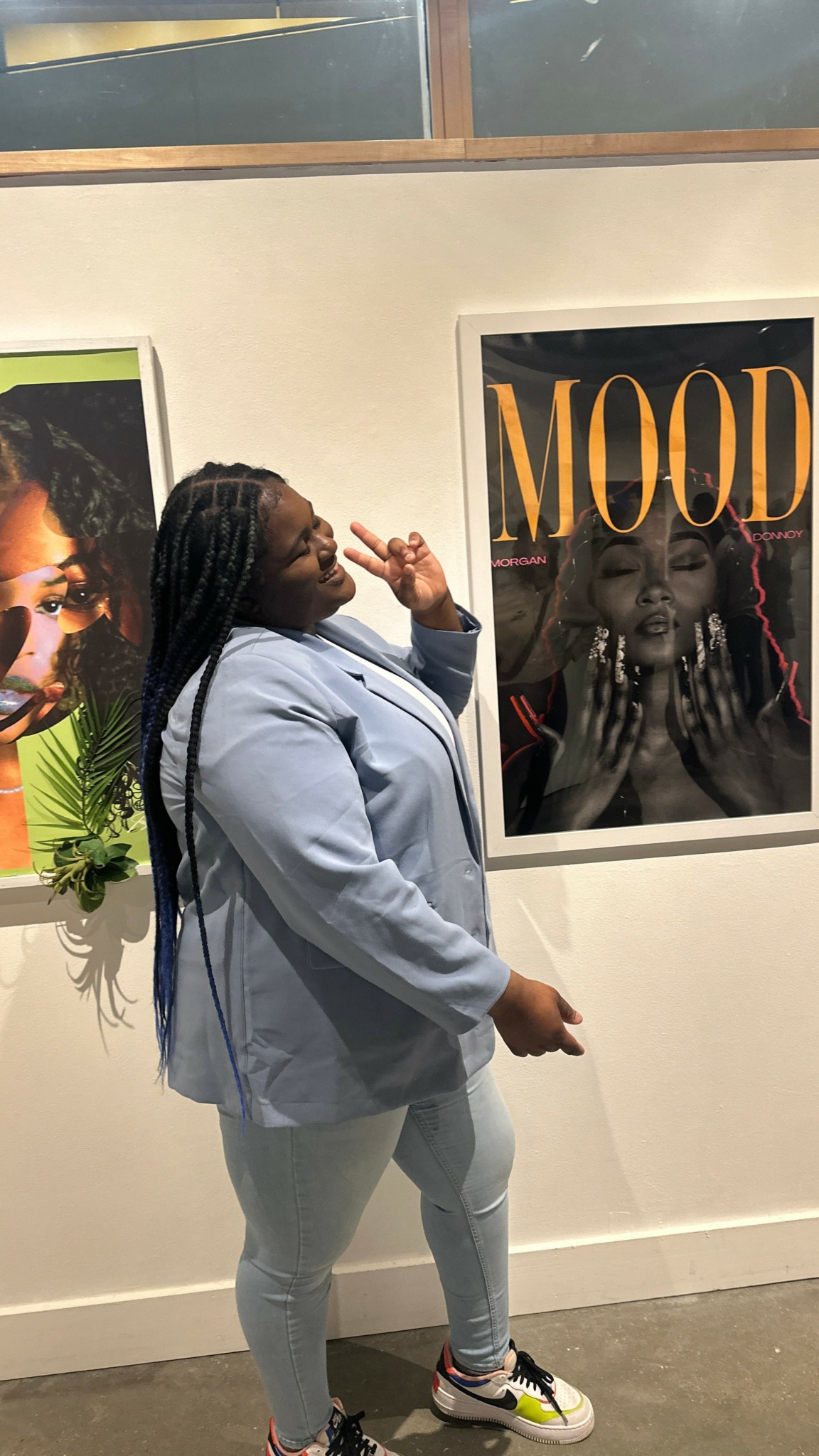
Image Credits
@shannonpearce_photos