

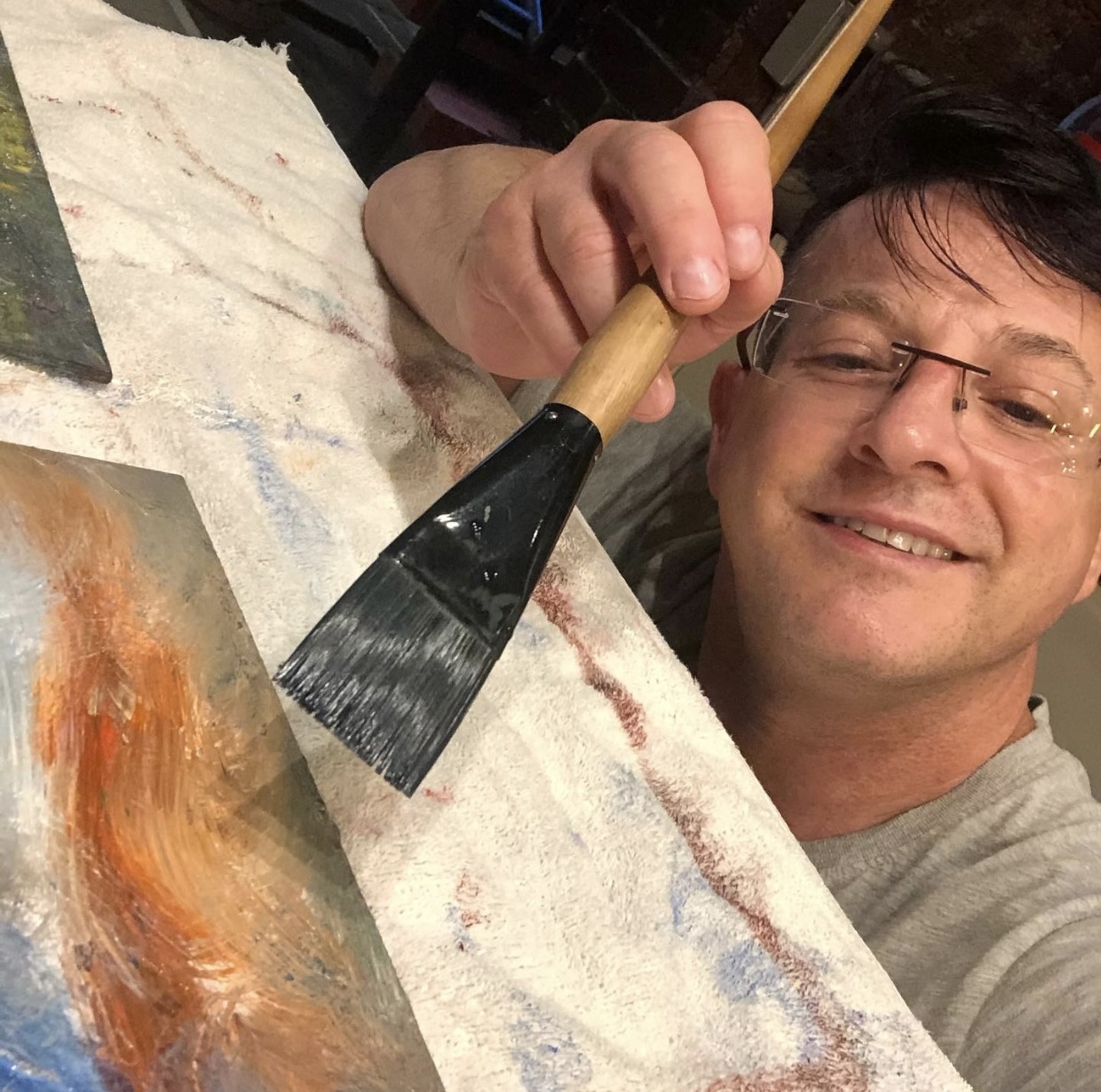

We’re excited to introduce you to the always interesting and insightful Eugenio Cerrosi. We hope you’ll enjoy our conversation with Eugenio below.
Hi Eugenio, thanks for joining us today. We’d love to hear about when you first realized that you wanted to pursue a creative path professionally.
It seems that I have always been into all kinds of artistic expression. I grew up in BraziI, and I started drawing and painting in elementary school. I also played the flute and the piano at a young age, and I danced and acted then as well. I always wanted to be an artist of some kind, and I was particularly attracted to music and painting. While the other kids in school were drawing and painting rudimentary houses, dogs, trees, and the like, my drawings and paintings were far more abstract and colorful. Due to family and other pressures, I decided to abandon the arts, and I went to college for Mechanical Engineering. It was around the last semester of college, before graduation, that I decided engineering was not for me and that I had to go back to the arts and try to make a living from it. To pay the bills after dropping out of school, I had several jobs, both related and unrelated to the arts. I worked as an office boy, and I worked for an airline, I tuned musical instruments, I played the piano, and I painted (the latter two did not contribute much to my financial needs). During the early days of the pandemic, my abstract painting really took flight. The abstract expression seemed the perfect vehicle with which to communicate the fear, despair, and hope of those dark days. It was then that I decided to focus much more on my painting career.
As always, we appreciate you sharing your insights and we’ve got a few more questions for you, but before we get to all of that can you take a minute to introduce yourself and give our readers some of your back background and context?
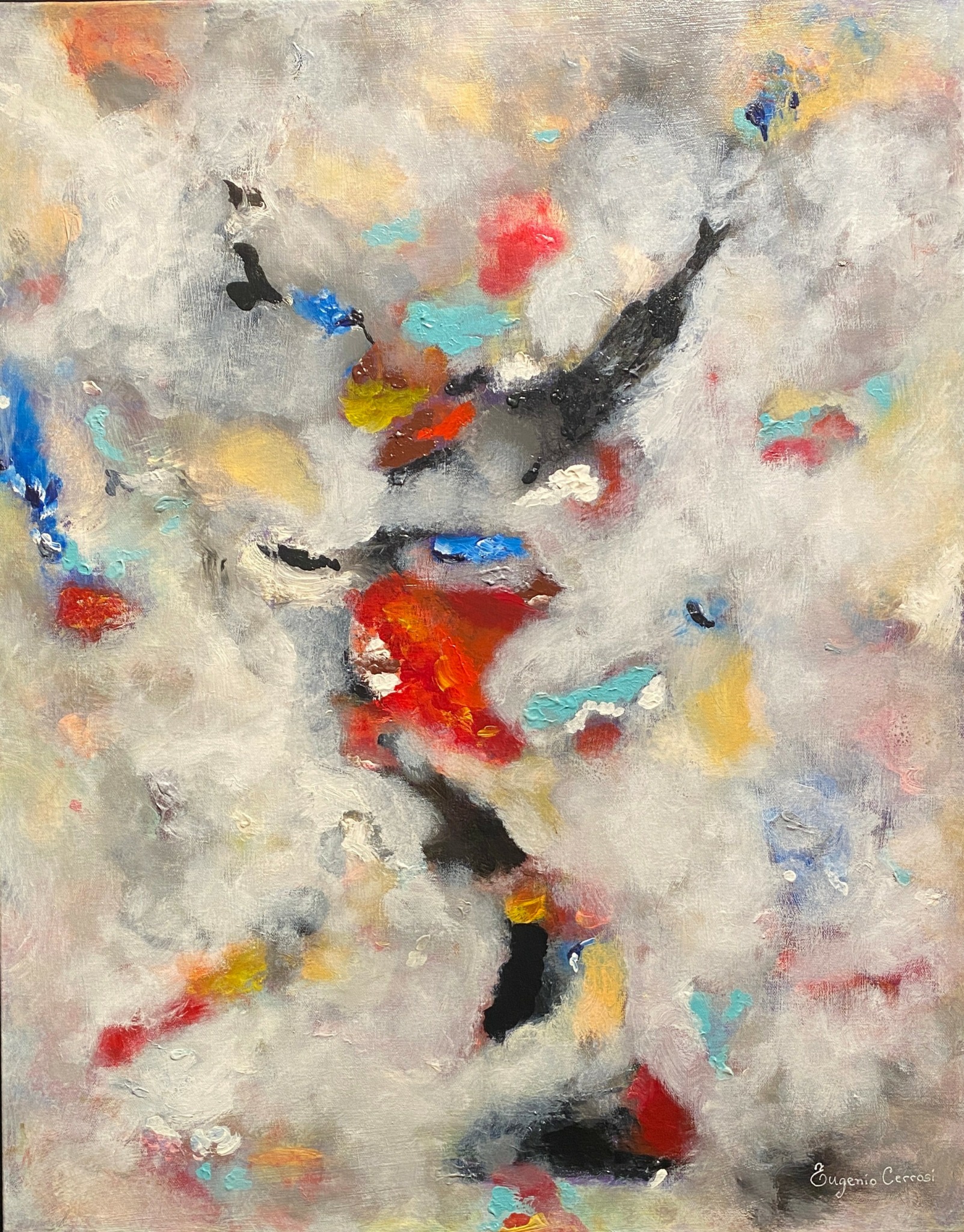
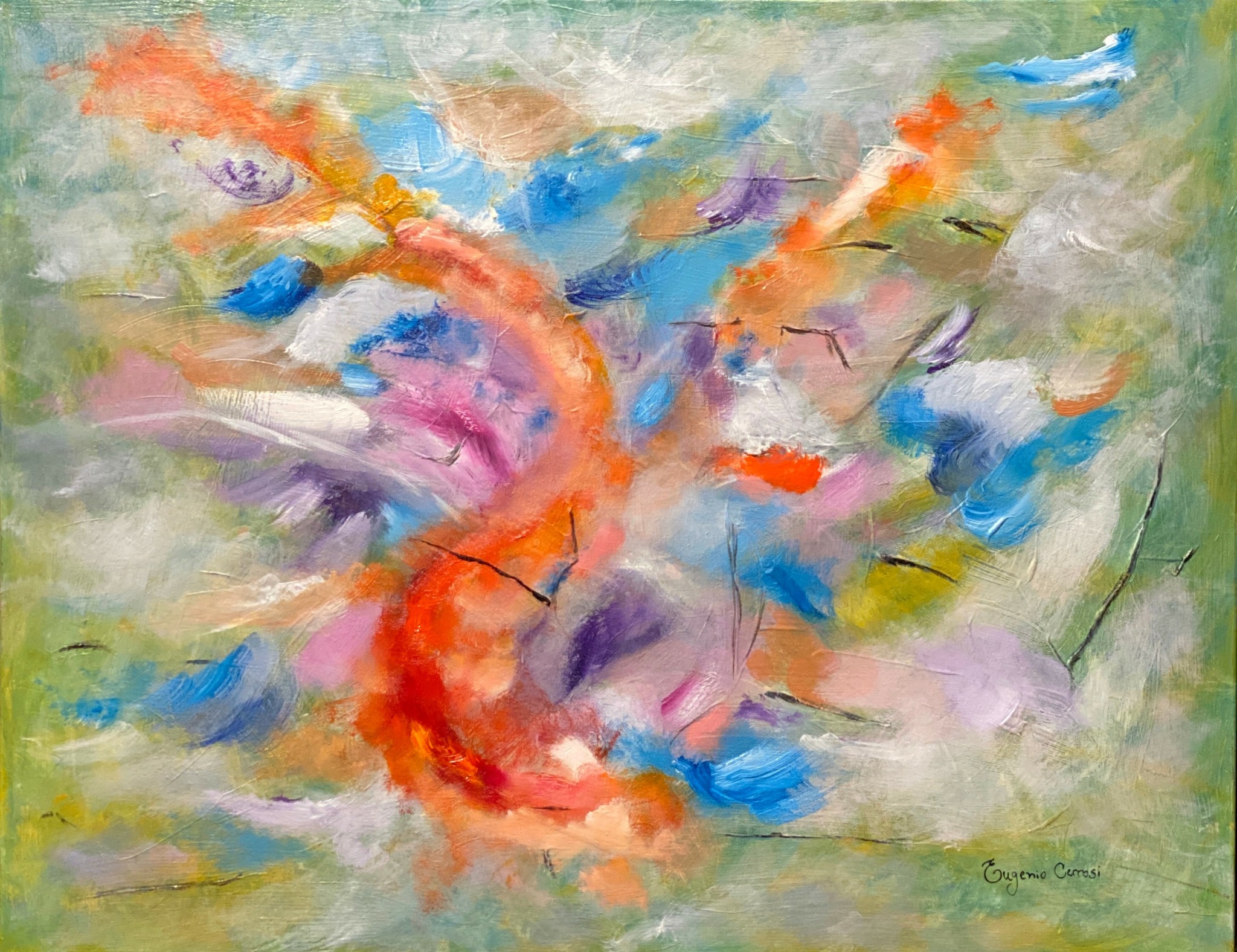
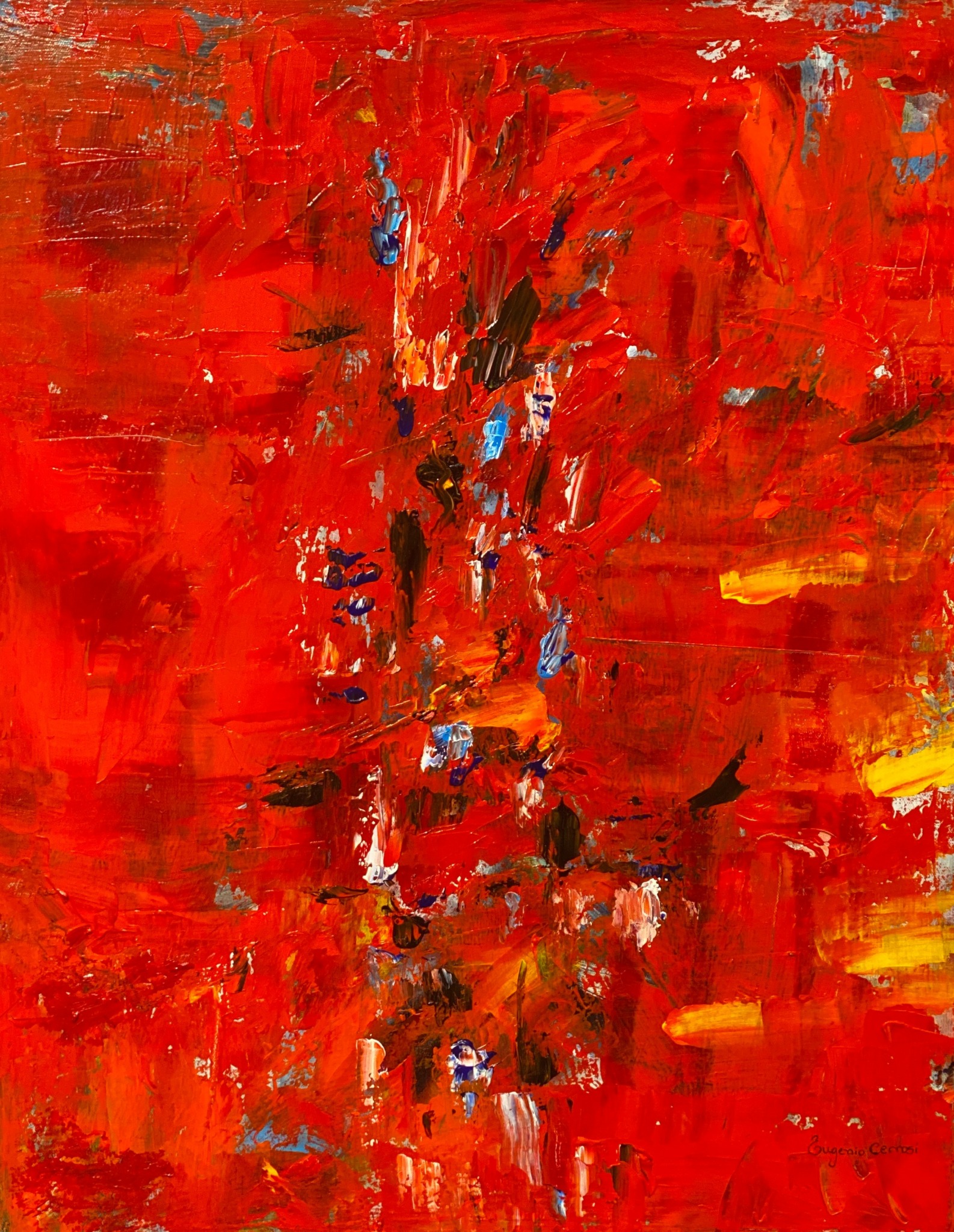
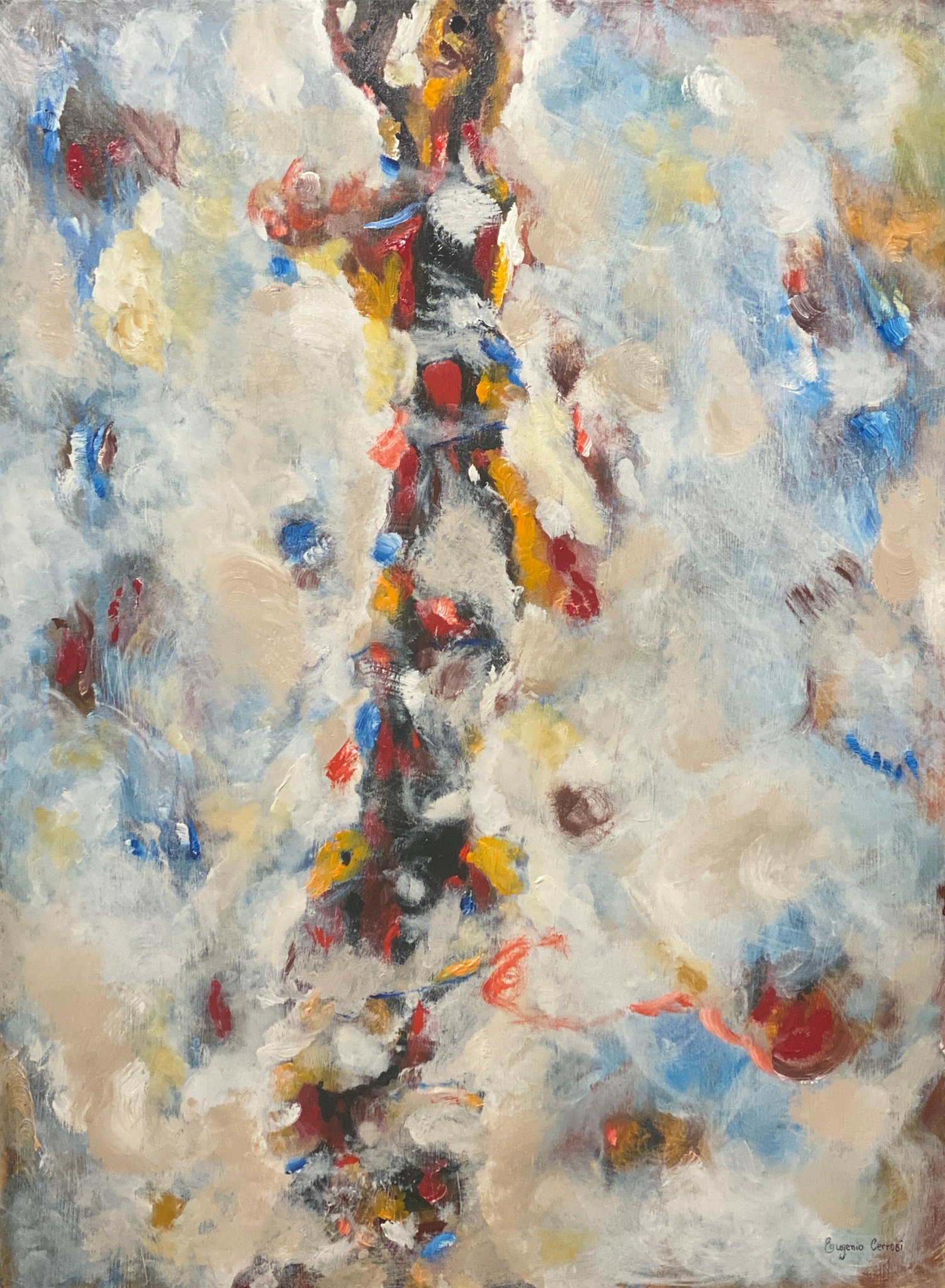
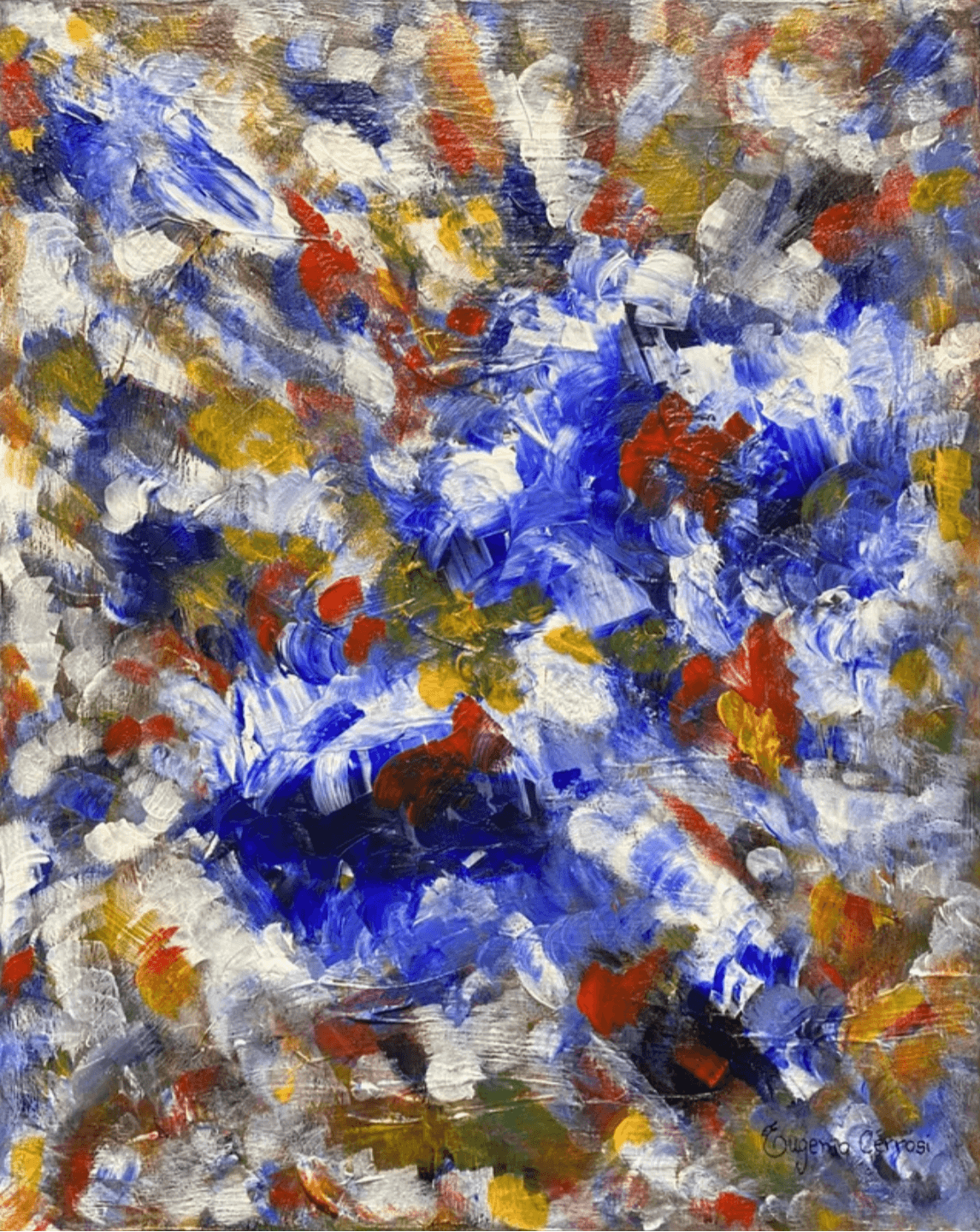
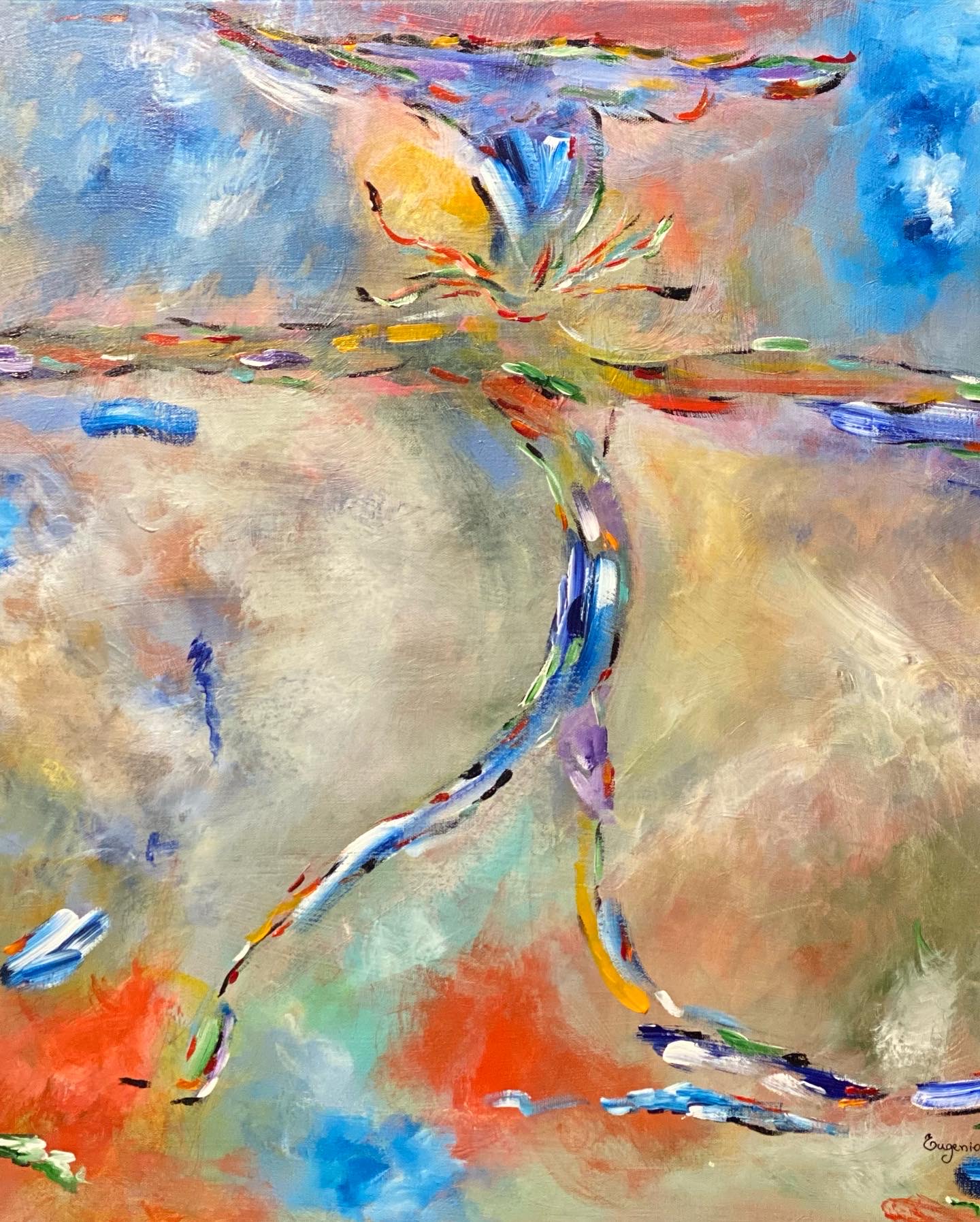
I was born in Brazil of Italian parents, and I have resided in the United States for the past twenty-four years. Interestingly, I have three citizenships—U.S., Brazilian, and Italian. I primarily work with acrylics and oil on canvas (and, to a lesser extent, on wood) in what has been described as abstraction with unique depth and movement. I draw from a wide-ranging palette that can be seriously dark and even foreboding to light pastels that border on whimsical. I am also a classical pianist, music teacher, and a collector of abstract and cubist art. I am a self-taught artist and hold two Master’s degrees in other fields.
When I first started painting at a young age, I wondered, since my works were abstractions, how I would know when a piece was finished and how would I know the “meaning?”
Now, years later, I know that a piece of my art is finished when it gives me a resounding shiver in my spine and a tremor in the pit of my stomach. And….those signals give me confidence that my work will evoke a kindred, but not necessarily the same, response for a fellow human who views it. It is my hope that a sense of drama, or movement, or tension, or depth, or even subtleness will flow through me and my brush and onto my canvas. I am overjoyed but humbled when two or three of these elements spring to life in a single piece, and occasionally jubilant when all five are captured.
As for the“meaning” question: My answer now is always the same, “What it means to me is not significant; what it means to you is what matters.”
I name some of my paintings and with others I let the purchaser create a name based on what they see and experience when interacting with the painting,
Learning and unlearning are both critical parts of growth – can you share a story of a time when you had to unlearn a lesson?
While I have always been proud of my paintings, I struggled–and to an extent still struggle–with the notion that my creative work, my paintings, had significant monetary value. Pricing my work always involves a battle of sorts. I realize that my paintings are good and that my collectors and others are willing (even eager) to pay several thousand dollars for one of them. But each time I price a new piece or a whole show, I have a battle with that inner demon that says, “You’ve got to be kidding.” Early on, I routinely gave large discounts much too freely. While I have partially tamed that demon, I frequently have to remind myself that artists (including me) provide a valuable service, and we should not be fearful of letting the marketplace dictate that value.
What’s the most rewarding aspect of being a creative in your experience?
There are many rewarding aspects of being an artist. Just looking at a piece and saying, “WOW!” But the most rewarding part of creating art is seeing the emotion and appreciation it brings to those viewing it. To see the smile that some pieces stimulate or the tears that other pieces evoke. To witness the wonder that is displayed when someone “gets it.” I will give you an example. Well over a year ago, I painted a tribute to Josephine Baker; she was the famous African American entertainer from the 1920’s who fled to France to escape the career-limiting segregation in the United States. The hommage that I created to her was a large work–48″ x 60″. Of course, it was abstract, but to see the face of a viewer light up when they “saw it,” was rewarding beyond words and beyond the dollar value that the work brought,
Contact Info:
- Website: https://www.artisteugeniocerrosi.art
- Instagram: https://www.instagram.com/eugeniocerrosi
- Facebook: https://www.facebook.com/eugeniocerrosi
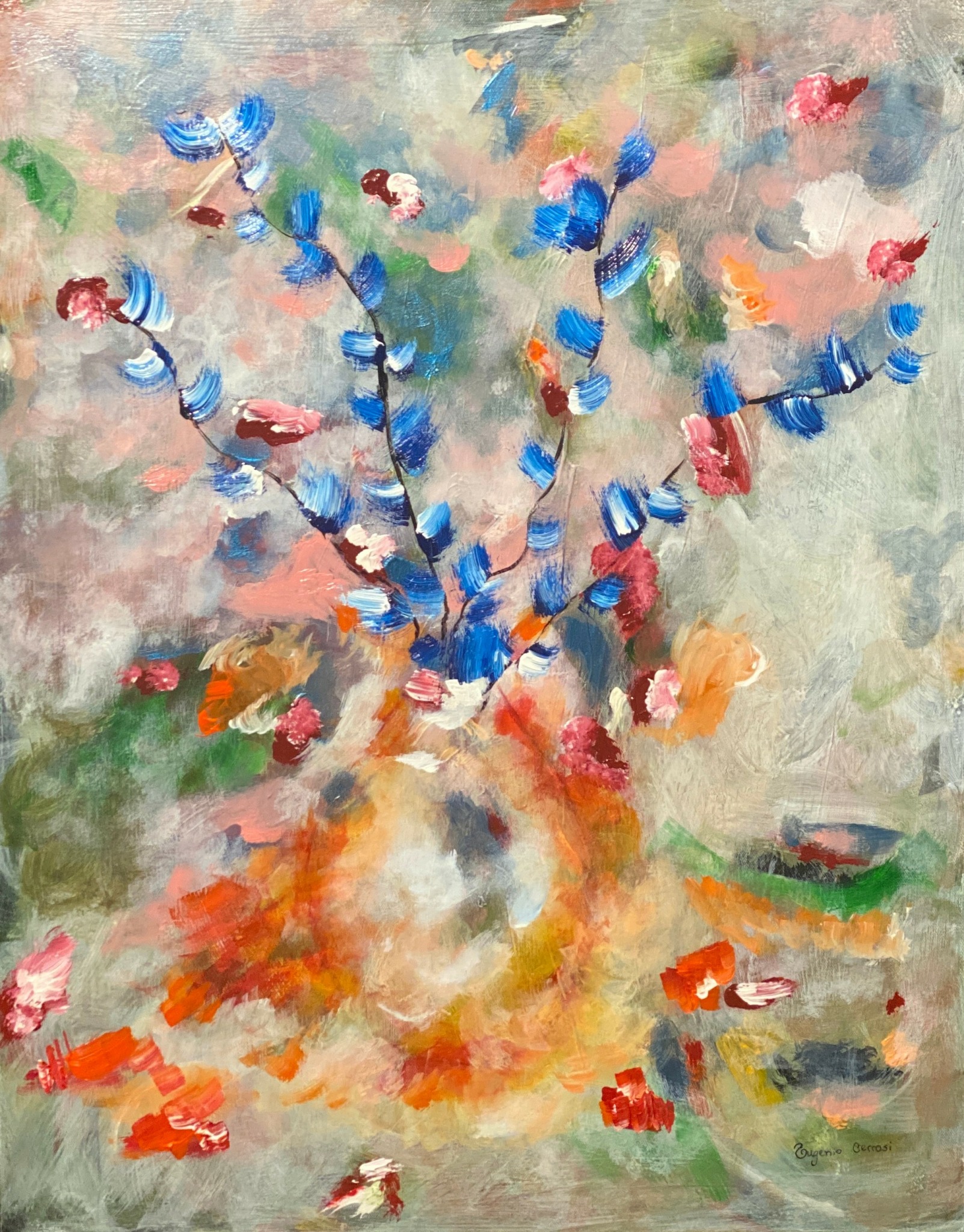
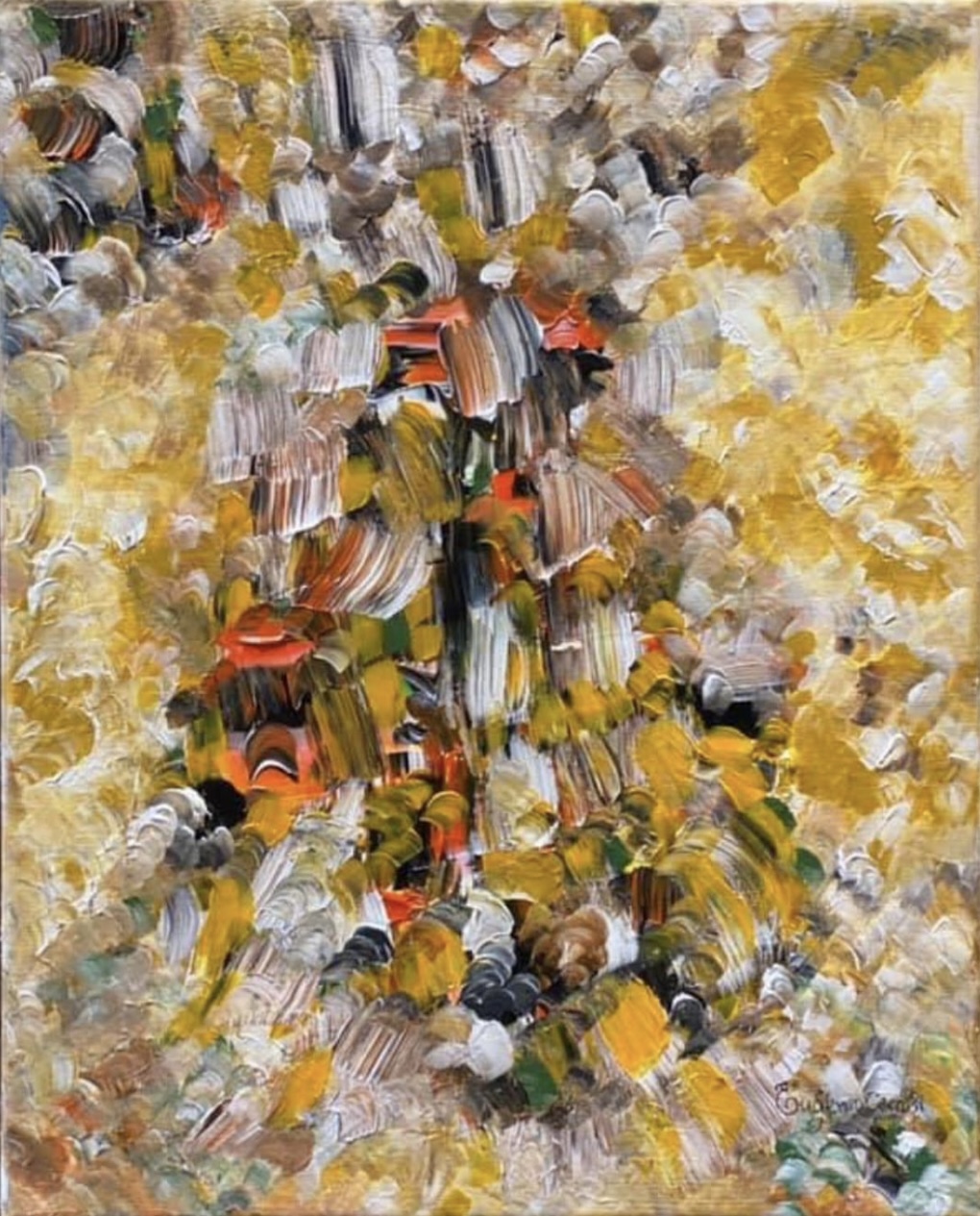
Image Credits
n/a