

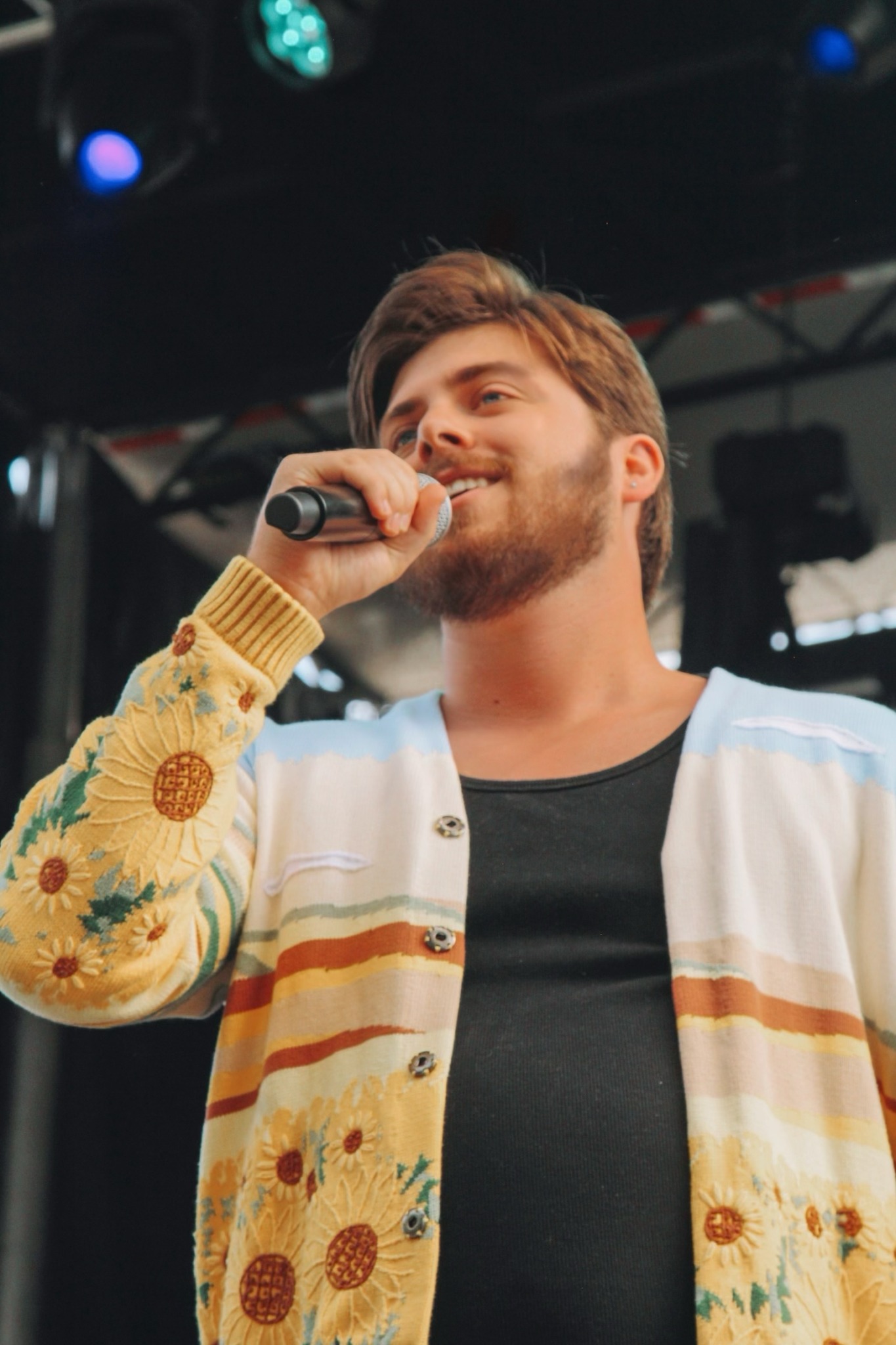

We were lucky to catch up with Spencer Sanders recently and have shared our conversation below.
Hi Spencer, thanks for joining us today. What did your parents do right and how has that impacted you in your life and career?
My parents instilled in me a love of music and arts from a very young age. Some of my earliest memories were perusing art galleries, attending music in the park, and listening to Rachmaninoff on the way to school. They taught me to listen to my gut, always stand for what’s right, and to make the world a better place by being in it. They’ve been endlessly supportive of my music, and I’ll be forever grateful.
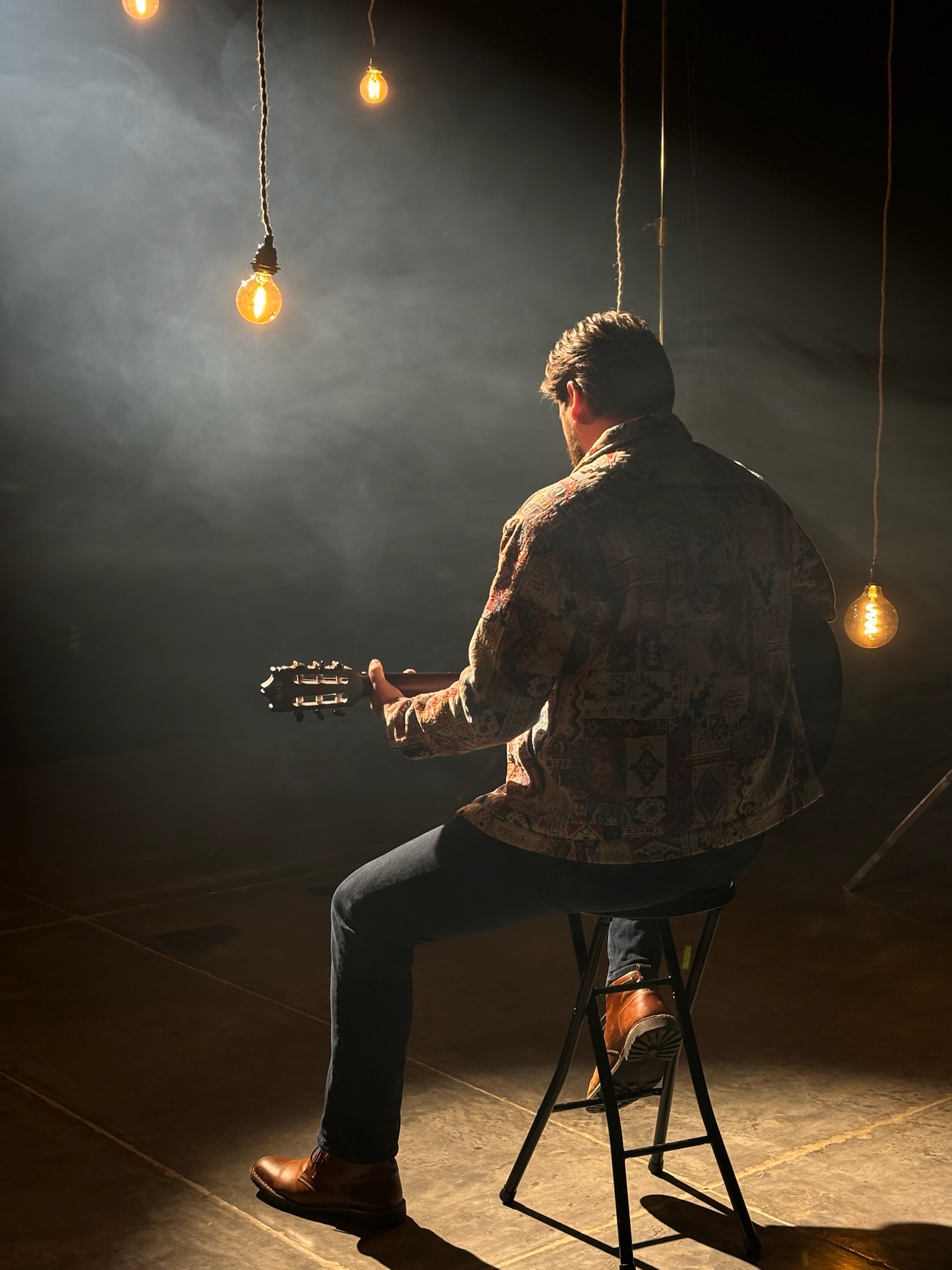
Awesome – so before we get into the rest of our questions, can you briefly introduce yourself to our readers.
I’m someone who never learned to sit still. Whether it was the moving to five different places as a kid, or the ADHD diagnosis, I’ve always loved moving, exploring, and finding “what’s next.”
My journey with music began in the simplest way—banging on pots and pans at three years old. By six, I was playing piano, violin at twelve, ukulele at sixteen, and guitar by twenty-two. But even as I explored different instruments, I didn’t fully embrace the title of “musician” until I began playing and singing the songs I’d written about my life.
I’d been a creative for years, writing poems, stories, and plays. In high school, I wrote a two-act musical. But it wasn’t until the pandemic that I gave music everything I had. Like many artists, quarantine forced me to reflect and create without distractions.
I wrote songs about feeling ostracized at a religious school, finding myself as guide in Yellowstone National Park, escaping to San Francisco to be with my boyfriend, and then watching that relationship fade into tragedy.
I have a remarkable family that have ridden this journey with me through every twist and turn, and I’m proud to say they’ve become some of my dearest friends. My parents specifically were the ones to fan the flames of every creative endeavor I’ve had, from attending my debut at the Utah Shakespeare Festival to accompanying me for my first time recording in a Nashville studio.
My debut album, Almanac: Volume 1, is a product of those tumultuous days, with many songs written in isolation. Music has often been my way of processing emotions—whether it’s 3 a.m. at my piano or tapping out a rhythm on the steering wheel in rush hour traffic. It’s been a dream seeing my little songs come to life and have the world embrace them. I can’t wait for what’s ahead.
The road to where I am today has been anything but smooth. While I’m lucky to have had early support for my mental health diagnosis, living with bipolar disorder comes with challenges. It’s easy to feel paralyzed by overwhelming emotions, and I’ve faced moments of losing friendships and driving people away. But my incomparable mother knew exactly how to help me navigate those minefields, as she’d faced her own journey through it herself. I’m forever grateful for her helping me find stability.
I’ve also received a lot of opposition as a queer man, whether intended or accidental. I experienced a lot of internal conflict growing up gay and religious, and it wasn’t helped by the death threats I received from extremist groups at college. Though, experiencing their extreme hate taught me to trust people not by their empty sentiments, false kindness, and proclaimed righteousness, but by their actions. It took me years to find my footing and approach life and love with confidence, but I’m happy to say it does get better.
As an artist, I’ve also wrestled with finding my voice and confidence in a competitive industry. There’s vulnerability in sharing your most intimate emotions with the world, and learning to embrace that has taken time. Yet, every obstacle has also been an opportunity for growth and inspiration. The struggles have fueled my songwriting, allowing me to create music that connects with others navigating their own highs and lows.
In hindsight, the challenges have been integral to my journey. They’ve given depth to my artistry and shaped the stories I’m now proud to share with the world.
I’m a singer-songwriter who creates music that delves into the complexities of love, identity, and mental health. My debut album, Almanac: Volume 1, reflects the highs, lows, and the ache of the in-between moments of life, blending genres like folk, Americana, chamber pop, and indie rock to tell deeply personal stories. Each song represents a different emotional state, from heartbreak and loss of friendship in “Rust” to self-acceptance and joy in “Golden Age.”
What sets me apart is my ability to transform life’s extremes into music that feels both intimate and universal. As a queer man navigating life with bipolar disorder, I bring a unique perspective to my work, combining emotional honesty with a genre-bending sound. My songs are raw, vulnerable, and unafraid to explore the realities of life, creating a connection with listeners who’ve faced similar challenges.
I’m most proud of how my music resonates with others. It’s been incredible to get random messages from strangers on social media, telling me how important my words are to them. I’m very proud of my abilities as a lyricist, and knowing that the stanzas I drafted in my Notes app have helped people find healing means the world to me. My goal is to always leave people better than I found them, and I try to do that with my music. That doesn’t mean only singing positive, happy songs. I believe that in order to climb out of a hole, people need to hear the stories from those who have been stuck there, too. At its core, my work is about turning personal struggles into something meaningful, rainbows after a storm.
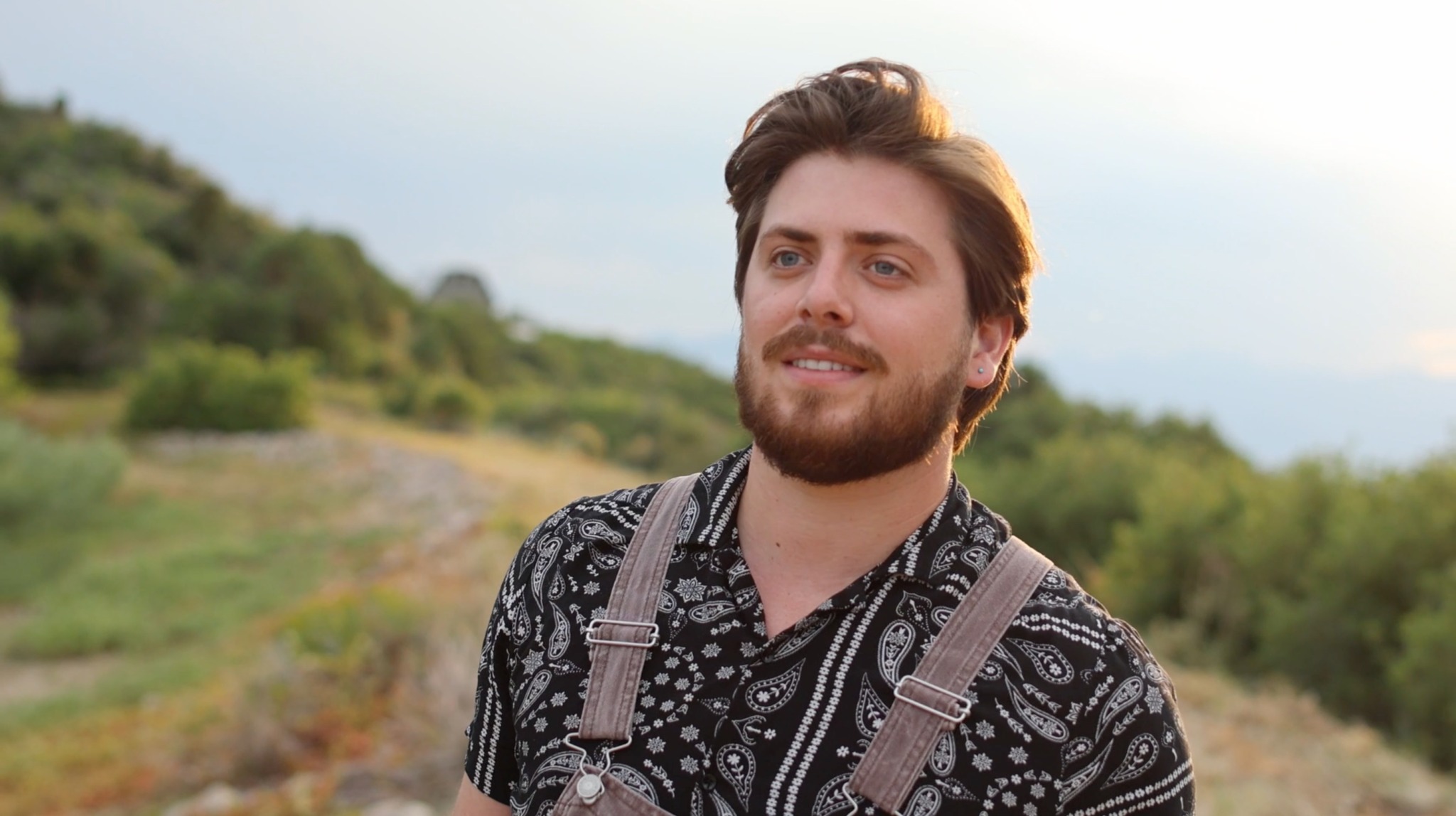
What do you think is the goal or mission that drives your creative journey?
While many queer artists target listeners in metropolitan areas, I like to think I make music for the small town LGBTQ+ community. I want to highlight how difficult and brave it is to be yourself in places that are often openly antagonistic. It’s easy to be yourself in an echo chamber, but it’s much harder in the wide open spaces. I want to bridge together communities, shed light on universal human emotions, and promote healing for wounded hearts.
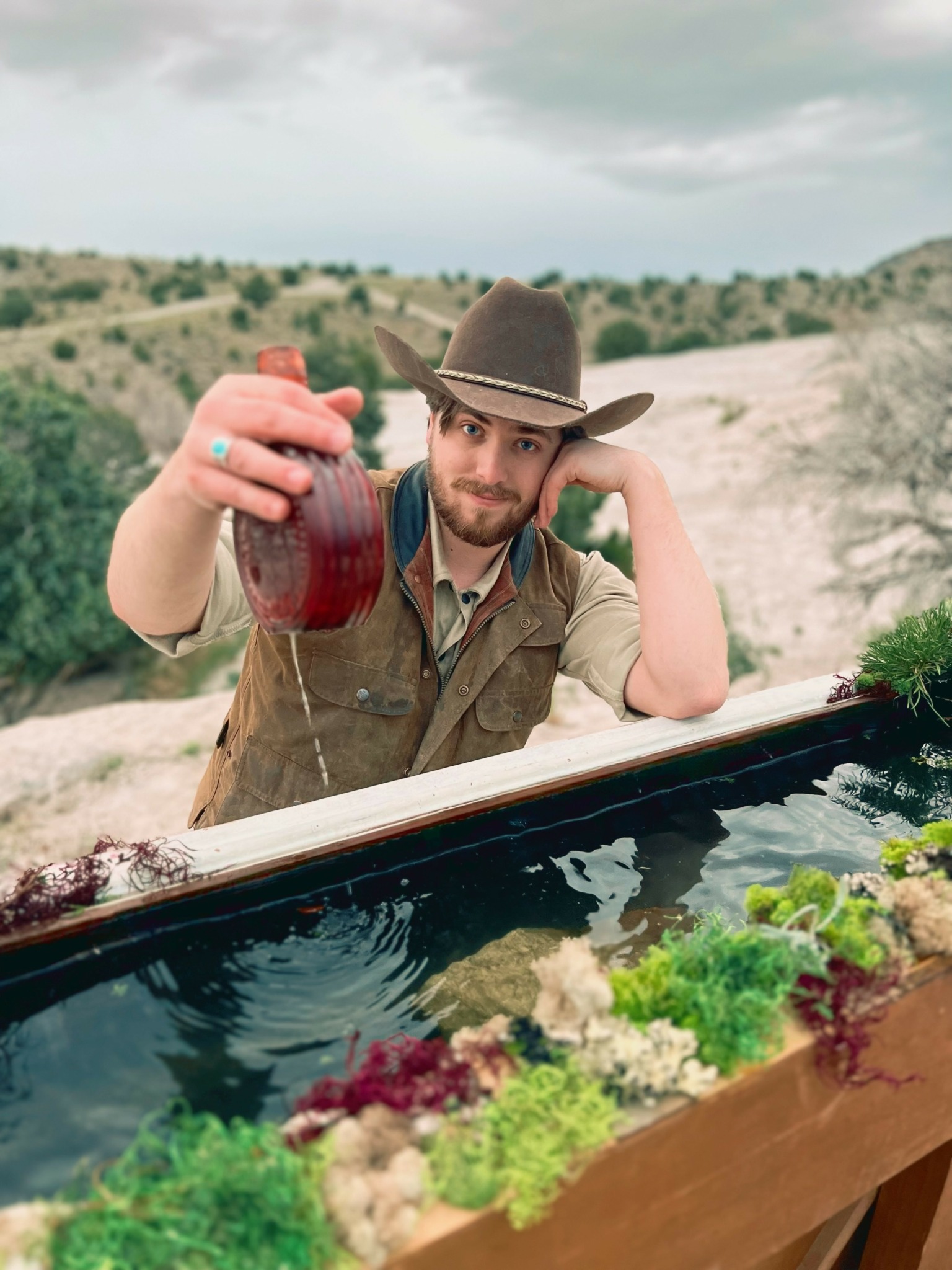
Is there something you think non-creatives will struggle to understand about your journey as a creative? Maybe you can provide some insight – you never know who might benefit from the enlightenment.
The world is so saturated with entertainment that it’s far too easy to become a casual consumer. We go to a movie and leave as the credits roll, we switch on the radio listening for curated top hits, and we allow algorithms to send us the most-liked content. What I hope people will grasp when they stumble upon my independent music is the importance of connecting personally with art and the artists behind it. It’s impossible to understand every nuance of my experience from my music, but I hope that in coming to know my thoughts, feelings, and desires through my songs, they’ll come to know me. I’d like my music to help develop a culture of empathy, not just start a TikTok dance trend. Together we’ll find emotional grounding and perspective that isn’t often available in mass media.
Contact Info:
- Website: https://spencersanders.com/
- Instagram: https://www.instagram.com/seeminglyspencer/
- Youtube: https://www.youtube.com/channel/UCaCXhuC7YEiYlsWfQ66wFug
- Other: https://www.tiktok.com/@seeminglyspencer
https://music.apple.com/us/artist/spencer-sanders/1729460504
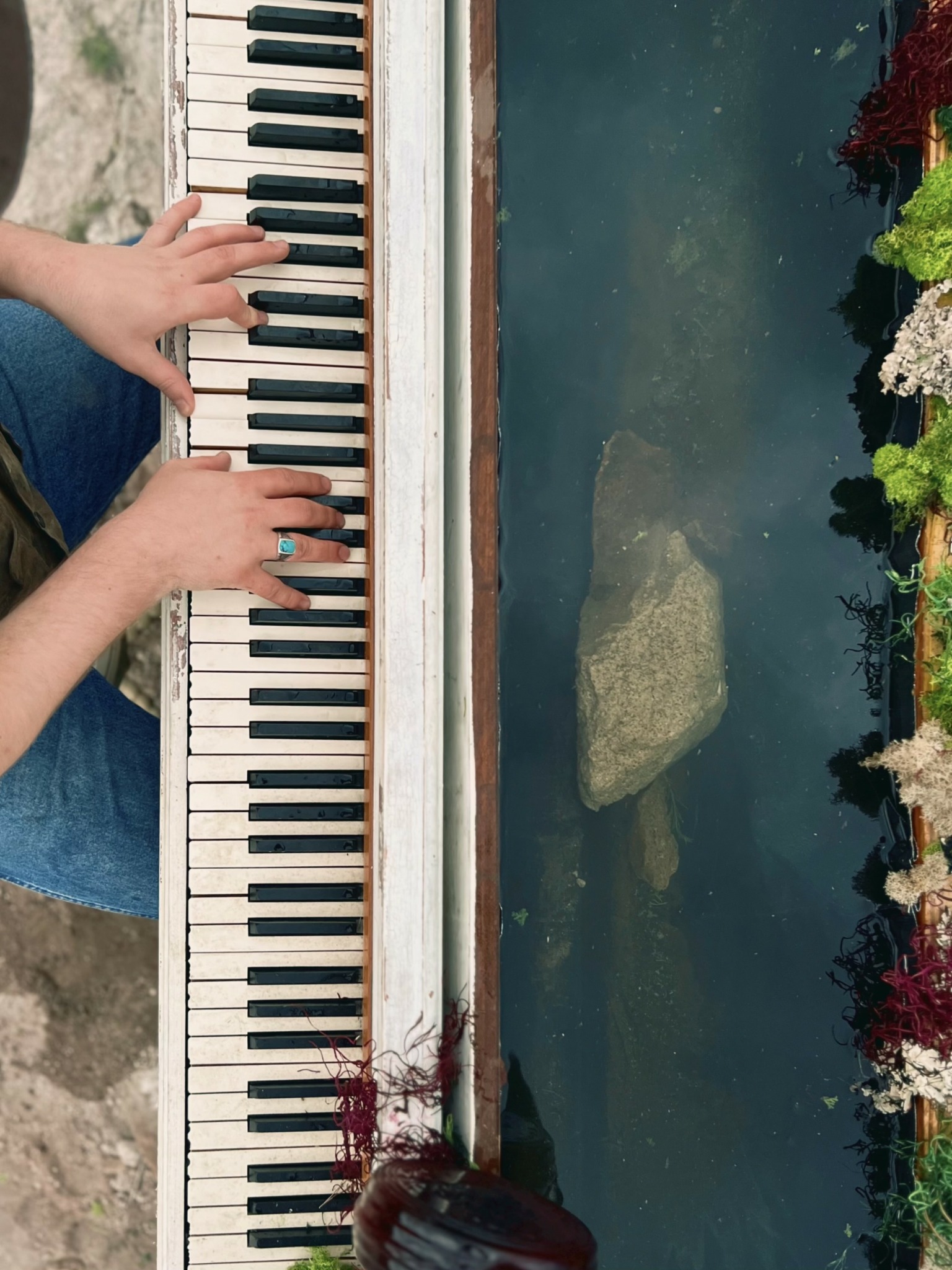
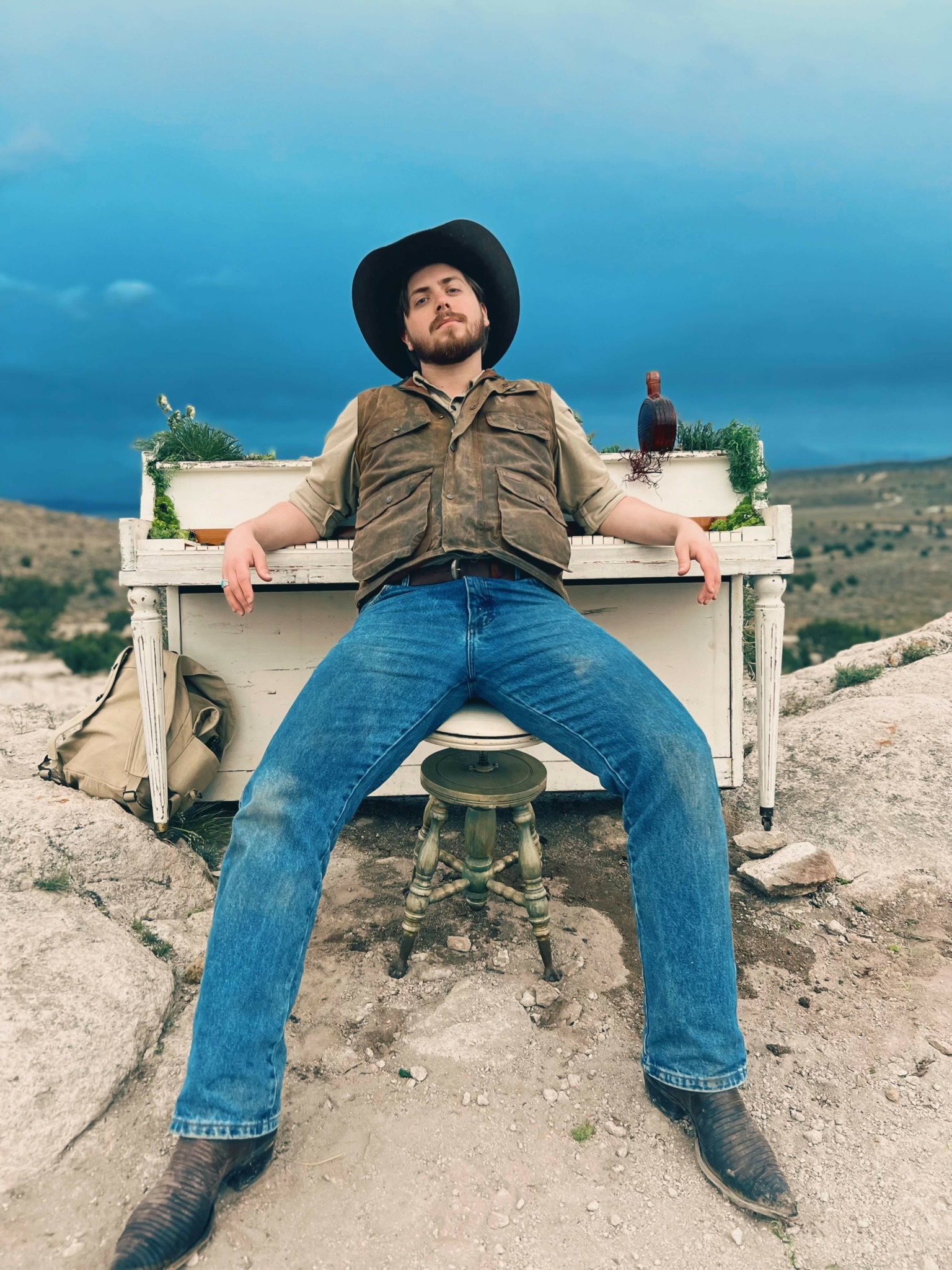
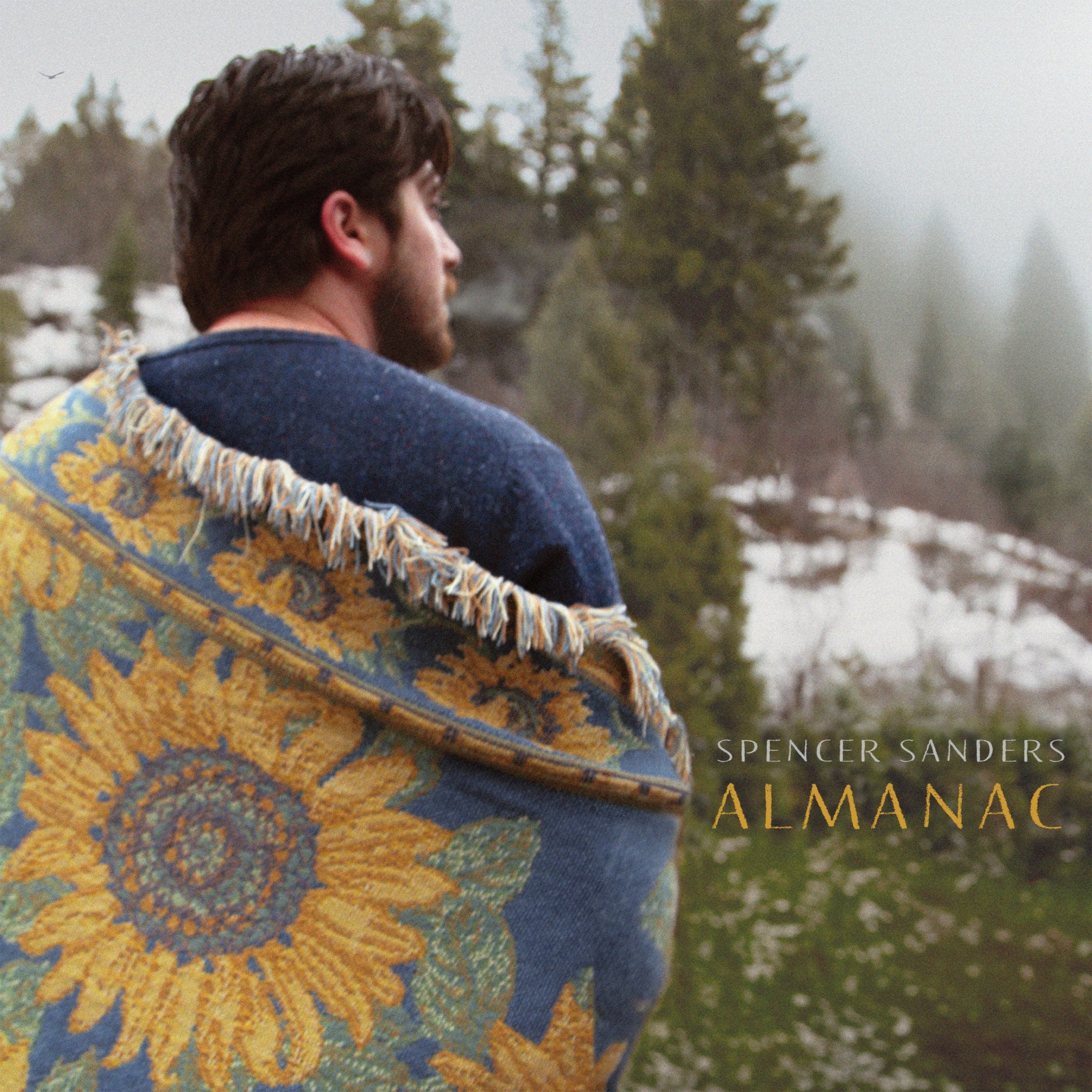
Image Credits
Whitney Ashby, Brennon Harding, Mira Plummer.