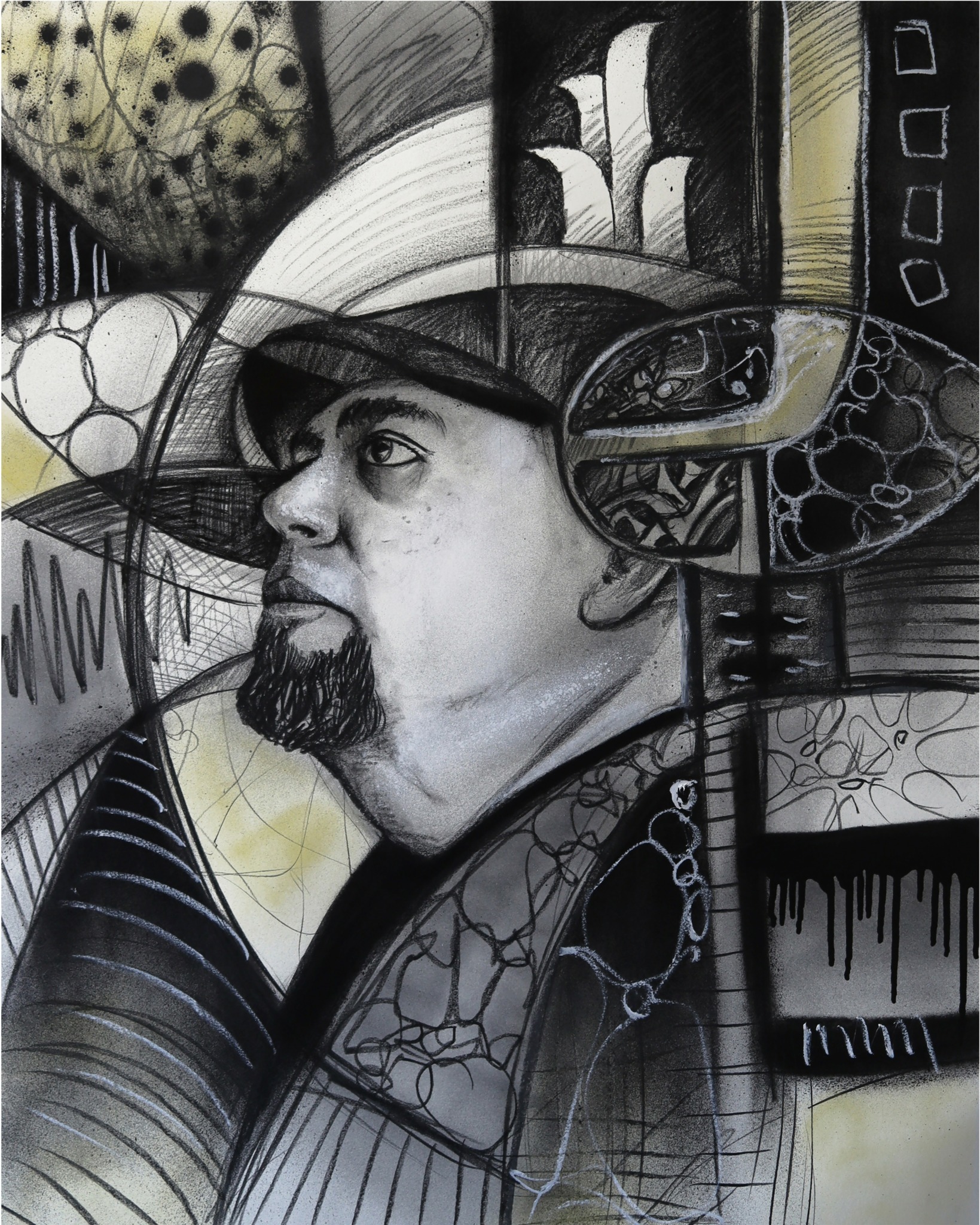

We caught up with the brilliant and insightful Juan D. Estrada a few weeks ago and have shared our conversation below.
Hi Juan D., thanks for joining us today. Are you happy as a creative professional? Do you sometimes wonder what it would be like to work for someone else?
The last time I worked a regular 9-to-5 job was in 1996, for the Los Angeles Conservation Corps. I remember struggling to find another job afterward; no one would hire me. Desperate for support, I went to the welfare office, where they offered me a temporary “earn welfare” job. I spent one month working at the county social services office, wearing a suit and tie, helping staff with filing, and even offering productive advice. Some of the workers thought I might be the new supervisor. When they asked, I said, “No, I’m on welfare.”
After the month ended, I expected a paycheck in the mail, but it never came. I returned to the office to ask about it and was told the funds had been loaded onto my county card. Curious, I asked how much I had earned for the month of work. They said, “$200.” I was shocked—my rent alone was $600 at the time. That’s when I knew I had to take matters into my own hands.
I bought some paint and went to a local burger stand, asking if I could paint a burger on their window for $50. They agreed. I went above and beyond, adding fries and a Coke to the design. They loved it so much, they paid me $200 for the job. In that moment, I realized art, when done with passion, could be more than a hobby—it could be a full-time career.
A few months later, I landed a bigger project. The client issued the payment in the name of my fictitious business, but I didn’t have a DBA (Doing Business As) or a business bank account. The check was for $5,000, and I had only 90 days to get everything in order or risk losing the payment. I rushed to the superior court, registered my DBA, and opened a business bank account just in time to cash that check.
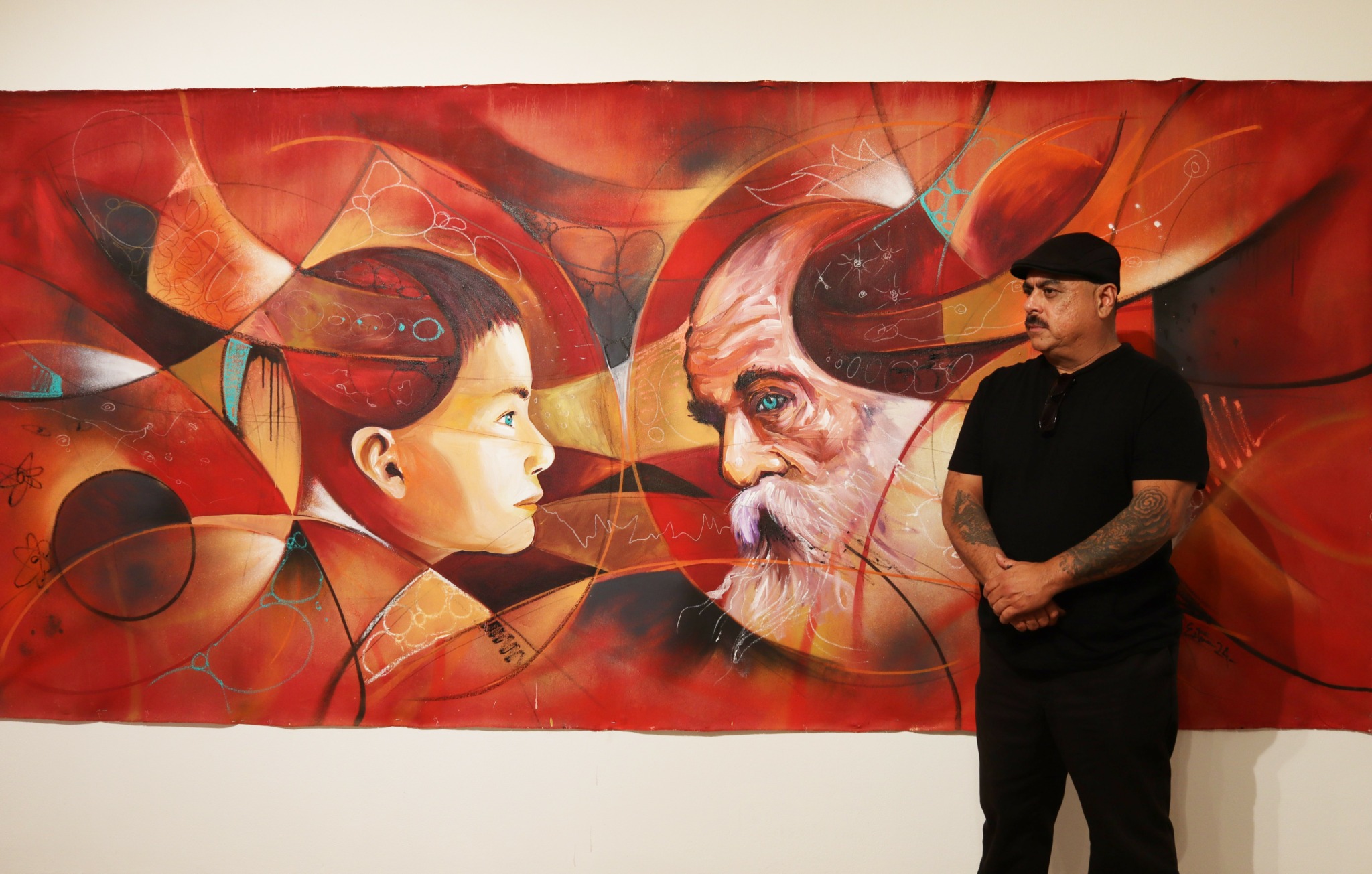
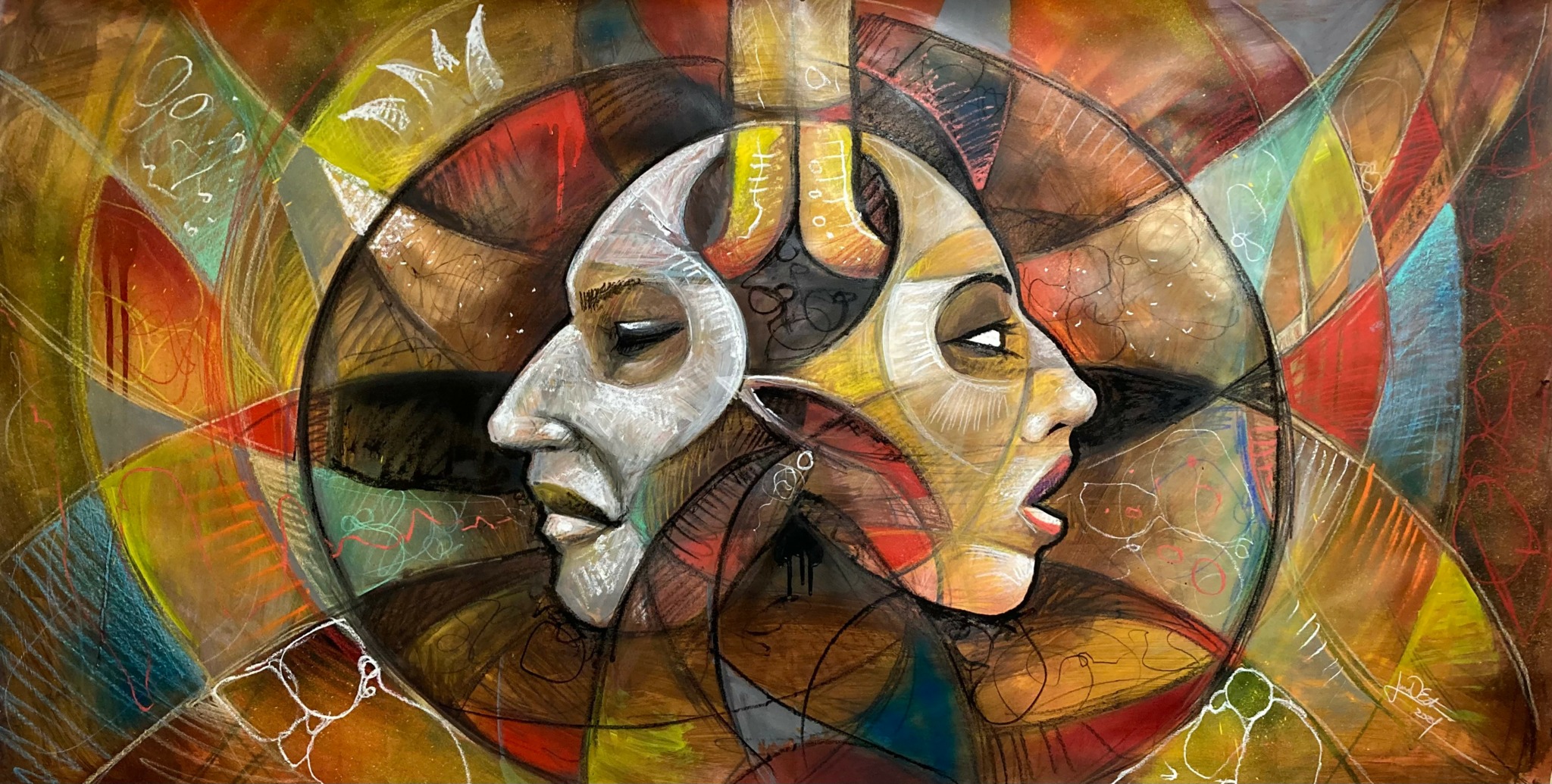
Since then, I’ve been running my art business and have sustained a full-time career as an artist for over 35 years. But now, as I grow older and find myself slowing down, I realize it’s time to pivot. My focus has shifted to creating fine art on canvas—a new and deeply satisfying “happy place” for me. My next challenge is to reinvent myself as a Master of Fine Art, market my work to a higher-end audience, and create pieces that hold greater value. It’s an exciting new chapter, and I’m ready to embrace it.
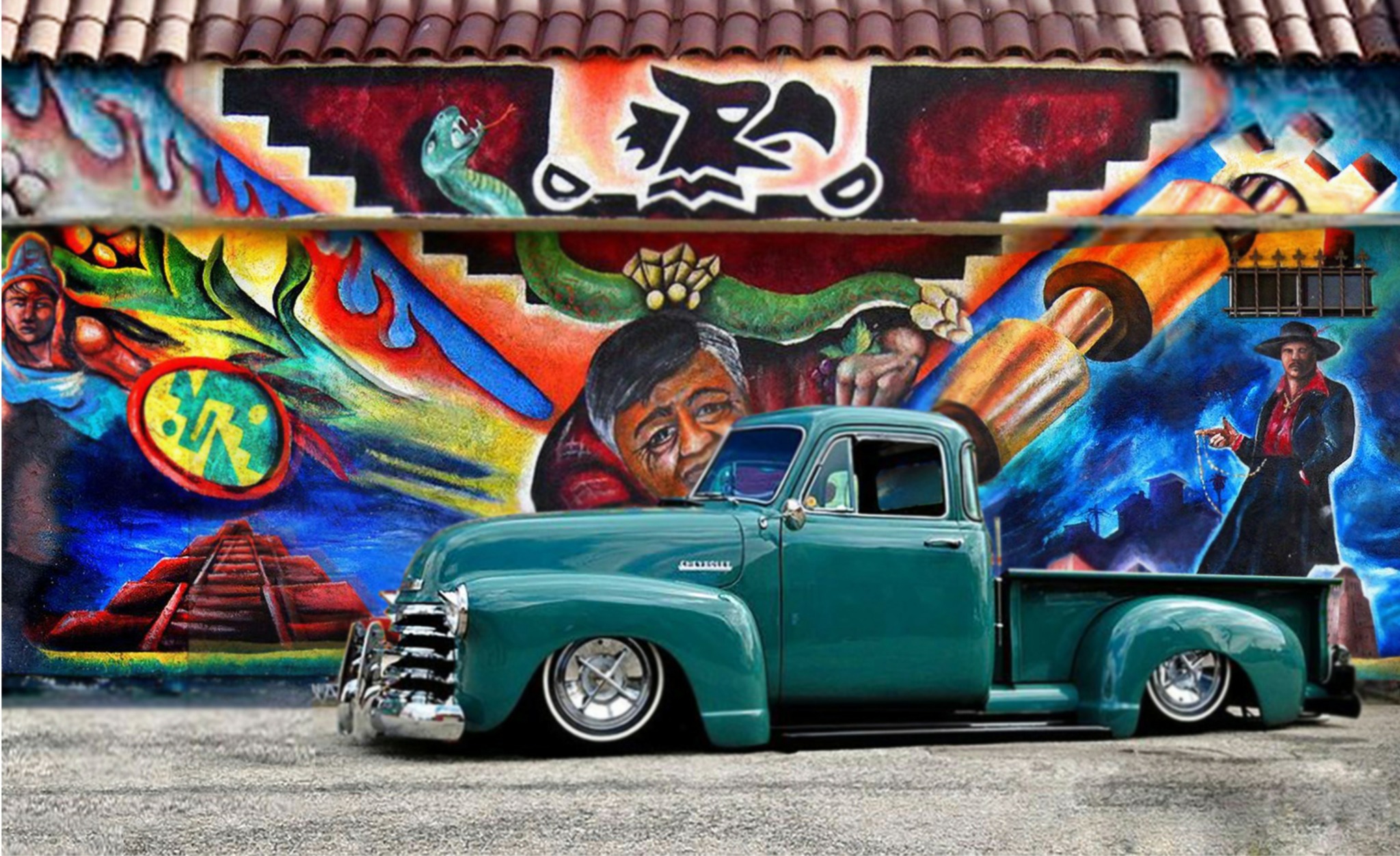
Great, appreciate you sharing that with us. Before we ask you to share more of your insights, can you take a moment to introduce yourself and how you got to where you are today to our readers.
People often assume that if you can draw, you should naturally become an artist. But art is far from a straightforward path—it’s a journey with countless roads and finding the right one can take years. I’ve always had the ability to draw, but as a child, my circumstances were harsh. I lost my mother at age five and my father at age twelve. Survival became my primary focus, leaving little room for creativity.
I worked every summer, and in high school, my main goal was to join the United States Marine Corps. I envisioned a military career, possibly followed by a role in law enforcement. Despite this focus, I received recognition for my artistic talent, winning scholarships for ceramics workshops at Cal State Los Angeles and life drawing classes at Otis Art Institute. However, these opportunities didn’t resonate with me at the time—my sights were set on the Marines.
Upon graduation, I was informed I had earned a full scholarship to Otis Art Institute and had been accepted to USC. Despite these achievements, I still went to the USMC Military Entrance Processing Station. That’s where my plans came to an abrupt halt—I was permanently medically disqualified. Stunned and unsure of my future, I ultimately accepted the full scholarship to Otis Art Institute.
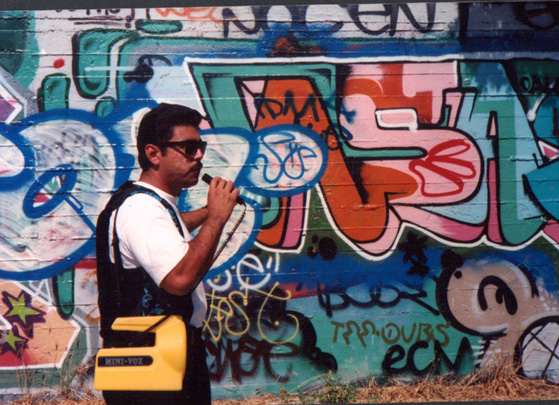
By then, I had already started developing my personal art style as a graffiti artist in high school. Inspired by the New York subway artists, I hoped to bring elements of street art to art school. However, in 1985, graffiti was still too new and unconventional to gain acceptance in academic circles. What I did learn in art school, though, was the importance of quality craftsmanship. Even a drip in my work had to be intentional and purposeful.
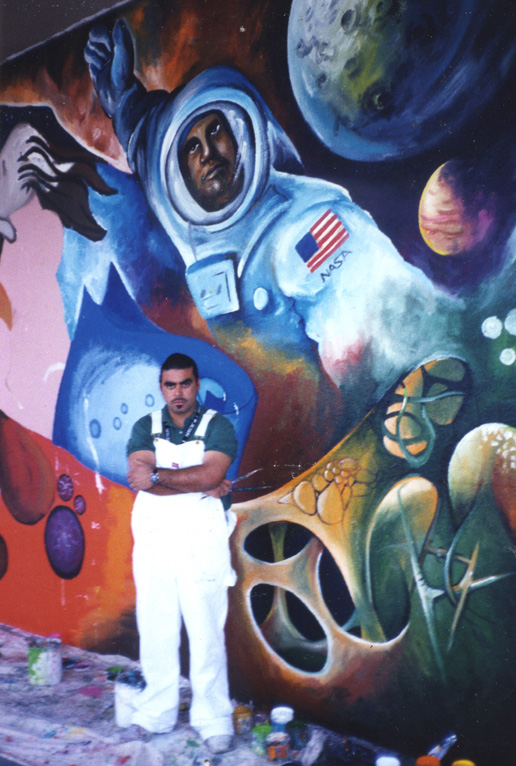
I began my art career as an illustrator and graphic designer but quickly realized the rigid structure of that field didn’t suit my spontaneous and innovative nature. So, I shifted my focus to fine art. While still in my first year of art school, I received my first public art commission and was already painting murals and taking on private commissions.
Growing up as an orphan taught me that nothing comes for free; everything worthwhile requires offering value. I learned to take risks, often saying “yes” to opportunities and figuring out the details later. This mindset made me a self-starter, always seeking bigger challenges. Repetition and simplicity bore me—I’m driven to look beyond the obvious.
When a client approaches me with a project, my goal is always to exceed their expectations. I call this my “trajectory.” If the objective is to deliver a solution, I aim far beyond that, ensuring the final result leaves my clients in awe. I don’t charge extra for going above and beyond; instead, I rely on the quality of my work to speak for itself. When clients’ jaws drop, I know I’ve succeeded.
This approach has built my reputation. My clients consistently recommend me, and I’ve never needed to actively promote my services—opportunities come to me.
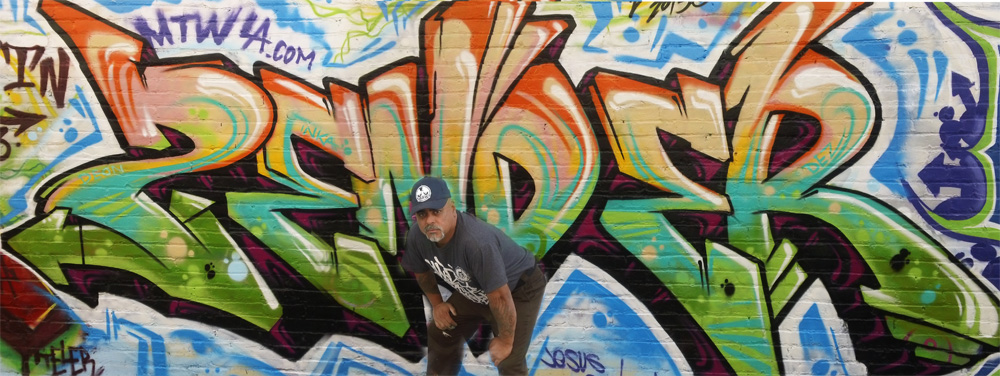
How about pivoting – can you share the story of a time you’ve had to pivot?
I am the master of change.
When I first started my art business, I began as a sign painter. This skill allowed me to provide essential services to others, which eventually led to public art projects. Within two years, I painted over 200 murals in schools. While working in this field, I gained insight into the needs of nonprofit organizations, particularly their desire for workshops focused on group development. I shifted my company to meet this need, facilitating more than 300 art workshops for nonprofits. One of my most memorable workshops took place in Northern Ireland, where I worked with a community whose only murals were paramilitary in nature.
A few years later, I expanded into the fashion industry, launching a clothing brand that was carried by 11 stores. This eventually led to opening two large art supply stores in Southern California. Alongside these ventures, I taught art in after-school programs for youth, became certified as an at-risk youth counselor through Cal State Los Angeles, and trained as a CPR and first aid instructor.
These experiences taught me an essential truth: seasons change. Life is interconnected, often in ways we don’t immediately see. For a creative person, recognizing these connections is key to evolving and growing.
In parallel with my work in the social sphere, I pursued my personal art journey. I began exhibiting in the mid-1980s as a street artist and had the honor of showing alongside artists like Retna and Futura 2000. I learned from their techniques and styles but eventually realized that to grow, I needed to sacrifice the fame and prestige they were achieving. This led me to continuously reinvent my work.
My evolution was deeply influenced by murals and eventually drew me into the world of Chicano Art. I immersed myself in the rich history of the movement, absorbing its lessons and energy. However, while many Chicano artists thrived on protesting the art establishment, I felt a deeper need for personal and spiritual connection.
This desire for spiritual growth guided me toward Spiritual Abstraction. I found a gallery that represented my work and collectors who connected with it. For a time, I thought I had found my true calling. Yet, as I read about artists like Wilfredo Lam, Fernando de Szyszlo, and Roberto Sebastián Matta, I realized I was only scratching the surface of my potential.
I eventually settled into my current style, which I know wouldn’t have been possible without pushing myself to new levels of artistic understanding and influence. One lesson has remained constant throughout my many ventures: money and prestige can never replace the inner passion that drives a true artist.
This passion often required personal sacrifices. I recall standing at the Magic trade show in Las Vegas, on the brink of finalizing a major business negotiation for my clothing line. In that moment, I knew pursuing that path would mean painting less and stalling my growth as an artist. I chose passion over profit because, for me, art must always lead.
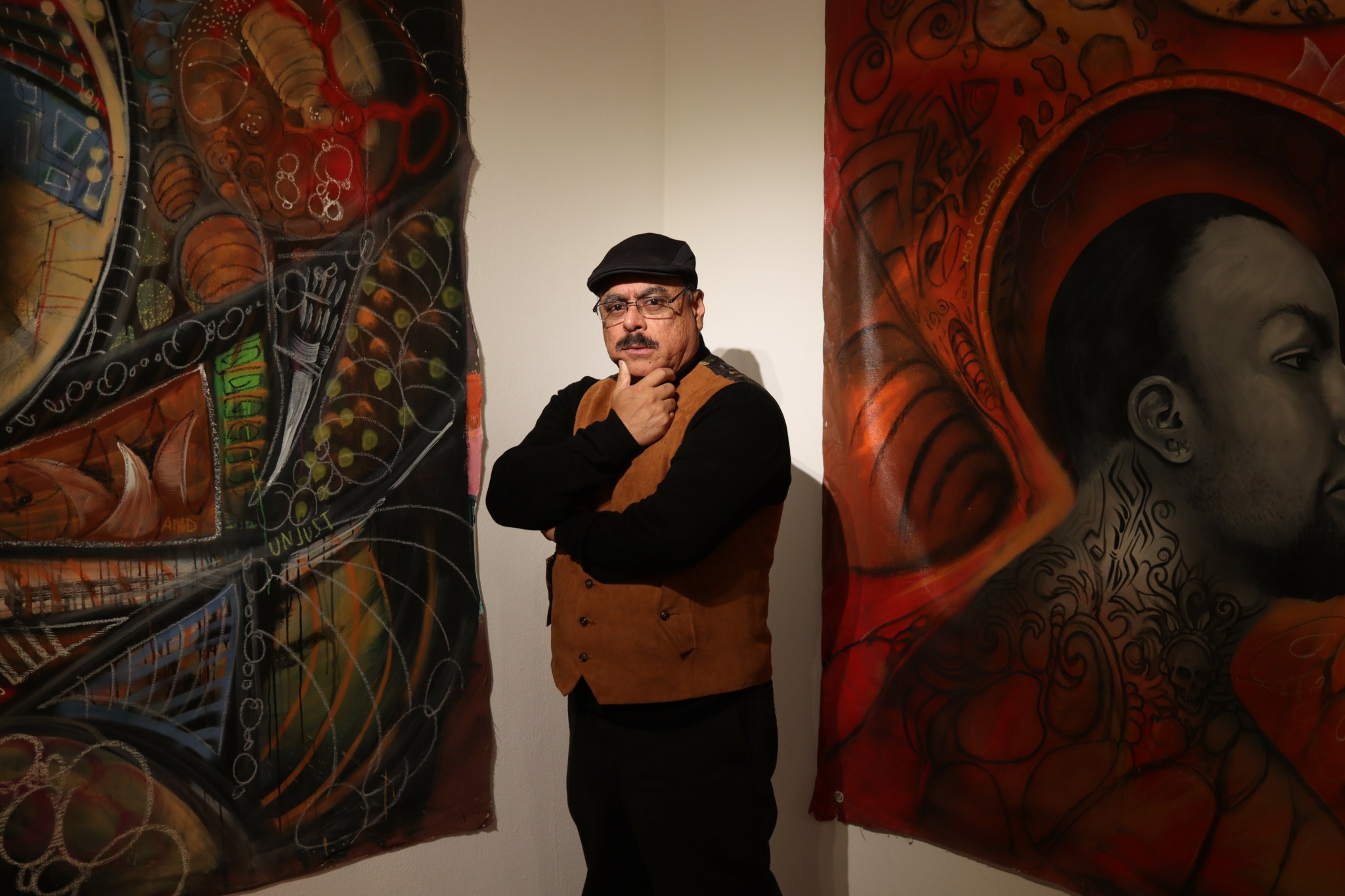
Is there a particular goal or mission driving your creative journey?
I recently became a grandfather, and as I hold my grandson, Lorenzo, I find myself pondering a question that weighs heavily on my mind: Will he understand my work? Will he even care? These aren’t just passing thoughts but profound questions about legacy and connection. I’ve always felt it is my responsibility as an artist to document and share the meaning behind my work. Without context, even the most personal creations risk being misunderstood or forgotten.
My goal is to write several books that delve into my art, my journey, and the stories embedded in each piece. These books would serve as a bridge, offering insight not only into my process but also into the deeper meanings and cultural connections behind my work.
I often ask fellow artists a question that I regularly pose to myself: What does your art say? There is art created for decoration, and there is art born from a desire to spark change, challenge perspectives, or convey a message. For those of us who have established ourselves in this field, our work carries the weight of responsibility. Does it speak in a way that is profound? Does it leave an impact that transcends its aesthetic value?
For me, art is more than what hangs on a wall; it is a conversation across time. When I create, I am not only speaking to my present audience but also to future generations. I want my grandson, Lorenzo, and others of his generation to look at my work and see more than colors and forms. I want them to see a window into my mind, my experiences, and the time and culture that shaped me.
This is why I strive to make my art meaningful, layered with history, spirituality, and personal narrative. I want Lorenzo to one day stand in front of one of my pieces and not only appreciate its beauty but also feel connected to the stories and emotions behind it.
To achieve this, I must do more than create; I must document, share, and engage. Writing about my work is an essential step in that process. Through books, I hope to leave behind a legacy that bridges generations, opening a dialogue between the past, present, and future.
Ultimately, my dream is that when Lorenzo and others of his generation encounter my art, they will feel its depth and recognize its relevance. I want my work to inspire them, challenge them, and encourage them to see the world—and themselves—in new ways. Art is my voice, and through it, I hope to speak clearly and powerfully to those who come after me.
Contact Info:
- Website: https://juandanielestrada.com
- Instagram: https://instagram.com/jdestradaart
- Facebook: https://facebook.com/johnzenderEstrada
- Linkedin: https://www.linkedin.com/in/zenderone/
- Youtube: https://www.youtube.com/@jdestrada1966
- Other: jdestudios.com
instagram.com/casmurals