

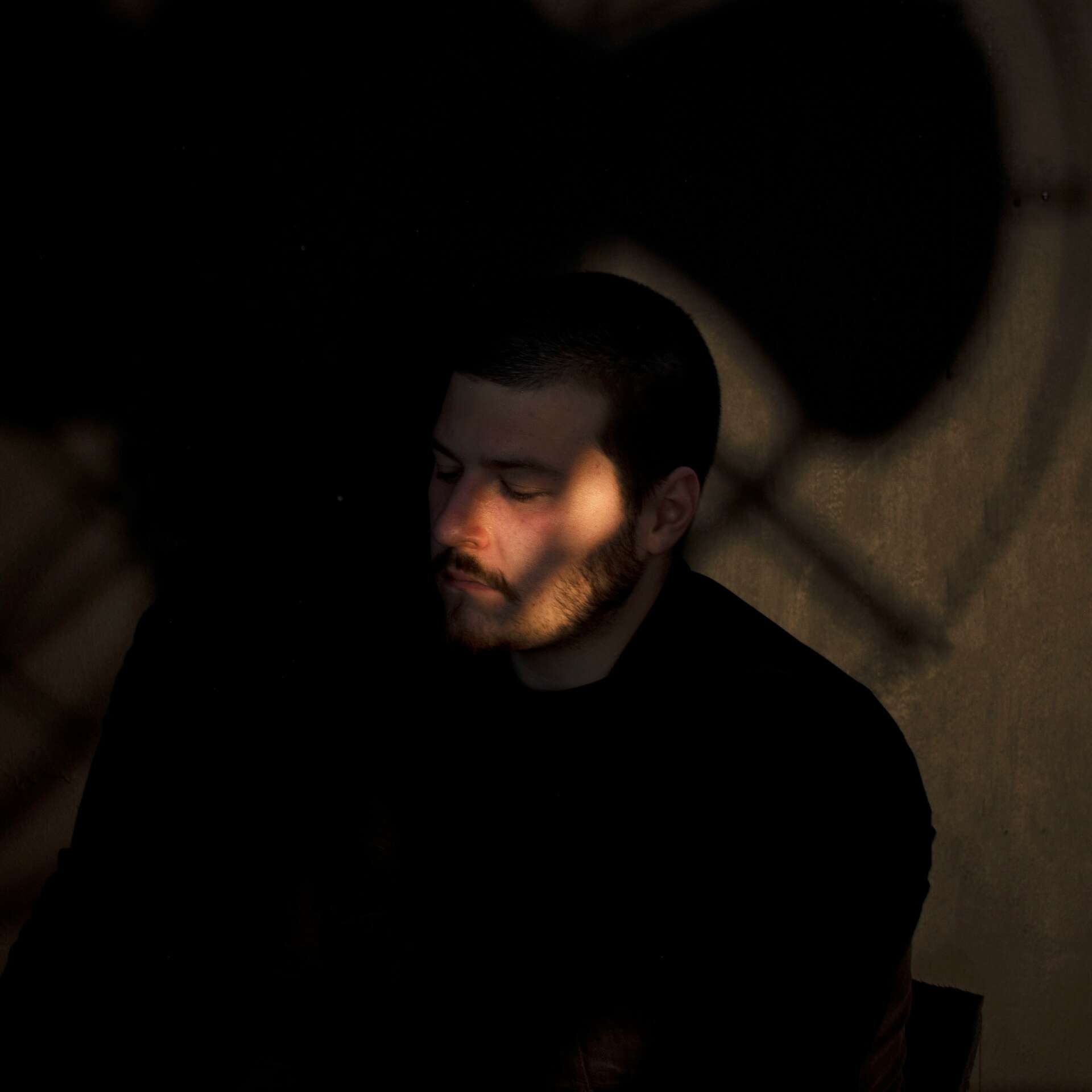

We’re excited to introduce you to the always interesting and insightful Jacob Taylor Gibson. We hope you’ll enjoy our conversation with Jacob Taylor below.
Hi Jacob Taylor, thanks for joining us today. How did you learn to do what you do? Knowing what you know now, what could you have done to speed up your learning process? What skills do you think were most essential? What obstacles stood in the way of learning more?
As a practicing artist, most of my work is made through ceramics and printmaking which I was introduced to as an undergrad at the University of Louisiana at Lafayette. Before then, my artistic ventures were mostly contained in the margins of my high school notebooks. After a semester of struggling to engage with my initial major in biology, I took a last-ditch effort and swapped into art where the first day of Design 1 we were shown a video of a campy Jack Daniels commercial where artists were making posters through relief printing which was accompanied by heavy banjo music. I found the process to be so incredibly hands-on and involved and immediately changed my major to printmaking. From there it was just a matter of making as much work as possible and in retrospect, these were some of the most important years of my practice. One thing I wish I knew then was how important every little lesson was and that most lessons were learned through failures and experimentation. I would encourage my past self to not be as afraid of failures but also not pigeonhole myself into one way of working and instead look for every possible medium that could better illustrate what I was trying to say in my work. I believe that studio discipline is the most important tool to have as an artist. Even when things don’t seem successful, it’s important to push through and see a project to the end even if the payoff seems minuscule.
As always, we appreciate you sharing your insights and we’ve got a few more questions for you, but before we get to all of that can you take a minute to introduce yourself and give our readers some of your back background and context?
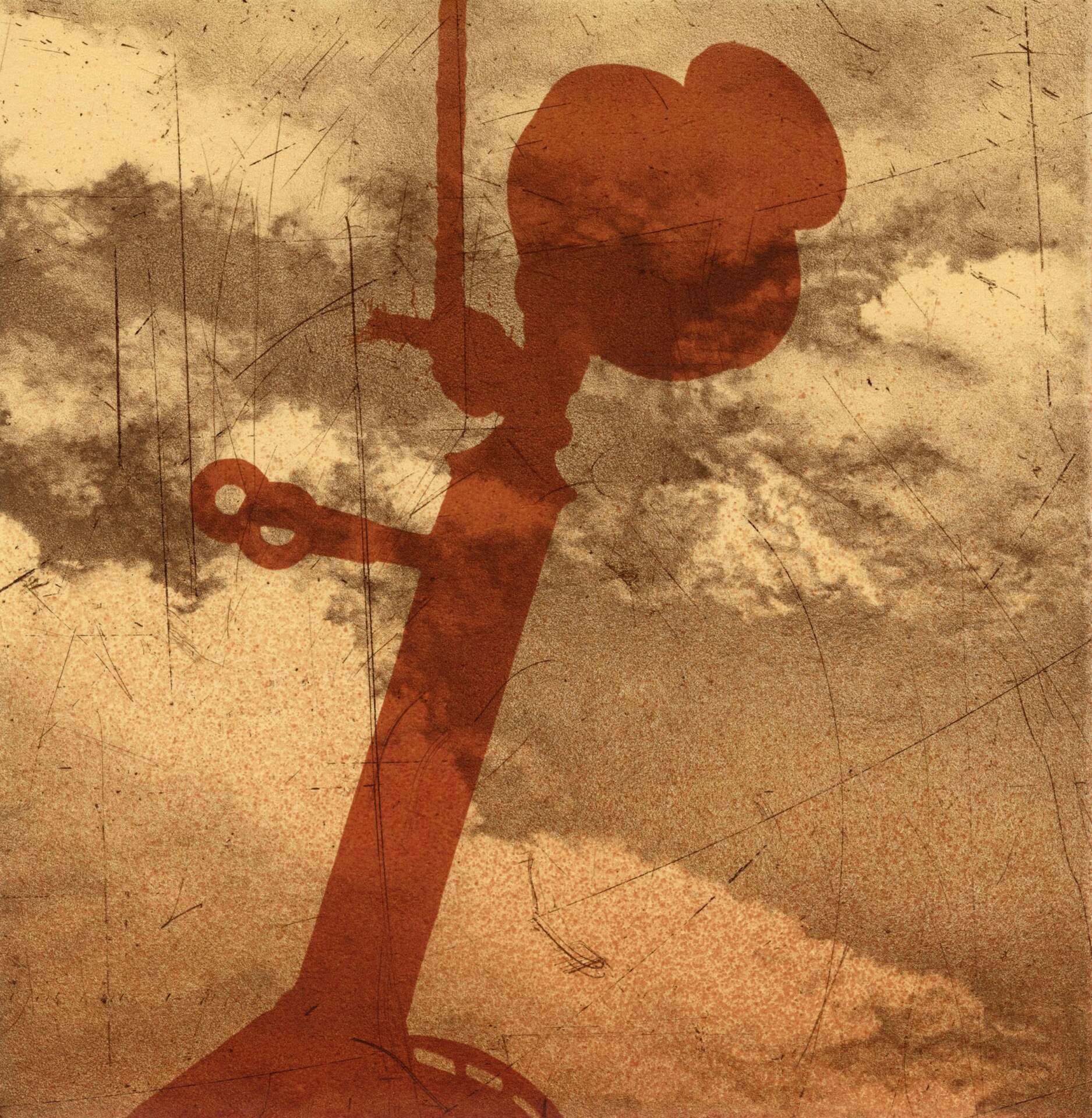
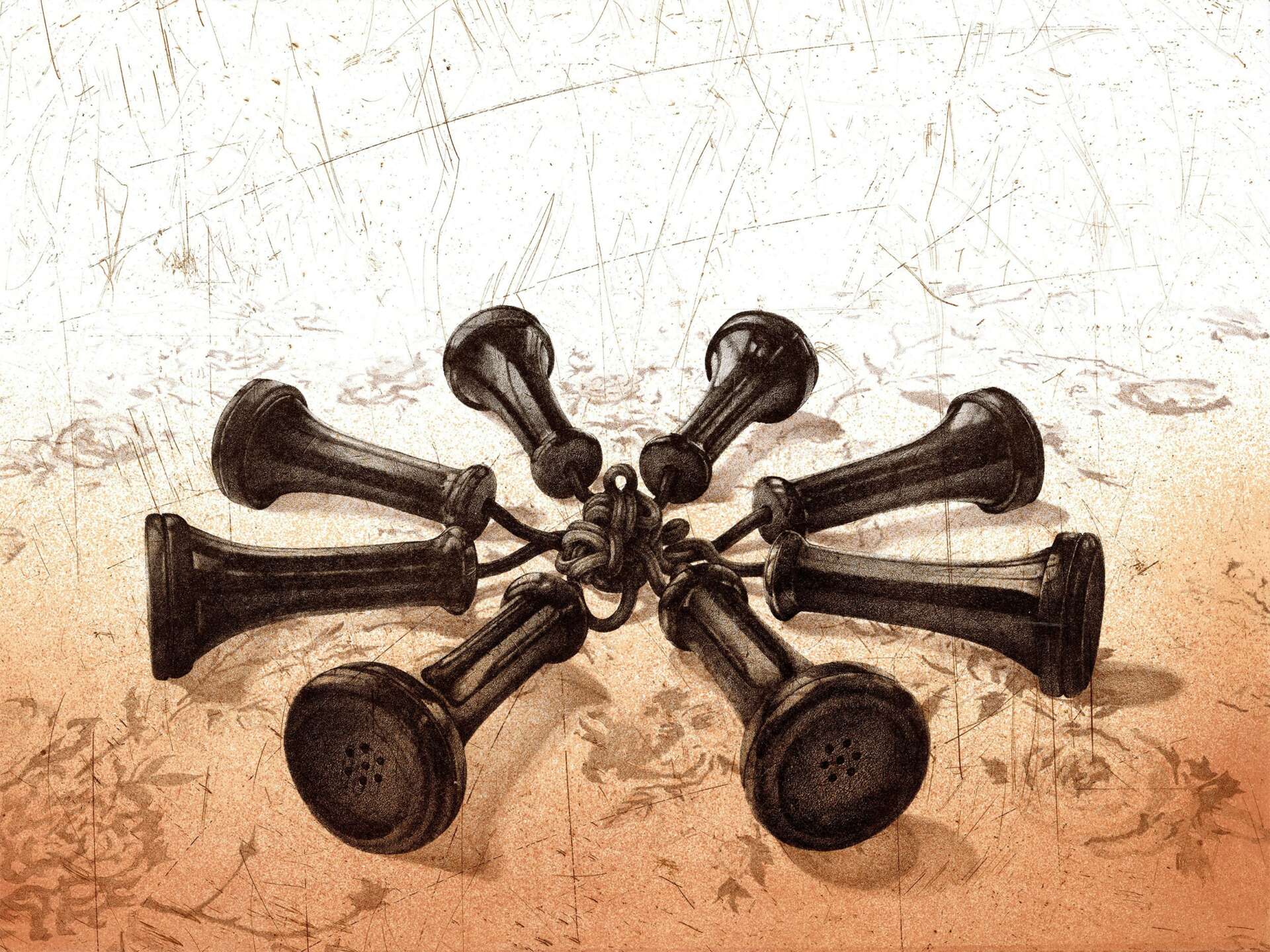
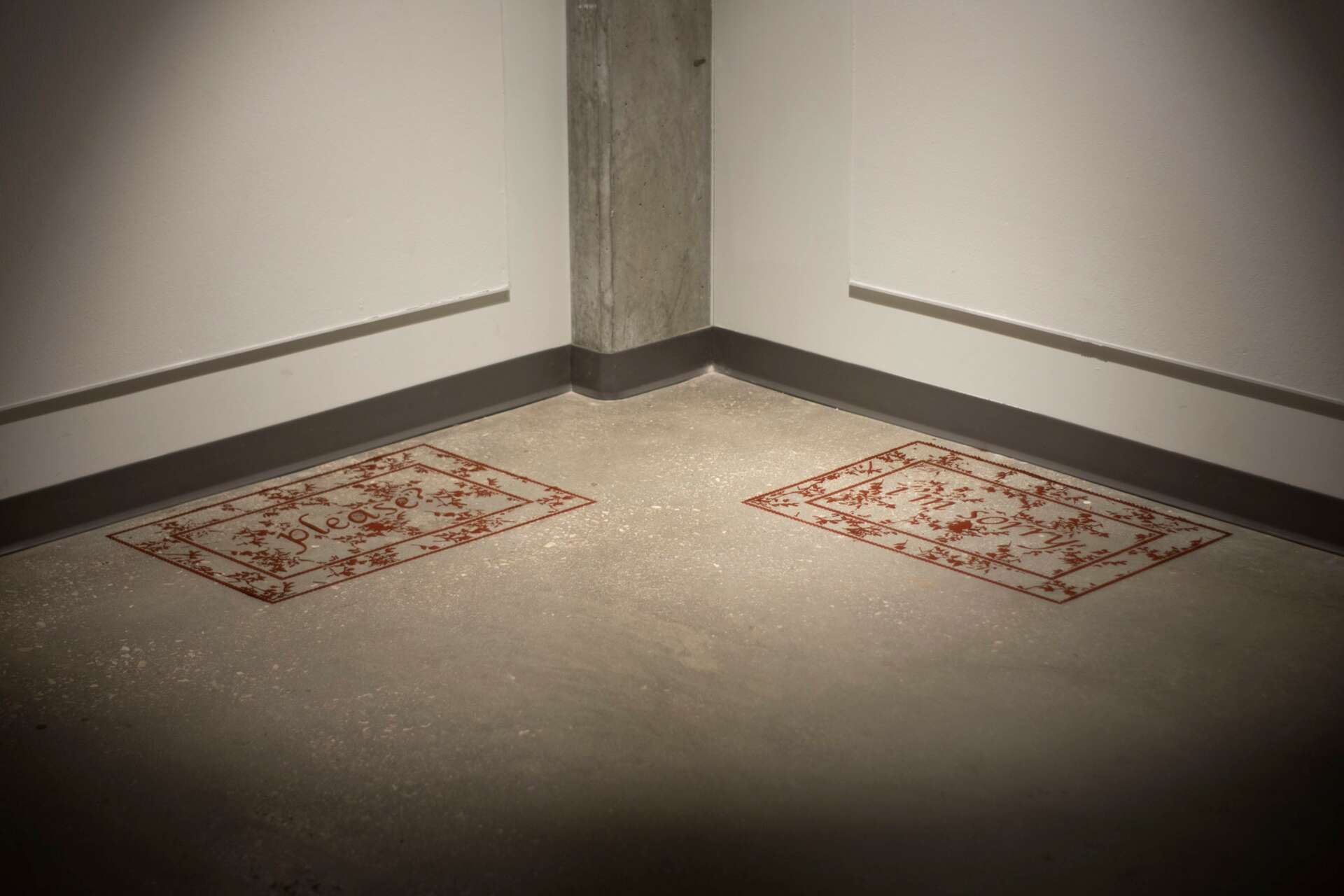
Originally I’m from Bogalusa, Louisiana but, my home will always be Lafayette, Louisiana where I earned my BFA. The home I grew up in was old, dying with holes in the floor that I could see through to the grass and dirt beneath the raised foundation. Sometimes the stray cats would push their nose through one of these cracks in the hardwood beneath my desk. The house had plants growing through the windows and the roof did very little to stop the rain from pouring straight in. My time as an undergrad was fueled by a fear of ending up in that bedroom again which I think is why I busted my ass so hard, I didn’t wanna go home. Since then I’ve begun graduate school in Denton at the University of North Texas which has only entrenched me deeper in the arts as a means of escape and expression. I work primarily as a printmaker using lithography, intaglio, and screenprint but, my process also reaches into installation and ceramic sculpture. All of which seem to reference domesticity and upbringing inspired by my time in that derelict home. Art making has always supplied me with a purpose and outlet and I can’t imagine where’d I’d be if I hadn’t stumbled into it. My work specifically analyzes interpersonal connections, abuse, and the resulting emotions associated with abuse through visual metaphors created by use of antique objects and domestic interiors. Making work so personal and driven by personal metaphor has offered a unique healing opportunity for myself which, I hope, can be interpreted by the viewer who may need to heal in a similar manner.
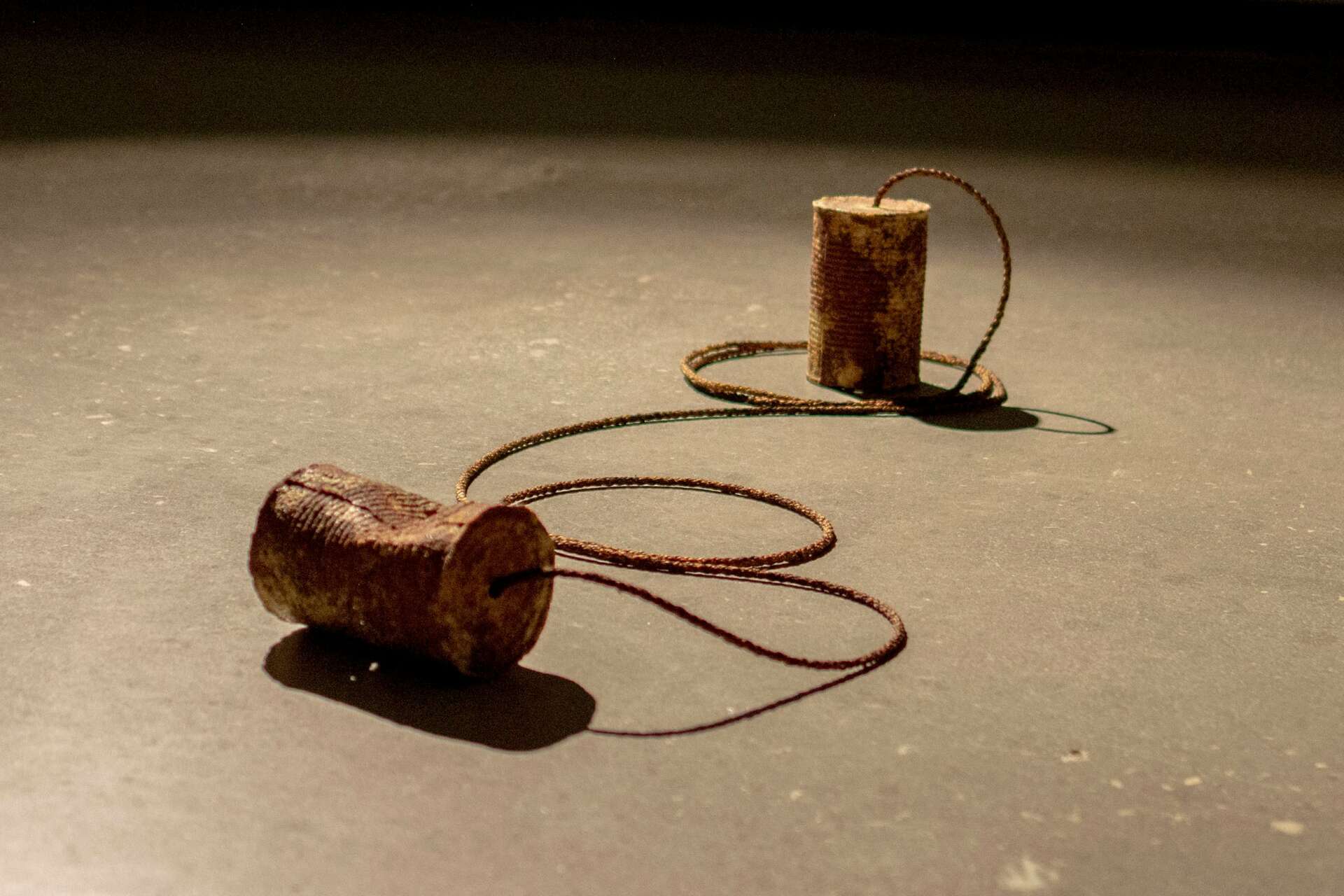
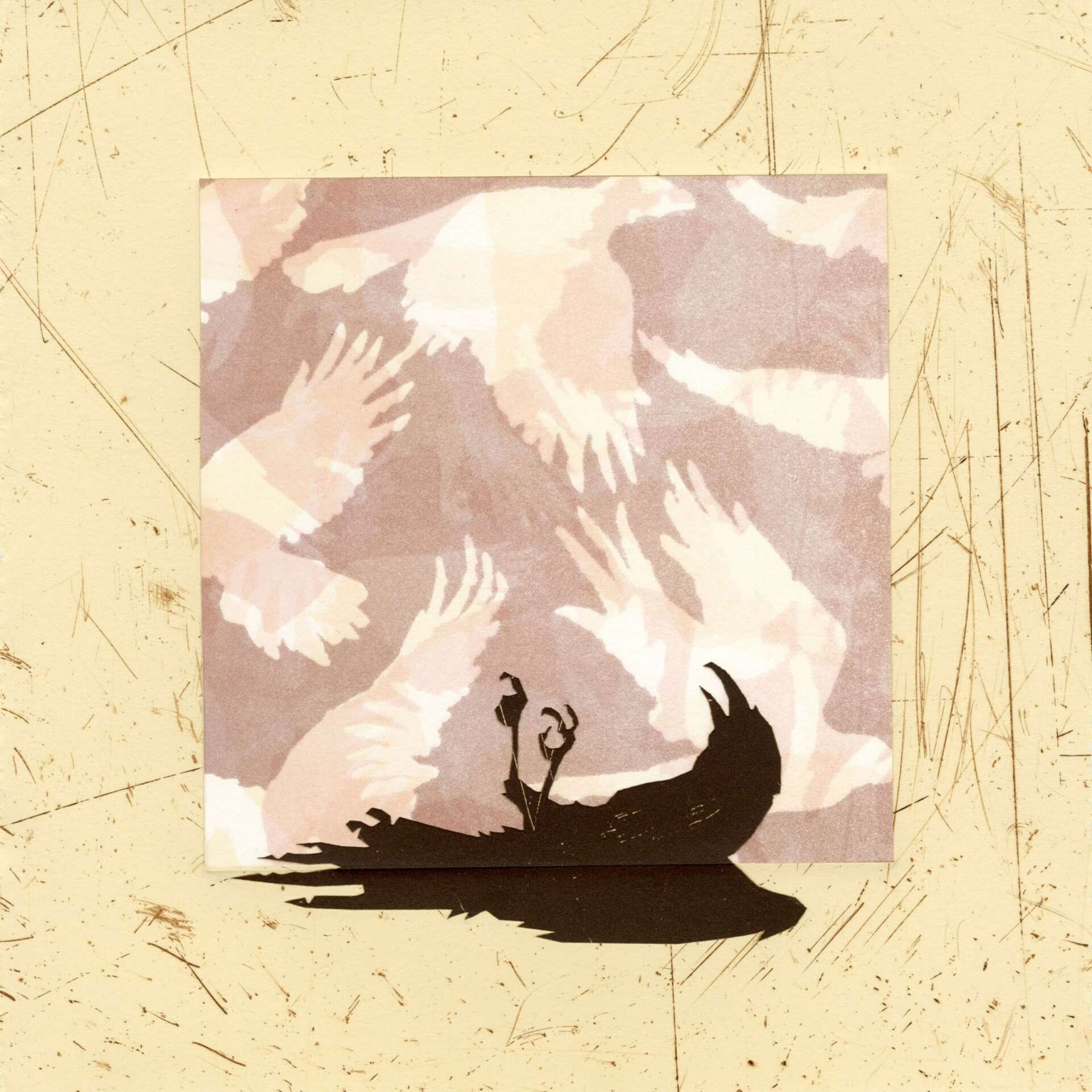
Is there something you think non-creatives will struggle to understand about your journey as a creative?
I think there’s this idea that an artist or creative has a clear vision that is immediately transferred to paper or canvas but, this is rarely the case. For me, the concept is much less concrete. I begin the process with a somewhat defined image in mind but, the finished piece typically resembles this idea only in the basic framework. A majority of the end product is informed by each step of the process which often yields a wildly different end result. Often times I’ll print a layer of lithography on a print and it’s finished but, other times the work requires much more time and attention. The process isn’t clear cut and defined and often I find myself correcting an earlier step in the process that didn’t quite pay off. Problem-solving is ninety-nine percent of the process and in solving these problems the work is able to develop in unique and surprising ways that make the process much more engaging and exciting.
: Is there a particular goal or mission driving your creative journey?
Growth and self-betterment. The majority of my work seeks to heal from past relationships and experiences that weren’t loving or nurturing and through art making, I’ve been able to dissect the missteps and mistakes of those who hurt me in an effort to not only heal but end the cycle of disregard or abuse. I desperately want to be better and be the person I didn’t have growing up and art has allowed me to get to the root of the issue in order to grow and become that person.
Contact Info:
- Website: www.jacobtaylorgibson.com
- Instagram: jacobtaylorgibson