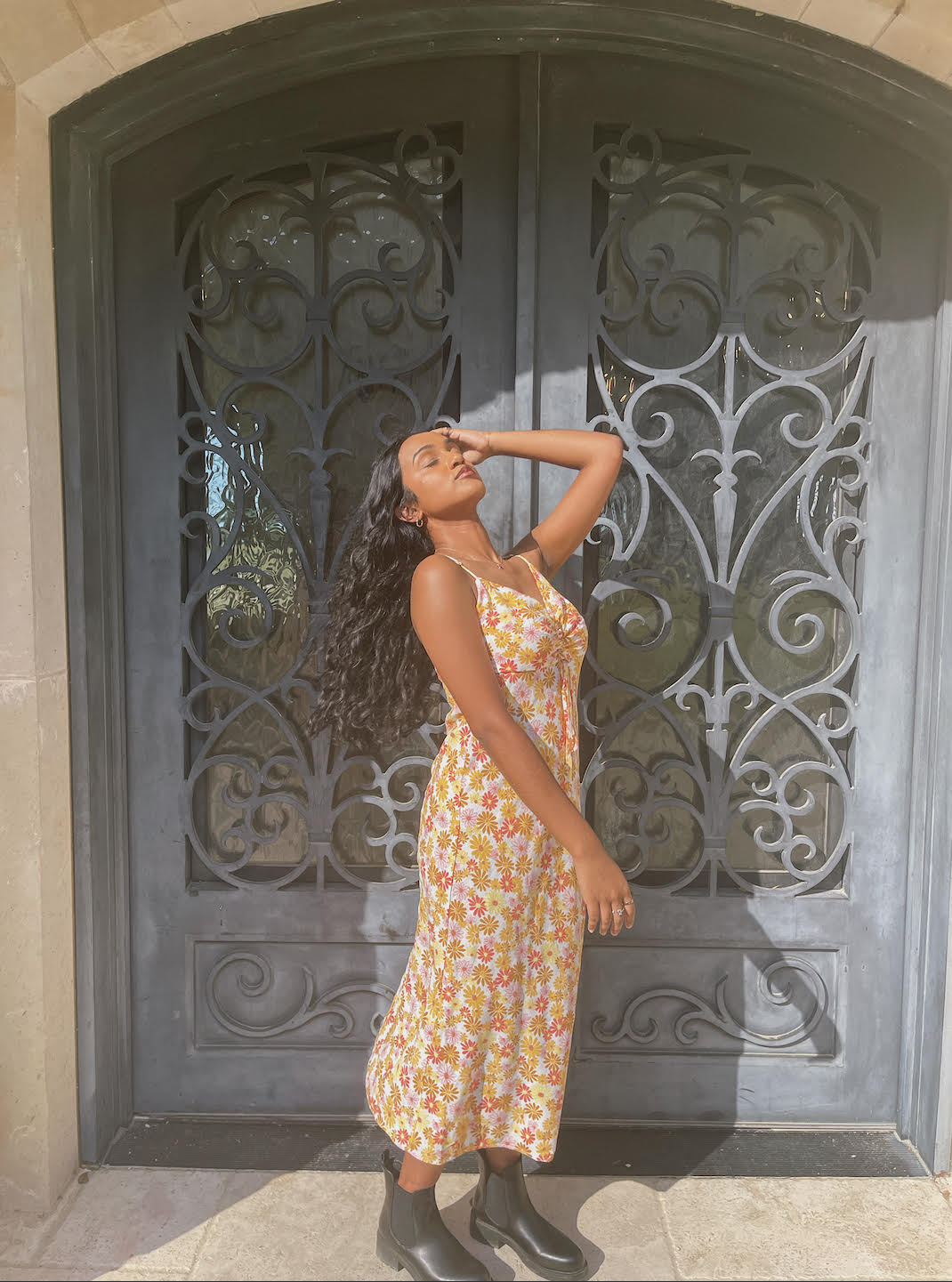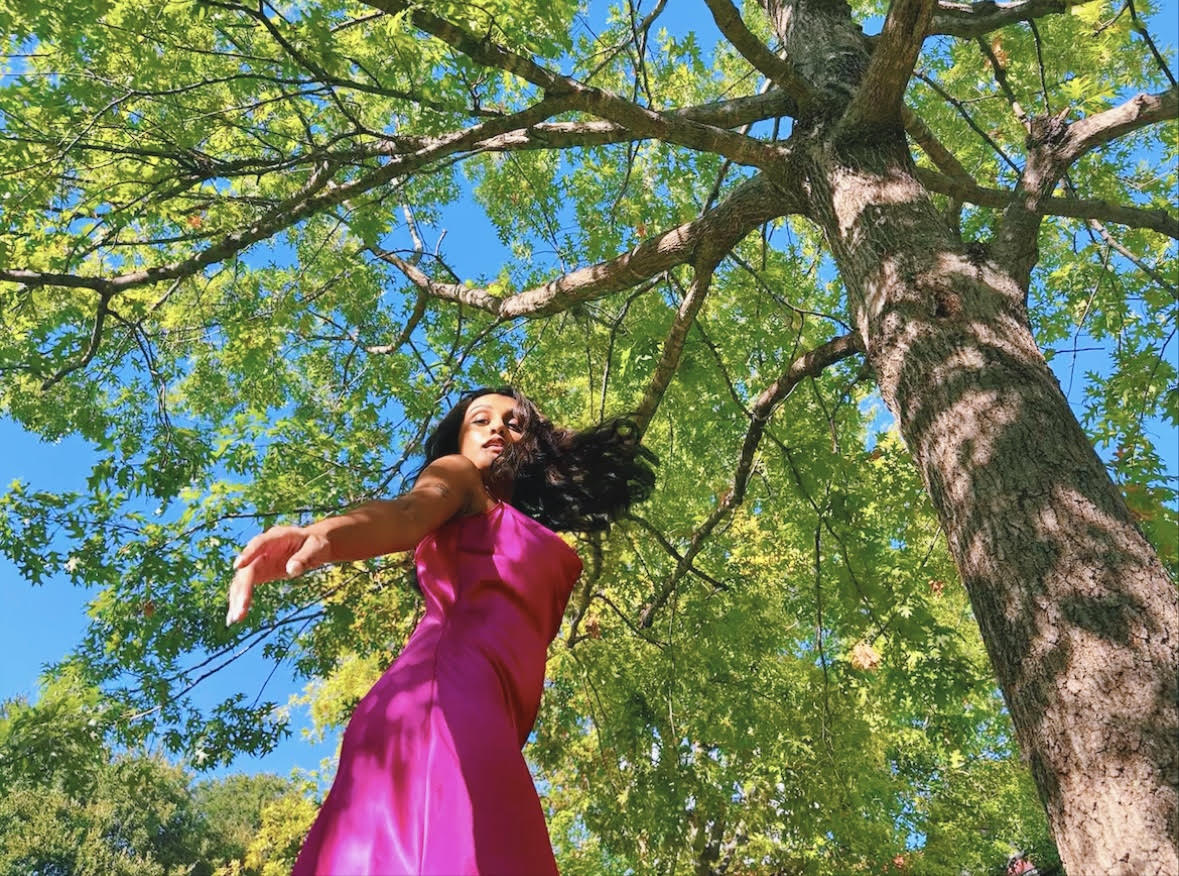

We were lucky to catch up with Anagha Kolanu recently and have shared our conversation below.
Anagha, thanks for joining us, excited to have you contributing your stories and insights. Learning the craft is often a unique journey from every creative – we’d love to hear about your journey and if knowing what you know now, you would have done anything differently to speed up the learning process.
I didn’t learn how to grow my social media from a specific tutorial or video—it’s something that grew with me over time. I first downloaded social media when I was 11, and I immediately loved how it gave me a space to share my creativity, almost like a public portfolio. Even before that, I’ve always been fascinated by the little details of the world around me, constantly finding beauty in unexpected places and wanting to capture it. That love for self-expression started even earlier, when my dad introduced me to the drawing feature on his computer. I had just come home from kindergarten, out of paper to draw on, when he showed me this magical software where I could paint and sketch with endless colors using the mouse. I can still hear the soft clicking sounds of the paintbrush or pencil tool as I brought my creations to life on the screen. It was fascinating, and I’d sit there for hours, completely lost in my little world of digital art. That fascination with creating and capturing beauty carried through when I got my first Nintendo DS at 7 and discovered the camera feature. I’d spend hours taking random pictures and playing with the filters and editing options. My DS went everywhere with me—I loved taking photos of the most ordinary things and turning them into something that felt personal. There was something magical about the idea that I could take something so mundane and make it beautiful by adding my own touch. It was like I was creating a visual diary, adding a little piece of myself to the world with every photo I edited.
As a child, emotions could feel overwhelming and difficult to understand. You feel so much but lack the words or experience to process it all. Drawing became my outlet—a way to release my emotions in a way my 5-year-old self could grasp. Looking back, I think the storm clouds with lightning I drew might have been my way of saying I’d had a bad day, while the stick figures with smiley faces under a bright sun captured moments of joy. Maybe the pictures full of lollipops and pizza reflected my craving for treats I wasn’t allowed to have too often. Whatever I was feeling, it came through in those drawings, helping me express myself in a way that felt cathartic and natural. That passion only grew as I got older. When I graduated high school, I knew I wanted to create a cohesive theme on my Instagram, something that truly represented me. I realized I’ve always been drawn to sunsets—their vibrant colors, essence, and the way they symbolize endings and new beginnings. They felt like the perfect way to tie my love for beauty, creativity, and storytelling together. I decided to base my theme around sunsets, using them as a foundation to express myself while still capturing the small, meaningful details that inspire me every day. In many ways, social media has become my adult version of those childhood tools—whether it was drawing on the computer or editing photos on my DS. Just like those early creative outlets allowed me to process and express my emotions, social media gives me a platform to transform and share my perspective. Through photography and editing, I create a visual diary—one that tells a story, not just of what I see, but of how I feel. It’s my way of connecting with others and sharing a piece of myself, just like I did with my drawings so many years ago.
I realize now that I could have sped up my growth by staying true to myself and focusing on content that I genuinely enjoyed, rather than trying to please others. Instead of curating the “perfect feed” just to fit into the influencer world, I should have embraced my authentic personality from the start. It was intimidating at first because there are so many established niches—beauty, food, fashion—but none of them fully captured me. How was I supposed to fit advocacy, my love for the planet, mental health content, and random photo dumps all into one account? I convinced myself that being my own niche wasn’t an option. It wasn’t until mid-September, when I finally gave up trying to mold myself into what I thought an influencer “should” be, that I started seeing real changes—not just in my engagement, but in how I felt about my work. For the first time, I was proud to share my account with others. I could finally say, “This is what I’m passionate about!” and know that my audience was seeing a true reflection of who I am. My content wasn’t just another polished feed; it became a small, meaningful glimpse into my world.
The skills that I think were most essential in my journey included developing a strong and positive self-concept. The way you view yourself truly matters when you’re trying to create positive change in the community, especially as an influencer. Confidence isn’t just about believing in your personality; it’s about embracing the way you present yourself to society and owning your unique voice. It’s about understanding that you don’t have to fit into a mold to make an impact—you can lead and inspire others just by being unapologetically yourself. Building this mindset wasn’t easy, but it was transformative. I had to overcome the fear of judgment and the pressure to conform to what I thought others wanted to see. I had to remind myself constantly that I was deserving of being a leader for others, even if my path didn’t look like anyone else’s. Leadership as an influencer isn’t just about popularity; it’s about connection, authenticity, and showing up for your community in a way that resonates with your values. When you believe in your own worth, it becomes easier to inspire others to believe in theirs, and that’s where the real impact begins.
The biggest obstacle I faced in my journey to learning more was struggling with time management. I often felt overwhelmed by everything on my plate, and the stress eventually led me to procrastinate, spending hours scrolling through my phone. It became a form of “revenge procrastination,” where, in an attempt to regain some sense of control amidst the chaos of my life, I retreated into my phone. It was one area where I could control my time, even if it meant avoiding the tasks that really needed my attention. This cycle of distraction only added to the pressure, making it harder to focus and move forward. However, acknowledging this pattern was a turning point. It made me realize that I was allowing distractions to control my time, instead of using it intentionally. From that moment, I decided to reframe my approach—by setting clearer boundaries with my phone and prioritizing tasks that truly mattered. Slowly, I learned how to manage my time more effectively, breaking down big tasks into manageable steps and giving myself the space to succeed without burnout. Now, I’m not just more productive—I’m more in control of my time, and I’ve realized that the key to overcoming obstacles lies in shifting your mindset and staying committed to progress, even in the face of challenges.
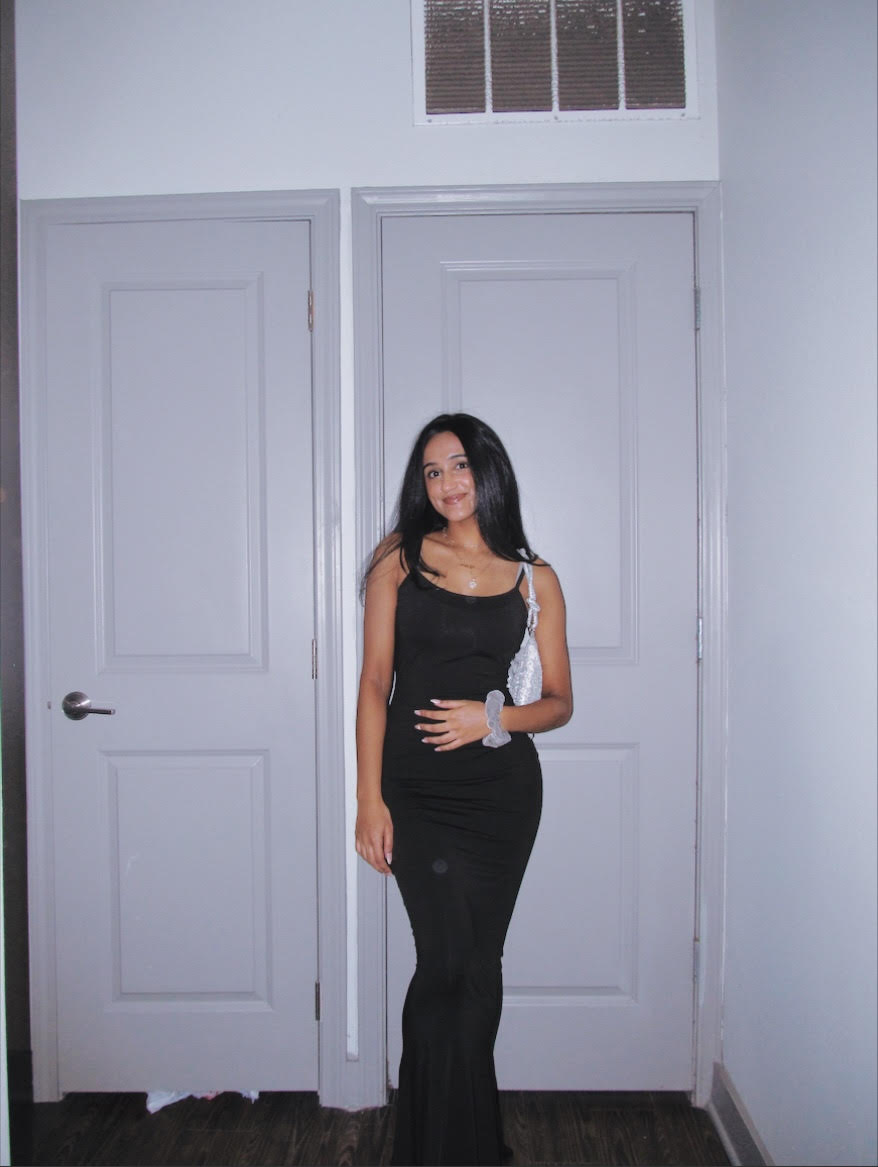
Anagha, before we move on to more of these sorts of questions, can you take some time to bring our readers up to speed on you and what you do?
I am deeply passionate about creating content focused on mental health because I believe it is one of the most important conversations we need to have today. Mental health affects everyone, yet it is often misunderstood or ignored. My goal is not only to raise awareness about mental health disorders but also to dismantle the stigma that surrounds them. For too long, people have been made to feel ashamed or invisible because of their struggles, and I want to change that narrative. Through my content, I aim to create a safe and inclusive space where individuals feel seen, heard, and supported. It’s important to me that people understand that mental health challenges are not a sign of weakness, but a part of the human experience that we can address with compassion and understanding. By sharing stories, providing helpful resources, and offering honest discussions, I hope to encourage people to seek the support they need and to feel empowered to talk openly about their mental health without fear of judgement. As a future physician, I want to be part of the movement that creates a world where mental health is treated with the same care and respect as physical health.
As a South Indian who has struggled with ADHD and depression, I’ve made it my mission to break the stigma surrounding mental health in the Indian community. Far too often, individuals battling mental health disorders are seen as “less than” others, despite the fact that we are all created equally and deserving of understanding and compassion. Mental health disorders are just like any other medical condition, yet they are treated with disdain and judgment, creating an environment where those who need support feel isolated and ashamed. Growing up, I longed to see creators who looked like me—individuals with a shared cultural background—openly discussing mental health. But instead, I found silence, fear, and a lack of representation. This absence fueled my desire to step forward, share my story, and show others in my community that it’s okay to ask for help, to struggle, and to heal.
For much of my journey, I felt like I was fighting ADHD and depression completely alone. In my community, therapy wasn’t just frowned upon—it was considered a sign of weakness, something to hide from others. The fear of being judged or labeled made it nearly impossible for me to reach out for help, even when I felt like I was drowning. So, I had no choice but to turn inward. I began searching for resources on my own, piecing together methods to heal and manage my struggles. While this journey was lonely and often painful, it taught me resilience and gave me the strength to rebuild myself from the ground up. It also ignited my passion to be the voice I wished I had—someone who could inspire others to embrace their journey without shame and foster an open dialogue around mental health in spaces where it has long been suppressed. I want others to know they are not alone and that healing is possible, even in the face of cultural and societal barriers.

What do you think is the goal or mission that drives your creative journey?
I want to create a space where people see healing and confronting their inner fears as something beautiful rather than something dark and depressing. Too often, mental health conversations are shrouded in heaviness, making the process of healing feel overwhelming or unattainable. That’s why I post about mental health and healing while keeping my content colorful, vibrant, and uplifting—to remind people that there is light and joy to be found in the journey. Healing isn’t just about overcoming pain; it’s about rediscovering yourself, peeling back the layers of societal conditioning, and uncovering the truest version of who you are. It’s almost like emerging from a cocoon, shedding the weight of fear, shame, and judgment, and transforming into a butterfly. This process of growth is as beautiful as it is transformative. It’s messy, raw, and vulnerable, but it’s also filled with moments of clarity, self-love, and empowerment. Through my content, I hope to show others that healing isn’t something to fear—it’s a celebration of resilience and the courage to embrace your authentic self.
I think that too often people are afraid to heal because it makes them confront their ego and the negative thought patterns that have kept them stuck in toxic cycles. Healing forces you to face these patterns head-on and accept that they’ve been a part of you for so long. This can be incredibly hard to do because it often brings up feelings of shame and regret. When I first started healing, I felt this deeply. I thought to myself, “I can’t believe I was stuck in these patterns for so long,” and I immediately broke down crying. It was overwhelming to realize how much I had allowed these cycles to define me, but it was also a turning point. The more I kept healing, the more I began to learn about myself. I uncovered emotions and thought patterns that had kept me stuck for years, holding me back from living as my true self. Slowly but surely, I was able to release these feelings and let go of the weight I had been carrying. It wasn’t easy—healing often felt like unraveling a tightly woven tapestry of pain, beliefs, and conditioning. But at the same time, it was the most beautiful process I’ve ever gone through.
Every step of the journey felt like peeling back another layer of who I thought I was, only to discover the vibrant and authentic person underneath. It was like meeting myself for the first time without the influence of societal norms or cultural expectations dictating who I should be. Who am I without the Desi community telling me how to act? Who am I without societal norms imposing their rules on my life? These questions were both terrifying and liberating to explore. For the first time, I was able to define myself—not based on what others expected, but on who I truly am at my core. The process of self-discovery was not only empowering but also life-changing. Healing taught me that beneath the pain and conditioning lies a version of myself that is whole, worthy, and full of potential. And that version of me deserves to be celebrated.
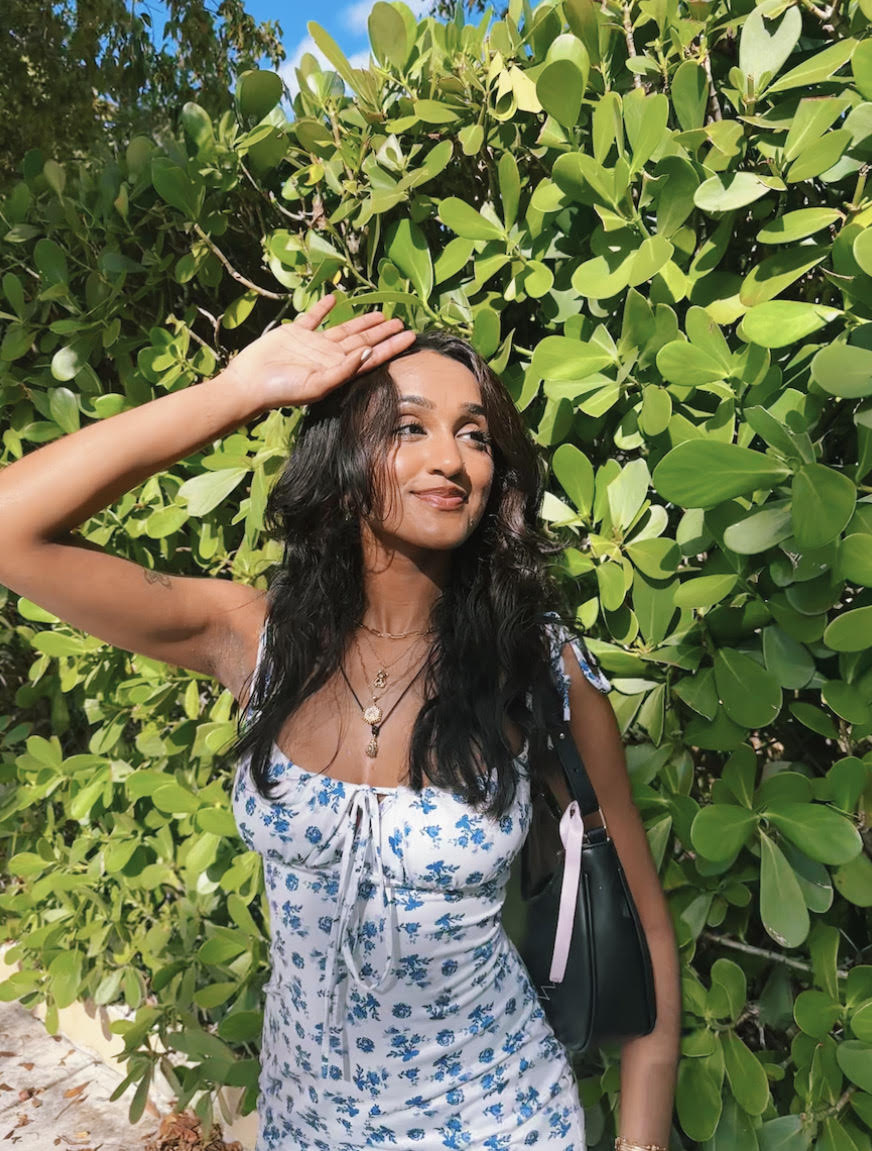
What’s the most rewarding aspect of being a creative in your experience?
I think the most rewarding aspect of being a creative is influencing other people to break free from societal norms and cultural expectations to truly figure out who they are at their core. Growing up, I know how heavy these expectations can feel—like a weight pressing down on your individuality, making you question whether it’s okay to be different. That’s why I’m so passionate about using my platform to show others that it’s not just okay to challenge these norms—it’s necessary if they want to uncover their authentic selves. I want to be a stepping stone for change in my community, paving the way for others to do the same and showing that there is strength in standing out, even in the face of tradition.
But my vision doesn’t stop there. I want to inspire other young people to ignite change within their own communities as well. I firmly believe that real leaders don’t create followers—they create other leaders. Leaders spark movements, and movements create lasting change. My hope is that through my work, I can plant seeds of courage, resilience, and passion in others, empowering them to embrace their voices and create ripples of positivity in their communities. If my journey can help even one person reclaim their identity or break free from outdated traditions, then I’ve done my job. But I dream of a day where this change goes beyond individuals—where entire communities begin to shift, evolving into spaces that celebrate authenticity and diversity instead of enforcing conformity. I dream of a day where mental health isn’t stigmatized, where individuality is valued, and where people feel free to pursue their passions without the weight of cultural or societal expectations holding them back. I want to see a world where young people feel supported and empowered to challenge the status quo, to question the narratives they’ve been handed, and to rebuild their lives in ways that align with their true selves.
This isn’t just about me or my journey; it’s about building a collective movement that inspires generational change. It’s about creating a future where the next generation doesn’t have to fight the same battles we did—a future where courage and self-expression are celebrated, and where healing and growth are seen as acts of strength, not weakness. If my work can be a small part of that, if it can inspire even a handful of leaders to rise and create waves of change in their own unique ways, then I know this mission will have been worth it.
Contact Info:
- Instagram: https://www.instagram.com/annaghha.kolll?igsh=OGQ5ZDc2ODk2ZA%3D%3D&utm_source=qr
- Other: Human Rights Resources: https://linktr.ee/annaghha.kolll?utm_source=linktree_profile_share