
Alright – so today we’ve got the honor of introducing you to Jacob Spooner. We think you’ll enjoy our conversation, we’ve shared it below.
Alright, Jacob thanks for taking the time to share your stories and insights with us today. Learning the craft is often a unique journey from every creative – we’d love to hear about your journey and if knowing what you know now, you would have done anything differently to speed up the learning process.
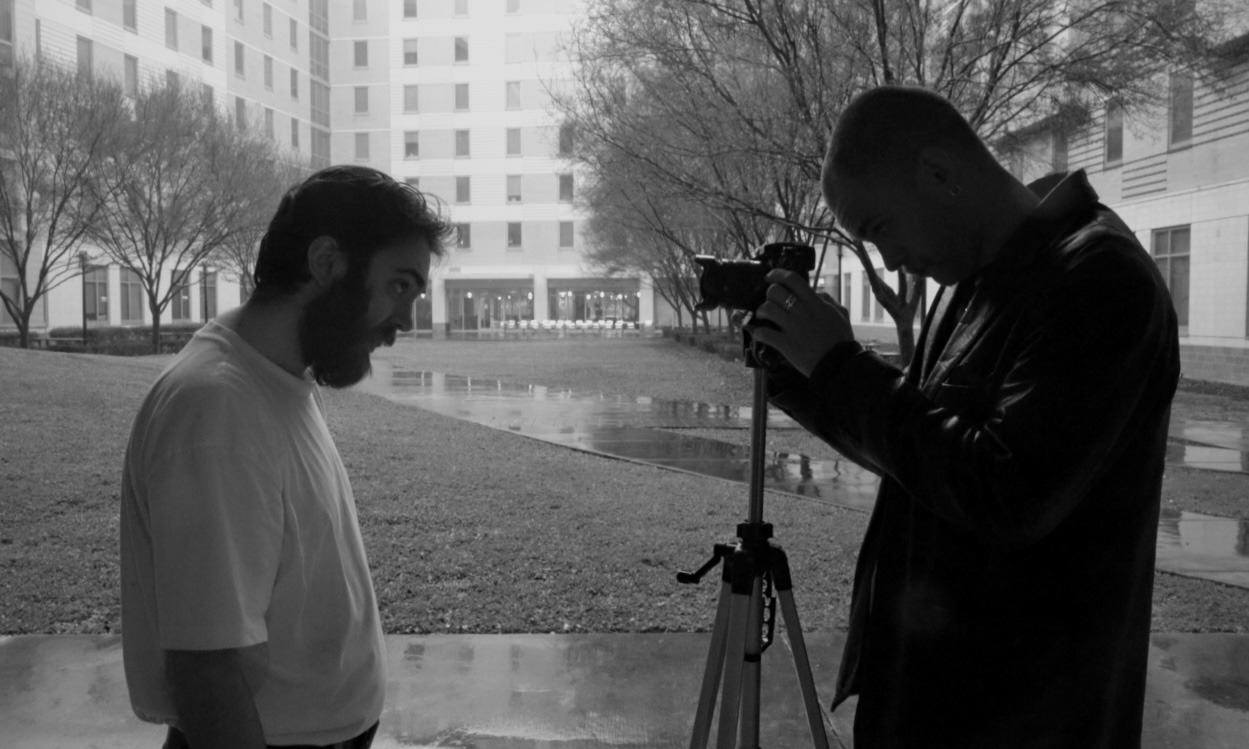
Everything I’ve learned about filmmaking has come from getting out there and doing it. My process has always been one of doing it myself with whatever is at my disposal to get it done. I’ve spent years being essentially a one-person crew (sometimes using a friend or family member to hold lights for a shot or two) and this has forced me to learn how to do essentially every part of the filmmaking process myself, allowing me to better understand what I’m looking for in each aspect behind the camera. Since I started working with my friend and fellow filmmaker Ethan Holland, I’ve begun making slightly bigger and more complex projects, but we still work the same way I’ve always worked: no budgets, no crew, just relying on our creativity to solve the problem that is making the thing.
My one regret is that I didn’t start making films sooner. I knew I wanted to be a filmmaker by the time I was 16, but it wasn’t until over two years later that I began actually doing it. I was thinking about ideas for my movies the whole time, but I was under the impression that I had to wait for some “opportunity” to make something, but this couldn’t have been further from the truth. I realized there are no opportunities coming, and to wait for one was simply a waste of time that could be spent improving my craft. One day, a month or two after graduating from high school, I asked my brother to come outside into the backyard to shoot some random shots. We ended up making a little action movie that day. The movie was of course amateurish and silly, but that didn’t matter. I made something, and the feeling it gave me was intoxicating. Since that day I haven’t been able to stop.
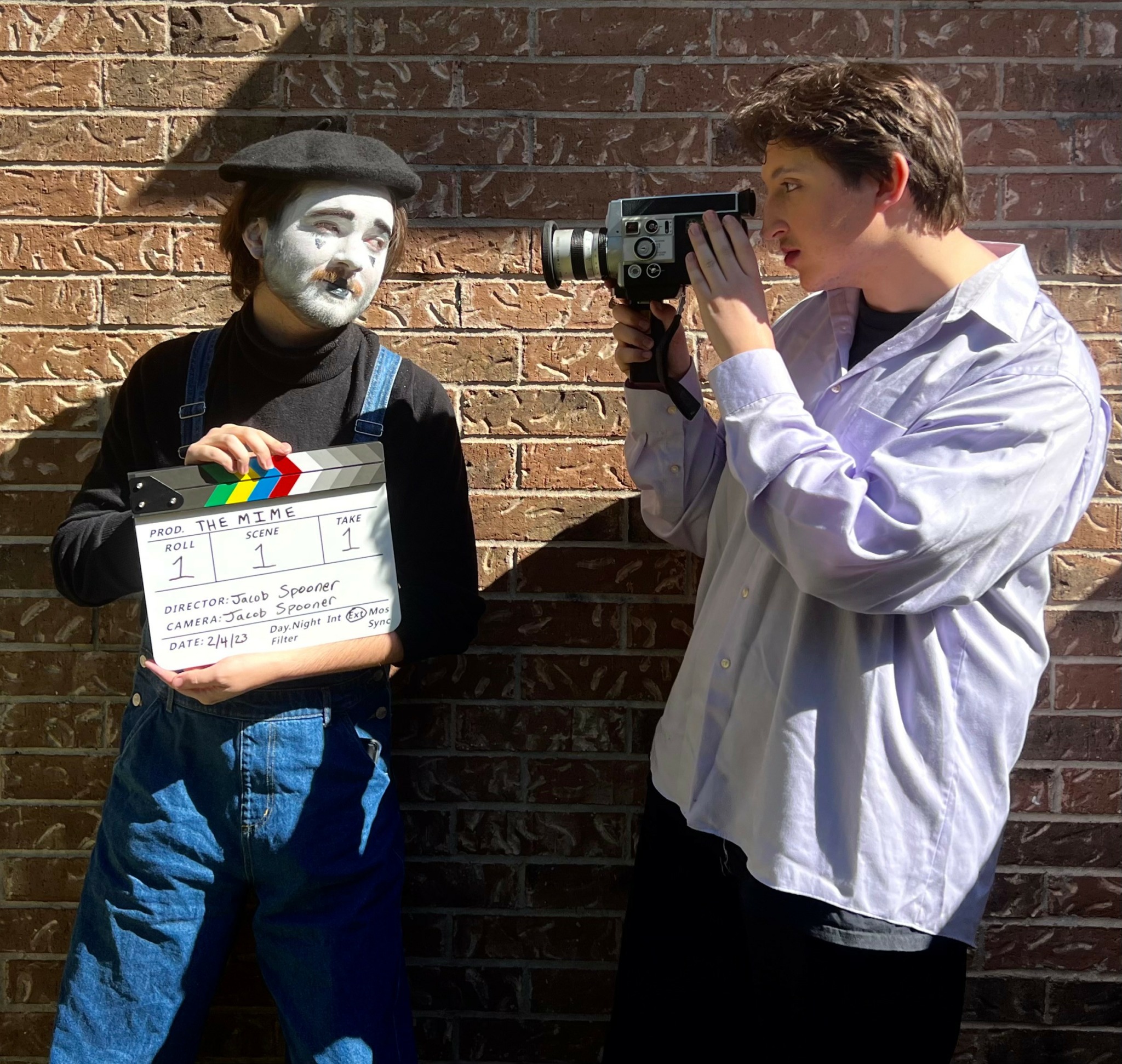
Jacob, before we move on to more of these sorts of questions, can you take some time to bring our readers up to speed on you and what you do?
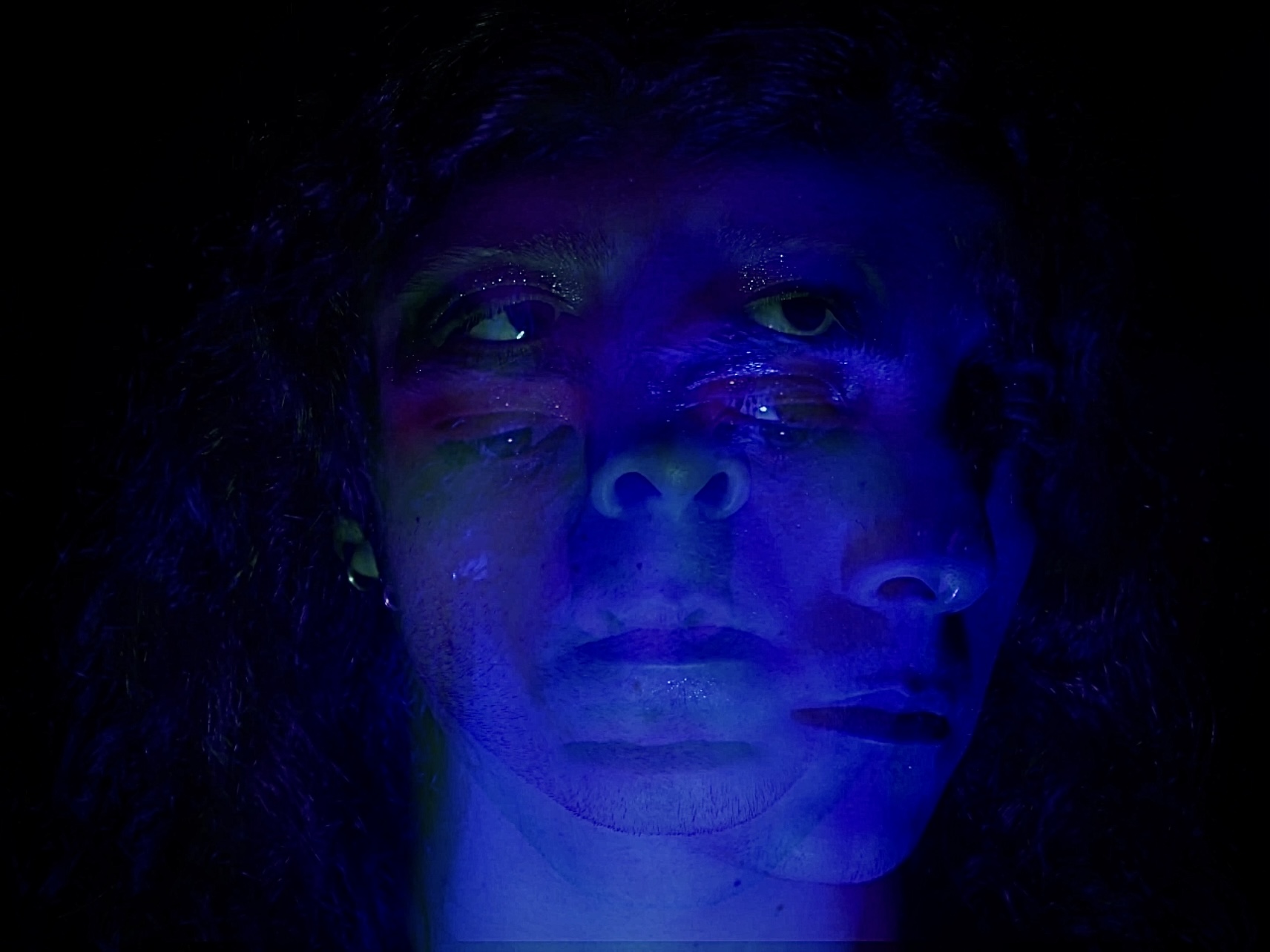
My name is Jacob Spooner and I’m an independent filmmaker based in Houston, Texas. I mostly create short films at the moment, using each one as an opportunity to get better at specific elements of my craft. Directing is my passion, but I do every job behind the camera for my films. I make shorts in all kinds of different genres and styles, trying to create my own version of whatever is inspiring me in the moment. I often make silent films, as I believe it is an underrated form of cinematic expression these days.
Some of my biggest filmmaking inspirations are Hong Sang-soo for his DIY production style, Buster Keaton for his efficient silent storytelling beats, Howard Hawks for his perfect blocking and staging of actors in relation to his camera, Jean-Luc Godard for the way he plays with style and structure in such a playful manner, and Apichatpong Weerasethakul for the way he lulls you into his hypnotic slow cinema with the beautifully simple frames he holds on. All of these influences are deep inside my DNA at this point, and I believe my best work brings them all together into one nice cocktail of a film.
Something I’m proud of is how frequently I’ve been able to put out new films, doing my best to always be working on the next thing. The drive to make better and better works never goes away, and I don’t think that will change any time soon.
Can you share a story from your journey that illustrates your resilience?
For over a year now I’ve been developing a film about a student filmmaker (with the very subtle title being ‘Student Filmmaker’). Finally, these past five or so months had been spent trying to get it shot. It required three actors and only two days of production. Scheduling it had proven to be a problem time and time again. Actors became unavailable last second, they would fail to get back to me on when they might next be able to shoot, etc. We shot half the film three months ago, and then until now were completely unable to lock down just one more shooting day. Finally, last week it seemed like everything was falling into place. A friday shoot was planned. All three actors were seemingly ready to go. Then on thursday night, I get a text: one of the actors is sick. It felt like I’d never get this movie made if I didn’t do something. So that night, I reworked the entire story to be about two people only, since I still had the other two actors ready. I reworked the structure and style of the film, deciding we had to go with a looser approach on set to account for the lack of time to write and learn an entirely new script. I had each scene structured in my head so I wrote down what each one should accomplish and what its important beats were, and after that just had to trust that my actors would go along with me in creating the film as we went. And it ended up being my smoothest and most fun shoot to date. Both actors, Ethan Holland and Jim Cardwell, understood exactly what the film needed and played off of each other perfectly. This production style is more in line with how I enjoy working anyway, so it all fell into place in the end and I truly believe the film is stronger because of all its production issues. I’m more excited than ever to share it with the world.
Is there a particular goal or mission driving your creative journey?
My goal in filmmaking has always simply been to keep creating. Making movies is what matters most to me, and the desire to make the next one better than the last drives me to keep pushing myself.
What I want to accomplish with the work itself is harder to explain. Something I often think about is the way things like German Expressionism and Soviet Montage were pushing the medium forward so radically during the silent era until sound came in. Once talkies became the thing, it almost felt like cinema moved back to square one in many ways. Those great film movements and others since (the French New Wave, etc etc) have of course influenced everything we’ve done since, but when I look back at them, it feels like we’ve yet to even come close to matching how revolutionary they were. How do some movies that are a century old feel like they must’ve been made in the future? My goal is not to just recreate what I found great about those works, but to try my hand at pushing further into that direction to see where the medium could go. More than anything I’m trying to satisfy my own curiosities about cinema- what it is and what it could be.
Contact Info:
- Instagram: https://www.instagram.com/jacobrspooner
- Youtube: https://youtube.com/@JacobSpooner
- Other: E-Mail: [email protected]