



We were lucky to catch up with Jp Purkey recently and have shared our conversation below.
JP, thanks for taking the time to share your stories with us today What’s the backstory behind how you came up with the idea for your business?
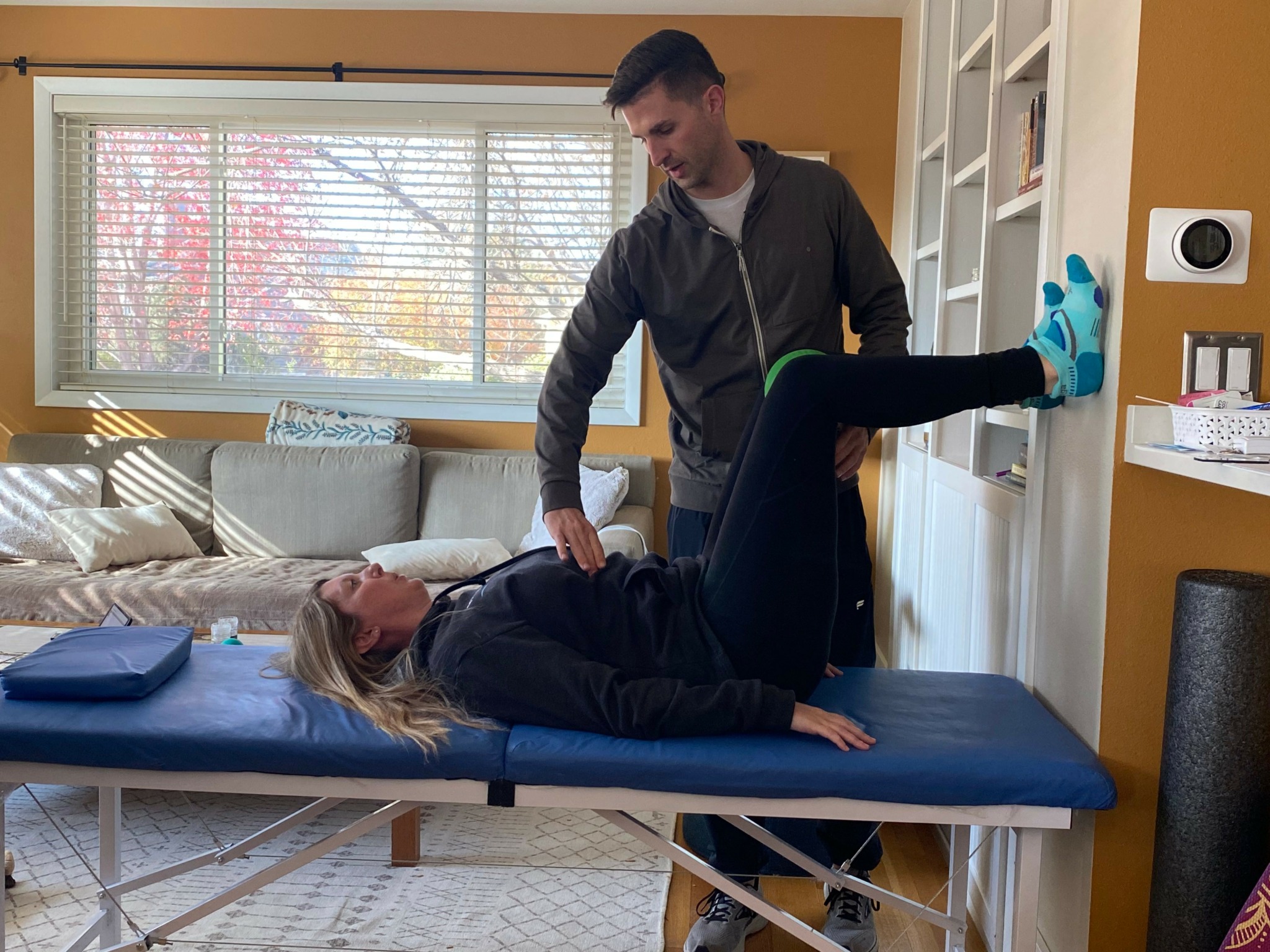
When I developed a chronic shoulder issue, I decided to give PRI a try and sought out a practitioner. The protocol I followed helped tremendously, addressing not just my shoulder but my overall posture and movement patterns. My physical therapist, Lisa, encouraged me to delve deeper into PRI, sensing my growing interest. Taking her advice, I began studying PRI’s approach, and it instantly resonated with me as a new and exciting perspective on the human body. PRI’s framework views the body in a way I had never considered before, emphasizing the interconnectedness of various systems and the impact of postural adaptations on overall function. This holistic approach to understanding and treating the body aligned perfectly with my passion for helping individuals move their best. PRI’s focus on addressing asymmetrical patterns and the influence of polyarticular muscle chains opened up a new world of possibilities for treating and preventing injuries. The more I learned about PRI techniques, such as restoring proper breathing mechanics and pelvic alignment, the more I realized its potential to revolutionize my approach. This newfound knowledge not only helped me better understand and manage my own shoulder issue but also provided me with innovative tools to assist my clients. Embracing PRI has become my next professional adventure, allowing me to offer a unique and effective approach to athletic training that goes beyond traditional methods.
Awesome – so before we get into the rest of our questions, can you briefly introduce yourself to our readers.
I always knew I wanted to be in some kind of healthcare field. When I found athletic training my sophomore year of high school, I knew I had found my calling. My first mentor, Dave Weikel, introduced me to the world of athletic training and only confirmed what I thought. Since then, I’ve had many people become major influences – Jan Clifton, Wendy Poppy, and Joe Lueken – who all helped me learn and challenged me in ways I didn’t know I needed. They truly helped me get to where I am today.
While I stepped away from the traditional setting, sports medicine has always been my passion. When I decided to create my business, The Neutrality Nest, my goal was to create a place of nurtured movement. The concept of “neutrality” refers to PRI’s main principle of achieving a balanced state where the body can freely transition between reciprocal patterns of motion without being compromised by faulty movement patterns. This state of neutrality allows for optimal function and reduces the risk of injury.
The “Nest” in my business name represents a safe place where clients can grow and develop before venturing out on their own. It’s a nurturing environment where people can learn to understand and improve their body’s mechanics.
What’s remarkable about PRI is the immediacy of its results. The effect can be tremendous, often providing relief and improved function in a short time. While PRI improve performance, it’s important to note that it’s not just for athletes. PRI is for everyone, as it addresses fundamental aspects of human biomechanics that affect us all, regardless of our activity level or athletic pursuits.
The Postural Restoration Institute’s approach focuses on correcting natural physical imbalances of the body that lead to asymmetrical patterns of movement dysfunction. By addressing these imbalances, PRI techniques can help improve overall function, reduce pain, and enhance performance for people from all walks of life.

How’d you build such a strong reputation within your market?
I believe my reputation for honesty has been a cornerstone of my success. I’ve always prioritized transparency and integrity in my practice, never resorting to up-selling or misleading clients. It’s crucial to me that no one ever feels pressured or cornered into working with me. I firmly believe there’s a purpose behind what I do, and it’s certainly not about taking money from people I can’t genuinely help.
I’m very open about my thoughts and observations with clients. In my view, there’s no point in doing otherwise. This transparency, I think, makes me more approachable. Clients appreciate knowing they’ll get a straightforward assessment and honest recommendations from me.
This approach has also been beneficial for referrals. People feel confident referring their friends or family to me because they know their loved ones won’t have a negative experience. They won’t find themselves in the awkward position of having to apologize for a bad recommendation.
My philosophy is simple: if I can help, I’ll do my best to do so. If I can’t, I’ll be upfront about it and try to point the person in the right direction. This honesty might mean I don’t take on every potential client, but it ensures that those I do work with get the best possible care and results.
In the long run, this approach has served me well. It’s built trust with my clients and within the community. People know that when they come to me, they’ll get an honest assessment and treatment plan tailored to their needs, not a sales pitch. This reputation has been instrumental in building a loyal client base and a thriving practice.
We’d love to hear about how you keep in touch with clients.
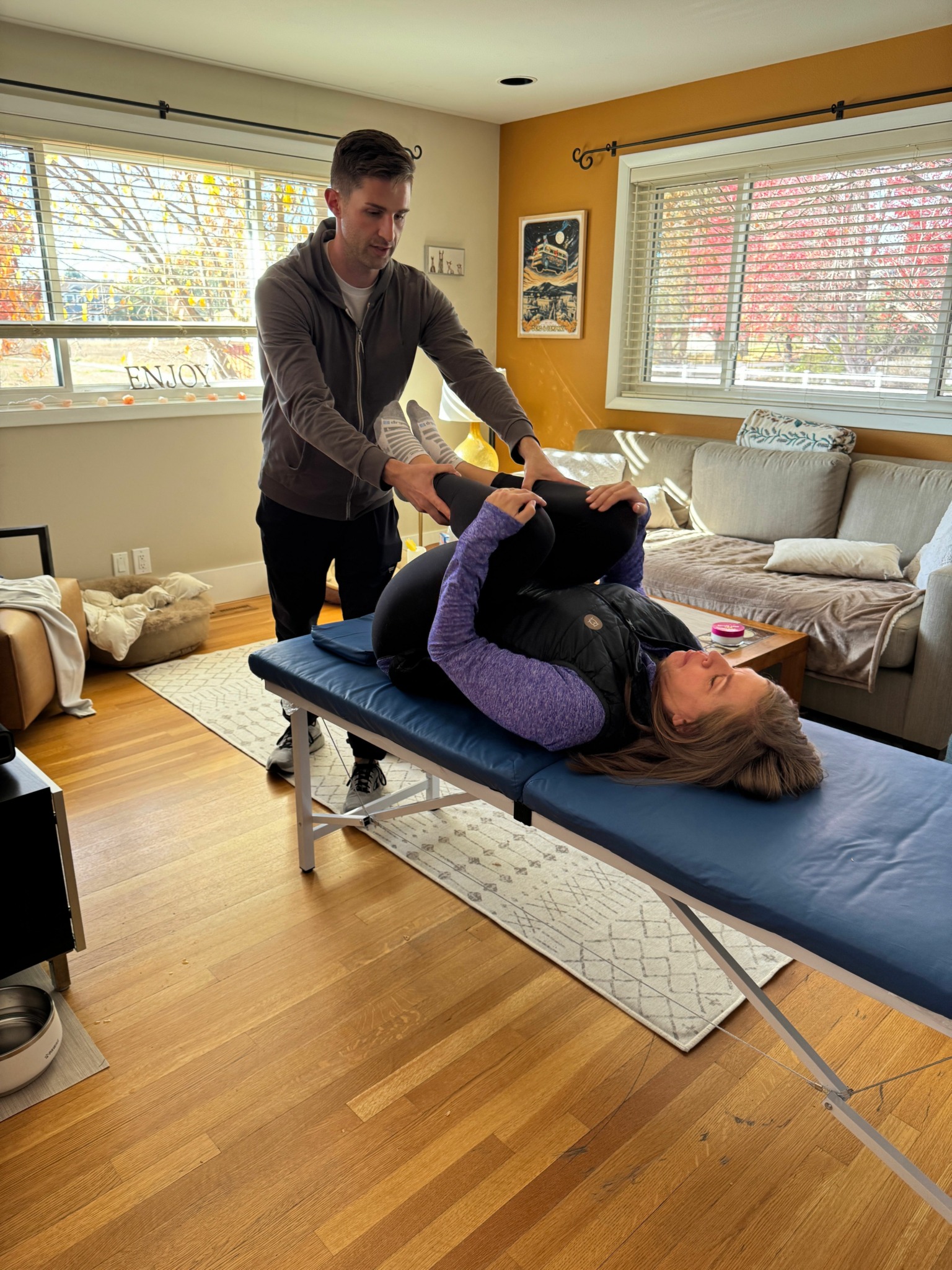
My approach to client care is deeply rooted in empathy and personal connection. I keep in touch with my clients the way I would want someone to be with me – attentive, present, and genuinely invested in their progress. After each session, I make it a point to follow up and check in on how they’re feeling, understanding that their experience is unique and valuable.
I encourage, and almost require, open and honest communication from my clients. Simply sending someone off with homework and not following up leaves a crucial piece of the puzzle missing: understanding how the client truly feels. Each person’s journey is different, and their individual experience matters tremendously.
To me, clients aren’t just bodies to be treated or problems to be solved – they are human beings with complex experiences, emotions, and responses to treatment. By actively listening and creating space for their feedback, I can better understand their progress, adjust treatments if necessary, and provide more personalized care.
This approach isn’t just about physical rehabilitation; it’s about building trust, showing genuine care, and creating a supportive environment where clients feel heard and valued. By maintaining this level of communication, I can ensure that my clients feel supported throughout their entire healing process, not just during our scheduled sessions.
Ultimately, hearing my client is the most important part of the treatment. Their insights, feelings, and experiences guide the entire therapeutic process.
Contact Info:
- Website: https://www.theneutralitynest.com/
- Instagram: @theneutralitynest
- Linkedin: https://www.linkedin.com/in/jon-purkey-0a907489/

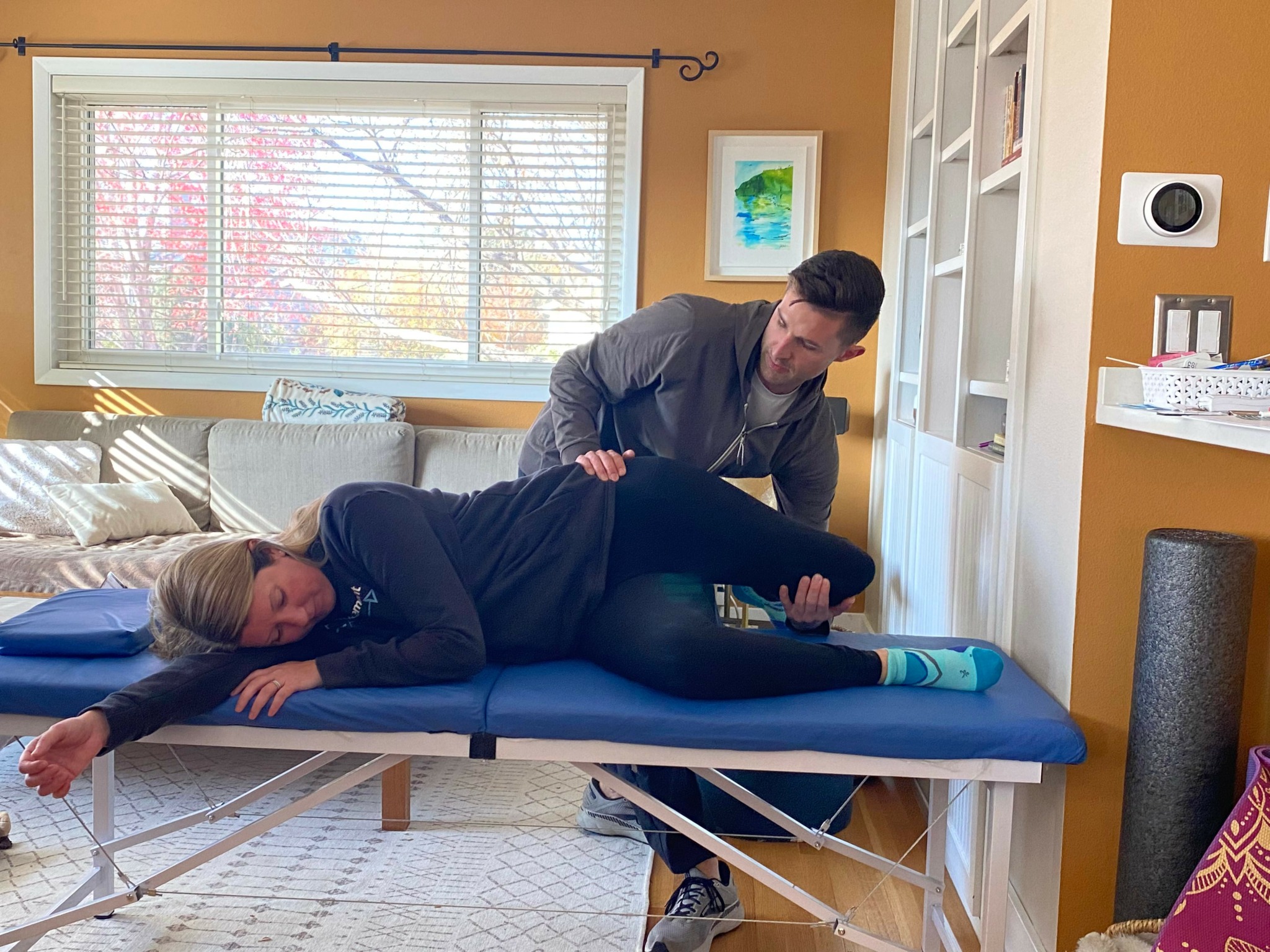
Image Credits
Laura Penner, LIVING POTENTIAL PHOTOGRAPHY