

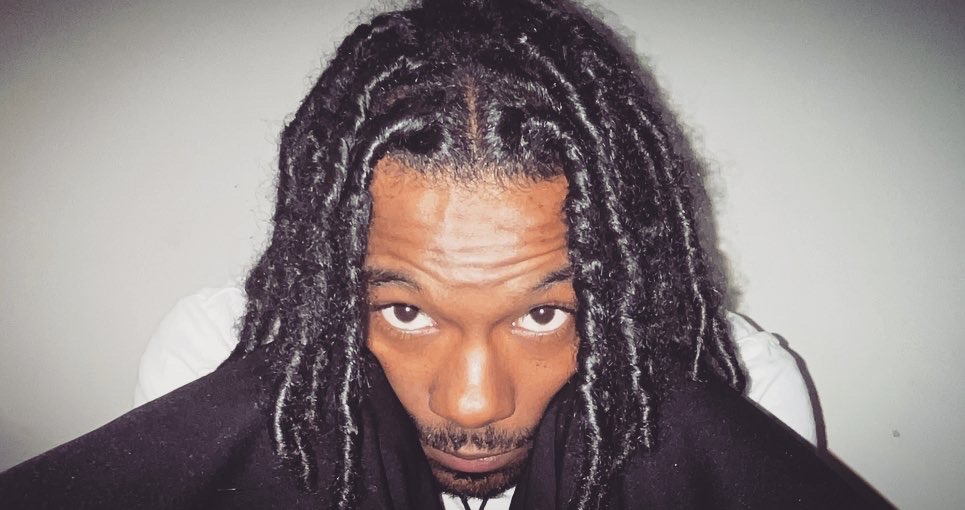

We recently connected with Simba and have shared our conversation below.
Alright, Simba thanks for taking the time to share your stories and insights with us today. If you could go back in time do you wish you had started your creative career sooner or later?
If I could go back in time, I think I’d still choose to start my career exactly when I did. I began making music during one of the hardest times in my life. I was battling depression, and honestly, music became my therapy. It gave me a way to take all those emotions—the pain, the frustration, even the moments of hope—and turn them into something meaningful.
If I had started sooner, I don’t think I would’ve had the same depth or perspective. The music might not have been as raw or honest because I wouldn’t have gone through the things that shaped my sound and my message. On the flip side, starting later might have left me stuck in my own head for too long without that creative outlet, and I don’t know where that would’ve taken me.
So, in a way, my timing wasn’t perfect, but it was necessary. I needed to go through what I went through to create the music I make today. Every song I drop is a reflection of that journey along with the one I am currently on, and I wouldn’t change that for anything.
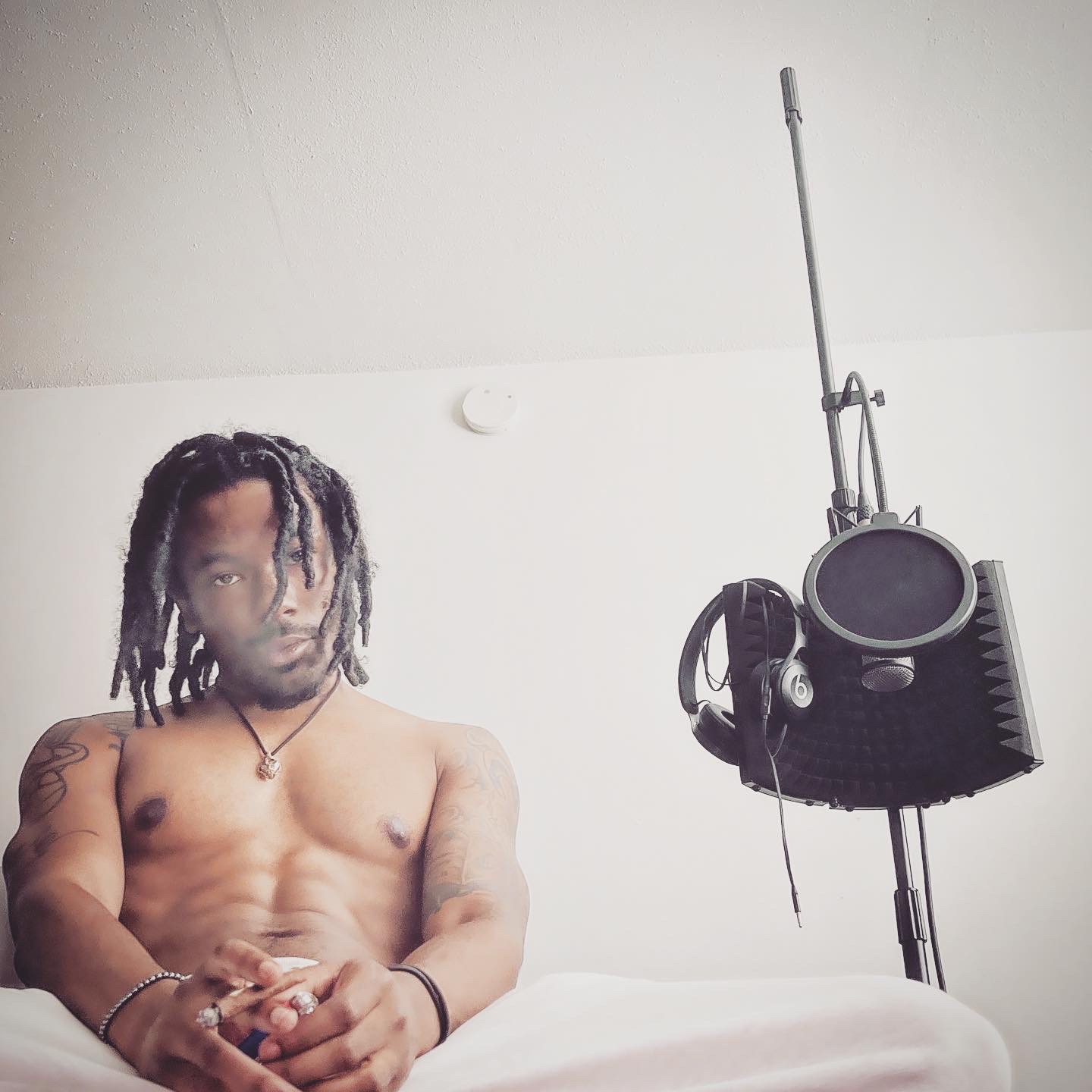
Awesome – so before we get into the rest of our questions, can you briefly introduce yourself to our readers.
From a young age, I’ve always had a deep connection to music. Growing up in the early ’90s, I was hearing some of the greatest musicians of all time. Icons like Michael Jackson, Prince, Luther Vandross, Earth, Wind & Fire, and countless others were a constantly being played in my childhood. Their timeless music laid the foundation for my love and appreciation of the art form.
As I got older and started exploring music on my own, I remember digging through my dad’s and older brother’s collections of cassette tapes and CDs, searching for sounds that resonated with me. That’s how I discovered legendary albums like Nas’s Illmatic and Jay-Z’s Reasonable Doubt. Those moments also introduced me to other icons like The Notorious B.I.G. and Wu-Tang Clan. Sifting through their music felt like uncovering treasures, and it gave me a deeper understanding of the artistry and storytelling that define hip-hop and music as a whole.
I’m an artist and storyteller who uses music as a way to connect with people on a deeper level. My journey into this craft started with my own struggles. I battled through depression and found that music was not only my escape but my way of healing. It became my platform to channel raw emotions into something meaningful. What sets me apart is that everything I create is rooted in honesty. My lyrics tell real stories, both my own and those that people around me can relate to.
The art I provide is more than just music. It’s an experience. It’s about connecting with listeners, whether they’re looking for something they can vibe to or something that speaks to their soul. I want my work to feel like a conversation, like a way of saying, “You’re not alone in what you’re feeling.”
What I’m most proud of is the impact my music has had on people. Hearing someone say my words helped them through a tough time or gave them the courage to keep going is the ultimate validation for me.
For anyone just discovering me, I want them to know that my brand is built on authenticity. Every song, every verse comes from a real place. It’s not just about chasing trends or hits. It’s about creating something timeless that resonates on a personal level. My mission is to inspire, uplift, and remind people that even in the darkest moments, there’s always a way forward. That’s the heart of everything I do.
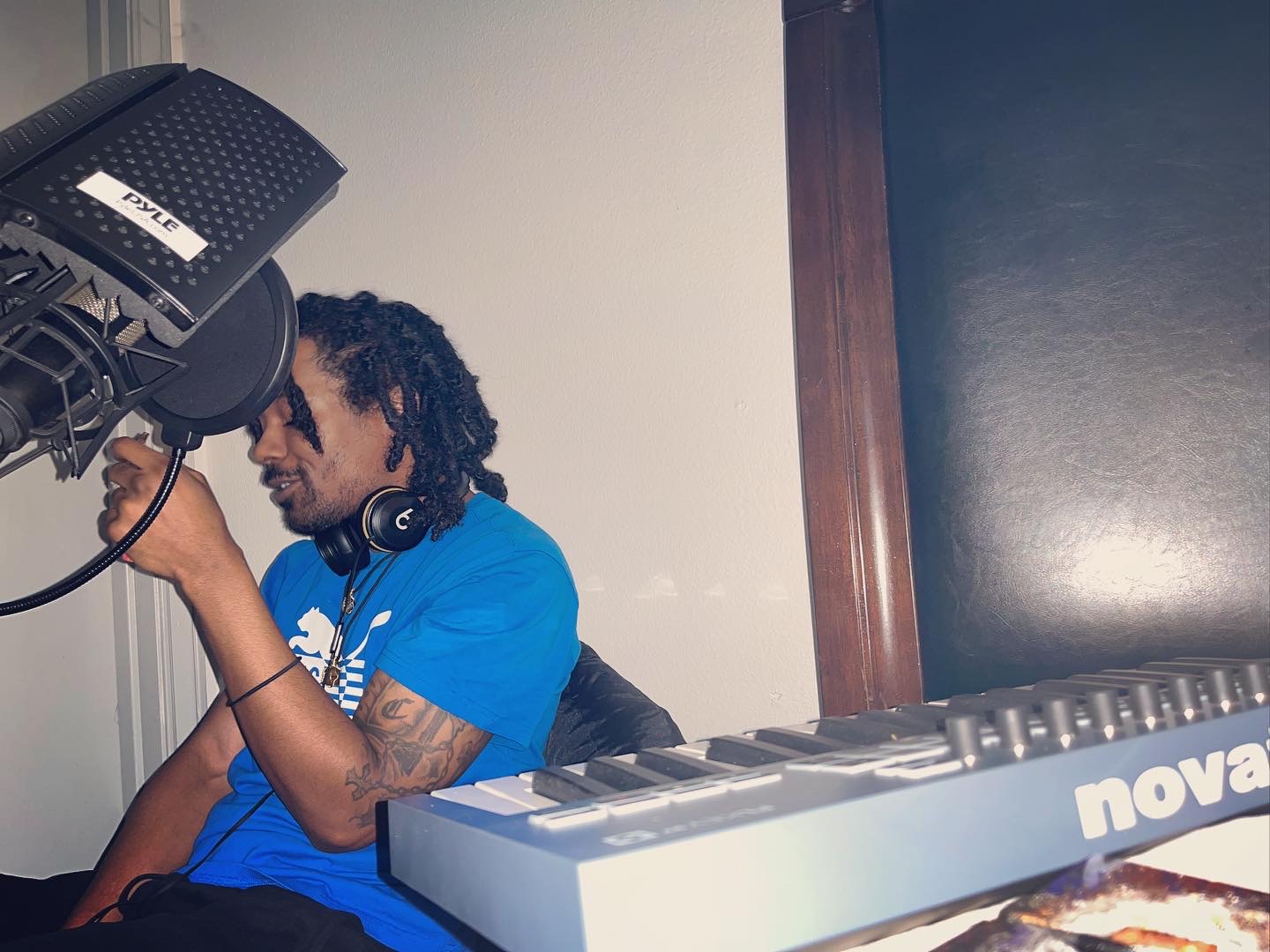
Is there a particular goal or mission driving your creative journey?
Absolutely. Authenticity is the driving force behind my creative journey. In my opinion, much of hip-hop today has become overly watered down and algorithm-driven. Too many artists are chasing trends, shaping their sound to fit what’s popular at the moment. I understand the pressures—they’re trying to keep their labels happy and stay relevant—but at some point, we have to ask: where is the art in rap? When will lyricism and meaningful messages take priority again?
That’s why I resonate so much with artists like Kendrick Lamar, J. Cole, and Wale. Their music is rooted in authenticity, it reflects their lived experiences in a way that can’t be fabricated or mimicked. That’s the standard I hold myself to in my own music. Everything I create is grounded in truth. No matter the topic, my songs will always reflect real stories, emotions, and experiences.
For me, it’s not just about making music, it’s about making music that matters. Music that connects with people on a deeper level because it comes from a place of honesty. That’s the legacy I’m striving to build.
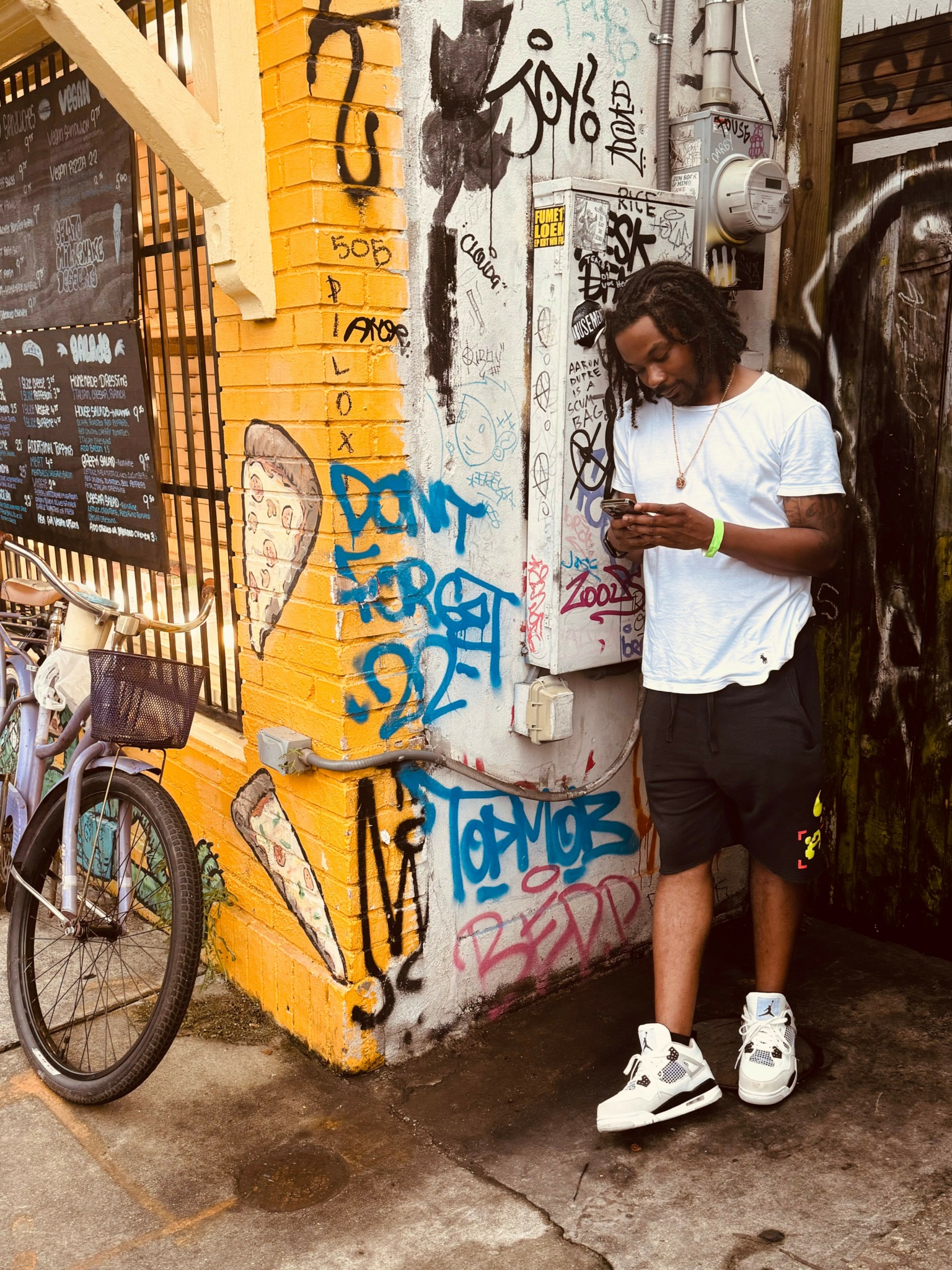
What can society do to ensure an environment that’s helpful to artists and creatives?
In my view, the best way society can support artists and foster a thriving creative ecosystem is by truly valuing the contributions of creatives, not just as entertainers, but as vital voices that shape culture and reflect the times we live in. This starts with education. Schools should prioritize arts programs and provide young people with access to music, visual arts, writing, and other creative outlets. Early exposure to these disciplines can inspire the next generation of creatives and show them that their passion has a place in the world.
Another way society can support artists is by creating more equitable platforms and opportunities. Too often, access to resources, like studio space, funding, or mentorship, is limited to those with the right connections. Investing in grants, residencies, and community programs that uplift emerging and underrepresented artists can help level the playing field.
Finally, we need to encourage people to consume art intentionally. That means buying directly from artists, attending live shows, supporting independent platforms, and sharing creative works that resonate with them. In a world where algorithms dominate, genuine support goes a long way in helping artists sustain their craft.
Ultimately, a thriving creative ecosystem depends on respect for artistry. When we stop treating creativity as secondary to other industries and start recognizing its power to inspire, educate, and drive change, we all benefit.
Contact Info:
- Instagram: Simbatheking_14
- Facebook: https://www.facebook.com/share/12C1trFz93R/?mibextid=wwXIfr
- Linkedin: https://www.linkedin.com/in/terrance-mcgee-20532684?utm_source=share&utm_campaign=share_via&utm_content=profile&utm_medium=ios_app
- Twitter: @teebemackin
- Youtube: https://youtube.com/@simbatheking14?si=HJKl2ImAqI4BeFMN
- Soundcloud: https://on.soundcloud.com/wvW5yNVCAF4bqgbz7
Image Credits
Terrance McGee