


Alright – so today we’ve got the honor of introducing you to Ray Hanna. We think you’ll enjoy our conversation, we’ve shared it below.
Alright, Ray thanks for taking the time to share your stories and insights with us today. It’s always helpful to hear about times when someone’s had to take a risk – how did they think through the decision, why did they take the risk, and what ended up happening. We’d love to hear about a risk you’ve taken.
Taking risks has always been a defining feature of my life—though I didn’t fully realize it until now, when I have a family and a more stable existence. Looking back, I see that risk-taking wasn’t just about daring; it was about passion—an intense drive to embrace situations with uncertain outcomes.
It all started when I immigrated to the U.S. alone at 22, leaving my immediate family behind. I vividly remember riding my bike to my first job interview, brimming with enthusiasm, even though the job was as an overnight stocker at a major chain store—a role demanding hard, physical labor. Despite the challenges, I approached each opportunity with eagerness. I switched jobs frequently at first, driven by curiosity and a desire to experience everything I could. Wherever I went, I was hired, appreciated, and respected.
Back home, I had already discovered my love for the arts, directing plays in high school and forming my first theatre group in college. But after coming to the U.S., I got swept into the current of everyday life, forgetting about theater, writing, and directing.
Then came a turning point—20 years after I arrived in the U.S. During the pandemic, a neighbor of mine, an artist, rented a warehouse to live in and transform into a theater space when the world reopened. He invited me to direct a play. It was another leap into the unknown—juggling a demanding full-time job, a wife, and three kids. But I couldn’t resist. I missed theater too much.
That experience reignited something deeper: I realized I wasn’t just a director—I needed to tell my own stories. Directing other writers’ work didn’t fulfill me. The only way forward was to create and produce original material.
With my wife’s unwavering support, we pooled our resources and launched a nonprofit theater. We knew financial returns wouldn’t come quickly. Theatre—especially non-musical productions and independent ventures in California—faced significant challenges. But we pressed on, driven by passion and the joy of crafting bold, original narratives. Our stories are funny yet thought-provoking, unlike anything currently in the U.S. theater scene.
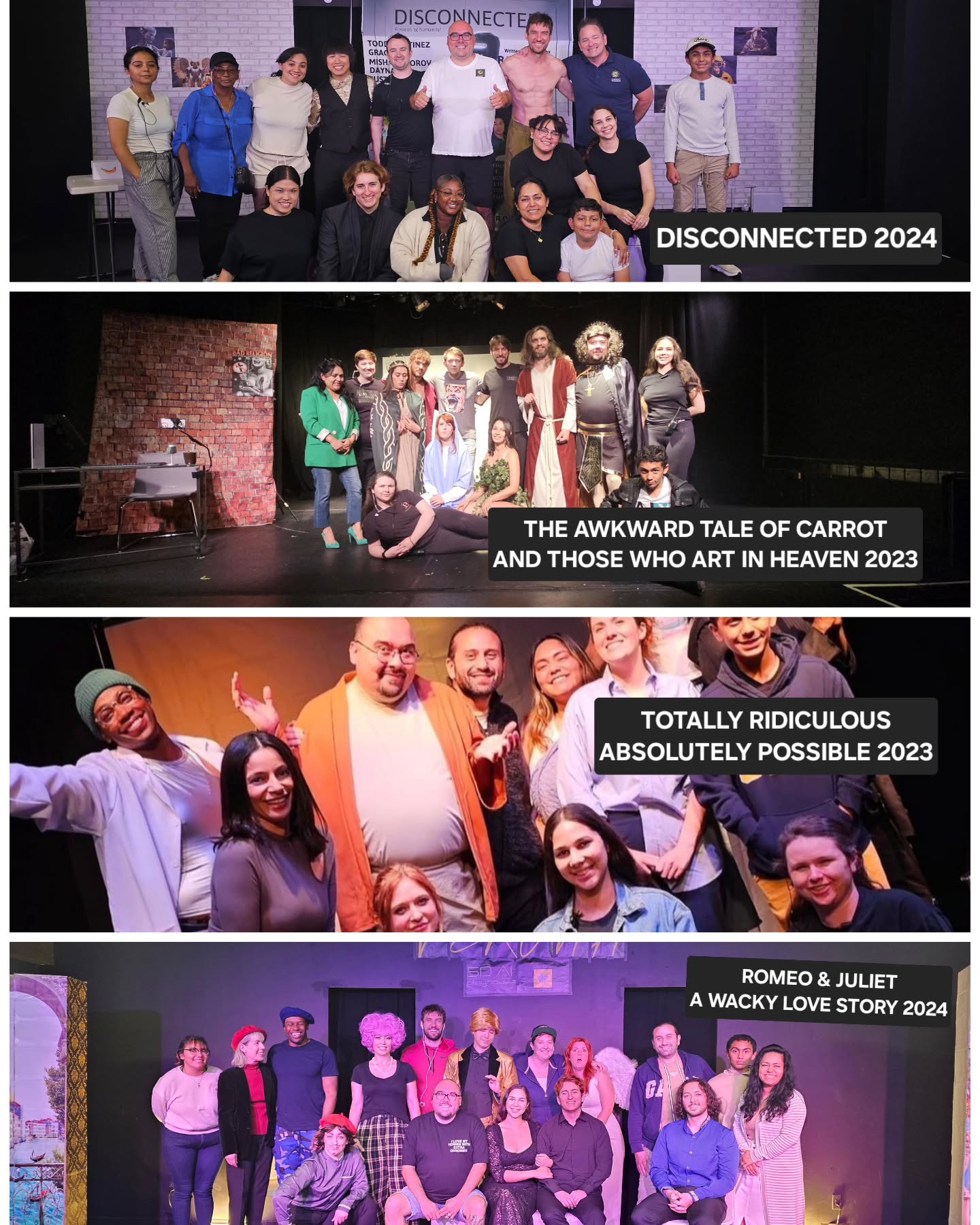
Two years later, we’ve survived—against the odds—with four original productions under our belt and a new season ready to launch.
Taking risks has never been about recklessness—it’s about believing in something so fiercely that uncertainty becomes fuel. And that’s where the true rewards lie.
Great, appreciate you sharing that with us. Before we ask you to share more of your insights, can you take a moment to introduce yourself and how you got to where you are today to our readers.
My journey into the world of writing and theatre began in Egypt, where I lived until the age of 22. My passion for storytelling emerged early—at just seven years old, I was already crafting suspenseful and dramatic stories in my mother tongue. My talent must have stood out because I remember an adult reading one of my stories and refusing to believe a child could have written something so compelling.
As I grew older, my interests evolved toward satire and socially conscious writing. I penned opinion pieces filled with social and political sarcasm and began writing short comedy sketches at school. My creative ambitions expanded in college when I formed my first theatre company and produced two socially and politically charged comedies. Given Egypt’s restrictive political climate at the time, pursuing such work came with considerable risk, but my determination to express myself through art never wavered.
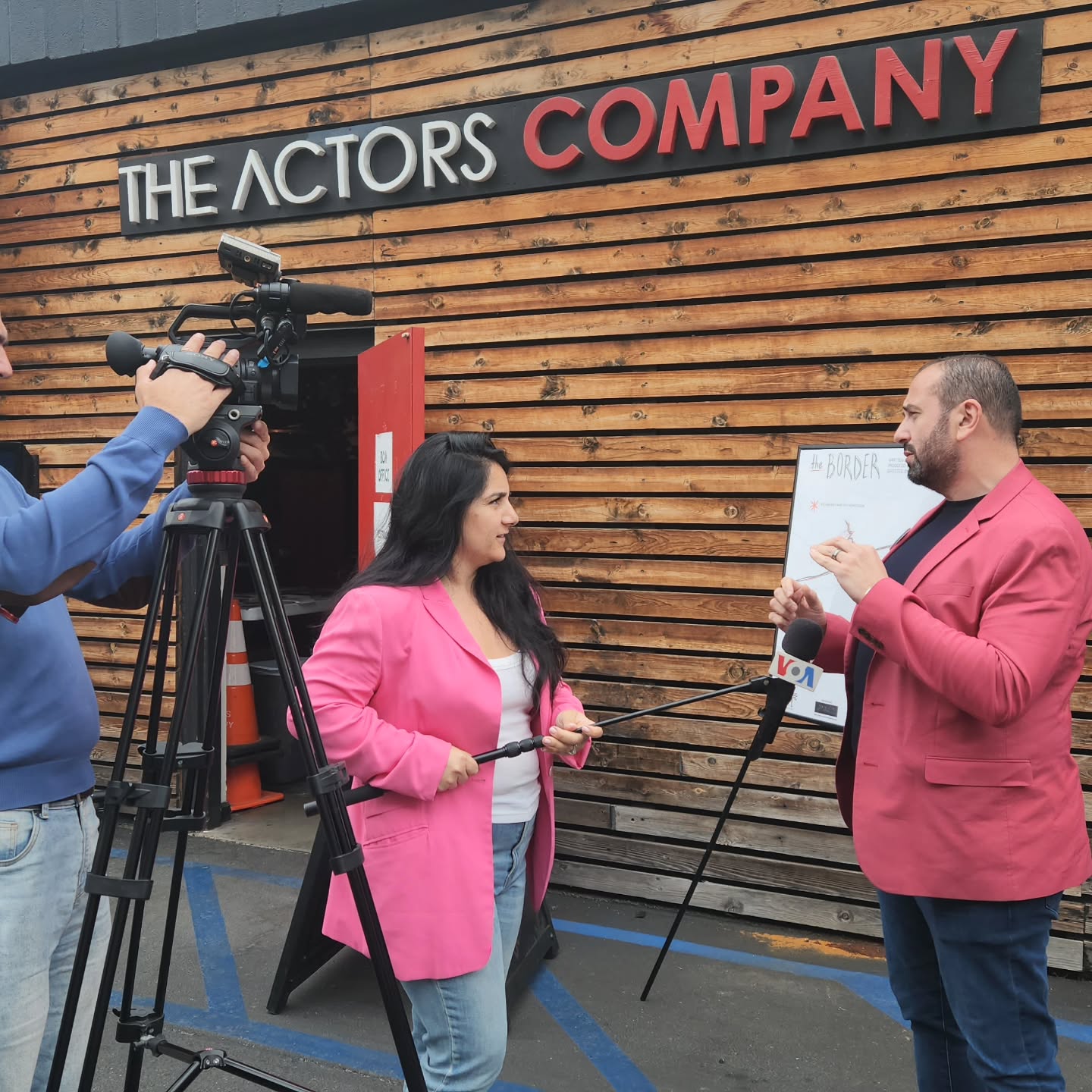
After immigrating to the U.S., I put my artistic pursuits aside for nearly two decades while I focused on building a stable life and raising a family. Then, a turning point came when a neighbor and fellow artist encouraged me to return to theatre by directing a play. Despite the challenges of balancing a demanding schedule and family life, I took on the project and directed a well-known comedy.
However, the process wasn’t without its hurdles. Creative disagreements with the play’s producer ultimately led me to a crucial realization: if I wanted to create the kind of art I truly believed in, I would need to take full creative control.
With the unwavering support of my family, I established RimoVision Group as a nonprofit theatre company. I returned to writing and producing original comedies and satires, crafting stories that blend humor with bold social commentary. My wife and children became integral members of the production team, helping with everything from backstage logistics to creative development.
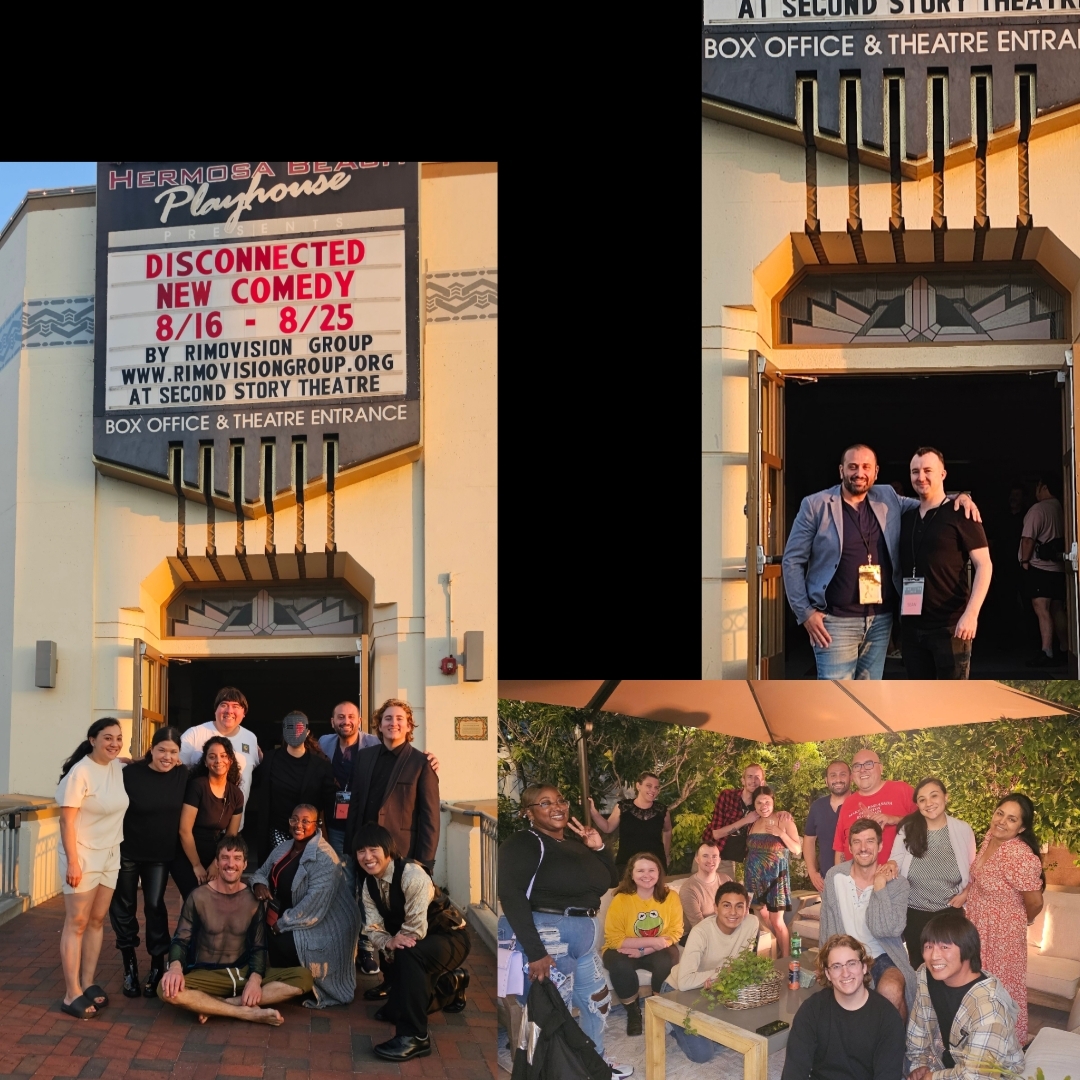
Today, one of my sons co-writes and composes original music for me, my daughter is a production assistant, my youngest is my concession stand manager, and my wife is my costume specialist. RimoVision Group has a dedicated ensemble of talented artists eager to collaborate on new and daring projects. Our productions are unapologetically bold, thought-provoking, and uniquely humorous—filling a distinctive space in the U.S. theatre scene.
Although my only formal art-related education was a course in scriptwriting, I believe that artistic talent transcends academic credentials. Art is a vision, a perspective, and a talent—it’s almost a gift. Of course, education can refine and enhance that gift, but it’s not always essential.
In your view, what can society to do to best support artists, creatives and a thriving creative ecosystem?
When asked about what it takes for theatre to continue to exist and thrive, especially beyond big musical productions, I believe the answer lies in society’s willingness to “TRY.” I’m talking about small to medium-sized theatre productions—those driven by numerous talents and bold risk-takers. For theatre to flourish, people need to give live performance a chance.
In today’s fast-paced world, our personal time is so limited that the idea of trying something unfamiliar can feel risky. We gravitate toward what we know we’ll enjoy because our free time is precious. But I truly believe we need to push past that hesitation and experience live theatre.
Theatre is an ancient art form that has shaped much of what we watch today—whether on TV, in movie theatres, or even on social media. If individuals or families made it a point to attend a theatrical production just once a quarter, they might find themselves hooked. There’s magic in seeing a story unfold live, right in front of you. No two performances are ever the same. With every show, the same narrative is reborn and infused with fresh energy. It’s an experience that can’t be replicated by any screen.
What do you find most rewarding about being a creative?
The most rewarding experience in theatre is hearing an audience laugh, gasp, or even shed a tear in response to the performance. It’s the ultimate validation of the artists’ dedication and passion as they bring a narrative to life on stage. That feeling becomes even more profound when the story being told originated from my own imagination. Seeing something I envisioned resonate so deeply with others is an indescribable joy and a reminder of why I create theatre.
Contact Info:
- Website: https://www.rimovisiongroup.org
- Instagram: https://www.instagram.com/rimovision_group
- Facebook: https://www.facebook.com/rimovisiongroup
- Youtube: https://www.youtube.com/channel/UCgi6qvjb8gJx-Ml3HlleuKg
