



We’re excited to introduce you to the always interesting and insightful Successful Brim. We hope you’ll enjoy our conversation with Successful below.
Successful, appreciate you joining us today. Setting up an independent practice is a daunting endeavor. Can you talk to us about what it was like for you – what were some of the main steps, challenges, etc.
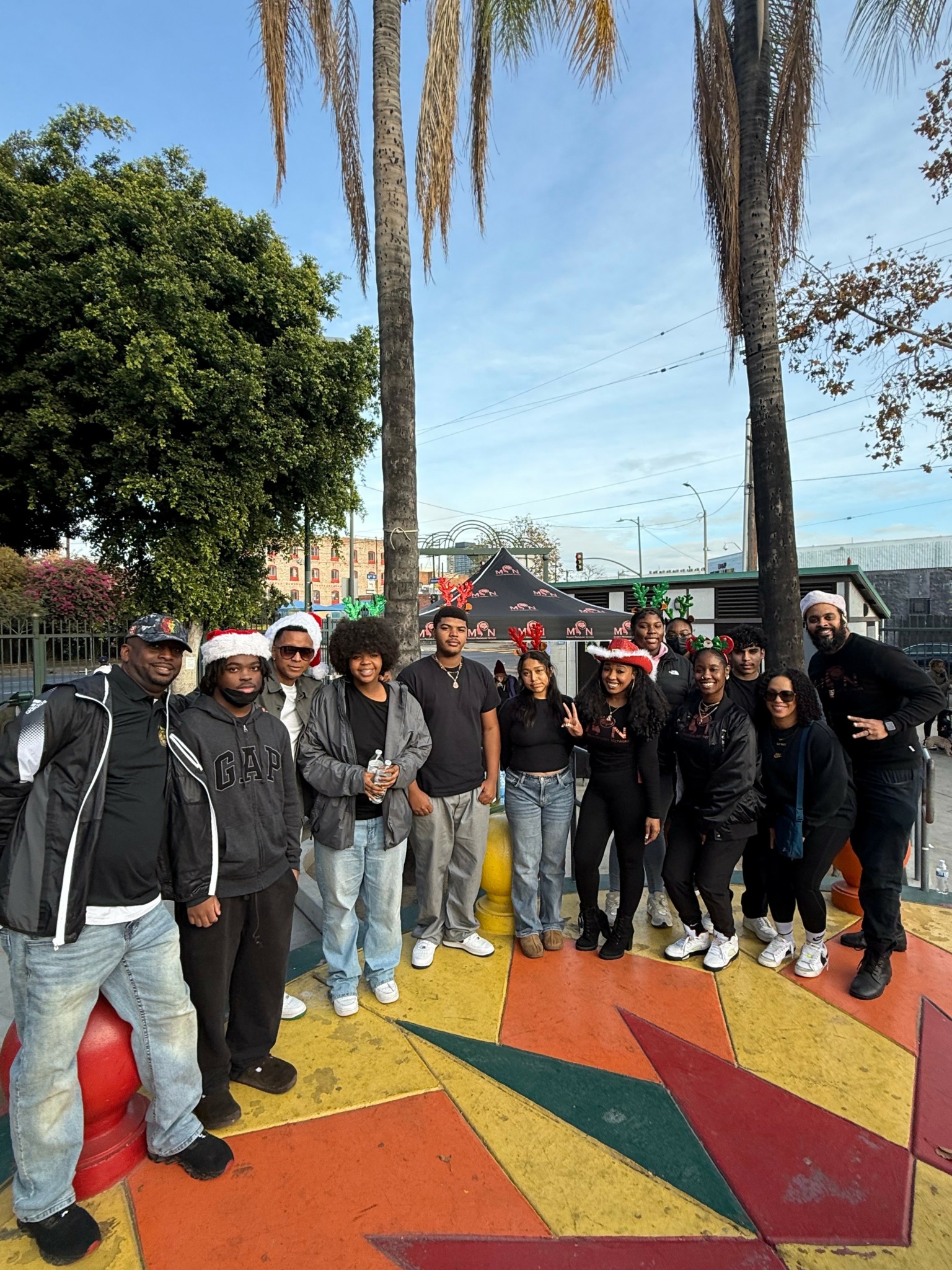
I have always wanted to put together a network of minority mental health professionals and advocates to help break the stigma surrounding mental health and to also spread mental health awareness. My goal in the process is to create and highlight more minority mental health professionals. The event featured a variety of mental health professionals and mental health advocates, all of whom provided insight into their respective professions as well as their own mental health journeys.
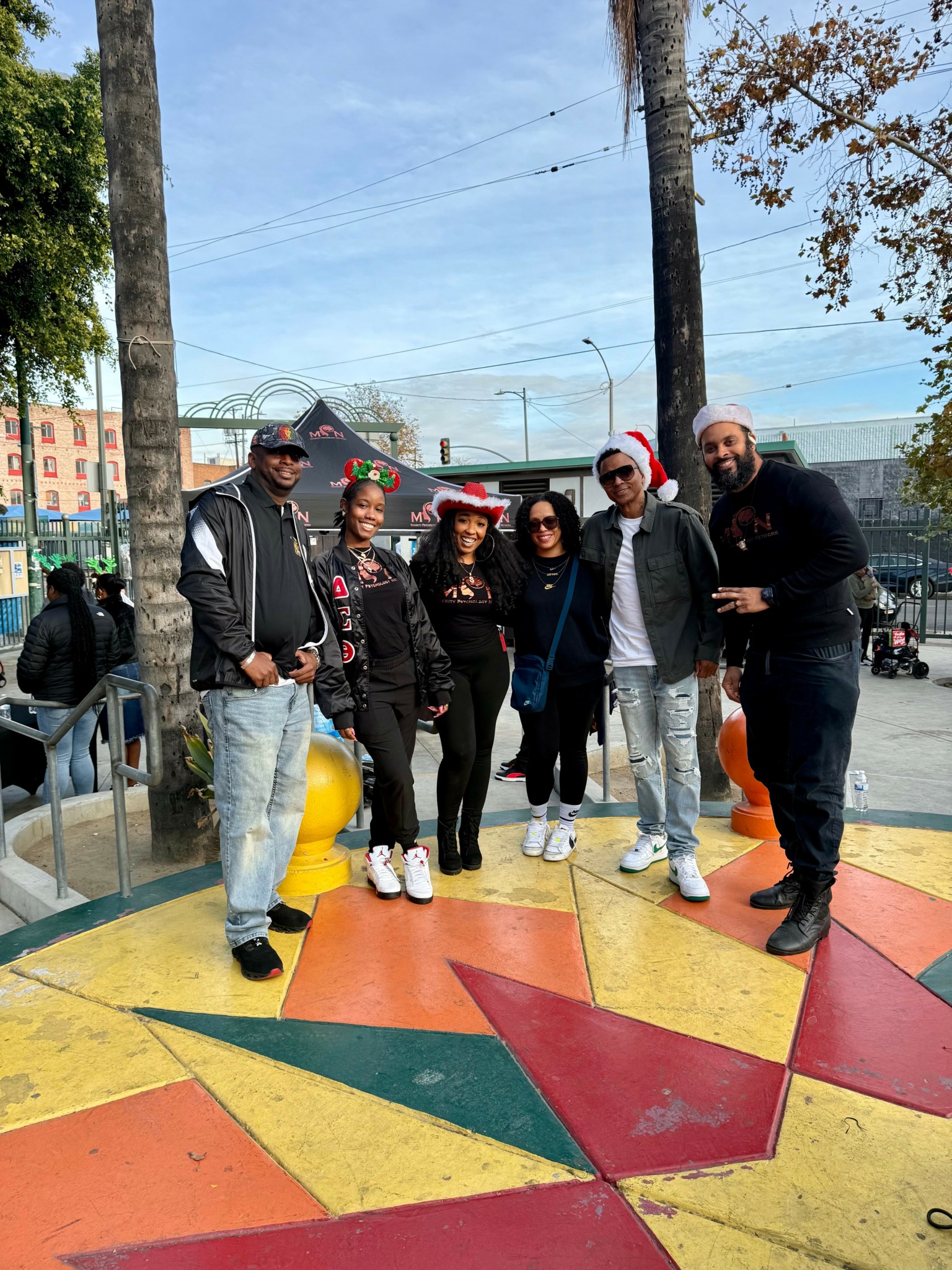
It has not been a smooth road, however, our employees, our members, our volunteers, and our interns have all worked so hard to get us where we are today! It is worth every bump in the road knowing that we are changing lives.
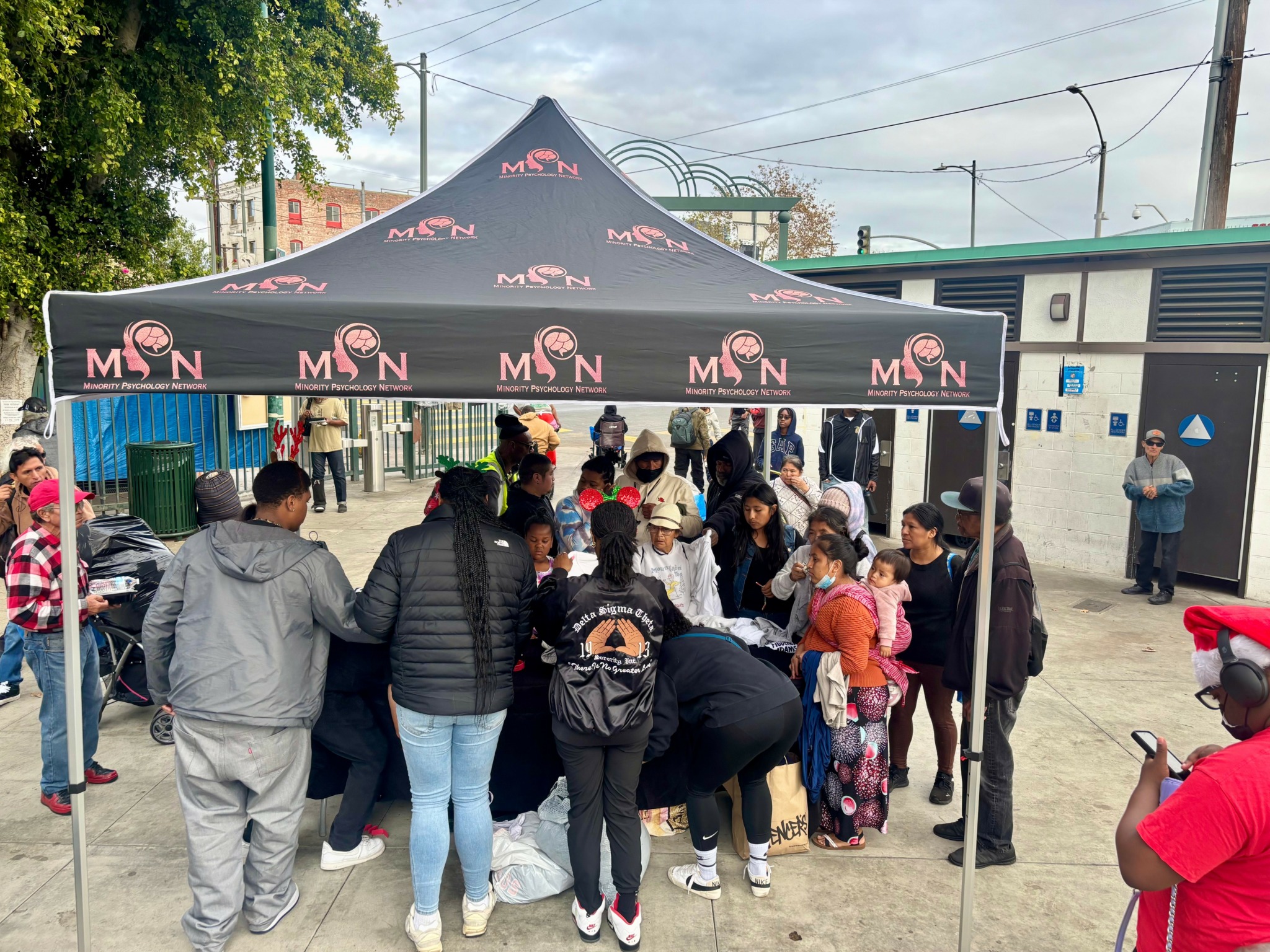
Our community and our impact have continued to grow.
To anyone who is looking to start their own nonprofit, I would say all it takes is passion. When you have that you are already on your way!
Great, appreciate you sharing that with us. Before we ask you to share more of your insights, can you take a moment to introduce yourself and how you got to where you are today to our readers.
MPN was created in September 2019 when I had a vision to have my very first mental health workshop in Los Angeles at Vector 90. My very close friend, Adoma Adae, organized annual Women Empowerment events in DC that she asked me to speak at every year. One year after her event, I asked could she help me put together a mental health workshop in LA. She was happy to help! As I was planning the event, my friend told me I should name it! So then I came up with The Minority Psychology Network.
MPN is committed to exploring and highlighting the impact that mental health can have on every aspect of people’s lives and on people from different communities. Through our various committees, we focus on veterans’ mental health, psychoeducation, community outreach, entertainment industry and mental health, mental health law & policy, the intersection of mental health and spirituality, and sports and mental health (with recent webinar guests including a former NFL player and HBCU athletes), among numerous other topics.
Can you open up about how you managed the initial funding?
When I first started the minority Psychology network I did not have any capital. I was able to get individuals to believe in my class to help sponsor. As we grew were able to establish a grant writing team.
MPN was awarded $100,000.00 grant from the Booz Allen Foundation Innovation Fund. The funding will pilot our mobile mental health unit and app. Beginning this fall, the initiative will bring free, culturally competent mental health care directly to essential workers in the Los Angeles neighborhoods where they live—connecting them to services, helping them navigate a complex system, and helping build resilience.
I was overjoyed and honored to learn that that the Booz Allen Foundation Innovation Fund chose to invest in our project. Research has shown us that essential workers, who are disproportionately members of underserved communities, are experiencing adverse emotional effects from the pandemic—and many minorities already face difficulty accessing mental health care. Mobile units will offer services including—among others—limited talk therapy, screenings, and stress management workshops, while the MPN app is designed to connect visitors to the bus with available clinicians in the longer term. Through our mobile bus and app, we’re connecting with people right where they live and helping them understand services available to them. It’s not designed as a replacement for traditional behavioral health services but as a way to start the conversation. With the support of the Innovation Fund, MPN’s clinical team members will begin deploying the buses in Los Angeles this fall.
Other than training/knowledge, what do you think is most helpful for succeeding in your field?
I also work in media. I believe my communication skills help build relationships with community partners and those who are interested in learning more about taking care of their mental health.
Contact Info:
- Website: https://theminoritypsychologynetwork.org/internships-volunteers/
- Instagram: https://www.instagram.com/minority_psychology_network/
- Facebook: https://www.facebook.com/Minoritypsychologynetwork
- Linkedin: https://www.linkedin.com/company/minority-psychology-network/?viewAsMember=true
- Twitter: https://x.com/home
- Youtube: https://www.youtube.com/channel/UCpnrwQjUTf771VxH9tIadEg
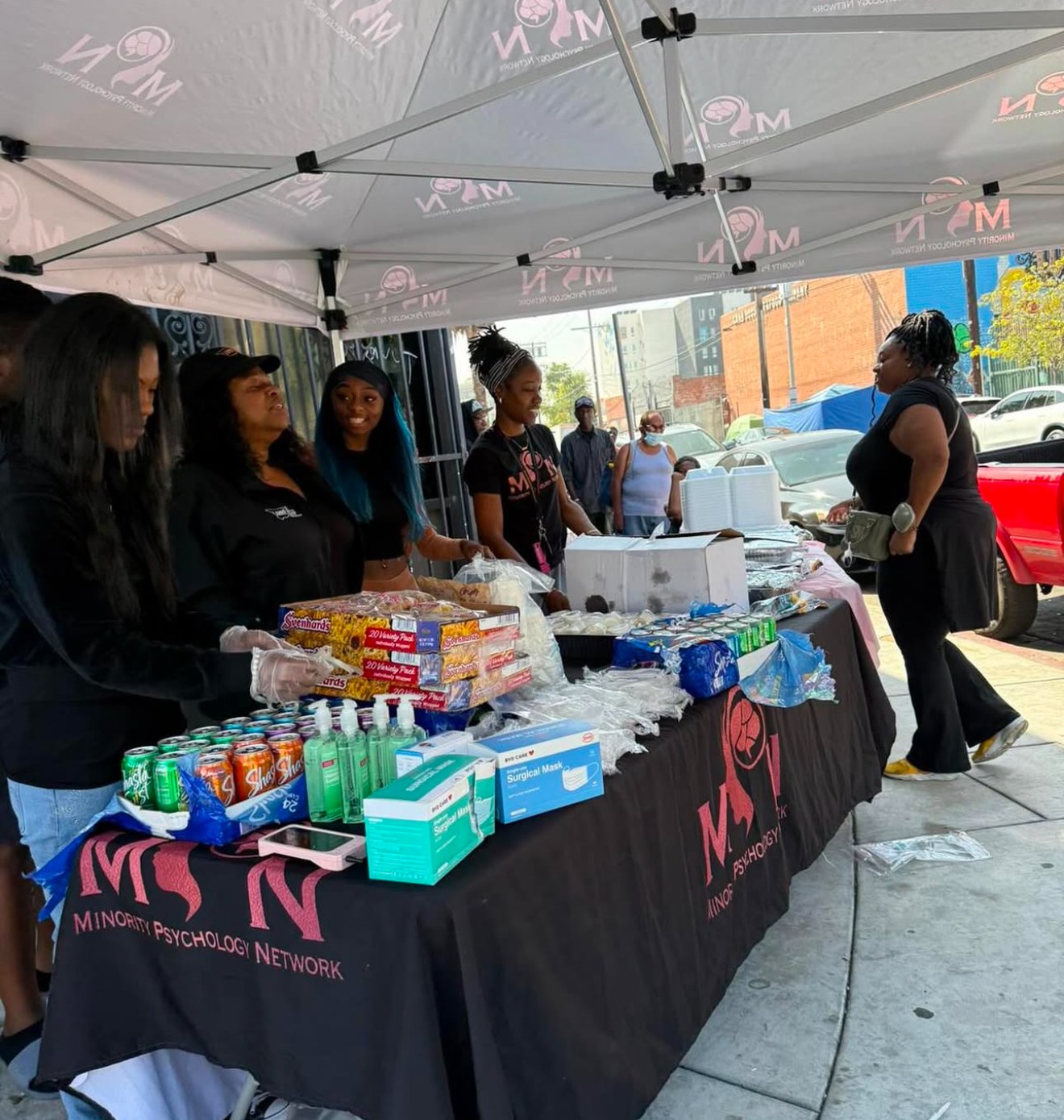
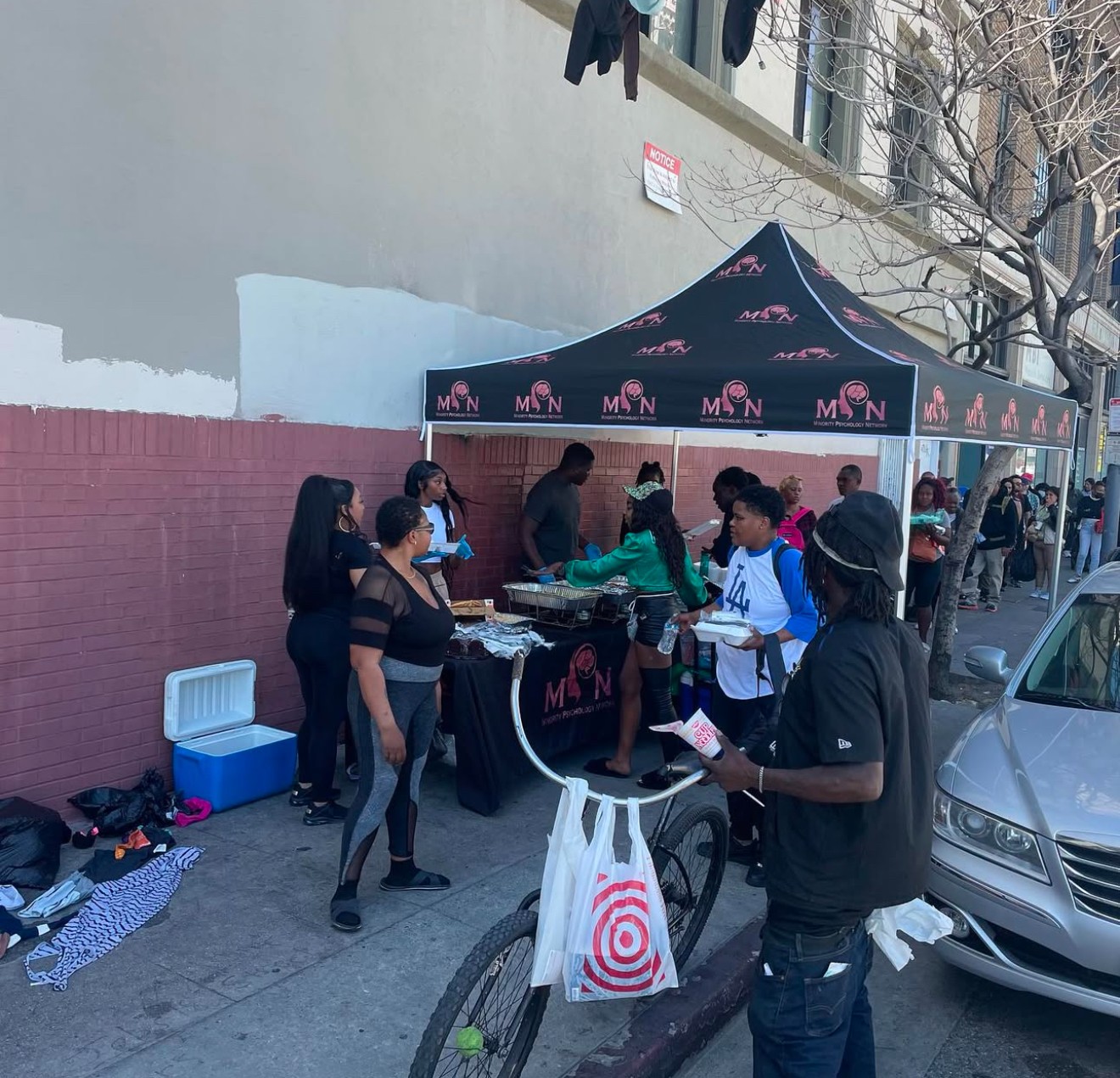
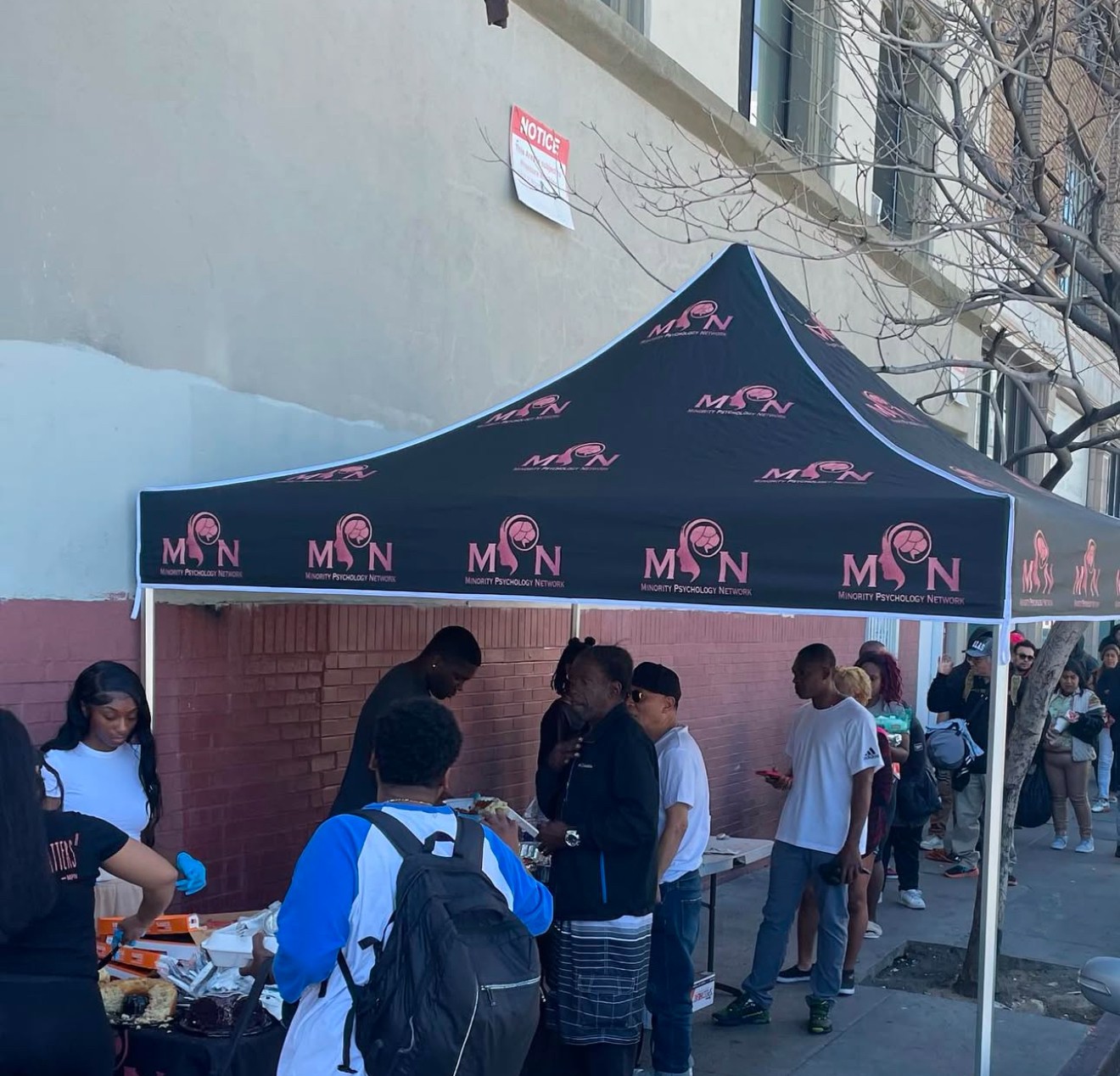
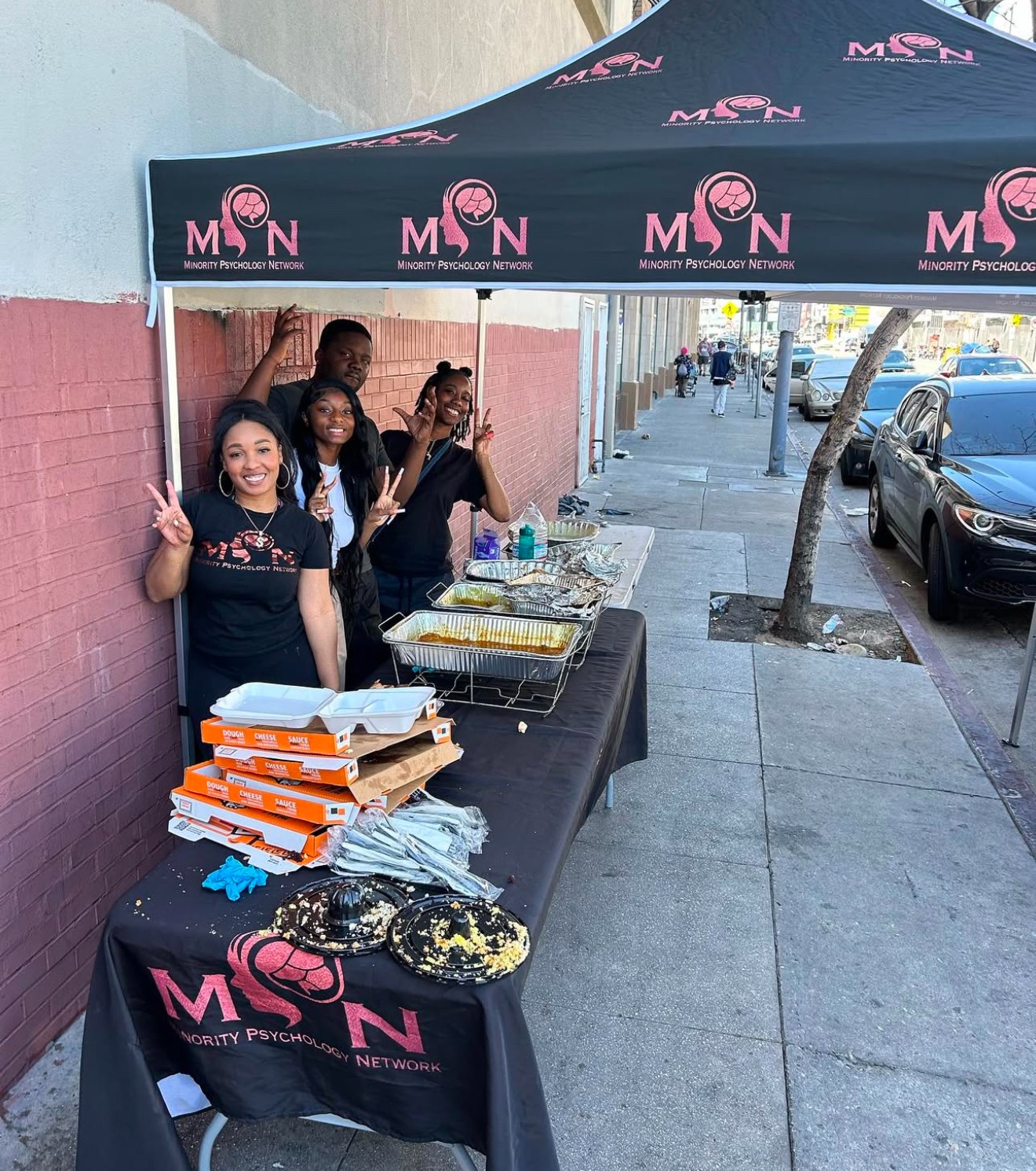
Image Credits
n/a