



Alright – so today we’ve got the honor of introducing you to Bridget Derville-teer. We think you’ll enjoy our conversation, we’ve shared it below.
Hi Bridget, thanks for joining us today. One of the toughest things about progressing in your creative career is that there are almost always unexpected problems that come up – problems that you often can’t read about in advance, can’t prepare for, etc. Have you had such and experience and if so, can you tell us the story of one of those unexpected problems you’ve encountered?
I decided to give my entire life to dance when I turned thirteen. My peers loved dance from the time we were in pre-ballet together. So even though I had been dancing since I could walk, I felt like I had a lot of hard work and catching up to do. I would eat, sleep, and breathe dance to the point where days off and vacations caused me great stress. I worked as hard as anyone could imagine. My inner dialogue turned unhealthy, and a lot of my hard work came from a place of self hatred. I was working hard to change into something else. I wanted to completely dismantle myself without an image in mind to replace that version of me. By the time I was sixteen, I completely fell apart mentally and physically.
My inner dialogue surrounding goal setting and tied with self-hate turned into an aggressive, relentless eating disorder. Once I became visibly ill, I was told if I didn’t get my act together, I would be placed in a partial hospitalization program. I vividly remember that entire month of my life. I could not shake the addiction to save my life…literally. I knew I would be taken away from dance for a long, long time and I still couldn’t stop my behaviors. I had to come to the hard realization that I had been working hard in all the wrong ways. I was behaving as if I hated myself more than I loved dance, which ended me up in that treatment center farther removed from dance than ever.
Having dance taken away from me was an eye opening event for me to say the least. I had only ever spent time in dance studios. I did not have a personality or opinions about anything. It was easy to make dance my whole identity. Without dance I had nothing. I finally realized my relationship to dance was unhealthy. Through my time in treatment, I decided what I wanted in life. I decided that it was important for me to make people around me laugh. I decided I wanted to be a competitive choreographer. I dyed my hair black and embodied a more gothic style. I started to educate myself about the outside world and discover my true values. I learned that life is too short to take ANYTHING as seriously as I was taking my ballet technique.
Now that I am a dance teacher and choreographer for teens, I couldn’t be more grateful for how my time away from dance impacted my perspective. I try to help my dancers find the balance between work and play, focus and freedom, and encourage them to find out who they are. I want them to have their own opinions, values, and most of all, I want them to know they have a say in their experience. They could quit tomorrow and everything would be okay. They could decide they want to shave their head and they would be fully supported in that. They can step outside of rehearsal for space, get water, or eat food at any time and they get to own those decisions. I don’t think I would be half the educator I am if it hadn’t been for this experience.

As always, we appreciate you sharing your insights and we’ve got a few more questions for you, but before we get to all of that can you take a minute to introduce yourself and give our readers some of your back background and context?
I am a choreographer for six competitive studios on the west coast. I set around 35 solos and group pieces total every season. I work with advanced and pre professional teenagers who want to take their artistry to the next level. I love to travel over the summer to work with as many new dancers as I can.
I pride myself on originality in my choreography. I never play it safe. I will own the fact that my work is memorable regardless of whether it is liked or not. I love being me and creating work that feels like me. It is important to remember that we aren’t putting work out for external validation but for personal expression. I enjoy pushing my students mostly in their commitment level. I love to push artistic boundaries in my art. I love to create pieces where dancers have to tell deep, dark, and complex stories while staying age and level appropriate.
The most important thing to me is that the dancers I work with feel comfortable; Comfortable enough with me to take risks and push themselves in rehearsal, but most of all, comfortable with the story they are portraying. Consent is everything. It’s so important that dancers know they have a voice. I try to let my kids know as often as I can that they can voice their feelings to me about anything they need to make our rehearsals feel safe, healthy, and accessible for them. If I need someone to scream onstage, (which I would absolutely do), I will work around someone who feels unready to do so. While I encourage risk taking strongly, every dancer is different. It is vital we respect where each artist is in their journey.
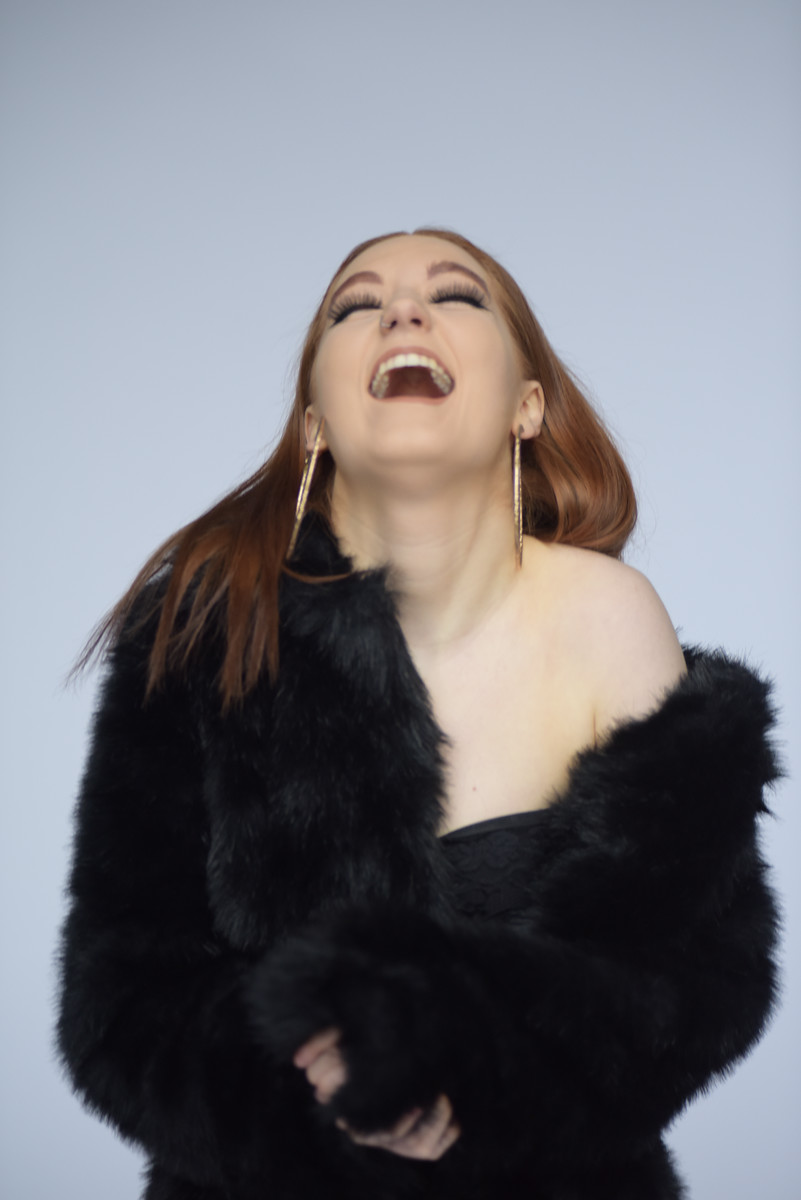
Can you share a story from your journey that illustrates your resilience?
In May of 2016, I was fully released from treatment and cleared to dance after seven months of absence. I couldn’t have been more behind technically and stamina-wise, but I was itching to get back to training with a healthier, more productive mindset. I had a fire under my belly like you wouldn’t believe. I had spent the entire 2016 competitive dance season watching competitions from beginning to end while developing my artistic opinions and thinking about what I would do if I finally got the chance to have my three minutes on stage again. I decided I was going to be a choreographer that year.
When I was cleared to dance, I choreographed my first solo. The regional competition season had ended and the only thing left was nationals. It was definitely intimidating to have my debut self choreographed solo to be at a national competition after not dancing for seven months, but that thought only briefly crossed my mind. I was just so grateful to be able to do what I loved again as a stronger, more artistically refined version of myself. I remember every second of that competition. I was so happy to be there and so happy to be alive. I ended up with the highest score of the competition and won the only choreography award they gave out. Getting to stand up onstage at sixteen years old and say that I was the one who choreographed my piece was one of the proudest moments of my life because I knew what it took to get me there.

Is there a particular goal or mission driving your creative journey?
My mission is to help reshape competitive dance culture for our youth. The amount of respect, drive, and discipline in competitive teens is remarkable. That level of care for one’s craft is so important. My personal mission is to maintain this feelings while making dance culture healthier. It is important to have balance between discipline and just having fun too. The last thing I would ever want is for any one of my students to adopt the unhealthy obsession with perfectionism that I did at their age. I want my students to walk in the room calm and excited, and leave feeling proud and accomplished. Physical, emotional, and mental safety will always be number one.
I feel proud of the way I have made my students feel over the years. Eventually I would love to start a dance convention that holds these values of balance as the most important ingredient of the business. I would love to help kids have the healthiest, purest relationship with dance as possible. I want them to know they can stand up for themselves. I want kids who think dance isn’t for them realize that dance is for everyone. Dance can be different things to different people but it belongs to all of us.
Contact Info:
- Instagram: https://www.instagram.com/bridgetdervilleteer/
- Youtube: https://www.youtube.com/@bridgetderville-teer1549
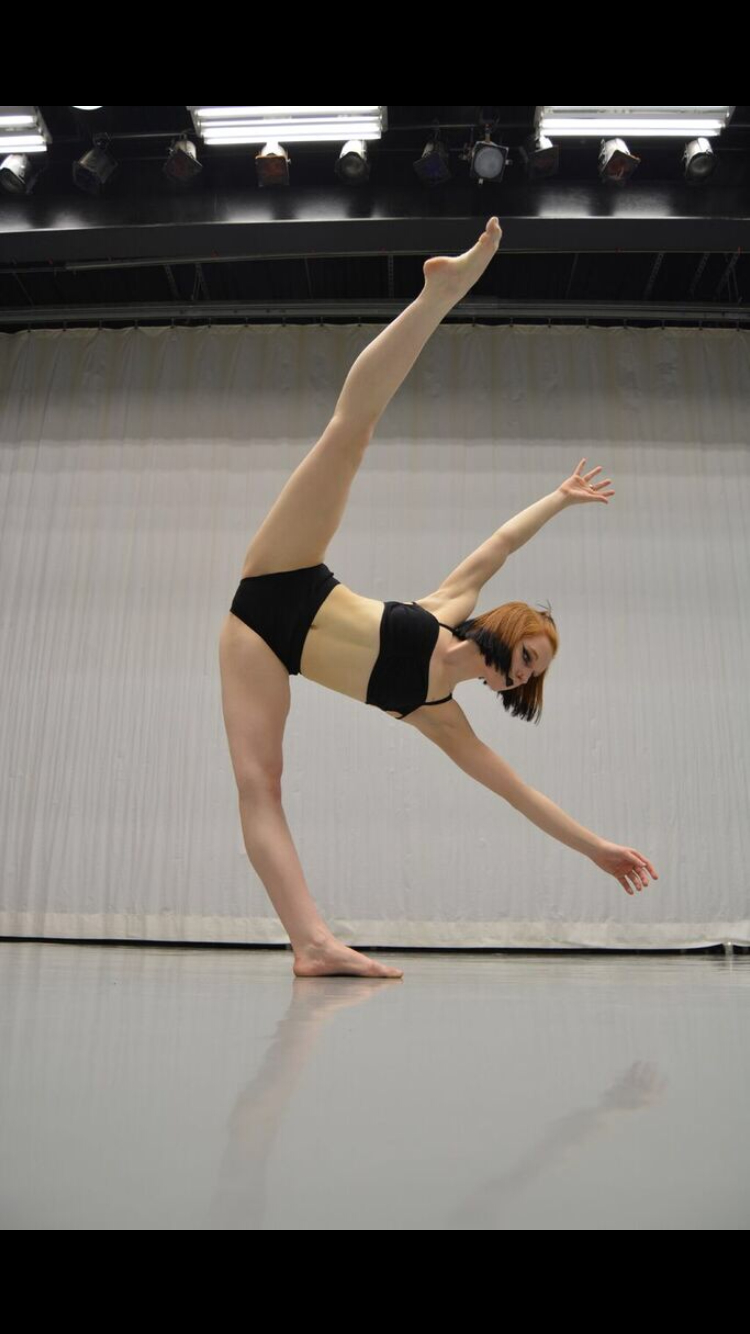
Image Credits
Linsday Rosenberg, Ingrid Franz-Moriarty, Esen Visuals,