

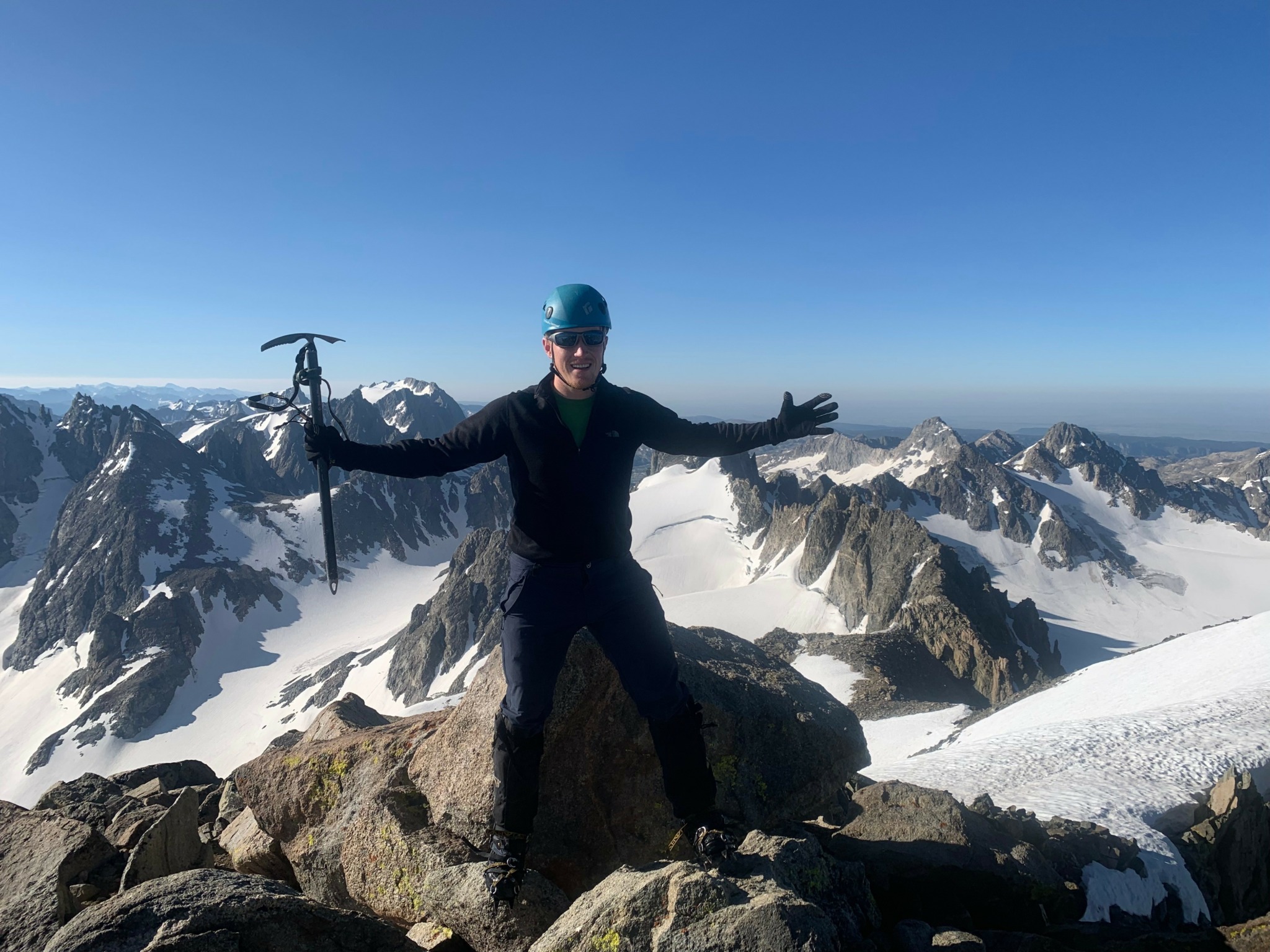

We’re excited to introduce you to the always interesting and insightful William Loopesko. We hope you’ll enjoy our conversation with William below.
William, looking forward to hearing all of your stories today. Risk taking is something we’re really interested in and we’d love to hear the story of a risk you’ve taken.
By the age of 27, I felt I had achieved the moderate success that most young Americans strive for. I had a master’s degree in civil engineering, which had secured me a good, low-stress engineering job with a reputable company. That job provided enough stability to buy a house, and I spent many happy weekends climbing and skiing in the mountains, working on the house, or hosting big parties for friends on the stone patio I had built in my yard. I had a dog and a girlfriend, and in every way, it felt like I was on the same idyllic path as my friends who were settling down, getting married, and starting families.
By most measures, I should have been happy with how my life had turned out, but deep down, I wasn’t. The thought of working for someone else for the next 40 years before retiring felt monotonous—boring, even. I dreamed of a more exciting life, and while the life I had was comfortable and easy, going to the same office to do the same work 50 weeks a year felt like the antithesis of excitement. Thinking about my bosses’ lives—the lives I seemed to be heading toward—made me want to quit my job and do something, anything, more fulfilling and interesting. I considered applying for other jobs but soon realized the issue wasn’t with my job—it was with the entire concept of working for someone else. Yet, I had no idea where to start, and quitting my job without a safety net to cover my mortgage was terrifying.
One morning in early 2015, my boss walked into my office and announced that he’d been laid off—it was his last day. He excused me from work so I could join him at a bar. That evening, after helping him pack up his office, I resolved never to allow myself to be in a position where someone could indiscriminately lay me off. It was the sign I’d been waiting for. If I didn’t take control of my life now, I knew I’d regret it forever.
I didn’t have much of a plan, just a vague idea for a tech company inspired by my dog, Clovis. My dad, an entrepreneur, became my sounding board, helping me figure out how to make it work. As my loose plan started taking shape, friends, family, and acquaintances thought I was crazy—like I must be going through a quarter-life crisis. As an engineering geologist, I knew nothing about software, technology, or business. I was just some kid with a dog and a dream. It seemed laughable to think anyone would take me seriously, let alone that I could pull off this wild idea. Most people assumed I’d give up in a few months once I realized how improbable it all was. Even my dad, though supportive, was skeptical I’d ever actually do anything.
Much to everyone’s concern, I doubled down, driven partly by the desire to prove the naysayers wrong. Just over a year after my boss was laid off, I had broken up with my girlfriend, quit my job, rented out (and eventually sold) my house, and moved back into my parents’ basement. By the time I turned 29, I had discarded all remnants of the life I’d had a year prior (except the dog). Yet, I didn’t look back. Despite being completely broke, working 100-hour weeks, and having no social life or hobbies, I was happier than ever. Every morning, I woke up knowing I was living a life I had chosen. The uncertainty of the future was daunting, but I felt certain it would all work out.
Naively, I thought my business idea was so brilliant that I’d be back in my house within six months. But what started as a bold experiment turned into a four-year journey that reshaped my life forever. Fueled by sheer willpower and a refusal to go back to the life I left, the impossible started to become possible. I built a team, raised funds from angel investors, launched a successful crowdfunding campaign, acquired early customers, and eventually brought an IoT pet product to market.
By the end of 2019, we still didn’t have enough money for me to move out of my parents’ basement, but progress was tangible. Earlier that year, we had raised a second round of funding, garnered media attention, secured a distribution deal with a major retailer, and prepared to ship our product to hundreds of customers. But then, everything I’d spent five years building came crashing down. Delays, technical issues, product defects, and software bugs plagued our launch, which infuriated our customers. Investors pulled back, our distributors canceled their orders, employees left, and when COVID hit, it obliterated any chance of recovery. Watching the company crumble took such a toll on my mental health that my board had to effectively fire me for my own well-being.
In those five years, while I was “chasing my dreams” I watched nearly all my friends buy houses, get married, and start families. I attended over 20 of my friends weddings and I had been single at all of them. Instead, all I had to show for my 5 years of work was feeling defeated, demoralized, exhausted, and completely broke. I had risked everything to chase a dream, and I had failed.
The COVID quarantine became the reset I needed. While sipping cocktails on my family’s ranch in Texas, I realized the last five years hadn’t been a waste. Things hadn’t gone as planned, but I’d learned to code, expanded my network, and gained invaluable real-world business experience—far more than I would’ve gained with an MBA.
As my confidence slowly returned, I started applying for jobs. Yet, I quickly realized my fundamental dislike of traditional jobs hadn’t changed. If anything, the thrill of building my own company made me even less interested in working for someone else. Entrepreneurship had left an indelible mark on me, and I was eager for another shot.
By May 2020, less than five months after my board had let me go, I jumped back into the startup world. I joined forces with two co-founders I’d met through networking to work on what would become Aclymate, the company I still run today. I was still broke and living in my parents’ basement, but I didn’t care. I had a new dream to chase.
Today, 4.5 years later, Aclymate has grown to six full-time employees and over 50 recurring customers. We’re still very much an early-stage startup—hungry, scrappy, and chasing big, bold visions. But I’ve finally moved out of my parents’ basement after six years, and we’ve grown steadily without having to lay anyone off.
Walking away from my old life to start over was the biggest risk I’ve ever taken. The years of overwork, burnout, and sacrifice were the hardest of my life, but they came with unforgettable highs: winning awards, high-roller investor parties, being featured in media, connecting with incredible people, and seeing others believe in what I had built. I don’t regret a single moment and I’ve never looked back on my decision. The skills, connections, and resilience I gained will shape the rest of my life. Starting Aclymate is another step on this journey, and every day feels like a new adventure. Regardless of what happens, I know one thing for sure: my life will never be boring again.
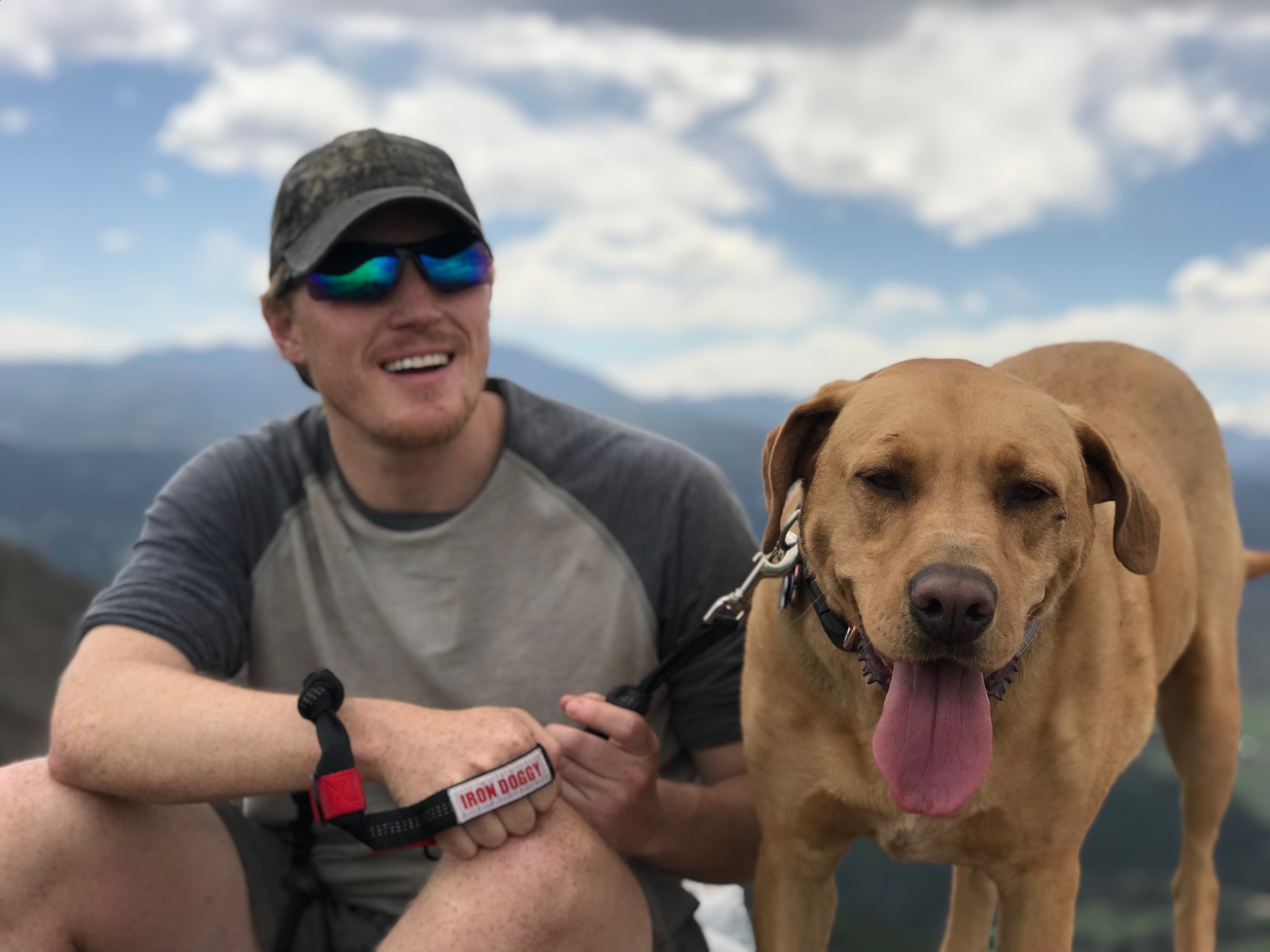
William, before we move on to more of these sorts of questions, can you take some time to bring our readers up to speed on you and what you do?
Aclymate is a software company that helps any business measure, reduce and offset their carbon emissions. Our software is designed specifically for smaller companies that don’t have in house sustainability teams. We make climate action and carbon accounting affordable, intuitive and accessible to any business without having to be a sustainability expert. For companies that want more of a guided, managed experience, we offer a “turnkey” service where our team of in house climate experts will do all of the data-entry and report preparation work for our customers to help them meet their reporting and compliance needs. Our customers have told us that they love how our expert guidance, our easy-to-use software and our great customer support. My team and I love that we get to wake up everyday knowing that we’re making an impact in humanity’s right against the existential threat of climate change. As Chief Technology Officer I run the engineering and product team and make sure that we’re building the best carbon accounting and reporting software to meet our customers’ needs.
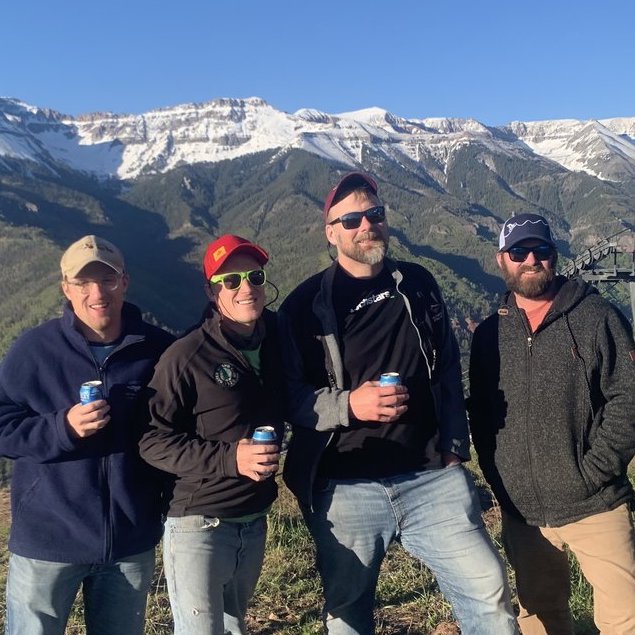
We’d love to hear about how you met your business partner.
I met my current cofounder through the power of networking. I had just started my first company building an IoT product in the pet space, and he had recently started his first company to generate carbon offsets by planting trees in areas of the western US that had been burned by wildfires. Even though we were operating in very different spaces, we kept running into each other through Denver’s relatively small first-time entrepreneurs networking scene and we eventually ended up joining the same “mastermind” group for founders. Every week for a year we’d get together with other first-time founders and talk through our challenges (which often meant complaining about how being founder mostly meant working really hard and being poor.) We eventually parted ways as our respective companies took us in different directions, but we stayed in touch on LinkedIn and remained fans of each others’ work. When my first company imploded during COVID, I posted on LinkedIn that I was looking for my next thing, and he reached out to let me know that he had an idea for a software company in the climate space. It took only 1 meeting to seal the deal, and less than 2 weeks later I started writing the code for what would eventually become Aclymate.
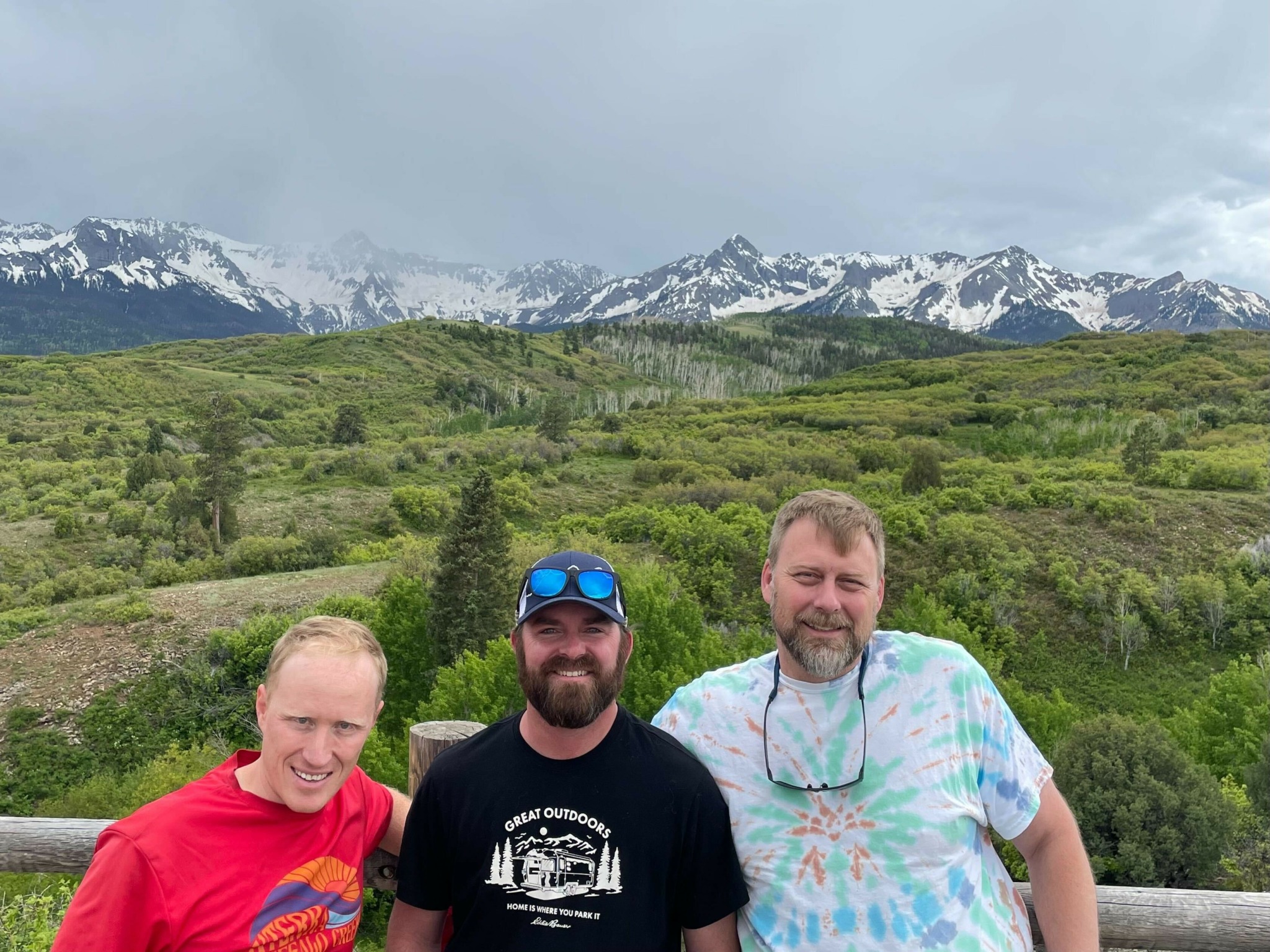
How did you put together the initial capital you needed to start your business?
When I quit my job to start my first company, I didn’t have much more than an idea and a fierce desire to make it happen. Most of what I knew about startups came from movies like The Social Network or TV shows like Shark Tank. In other words, I knew I’d eventually need to raise money—but I had no real understanding of how fundraising worked. Denver has a robust startup ecosystem, and since I didn’t have much else to go on, I dove headfirst into immersing myself in the local scene. I attended every networking event, startup pitch competition, free workshop, panel discussion, and anything else I could find. My theory was simple: raising money required meeting investors, and the more people I met, the better my chances of finding someone who might either invest or connect me with someone who could.
In my first two years as a founder, I averaged five to eight events a week. When I wasn’t attending events, I was researching the people I’d met, writing follow-up emails, and angling for coffee meetings where I could pick their brains and subtly probe for introductions to investors. It was a relentless cycle of showing up, learning, and hustling for connections.
Pretty quickly, I started seeing the same faces at these events. I realized I wasn’t the only young, idealistic founder running around Denver with this strategy. If I wanted to stand out and get noticed by investors, I needed to do something to distinguish myself. The problem was, my startup didn’t offer much to set it apart in a positive way: we had no traction, no track record, and not much of a team to speak of. And when I finally started meeting investors and pitched them my vision for a B2C hardware company in the pet space, the conversations often ended abruptly. The nicest feedback I got was a simple “Good luck” (and often it was quite a bit meaner than that).
At this point, a more pragmatic person might have called it quits. Instead, I decided that if investors didn’t like my pitch, I simply needed to get better at pitching. I signed up for every pitch competition, incubator, and accelerator I could find and committed myself to refining my pitch until it was so compelling that investors would have no choice but to come talk to me.
It wasn’t easy. Dozens of pitches and hundreds of hours of tweaking slides and practicing my delivery slowly started to pay off. I began winning pitch competitions, which led to invitations to bigger, more exclusive events. Eventually, people started taking me seriously. I won multiple startup awards, was interviewed about my pitching style and preparation techniques, and was even invited to mentor other startups and speak on panels about the art of pitching.
Despite my success in pitching, most investors remained skeptical about the fundamentals of my business. They were impressed with my delivery but hesitant about the idea itself. Still, after two relentless years of pitching and networking, I finally managed to close a small angel round. It wasn’t much, but it was enough to stop just talking about my company and actually start building it.
Contact Info:
- Website: https://aclymate.com
- Instagram: @aclymate
- Facebook: @aclymate
- Linkedin: https://www.linkedin.com/in/william-loopesko/
- Twitter: @aclymatecarbon
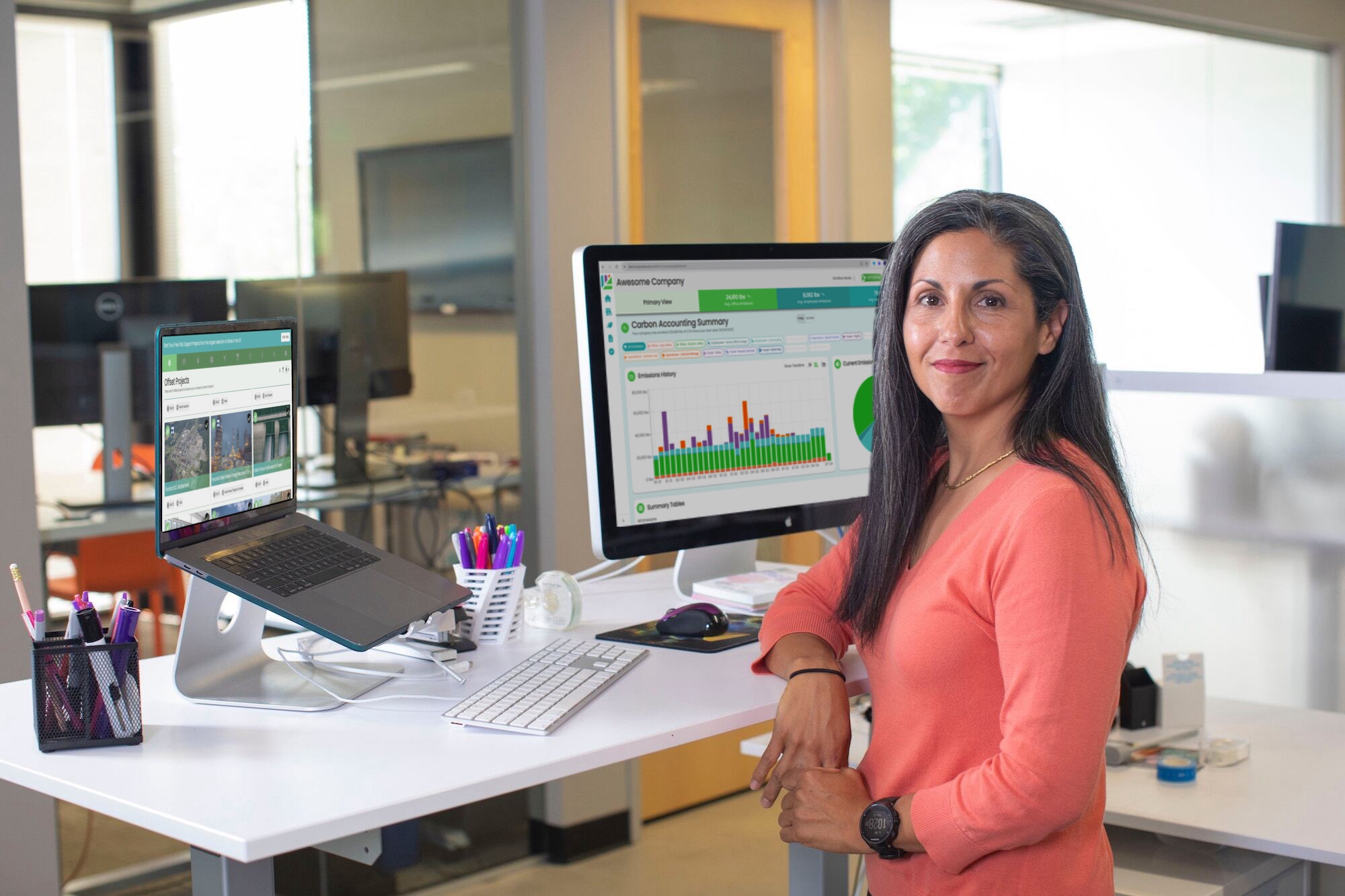
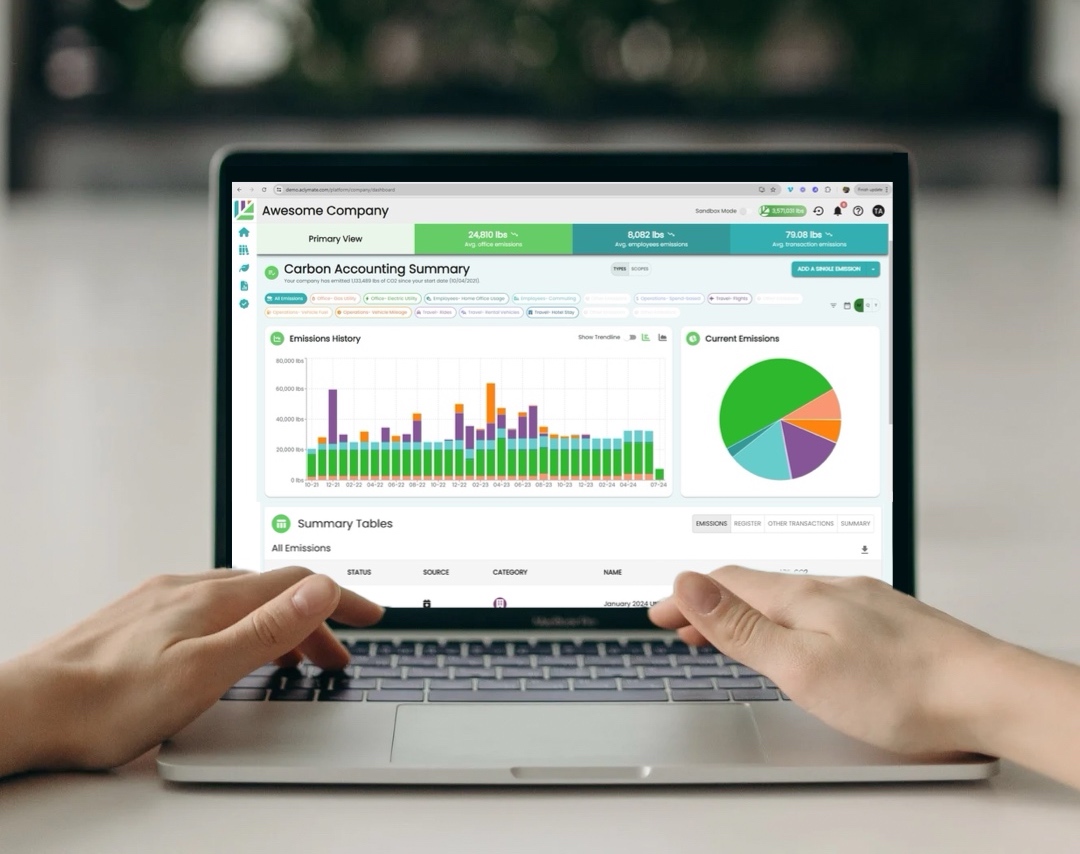
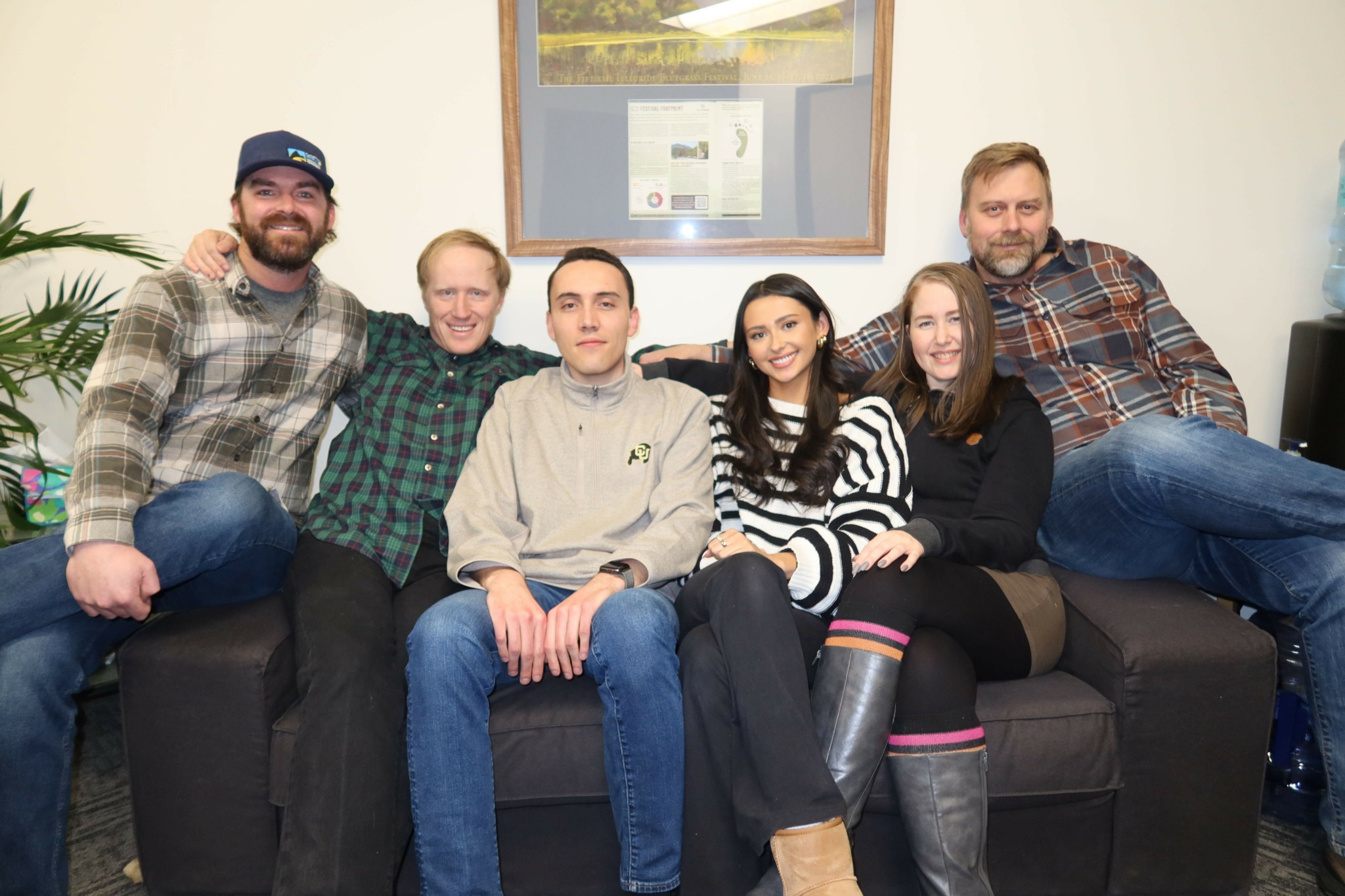
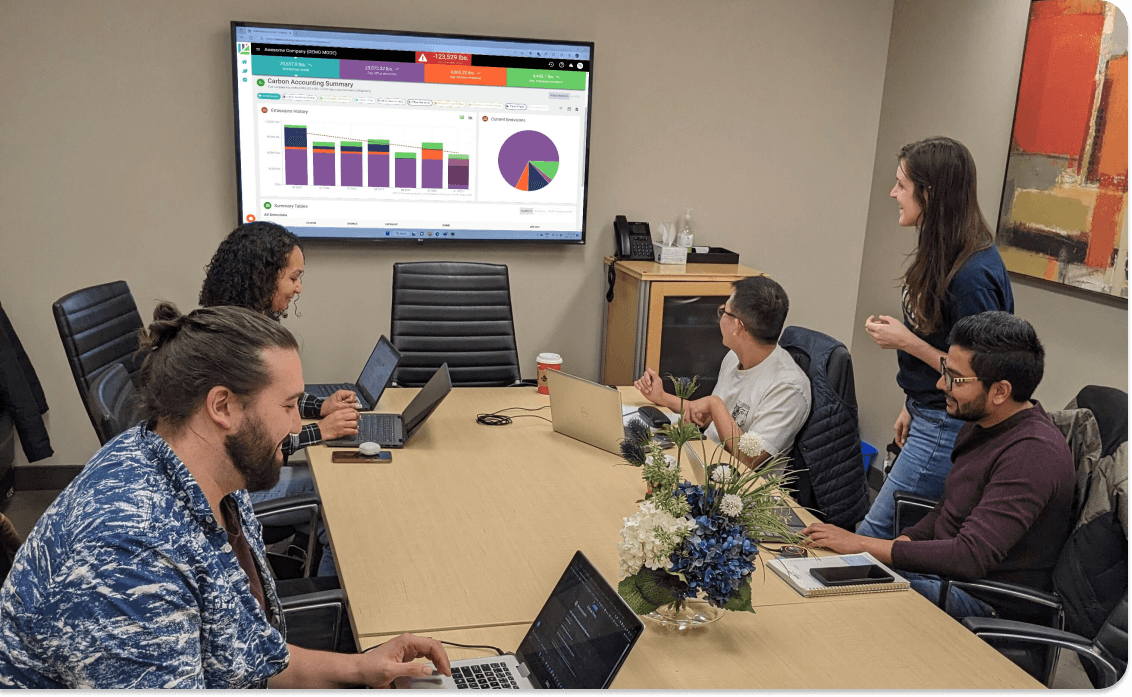
Image Credits
William Loopesko, Aclymate