

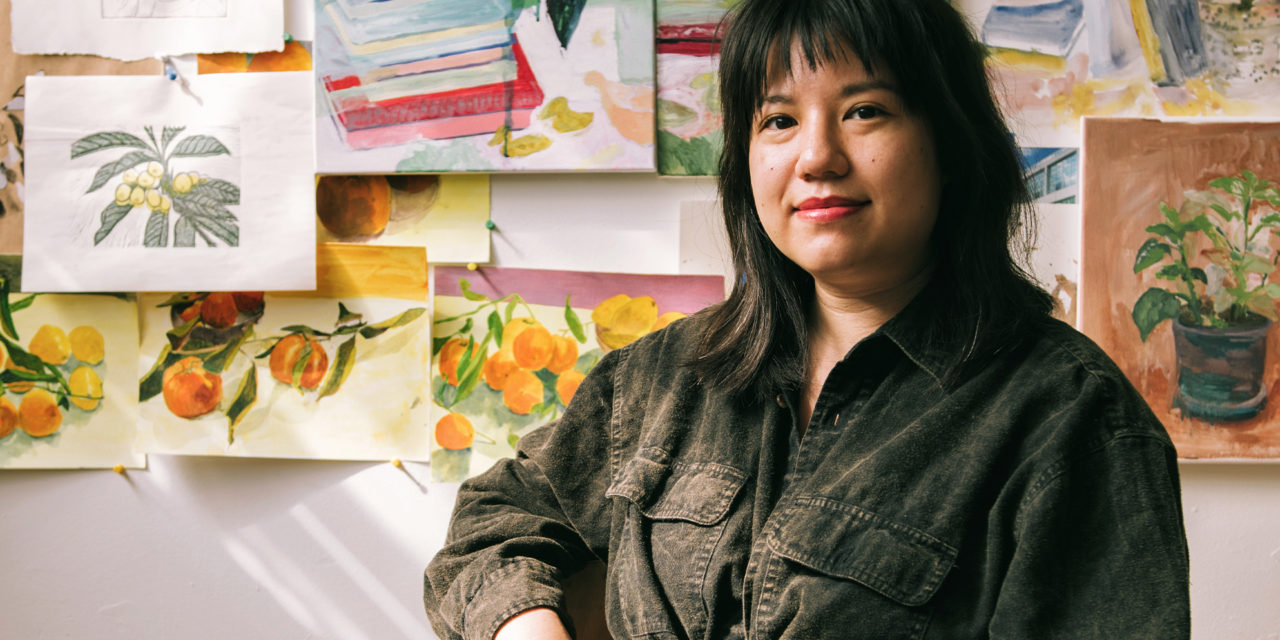

We were lucky to catch up with Cynthia Cao recently and have shared our conversation below.
Alright, Cynthia thanks for taking the time to share your stories and insights with us today. Are you happier as a creative? Do you sometimes think about what it would be like to just have a regular job? Can you talk to us about how you think through these emotions?
I think I’m happier as an artist. I’m definitely more interested in life.
Since I live in the Bay Area, I have wondered what it would be like to have a “tech job” and the eye-watering salary that comes with it. However, when this passing thought comes up (usually when I’m browsing Zillow listings late at night), I remind myself that I am incredibly fortunate to work full-time in the arts in a variety of capacities. As a public art project manager, I work with artists and community members to enhance public spaces. As an exhibition designer, I help shape how art is presented and experienced by viewers. As a visual artist, I feel free to explore and create what interests me.
Because I work directly with artists and clients in the creative arts field, my schedule ebbs and flows with each project, and I’m lucky to have a lot of autonomy and flexibility with fitting the projects together.
Ultimately, it’s about finding a balance between my full-time, regular job in the arts and my personal artistic endeavors. I find that they can coexist and support each other. I’m grateful to be working in the arts, which provides the stability that I need in order to to make my art. I’m happy when I’m doing meaningful work, and even happier when I’m exploring the back country with my camera.
Great, appreciate you sharing that with us. Before we ask you to share more of your insights, can you take a moment to introduce yourself and how you got to where you are today to our readers.
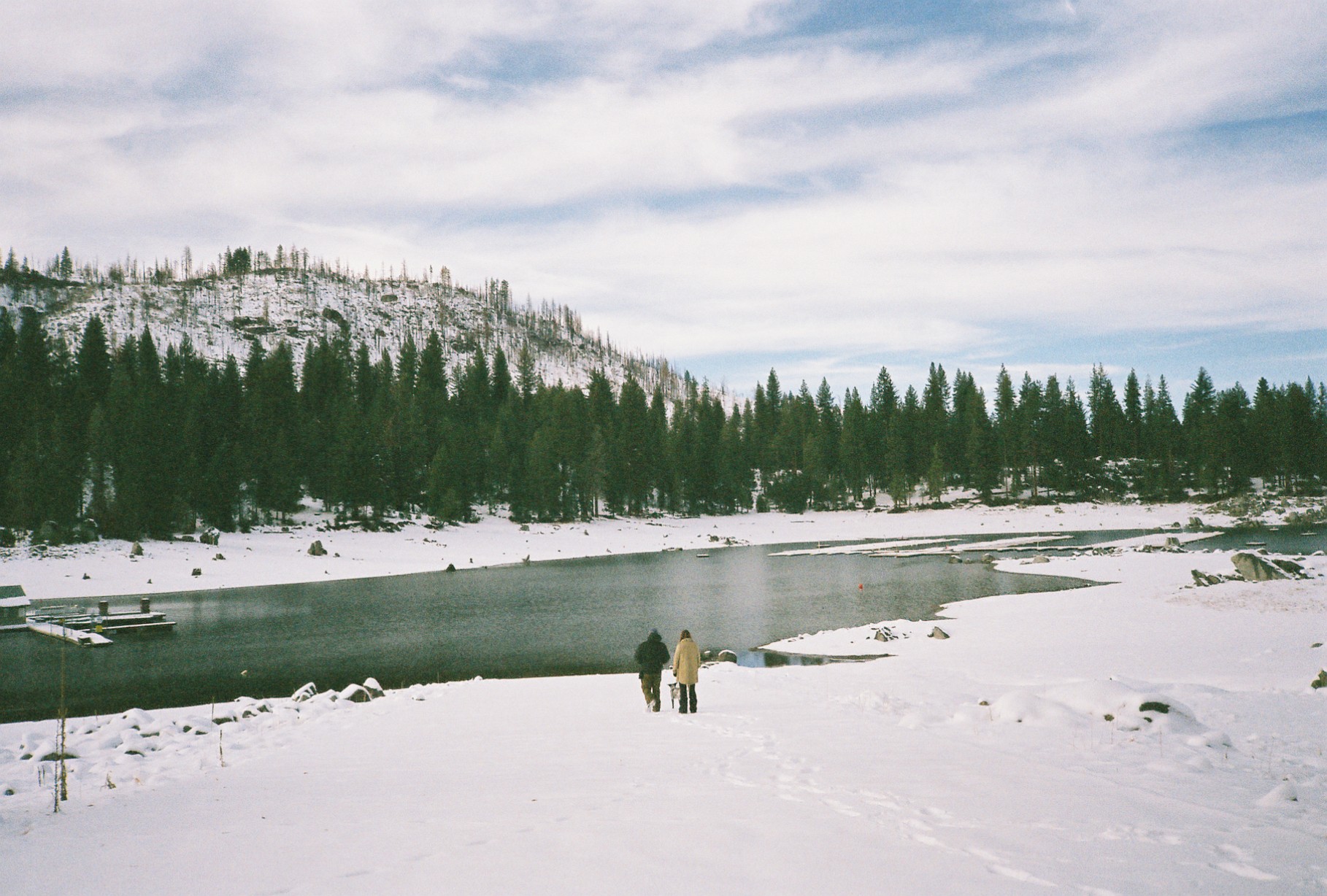
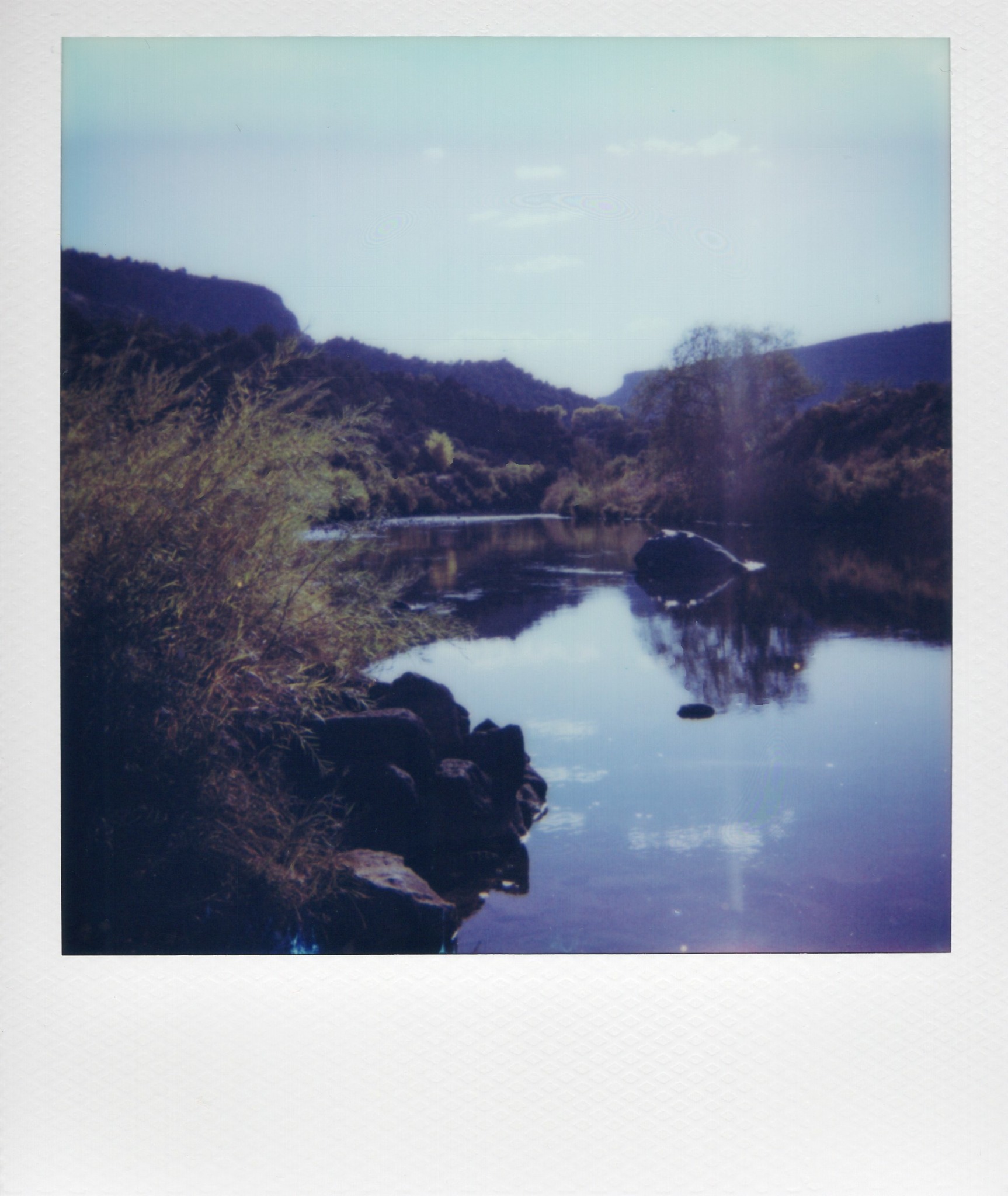
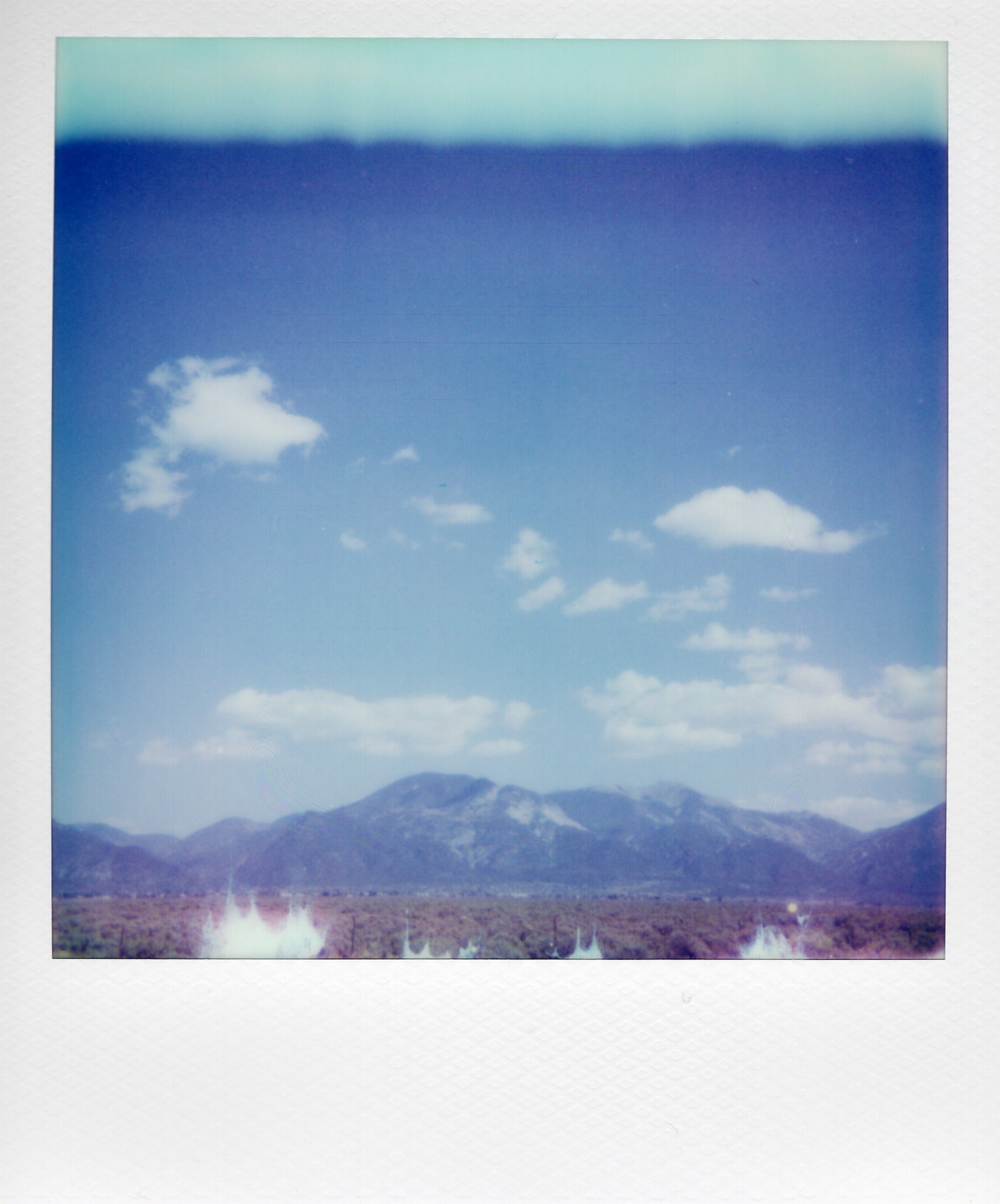
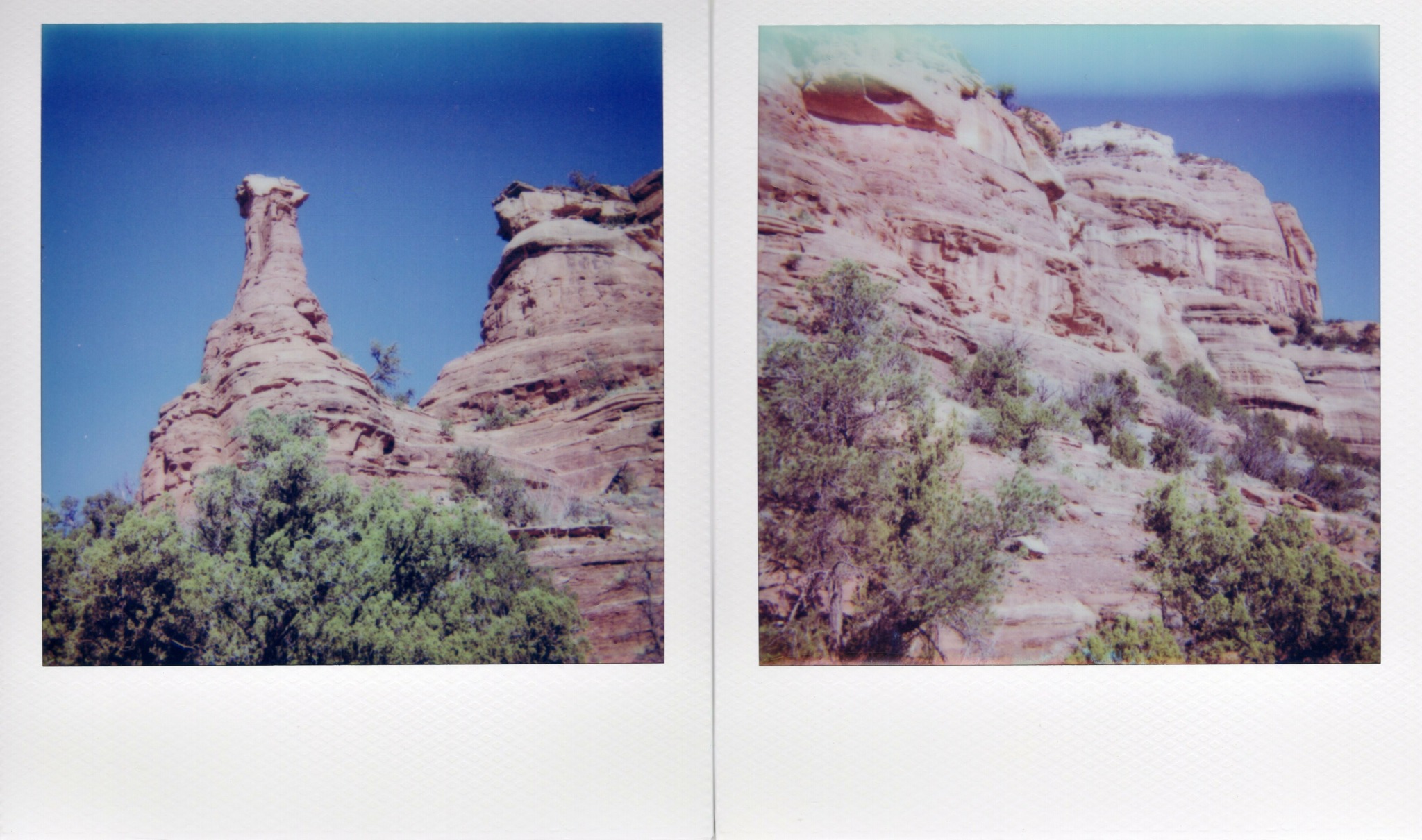
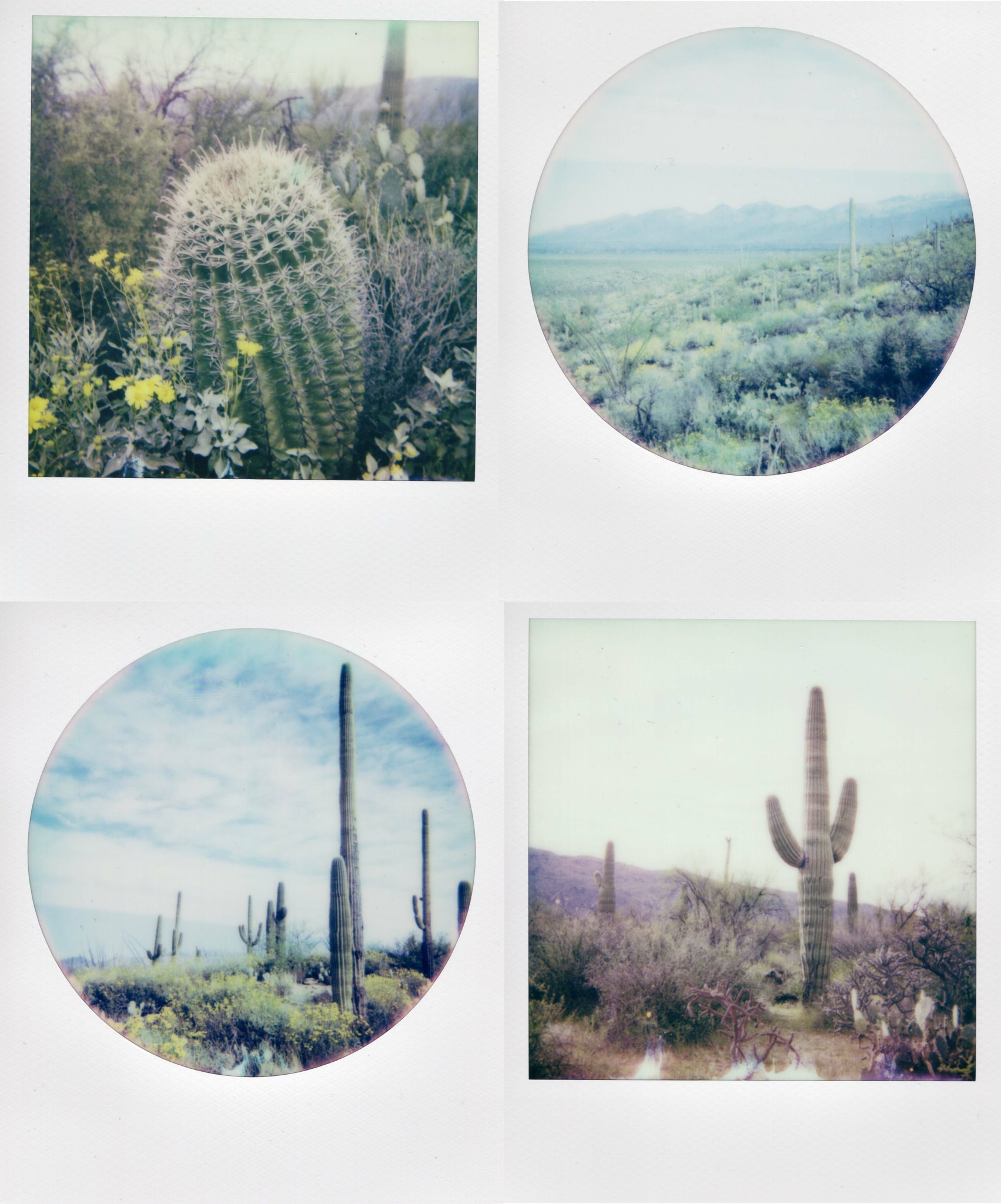
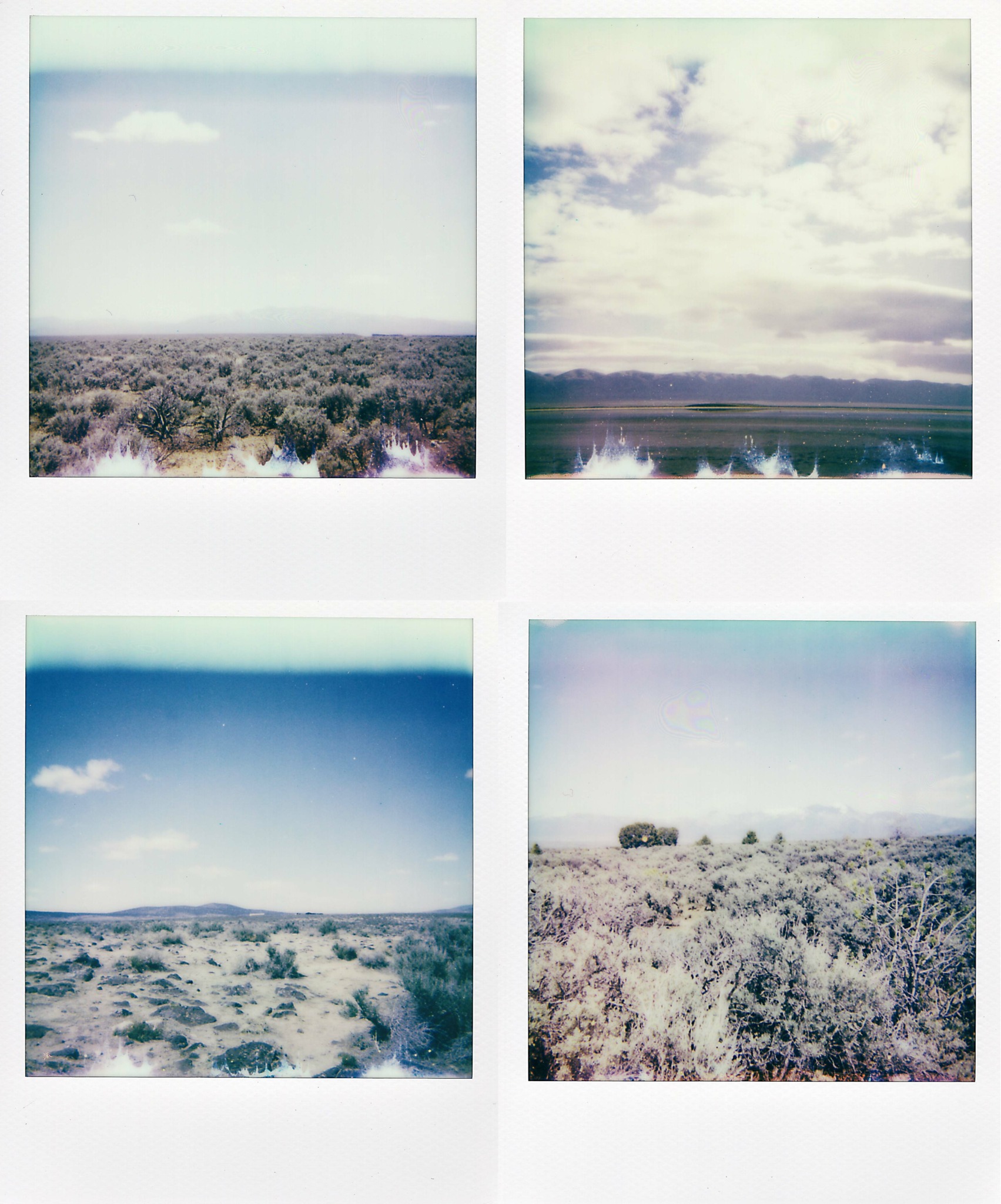
Drawing from a foundation in printmaking and film photography, I’m a Vietnamese American visual artist interested in exploring how landscapes—both real and imagined—can hold and reflect the weight of past moments. I believe landscape can serve as a physical manifestation of memory, and as a metaphor to symbolize the passage of time. Recently, I have rekindled my interest in film photography, especially Polaroids, and I will lug the camera and boxes of Polaroid films with me to explore the California back-country, or one of its small coastal towns. I am currently working on a series exploring rural areas in California, Arizona, and New Mexico.
Aside from a handful of restaurant jobs as a young adult, I have always worked in jobs related to the arts. In my twenties, I attended community college part-time while working full-time as a studio portrait photographer. In the evenings, the art classes inspired me so much that I quit my photography job to pursue painting and drawing full-time—a decision made from the heart.
Determined to answer every skeptic in my life asking, “What can you even do with an arts degree?” I explored every employment opportunity possible after graduation. I reasoned that having several part-time jobs added up to a “regular” full-time job. This contributed to my professional development in various facets of the art world, but also led to some instability as I moved forward on a non-traditional career path as a part-time arts educator, art installer, gallery administrator, print studio intern, and visual artist. After a few years, I had grown so accustomed to this “work hustle” that when I was offered a full-time position at a university art gallery, I initially turned it down. I couldn’t imagine working regular business hours and being tied to a desk. After some reflection (and lots of encouragement from friends), I decided to try the position temporarily. If I didn’t like it, I could easily transition back to my art hustle. But it turns out my fears of a regular job interfering with my creativity were misguided, and that sick days and health benefits are actually quite nice. With a little more job stability, I moved away from arts education and developed my exhibition design portfolio. As an artist, it forced me to learn how to be disciplined about making time to create work.
In addition to being an artist, I have been working as an independent art consultant specializing in Exhibition Design since 2015. As an Exhibition Designer, I combine my artistic, technical, and logistical skills to create compelling, cohesive environments for fine art exhibitions. I work closely with clients to understand the exhibition’s theme and goals, then develop a design concept that aligns with its narrative. I carefully consider the space’s dimensions, lighting, and visitor flow to plan the layout of the artworks, creating pathways and focal points that guide the audience meaningfully through the exhibition. I design custom display structures that complement the artwork and use lighting techniques to evoke mood and highlight key elements. Additionally, I design exhibition graphics, including labels, signage, and promotional materials.
From planning to installation and de-installation, I manage all aspects of the exhibition process with a focus on detail, creative problem-solving, and a deep understanding of how people interact with art. What sets me apart as an exhibition designer is that, as an artist myself, I have a unique sensitivity to how art should be displayed. My background in fine art, particularly printmaking and photography, allows me to approach design with an intuitive understanding of how to create spaces that both highlight the artwork and foster meaningful viewer interaction.
In your view, what can society to do to best support artists, creatives and a thriving creative ecosystem?
To really support artists, creatives, and build a thriving creative ecosystem, I think society needs to start seeing the arts as the main lens through which we approach everything else, and treat creativity as essential to all areas of life. We should embrace and cultivate creativity as balance to analytical thinking.
For you, what’s the most rewarding aspect of being a creative?
For me, the most rewarding aspect of being an artist and creative is the connection to the local community and the impact I’ve had in my various art roles. It’s incredibly fulfilling to see how art can shape and inspire others, especially when I can help guide students or emerging artists in their own creative journeys.
As an exhibition designer, I love the opportunity to showcase emerging artists in a professional way, giving them the platform they deserve. I’m also deeply moved by the intergenerational connections that are helping people connect with their heritage in meaningful ways.
Truly, it’s the people and other artists I’ve had the chance to meet and collaborate with that make this work so rewarding. Working in the arts is a fabulous life, even if it doesn’t pay that well. I want to believe that can change.
Contact Info:
- Website: https://www.cynthiacao.com
- Instagram: https://www.instagram.com/hownowbrowncao_
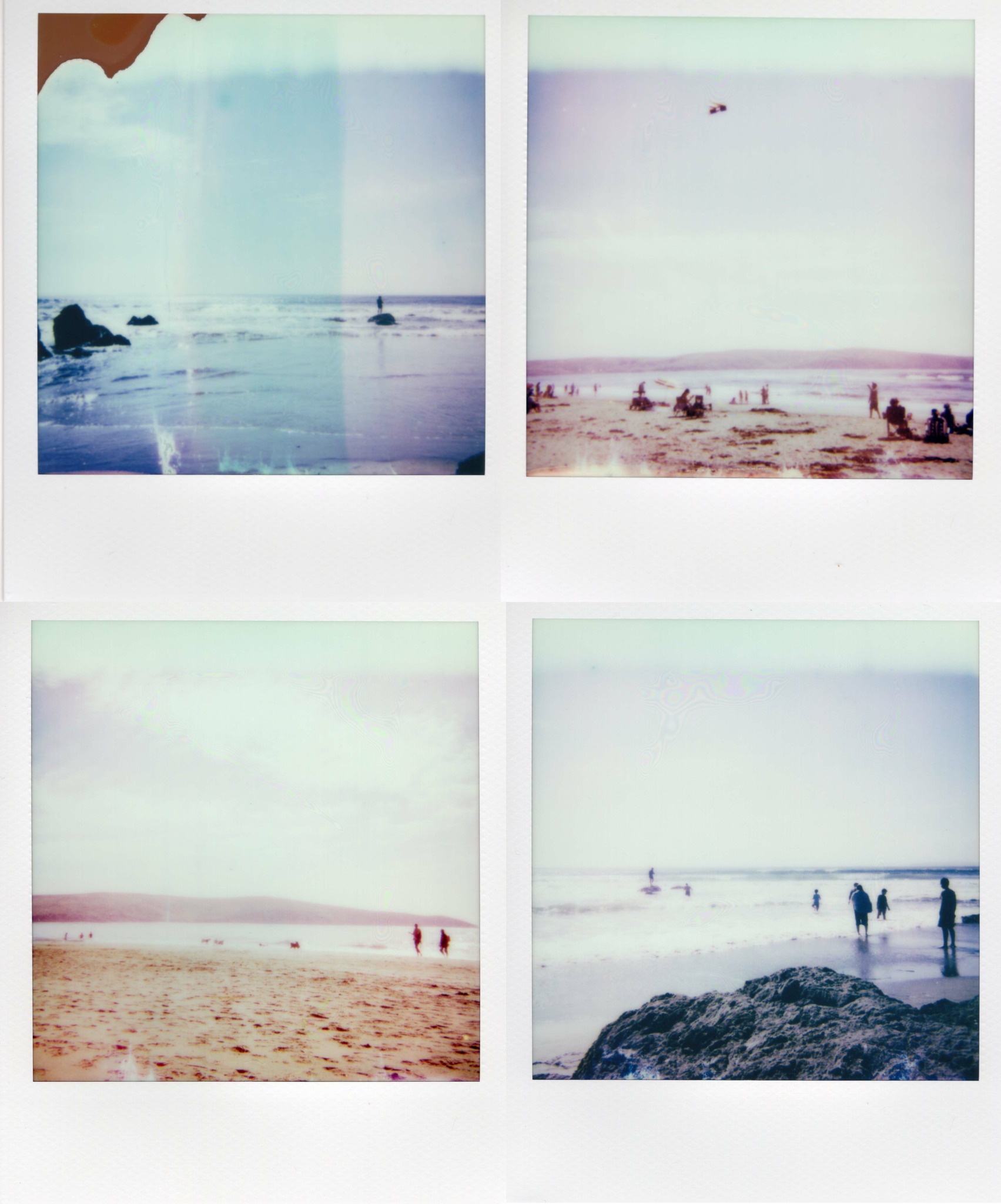
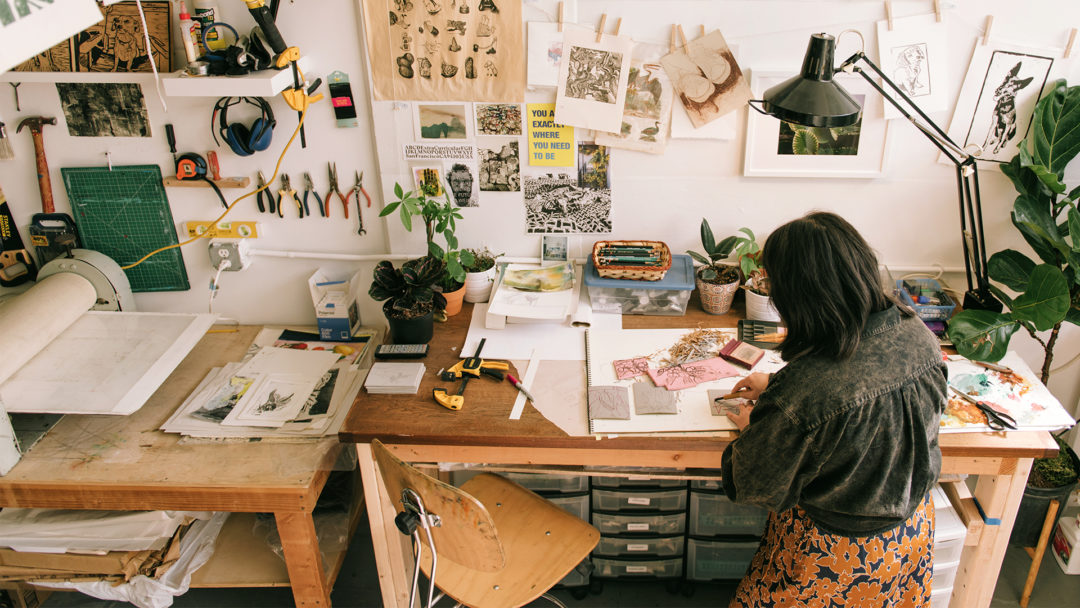
Image Credits
Personal photo: Andrew Simoni