

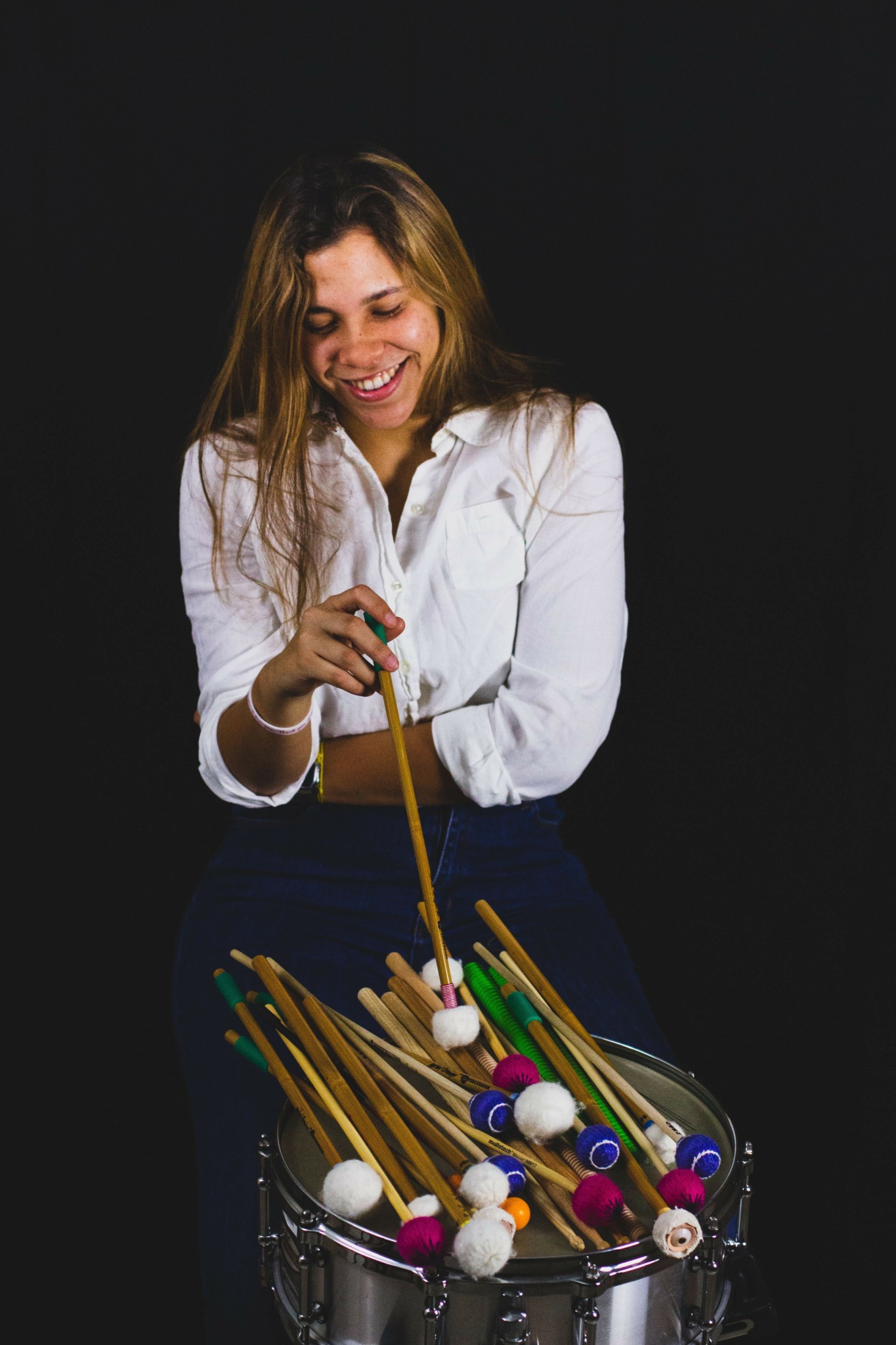

Alright – so today we’ve got the honor of introducing you to Camila María Bermúdez Ortiz. We think you’ll enjoy our conversation, we’ve shared it below.
Camila María, thanks for joining us, excited to have you contributing your stories and insights. Can you open up about a risk you’ve taken – what it was like taking that risk, why you took the risk and how it turned out?
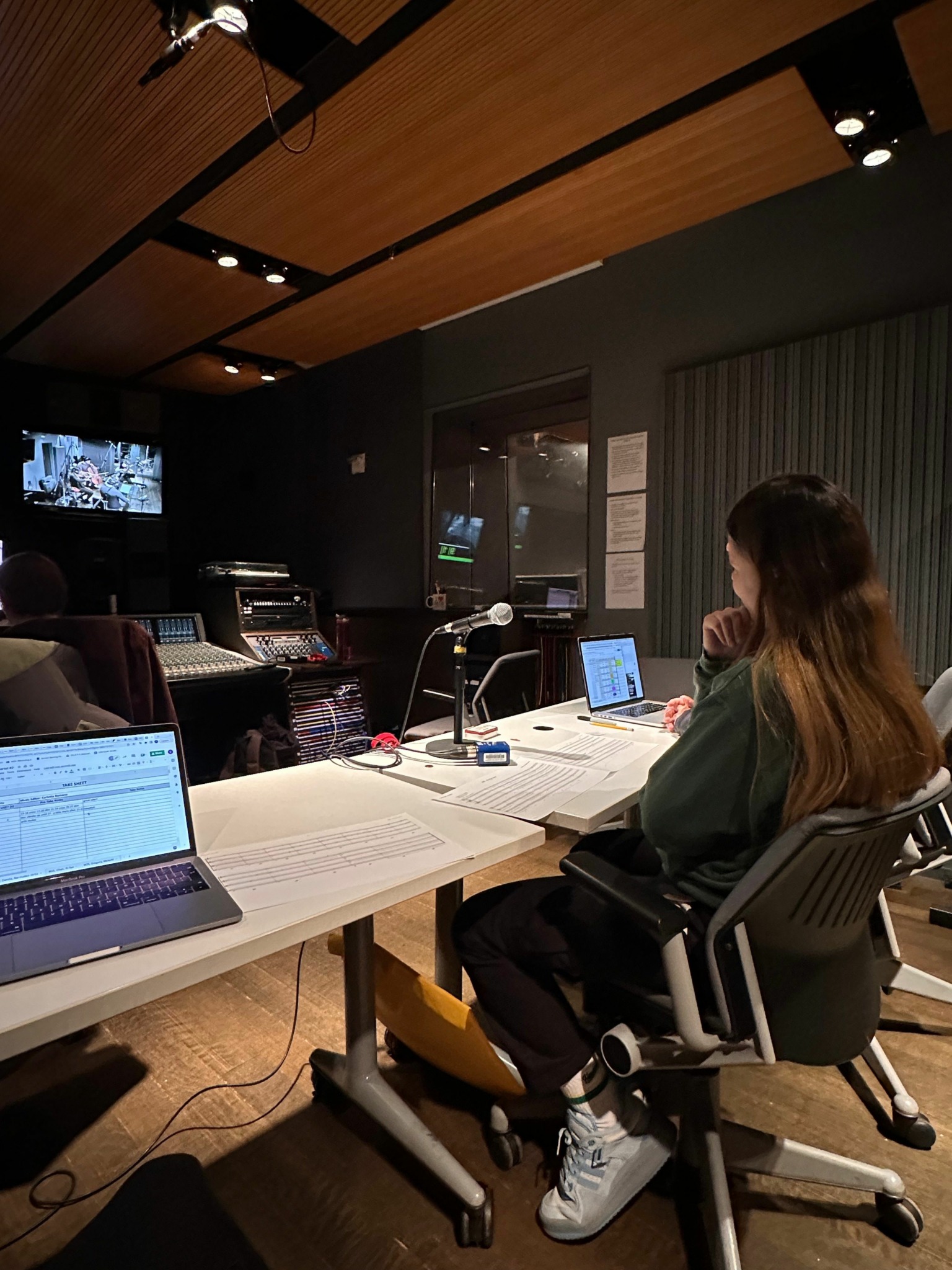
Applying for NYU’s Master’s in Screen Scoring Program has been probably one of the biggest and scariest risks I’ve taken. Mostly because I had applied to their film program, got rejected and felt like my whole life crumbled at that moment, and I didn’t want to feel that disappointment again.
I had just finished my Master’s in Percussion Performance at Southern Illinois University, and I came back to Puerto Rico, and took a year off, thinking what my next move was going to be. A DMA in percussion performance? Auditions? I had a lot to think about.
I was working a part-time retail job, plus playing with the Puerto Rico Symphony Orchestra and Puerto Rico Philharmonic, as well as other random gigs but I felt lost after I came back. I felt drained. And even though I was enjoying playing and working, I didn’t feel connected to music as much as I did 5 or 6 years ago. I, anyway, decided to look into DMA programs and film related programs because music and film are what I like the most, and maybe I just needed a change in perspective and to move forward into the next step of my education.
While looking for options, I noticed the Master’s in Screen Scoring at NYU, and looked over the program and liked what they were offering. I immediately looked at the requirements and everything was looking great. I had credits, I had worked on maybe 6 films before looking into this, besides my experience as a filmmaker and cinematographer. I understood the cinematic language and how music works in the storytelling. I was pumped, ready. The only challenge was that, as part of the requirements, I had to submit written music and scores… I had only written one piece of music; a very short one pager piano piece, and it was for the first short film I ever did. Everything else I had done was composed directly to the screen. So, how was I going to submit anything? Transcribe all the synths, piano parts, percussion? It seemed like an extreme amount of work that would not translate the same on paper. So I left all of that for the demo reel.
Instead, I decided to create new music. I read some orchestration books, asked for words or descriptors, and created four new pieces of music that covered the written requirements and showcased my voice and stye on acoustic instruments. I didn’t sleep, I finished everything, and pressed “send” the last day the application was open. I was relieved; and extremely exhausted. I had worked on two very different applications over the course of two months: my DMA prescreening tape for Manhattan School of Music, and the screen scoring application.
A month passed by and I kind of forgot about all of it, until I got the first letter from MSM. I did not get into the program. I was bummed, mad, confused. I worked really hard, did mock auditions, practiced and recorded myself for hours and hours. I had met a few of the studio percussionists and took a lesson with one of the professors. I felt like I had learned so much in an hour of working on excerpts and details, that some of the spark for playing came back to me. I am still very grateful for it all, for taking me out of my comfort zone even though I did not continue this path, but everything happens for a reason.
It was two weeks into February 2022, I was in my house, about to go for a run when I got an email from NYU. “Application Decision Update”. My heart stopped and started beating so hard, so fast. I started walking around in circles, jumping, freaking out. I kept saying – “Oh my god, oh my god” – like a thousand times. This was it. This is the moment I’ve been waiting for. I sat down, logged into the portal, and opened the decision letter with one eye closed. Confetti started coming out of the letter immediately. And, I know, maybe this should’ve already been the determining factor, but I kept on reading, and reading, and reading, and my smile kept getting bigger and bigger and bigger, and I started screaming. “I got in! I got into NYU!” Full circle moment right then and there. I called my mom, she started screaming. My dad had just gotten back from teaching, and I told him. I called and told everyone that I got in. I was so happy, and I am still so happy I took that risk and did whatever was possible because, finally, I got into my dream school, and started working towards my future.
“Feel the fear, and do it anyway”.
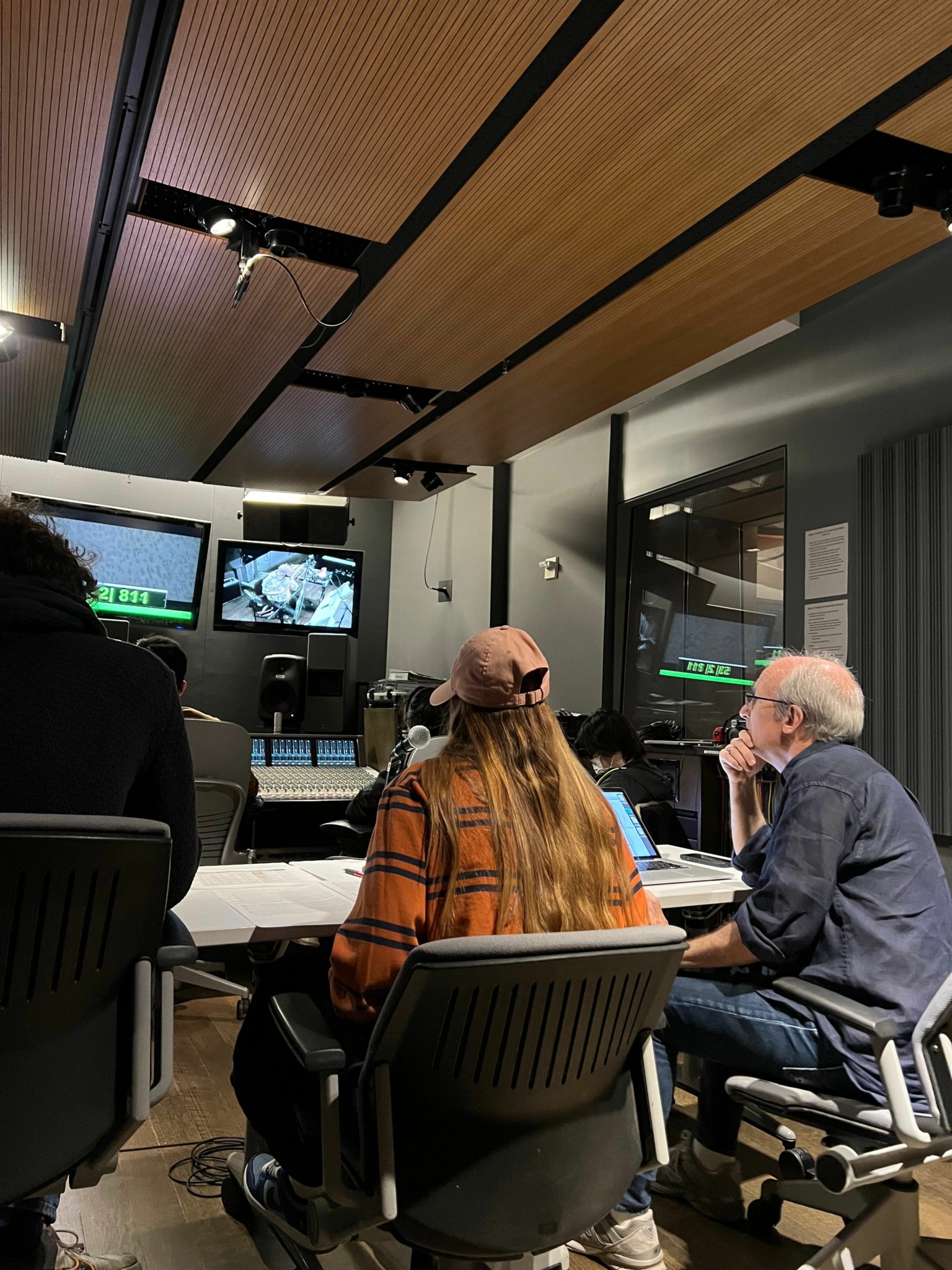
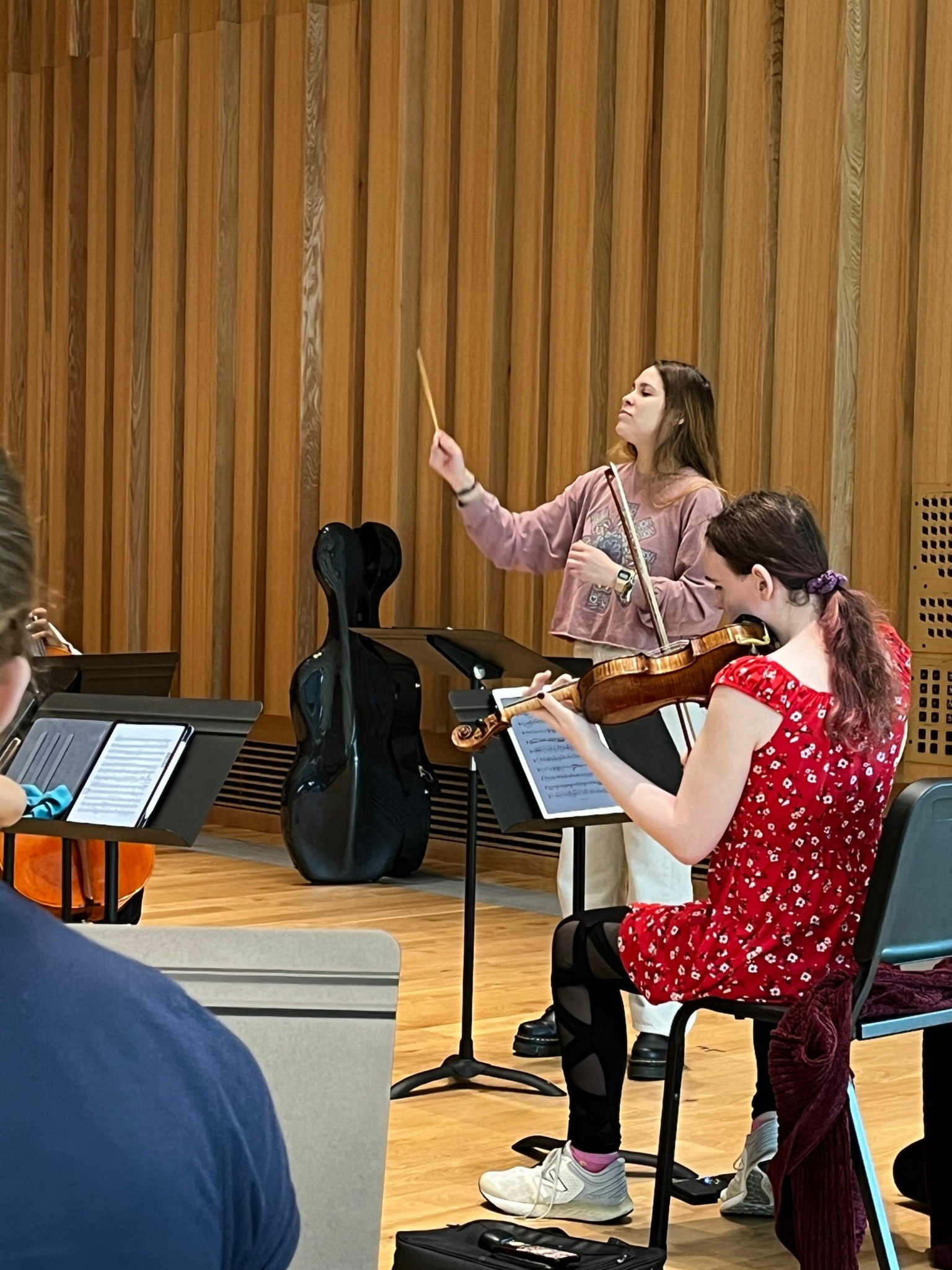
As always, we appreciate you sharing your insights and we’ve got a few more questions for you, but before we get to all of that can you take a minute to introduce yourself and give our readers some of your back background and context?
How I got into composition, and film scoring, was a pure act of coincidence. Growing up, I liked learning and doing many things. And when I say “I liked”, I mean I still do, but I have learned how to control it and maneuver through all my hobbies and passions. Two of these passions have always been music and film, but I kept them separate for most of my life.
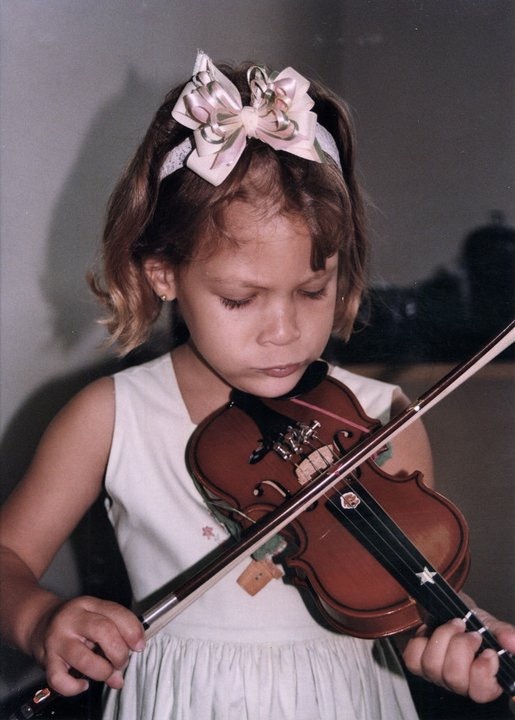
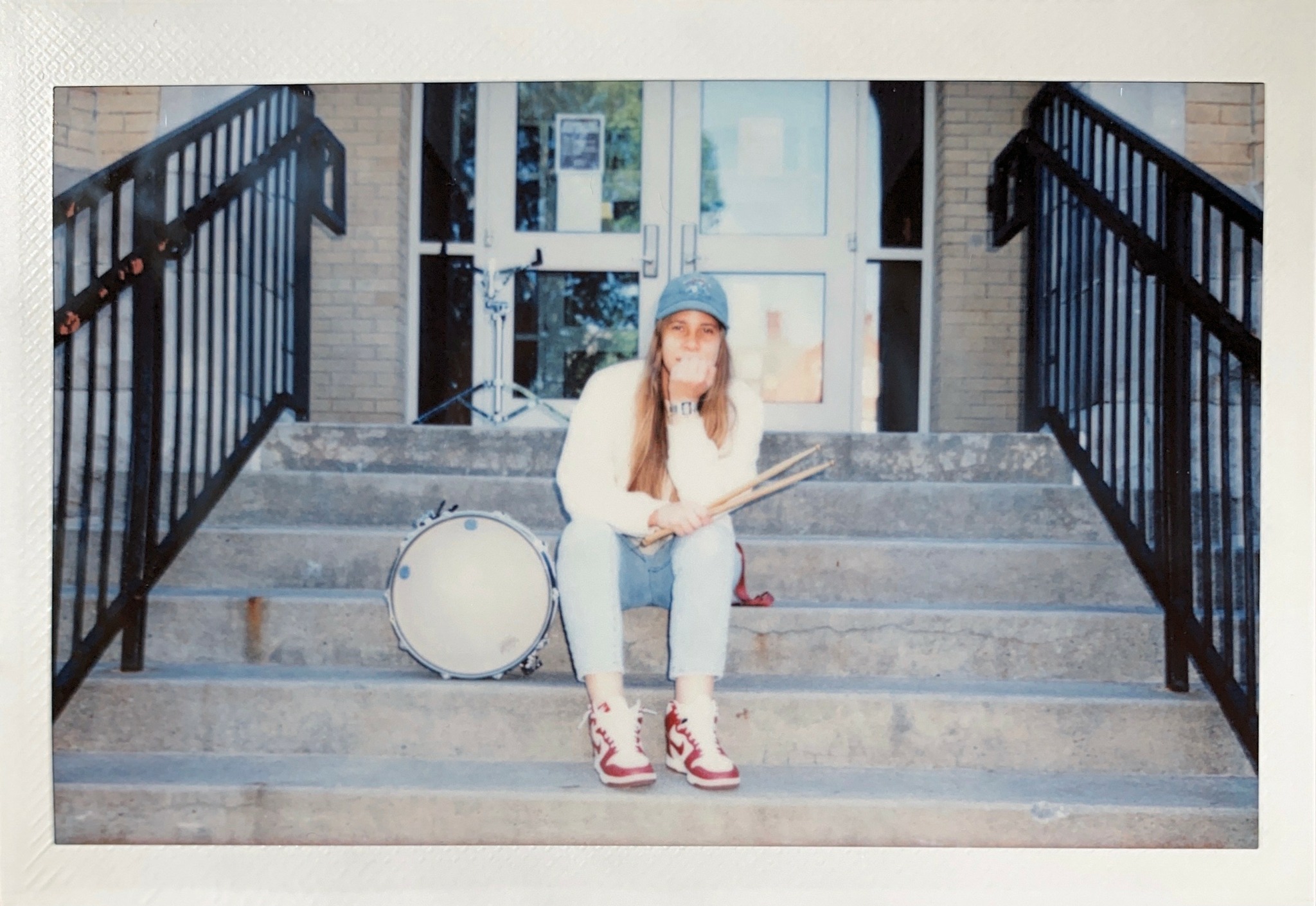
Both of my parents are professional musicians, so naturally, music was the first thing that came into my life that I really liked. I started playing violin when I was 2 years old, but by the time I was 8 I had grown out of it. I switched to playing drums and percussion because I started listening to rock and punk and really found no interest in playing violin or listening to classical music. The only type of “classical music” I liked was listening to film scores, specifically Pixar scores.
My brother and I were avid movie watchers growing up. Wether it was on our tv, in theatre’s, or in our mini portable dvd player, we were always watching something. We would memorize whole scenes, act them out, cues, everything. We would film ourselves doing little comedy skits, lip synching, and playing video games. My brother would always be in front of the camera, and I would be behind it. I would end up editing the videos, adding source music, or creating my own music if I didn’t find anything I liked. We kept doing this for years not noticing that this was setting us up for the future.
Senior year of high school, I took a film elective. This class truly changed my life, and made me want to pursue a degree in audiovisual communication at the University of Puerto Rico focusing on cinematography. I was super excited, but I felt like I was still missing something. I’d been doing music my whole life, and I loved being a percussionist. After all the years, lessons, experiences, ensembles. I just couldn’t let it end there. I didn’t know how I was going to do it, but I wanted to also keep perfecting my skills as a percussionist. I prepared my audition in a month, presented myself at the exam, and a few weeks later I got the acceptance letter from the Puerto Rico Conservatory of Music. I was truly happy. I knew it wasn’t going to be easy, but I was going to study both of my passions.
In one of my first film classes, each of us had to write, direct, and edit a micro film – a 1 min short film. While writing the short, I could hear the music for it. I couldn’t get it out of my head, and I could listen to it while filming and editing so I decided to write it. I placed the laptop on top of the upright, pressed “play” and started playing exactly what was in my head. It was truly magical. I wrote it really quickly on sheet music, and asked a friend of mine to perform it. We recorded 4 takes on my iPhone, and that 4th take was the one I used for the film. When I presented it in class, everyone was very impressed by the music; my music. At this moment, I knew I had found another hobby and something that I could add to my skill box.
As I reached the end of my bachelor’s degree, I was set on continuing my future in the film industry as a cinematographer. I applied to USC and NYU, even though I knew they were very competitive. They were both the best in what they do, so I decided to take a shot at it, trusting my work. I did not get in. My life was shattered, I was very upset. This was the only thing I wanted to do in life. I had completed my life as a percussionist, successfully presented my recital, and now, the time was finally here for my life as a cinematographer to start. Well, life had a different plan for me.
A day after my “application depression” had sunk in, I met with some recruiters from Southern Illinois University, who were offering a full ride for a master’s degree in performance. I wasn’t very interested but my mom told me I should just audition and see. So I did. I auditioned with a few pieces from my recital, they sent the tape back to the professor at SIU, and a few weeks later I got an email welcoming me to the program and an offer letter for a graduate assistantship. I was in shock, happy, and a little torn. Am I pausing what I want to do if I take this opportunity? Maybe, but this doesn’t happen all the time and it really seemed like faith.
During my time at SIU, I take a class on Ableton, which consisted on creating short beats, songs or tracks while learning how to use this program. I used this as a way to start making arrangements, lo-fi and hip-hop beats. COVID hit, and everything moved online. I started having more time to create tracks, and collaborate with other people, because everyone was in the same situation – stuck at home. A friend of mine, and long time collaborator, Augusto, was working on a short film and asked me to work on the music for it. I said yes, excited to work again in film. He also told me he recommended me to work on another project he was working alongside in for a competition. I sent him my demo, and I got the gig. The film was very synth based, something I hadn’t done before, so I was experimenting and learning while working on the film. To my surprise, I got nominated for “best composer”, and the other film I was working on also got nominated for “best score”. COVID was a hard time for a lot of us, but for me, it served as a big bowl of opportunity, and knowledge.
I graduated from my master’s at SIU, and came back to Puerto Rico. I started working retail, and playing again with the Puerto Rico Philharmonic and Symphony Orchestra. At the same time I was thinking what my next move was going to be. A doctorate? A performance diploma? Something else? I started practicing, doing mock auditions, perfecting every excerpt and every piece, so I could record my audition tapes. I meditated a lot on what else I really liked. I hadn’t worked on any film projects this whole time, so my dream of being a cinematographer was no more. The only consistent thing I had done was percussion, and… making music for film?
Imposter syndrome hit me pretty hard with this. “I wasn’t a composer. I never even actually studied composition. I just know music. I’ve been in a band, I know how creating music works”, “I watch a lot of movies. Of course, I know how music can go in a film”. But even though these were just auto-destructive thoughts that came into my mind, I didn’t see this idea as something that was out of reach. So I started looking for possible programs and universities, and only one stood out to me: NYU.
Fear kicked in again. Applying to NYU gave me déjà vu, and not the good kind. But I put all of my past emotions aside and worked on the materials and application. I wanted this. This is what I’ve been doing my whole life. Music and film, together. Recording myself and my brother doing silly videos, filming and editing my friends skate videos, finding music for them and creating it, to composing short films, commercials, videos, original music. Without knowing, I had done more projects as a composer than I had as a filmmaker. I was a film composer all along.
This story is not only about who I am and how I got to be where I am now, but this is also the story of what sets me apart from others. Thanks to my education and experience in both filmmaking and music, I am able to understand and approach scoring for film in a different way. I know that I like to work on dramas, thrillers, horror, coming-of-age because these are some of my favorite genres in movies. I write minimalistic and electronic scores because, even though I was exposed to the greats like John Williams, Randy Newman, and Michael Giacchino, every time I would hear a score with such minimal material, instruments, and experimentalism, it would resonate very intensely with me. How can something so simple or chaotic evoke such emotion on me? Of course, I didn’t notice this until later, but now I understand why I liked scores like Michael Andrew’s in “Donnie Darko”, Mica Levi’s in “Jackie”, Ryuichi Sakamoto in “Call Me By Your Name”, and Trent Reznor and Atticus Ross in “Mid ‘90s”. They demonstrated my style of writing music, connected me in a deeper personal level to the music, and showed me that my way is valid and can also transcend the hearts of the listener.
For you, what’s the most rewarding aspect of being a creative?
I think the most rewarding aspect of being a creative is seeing your work displayed, and sharing that with your crew and loved ones. Whether it’s presenting a concert, a recital, showcasing your film or music in a classroom, or on social media, putting your talent and your creative work out to the world feels like none other. It’s nerve-wracking, vulnerable but exciting at the same time. After hours and hours of work, practice, countless meetings with directors, editors, producers, friend and family, there’s not better feeling than finally seeing and hearing the end result.
I’ve had the opportunity to see my work being displayed in theatre’s, and it just gives you the reassurance that what you are doing and where you are is in line with your purpose. I’m not a big crier or anything, but to get chills and get emotional from seeing your own work, that’s another level of happiness. And seeing others around you feeling what you’re feeling is as incredible, because even though you don’t do the work for the validation or instant gratification of others, it’s a great feeling to see, and hear the feedback and excitement from others.
Are there any books, videos or other content that you feel have meaningfully impacted your thinking?
I think I would have to do a very long list of books that have helped me manage my life, and understand what it means to persevere and work for what you want, but a few of these have been: “The Four Agreements: A Practical Guide to Personal Freedom”, “The Law of Attraction”, “Ask and It Is Given”, “The Creative Act: A Way of Being”, “The Power of Kabbalah”, “The 7 Habits of Highly Effective People”, and “The Secret”. All of these books were gifted or passed on by my mom. She has been my biggest guide in life, and from a very young age she would always protect and strengthen our emotional intelligence. This is why, besides all the books, all the podcasts, the most important resource she has gifted us has been Transcendental Meditation.
The moment we were old enough to start TM, my mom took us to her instructor and we started the training. She learned this practice later in her life, and she saw the changes and clarity around her immediately so, when she had us, she knew this was going to be one of the first things we were going to be introduced to. And it really has been one of the most beneficial techniques in my life. It has nothing to do with religion or any type of organized belief system, it’s all about relaxing mental activity and being in touch with ones self and mind. It has helped me with controlling stress, anxiety, increasing concentration, clarity, relaxing the mind, and enhancing my overall mood. It’s a resource that is always there, that no matter where you are, what time it is, 15-20mins a day that you dedicate and ground yourself, your day changes instantly. Everything is made out of energy, and only you are the one that controls what type of energy you want to radiate to the world, and TM is a an easy tool that connects you to that higher level of consciousness.
Contact Info:
- Website: https://www.camilamariacomposer.com/
- Instagram: https://www.instagram.com/camigoodvibes/
- Linkedin: https://www.linkedin.com/in/camila-maria-bermudez-ortiz-b06823112
- Other: https://play.reelcrafter.com/camilamariacomposer/reel-2024
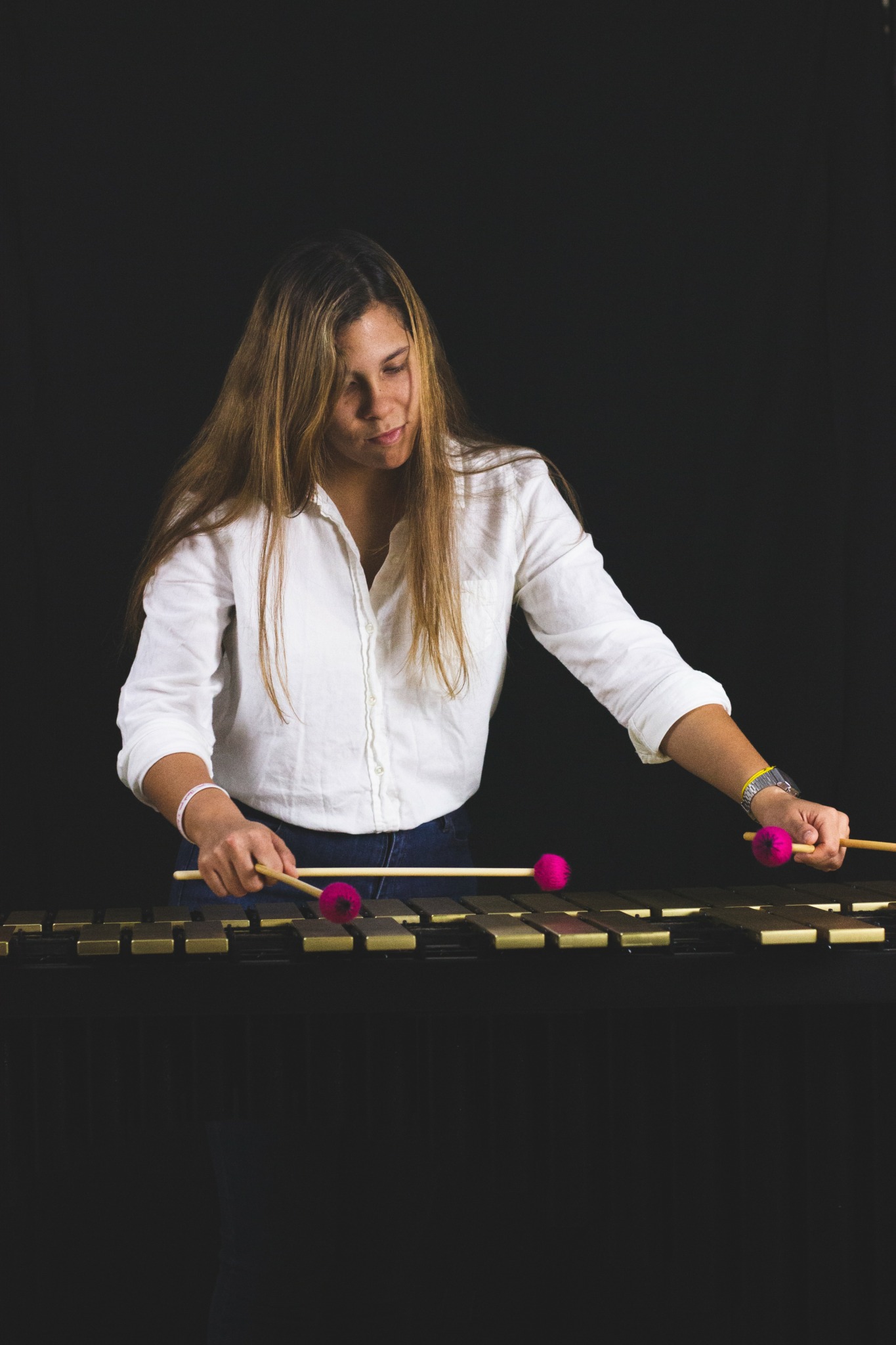
Image Credits
Brian Munoz, Chandra Xu, Clara Ruiz Medina, Sandra Ortiz