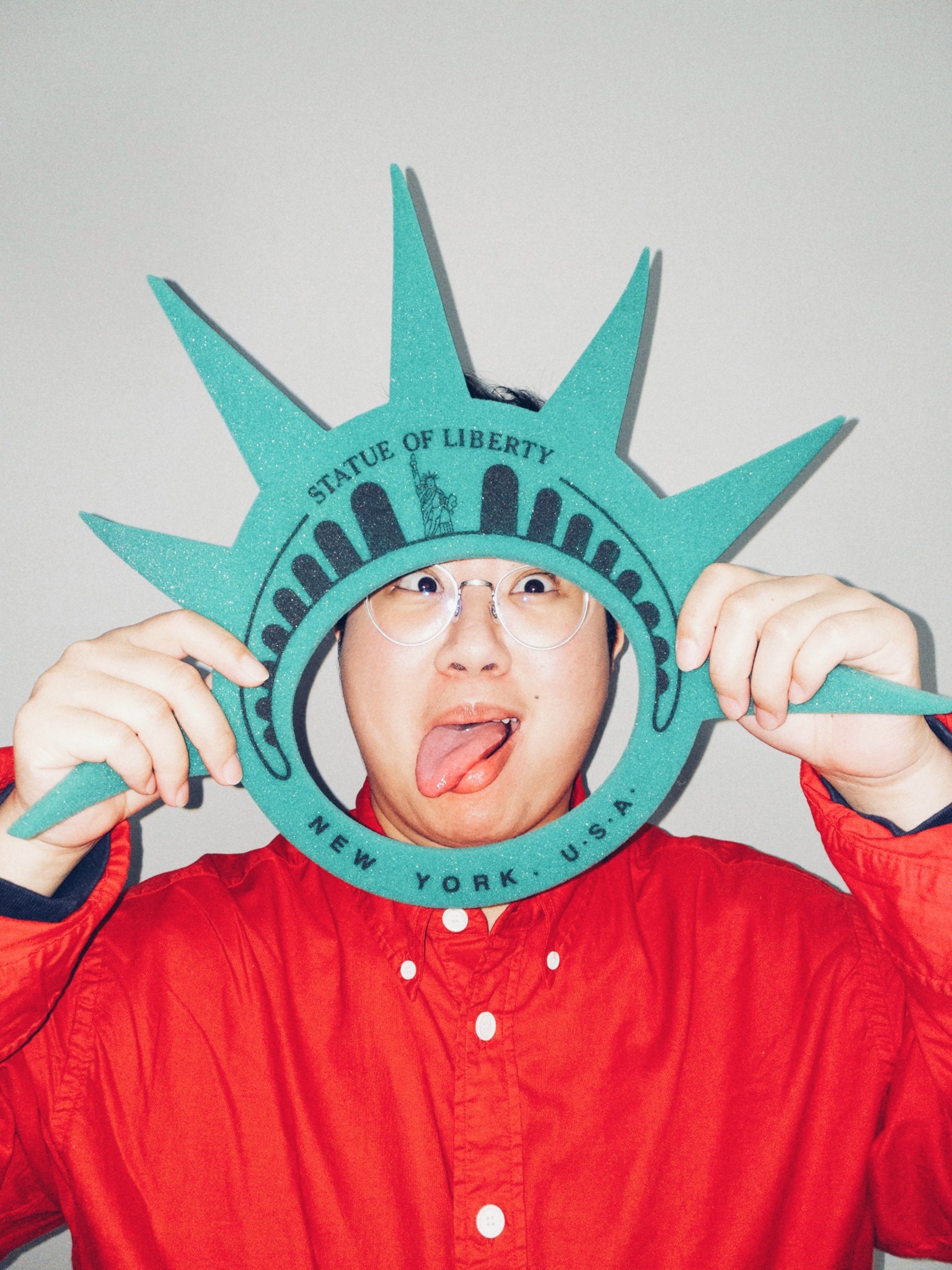

Alright – so today we’ve got the honor of introducing you to Mai Prasertbodin. We think you’ll enjoy our conversation, we’ve shared it below.
Mai, appreciate you joining us today. Any thoughts around creating more inclusive workplaces?
A while ago, I was scrolling through TikTok when I came across a teacher sharing the work of their kindergarten students. The students were given an assignment to draw the other half of a snowflake shape, with the prompt: “What if the picture wasn’t a snowflake?” This gave the students an opportunity to think outside the box and imagine what the shape could represent if it weren’t a snowflake. They then added their own creative interpretations.
I was not only impressed but also embarrassed by myself because I couldn’t come up with something as imaginative as one of the students did. They turned one half of the snowflake into the horn of a dragon, and the bottom half became the dragon’s face. As someone who has been in the creative field for a decade, I agree that frameworks can make tasks more efficient, but at the same time, they can be the enemy of creativity.
We often get stuck in a framework mindset, unlike kindergarten kids whose imaginations are limitless. That’s why diversity plays such a huge role, especially in the creative industry anywhere in the world. There’s a reason New York is unlike any other place in the U.S.—not only because people there are proactive in sharing ideas but also because of their openness to diversity and inclusivity.
I once worked on a project aimed at making restrooms more inclusive in terms of gender. Currently, Google Maps uses restroom icons that depict men and women based on traditional signage: figures wearing pants or skirts. As a transgender person myself, I’ve never worn skirts and have often opted for men’s restrooms because I’ve worn pants my entire life. I suggested that Google Maps use a toilet bowl as the icon for restrooms instead.
I believe it’s not always about making big societal changes but about creating small nudges that encourage people to think differently. These subtle changes can spark thought and influence better decisions in design.
Great, appreciate you sharing that with us. Before we ask you to share more of your insights, can you take a moment to introduce yourself and how you got to where you are today to our readers.
“Oh-Mai-God!” That’s how I make people remember my name and my brand—and it works! When I moved to New York, people couldn’t pronounce my name correctly. They often pronounced it similar to “My” instead of “Mai.” Along with my work and the stories that surprise people, they would often react with, “Oh my god!”
So, Ohmaigod became the name of my creative studio—a name I’m proud of and happy to carry everywhere I go. My clients often go from formal and serious to smiling just
by reading my business card. “Hi! I’m Mai. Like ‘Oh my god!’” And they instantly get it.
My studio is all about discovering insights—not just those hidden in consumer behavior, but also those that can foster a better community. We help smaller brands go head-to-head with the big players, challenging societal norms to create a better world.
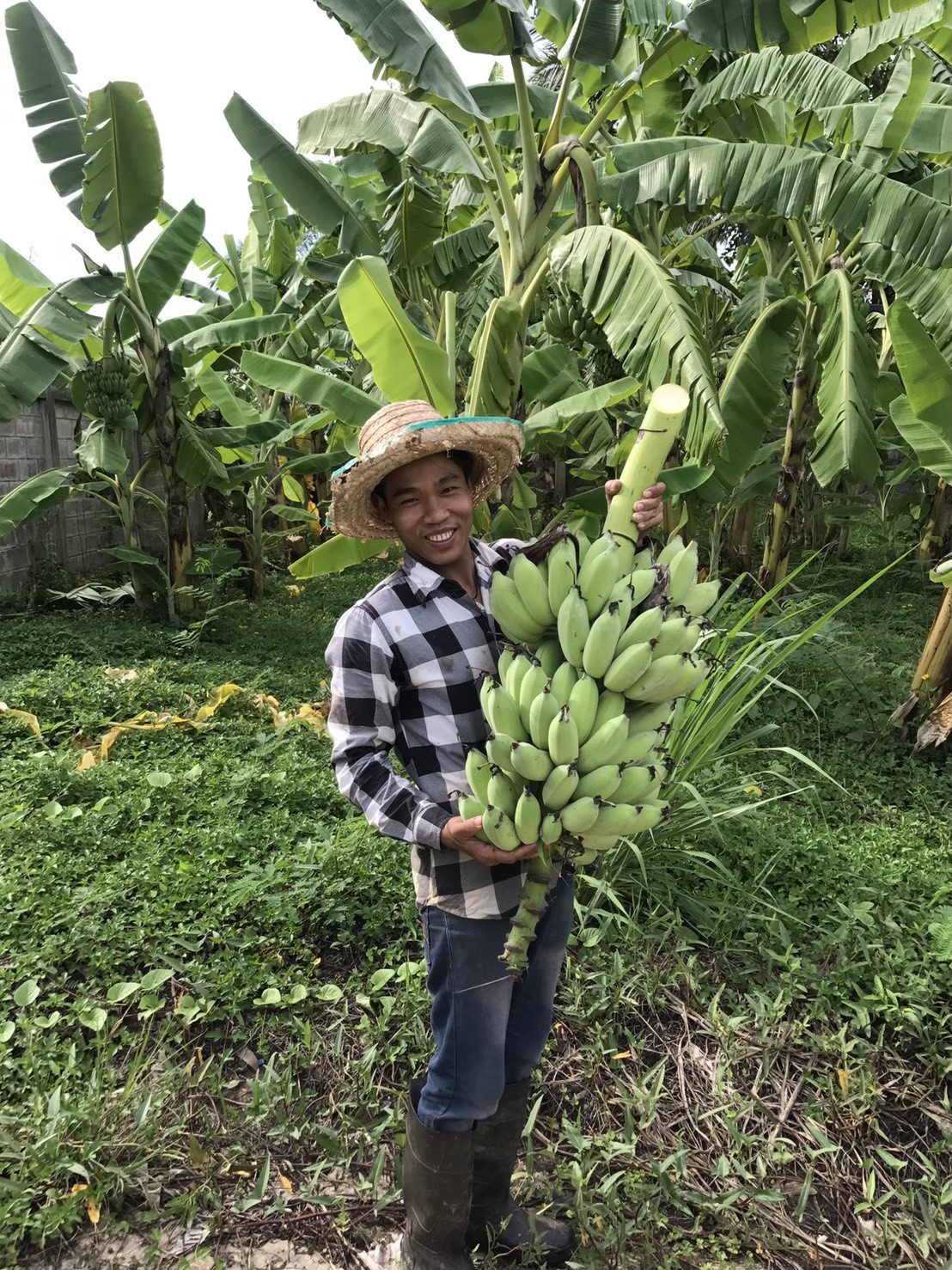
My journey to founding Ohmaigod began when I quit my job in digital marketing and advertising to become a banana farmer for a year. It was during that time I realized I wanted to make a more meaningful impact on society—but how? From a farm in Bangkok, I made my way to the School of Visual Arts in New York to pursue a Master’s degree in Branding. There, I met like-minded people who believed, as I do, that brands have the power to shape the world for the better. Brands make decisions that influence the beliefs and day-to-day lives of the masses.
I then worked as a strategist at BBMG New York, where I was able to share my perspective as both an immigrant and a member of the LGBTQIA+ community. BBMG gave me the opportunity to combine strategic thinking for brands with insights that truly resonate with the groups I represent.
Eventually, I received a call from home. Asia needed experts in branding to help export local goods to the world. I flew back home and built my own creative studio, Ohmaigod, to help local brands gain global recognition.

For you, what’s the most rewarding aspect of being a creative?
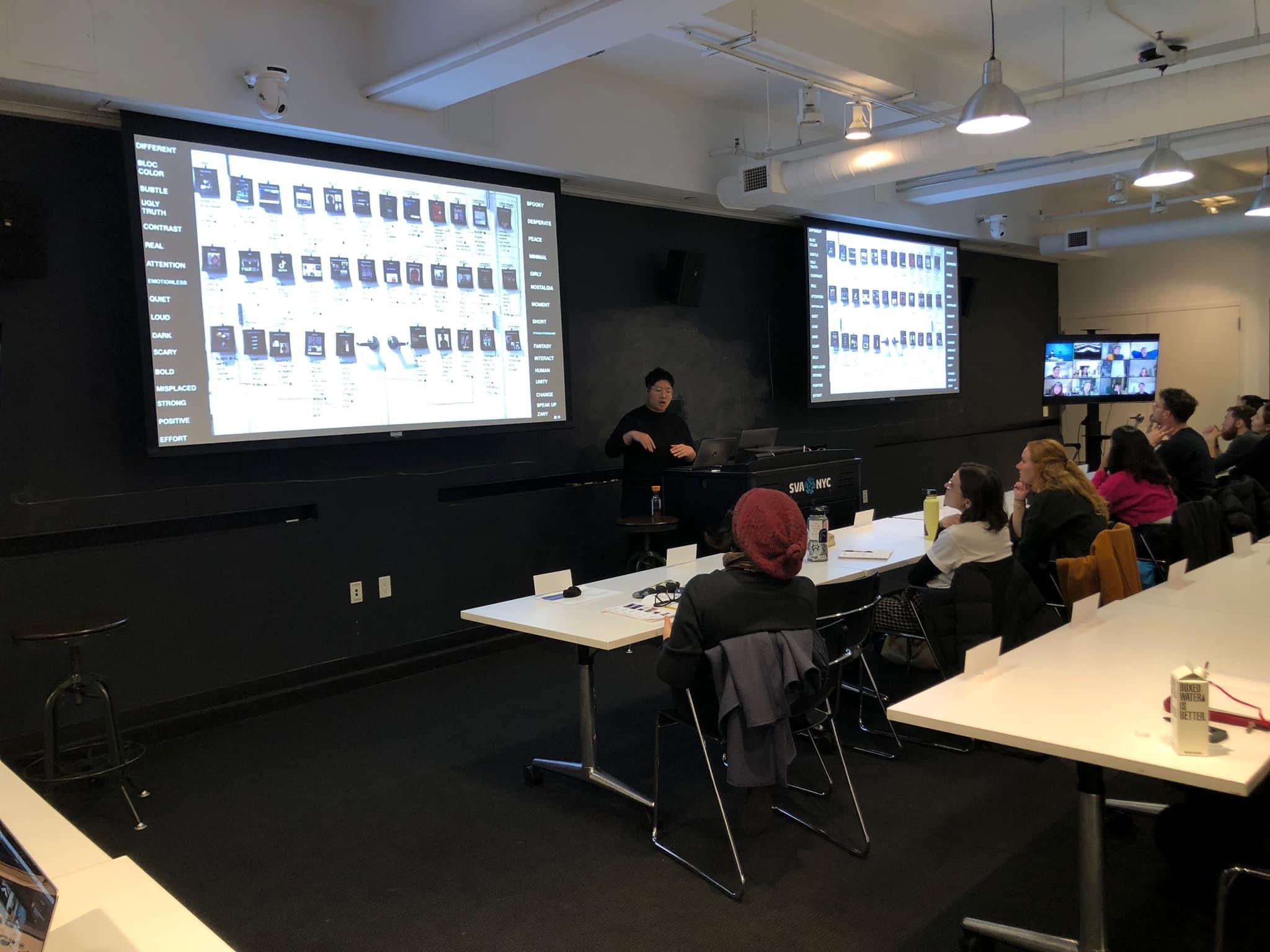
Throughout my career, I have had opportunities to serve as a teaching assistant for master’s degree students and to consult private executives in various companies. I have found it incredibly rewarding to influence my mentees to achieve better pay. This might sound trivial, but we need to break through the glass ceiling.
What I have noticed, both in Asia and the US, is that people often underestimate the value of design and branding. They might ask you to work for free or offer inadequate compensation. In some cases, individuals are even forced to switch careers because design doesn’t pay enough to cover their bills.
Branding is a long-term process, and it can be challenging for business owners to see its value initially. However, when a brand reaches its full potential, they will undoubtedly appreciate the designers and strategists who made it happen.
We need to set up a higher bar for our industry. I saw it happen, and so I believe it will continuously grow.
We’d love to hear a story of resilience from your journey.
I think standing your ground is very important and as for ‘oh mai god’, as a new brand it might be a little challenging to get recognition and reputation but I am not backing down who I am. I think it is authentic to me and that what Branding really is. What is truly compelling to the product, and the brand’s founder.
Contact Info:
- Website: https://www.ohmaigod.com
- Instagram: wwwohmaigodcom
- Linkedin: https://www.linkedin.com/in/ohmaigod/